Get 20% OFF All Premium 3D & STL Models!

In the dynamic world of digital content creation, from blockbuster games to immersive simulations and breathtaking cinematic renders, the foundation of any successful project lies in the quality of its 3D assets. A meticulously crafted 3D model doesn’t just represent an object; it embodies a world of design intent, technical precision, and creative possibility. Whether you’re a game developer striving for peak performance, an architect visualizing a future cityscape, or a filmmaker crafting a compelling narrative, the demand for high-fidelity, optimized models is ceaseless.
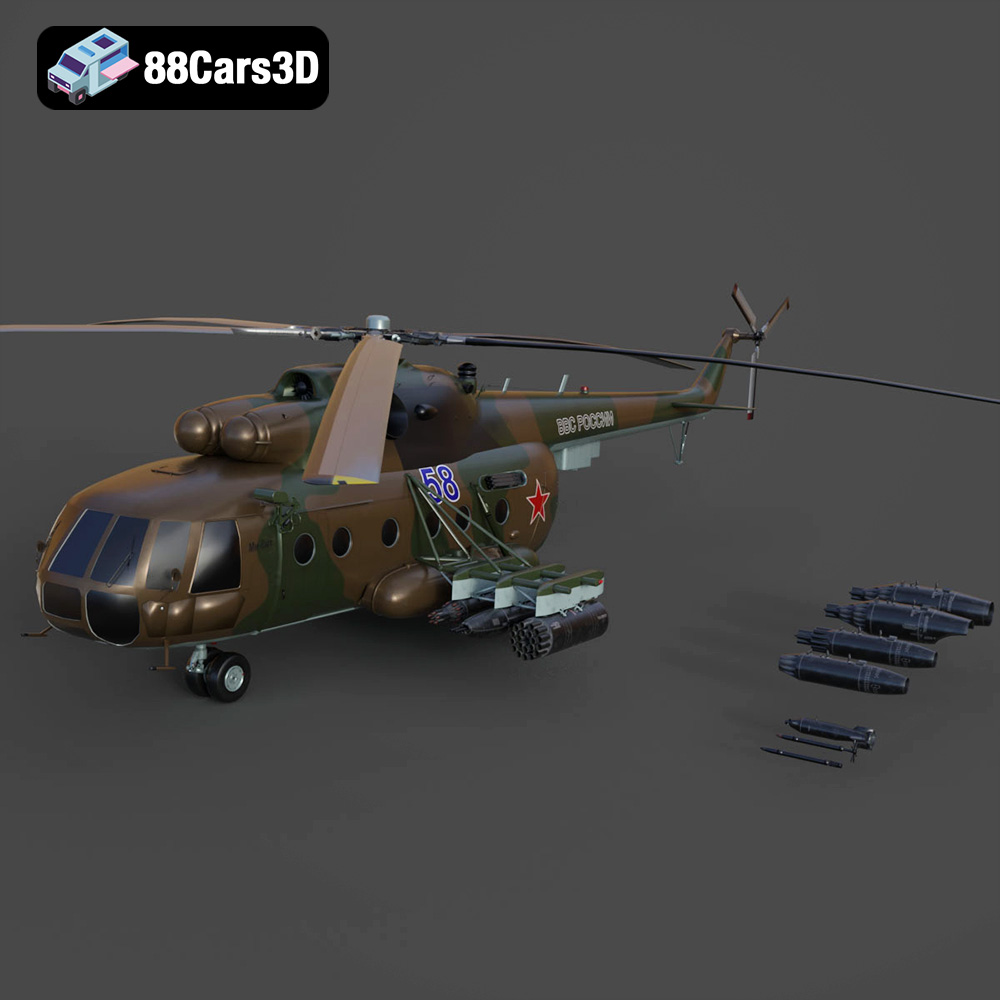
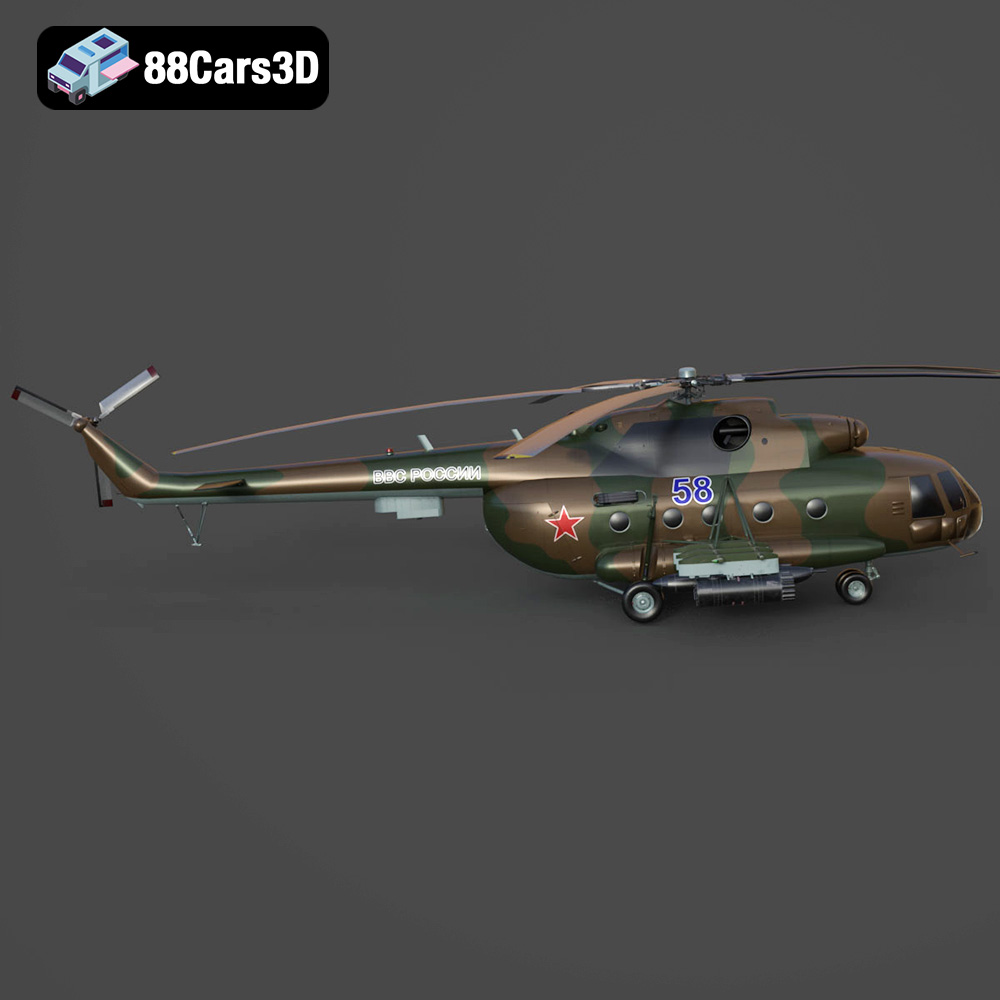
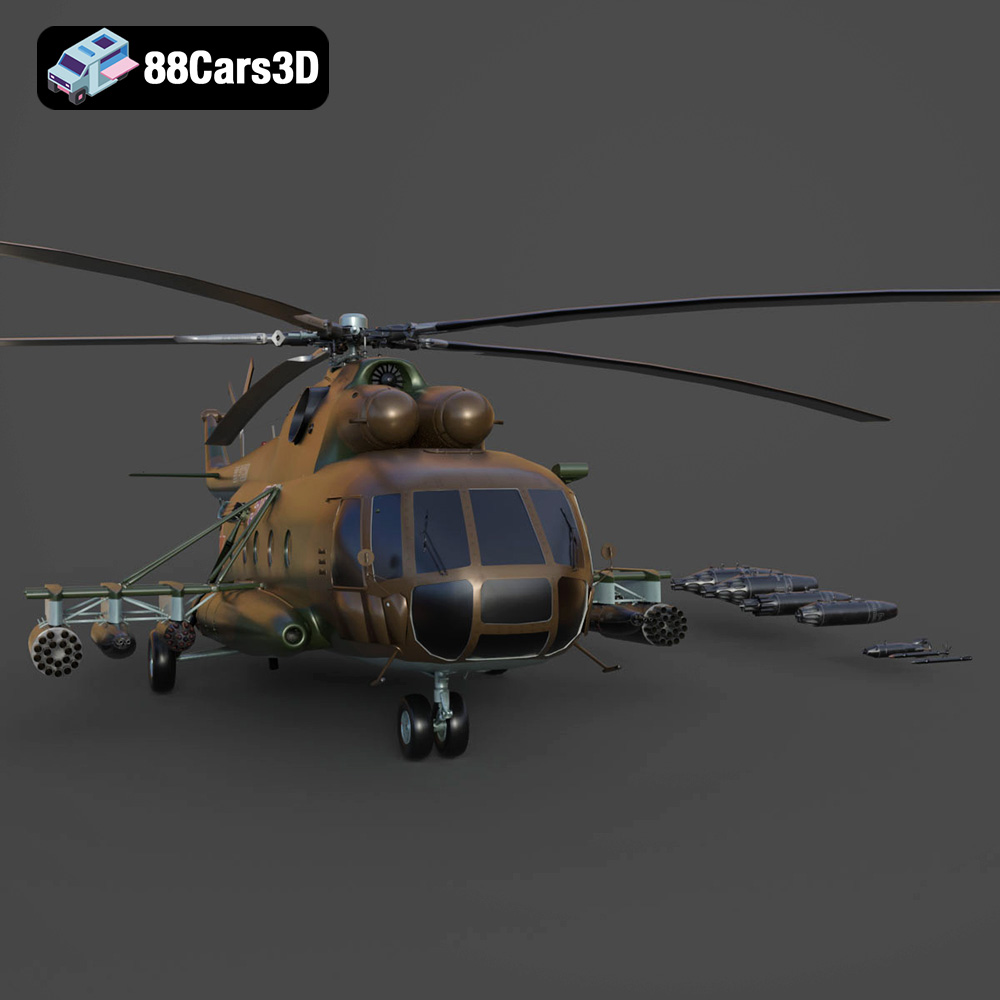
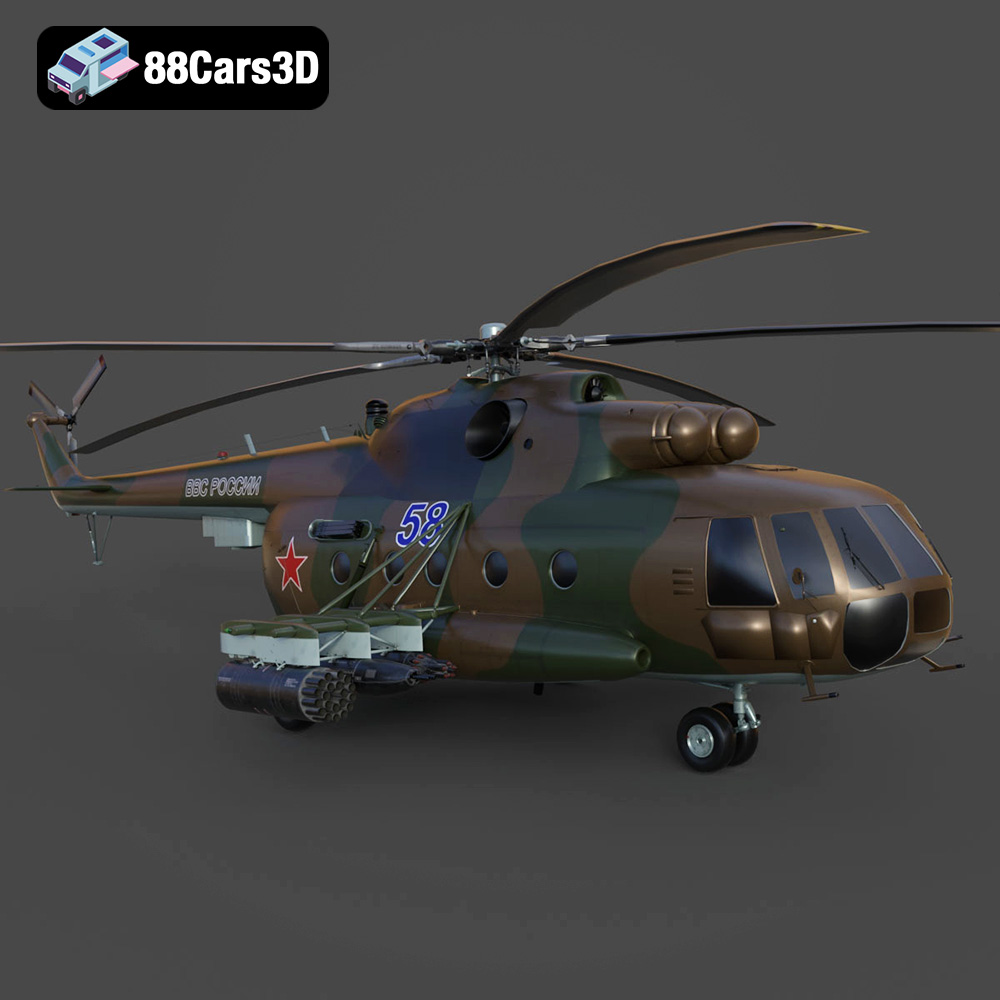
Today, we delve into the intricate details of what makes a premium 3D asset truly stand out, using a prime example that showcases versatility and technical excellence: the Mil Mi-8MT Helicopter 3D Model. This iconic rotorcraft, renowned for its ruggedness and widespread global use, serves as a perfect case study for exploring the journey of a complex vehicle from real-world blueprints to a fully realized, game-ready, and render-optimized digital asset. Its availability on platforms like 88cars3d.com underscores the commitment to providing top-tier resources for professionals across various industries, ensuring that creators have access to the best tools for their visions, from sophisticated 3D car models to formidable military vehicles.
Choosing the correct 3D model file format is not a trivial decision; it’s a fundamental step that dictates compatibility, performance, and the ultimate utility of your digital asset across diverse pipelines. Each format is engineered with specific strengths, catering to different stages of a project or different end-use applications. Understanding these distinctions is crucial for anyone working with 3D content, especially when acquiring assets like the Mil Mi-8MT Helicopter 3D Model, which comes with a comprehensive suite of options.
The .blend format is the native file type for Blender, the powerful open-source 3D creation suite. When you download a .blend file, you’re not just getting a mesh; you’re receiving a complete, fully editable Blender scene. This includes all scene data: geometry, materials (with complex node setups), textures, lighting, camera positions, animations, and even physics simulations. For artists and developers primarily working in Blender, this format offers the utmost flexibility for customization, rigging, and integration into existing Blender projects. It’s ideal for those who need to deeply modify the model, explore its construction, or leverage Blender’s extensive toolset for rendering with Cycles or Eevee.
.fbx (Filmbox) is arguably the most widely adopted proprietary file format for 3D data interchange, owned by Autodesk. It excels in preserving complex scene data, including meshes, materials, textures, animations, and even skeletal rigs, across different 3D software applications and game engines. For assets like the Mil Mi-8MT Helicopter 3D Model, .fbx is invaluable for pipelines involving Unreal Engine, Unity, 3ds Max, Maya, and Cinema 4D. It’s particularly favored in game development and real-time visualization due to its robust support for animation and hierarchal scene structures, making it an ideal choice for interactive experiences.
The .obj (Wavefront Object) format is one of the oldest and most universally compatible 3D file formats. Primarily, it stores geometric data (vertices, normals, texture coordinates, and faces). While it can reference external material files (.mtl) for basic material properties and textures, it doesn’t support complex shaders, rigging, or animations internally. Its strength lies in its simplicity and widespread support across virtually all 3D software. When you need a clean, stable mesh for sculpting, retopology, or basic import into any application, .obj is a reliable choice for cross-software compatibility.
.glb (GL Transmission Format Binary) is a modern, compact, and efficient format designed for the efficient transmission and loading of 3D scenes and models. It encapsulates geometry, materials, textures, and animation into a single binary file, making it perfect for web-based 3D viewers, AR/VR applications, and mobile platforms. Its optimization for real-time rendering and smaller file sizes makes it the go-to format for immersive experiences and browser-based displays, where quick loading and smooth performance are paramount. The Mil Mi-8MT as a .glb could easily be viewed in a web browser or integrated into an AR app.
The .stl (Stereolithography) format is the de facto standard for 3D printing. It represents a 3D model as a series of connected triangles, defining only the surface geometry without color, texture, or other attributes. While not suitable for rendering or animation, its simplicity makes it perfect for conveying print instructions to 3D printers. For enthusiasts and professionals looking to produce a physical model of the Mil Mi-8MT, the .stl conversion is essential, ensuring the digital design translates accurately into a tangible object.
.ply (Polygon File Format) is a versatile format capable of storing a wide range of properties, including color, transparency, surface normals, and even data from 3D scanners. It can represent meshes as either a list of polygons or as point clouds. While less common in general animation or game development compared to .fbx or .blend, .ply finds its niche in scientific visualization, CAD, and applications requiring precise geometric data or dense point clouds. It’s a robust format for scenarios where data integrity and specific mesh properties are critical for analysis.
The .unreal format signifies an asset specifically prepared and optimized for direct integration into the Unreal Engine. This often implies not just the raw mesh but also properly configured materials (PBR setups), collision meshes, level of detail (LOD) assets, and often blueprint-ready components. While it might often be derived from an .fbx import, an .unreal file or package implies that the model has undergone the necessary processing within the engine itself to be truly “engine-ready,” minimizing setup time and ensuring optimal performance within Unreal’s powerful real-time environment.
Similar to .blend for Blender, .max is the native project file format for Autodesk 3ds Max, a leading software for 3D modeling, animation, and rendering. A .max file contains the complete scene data, including geometry, complex material setups (e.g., V-Ray, Corona), lighting rigs, camera definitions, animation sequences, and any plugins used. For professionals entrenched in the 3ds Max ecosystem, the .max format offers full editability and access to all parameters, making it ideal for high-end rendering, complex animation sequences, and integration into existing studio pipelines. Having the Mil Mi-8MT in .max format provides complete control for advanced rendering and customization.
Creating compelling interactive experiences demands not only artistic vision but also rigorous technical execution. The Mil Mi-8MT Helicopter 3D Model exemplifies an asset built from the ground up with game development in mind, striking a delicate balance between visual fidelity and real-time performance. Its optimized structure and meticulous detail make it a standout choice for various gaming genres.
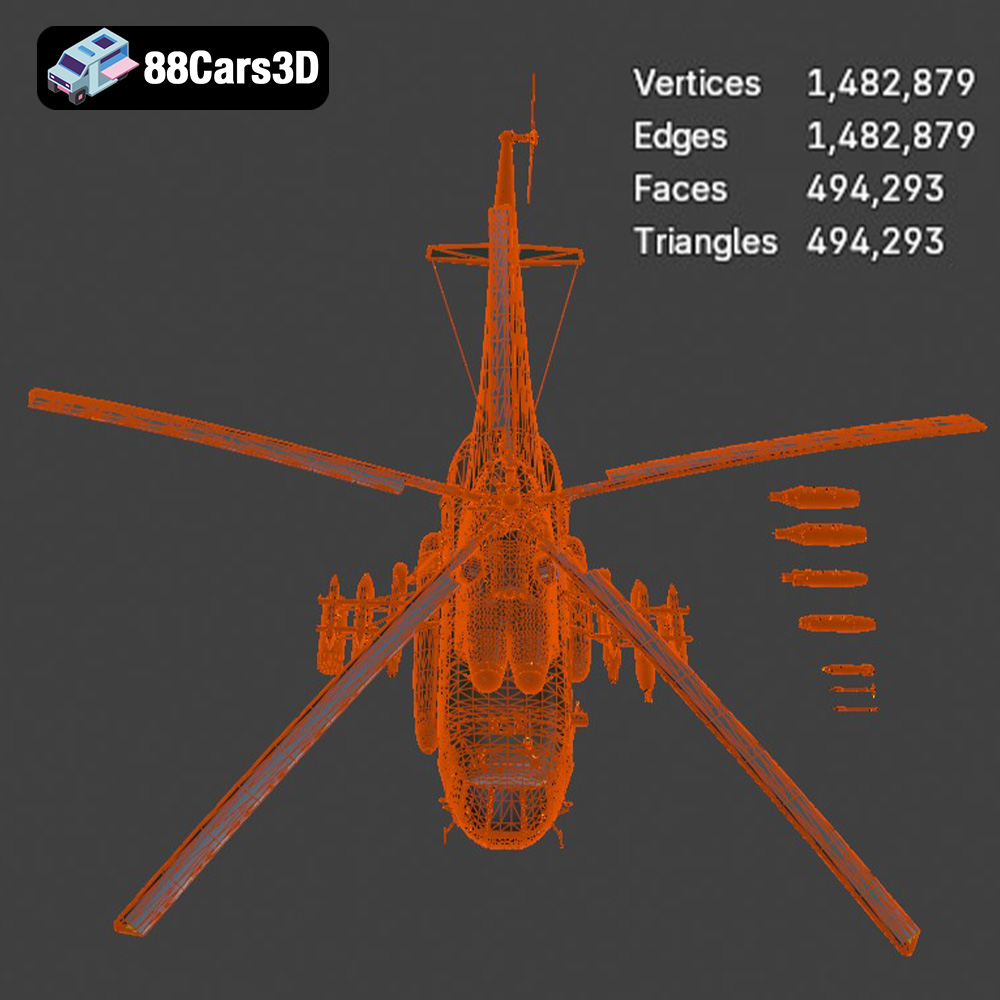
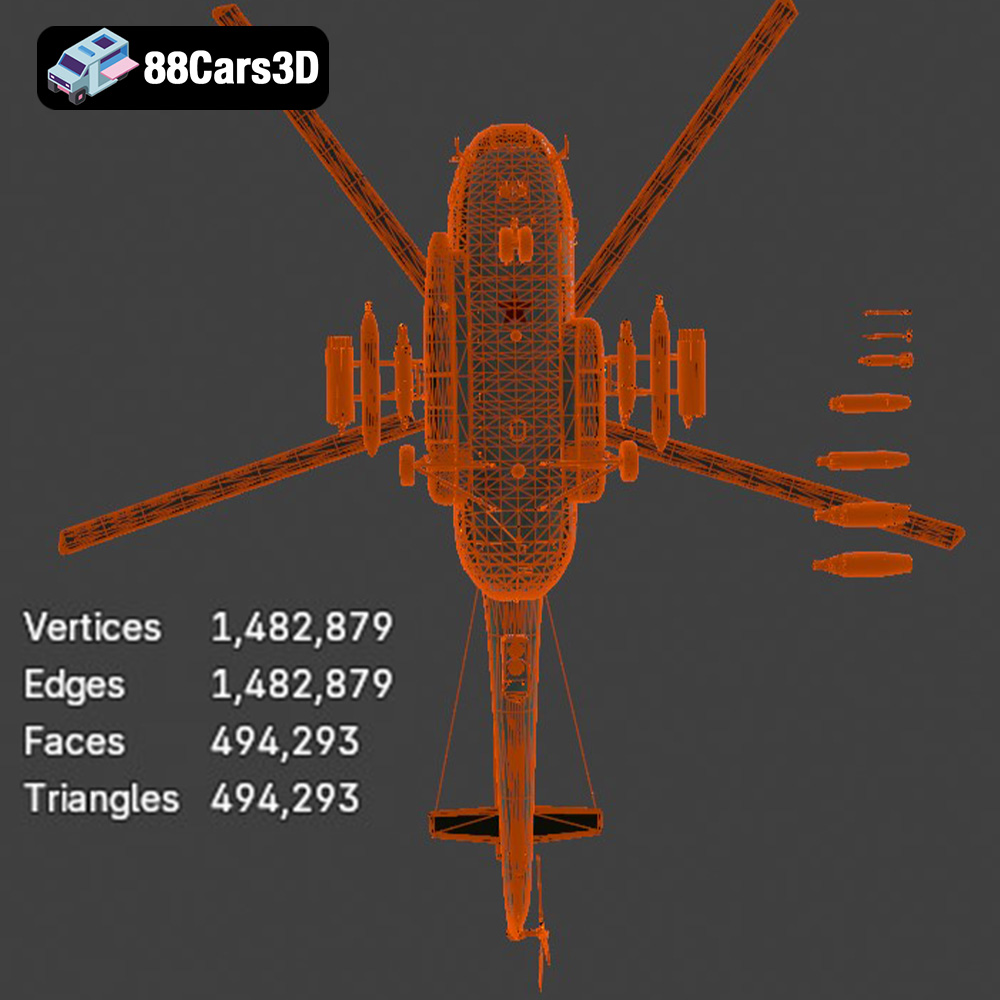
The core of a game-ready asset lies in its polygonal efficiency. The Mil Mi-8MT boasts a balanced ~120,000 triangle count. This figure is critical because it allows for a high degree of visual realism, capturing the complex curves and utilitarian components of the helicopter, without overburdening the game engine’s rendering pipeline. In modern game development, a model of this complexity can comfortably reside in a scene, even with multiple instances, ensuring smooth frame rates without sacrificing the immersive quality players expect. This optimization is evident in the detailed TV3-117MT turboshaft engine housings, the precise exhaust deflectors, and the intricate landing gear, all contributing to a believable silhouette and close-up detail while adhering to performance budgets.
The Mil Mi-8MT Helicopter 3D Model is engineered for effortless integration into the industry’s leading real-time rendering environments: Unreal Engine and Unity. Its inclusion of .fbx and .unreal file formats directly addresses the needs of developers utilizing these platforms.
Beyond the exterior, the Mil Mi-8MT’s interior features are meticulously modeled, catering specifically to first-person perspectives in gaming. This attention to detail is crucial for creating truly immersive flight simulators or action-adventure titles where players might enter the cockpit.
While optimized for real-time applications, the Mil Mi-8MT Helicopter 3D Model’s high-quality base mesh and detailed components make it equally adept for professional cinematic rendering, architectural visualization (ArchViz), and concept art. The versatility offered by formats like .max, .blend, and .obj ensures compatibility with various rendering pipelines and creative workflows.
Achieving photorealism in rendering heavily relies on sophisticated material setups and high-resolution textures. The Mi-8MT’s clean UV mapping and robust geometry provide an excellent foundation for this.
A high-quality 3D model unlocks extensive possibilities for complex lighting scenarios and dynamic animations, crucial for cinematic sequences and compelling visualizations.
The utility of a premium 3D model extends far beyond traditional screens. With the rapid evolution of AR/VR technologies and the accessibility of 3D printing, high-quality assets like the Mil Mi-8MT Helicopter 3D Model are finding new applications in immersive experiences and physical prototyping.
AR/VR simulations demand optimized assets that can perform smoothly within demanding real-time environments. The Mil Mi-8MT is perfectly suited for these applications.
The ability to convert a complex 3D model into a tangible object via 3D printing opens up possibilities for hobbyists, collectors, and prototyping. The Mil Mi-8MT, available in .stl format, bridges the gap between digital design and physical fabrication.
A truly professional 3D asset goes beyond surface aesthetics. It’s built on a foundation of sound technical specifications and intelligent design choices that ensure maximum utility and longevity across various projects. The Mil Mi-8MT Helicopter 3D Model embodies these principles, reflecting a commitment to engineering quality in its digital form.
The foundation of any believable 3D model is its adherence to real-world dimensions and details. The Mi-8MT model excels in this area, demonstrating a meticulous approach to its construction.
The design of the Mil Mi-8MT prioritizes not just visual appeal, but also ease of use and extensive customization options, reflecting best practices in asset creation.
In an industry that constantly pushes the boundaries of visual fidelity and interactive experiences, the demand for high-quality 3D models remains unwavering. The Mil Mi-8MT Helicopter 3D Model stands as a testament to what makes a truly exceptional digital asset: a harmonious blend of real-world accuracy, technical optimization, and incredible versatility across a multitude of applications.
From its meticulously modeled exterior and immersive cockpit tailored for first-person gaming to its seamless integration into leading game engines like Unreal and Unity, this model is built for performance without compromising on detail. Its comprehensive suite of file formats—including .blend, .fbx, .obj, .glb, .stl, .ply, .unreal, and .max—ensures unparalleled compatibility, whether you’re crafting cinematic visualizations, developing AR/VR simulations, or even bringing a physical replica to life through 3D printing. The intelligent design, proper pivot setups, and extensive customization options empower artists and developers to integrate, animate, and adapt the Mi-8MT to their specific creative needs, making it a powerful addition to any professional toolkit.
Investing in premium assets like the Mil Mi-8MT Helicopter 3D Model found on 88cars3d.com is not merely acquiring a digital file; it’s acquiring a foundation of professional-grade quality that accelerates workflows, enhances realism, and ultimately elevates the standard of your final output. For anyone seeking to bring robust, iconic vehicles into their digital worlds, this model offers a compelling combination of historical significance and cutting-edge technical execution. Explore this model and many other high-quality 3D car models and assets at 88cars3d.com, where excellence in digital content creation begins.
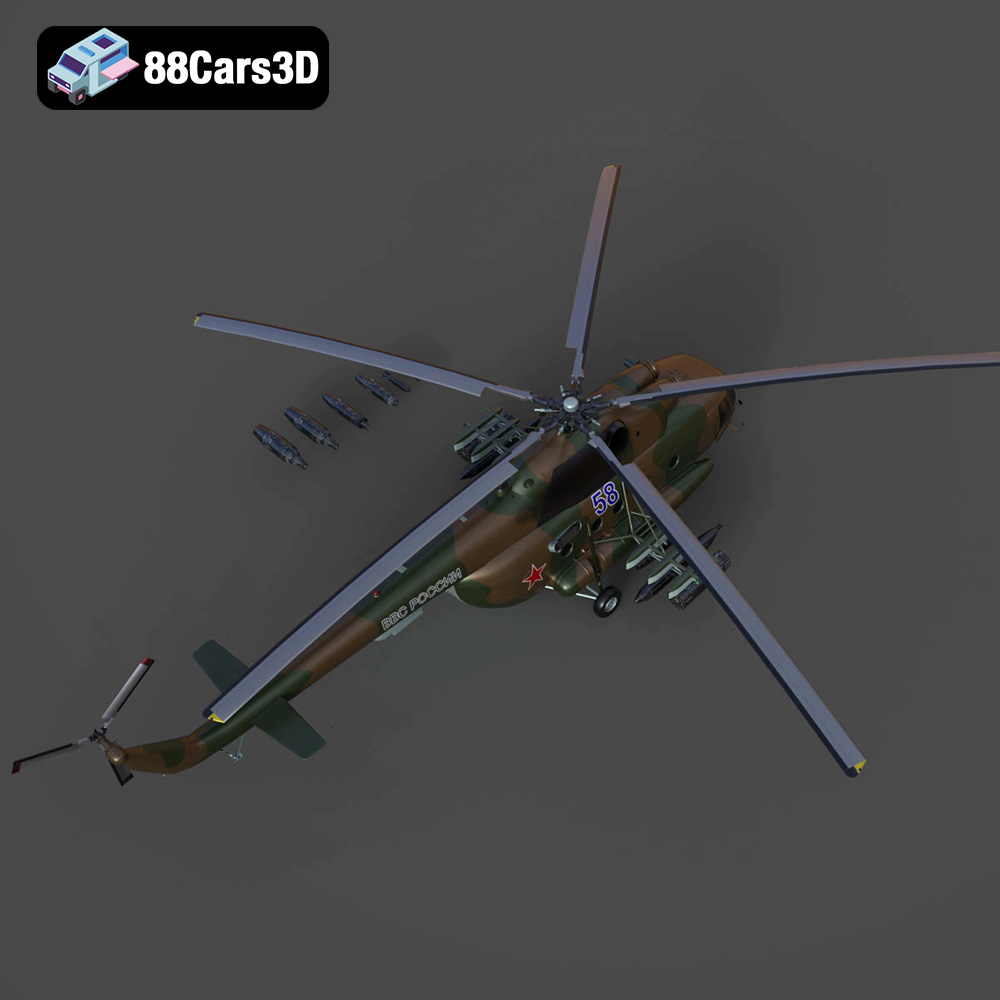
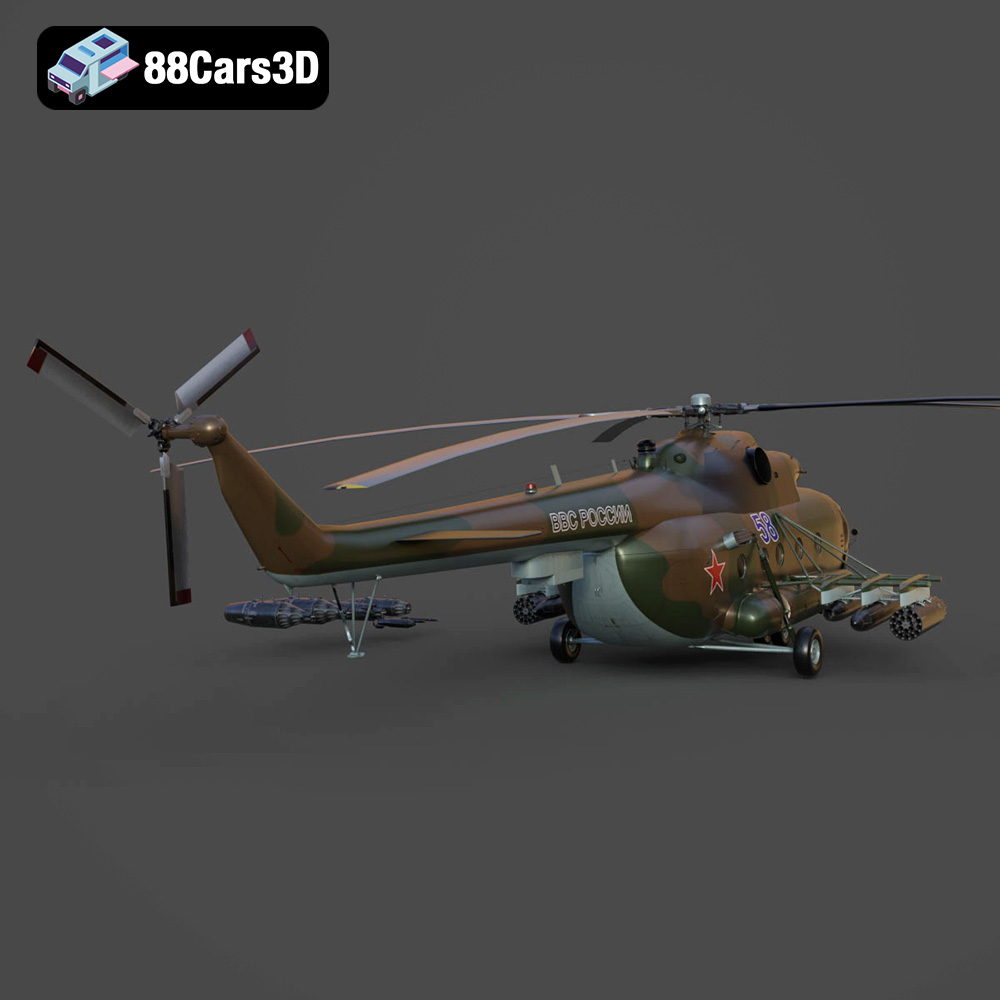
The Mil Mi-8MT is a legendary medium twin-turbine transport helicopter, renowned for its ruggedness, versatility, and widespread military and civilian use across the globe. This iconic rotorcraft features distinctive top-mounted TV3-117MT turboshaft engines, a robust airframe, an intricate exhaust system, and its recognizable five-blade main rotor. This high-quality 3D model boasts exceptional topological flow and a balanced ~120,000 triangle count, ensuring game-ready optimization without sacrificing visual fidelity. Engineered for diverse real-time and offline applications, it is built to deliver top-tier performance for game development, AR/VR simulations, animation, and high-end cinematic visualization. Perfect for military flight simulators, action-adventure game environments, cinematic rendering, and historical aviation visualizations.
$19.99
.blend
.fbx
.glb
.helicopter
.max
.obj
.ply
.rendering
.stl
.unreal
game asset
game-ready
helicopter-3d-model
low-poly
mi-8mt
mil
military-helicopter
optimized
transport-helicopter
VR/AR