Get 20% OFF All Premium 3D & STL Models!

In the dynamic world of digital content creation, where visual fidelity is paramount, the demand for exceptionally realistic 3D assets continues to soar. From blockbuster game titles and cinematic sequences to sophisticated architectural visualizations and immersive AR/VR experiences, the authenticity of every detail can make or break a project. Automotive rendering, in particular, stands as a crucible for 3D artists, requiring not just aesthetic prowess but also a deep understanding of geometry, materials, and optimization.
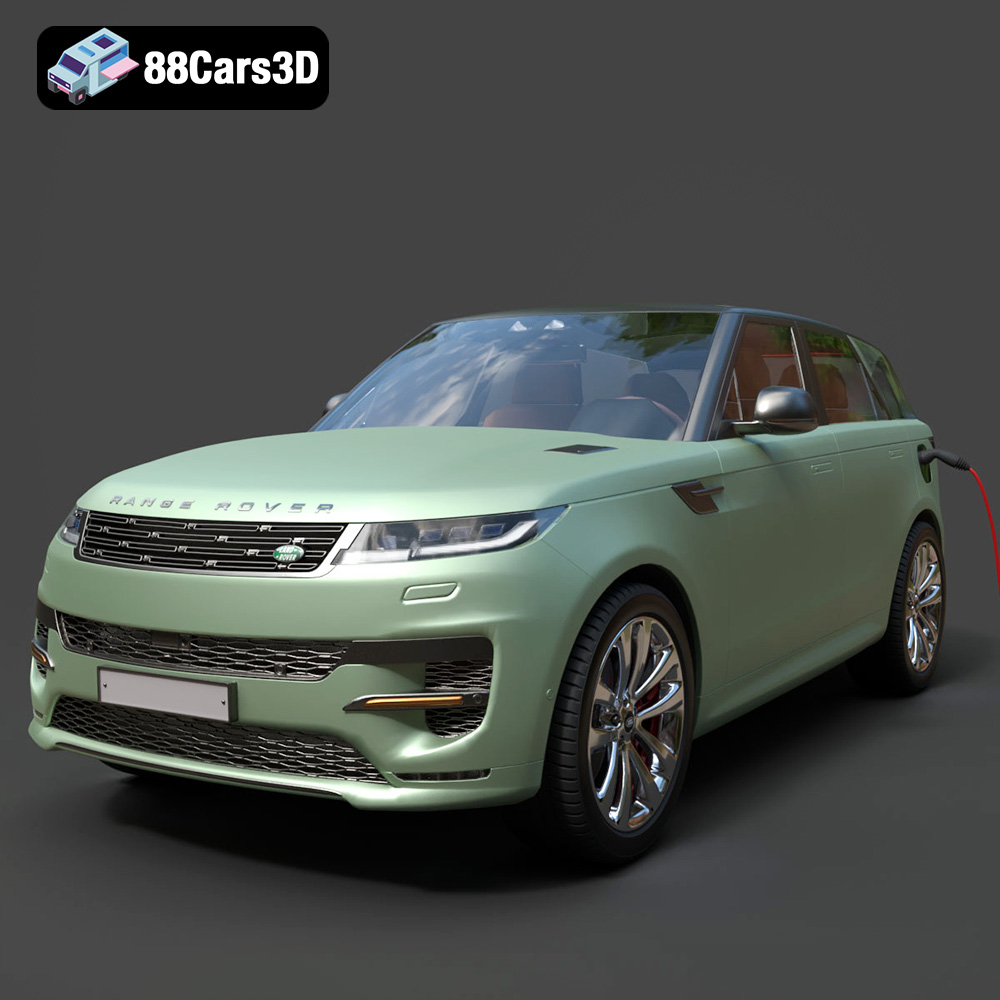
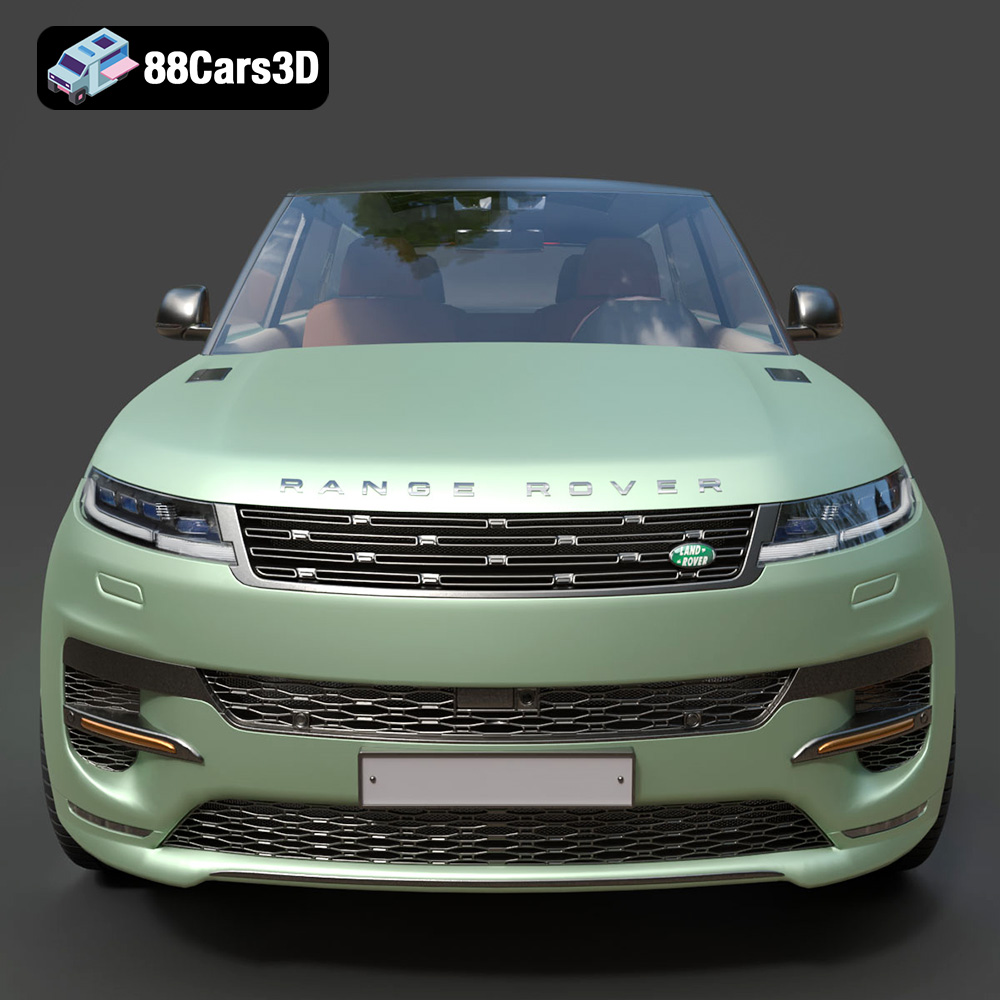
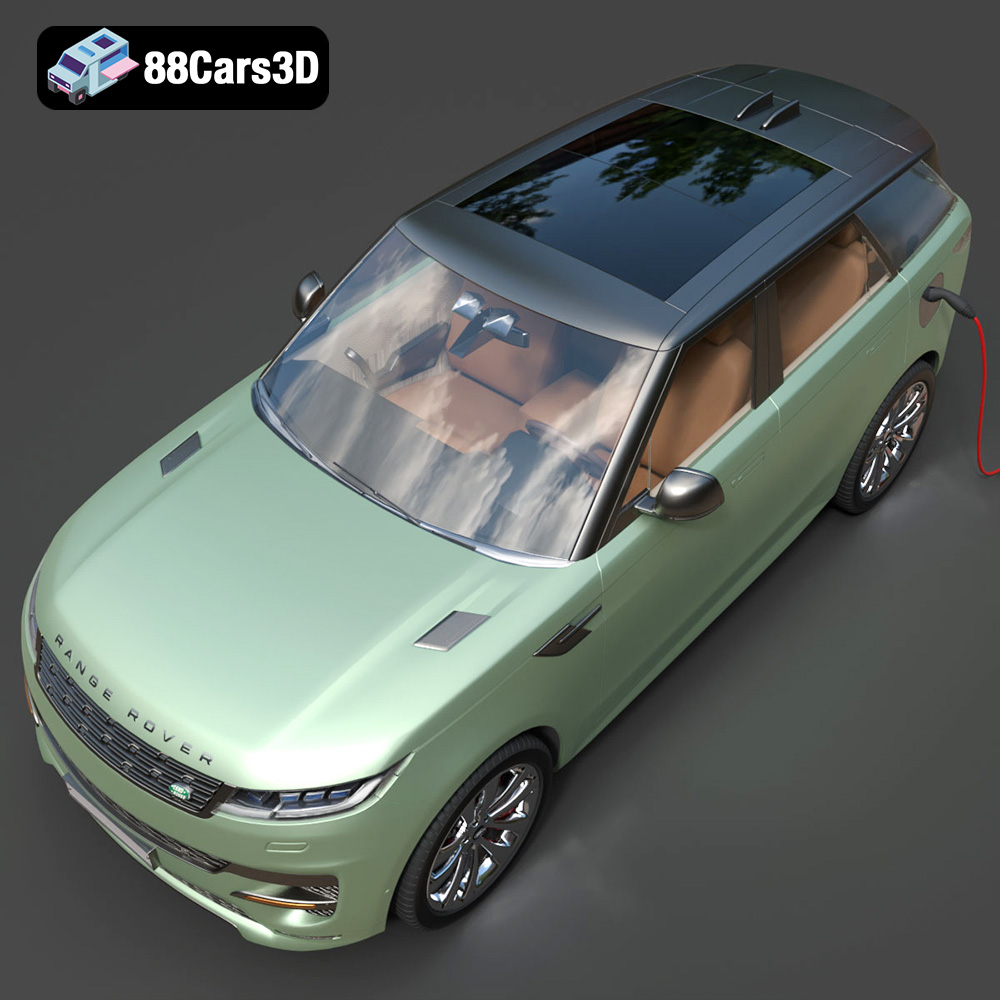
Creating vehicles from scratch that meet professional standards is a monumental task, often consuming hundreds of hours. This is where pre-made, high-quality 3D car models become indispensable tools for studios and individual artists alike. They accelerate workflows, maintain consistency, and elevate the overall quality of any visual output. Imagine needing a cutting-edge luxury SUV, like the Range Rover Sport Hybrid PHEV 2023, for your next project. Building such a complex model, complete with an accurate exterior and a fully detailed interior, from the ground up would be a project in itself. The Range Rover Sport Hybrid PHEV 2023 3D Model exemplifies the kind of asset that professionals seek: meticulously crafted, optimized, and ready for immediate deployment across diverse platforms, embodying the sophistication and dynamic stance of its real-world counterpart.
This article will delve into the technical intricacies, practical applications, and workflow benefits of utilizing professional-grade 3D car models. We will explore how these assets fit into various creative pipelines, the importance of robust file formats, and ultimately, why investing in premium resources like those found on 88cars3d.com can be a game-changer for your digital projects.
The versatility of a 3D model often hinges on the range and quality of its supported file formats. Each format is designed with specific use cases and software ecosystems in mind, offering different advantages in terms of data preservation, compatibility, and optimization. Understanding these distinctions is crucial for seamless integration and efficient workflow management, especially when working with detailed 3D car models like the Range Rover Sport Hybrid PHEV 2023.
The .blend format is Blender’s native file type, offering a complete, editable scene. When you acquire a .blend file, you’re not just getting the model; you’re often getting the entire project environment. This includes the intricate mesh of the Range Rover Sport Hybrid PHEV 2023, its sophisticated material setups (PBR textures, shader nodes), lighting configurations, camera placements, and even animation data if present. For artists deeply integrated into the Blender ecosystem, this format provides unparalleled flexibility for customization, rendering, and further development. It’s perfect for those who want to dissect the model, learn from its construction, or adapt it extensively to their unique project requirements.
.fbx (Filmbox) stands as one of the most widely adopted proprietary file formats for 3D data exchange, particularly favored in game development for engines like Unreal and Unity, and animation pipelines. It excels at preserving not just geometry, but also materials (though often simplified, PBR maps are usually linked), textures, rigging, skinning, and animation data across different software. For the Range Rover Sport Hybrid PHEV 2023 3D Model, an .fbx file ensures that the model can be smoothly imported into real-time environments, maintaining its structural integrity and visual attributes with minimal fuss. Its robustness makes it ideal for transferring complex scenes between applications.
The .obj (Wavefront OBJ) format is a venerable and highly compatible open standard, primarily used for geometry exchange. While it’s excellent at storing vertices, faces, UV coordinates, and normals, it typically handles materials and textures through an accompanying .mtl (material library) file and separate image files. The .obj format for a 3D car model is a universal fallback, ensuring that the Range Rover Sport Hybrid PHEV 2023 can be opened and worked with in virtually any 3D software package, even if it means some manual re-linking of textures or material recreation. It’s a reliable choice for cross-software compatibility, though it might require more setup for complex PBR materials.
.glb (GL Transmission Format Binary) is the binary version of glTF, a royalty-free specification for the efficient transmission and loading of 3D scenes and models by engines and applications. It’s specifically optimized for real-time applications, AR/VR, and web-based displays because it packages all assets (geometry, textures, animations, PBR materials) into a single, compact file. For displaying the Range Rover Sport Hybrid PHEV 2023 in augmented reality apps on mobile devices or interactive web experiences, .glb offers superior performance and ease of deployment.
.stl (STereoLithography) is the de facto standard for 3D printing. It represents a 3D model as a collection of unconnected triangles (a tessellation of the surface), without any color, texture, or material information. While not suitable for rendering or animation, the .stl format of the Range Rover Sport Hybrid PHEV 2023 3D Model allows designers to output physical prototypes or scale models. This is particularly useful for product design, automotive engineering, or even creating physical collectibles from digital assets.
.ply (Polygon File Format) is another format primarily used for storing 3D data, particularly from 3D scanners. It can store a wide range of data, including color, transparency, surface normals, and texture coordinates, in addition to geometry. It’s often used in scientific and engineering applications, CAD software, and for detailed analysis of mesh structures. For specific technical visualizations or reverse engineering projects involving the Range Rover Sport Hybrid PHEV 2023, the .ply format can offer a precise representation of the mesh data.
The .unreal format, or more accurately, pre-configured Unreal Engine assets, implies that the model has been specifically prepared and possibly imported into an Unreal Engine project. This means it might come with optimized meshes, PBR materials already set up within Unreal’s material editor, collision meshes, LODs (Levels of Detail), and potentially even Blueprints for interactivity. For game developers or real-time visualization artists, having the Range Rover Sport Hybrid PHEV 2023 as an .unreal asset significantly reduces setup time, allowing for immediate integration into an Unreal project without the common import headaches.
Similar to .blend for Blender, the .max format is the native file type for Autodesk 3ds Max. It contains all scene data, including geometry, materials, lighting, cameras, animations, modifiers, and plugins used within the 3ds Max environment. For professionals whose pipelines are centered around 3ds Max for high-end rendering, architectural visualization, or complex animations, the .max file for the Range Rover Sport Hybrid PHEV 2023 offers the most comprehensive control and flexibility. It allows for full editing, rigging, and rendering within a familiar and powerful ecosystem.
Choosing the right file format is about understanding your project’s destination and your preferred workflow. A high-quality asset like the Range Rover Sport Hybrid PHEV 2023 3D Model, offering multiple formats, provides the ultimate flexibility, ensuring it can seamlessly integrate into virtually any professional pipeline.
Automotive rendering is a specialized discipline that demands an extraordinary level of detail and realism. Whether for marketing, design reviews, or cinematic sequences, the visual quality of a rendered vehicle directly impacts its perceived value and authenticity. This is precisely why investing in premium 3D car models is a non-negotiable for professional artists and studios.
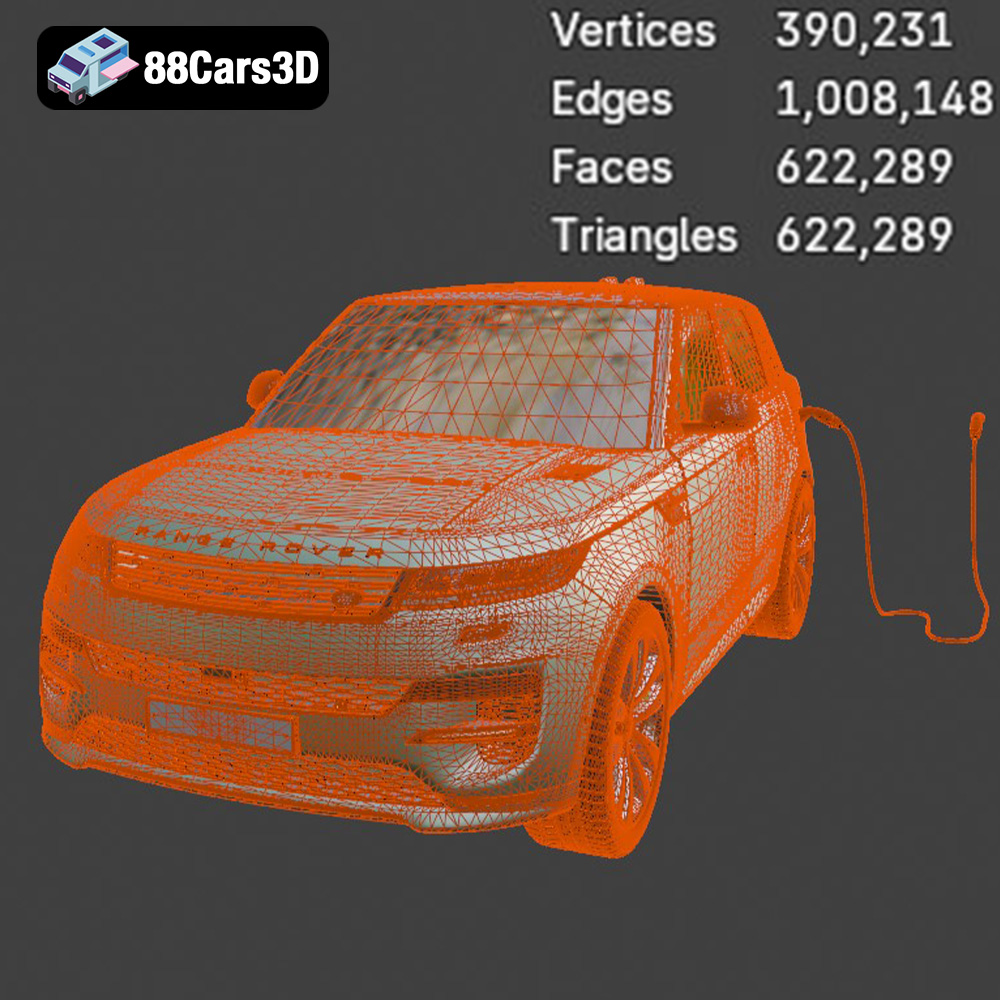
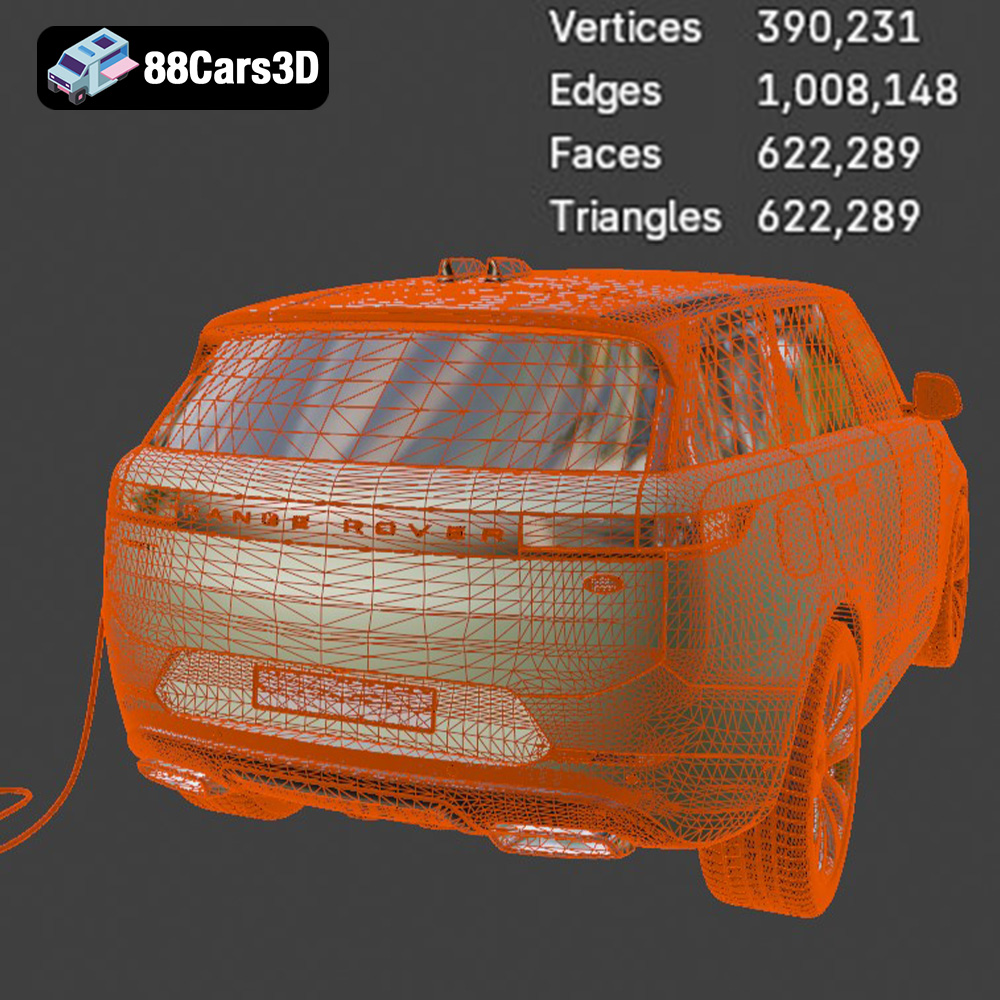
The foundation of a stunning render begins with the model itself. A high-quality 3D car model, such as the Range Rover Sport Hybrid PHEV 2023, is characterized by its clean geometry and professional-grade polygon topology. This isn’t just about high poly counts; it’s about efficient poly distribution that captures every curve and crease of the vehicle without unnecessary complexity. For the Range Rover Sport Hybrid PHEV 2023, this means accurate reflections on its sophisticated bodywork, sharp edges on its grille, and precise contours on its dynamic silhouette.
Beyond the mesh, realistic materials and detailed textures are crucial. Modern rendering relies heavily on Physically Based Rendering (PBR) workflows. This involves texture maps for diffuse color (albedo), roughness, metallic properties, normal maps for fine surface details, and often displacement maps for subtle shifts in geometry. A professional model comes with these textures pre-configured, allowing for immediate, photorealistic renders that react accurately to light, mimicking real-world automotive paint, glass, rubber, and chrome. The Range Rover Sport Hybrid PHEV 2023 3D Model’s realistic materials ensure it shines convincingly under any lighting condition, whether in a studio setup or an outdoor environment.
In architectural visualization (arch-viz), vehicles play a vital role in grounding a scene in reality, conveying scale, and adding a sense of life. A beautifully rendered building can feel sterile without the presence of contextually appropriate vehicles. Imagine a luxury condominium project: placing a generic car in front would detract from the high-end aesthetic. However, integrating a highly detailed Range Rover Sport Hybrid PHEV 2023 instantly elevates the scene, reinforcing the intended demographic and lifestyle. The model’s fully modeled interior further enhances this, allowing for close-up shots through windows or even internal views if the scene calls for it.
The clean geometry and optimized textures of such models ensure that they integrate seamlessly into complex arch-viz scenes without bogging down render times, making them an efficient choice for creating compelling visual narratives around built environments.
Game development and real-time simulations demand a unique balance of visual fidelity and performance optimization. Unlike static renders, models in a game engine must maintain high frame rates, react to physics, and seamlessly interact with game logic. This necessitates 3D car models that are not only visually appealing but also technically robust and optimized for real-time environments.
While cinematic renders can afford extremely high polygon counts, game engines require efficient geometry to maintain smooth performance. Professional-grade 3D car models, such as those available on 88cars3d.com, are typically built with optimized polygon topology. This means that details are represented efficiently, avoiding unnecessary polys where they won’t be perceived, while still maintaining the vehicle’s recognizable form. For the Range Rover Sport Hybrid PHEV 2023 3D Model, this translates to clean mesh data that looks great up close but doesn’t overburden the game engine.
Furthermore, game-ready assets often come with or are designed for the implementation of Levels of Detail (LODs). LODs are simplified versions of the model that swap in as the camera moves further away from the object. This technique significantly reduces the computational load, allowing for rich environments with many vehicles without sacrificing performance. While the product description doesn’t explicitly state LODs, the “game-engine ready” promise for .fbx and .unreal formats implies the underlying geometry is suitable for such optimizations.
The inclusion of .fbx and .unreal file formats for the Range Rover Sport Hybrid PHEV 2023 is a direct nod to its suitability for the two most popular game engines: Unreal Engine and Unity. For Unreal Engine, a pre-configured .unreal asset means that materials, textures, and even collision meshes might already be set up, allowing developers to drag and drop the car into their scene and begin scripting its behavior immediately. This dramatically reduces the time spent on asset preparation, freeing up resources for gameplay mechanics and environmental design.
Similarly, the .fbx format is a workhorse for Unity. Importing an .fbx file with embedded or linked PBR textures allows developers to quickly create stunning vehicles that look realistic within Unity’s rendering pipeline. This streamlined integration is crucial for maintaining tight development schedules and ensuring consistent visual quality across a game’s diverse assets. From racing games to open-world adventures, the Range Rover Sport Hybrid PHEV 2023 3D Model provides a high-fidelity option for automotive content.
The utility of high-quality 3D car models extends far beyond traditional rendering and game development. Emerging technologies like Augmented Reality (AR), Virtual Reality (VR), 3D printing, and sophisticated simulations are increasingly leveraging these assets to create interactive, tangible, and analytical experiences.
AR and VR platforms thrive on optimized 3D content that can be rendered smoothly in real-time. For showcasing new vehicle designs, interactive showrooms, or educational applications, a detailed 3D car model is invaluable. The .glb format, specifically mentioned for the Range Rover Sport Hybrid PHEV 2023, is a prime example of an asset tailored for these immersive environments. Its compact, single-file structure makes it ideal for quick loading and efficient display on AR-enabled mobile devices or within VR headsets. Users can explore the Range Rover Sport Hybrid PHEV 2023 from every angle, walk around it, and even “sit inside” the fully modeled interior in a virtual space, offering an unprecedented level of interaction and engagement that static images or videos cannot match.
The advent of accessible 3D printing has opened up new avenues for digital models. While the primary purpose of most 3D car models is digital visualization, having an .stl format available, as with the Range Rover Sport Hybrid PHEV 2023 3D Model, unlocks the potential for physical prototyping. Designers can print scale models of the vehicle for design reviews, aerodynamic testing (on a conceptual level), or simply as highly detailed collectibles. This bridges the gap between the digital design space and the tangible world, allowing for a different kind of interaction with the vehicle’s form factor. The precision required for a good 3D print means the underlying mesh must be watertight and well-defined, characteristics of professionally prepared assets.
High-fidelity 3D car models are fundamental to advanced automotive simulations. From driver training simulators to engineering analyses, accurate vehicle representations are critical. The detailed polygon mesh of the Range Rover Sport Hybrid PHEV 2023, coupled with formats like .ply for precision analysis, can be integrated into simulation environments to model vehicle dynamics, test autonomous driving algorithms, or create realistic training scenarios. The precise geometry ensures that physical properties applied within the simulation interact authentically with the vehicle’s design, providing valuable data and a highly immersive training experience for drivers, engineers, or even emergency responders.
In any production pipeline, efficiency is key. Professional 3D artists and studios are constantly looking for ways to streamline their workflows without compromising on quality. This is where pre-made, high-quality 3D car models, such as those found on 88cars3d.com, become invaluable assets, significantly reducing development time and costs.
Building a complex 3D car model from scratch is an incredibly time-consuming process. It involves extensive blueprint research, meticulous polygonal modeling, precise UV unwrapping, detailed texture painting, material setup, and optimization for various platforms. A single vehicle can take an experienced artist weeks or even months to complete to a professional standard. By purchasing a ready-made asset like the Range Rover Sport Hybrid PHEV 2023 3D Model, studios can save hundreds of person-hours, allowing their artists to focus on more unique aspects of their projects, such as environmental design, character creation, or animation. This direct translation from saved time to reduced labor costs makes pre-made assets a highly economical choice for large and small projects alike.
The true mark of a professional asset is its ability to seamlessly integrate into existing pipelines. The Range Rover Sport Hybrid PHEV 2023 3D Model, with its clean geometry and professional-grade polygon topology, ensures minimal fuss upon import. The inclusion of multiple file formats (.blend, .fbx, .obj, .glb, .stl, .ply, .unreal, .max) means it’s ready for virtually any software or engine. Whether you’re a Blender enthusiast, a 3ds Max power user, or an Unreal Engine developer, you’ll find a format that fits your workflow. This adaptability minimizes the need for extensive adjustments or conversions, ensuring that artists can hit the ground running, focusing on creative execution rather than technical troubleshooting. The realistic materials and detailed textures are often pre-configured, further accelerating the setup process for rendering and real-time visualization.
Sourcing 3D car models from reputable marketplaces like 88cars3d.com also provides a level of quality assurance. These platforms typically curate their offerings, ensuring that assets meet certain professional standards for topology, texture resolution, and overall accuracy. This consistency in quality is vital for projects requiring multiple vehicles or for studios that need to maintain a cohesive visual style across different assets. Knowing that the Range Rover Sport Hybrid PHEV 2023 3D Model has been expertly crafted means fewer surprises, fewer errors, and a more reliable foundation for your digital productions.
Selecting the ideal 3D car model for your project involves more than just aesthetics; it requires a careful consideration of technical specifications, intended application, and the overall value it brings to your workflow. Making an informed choice ensures both creative success and operational efficiency.
When evaluating 3D car models, delve into the technical details. Look for descriptions that mention “clean geometry,” “professional-grade polygon topology,” and “optimized for performance.” These phrases indicate that the model has been constructed with care, balancing visual fidelity with efficiency. While a specific poly count isn’t always listed, the promise of optimal performance across various platforms, as stated for the Range Rover Sport Hybrid PHEV 2023 3D Model, is a strong indicator of its quality. For rendering projects, high-resolution textures and PBR material setups are crucial. For game assets, consider if LODs are provided or if the base mesh is suitable for generating them, and if collision meshes are included. The Range Rover Sport Hybrid PHEV 2023 asset’s comprehensive format list and detailed interior/exterior modeling speak volumes about its robust technical foundation.
The intended use of the 3D car model should heavily influence your choice. If you’re working on a cinematic render, a model with an incredibly detailed interior and exterior, high-resolution textures, and complex shaders is paramount. For a mobile AR experience, an optimized model with a low-poly count and efficient textures (like one provided in .glb format) would be more suitable. Game development often requires a balance, prioritizing performance while maintaining visual appeal. For architectural visualization, models that add realism and context without demanding excessive rendering resources are ideal. The versatility of the Range Rover Sport Hybrid PHEV 2023, packaged with various formats for game development, architectural visualization, cinematic rendering, AR/VR, and automotive simulations, makes it a highly adaptable option for a broad spectrum of professional needs.
Ultimately, the best 3D car models offer a comprehensive package. This includes not just the model itself, but a range of compatible file formats, well-organized texture sets, and clear documentation. A vendor like 88cars3d.com, offering assets such as the Range Rover Sport Hybrid PHEV 2023 3D Model with multiple industry-standard formats, significantly enhances the value proposition. This breadth of options minimizes compatibility issues and allows artists to leverage the asset across different software and platforms without the need for extensive conversion or re-work. Such completeness ensures that your investment in a premium 3D model translates directly into an efficient and high-quality output for your digital endeavors.
The pursuit of digital realism in today’s visual media landscape is relentless, and high-quality 3D car models stand as foundational elements in achieving this goal. From the intricate demands of automotive rendering to the performance-critical environments of game development and the immersive frontiers of AR/VR, the need for meticulously crafted and optimized assets is undeniable. Products like the Range Rover Sport Hybrid PHEV 2023 3D Model exemplify what professionals seek: a highly detailed, versatile, and technically robust asset ready to integrate seamlessly into diverse workflows.
Understanding the nuances of various file formats – from the comprehensive .blend and .max project files to the universally compatible .fbx and .obj, the AR/VR-optimized .glb, the 3D printing-ready .stl, and the game-engine specific .unreal – empowers artists and studios to make informed decisions that streamline production and enhance output quality. By leveraging these professional-grade assets, creators can save invaluable time and resources, focusing their energy on creative innovation rather than the arduous task of building complex models from scratch.
Ultimately, whether you’re crafting a cinematic masterpiece, developing the next big game, or visualizing an architectural marvel, the right 3D car models are a catalyst for success. They are not just objects; they are meticulously engineered components that elevate your project’s visual fidelity and operational efficiency. Explore the extensive selection of premium 3D car models at 88cars3d.com and unlock the full potential of your digital creations.
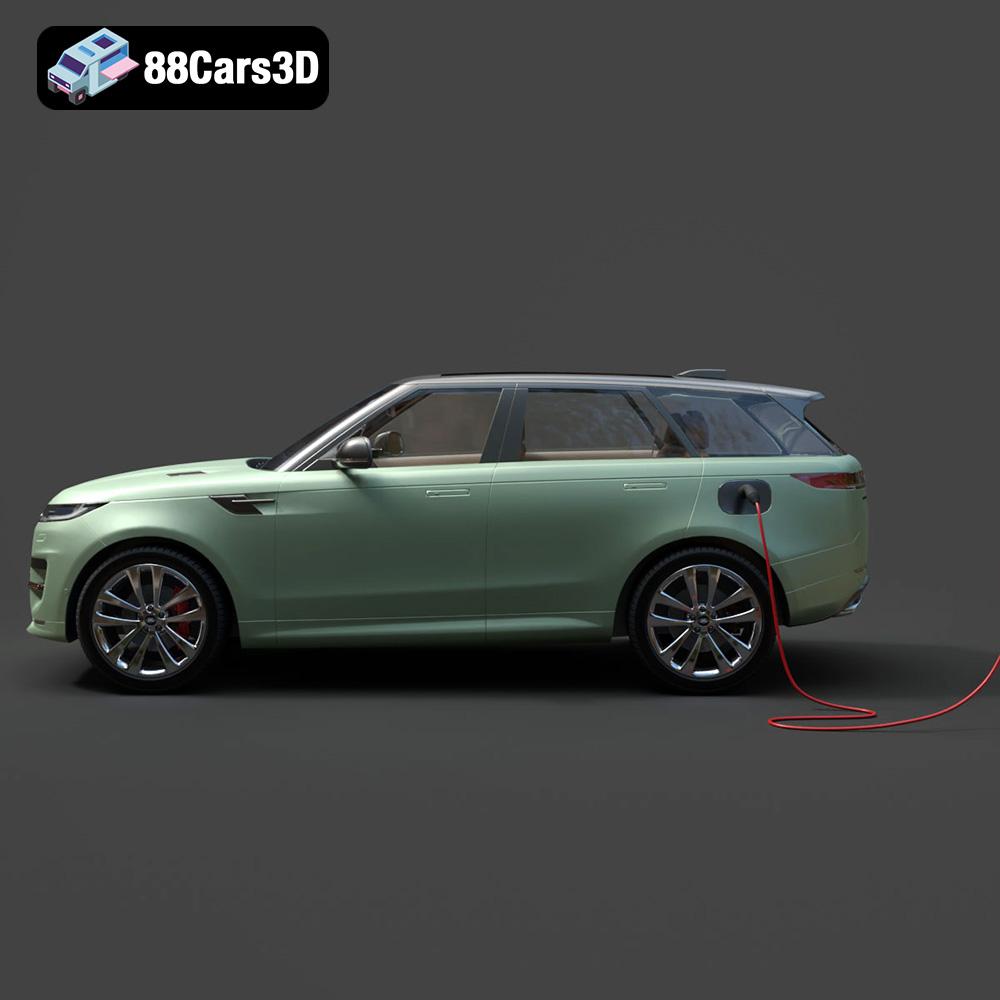
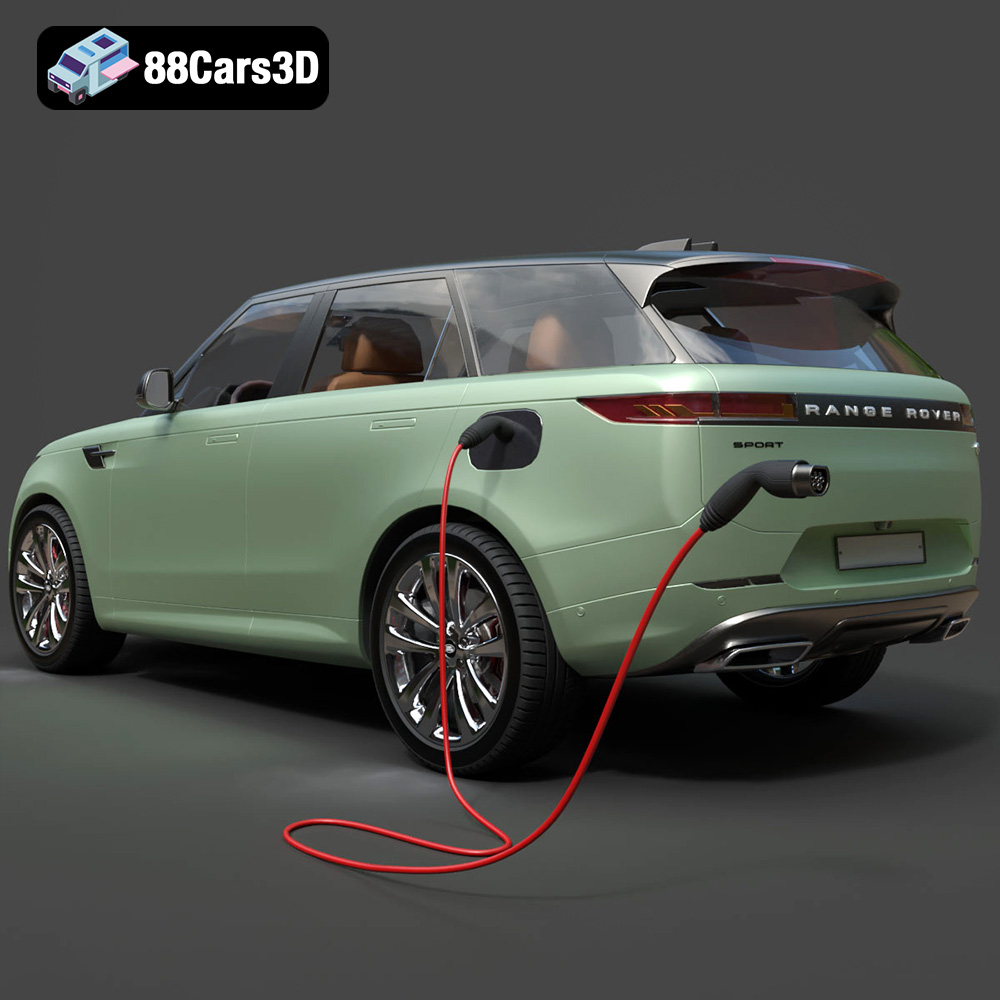
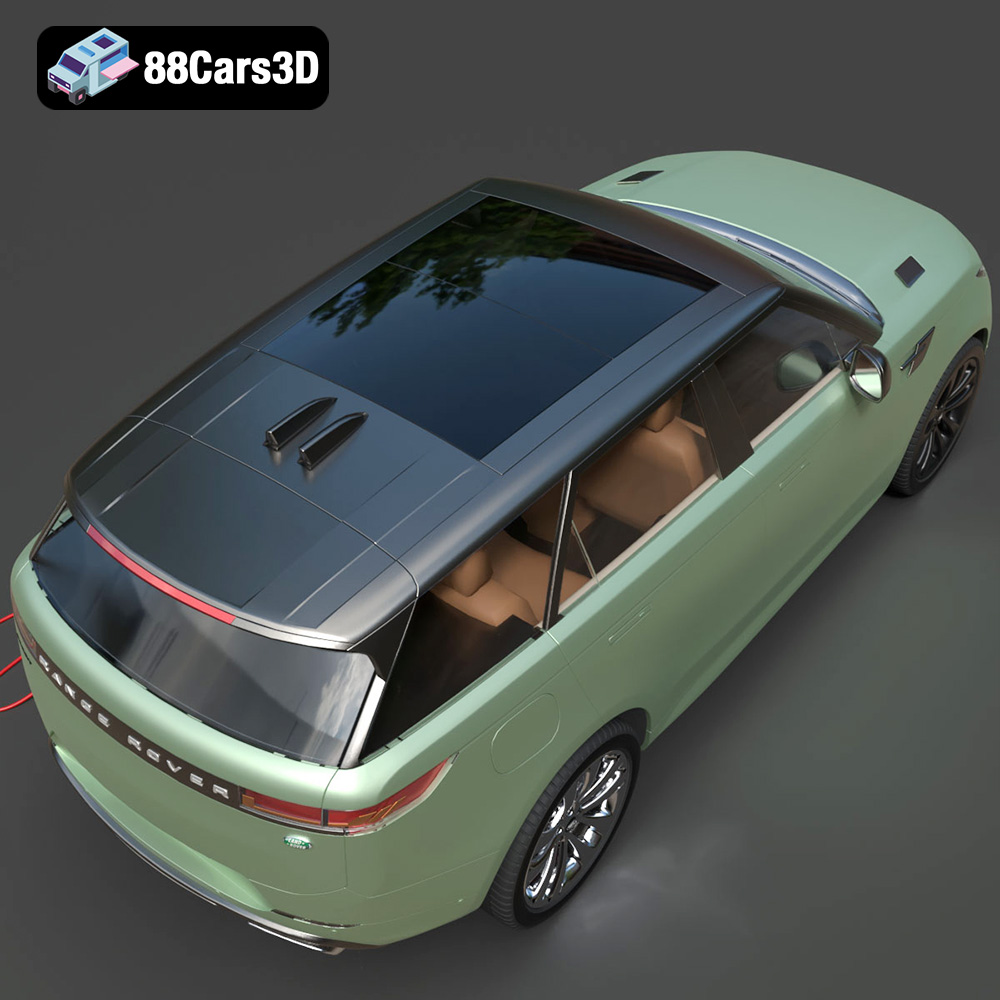
The Range Rover Sport Hybrid PHEV 2023 3D Model brings an incredible level of realism to your digital projects. Accurately modeled to reflect the sophisticated design and dynamic stance of the real vehicle, this asset features a meticulously detailed exterior and a fully modeled interior. Designed with clean geometry and professional-grade polygon topology, this model ensures optimal performance across various platforms. It comes fully equipped with realistic materials and detailed textures, allowing for seamless integration into complex scenes without the need for extensive adjustments. This versatile 3D asset is perfectly suited for a wide array of applications, including game development, architectural visualization, cinematic rendering, AR/VR experiences, and automotive simulations.
$19.99
.arvr
.blend
.car3dmodel
.fbx
.gameasset
.glb
.hybrid
.landrover
.luxurycar
.max
.obj
.phev
.ply
.rangerover
.rendering
.simulation
.sport
.sporthybrid
.stl
.unreal
SUV