Get 20% OFF All Premium 3D & STL Models!

In the rapidly evolving landscape of digital visualization, the demand for hyper-realistic and technically robust 3D assets has never been higher. From blockbuster game titles and cinematic sequences to cutting-edge architectural walkthroughs and interactive AR/VR experiences, a high-fidelity 3D model is often the cornerstone of a compelling visual narrative. Automotive design, in particular, thrives on precision and authenticity, requiring digital representations that capture every curve, material nuance, and engineering detail with impeccable accuracy.
For professionals across industries, sourcing or creating such intricate models can be a significant undertaking. The challenge lies not just in aesthetic appeal, but in the underlying technical integrity that ensures seamless integration into diverse software environments and real-time engines. This is where specialized marketplaces like 88cars3d.com become indispensable, offering a curated selection of premium 3D car models designed to meet the rigorous standards of modern production pipelines.
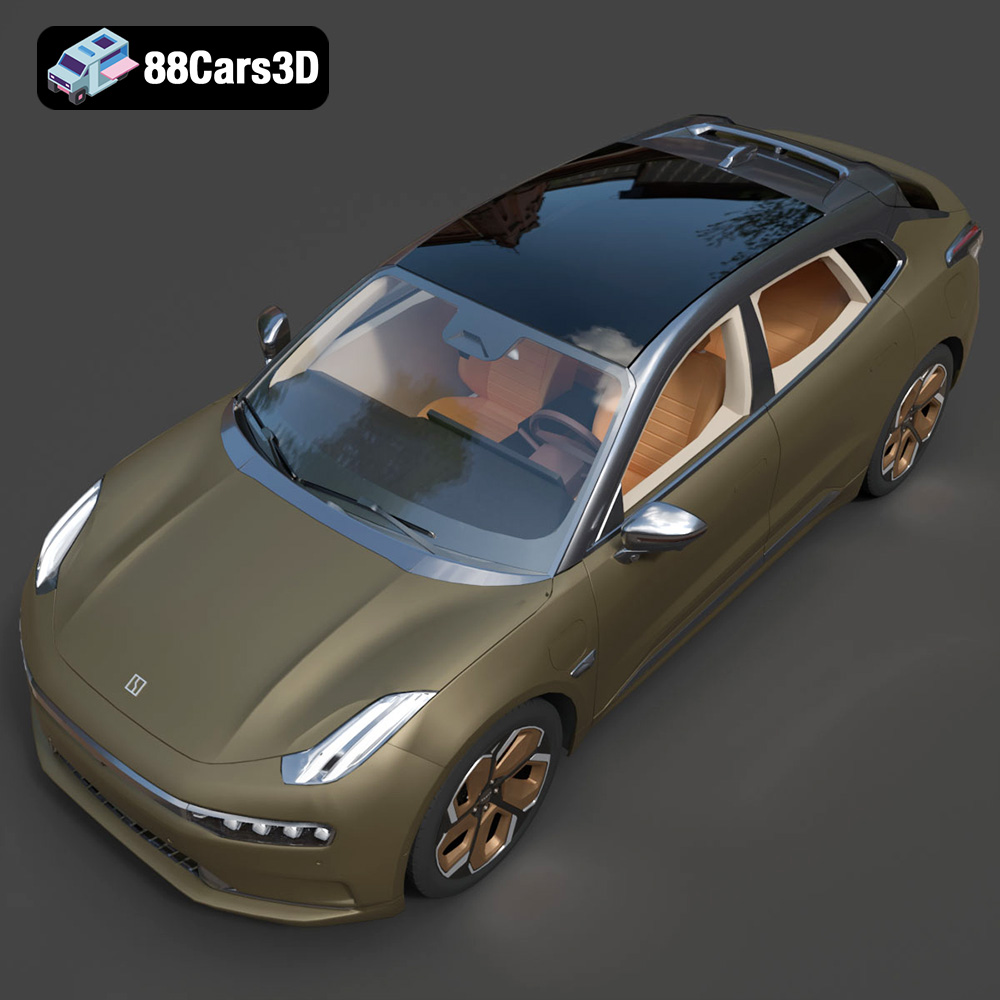
Today, we’ll delve deep into the technical intricacies of professional 3D vehicle assets, using the exceptional Zeekr 001 3D Model as our prime example. This meticulously crafted digital asset embodies the fusion of artistic vision and technical prowess, providing a lifelike representation of the innovative electric vehicle, perfectly suited for a vast array of professional applications.
One of the first and most critical technical considerations when acquiring a 3D model is understanding its native and export file formats. The choice of format dictates compatibility, feature preservation, and the specific use cases for which a model is best suited. The Zeekr 001 3D Model from 88cars3d.com stands out by offering a comprehensive suite of formats, ensuring maximum flexibility for any project pipeline.
The .blend format is the native file type for Blender, an incredibly powerful open-source 3D creation suite. When you acquire a model in .blend format, you’re not just getting the raw mesh; you’re often receiving a complete scene. This includes the model’s geometry, textures, materials (set up with Blender’s Cycles or Eevee render engines), lighting, camera setups, and even animation data if present. For artists and studios primarily working in Blender, this format offers the highest degree of editability and ensures that all material properties and scene configurations are preserved exactly as intended by the creator. It’s ideal for deep customization, re-lighting, or integrating the model into a larger Blender project without any loss of data.
Similarly, the .max format is the native file for Autodesk 3ds Max, a long-standing industry standard for architectural visualization, game development, and high-end rendering. A .max file provides a fully editable project, much like a .blend file does for Blender. It contains the complete scene hierarchy, modifiers, materials (often V-Ray or Corona setups for photorealistic rendering), lights, and cameras. For professionals relying on 3ds Max for their automotive rendering, animation, or complex scene assembly, the .max format offers unparalleled control and direct access to every facet of the model’s construction and presentation within their preferred environment.
The Autodesk .fbx (Filmbox) format is arguably the most widely adopted interchange format in the 3D industry, particularly for game development. It’s excellent for transferring 3D models, animation, and scene data between different software applications like Maya, 3ds Max, Blender, Unity, and Unreal Engine. FBX supports hierarchical structures, mesh data, UV maps, materials (often simplified for cross-compatibility), and animation curves. Its robustness and widespread support make it the go-to choice for importing complex assets like the Zeekr 001 into real-time environments, ensuring that the model’s structure and basic material assignments translate effectively for further optimization within the game engine.
The .obj (Wavefront OBJ) format is a classic, universal 3D model format known for its simplicity and broad compatibility. It primarily stores geometric data (vertices, normals, UV coordinates, and faces) and references external material files (.mtl). While it doesn’t support animation or complex scene data, its widespread acceptance across virtually all 3D software makes it an excellent choice for basic mesh transfer. If you need a clean, poly-accurate version of the Zeekr 001 3D Model that can be opened and worked on in almost any 3D package, .obj is a reliable option, though you might need to re-create advanced material setups.
.glb (GL Transmission Format Binary) is an increasingly important format, especially for web-based 3D, augmented reality (AR), and virtual reality (VR) applications. It’s a compact, self-contained format that bundles 3D model data (geometry, textures, animations) into a single binary file. This optimization makes .glb files incredibly efficient for streaming and display on web platforms and mobile devices, requiring fewer requests to load assets. For showcasing the Zeekr 001 in a virtual showroom or an AR configurator, the .glb format provides an ideal balance of visual quality and performance.
The .stl (Stereolithography) format is the standard for 3D printing. It represents a 3D model as a series of connected triangles (a tessellated surface) without color, texture, or other CAD attributes. While not visually rich, its purpose is purely functional: to define the surface geometry of an object for fabrication. If the goal is to create a physical prototype or scale model of the Zeekr 001, the .stl file provides the necessary data for a 3D printer to accurately reproduce its form.
The .ply (Polygon File Format) is another format for storing 3D data, particularly useful for scanned data and scientific applications. It can store not only XYZ coordinates but also color, transparency, normals, texture coordinates, and even properties like surface confidence. While less common for general animation or rendering pipelines, it’s a robust format for transferring precise mesh data, potentially useful for reverse engineering, CAD integration, or detailed geometric analysis of the Zeekr 001’s form.
The .unreal format, or rather, assets specifically packaged and configured for Unreal Engine, represents a significant time-saver. Rather than just raw model data, an .unreal asset typically comes pre-imported, with materials set up using Unreal’s physically based rendering (PBR) pipeline, collision meshes generated, and potentially even LOD (Level of Detail) variations. For game developers or real-time visualization specialists using Unreal Engine, this pre-configured asset dramatically streamlines the integration process, allowing immediate use of the Zeekr 001 3D Model within their interactive scenes.
Beyond file formats, the intrinsic quality of a 3D model dictates its utility and impact. The Zeekr 001 3D Model available at 88cars3d.com exemplifies the meticulous attention to detail required for professional-grade assets. It’s not just a car; it’s a digital twin crafted to near perfection.
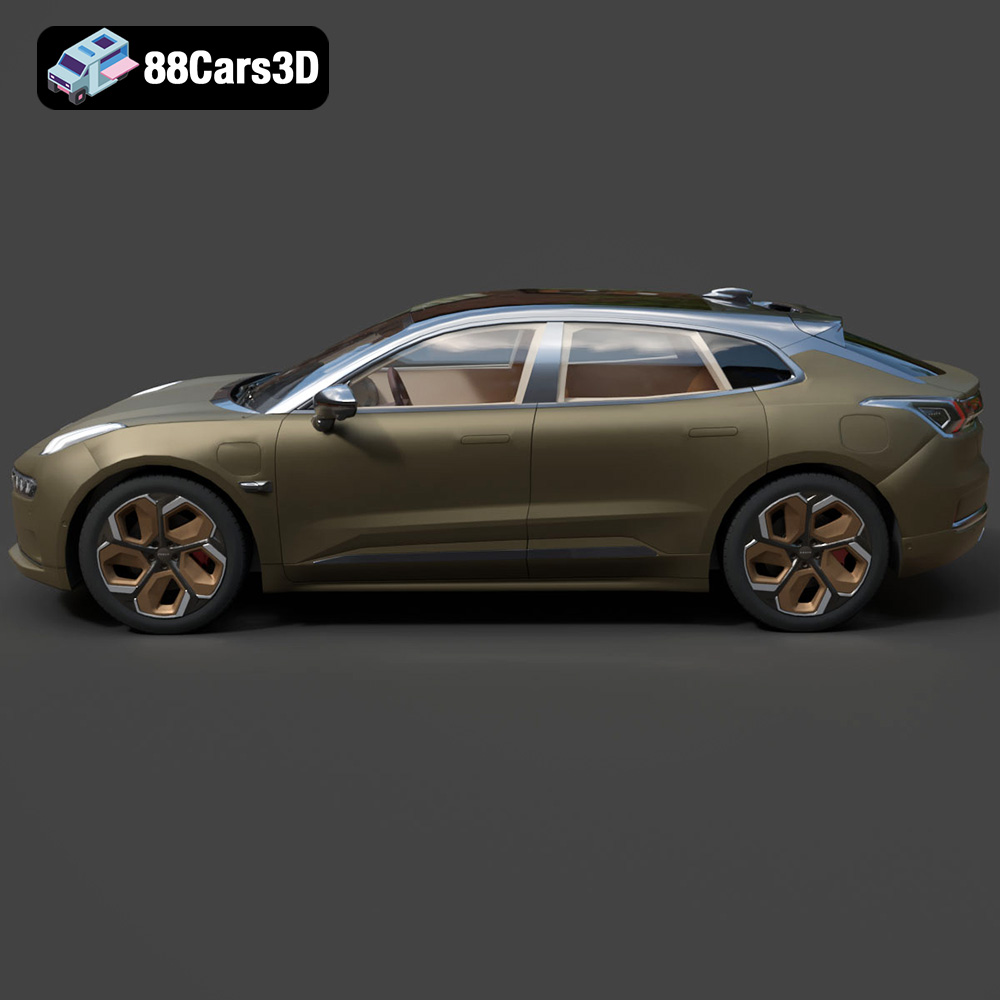
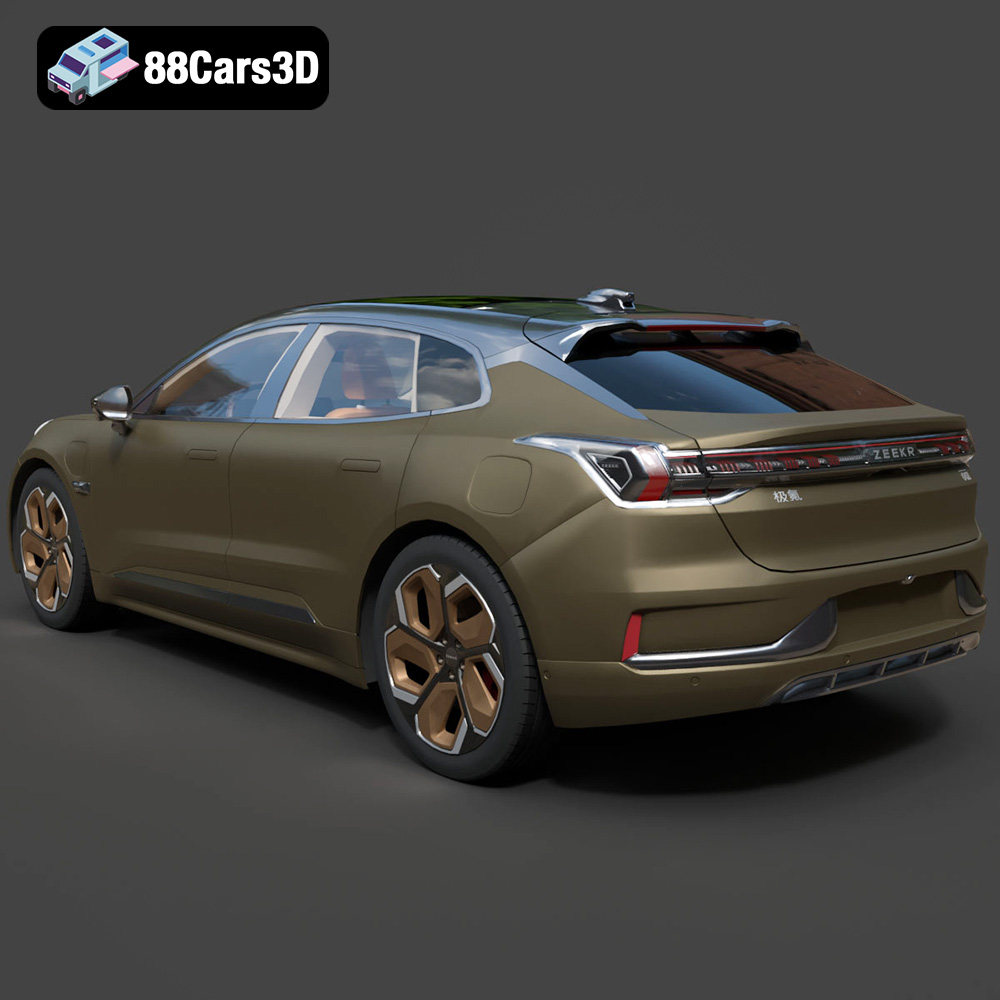
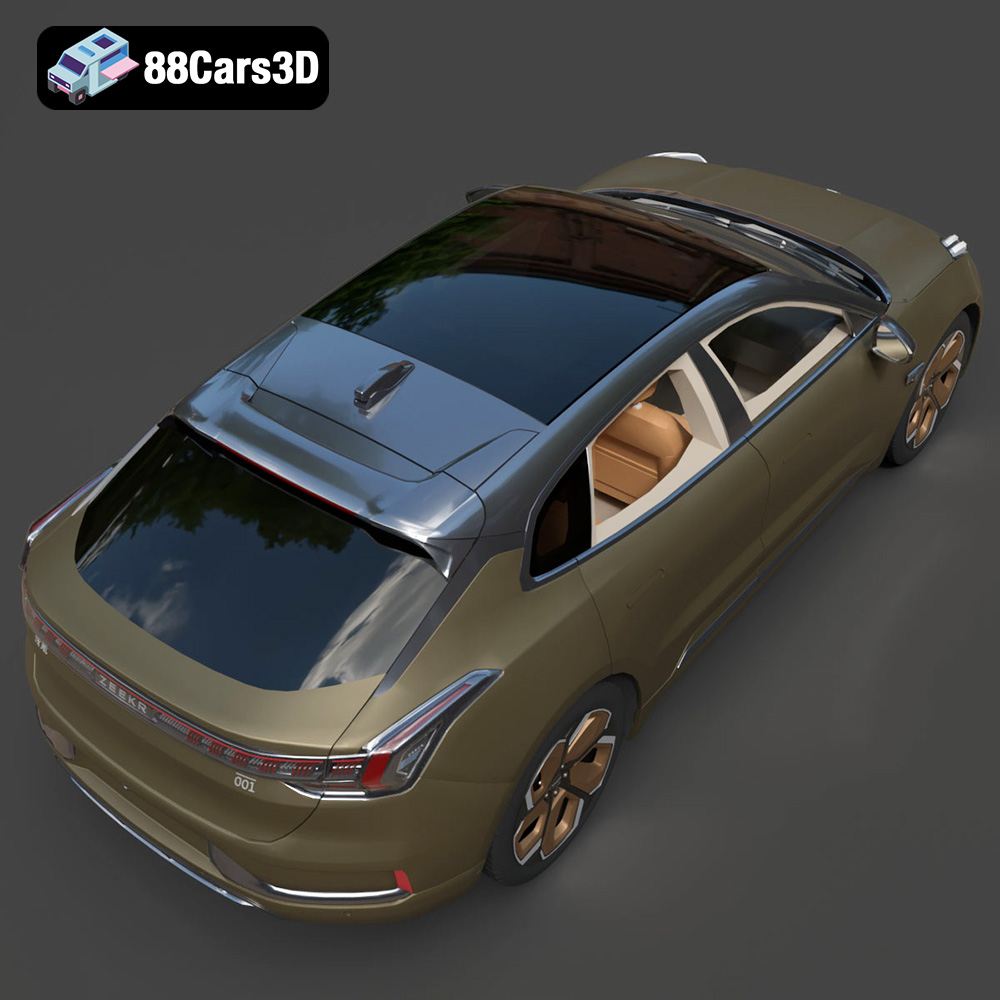
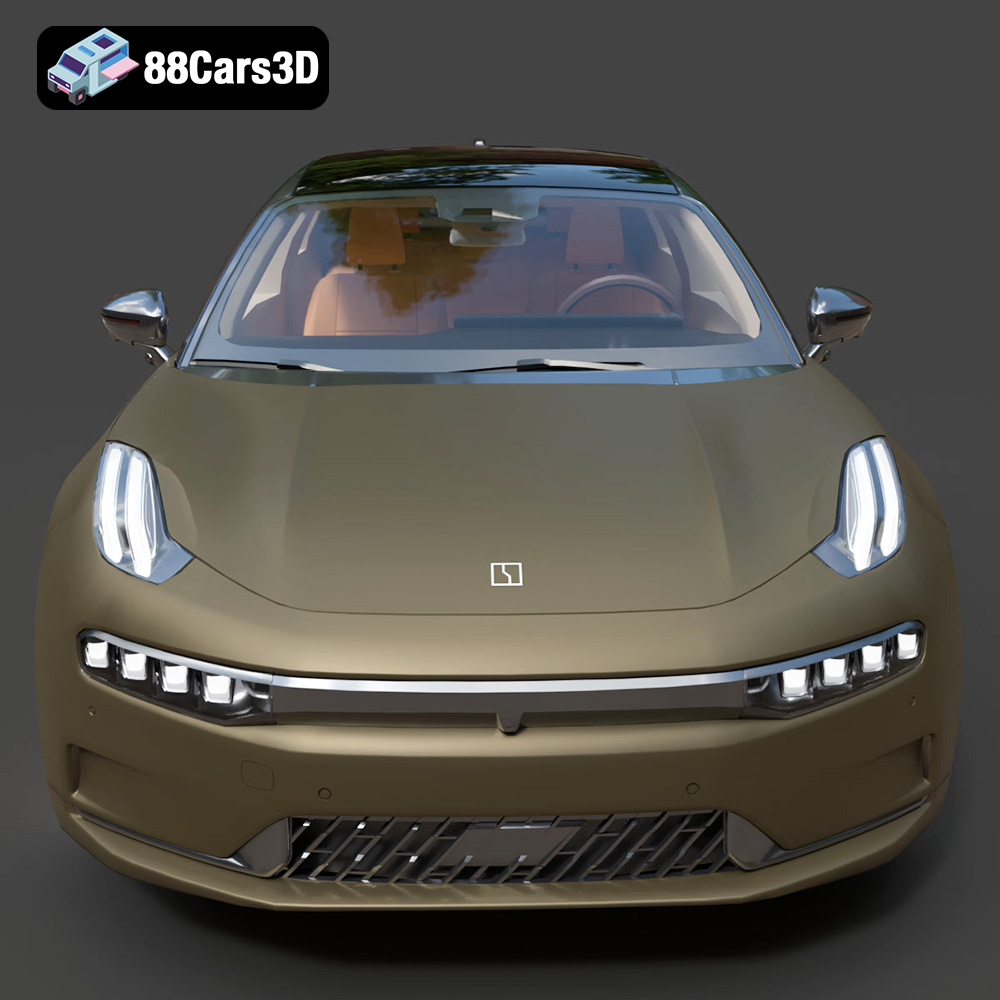
The Zeekr 001 is a distinctive electric shooting brake, known for its sleek lines, innovative lighting, and sophisticated presence. Replicating this in 3D demands an eagle eye for proportion, curvature, and subtle surface variations. This model is accurately crafted to mirror the exterior lines and modern design, ensuring that every design element, from the distinctive grille and headlight clusters to the aerodynamic profile and intricate wheel designs, is faithfully represented. This authenticity is paramount for any project aiming for visual credibility, whether it’s a marketing campaign or a virtual driving simulator.
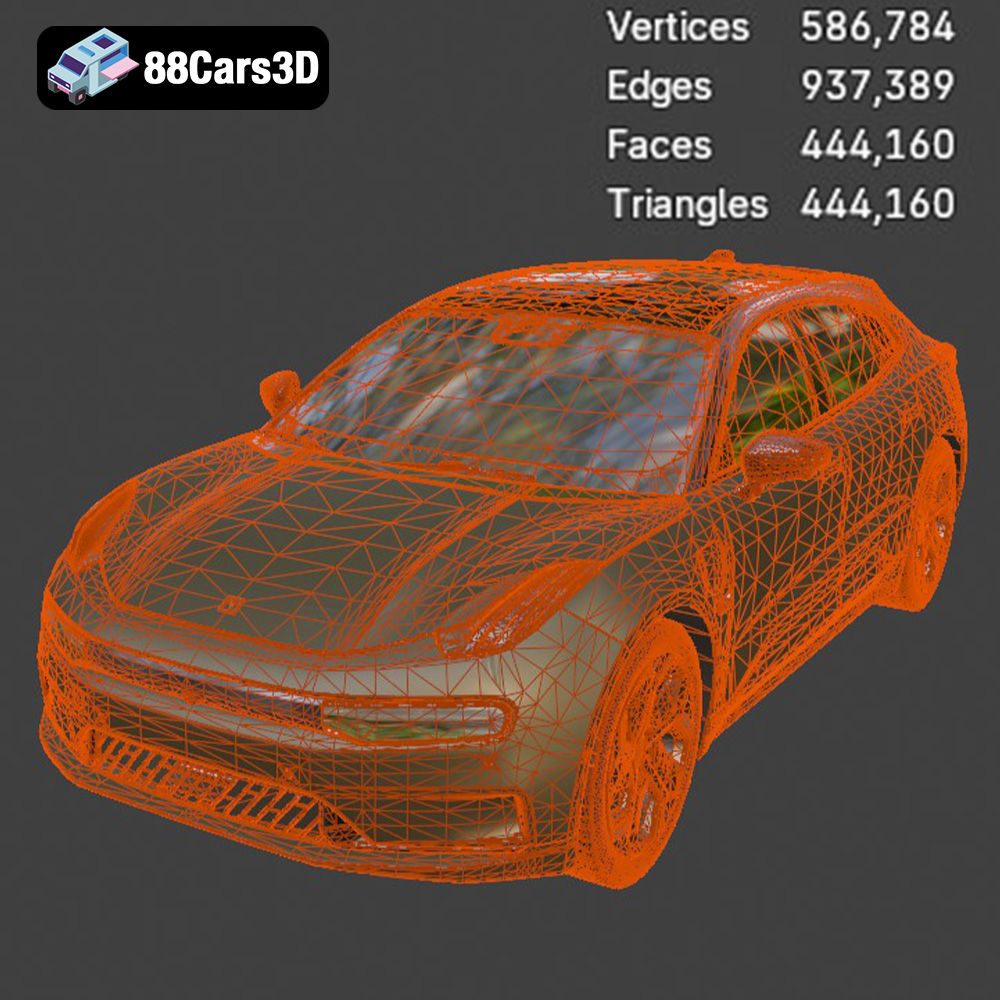
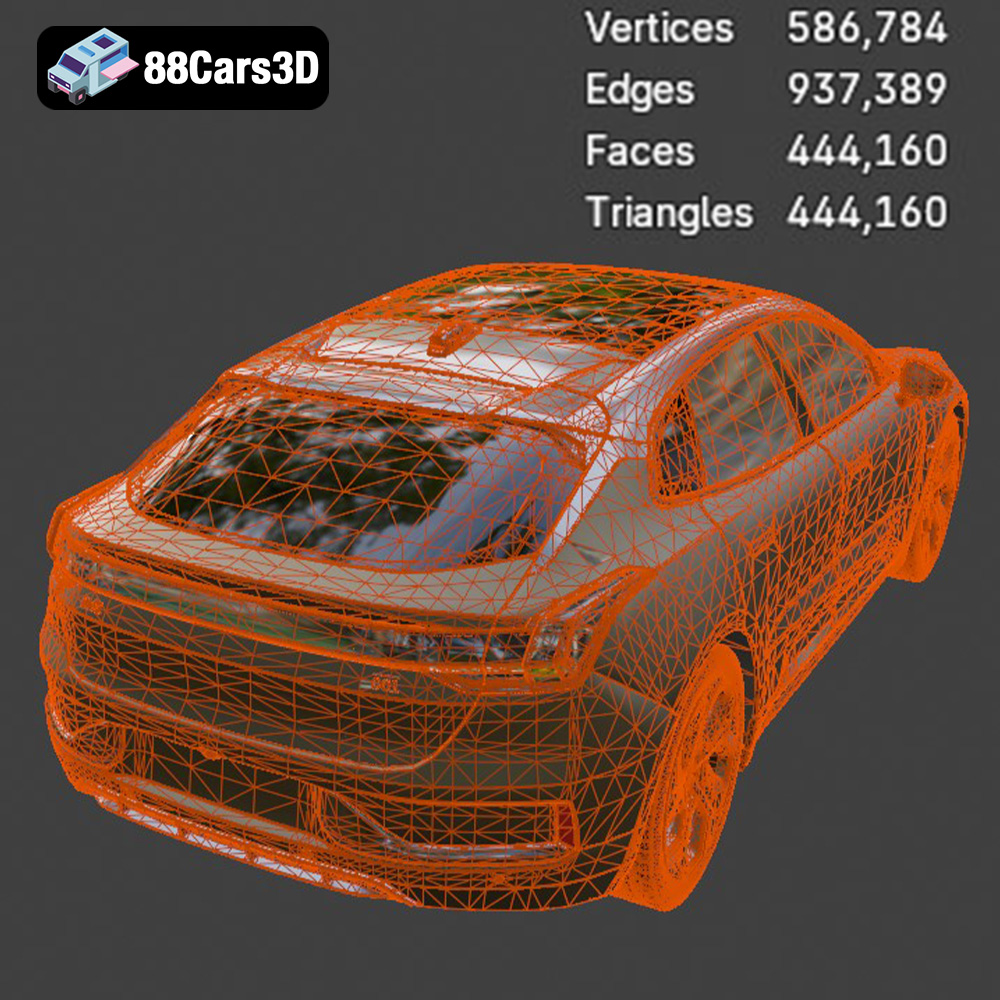
A beautiful render starts with clean geometry. The Zeekr 001 3D Model boasts optimized structure and clean geometry, meaning it’s built with efficient polygon counts and well-managed topology. This is crucial for smooth subdivisions, realistic deformations, and efficient rendering. Alongside this, professional quality UV mapping ensures that textures can be applied without stretching or distortion, allowing for realistic material application. The model comes with realistic materials, which typically means PBR (Physically Based Rendering) textures for diffuse, roughness, metallic, normal, and sometimes displacement maps. These materials are calibrated to interact with light in a physically accurate manner, resulting in stunning visual fidelity under various lighting conditions.
The design philosophy behind such a model is versatility. While maintaining high detail, it’s also optimized for seamless integration across various platforms. This implies intelligent poly-reduction strategies, LOD (Level of Detail) considerations (even if not explicitly stated, it’s a professional practice implied by “optimized structure”), and efficient material setups that can be adapted for both high-end cinematic rendering and real-time game engines. Whether the requirement is for close-up shots that demand extreme detail or dynamic motion sequences where performance is key, this model is built to deliver superior visual fidelity.
The true value of a high-quality 3D asset lies in its practical application within established industry pipelines. The Zeekr 001 3D Model is designed as a versatile tool, compatible with major 3D software and engines.
For artists creating visually stunning renders or animations, the .max and .blend formats offer a native head start. In 3ds Max, users can leverage powerful renderers like V-Ray or Corona to produce photorealistic images and cinematic sequences. The pre-configured materials in the .max file provide a solid base, allowing artists to focus on advanced lighting, scene composition, and intricate animation. Similarly, Blender users can utilize Cycles or Eevee, refining the included materials and lighting setups to achieve breathtaking results. Imagine an architectural visualization project where the Zeekr 001 is parked elegantly in front of a modern building, or an automotive commercial where it navigates a beautifully rendered cityscape – the clean geometry and realistic materials make these scenarios possible with minimal fuss.
Game developers demand efficiency and performance without sacrificing visual quality. The .fbx and .unreal formats of the Zeekr 001 3D Model are specifically tailored for this purpose. When imported into Unreal Engine or Unity, the model’s optimized geometry and PBR-ready materials allow for quick integration. Developers can utilize the engine’s advanced rendering capabilities, physics simulations, and interactive systems to bring the Zeekr 001 to life in a playable environment. Whether it’s a racing game, an open-world driving simulator, or an interactive vehicle configurator, having an engine-ready asset significantly reduces development time and ensures a polished, high-performance outcome. The precision of the model means accurate collision detection and realistic vehicle dynamics can be easily applied.
Augmented Reality (AR) and Virtual Reality (VR) are transforming how we interact with digital content. The .glb format, in particular, is a game-changer for these immersive experiences. Its lightweight, self-contained nature makes it perfect for deployment in AR apps on mobile devices or interactive VR environments. Imagine potential car buyers exploring the Zeekr 001 in full 3D, able to walk around it, change colors, or even “place” it in their driveway using AR – all powered by a meticulously optimized .glb model. For architectural firms creating interactive client presentations, dropping a realistic Zeekr 001 into a virtual garage or driveway adds an unparalleled layer of realism and context.
Let’s explore some real-world scenarios where a professional-grade 3D car model like the Zeekr 001 proves its worth, demonstrating why investing in quality assets from sources like 88cars3d.com is a strategic decision.
A leading automotive marketing agency needs to create high-impact visuals for a new campaign promoting electric vehicles. Rather than commissioning a costly physical photoshoot or transporting a real car to various locations, they can leverage the Zeekr 001 3D Model. Using 3ds Max or Blender, artists can place the car in photorealistic virtual environments – a futuristic city street, a serene countryside road, or even a conceptual backdrop. They can control every aspect of lighting, camera angles, and reflections to generate stunning renders and animations for TV commercials, online ads, and print media. The ability to iterate quickly and produce diverse visual content without physical constraints offers immense creative freedom and cost savings.
An innovative car dealership wants to offer customers an immersive online experience where they can explore and customize the Zeekr 001 from the comfort of their homes. Utilizing the .glb or .unreal versions of the model, a development team can build a virtual showroom. Customers can walk around the car in 3D, open doors, change exterior colors and interior trims, and even view detailed specifications. This interactive experience, powered by a high-fidelity 3D model, not only enhances engagement but also provides a practical tool for sales, allowing customers to visualize their dream car with unprecedented realism before making a purchase decision.
For autonomous driving development or professional driver training, accurate vehicle models are crucial. A company developing advanced driver-assistance systems (ADAS) might integrate the Zeekr 001 3D Model into a high-fidelity driving simulator built in Unreal Engine. The model’s precise dimensions and accurate visual representation allow for realistic sensor simulation (radar, lidar, cameras) and provides a visually believable environment for testing AI algorithms or training human operators. The technical integrity of the model ensures that the simulated interactions are as close to real-world physics as possible, making it an invaluable tool for critical R&D and training applications.
In the competitive digital landscape, the distinction between good and great often hinges on the quality of underlying assets. Sourcing professional 3D car models like the Zeekr 001 offers tangible benefits that extend far beyond mere aesthetics.
Creating a production-ready 3D car model from scratch is a labor-intensive process, demanding hundreds of hours from skilled 3D artists. By purchasing a pre-made, high-quality asset from 88cars3d.com, studios and freelancers can bypass this significant time investment. The models are already optimized, textured, and often rigged, allowing teams to immediately integrate them into their projects and focus on creative development, animation, or rendering. This translates directly into faster project completion times and reduced labor costs.
The visual fidelity provided by professionally crafted 3D models directly impacts the perceived quality of a project. Whether it’s an architectural rendering that needs a realistic vehicle to populate a scene, a game that requires believable vehicles for its environment, or a cinematic piece demanding photo-realism, a top-tier asset elevates the entire production. Clients are increasingly discerning, and presenting them with visuals that incorporate such detailed and accurate 3D car models leaves a lasting impression of professionalism and excellence.
The value of a marketplace like 88cars3d.com lies in its commitment to providing artists and developers with reliable, high-quality assets. Each 3D car model, including the Zeekr 001, is meticulously checked for clean geometry, accurate scale, efficient UVs, and robust material setups. This assurance of quality mitigates risks associated with poorly constructed models that can lead to rendering issues, performance bottlenecks, or compatibility problems. By choosing assets from 88cars3d.com, professionals can trust they are acquiring tools that will enhance their workflow and deliver exceptional results.
The digital world thrives on visual excellence, and nowhere is this more apparent than in the meticulous realm of 3D automotive modeling. High-quality 3D car models are not just static representations; they are dynamic tools that power everything from immersive games and groundbreaking advertising campaigns to critical simulations and interactive AR/VR experiences. The Zeekr 001 3D Model exemplifies the pinnacle of this craftsmanship, offering unparalleled realism, technical robustness, and multi-format versatility.
By understanding the nuances of various file formats and appreciating the intricate details that go into a professional asset, artists and developers can make informed choices that dramatically enhance their projects. The Zeekr 001 3D Model is more than just a purchase; it’s an investment in efficiency, quality, and creative potential, ready to be integrated seamlessly into any professional workflow. Explore this exceptional asset and many more at 88cars3d.com, and elevate your digital creations to the next level.
Bring stunning realism to your digital projects with the Zeekr 001 3D Model. This digital asset is accurately crafted to replicate the distinctive exterior lines and modern design of the innovative electric vehicle, providing a lifelike representation perfect for professional use.
Built with exceptional precision, this model features clean geometry, realistic materials, and professional quality. Whether you need close-up shots or dynamic motion sequences, the optimized structure ensures seamless integration and superior visual fidelity across various platforms.
Ideal for a wide range of applications, this 3D vehicle is perfectly suited for game development, cinematic rendering, immersive AR/VR experiences, and architectural visualization.
$19.99
.-001
.arvr
.blend
.car3dmodel
.electriccar
.fbx
.gameasset
.glb
.max
.obj
.ply
.rendering
.shootingbrake
.simulation
.stl
.unreal
.zeekr