Get 20% OFF All Premium 3D & STL Models!

In the fast-paced world of digital content creation, the demand for stunningly realistic and technically precise 3D assets has never been higher. From blockbuster video games to cutting-edge architectural visualizations and immersive AR/VR experiences, the quality of a 3D model can significantly impact the final output and project success. Automotive design, in particular, thrives on this level of detail, requiring models that not only look authentic but are also engineered for seamless integration across diverse software environments.
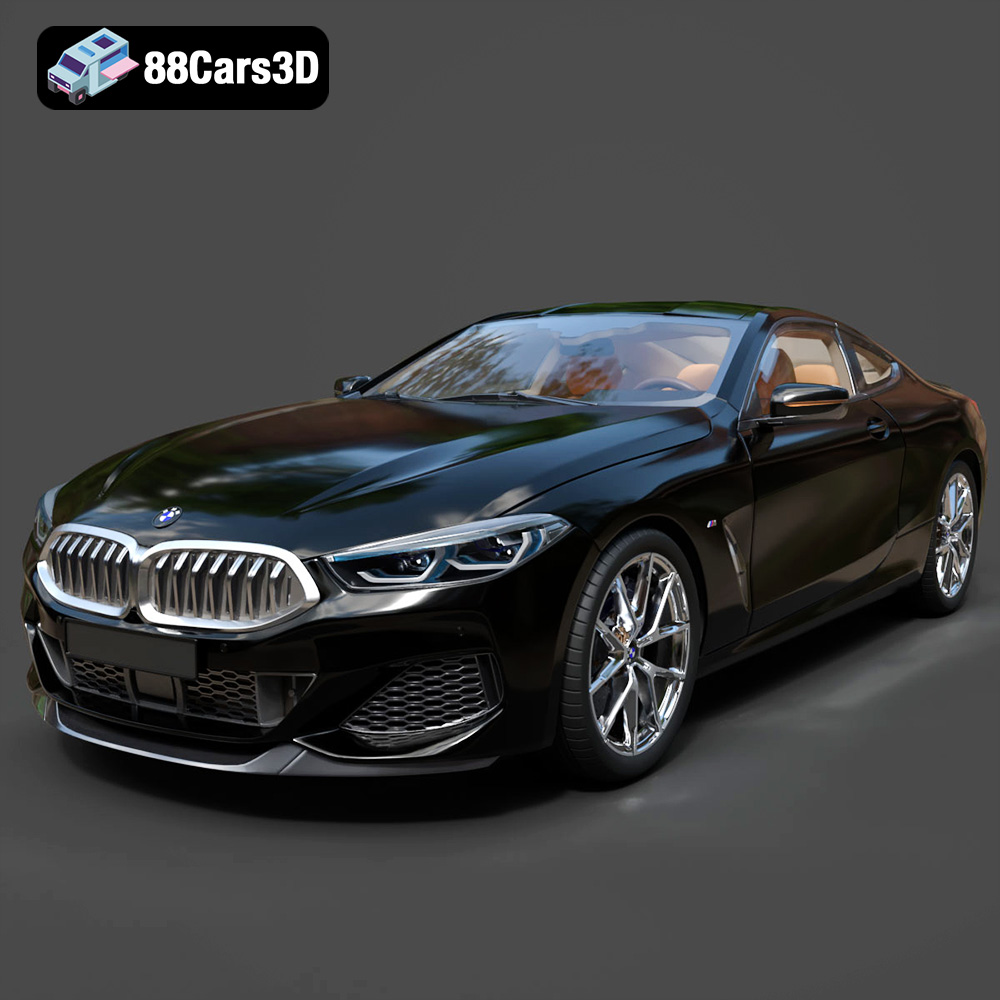
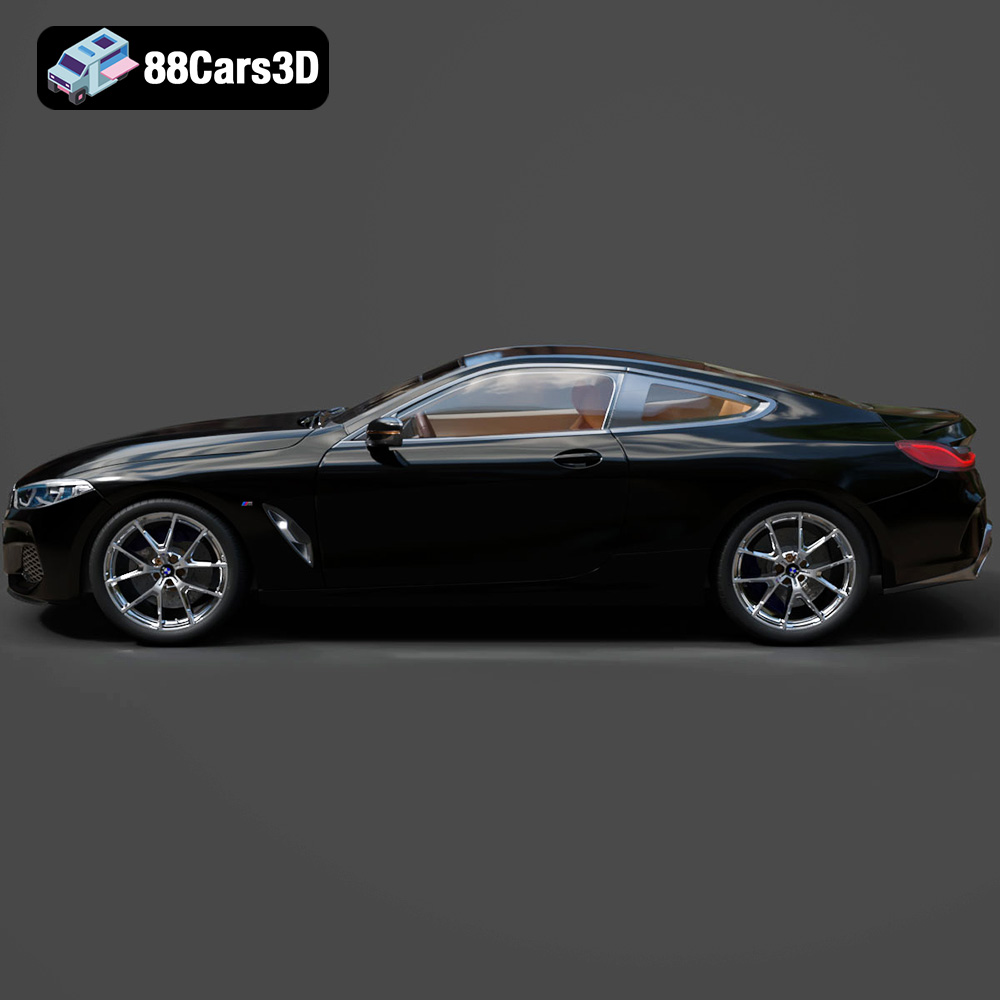
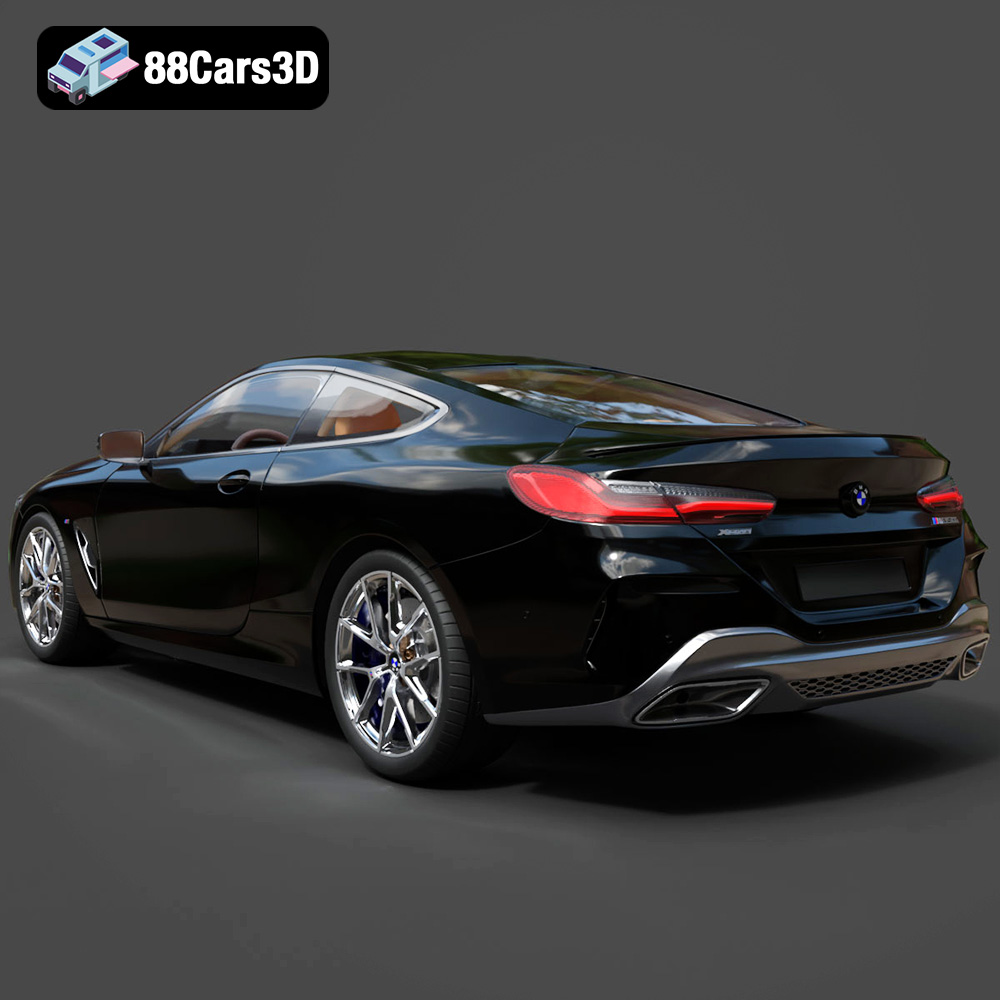
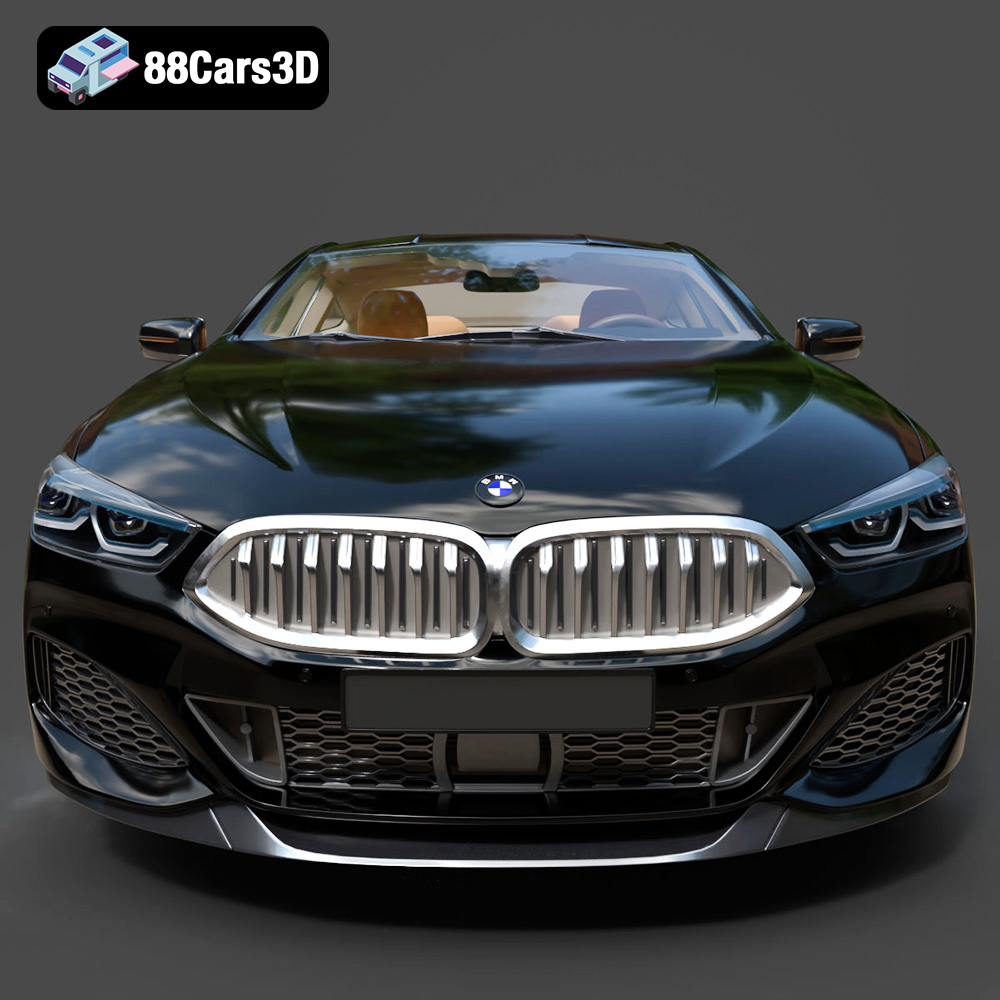
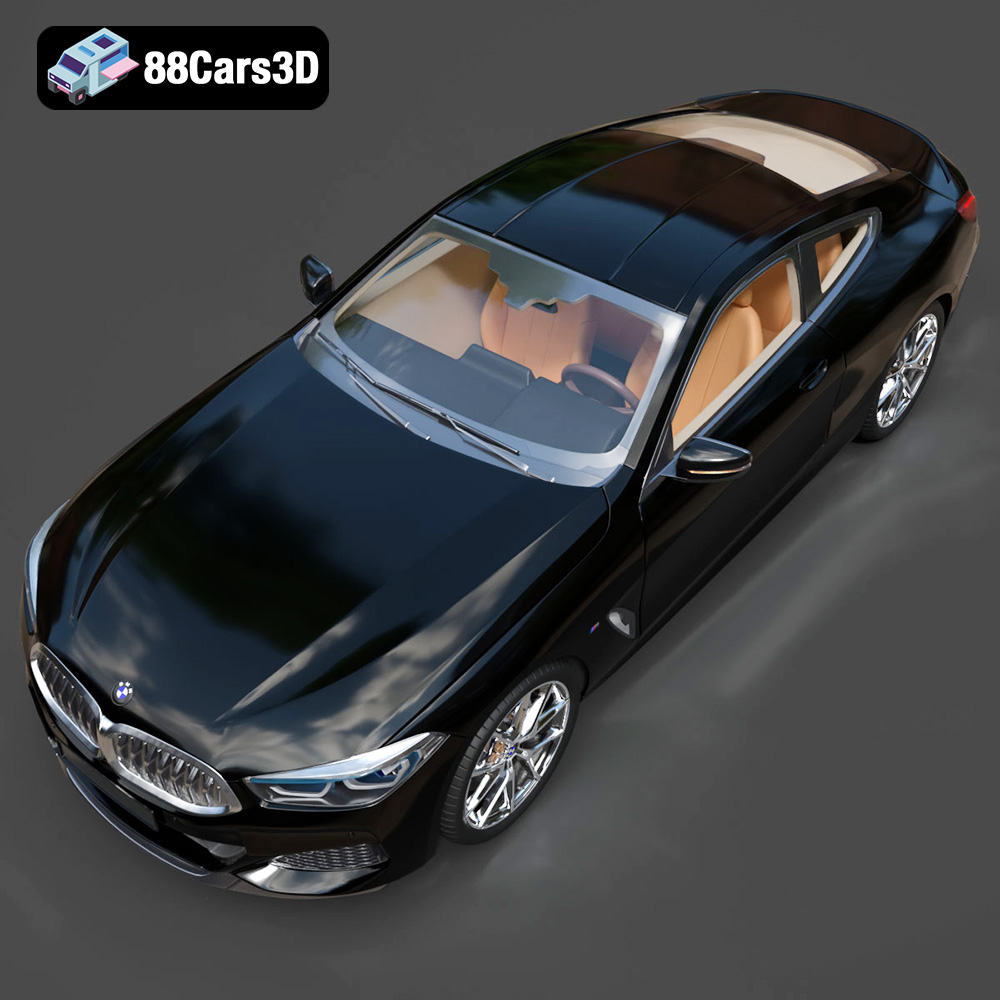
The quest for automotive perfection in the digital realm often leads artists and developers to seek out assets that embody both artistic flair and technical robustness. This is precisely where a model like the BMW 8 Series M850i Coupe 2019 3D Model distinguishes itself. It’s more than just a visual replica; it’s a meticulously crafted digital twin designed to elevate any project it becomes a part of. This particular model captures the sophisticated, sporty silhouette and luxurious details of the renowned coupe, making it an ideal centerpiece for any scene demanding visual excellence.
But what truly makes a 3D car model indispensable for professionals? It’s the confluence of optimized geometry, realistic materials, and, crucially, versatile file format support. In this comprehensive guide, we’ll delve into the technical underpinnings that make such models essential, exploring various professional workflows and demonstrating how a high-quality asset like the BMW M850i Coupe 2019 3D Model can streamline your creative process and deliver unparalleled results.
The ability of a 3D model to be used effectively across different software and platforms hinges entirely on its supported file formats. A professional-grade 3D asset, such as the BMW 8 Series M850i Coupe 2019 3D Model, typically comes in a variety of formats, each optimized for specific applications. Understanding these formats is paramount for any designer, developer, or artist looking to integrate digital automotive assets into their pipeline efficiently.
The .blend file format is the native format for Blender, the powerful open-source 3D creation suite. A .blend file is a complete scene package, storing everything from mesh data, materials (including PBR setups), textures (packed or linked), lighting setups, cameras, animation data, and even physics simulations. This format offers full editability, allowing users to modify every aspect of the model within Blender. For artists who primarily work in Blender, having a .blend file with pre-configured materials and lighting, as offered with the BMW M850i model, means immediate productivity and deep customization potential without conversion headaches.
.fbx (Filmbox) is arguably one of the most widely adopted proprietary 3D file formats, developed by Autodesk. It excels in transferring 3D data between different software applications like 3ds Max, Maya, Cinema 4D, and critically, game engines like Unreal Engine and Unity. FBX files can store not just mesh data (vertices, faces, UVs) but also materials (though often simplified, requiring re-setup in the target application), textures, animations, rigging, and even cameras and lights. Its binary nature makes it efficient for complex scenes. When a model like the BMW 8 Series M850i Coupe 2019 is provided as “game-engine ready .fbx,” it signifies that the mesh is likely optimized, potentially including LODs (Levels of Detail) and proper UV unwrapping, making it a cornerstone for real-time pipelines.
The .obj (Wavefront Object) format is a universal standard for storing 3D geometry. It’s a simple, text-based format that primarily defines geometry (vertices, normals, texture coordinates, and faces) and can reference external material files (.mtl) and texture images. While it doesn’t support animation or rigging, its widespread compatibility makes it an excellent choice for basic mesh exchange between virtually any 3D software. For the BMW M850i Coupe 2019 3D Model, the .obj format serves as a reliable fallback, ensuring that the core geometry is accessible to all major 3D applications, from CAD software to rendering engines, even if more advanced features like complex material setups need to be recreated.
.glb (GL Transmission Format Binary) is the binary version of glTF (GL Transmission Format), a relatively newer, royalty-free specification for the efficient transmission and loading of 3D scenes and models by applications. GLB files package all assets—geometry, materials (PBR), textures, animations—into a single, self-contained binary file, making them highly efficient for web-based 3D, augmented reality (AR), and virtual reality (VR) applications. Its compact size and single-file nature are perfect for quick loading and display in browsers or mobile AR apps. For interactive experiences showcasing the BMW M850i, .glb is the go-to format for performance and accessibility.
.stl (Stereolithography) is the de facto standard file format for 3D printing and rapid prototyping. It describes only the surface geometry of a 3D object using a collection of triangular facets. It contains no color, material, or texture information, focusing solely on the object’s form for physical fabrication. If you’re looking to create a physical miniature of the BMW 8 Series M850i Coupe 2019, the .stl file is essential, providing the necessary data for slicing software to prepare the model for a 3D printer.
.ply (Polygon File Format) is another format that can store 3D data, including color, transparency, normals, texture coordinates, and data confidence values, along with the standard polygonal mesh information. It’s often used for scanned 3D data, scientific visualization, and more precise mesh analysis, sometimes found in CAD or engineering pipelines where fidelity to the original scan or geometric precision is key. For applications requiring detailed polygon meshes for analysis or advanced visualization of the BMW M850i, the .ply format offers a robust solution.
The .unreal format, or more accurately, assets imported and packaged within an Unreal Engine project, signifies a model that has been specifically configured for Epic Games’ powerful real-time engine. This goes beyond a simple FBX import; it means the asset has likely been set up with proper material instances, collision meshes, LODs, and potentially even blueprint functionality, ensuring it’s “plug-and-play” within an Unreal project. For game developers or real-time visualization specialists, having the BMW 8 Series M850i Coupe 2019 pre-configured for Unreal Engine offers a massive head start, saving countless hours on setup and optimization.
Similar to .blend for Blender, .max is the native file format for Autodesk 3ds Max, a leading software in architectural visualization, animation, and high-end rendering. A .max file contains the complete scene, including geometry, materials (often V-Ray or Corona specific), textures, lighting, cameras, animation, and modifiers. For professionals relying on 3ds Max for their primary rendering and animation tasks, the .max file provides full access to the original project, allowing for extensive modifications, re-lighting, and integration into existing scenes with maximum flexibility and fidelity. The availability of the BMW M850i Coupe 2019 as a .max file ensures deep integration for those working within the 3ds Max ecosystem.
The comprehensive file format support offered by the BMW 8 Series M850i Coupe 2019 3D Model showcases its versatility, ensuring that whether your project is destined for a photorealistic render, a fast-paced game, an AR experience, or even a physical prototype, you have the right tools at your disposal.
High-quality 3D car models like the BMW 8 Series M850i Coupe 2019 are foundational assets across numerous professional pipelines. Their seamless integration is crucial for achieving visually stunning and technically sound results in automotive rendering, game development, and interactive experiences.
For artists focused on photorealistic rendering, a meticulously crafted 3D car model is the canvas upon which virtual masterpieces are created. In software like 3ds Max (often paired with renderers like V-Ray or Corona) and Blender (utilizing Cycles or Eevee), the quality of the base mesh and its accompanying PBR (Physically Based Rendering) materials are paramount. The BMW 8 Series M850i Coupe 2019 3D Model, with its clean geometry and optimized topology, provides an excellent starting point.
Game development and real-time interactive experiences demand not just visual quality but also exceptional performance. This is where the “game-engine ready” aspect of a 3D model, such as the .fbx and .unreal formats provided for the BMW M850i Coupe 2019, becomes critical.
Whether you’re crafting a cinematic automotive advertisement in 3ds Max or building an immersive racing game in Unreal Engine, the fundamental quality and versatility of the BMW 8 Series M850i Coupe 2019 3D Model directly translate into more efficient workflows and superior final products.
Automotive visualization is a specialized field that blends technical precision with artistic flair to showcase vehicles in the most compelling ways possible. High-quality 3D car models are the bedrock of this discipline, enabling everything from marketing campaigns to design reviews.
Beyond simply creating an image, automotive rendering aims to tell a story or evoke an emotion. The M850i Coupe 2019 3D Model, with its inherent appeal, serves as an excellent protagonist for such narratives.
The utility of high-fidelity 3D car models extends far beyond static images and marketing animations. They are crucial components in sophisticated simulation environments.
The blend of aesthetic appeal and technical robustness in assets like those found on 88cars3d.com allows professionals to explore diverse applications, from high-impact marketing to critical simulation research.
While a premium 3D model like the BMW 8 Series M850i Coupe 2019 comes “optimized,” understanding the techniques behind optimization allows for further customization and ensures maximum performance across various platforms, especially for demanding real-time environments or extremely detailed renders.
Even with clean geometry, certain projects might require further optimization or modification. This involves a thoughtful approach to polygon count and texture resolution.
The “realistic materials” provided with the BMW M850i Coupe 2019 3D Model are excellent starting points, but often require customization to fit a specific project’s aesthetic or a particular renderer’s nuances.
These advanced techniques, when applied to an already high-quality foundation like the BMW 8 Series M850i Coupe 2019 3D Model from 88cars3d.com, empower artists and developers to push creative boundaries and achieve truly bespoke results.
In a competitive digital landscape, efficiency and quality are paramount. Building highly detailed 3D car models from scratch is an incredibly time-consuming and resource-intensive endeavor. This is where specialized marketplaces like 88cars3d.com offer immense value, providing professional-grade assets that empower creators across various industries.
For studios, freelancers, and independent developers, time is often the most critical commodity. Developing a car model with the level of detail and optimization found in the BMW 8 Series M850i Coupe 2019 3D Model can take hundreds of hours for an experienced artist, encompassing everything from blueprint research, meticulous modeling, UV unwrapping, material creation, and extensive testing across multiple formats.
Not all 3D models are created equal. The distinction between amateur and professional assets lies in meticulous attention to detail, clean technical execution, and comprehensive format support.
Choosing assets from a reputable source like 88cars3d.com ensures that you’re investing in reliable, production-ready content. The BMW 8 Series M850i Coupe 2019 3D Model is a testament to this commitment, offering exceptional realism and professional standards without compromising performance. It’s an investment that pays dividends in both project quality and efficiency.
The digital landscape is continuously evolving, pushing the boundaries of realism and immersion. At the heart of this evolution for automotive content lies the undeniable need for high-fidelity 3D car models that are not only visually striking but also technically robust and versatile. Whether you’re an automotive designer, a game developer, an architectural visualizer, or an AR/VR content creator, the quality of your 3D assets directly impacts the success and impact of your work.
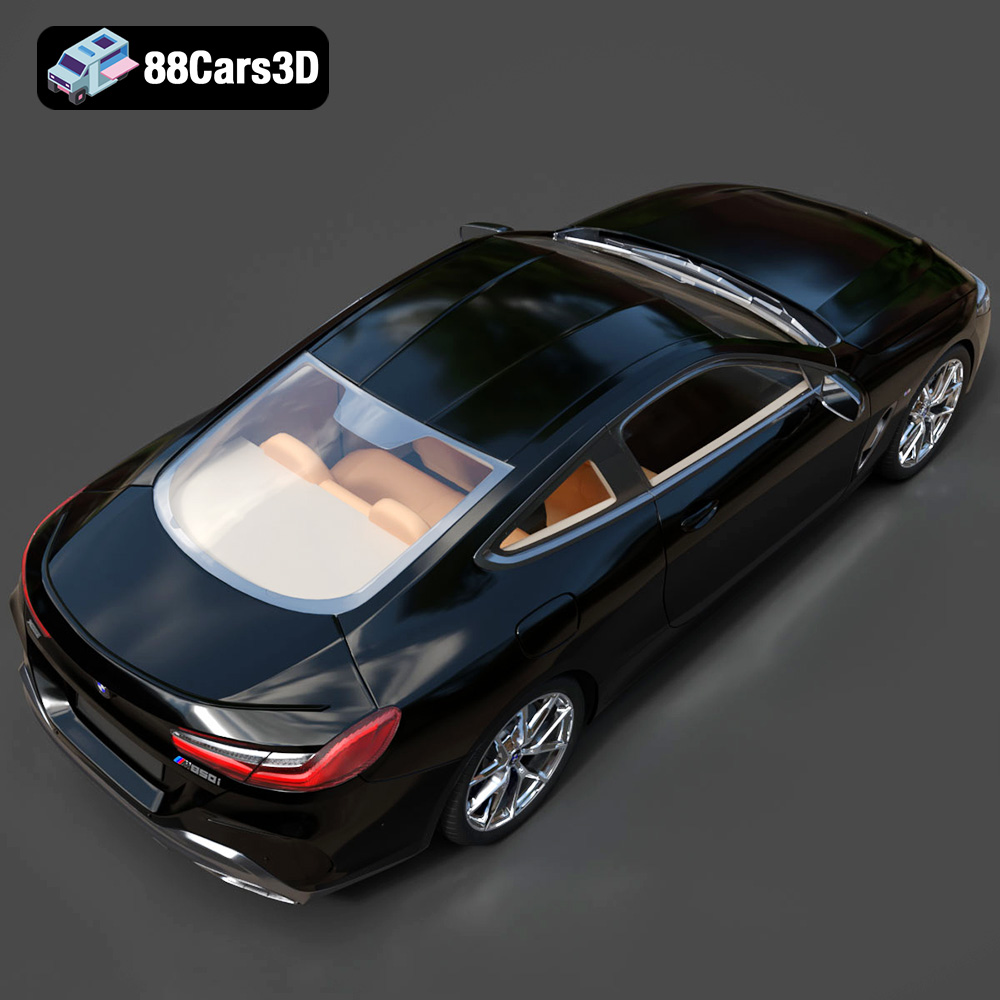
The BMW 8 Series M850i Coupe 2019 3D Model stands as a prime example of what a professional-grade asset should offer. Its meticulous craftsmanship, from its clean geometry and optimized topology to its realistic materials and accurate interior detailing, ensures it meets the demanding standards of any creative pipeline. Coupled with comprehensive format support—including .blend, .fbx, .obj, .glb, .stl, .ply, .unreal, and .max—this model provides unparalleled flexibility for rendering, game development, AR/VR, 3D printing, and interactive simulation.
By choosing a pre-built, high-quality asset like the BMW M850i Coupe 2019 3D Model from 88cars3d.com, artists and developers can significantly reduce production time and costs, allowing them to focus their expertise on innovation and artistic refinement. In an era where digital realism is key, investing in premium 3D car models is not just a convenience, but a strategic advantage that drives creativity and delivers exceptional results.
Explore the possibilities and elevate your digital projects with the exceptional realism and versatility found on 88cars3d.com.
Experience the exceptional realism of the BMW 8 Series M850i Coupe 2019 3D Model, expertly crafted to bring authentic automotive design to your digital projects. This meticulously built digital asset captures the sophisticated, sporty silhouette and luxurious details of the renowned coupe, providing a stunning visual centerpiece for any scene.
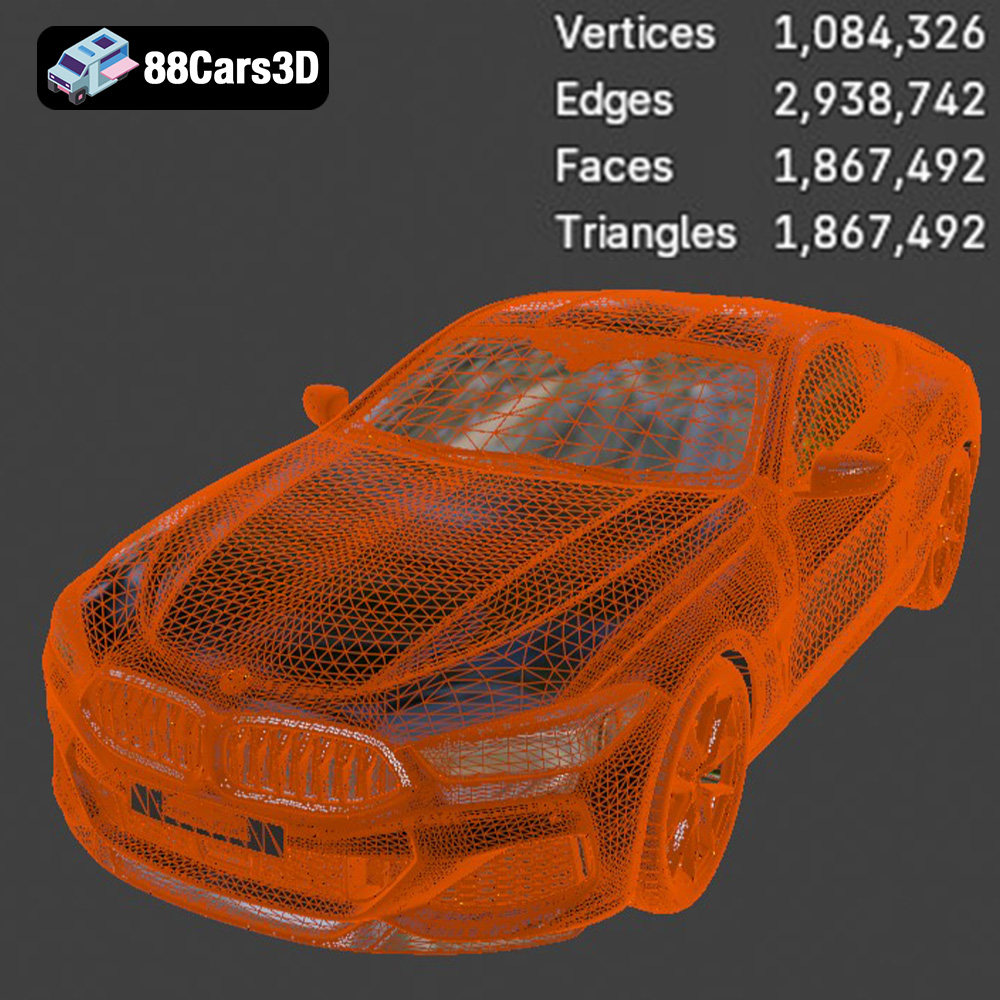
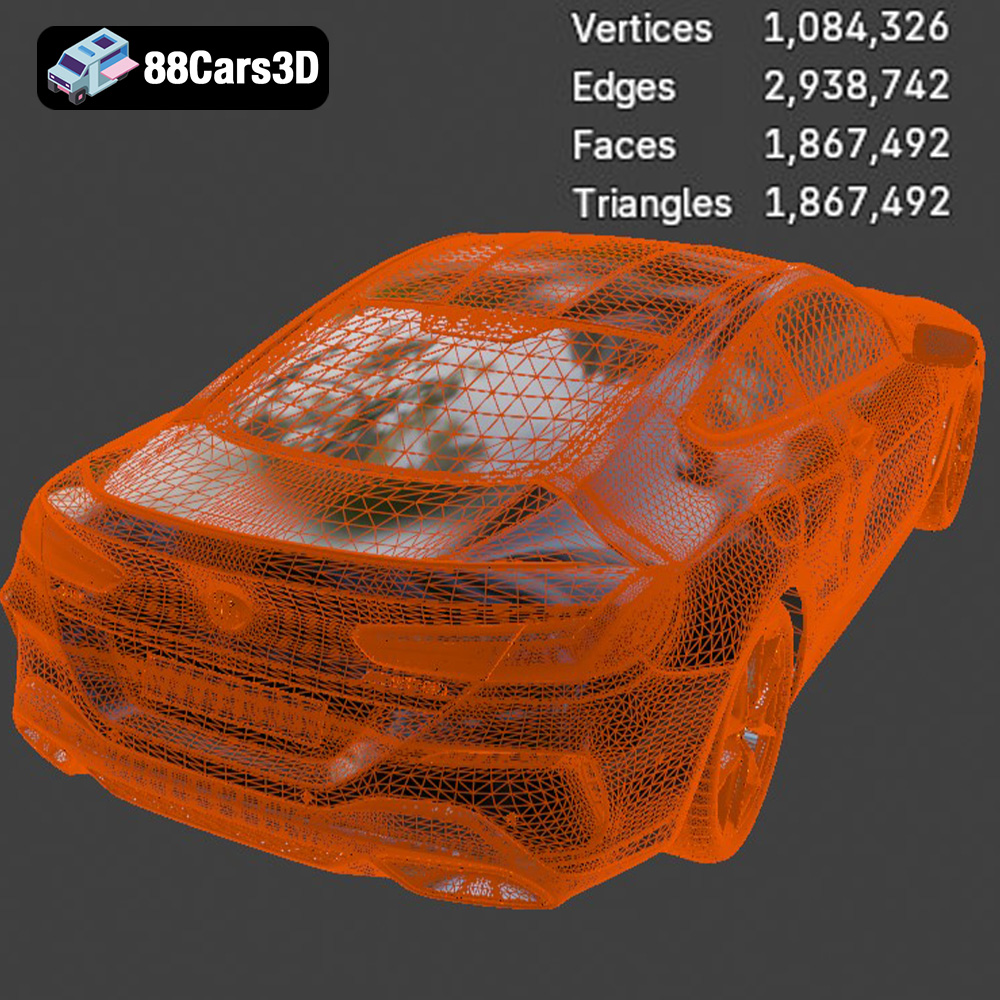
Featuring clean geometry and optimized topology, this model is equipped with realistic materials, delivering professional standards without compromising performance. The carefully modeled exterior and accurate interior detailing ensure seamless integration and smooth rendering across various creative pipelines.
Perfectly suited for demanding workflows, this versatile 3D model excels in game development, architectural visualization, photorealistic rendering, cutting-edge AR/VR experiences, and interactive simulation.
This comprehensive package includes the following formats:
$19.99
.8series
.arvr
.blend
.bmw
.car3dmodel
.coupe
.fbx
.gameasset
.glb
.luxurycar
.m850i
.max
.obj
.ply
.rendering
.simulation
.sportsCar
.stl
.unreal