Get 20% OFF All Premium 3D & STL Models!

In the rapidly evolving landscape of digital content creation, the demand for unparalleled realism continues to soar. From immersive video games and cutting-edge automotive visualizations to interactive AR/VR experiences and cinematic animations, the quality of 3D assets is paramount. A high-fidelity 3D model isn’t just an object; it’s the foundation upon which entire digital worlds are built, influencing everything from performance metrics to user engagement.
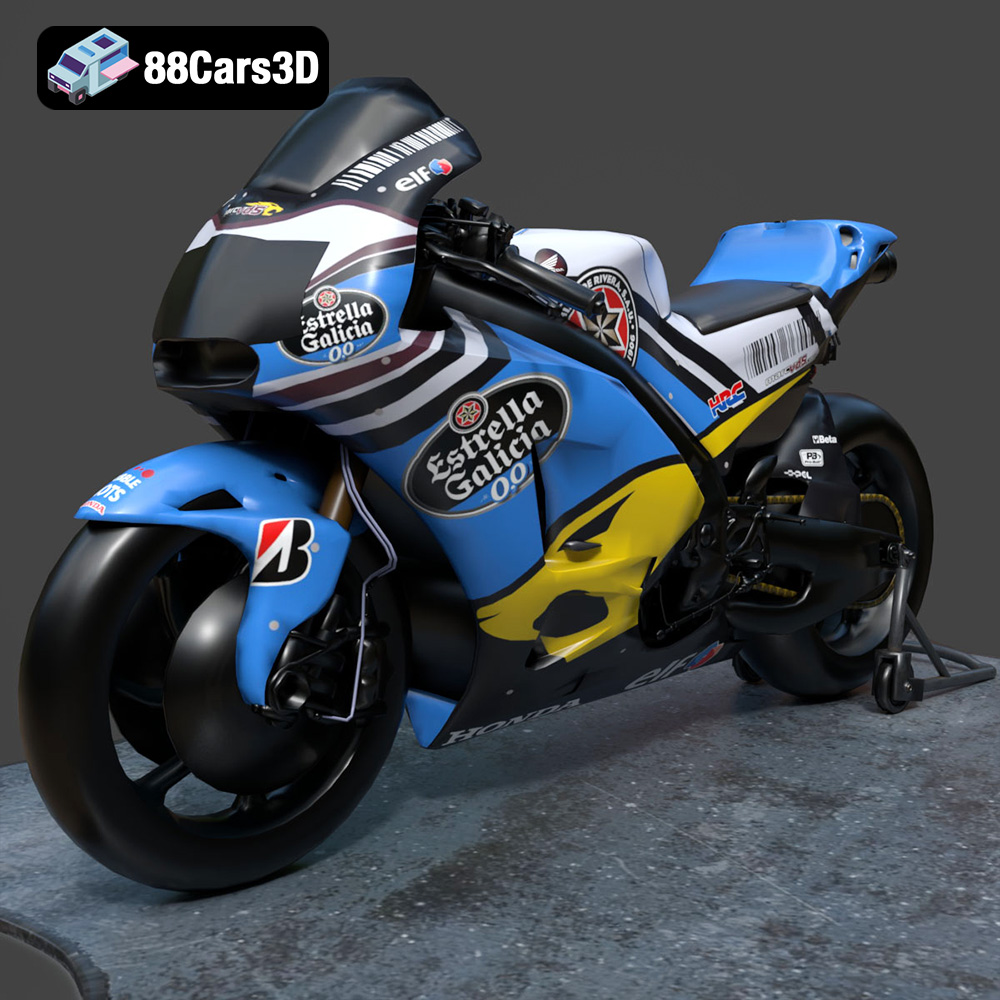
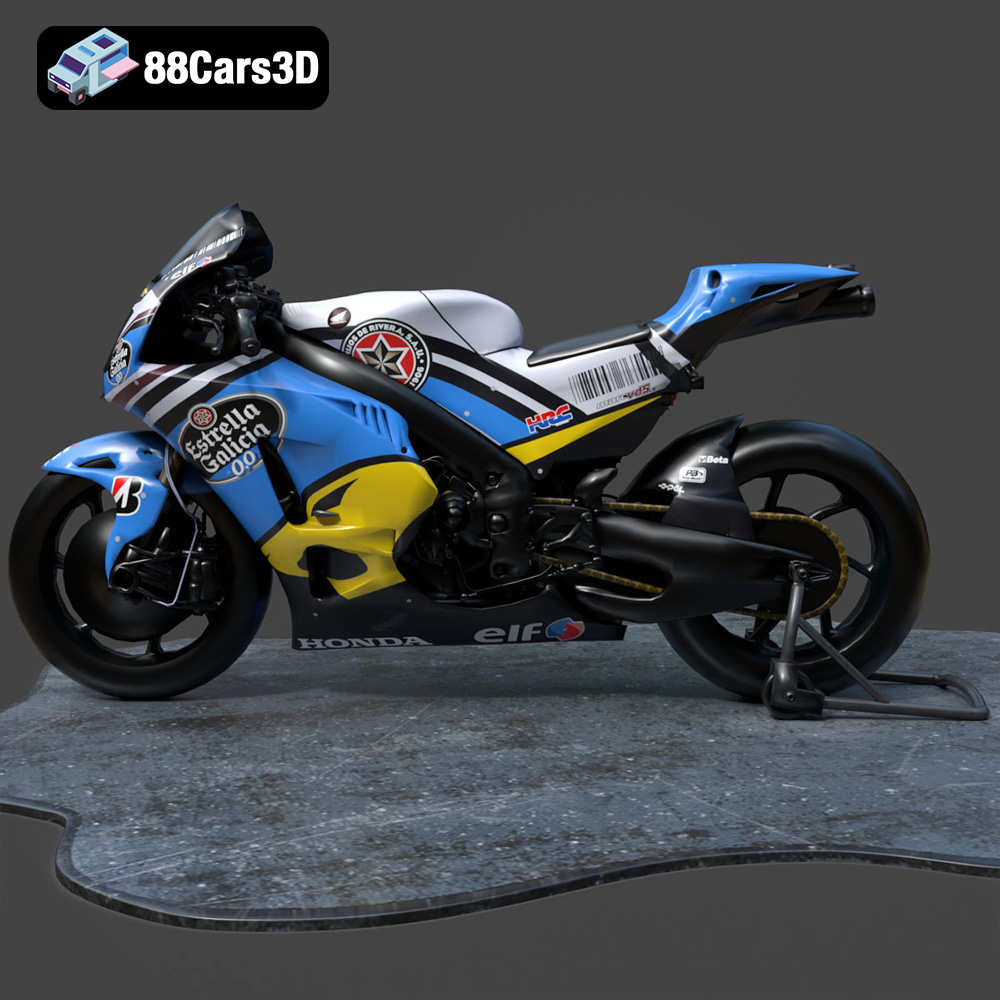
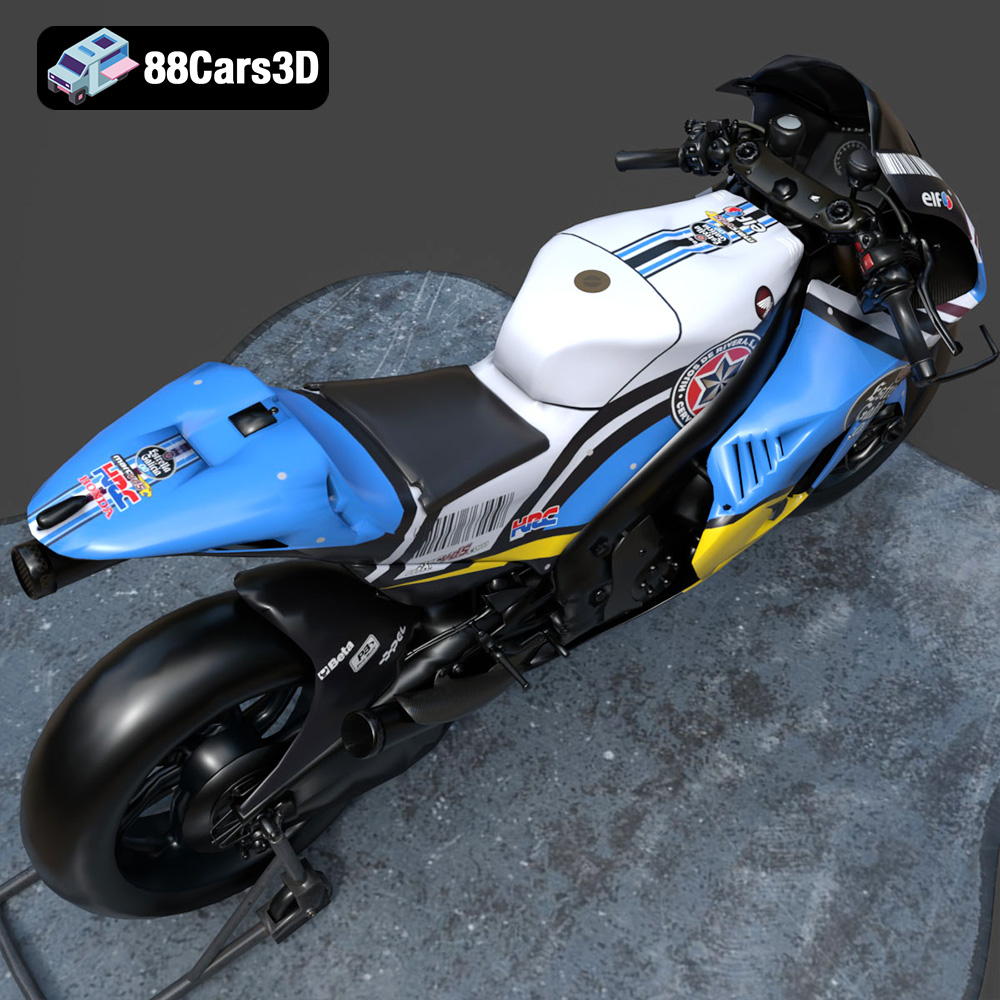
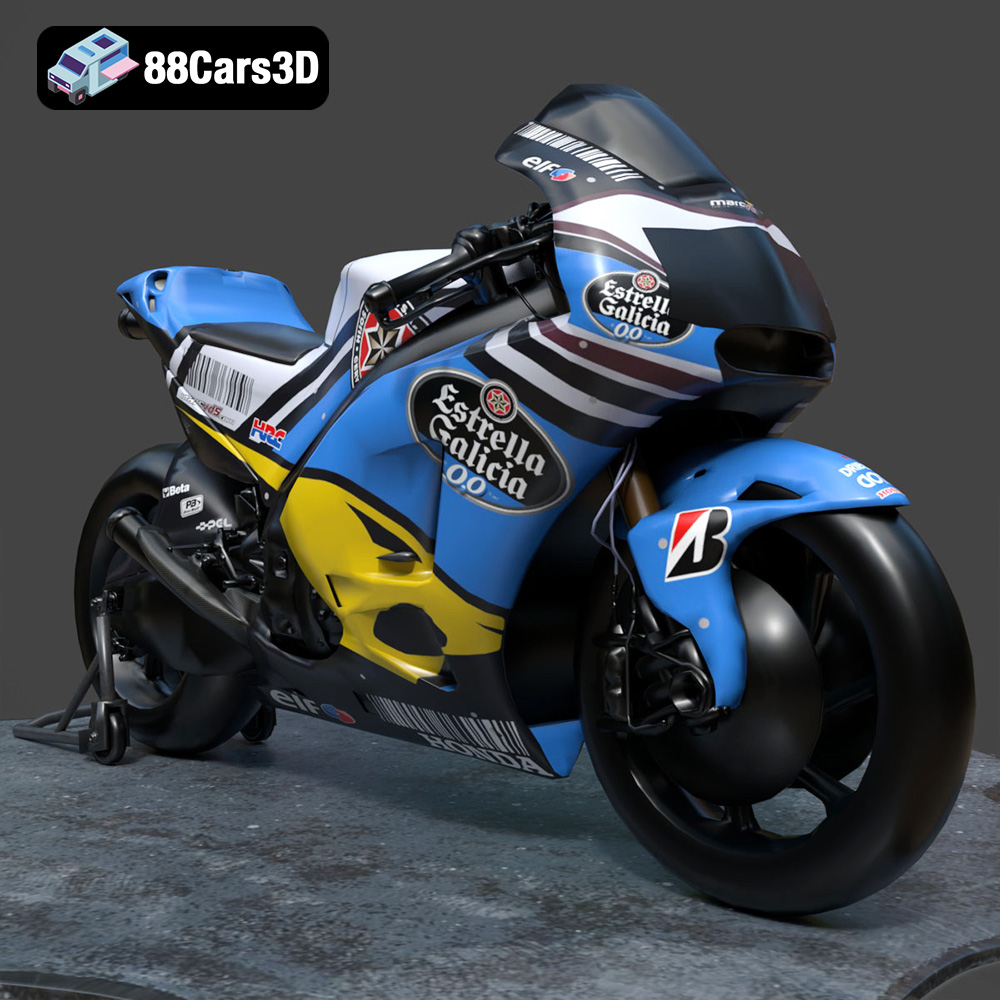
The ability to accurately represent complex machinery, particularly in the automotive sector, is a hallmark of professional-grade production. This is where specialized assets, such as the Honda RCV-213-001 3D Model, become indispensable. Meticulously crafted to mirror its real-world counterpart, this model exemplifies the pinnacle of digital automotive artistry. It offers a unique blend of technical precision and visual appeal, making it a stellar choice for anyone seeking to inject authentic motorsport energy into their projects. Whether you’re a game developer striving for realistic vehicle physics, an architectural visualization artist adding dynamic elements to a scene, or a product designer iterating on concepts, the right 3D asset streamlines your workflow and elevates your final output.
This comprehensive guide delves into the technical intricacies, practical applications, and workflow advantages of incorporating premium 3D models into your pipeline, with a spotlight on how assets like the Honda RCV-213-001 3D Model from 88cars3d.com empower creators across various industries.
The choice of a 3D model file format is far more than a mere technicality; it’s a strategic decision that dictates compatibility, functionality, and optimization across different software and platforms. A high-quality 3D model, especially one as detailed as the Honda RCV-213-001 3D Model, is often provided in multiple formats to ensure maximum versatility for artists and developers. Understanding the nuances of each is crucial for seamless integration into diverse production pipelines.
The .blend format is the native file type for Blender, the popular open-source 3D creation suite. When you acquire a .blend file, particularly one like the Honda RCV-213-001, you’re getting a fully editable Blender scene. This typically includes not just the mesh data but also all materials, textures, lighting setups, camera positions, animations (if any), and even modifiers. For artists working primarily in Blender, this format offers unparalleled flexibility for customization, rigging, animation, and rendering directly within their preferred environment. It ensures that all aspects of the model, from PBR material node networks to specific scene collections, are preserved as intended by the creator.
.fbx (Filmbox) is arguably one of the most widely used proprietary file formats for 3D data exchange, especially prevalent in game development. Developed by Autodesk, it supports a vast range of 3D data, including mesh geometry, materials, textures, animations, skeletons, and blend shapes. The .fbx format is ideal for transferring assets between different 3D software packages (e.g., from 3ds Max or Blender to Unity or Unreal Engine). Its robustness makes it a go-to for game-engine ready assets, where performance and data integrity during export/import are critical. The Honda RCV-213-001 model in .fbx ensures it’s instantly usable in real-time environments, often pre-configured with optimized meshes and PBR texture sets.
The .obj (Wavefront Object) format is a simple, universal 3D data format that is highly compatible across virtually all 3D software. It primarily stores geometric data, such as vertices, normals, UV coordinates, and faces, making it excellent for raw mesh exchange. While it also supports material references via an accompanying .mtl file, it generally doesn’t carry complex scene data like lighting or animation. For basic model import and use in almost any 3D application, .obj is a reliable choice. It’s often used when maximum compatibility is prioritized over retaining complex scene setups, making the Honda RCV-213-001 accessible to a broad spectrum of users regardless of their primary software.
.glb (GLB format, a binary form of glTF) is a relatively newer format rapidly gaining traction, particularly for web-based 3D, Augmented Reality (AR), and Virtual Reality (VR) applications. It’s designed for efficiency, delivering 3D models in a single, self-contained file that includes geometry, materials, textures, and animation data. Its compact size and ease of loading make it perfect for streaming 3D content directly in browsers or embedding in AR/VR experiences. For showcasing the Honda RCV-213-001 in an interactive web viewer or a mobile AR app, the .glb format provides an optimized, high-performance solution.
.stl (Stereolithography) is the de facto standard file format for 3D printing. It represents a 3D model as a collection of unconnected triangular facets, defining only the surface geometry of an object without color, texture, or other CAD attributes. When aiming to physically manifest a digital design, such as creating a scale replica of the Honda RCV-213-001, the .stl format is indispensable. It’s crucial for prototyping and manufacturing, allowing for precise translation from screen to tangible object.
The .ply (Polygon File Format or Stanford Triangle Format) is a versatile format for storing 3D data, particularly useful for scanned data, CAD applications, and scientific visualization. It can store a wide range of properties beyond just geometry, including color, transparency, normals, texture coordinates, and even reliability information for each polygon. For detailed analysis or high-precision industrial applications involving the Honda RCV-213-001, the .ply format offers a robust and comprehensive data structure.
The .unreal format, or more accurately, assets that are “pre-configured for Unreal Engine use,” typically refer to a package of files (often including an .fbx, textures, and Unreal-specific material setups) that can be directly imported and utilized within the Unreal Engine ecosystem with minimal additional setup. This format implies that the model, its materials, and LODs (Levels of Detail) have been optimized and tested within the engine, ensuring efficient performance and visual quality. The Honda RCV-213-001 model being available in an Unreal-ready package significantly reduces the setup time for game developers, allowing immediate integration into virtual worlds.
The .max format is the native file format for Autodesk 3ds Max, a powerful 3D modeling, animation, rendering, and compositing software. Similar to .blend, a .max file includes the complete scene data—geometry, materials, textures, lighting, cameras, animation keyframes, and modifiers. For professionals working in architectural visualization, product design, or cinematic rendering who rely on 3ds Max, this format offers full creative control and access to all the original scene settings of the Honda RCV-213-001. It’s ideal for making specific modifications, creating custom animations, or integrating the model into complex rendering scenes.
Achieving photorealistic automotive models in 3D requires a blend of artistic skill and technical precision. It’s a process that goes far beyond simply replicating shapes; it involves understanding light interaction, material properties, and the subtle nuances that make an object feel real. The Honda RCV-213-001 3D Model exemplifies these principles, demonstrating how meticulous attention to detail can transform digital geometry into a convincing replica.
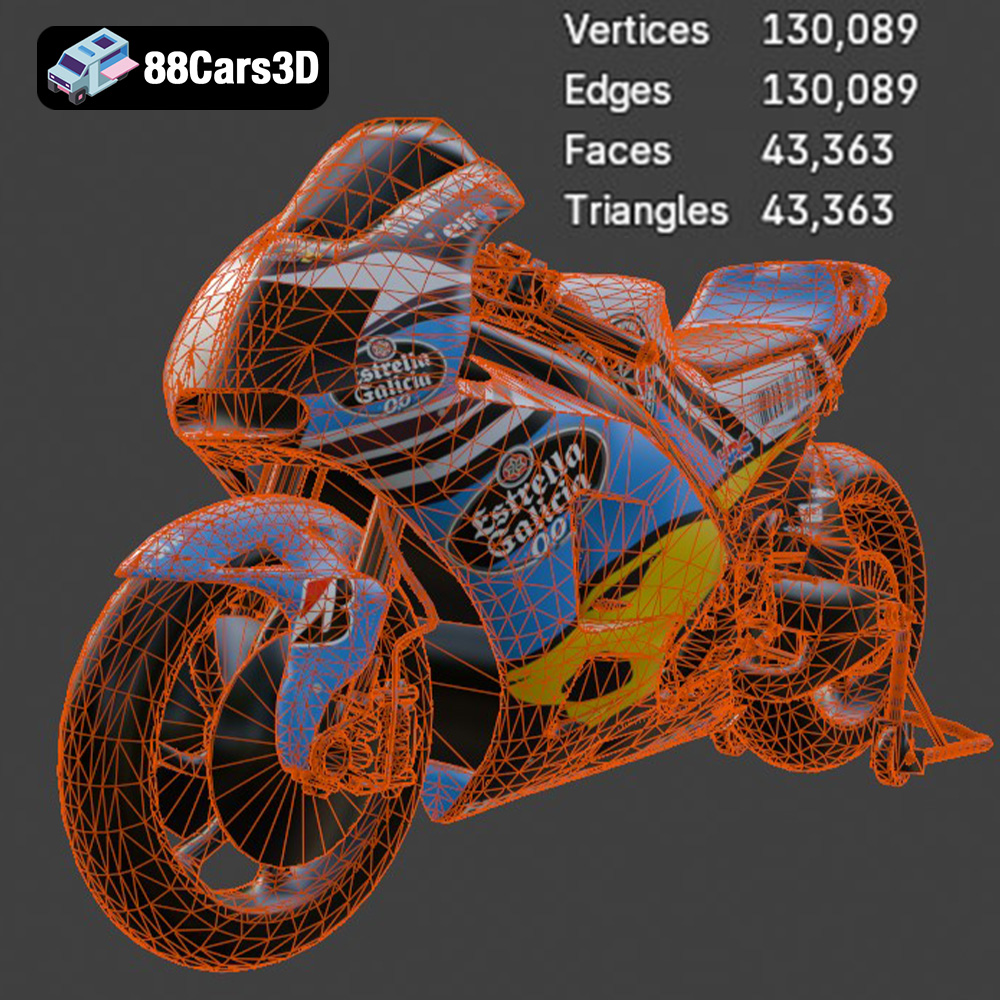
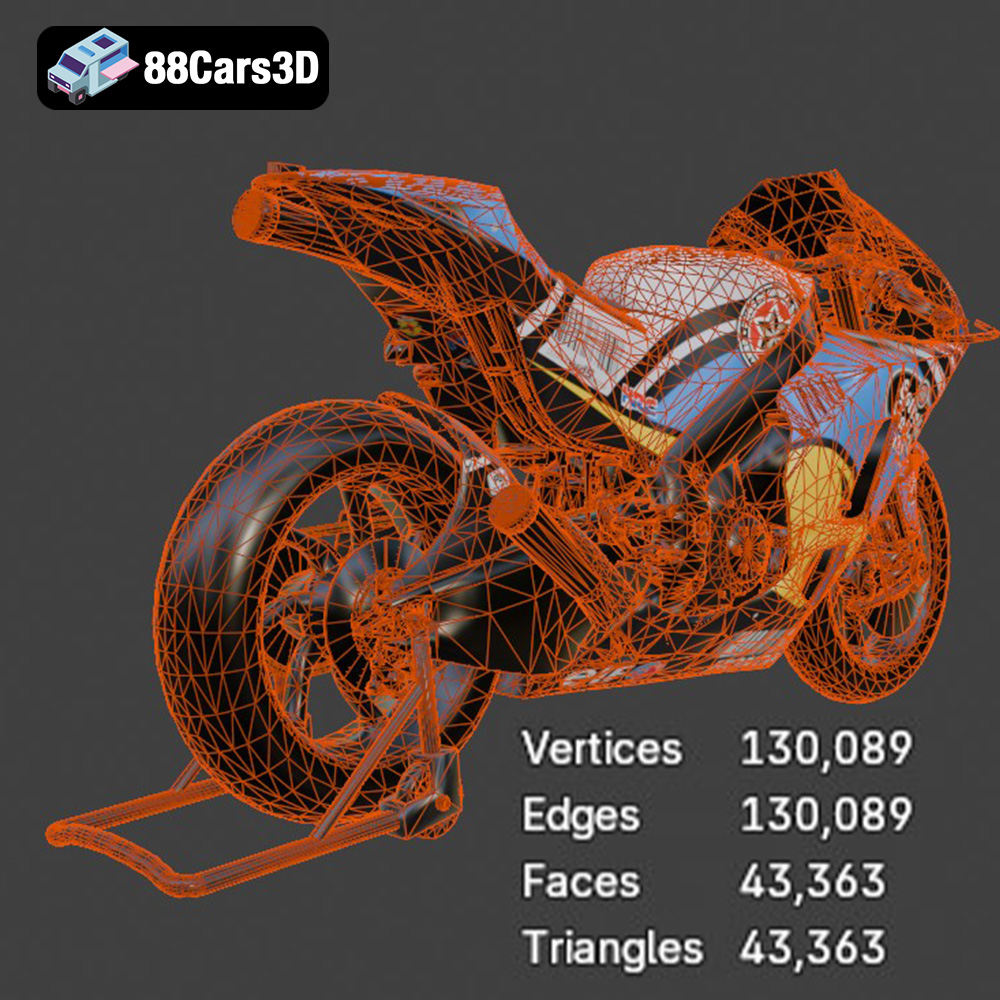
At the core of any high-quality 3D model is its geometry and topology. For the Honda RCV-213-001, this means clean, optimized mesh with an appropriate polygon count that balances detail with performance. Professional models avoid common pitfalls like n-gons (faces with more than four vertices) or excessively dense meshes in non-critical areas. Instead, they feature efficient quad-based topology, which is crucial for smooth subdivision, deformation (if animating), and UV unwrapping. This clean structure ensures that the model renders flawlessly from all angles, without artifacts or shading errors, and performs optimally in real-time engines.
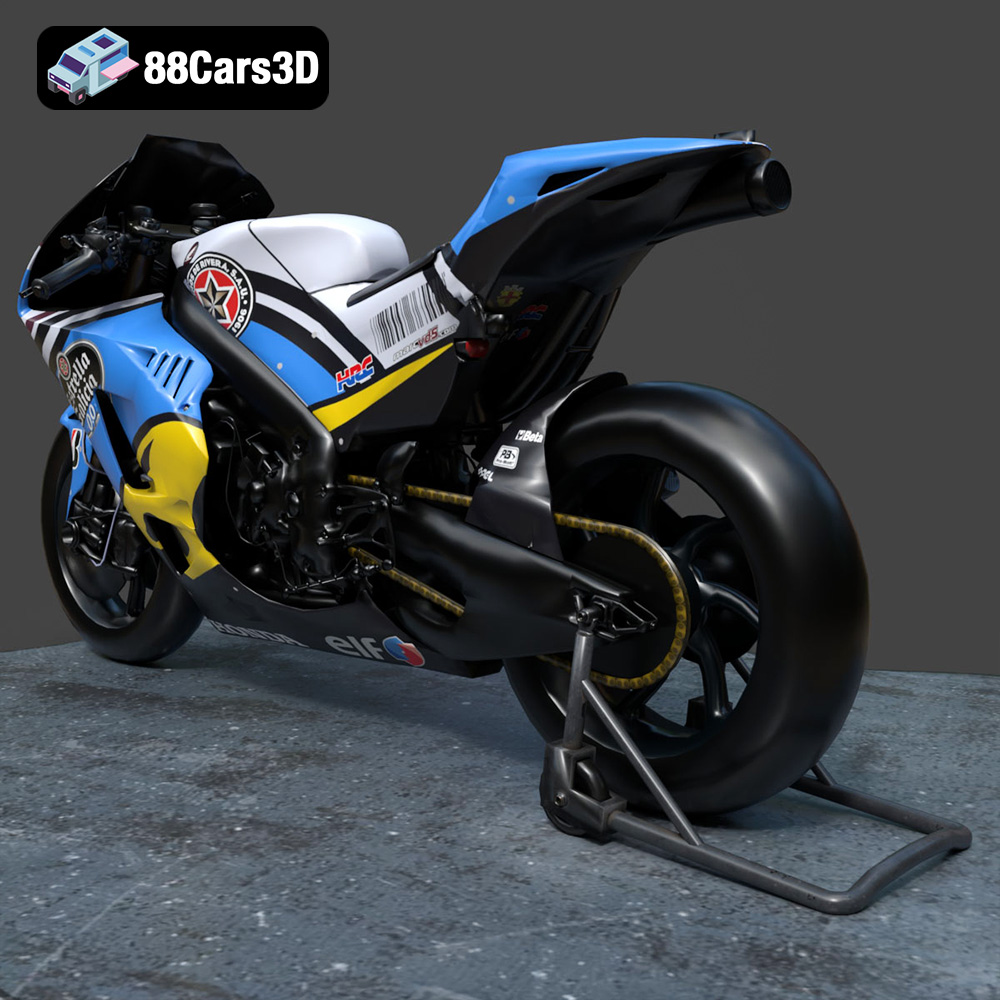
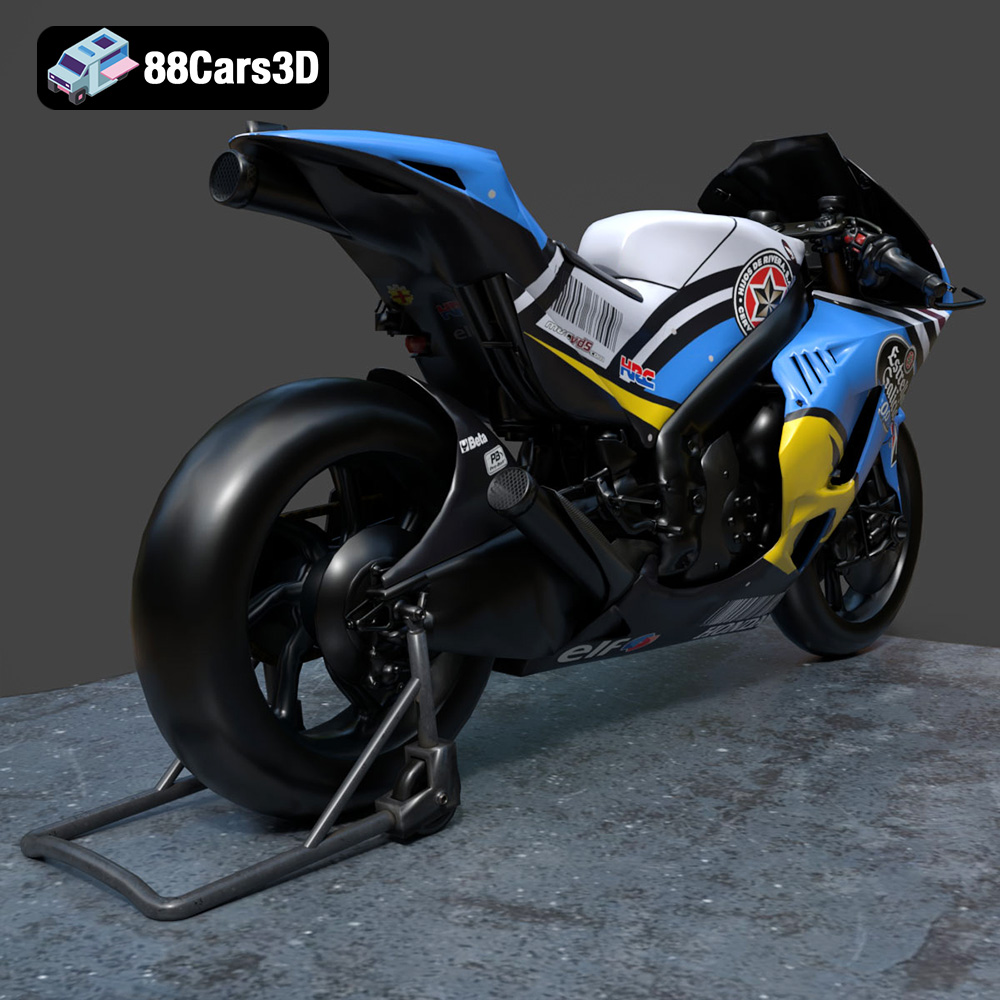
Materials and textures are the skin of a 3D model, dictating how light interacts with its surfaces. The Honda RCV-213-001 utilizes physically based rendering (PBR) materials, which accurately simulate real-world surface properties like albedo (base color), roughness, metallicness, and normal maps. This PBR workflow ensures that the model looks consistent and realistic under various lighting conditions, whether rendered in a studio setup or integrated into a dynamic game environment. Detailed texture maps capture every decal, carbon fiber weave, and paint reflection, bringing the motorcycle to life with stunning visual fidelity.
What truly sets a premium 3D model apart is its commitment to accuracy. For an iconic racing machine like the Honda RCV-213-001, this means replicating every aerodynamic fairing curve, engine component, brake caliper, and exhaust pipe with painstaking detail. Referencing real-world blueprints, photographs, and measurements is essential during the modeling process. This dedication to authentic detail ensures that the digital twin not only looks correct but also feels right to automotive enthusiasts and professionals alike, making it ideal for simulation, visualization, and fan projects.
The true value of a versatile 3D asset like the Honda RCV-213-001 3D Model lies in its seamless integration into diverse professional workflows. Its availability in multiple formats and its inherent quality make it a powerful tool for various industries.
For game developers, performance and visual quality are in constant tension. The Honda RCV-213-001, with its game-engine ready .fbx and .unreal formats, offers an immediate solution. Optimized meshes, appropriate polygon counts, and PBR-ready materials mean less time spent on asset preparation and more on gameplay development. Developers can import the model directly into Unreal Engine or Unity, apply pre-configured materials, and integrate it into a racing simulator, open-world game, or virtual garage experience. The clean topology ensures smooth LOD (Level of Detail) generation, crucial for maintaining frame rates across different hardware specifications.
In architectural visualization (arch-viz) and cinematic productions, the goal is often photorealism in still images or animations. Using the .max or .blend files of the Honda RCV-213-001 allows artists full control over materials, lighting, and camera angles within 3ds Max or Blender. They can integrate the motorcycle into a virtual showroom, a sleek urban street scene, or an expansive garage interior. The highly detailed model adds a dynamic, aspirational element to any visualization, enhancing the overall narrative and aesthetic appeal. Furthermore, the robust geometry makes it suitable for advanced rendering techniques like ray tracing, producing breathtakingly lifelike results.
The emerging fields of Augmented Reality (AR), Virtual Reality (VR), and interactive web experiences demand models that are lightweight, performant, and visually engaging. The .glb format of the Honda RCV-213-001 is specifically optimized for these applications. Creators can develop interactive product configurators, virtual showrooms where users can walk around the motorcycle, or AR apps that overlay the bike onto real-world environments. Its efficiency ensures smooth performance on a variety of devices, from high-end VR headsets to mobile phones, making it an excellent choice for experiential marketing or educational tools.
Beyond digital displays, the Honda RCV-213-001 3D Model also extends into the physical realm through 3D printing. The .stl and .ply formats provide the necessary data for additive manufacturing. Designers can use these files to create physical prototypes, scale models for collectibles, or even components for custom projects. The precision of the original digital model ensures that the printed output maintains the intricate details and accurate proportions of the racing motorcycle, offering a tangible connection to the digital asset.
For any 3D asset destined for real-time applications like games or AR/VR, optimization is not merely an option but a necessity. The Honda RCV-213-001 3D Model has been engineered with real-time performance in mind, ensuring it looks incredible without bogging down your project.
A common misconception is that more polygons always equate to better quality. In real-time, it’s about *smart* polygon allocation. A professional asset like the Honda RCV-213-001 will have its polygon count carefully managed, with detail concentrated where it matters most. Furthermore, it often comes prepared for, or is easily adaptable to, Levels of Detail (LODs). LODs are simplified versions of the model that are swapped in when the object is further away from the camera, drastically reducing rendering load without a noticeable drop in visual quality. This intelligent optimization ensures smooth frame rates even in complex scenes with multiple vehicles.
UV mapping is the process of flattening a 3D model’s surface to a 2D plane, allowing textures to be applied. For real-time assets, efficient UV mapping is critical. It means minimizing wasted space on the UV map, preventing texture stretching, and often grouping multiple small textures into larger “atlases.” This reduces draw calls (requests to the GPU to render textures), which is a major performance boost. The Honda RCV-213-001 likely features clean, non-overlapping UVs that are ready for diverse texturing workflows, whether using PBR texture sets or custom painted details, ensuring graphical fidelity and efficiency.
PBR is the gold standard for material creation in modern real-time engines and rendering software. It simulates how light interacts with surfaces in a physically accurate way, resulting in materials that look consistent and realistic under any lighting condition. The Honda RCV-213-001 3D Model is built with PBR materials, meaning its textures for albedo, roughness, metallic, normal, and ambient occlusion are precisely calibrated. This ensures that whether it’s bathed in harsh sunlight or the subtle glow of a virtual showroom, the motorcycle’s paint, chrome, rubber, and carbon fiber surfaces will react realistically, delivering stunning visual results out-of-the-box.
To truly appreciate the versatility and power of a high-quality 3D asset, it’s helpful to consider its application in various real-world scenarios. The Honda RCV-213-001 3D Model offers a wealth of opportunities for creative and professional endeavors.
Imagine a cutting-edge motorcycle racing simulator where players can experience the thrill of the track. Integrating the Honda RCV-213-001 into such a project immediately elevates the game’s visual fidelity. Using its .fbx or .unreal formats, developers can import the model, rig it for animation, and pair it with a robust physics engine. The model’s detailed aerodynamics and accurate proportions provide a solid foundation for realistic handling, while its high-resolution textures immerse players in the action. From the gleam of the fairings to the intricate engine details visible during pit stops, the model enhances realism, crucial for player engagement and competitive play.
For marketing and sales, a virtual showroom offers an unparalleled way to showcase products. Consider an interactive experience where potential buyers can explore the Honda RCV-213-001 in full 3D, perhaps using AR/VR technology. The model’s .glb format is perfect for this. Users could walk around the bike, inspect its components up close, change paint schemes, and even place it in their own garage via AR on their phone. This level of interaction, powered by the model’s precise geometry and PBR materials, creates a memorable and informative product visualization that far surpasses traditional static images or videos.
Beyond interactive experiences, the Honda RCV-213-001 3D Model is an ideal asset for high-impact marketing campaigns and cinematic animations. Using the .max or .blend files, a studio could produce a stunning animated short film showcasing the motorcycle’s power and elegance, perhaps racing through a futuristic cityscape or performing stunts in a dramatic setting. The ability to control every aspect of the scene – lighting, camera angles, textures, and animation – allows for complete creative freedom to tell compelling stories that resonate with audiences and highlight the vehicle’s iconic status. These renders could be used for commercials, social media content, or even internal design presentations.
In the competitive world of digital content creation, the difference between good and exceptional often lies in the quality of your foundational assets. A meticulously crafted 3D model like the Honda RCV-213-001 3D Model is more than just a collection of polygons and textures; it’s an investment in efficiency, quality, and creative potential. Its versatility, delivered through a wide array of industry-standard file formats, ensures that it can seamlessly integrate into virtually any professional workflow, from game development and cinematic rendering to AR/VR experiences and even 3D printing.
By providing clean geometry, realistic PBR materials, and exceptional attention to detail, this model eliminates countless hours of tedious asset creation, allowing artists and developers to focus on innovation and pushing creative boundaries. It embodies the technical excellence required to meet the soaring demands for realism and performance in modern digital productions.
For those seeking to elevate their projects with high-quality 3D car models and vehicle assets, 88cars3d.com stands as a reliable source. The Honda RCV-213-001 3D Model is just one example of the premium assets available, ready to transform your digital visions into stunning realities. Unlock new possibilities and streamline your creative process by choosing assets that are built for professional success.
Experience true realism with the Honda RCV-213-001 3D Model, meticulously crafted to represent the iconic racing motorcycle. This model is engineered to provide stunning visual fidelity, making it an exceptional choice for automotive enthusiasts and digital creators. Key features of this 3D model include clean geometry, realistic materials, and a professional quality build. Every detail, from the aerodynamic fairings to the intricate mechanical components, has been modeled to deliver a highly accurate digital twin of the original vehicle. This asset is highly versatile and perfect for a wide range of applications. Whether you are working on game development, rendering, AR/VR experiences, or professional visualization projects, this model provides the performance and aesthetic precision required for top-tier productions. The following file formats are included with your download: .blend – Editable Blender file with materials and lighting setup, .fbx – Game-engine ready format for Unreal Engine and Unity, .obj – Standard 3D model format compatible with all major software, .glb – Optimized for AR/VR and web-based visualization, .stl – Suitable for 3D printing and prototyping, .ply – Detailed polygon mesh for analysis and visualization, .unreal – Pre-configured for Unreal Engine use, .max – Editable 3ds Max file for rendering and animation. Tags: .honda, .rcv213001, .motorcycle, .racingbike, .car3dmodel, .rendering, .simulation, .gameasset, .arvr, .blend, .fbx, .obj, .glb, .stl, .ply, .unreal, .max
$19.99
.arvr
.blend
.car3dmodel
.fbx
.gameasset
.glb
.honda
.max
.motorcycle
.obj
.ply
.racingbike
.rcv213001
.rendering
.simulation
.stl
.unreal