Get 20% OFF All Premium 3D & STL Models!

In the rapidly evolving landscape of digital content creation, the demand for high-quality, realistic 3D assets has never been greater. From cinematic automotive advertisements to immersive video game environments and sophisticated architectural visualizations, the fidelity of a 3D model can define the success of an entire project. Professionals across various industries consistently seek assets that not only look authentic but are also technically optimized for diverse workflows.
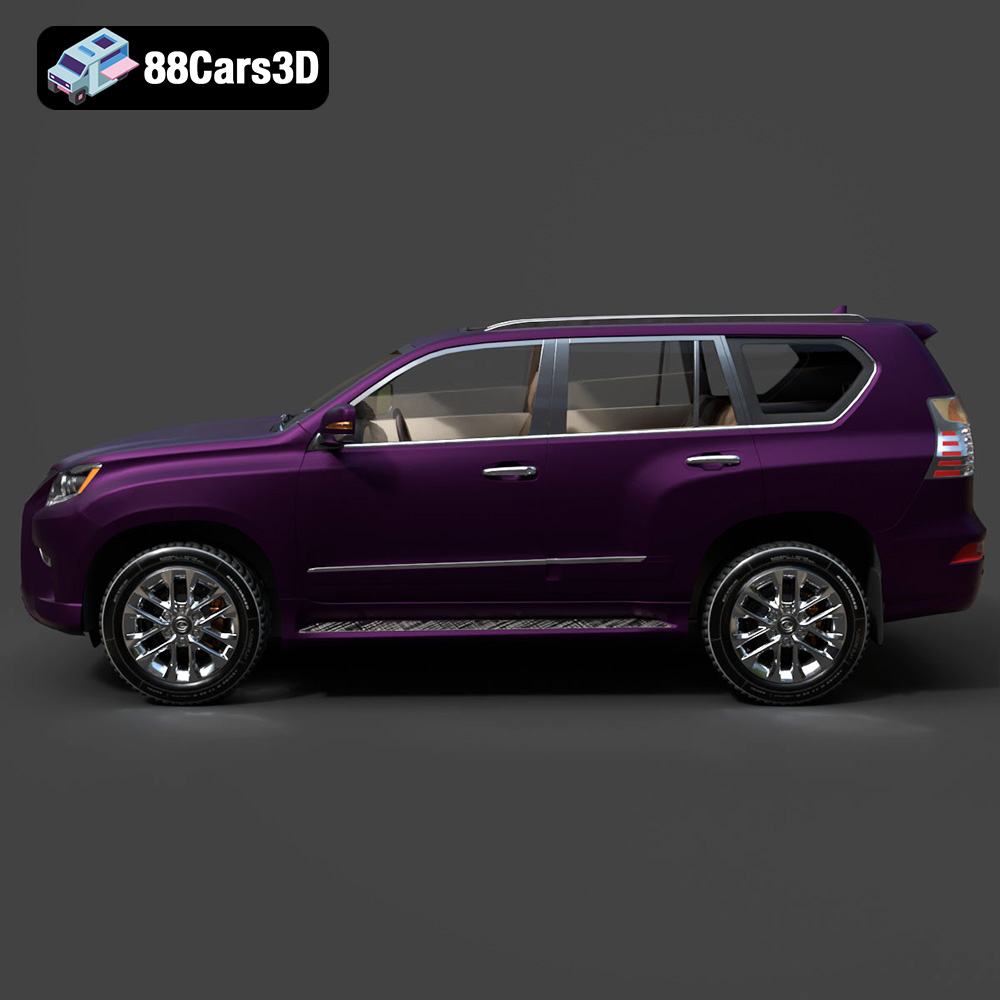
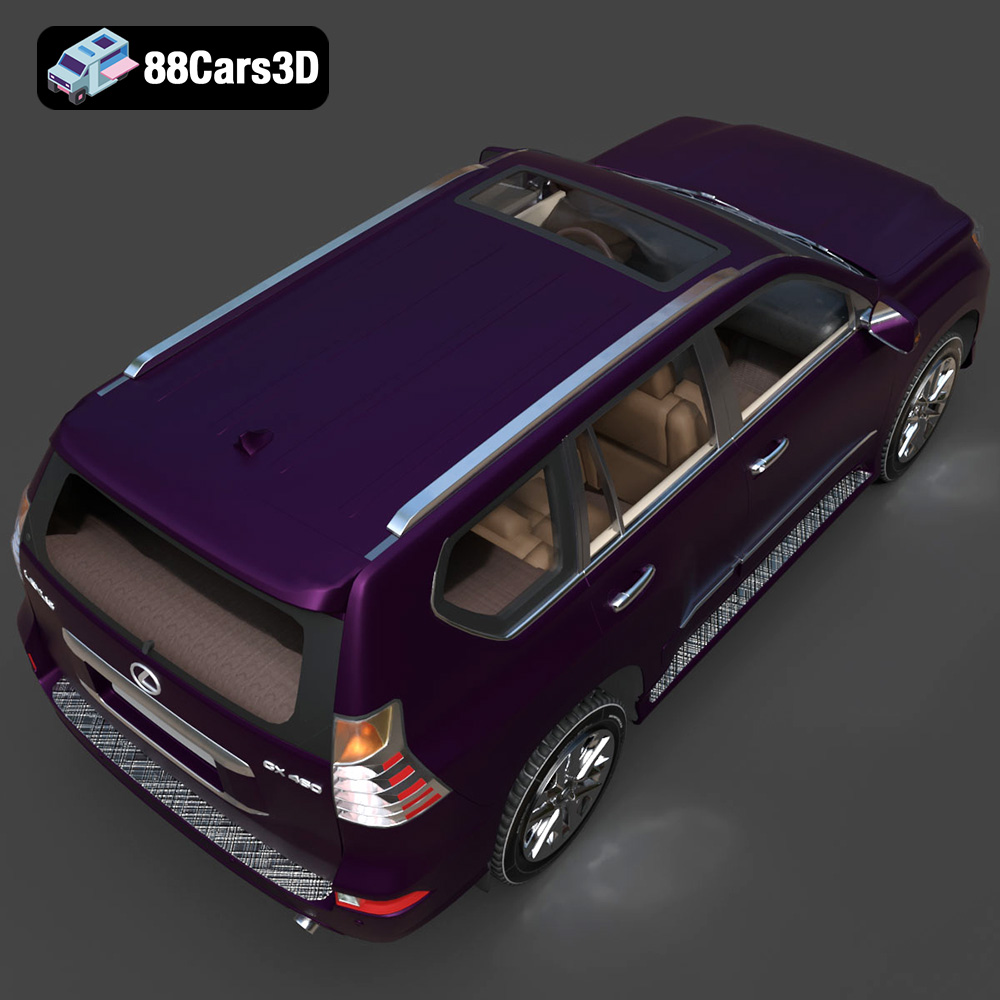
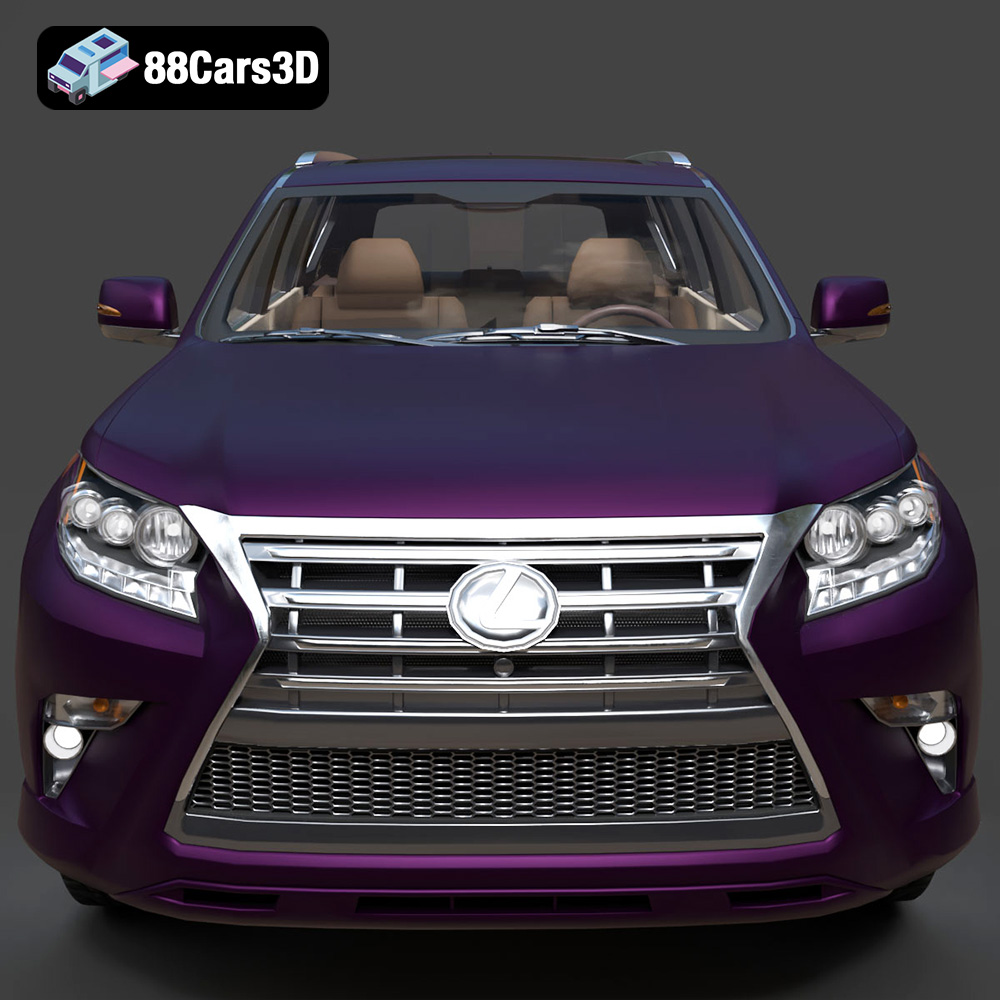
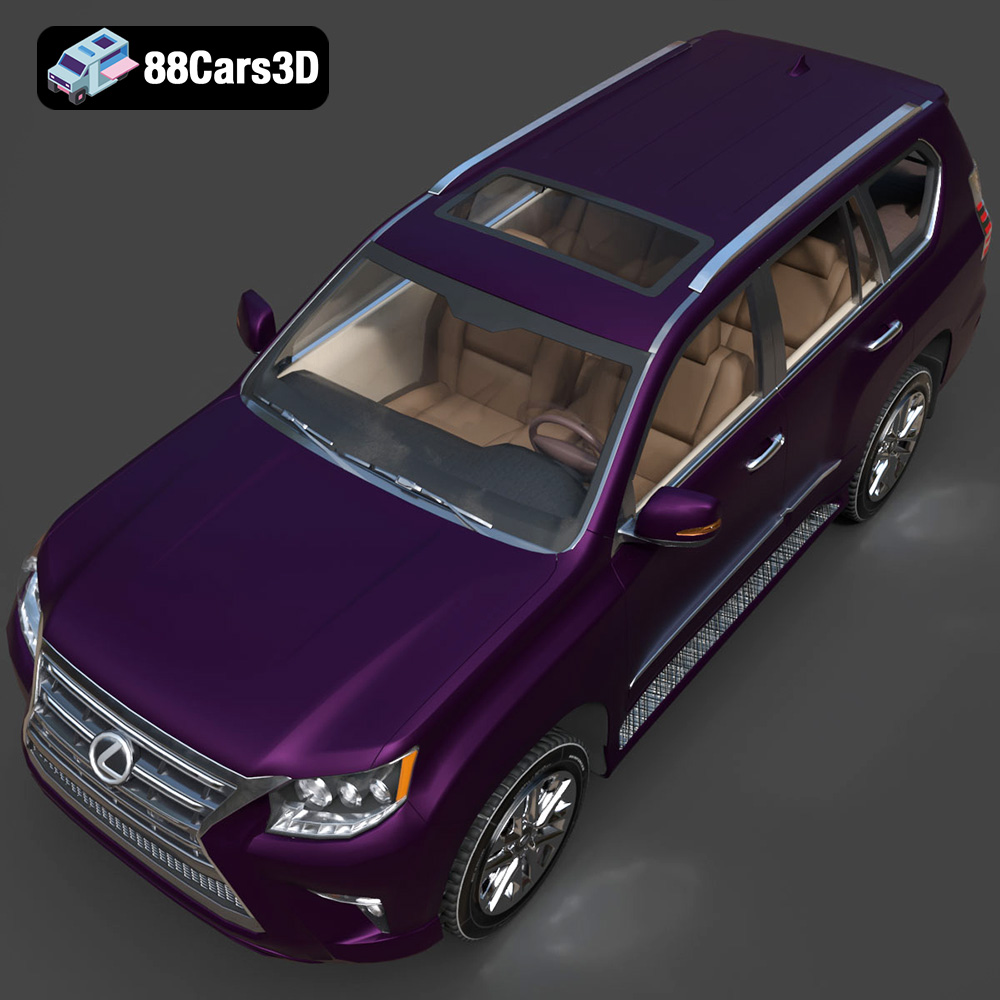
Today, we delve into the world of premium 3D car models, exploring the intricate details, technical considerations, and myriad applications that make them essential tools for digital artists and developers. We’ll examine how a meticulously crafted asset, such as the Lexus GX460 2014 3D Model available on 88cars3d.com, serves as a cornerstone for projects demanding realism and performance. This specific model, with its powerful stance and luxurious design, stands as a testament to the blend of artistic skill and technical precision required to bring iconic vehicles to life in the digital realm.
The versatility of a 3D model is often determined by the range of file formats it supports. Each format is designed with specific use cases and software environments in mind, offering unique advantages regarding compatibility, data preservation, and optimization. A comprehensive package like the Lexus GX460 2014 3D Model provides a suite of formats, ensuring seamless integration into virtually any professional workflow.
The .blend file format is native to Blender, a powerful open-source 3D creation suite. When you receive a .blend file for a 3D car model, you’re gaining access to a fully editable Blender scene. This typically includes not only the mesh data but also all materials, textures, UV maps, lighting setups, camera positions, and sometimes even animation data. For the Lexus GX460 2014, a .blend file means artists can dive directly into tweaking shaders, modifying geometry, or rendering with Cycles or Eevee, leveraging Blender’s robust toolset without compatibility headaches. It’s ideal for those whose primary workflow revolves around Blender, offering maximum flexibility and preserving all project-specific settings.
FBX (Filmbox) is an Autodesk-developed proprietary file format widely recognized as an industry standard for exchanging 3D data between various software applications. Its strength lies in its ability to store not just geometry, but also animation, cameras, lights, materials (though material translation can sometimes be imperfect between software), and even skeletal rigs. For game development, especially with engines like Unreal and Unity, .fbx is often the go-to format due to its robust support for mesh hierarchies, PBR material assignments, and efficient data transfer. The Lexus GX460 2014 .fbx ensures a smooth pipeline for real-time applications, often optimized for performance.
OBJ (Wavefront Object) is one of the oldest and most universally supported 3D file formats. It’s a simple, human-readable text-based format that primarily describes 3D geometry (vertices, normals, texture coordinates, and faces) and refers to external material files (.mtl). While it doesn’t support animation or advanced scene data like lights, its simplicity makes it incredibly compatible across virtually all 3D modeling, sculpting, and rendering software. When fidelity of geometry is paramount and broad compatibility is required, the .obj version of the Lexus GX460 2014 model guarantees that the core mesh data is accessible to any artist, regardless of their preferred software.
GLB (Binary GL Transmission Format) is the binary version of glTF, a royalty-free specification for the efficient transmission and loading of 3D scenes and models by engines and applications. GLB files package all assets (geometry, materials, textures, animations) into a single binary file, making them highly efficient for web-based 3D, augmented reality (AR), and virtual reality (VR) applications. Their small file size and optimized structure allow for quick loading times and seamless integration into interactive online experiences. For the Lexus GX460 2014, the .glb format makes it ready for modern web configurators or mobile AR apps.
STL (STereoLithography) is the native file format for stereolithography CAD software. It describes only the surface geometry of a 3D object using a collection of interconnected triangles, without any color, texture, or material information. It’s the de facto standard for 3D printing, rapid prototyping, and computer-aided manufacturing (CAM). The .stl version of the Lexus GX460 2014 is specifically prepared for physical production, ensuring a watertight mesh suitable for direct printing.
PLY (Polygon File Format) is a file format for storing 3D data from 3D scanners. It supports properties such as color, transparency, surface normals, and range data. While less common for general artistic use, .ply is excellent for scientific visualization, CAD applications, and storing complex scan data where precision and additional per-vertex or per-face attributes are crucial. For highly detailed analysis or specific manufacturing processes, the Lexus GX460 2014 in .ply format offers a robust data structure.
This format typically refers to assets specifically packaged or optimized for direct import and use within the Unreal Engine ecosystem. While Unreal Engine primarily uses .fbx for import, a “.unreal” file often implies a pre-configured asset that includes properly set up materials, LODs (Levels of Detail), collision meshes, and blueprints tailored for optimal performance within the engine. This streamlines the development process significantly, allowing game developers or simulation engineers to drop the Lexus GX460 2014 directly into their projects with minimal setup.
The .max file format is native to Autodesk 3ds Max, one of the leading software packages for 3D modeling, animation, and rendering in the architecture, visualization, and entertainment industries. Like .blend, a .max file contains the complete scene data, including geometry, materials (often V-Ray, Corona, or Arnold specific), textures, lights, cameras, and animation. For professionals using 3ds Max, the .max version of the Lexus GX460 2014 offers the highest level of editability and allows full customization within a familiar environment, perfect for high-end rendering and animation sequences.
Photorealistic automotive rendering is a demanding discipline that blurs the lines between digital art and photography. It requires a profound understanding of light, materials, and composition to make a 3D car model indistinguishable from its real-world counterpart. At the heart of this process is a high-quality 3D asset, such as the Lexus GX460 2014 3D Model.
The realism of a render heavily relies on the quality of its materials and textures. A premium 3D car model comes with PBR (Physically Based Rendering) ready textures, ensuring that surfaces react realistically to light. This includes metallic flake paint with accurate reflectivity, subtle imperfections on glass and chrome, and the nuanced textures of tire rubber and interior fabrics. For the Lexus GX460 2014, meticulous attention has been paid to these details, from the clear coat on the body paint to the subtle reflections on its windows, allowing artists to achieve stunning realism in rendering software like V-Ray, Corona Renderer, Arnold, or Blender’s Cycles. Each surface is designed to interact correctly with global illumination and environmental lighting, creating believable reflections and refractions that are crucial for automotive rendering.
Different rendering engines have their own strengths and nuances. A well-prepared 3D car model, like those found on 88cars3d.com, provides materials and textures that can be easily adapted across these platforms. For instance, a model designed for 3ds Max might include V-Ray or Corona-specific materials, while a Blender file would feature Cycles nodes. The underlying PBR texture maps (Albedo/Base Color, Metallic, Roughness, Normal, Ambient Occlusion) are universal, enabling artists to recreate the intended look in any modern renderer. This flexibility is vital for studios that utilize a variety of software in their pipeline, ensuring that the Lexus GX460 2014 can be rendered flawlessly whether for a high-res marketing image or an animated sequence.
Beyond the model itself, effective automotive rendering involves sophisticated lighting setups and expert staging. Artists leverage HDRI (High Dynamic Range Image) environments to simulate real-world lighting conditions, from sun-drenched landscapes to moody urban nights. The clean geometry and precise proportions of the Lexus GX460 2014 allow light to interact naturally with its surfaces, producing accurate shadows and reflections. Post-production in software like Adobe Photoshop or Nuke further enhances the render with color grading, depth of field, and lens effects, elevating the final image to a photorealistic masterpiece. A solid foundation, like this 3D car model, makes these final stages significantly more impactful.
Game development demands a delicate balance between visual fidelity and performance. In a real-time environment, every polygon, texture, and shader contributes to the overall frame rate. Optimized 3D car models are thus crucial for creating immersive game worlds without sacrificing playability.
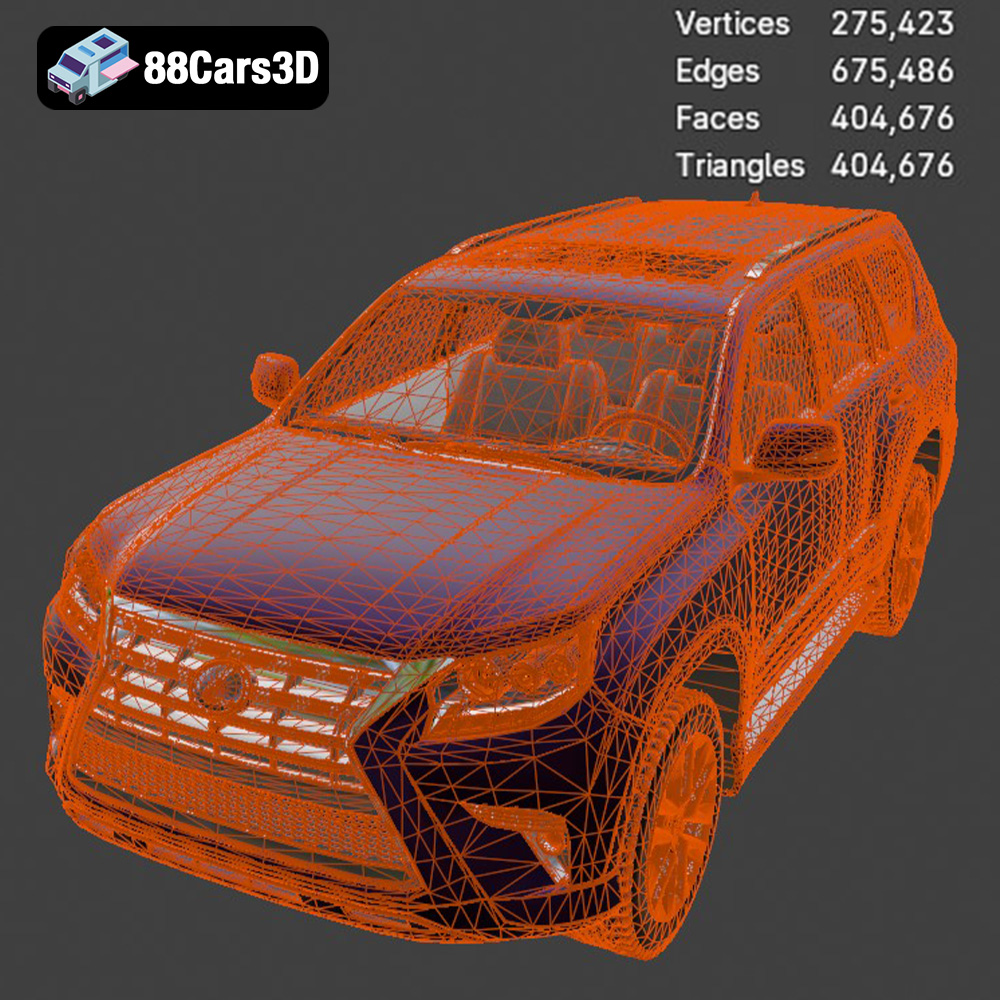
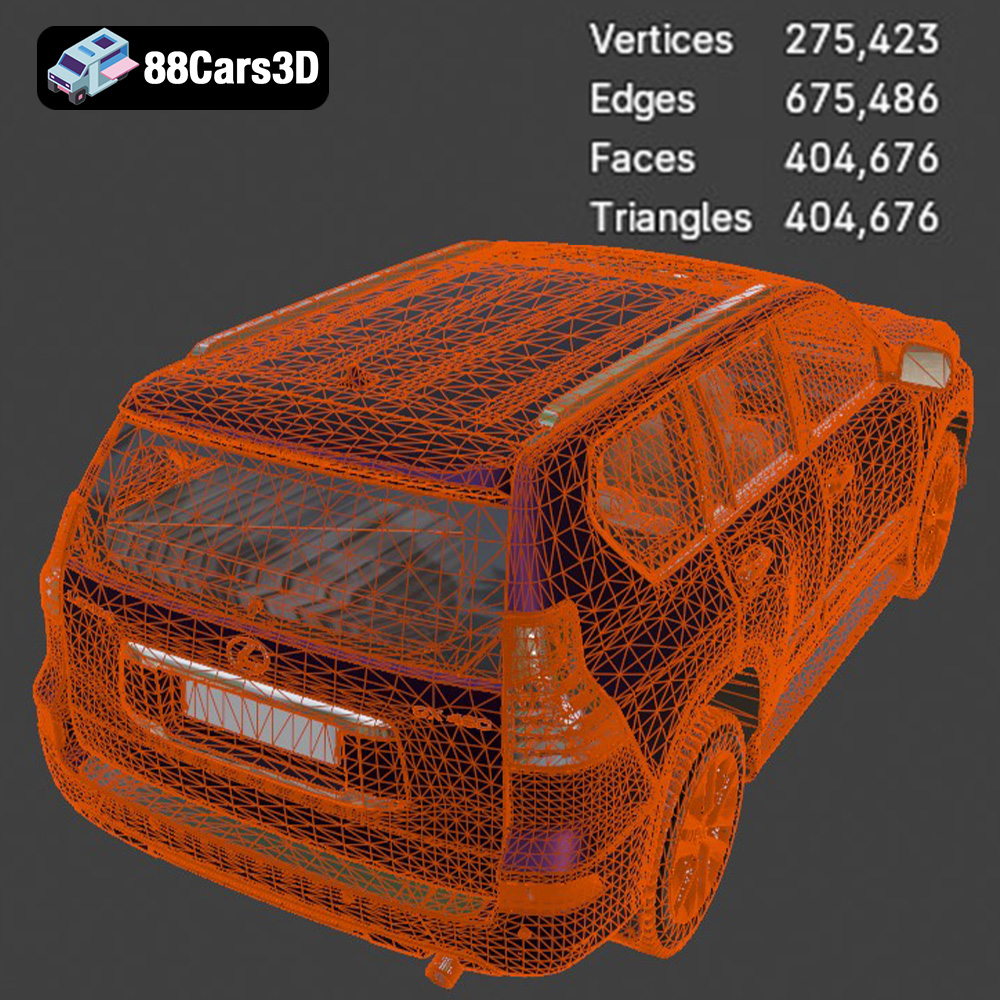
For game assets, an “optimized polygon count” is key. While high-poly models are perfect for cinematic renders, game engines require models that are efficient to process. This often involves creating multiple Levels of Detail (LODs) – lower polygon versions of the model that automatically swap in as the vehicle moves further from the camera. The Lexus GX460 2014 3D Model is designed with optimized geometry, ensuring that it looks fantastic up close while also performing well in open-world scenarios. This balance is critical for maintaining high frame rates across various gaming platforms.
Modern game engines like Unreal Engine and Unity have robust pipelines for importing 3D assets. Formats like .fbx and specific .unreal packages (as seen with the Lexus GX460 2014) are tailored for this purpose. These formats preserve crucial data such as hierarchies, PBR materials, and UV mapping. Game developers can often import these models directly, apply the provided textures, and have a game-ready asset in minutes. Furthermore, well-prepared models include proper collision meshes, essential for realistic physics interactions within the game world, ensuring that the Lexus GX460 2014 behaves credibly when encountering obstacles or other vehicles.
PBR workflows are now standard in game development, ensuring that assets look consistent under any lighting condition. The Lexus GX460 2014 comes fully textured with PBR maps, which can be directly plugged into Unreal Engine’s material editor or Unity’s standard shader. Beyond basic textures, game artists often develop custom shaders to achieve specific visual effects, such as dynamic dirt accumulation, damage decals, or advanced car paint effects that react to the game environment. A clean, well-UV-mapped model is essential for these advanced shader techniques, allowing textures to wrap seamlessly and effects to apply accurately.
Augmented Reality (AR), Virtual Reality (VR), and other real-time visualization applications are transforming how we interact with digital content. From virtual showrooms to interactive training simulations, 3D car models are at the forefront of these immersive experiences. The Lexus GX460 2014 3D Model, with its optimized formats, is perfectly suited for these cutting-edge applications.
AR/VR experiences often run on devices with limited computational power, such as smartphones or standalone VR headsets. This necessitates highly optimized 3D assets. The .glb format, included with the Lexus GX460 2014, is specifically designed for efficient transmission and rendering on these platforms. It consolidates all model data into a single, compact file, making it ideal for web-based 3D viewers, mobile AR apps, or streaming in VR environments. This optimization ensures smooth performance and quick loading times, crucial for maintaining user immersion and accessibility.
Automotive manufacturers and dealers are increasingly turning to AR/VR to showcase vehicles. Imagine walking around the Lexus GX460 2014 in your living room via an AR app, changing its paint color, or exploring its interior features with a tap. High-quality 3D car models enable these interactive configurators and virtual showrooms, providing customers with an engaging and personalized experience. The clean geometry and realistic textures of models from 88cars3d.com ensure that the vehicle looks stunning and accurate, reflecting the brand’s quality.
Beyond consumer applications, AR/VR and real-time visualization are invaluable for professional training and simulation. Military, emergency services, and even automotive repair technicians can use virtual environments featuring detailed 3D car models like the Lexus GX460 2014 to practice procedures in a safe, cost-effective manner. Furthermore, the concept of a “digital twin” – a virtual replica of a physical asset – is gaining traction in manufacturing and engineering. A highly accurate 3D model forms the basis for these digital twins, allowing for performance analysis, predictive maintenance, and design iteration in a virtual space before physical implementation.
The utility of a 3D car model extends beyond purely digital realms. With the advent of accessible 3D printing technology, these models can transcend the screen and become tangible objects. The Lexus GX460 2014 3D Model’s inclusion of .stl and .ply formats specifically caters to this rapidly growing application.
The .stl file format is the universal language of 3D printing. It represents the surface of a 3D model as a series of connected triangles. For a model to be successfully 3D printed, it must be “watertight” – meaning it has no holes or gaps in its mesh that would confuse the printer on what is inside versus outside. The .stl version of the Lexus GX460 2014 is meticulously prepared to be watertight and manifold, ensuring a clean output for prototyping, creating scale models, or even fabricating custom parts. This enables designers to quickly bring concepts into the physical world, assess ergonomics, or create promotional items.
Prototyping often requires high precision to accurately represent complex geometries. While .stl is the standard, the .ply format can offer additional data if needed for more advanced processes or quality control. For detailed automotive components or intricately scaled models, the clean mesh and accurate proportions of the Lexus GX460 2014 are paramount. Whether it’s to test a new spoiler design, create a custom dashboard piece, or simply have a physical representation of the vehicle, a well-structured 3D model ensures that the printed object faithfully reflects the digital design. This capability is invaluable for industrial design and engineering, allowing for rapid iteration and validation of physical forms.
Beyond professional prototyping, 3D printing high-quality car models opens up a world of possibilities for enthusiasts and collectors. Imagine printing a perfectly scaled replica of the Lexus GX460 2014, customizing it with different materials or paint finishes. This application taps into the passion for automotive design, allowing individuals to own a unique physical representation of their favorite vehicles. The availability of a robust .stl file makes this process straightforward, turning a digital asset into a cherished physical item.
A true professional-grade 3D model is not just about visual fidelity; it’s about how seamlessly it integrates into existing industry workflows. The Lexus GX460 2014 3D Model, with its comprehensive format support, offers unparalleled flexibility for studios and individual artists alike.
For architectural visualization (ArchViz) firms and animation studios, 3ds Max remains a powerhouse. Importing the .max file of the Lexus GX460 2014 allows artists to directly access a scene pre-configured for high-end rendering. They can place the SUV into a meticulously designed architectural scene, animate it driving through a virtual city, or use it as a hero asset in an automotive commercial. The ability to fine-tune V-Ray or Corona materials, adjust lighting, and set up complex camera paths within 3ds Max makes the model an ideal component for delivering photorealistic results, showcasing property developments or product launches with unparalleled realism.
Blender’s ascendancy has made it a go-to tool for a vast community, from indie game developers to VFX artists. The .blend file of the Lexus GX460 2014 provides a ready-to-render setup that capitalizes on Blender’s capabilities. Artists can use it for quick renders in Eevee, complex simulations with Cycles, or even integrate it into short films and animations. Its open-source nature, combined with the quality of assets like this 3D car model, democratizes high-end content creation, allowing smaller teams or individual artists to produce results on par with larger studios.
Unreal Engine has transcended gaming to become a dominant force in virtual production, film, and architectural walkthroughs. Importing the .fbx or .unreal package of the Lexus GX460 2014 into Unreal Engine unlocks its potential for real-time interactivity. Studios can use it to create interactive car configurators, populate virtual sets for live-action filming, or develop high-fidelity training simulations. The engine’s robust material system, combined with ray tracing capabilities, means that even in real-time, the Lexus GX460 2014 can achieve stunning visual fidelity, providing powerful tools for rapid prototyping and immersive experiences.
The demand for high-quality 3D car models continues to grow across diverse industries, from entertainment to engineering. A truly valuable asset is one that not only captures the essence and detail of its real-world counterpart but also offers the technical flexibility to integrate seamlessly into any professional workflow. The Lexus GX460 2014 3D Model exemplifies this synthesis of artistic excellence and technical precision.
Whether your project calls for breathtaking automotive rendering, optimized game assets, immersive AR/VR experiences, or precision 3D printing, this model provides the necessary foundation. Its comprehensive suite of file formats – .blend, .fbx, .obj, .glb, .stl, .ply, .unreal, and .max – ensures maximum compatibility and efficiency, making it an indispensable tool for designers, developers, and artists. By investing in such a versatile and meticulously crafted 3D car model, professionals can elevate their projects, streamline their pipelines, and achieve truly outstanding results. Explore this and other premium 3D models at 88cars3d.com to bring your digital visions to life with unparalleled realism and performance.
Discover the exceptional realism and precision of the Lexus GX460 2014 3D Model. Crafted with meticulous attention to detail, this digital asset perfectly replicates the powerful stance and luxurious design of the iconic SUV, making it an outstanding addition to your digital library.Designed for optimal performance, this model features clean geometry, realistic materials, and an optimized polygon count. Every exterior curve and interior element has been modeled to deliver professional quality results. The asset is fully textured and ready for immediate deployment in your chosen software.Whether you are developing an immersive video game, creating photorealistic architectural visualizations, producing interactive AR/VR experiences, or conducting automotive simulations, this versatile 3D model adapts seamlessly to any demanding production environment.This comprehensive package includes multiple industry-standard file formats to ensure maximum compatibility:
Tags: .lexus, .gx460, .suv, .luxury, .offroad, .car3dmodel, .rendering, .simulation, .gameasset, .arvr, .blend, .fbx, .obj, .glb, .stl, .ply, .unreal, .max
$19.99
.arvr
.blend
.car3dmodel
.fbx
.gameasset
.glb
.gx460
.lexus
.luxury
.max
.obj
.offroad
.ply
.rendering
.simulation
.stl
.unreal
SUV