Get 20% OFF All Premium 3D & STL Models!

In the rapidly evolving landscape of digital content creation, the demand for realistic and technically precise 3D assets has never been higher. From blockbuster video games to cutting-edge automotive configurators and cinematic advertising, high-quality 3D car models form the backbone of compelling visual experiences. These aren’t just simple meshes; they are intricate digital sculptures, engineered to deliver unparalleled realism and versatility across a myriad of platforms.
At the heart of this digital transformation lies the ability to accurately reproduce real-world vehicles in a virtual space. This requires a deep understanding of design, physics, and software workflows. A prime example of such a meticulously crafted asset is the Porsche Taycan GTS 2022 3D Model, a premium offering designed to meet the rigorous demands of professional artists and developers. Its creation exemplifies the blend of artistic vision and technical precision necessary to bring iconic automotive design into the digital realm, ready for everything from photorealistic renders to real-time simulations. Whether you’re a seasoned professional or an aspiring enthusiast, understanding the nuances of these assets is crucial for success in today’s visual industries.
The versatility of a 3D model often hinges on the range and quality of its supported file formats. Each format serves a specific purpose, optimized for different software, applications, and pipelines. Knowing which format to use and why is fundamental for efficient workflow and achieving desired results. The Porsche Taycan GTS 2022 3D Model, for instance, comes equipped with a comprehensive suite of formats, ensuring broad compatibility.
The .blend format is the native file type for Blender, a powerful and increasingly popular open-source 3D creation suite. A .blend file typically includes not just the raw geometry but also materials, textures, lighting setups, animation data, and even physics simulations. This makes it incredibly valuable for users deeply integrated into the Blender ecosystem, allowing for full editability, rapid iteration, and direct rendering within Blender’s Cycles or Eevee engines. For the Porsche Taycan GTS 2022 3D Model, the .blend file provides a fully editable scene, often pre-configured with materials and lighting, making it a ready-to-render solution out of the box.
Autodesk’s .fbx (Filmbox) format is arguably the most widely adopted interchange format in the 3D industry, particularly for game development and animation. It excels at transferring entire scenes, including meshes, materials, textures, animations, rigging, and even camera data, between different 3D applications like Maya, 3ds Max, Cinema 4D, and critically, game engines like Unreal Engine and Unity. Its robust nature and ability to encapsulate complex scene data make it an ideal choice for collaborative pipelines and for assets that need to move seamlessly into real-time environments.
The .obj (Wavefront OBJ) format is a simple, universal geometry format that has been around for decades. It primarily stores vertex positions, normals, texture coordinates, and faces, often accompanied by a .mtl (material library) file for basic material definitions. While it doesn’t support advanced features like animation or rigging, its simplicity and widespread compatibility make it an excellent choice for basic mesh transfer across virtually any 3D software. When you need a clean, unadulterated mesh, .obj is a reliable choice.
.glb (GL Transmission Format Binary) is a modern, open-standard format specifically designed for efficient transmission and loading of 3D scenes and models on the web and in AR/VR applications. It’s a binary container that bundles geometry, materials, textures, animations, and skeletal data into a single file, making it highly optimized for performance-critical environments. Its growing support in browsers and AR/VR platforms positions it as a crucial format for interactive 3D experiences, perfect for showcasing the Porsche Taycan GTS in a web-based configurator or an augmented reality app.
The .stl (STereoLithography) format is the de facto standard for 3D printing. It represents a 3D model as a series of connected triangles (a tessellation of the surface), without any color or texture information. While not suitable for visualization or animation, its simplicity and widespread acceptance by 3D printers and slicing software make it indispensable for rapid prototyping and physical model creation. If you plan to 3D print a miniature Porsche Taycan GTS, the .stl file is what you’ll need.
.ply (Polygon File Format or Stanford Triangle Format) is another format for storing 3D data, often used in scientific and engineering applications, especially for scanned data. It can store a wide range of properties, including color, transparency, normals, texture coordinates, and even scalar values per vertex or face. While less common in general 3D art pipelines compared to .fbx or .obj, its precision and flexibility make it valuable for detailed mesh analysis, CAD integration, or when working with high-resolution point cloud data.
The .unreal format, or more accurately, assets that are “Unreal Engine-ready,” refers to models specifically prepared and often packaged for direct import and optimal performance within Unreal Engine. This typically means clean geometry, correct UV mapping for lightmaps and textures, PBR materials configured to Unreal’s specifications, and appropriate scaling. While not a native file extension in the same sense as .blend or .fbx, receiving a model specifically designated as “.unreal” means significant time savings in project setup, as the Porsche Taycan GTS 2022 3D Model demonstrates by being pre-configured for this demanding environment.
Similar to .blend for Blender, .max is the native file format for Autodesk 3ds Max. It contains all scene data, including geometry, materials, textures, lights, cameras, animations, and modifiers specific to 3ds Max. For users primarily working within 3ds Max, this format offers the highest degree of editability and ensures all scene elements are preserved exactly as intended by the model creator, making it ideal for high-end rendering with V-Ray or Corona Renderer, or for complex animation projects.
Understanding these formats ensures you can select the right tool for the job, minimizing conversion issues and maximizing efficiency in your professional projects. The Porsche Taycan GTS 2022 3D Model’s robust format offering underscores its readiness for diverse industry applications.
Automotive rendering is an art form that blends technical skill with an acute eye for detail, striving for photorealism that can be indistinguishable from a real photograph. High-quality 3D car models are the foundation of this process, and the Porsche Taycan GTS 2022 3D Model provides an excellent starting point due to its meticulous craftsmanship.
Achieving a photorealistic render goes beyond just the model itself. It involves a sophisticated interplay of lighting, materials, and environment. For professional automotive rendering, studios often rely on software like 3ds Max, Maya, or Blender, combined with powerful rendering engines such as V-Ray, Corona Renderer, Arnold, or Cycles. The .max or .blend files for the Porsche Taycan GTS 2022 3D Model often come with pre-configured studios or lighting setups, giving artists a significant head start.
The “realistic materials” promised by the Porsche Taycan GTS 2022 3D Model description are vital. Modern rendering relies heavily on Physically Based Rendering (PBR) workflows, where materials react to light in a way that mimics real-world physics. This means creating accurate textures for:
Utilizing high-resolution PBR textures and careful UV unwrapping, which is typically a hallmark of premium assets like those found on 88cars3d.com, allows for close-up shots without loss of fidelity.
In the realm of game development and real-time simulations, performance is king. High-quality 3D car models must strike a delicate balance between visual fidelity and optimization for real-time rendering. The Porsche Taycan GTS 2022 3D Model is described as “game-engine ready,” indicating it’s built with these considerations in mind.
When working with assets like the Porsche Taycan GTS for game development, several technical aspects become paramount:
A static 3D model is just one piece of the puzzle in a game or simulation. To bring a vehicle like the Porsche Taycan GTS to life, physics and interactive elements are essential.
The ready-to-use nature of assets from 88cars3d.com, particularly their “game-engine ready” formats, saves developers countless hours, allowing them to focus on gameplay and environmental design.
The utility of high-quality 3D car models extends far beyond traditional rendering and game development. They are increasingly pivotal in emerging technologies like Augmented Reality (AR), Virtual Reality (VR), 3D printing, and various simulation applications, offering new ways to interact with and utilize digital automotive assets.
AR and VR offer unprecedented opportunities for engaging with 3D content, allowing users to experience vehicles in a truly immersive manner. The Porsche Taycan GTS 2022 3D Model, with its .glb and game-engine ready formats, is perfectly suited for these applications.
The ability to transform a digital model into a physical object opens up new avenues for design and manufacturing. The inclusion of an .stl file for the Porsche Taycan GTS 2022 3D Model facilitates this process.
The precision required for 3D printing underscores the importance of clean geometry, ensuring that the printed object accurately reflects the digital design.
Integrating a high-quality 3D car model into a professional workflow requires more than just knowing file formats; it demands an understanding of how these assets streamline various stages of production. The Porsche Taycan GTS 2022 3D Model is built to slot seamlessly into established industry pipelines, accelerating projects from initial concept to final delivery.
Automotive manufacturers and marketing agencies rely heavily on 3D models throughout their product lifecycle:
While often associated with buildings, architectural visualization frequently incorporates vehicles to bring scenes to life and add scale. A high-fidelity car model can significantly elevate the realism of an ArchViz project:
The digital marketplace offers a vast array of 3D car models, but not all are created equal. Making the right choice is crucial for the success and efficiency of your project. When considering assets like the Porsche Taycan GTS 2022 3D Model, several factors should guide your decision.
The foremost consideration is quality. A truly professional 3D car model, such as those found on 88cars3d.com, will exhibit:
A versatile model will support multiple software and applications. Check the list of included file formats to ensure it aligns with your preferred workflow. The comprehensive format support (.blend, .fbx, .obj, .glb, .stl, .ply, .unreal, .max) for the Porsche Taycan GTS 2022 3D Model ensures broad compatibility. Additionally, consider the level of support offered by the marketplace or creator, especially for complex assets.
While cost is always a factor, it’s essential to evaluate the value proposition. A slightly higher-priced model that saves dozens of hours in cleanup, material setup, or optimization is often a more cost-effective choice in the long run. Premium assets from reputable sources like 88cars3d.com are an investment in quality and efficiency, providing professional-grade results without the burden of creating complex assets from scratch.
By carefully evaluating these aspects, you can ensure that your chosen 3D car model not only meets your project’s technical requirements but also elevates its visual impact, truly bringing your automotive visions to life.
The journey of a 3D car model from concept to a versatile digital asset is a testament to the blend of artistic skill and technical mastery in the modern digital age. Whether destined for a photorealistic automotive rendering, integrated into a high-octane game, experienced in an immersive AR/VR environment, or even brought to life through 3D printing, the quality and technical precision of the underlying model are paramount. Understanding file formats, optimization techniques, and advanced rendering workflows is no longer optional; it is fundamental for professionals seeking to create compelling visual narratives.
The Porsche Taycan GTS 2022 3D Model stands as a shining example of what a premium asset should embody: meticulous craftsmanship, exceptionally clean geometry, realistic materials, and a versatile array of file formats. It empowers artists and developers to bypass the arduous process of modeling from scratch, allowing them to focus on unleashing their creativity and delivering stunning results across diverse applications. For anyone in search of high-quality 3D car models that seamlessly integrate into professional pipelines, resources like 88cars3d.com offer an invaluable collection of assets designed to meet the highest industry standards. Investing in such quality means investing in efficiency, realism, and the ultimate success of your digital projects.
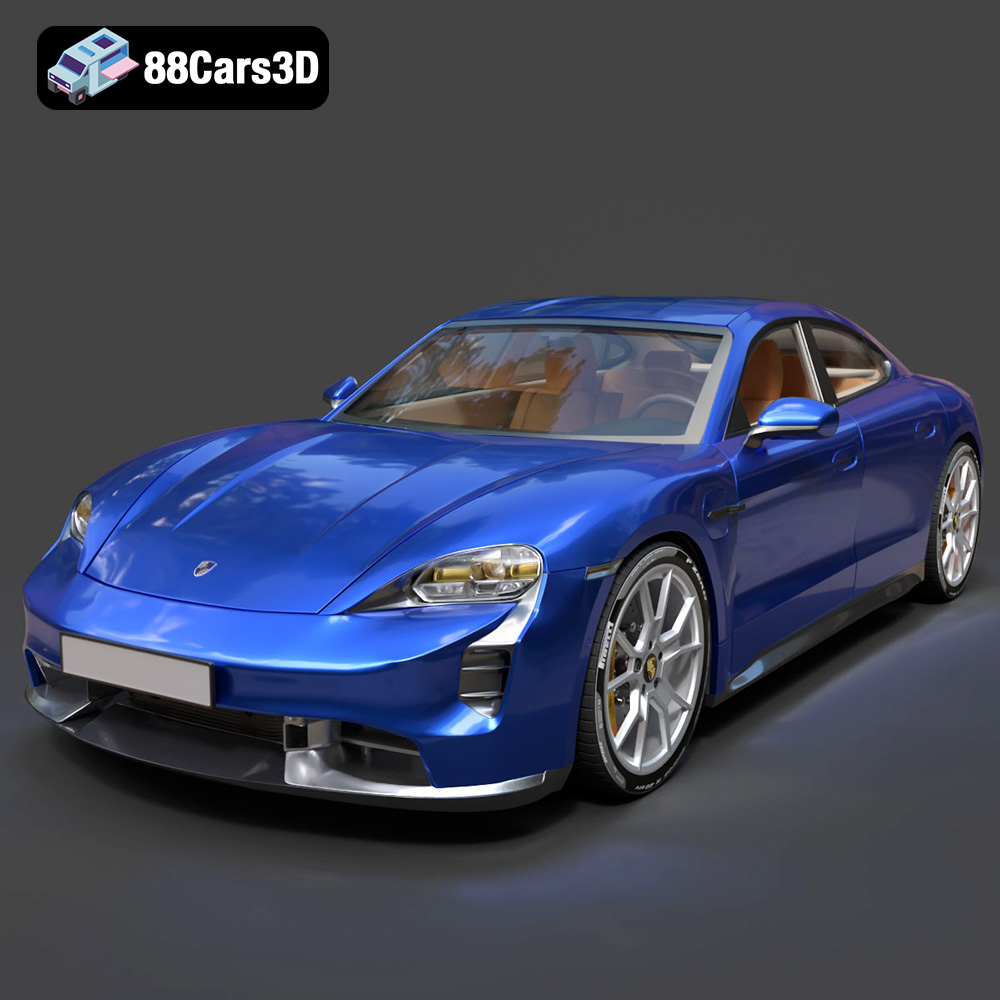
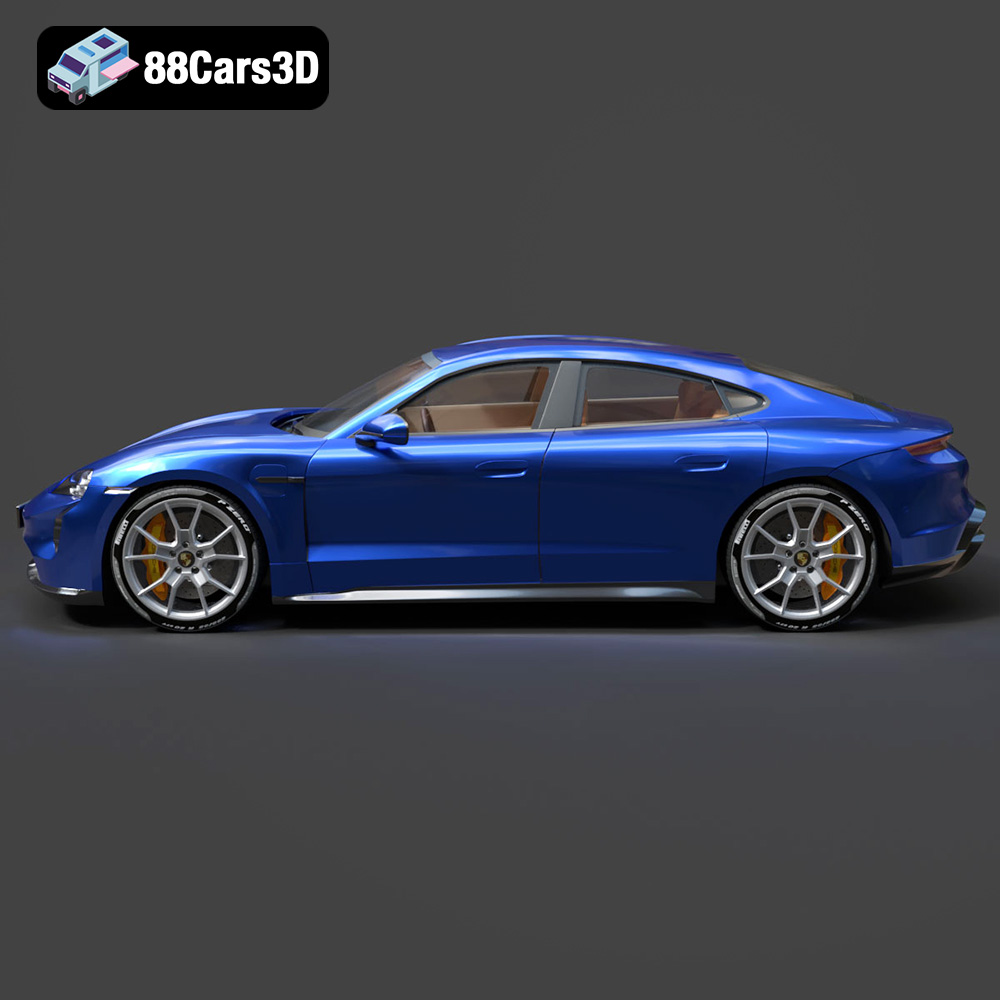
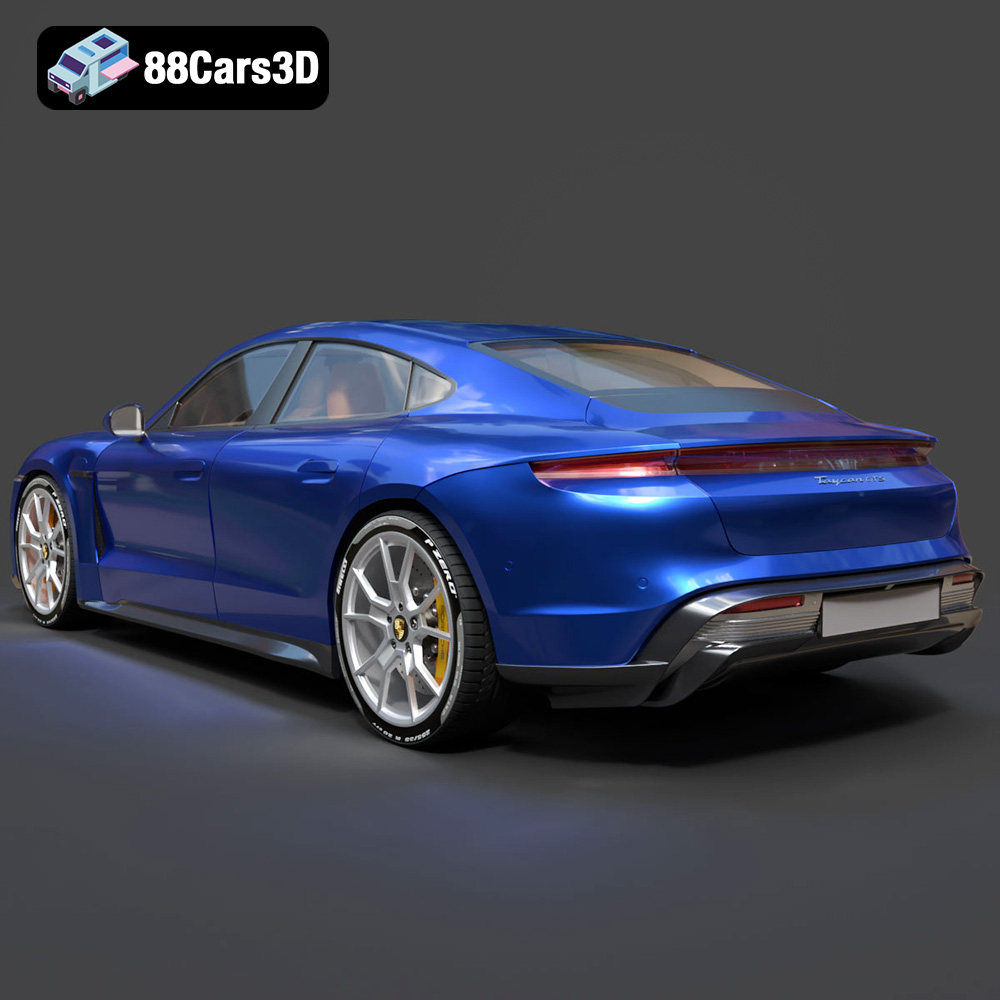
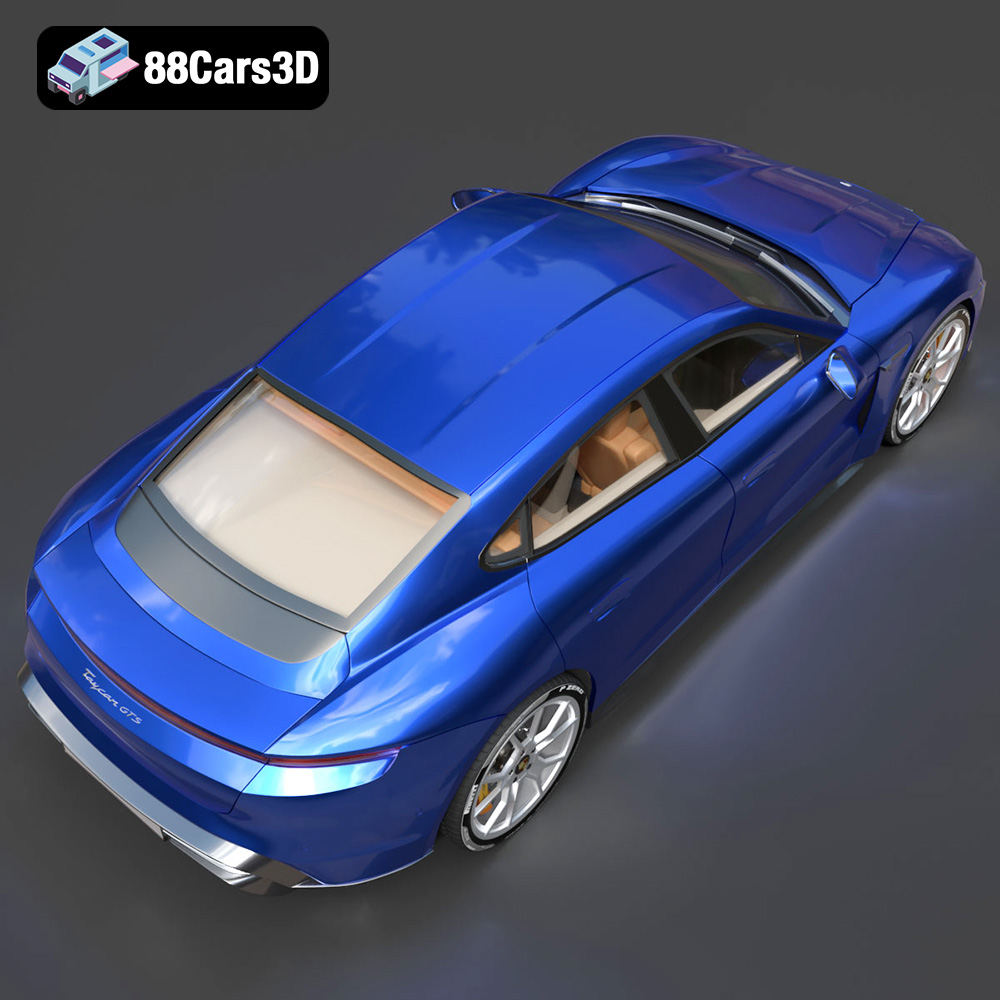
Experience the pinnacle of electric performance with the meticulously crafted Porsche Taycan GTS 2022 3D Model. This premium digital asset captures the iconic aerodynamic lines, striking silhouette, and refined aesthetics of the renowned sports sedan. Every exterior panel and interior component has been expertly modeled to provide an unparalleled level of realism and accuracy for your creative projects.
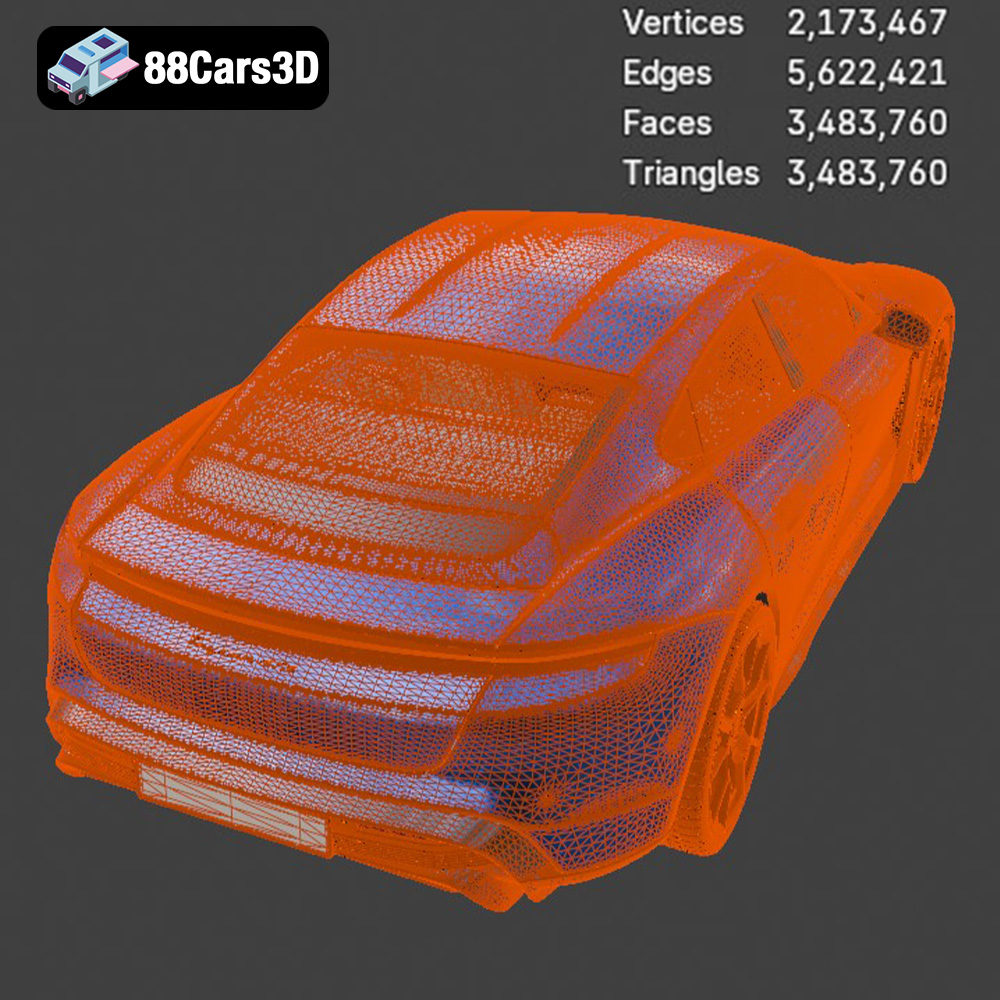
Built with professional quality in mind, this 3D model boasts exceptionally clean geometry and realistic materials. The intricately detailed exterior features, alongside a fully realized interior, ensure that the vehicle looks incredibly authentic from every angle, making it an excellent addition to any demanding visualization pipeline.
This versatile 3D model is engineered for seamless integration across a wide spectrum of applications. Whether you are working on cutting-edge game development, automotive rendering, virtual reality simulations, or AR/VR visualization, this asset delivers the precise specifications needed to elevate your digital environments.
The package includes multiple versatile file formats to ensure compatibility with your preferred software:
$19.99
.arvr
.blend
.car3dmodel
.electriccar
.fbx
.gameasset
.glb
.gts
.max
.obj
.ply
.porsche
.rendering
.sedan
.simulation
.sportssedan
.stl
.taycan
.taycangts
.unreal