Get 20% OFF All Premium 3D & STL Models!

The world of 3D modeling is a fascinating intersection of art and engineering, where creativity meets precision to bring digital visions to life. From blockbuster films and immersive video games to architectural walkthroughs and product design, high-quality 3D assets are the bedrock of countless industries. At the heart of this digital revolution lies the demand for meticulously crafted models that not only look stunning but also perform flawlessly across diverse pipelines. Imagine capturing the timeless elegance and iconic design of a classic vehicle, not just in a photograph, but in a fully interactive, editable 3D form. This is precisely what professional-grade 3D car models offer, transforming static concepts into dynamic experiences.
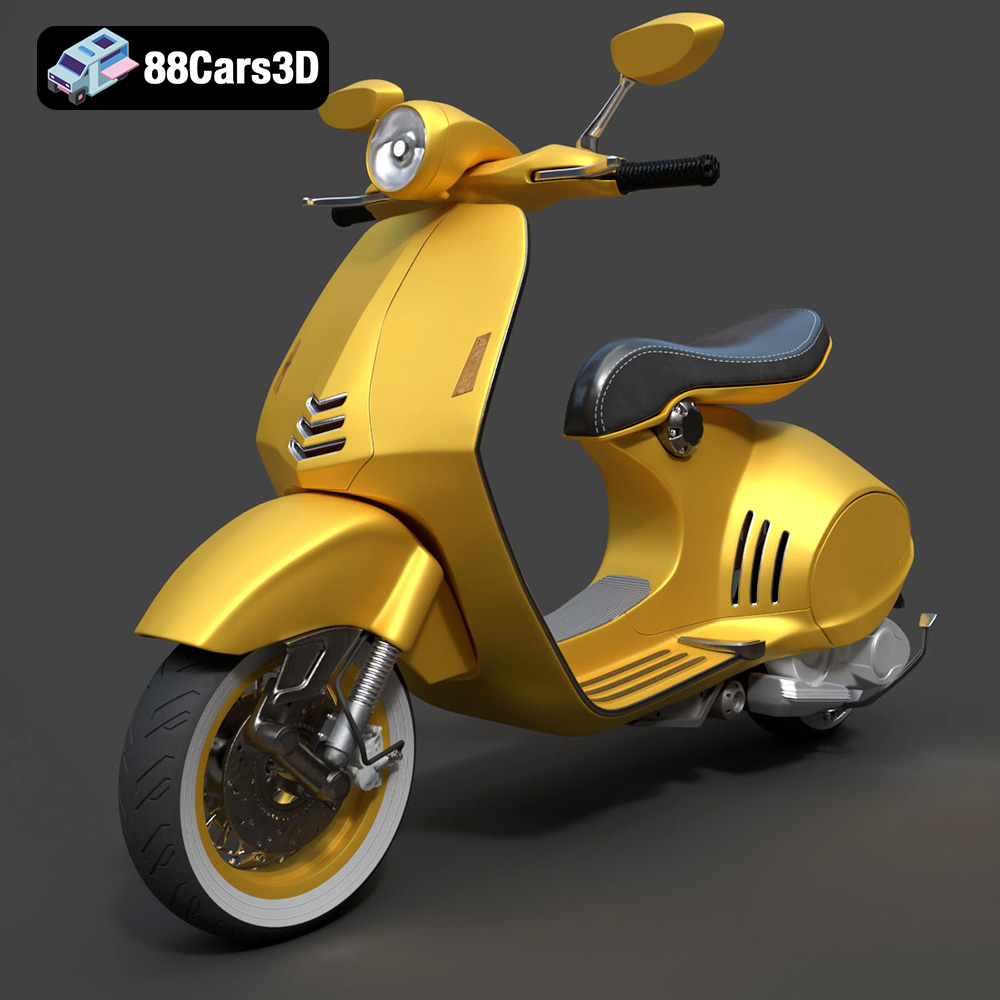
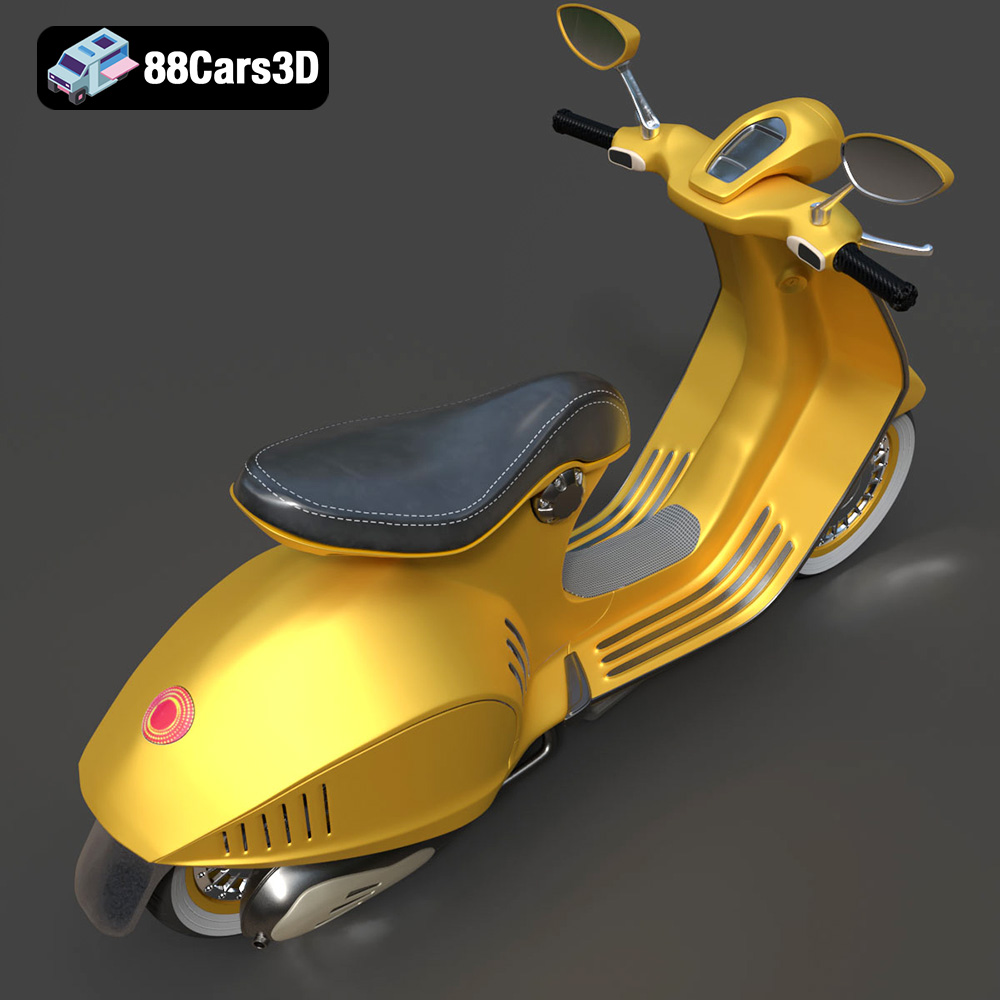
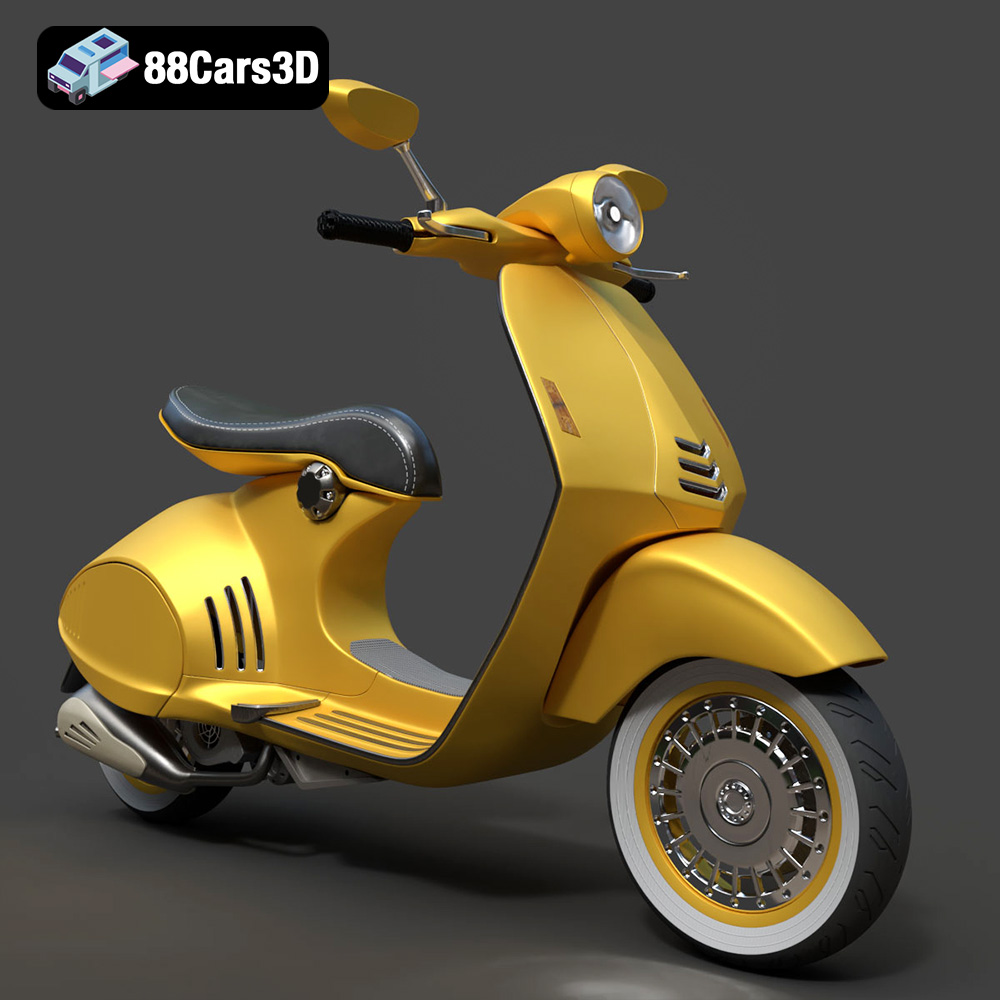
Today, we delve into the intricate world of premium 3D vehicle assets, showcasing how a model like the Vespa 946 3D Model exemplifies the pinnacle of digital craftsmanship. This asset isn’t merely a visual representation; it’s a meticulously engineered digital twin, ready for deployment in demanding rendering, game development, AR/VR, and visualization projects. Its authentic curves, refined aesthetics, and true-to-life realism make it an indispensable tool for designers and developers aiming for visual fidelity. We’ll explore the technical specifications that make such a model so valuable, its versatility across various applications, and the essential workflows that professionals employ to integrate and leverage these sophisticated assets.
In the vast ecosystem of 3D content creation, understanding the various file formats is paramount for seamless integration and optimal performance. Each format serves a specific purpose, catering to different software, pipelines, and end-use applications. The Vespa 946 3D model, recognizing the diverse needs of professionals, is offered in a comprehensive suite of formats, ensuring maximum compatibility and utility. Let’s break down these essential formats and their applications.
The .blend file is the native format for Blender, one of the most powerful and widely used open-source 3D creation suites. When you acquire the Vespa 946 3D model in this format, you gain access to the complete scene, including the model’s geometry, textures, materials, lighting setup, and often even camera angles. This means artists can open the file and immediately begin customizing, animating, or re-rendering with all original settings intact. For those deeply entrenched in the Blender ecosystem, it offers unparalleled flexibility for further artistic development and integration into complex projects.
FBX (Filmbox) is an industry-standard format owned by Autodesk, widely used for exchanging 3D data between various software applications. It’s particularly favored in game development for engines like Unreal and Unity due to its robust support for mesh data, skeletal animations, material properties, and camera information. An .fbx file of the Vespa 946 ensures that its clean geometry, UV mapping, and potentially rigging information transfer efficiently into real-time environments, ready for optimization, material assignment, and game logic implementation. Its ability to maintain scene hierarchy is crucial for complex animated assets.
The Wavefront .obj format is a universal standard for 3D geometry. It’s a simple, text-based format that defines polygon mesh data (vertices, normals, UV coordinates) and can reference external material (.mtl) files. While it doesn’t support animation or rigging as comprehensively as FBX, its simplicity makes it incredibly compatible across virtually all 3D software packages, including older versions. For the Vespa 946 3D model, the .obj format provides a reliable fallback for interoperability, ensuring that the core mesh data is accessible regardless of your preferred software.
.glb (GL Transmission Format Binary) is the binary version of .gltf, an open-standard format specifically designed for efficient transmission and loading of 3D scenes and models by engines and applications. It’s quickly becoming the go-to format for AR/VR experiences, web-based 3D viewers, and social media filters due to its compact size and comprehensive support for PBR materials. The Vespa 946 3D model in .glb format is perfectly suited for embedding interactive 3D content directly into websites or deploying it in augmented reality applications on mobile devices, offering a lightweight yet visually rich experience.
.stl (Stereolithography) is perhaps the most common file format for 3D printing. It represents a 3D model as a collection of triangular facets, defining the surface geometry of an object. While it contains no color or texture information, its simplicity makes it ideal for rapid prototyping and manufacturing. The Vespa 946 3D model, when provided as an .stl, allows users to physically print the scooter, whether for scale models, design prototypes, or educational purposes. It’s crucial for the base mesh to be watertight and manifold for successful 3D printing.
.ply (Polygon File Format) is another format for storing 3D data, particularly useful for scanned data, CAD applications, and scientific visualization. It can store a wider range of properties than STL, including color, transparency, and sometimes even scalar fields, making it suitable for more detailed analysis or visualization of complex data. While less common for typical rendering pipelines, the .ply format for the Vespa 946 could be valuable for engineers or researchers needing a precise mesh for specific analyses or specialized rendering engines that leverage its capabilities.
The .unreal format (often implying a structured Unreal Engine project asset or content package) means the Vespa 946 3D model is pre-configured and optimized specifically for Unreal Engine. This typically includes pre-applied PBR materials, collision meshes, LODs (Levels of Detail), and potentially even simple blueprints for interactivity. This dramatically streamlines the workflow for Unreal Engine developers, as it bypasses much of the import and setup process, allowing them to integrate the asset directly into their projects with minimal fuss and maximum performance.
Similar to the .blend file for Blender, the .max file is the native format for Autodesk 3ds Max, a powerhouse in architectural visualization, animation, and high-fidelity rendering. Providing the Vespa 946 3D model in .max format grants users full access to the original project file, complete with detailed geometry, complex material networks, lighting setups, and any animation rigs. This offers extensive flexibility for artists who use 3ds Max for their primary rendering and animation tasks, ensuring they can harness the full capabilities of the software with a ready-made, professional asset.
Automotive rendering is an art form that demands precision, an eye for detail, and a deep understanding of light, materials, and composition. For a model as iconic as the Vespa 946, achieving photorealism is paramount. Whether you’re using 3ds Max, Blender, or another powerful rendering suite, the core principles remain the same, amplified by the quality of the 3D car model itself.
The first step to a compelling render is a well-considered lighting setup. For studio-style automotive shots, a common technique involves using an HDRI (High Dynamic Range Image) for overall environmental light and reflections, complemented by area lights to emphasize specific curves and details. For the Vespa 946, this might mean a softbox overhead to highlight the gentle arc of its fenders, and narrow strips of light along the sides to accentuate its sleek profile. Composition is equally vital: carefully chosen camera angles, focal lengths, and depths of field can transform a simple model into a dynamic, evocative image. Placing the Vespa on a clean, reflective surface with a subtle background often works wonders, allowing its design to truly shine. The clean geometry of high-quality 3D car models from 88cars3d.com ensures that reflections and highlights behave realistically, crucial for convincing renders.
The realism of a 3D model often hinges on its materials and textures. Modern rendering relies heavily on Physically Based Rendering (PBR) workflows, where materials simulate real-world physical properties like reflectivity, roughness, and metallicity. For the Vespa 946 3D model, this translates to accurately recreating the glossy paint of the chassis, the subtle brushed metal of its accents, the varied textures of its seating, and the reflectivity of its chrome details. High-resolution texture maps for diffuse color, normal details, roughness, and metallic properties are essential. These maps define every scratch, every fingerprint, and every subtle imperfection that tells a story and grounds the model in reality. Utilizing the provided material setups in formats like .blend or .max offers an excellent starting point for achieving these sophisticated visual characteristics.
Even the most stunning raw render can benefit from careful post-production. This stage is where a good render becomes a great one, mimicking the work of a professional photographer. Techniques include color grading to set the mood, adding subtle chromatic aberration or lens distortion for a cinematic feel, and applying a touch of film grain. Vignettes can draw the eye towards the subject, while careful use of bloom and glare can enhance the realism of bright highlights. Adjusting contrast and exposure can give the Vespa 946 render a punchy, vibrant look or a more subdued, elegant feel. These steps, often performed in image editing software, add that final layer of polish, elevating the perceived quality of the 3D car model.
The demands of real-time engines like Unreal Engine and Unity are distinct from offline rendering. Here, performance, optimization, and seamless interaction are key. High-quality game assets like the Vespa 946 3D model are designed from the ground up with these considerations in mind, making them invaluable for game developers and AR/VR creators.
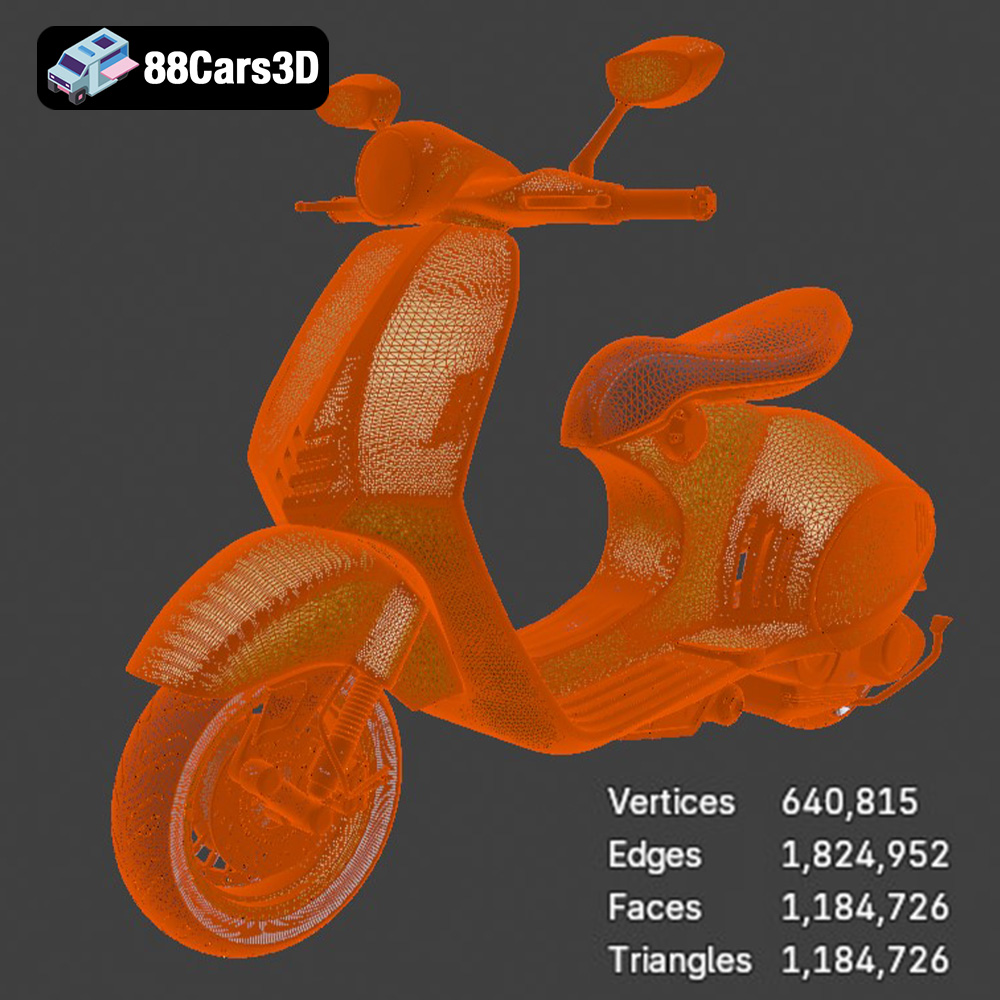
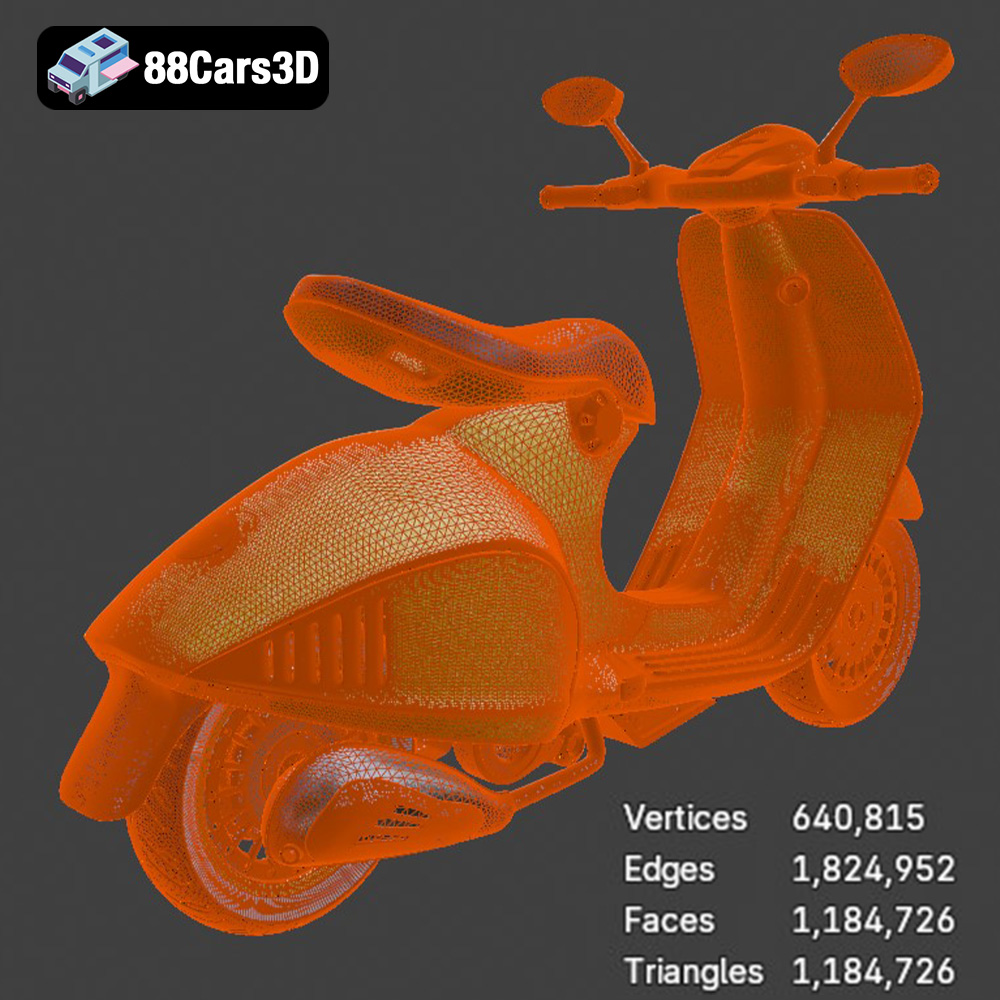
In game development, every polygon counts. While offline renders can handle millions of polygons, real-time engines require careful optimization to maintain smooth frame rates. A professional 3D car model, such as the Vespa 946, features clean geometry and optimized polygon counts, meaning it strikes a balance between visual detail and performance efficiency. For game assets, developers often implement LODs (Levels of Detail), where multiple versions of the model exist with varying polygon counts. A high-poly version is used when the player is close, and lower-poly versions are swapped in as the player moves further away. This ensures visual fidelity up close while conserving processing power for distant objects. The professional-grade topology of models from 88cars3d.com makes generating effective LODs straightforward.
The integration process for 3D car models into game engines typically begins with importing an optimized format like .fbx or the pre-configured .unreal file. Once imported, the raw mesh data is transformed into an engine-compatible asset. Materials, often PBR-based, are then set up within the engine’s material editor, connecting texture maps (albedo, normal, roughness, metallic, AO) to the appropriate channels. For the Vespa 946, this would involve creating materials for its body paint, chrome, tires, and seating, ensuring they react correctly to the engine’s lighting system. Collision meshes are then added, defining the physical boundaries of the scooter for in-game physics. Finally, blueprints or scripts might be developed for basic interactivity, such as turning wheels or operating lights, transforming the static model into a functional game asset.
Augmented Reality (AR) and Virtual Reality (VR) represent the forefront of immersive experiences, and high-quality 3D assets are central to their success. The .glb format, specifically optimized for these environments, makes integrating the Vespa 946 3D model into AR/VR applications incredibly efficient. Imagine showcasing the Vespa 946 in a virtual showroom, where potential customers can walk around it, change its color in real-time, or even place it realistically in their own driveways via AR. The compact size and comprehensive material support of .glb files ensure that these experiences are fluid and visually rich, even on mobile devices, making the Vespa 946 a perfect candidate for interactive product showcases and virtual tours.
A professional 3D car model like the Vespa 946 extends its utility far beyond static renders or game environments. Its robust construction and adherence to industry standards unlock a plethora of applications across various creative and technical domains.
The advent of affordable 3D printing has revolutionized product design and prototyping. With the Vespa 946 3D model available in .stl format, designers and enthusiasts can physically manifest this iconic scooter. This is invaluable for creating scale models, concept prototypes for custom parts, or even detailed collectibles. For designers, having a physical representation can help in evaluating ergonomics, aesthetics, or fit and finish in a tangible way that screen-based viewing cannot fully replicate. The precision and clean topology inherent in models from 88cars3d.com ensure that the transition from digital mesh to physical object is as smooth and accurate as possible, minimizing errors in the printing process.
Architectural visualization (ArchViz) relies heavily on creating believable environments that communicate the feel and functionality of a space. While the primary focus might be on buildings, the inclusion of contextual elements, such as the Vespa 946 scooter, can dramatically enhance realism and storytelling. Placing the Vespa strategically in a café scene, an urban street, or outside a modern home adds a layer of lifestyle and authenticity. It helps define the scale, character, and potential use of a space, making the architectural render more engaging and relatable. Such highly detailed assets save ArchViz artists countless hours, allowing them to focus on their core building designs while still populating their scenes with compelling, realistic props.
The detailed structure and professional-grade topology of the Vespa 946 3D model make it an ideal candidate for animation and cinematics. Whether it’s for a product commercial, a short film, or an in-game cinematic sequence, the model is built to deform smoothly and react realistically to animation. Using the editable .max or .blend files, animators can rig the wheels, handlebars, and even the kickstand, creating dynamic sequences that showcase the scooter in motion. Imagine a beautifully animated shot of the Vespa cruising through a sun-drenched Italian street, its polished chassis reflecting the environment. The clean mesh ensures that subdivision modifiers can be applied without artifacts, producing smooth curves essential for close-up, high-resolution animation frames.
What truly elevates a 3D model from a mere digital object to a professional-grade asset is the underlying craftsmanship. The Vespa 946 3D model from 88cars3d.com embodies this dedication to quality, offering users not just a visual representation, but a robust and versatile tool.
At the core of any high-quality 3D model is clean geometry and professional topology. This means the model is constructed primarily with quad polygons (four-sided faces), which are ideal for smooth subdivision and consistent deformation. The polygon flow follows the natural curves and contours of the object, preventing unsightly pinching or stretching when modifiers like Subdivision Surface are applied. For the Vespa 946, this attention to topology ensures that its iconic curves, from the sleek bodywork to the intricate engine details, are rendered flawlessly. Such clean construction is critical for both realistic rendering and efficient performance in real-time applications, making it a truly future-proof asset.
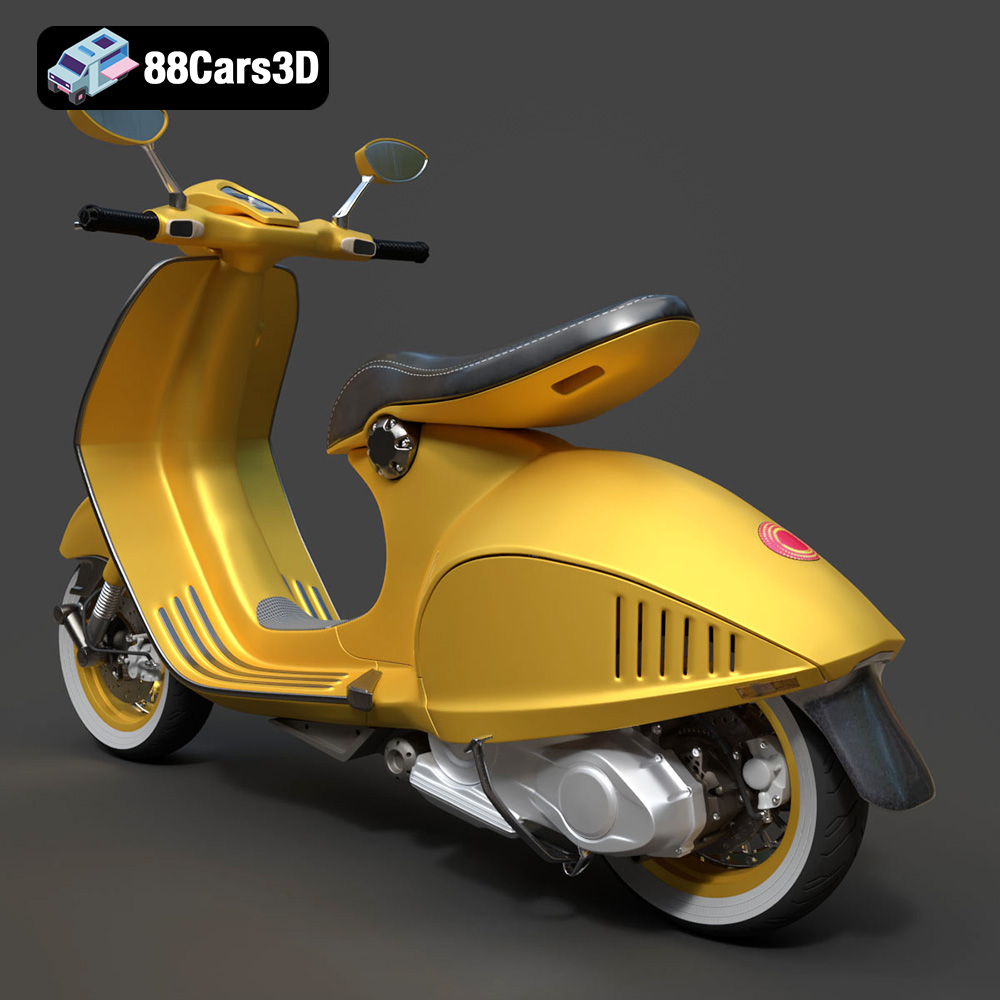
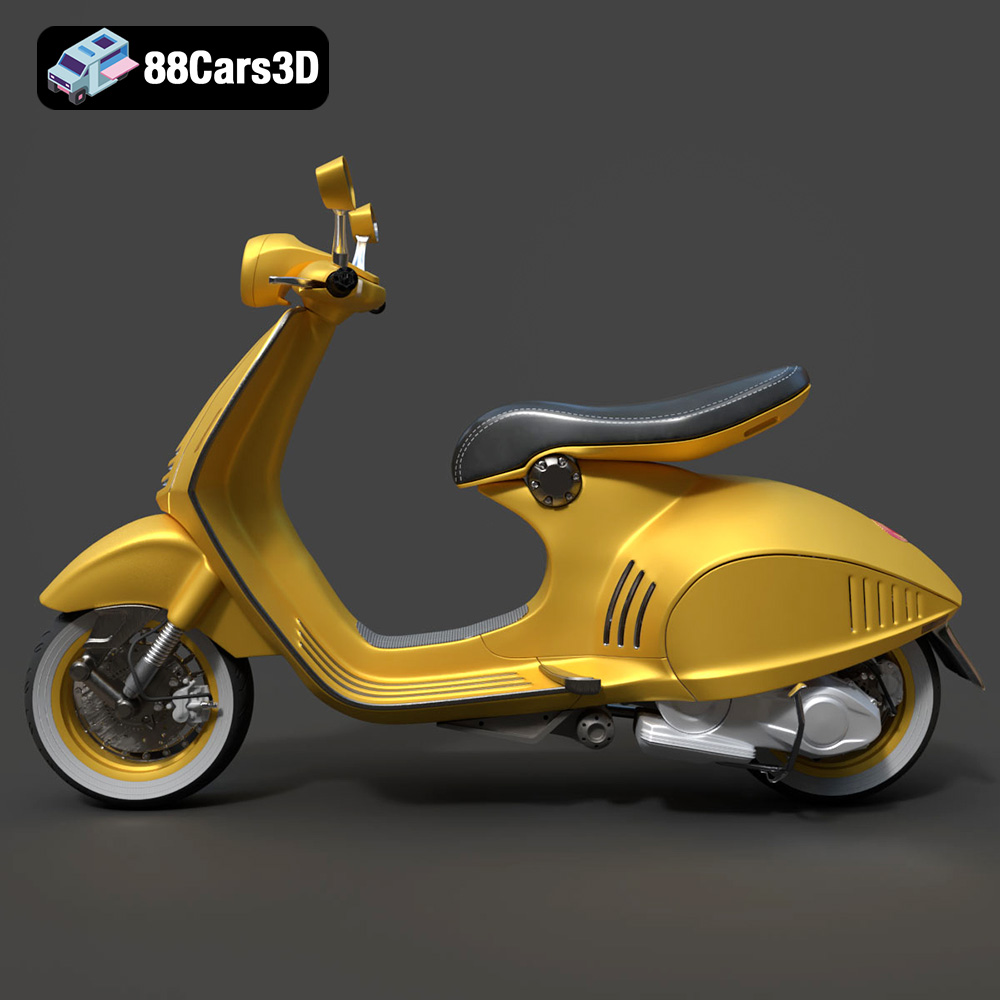
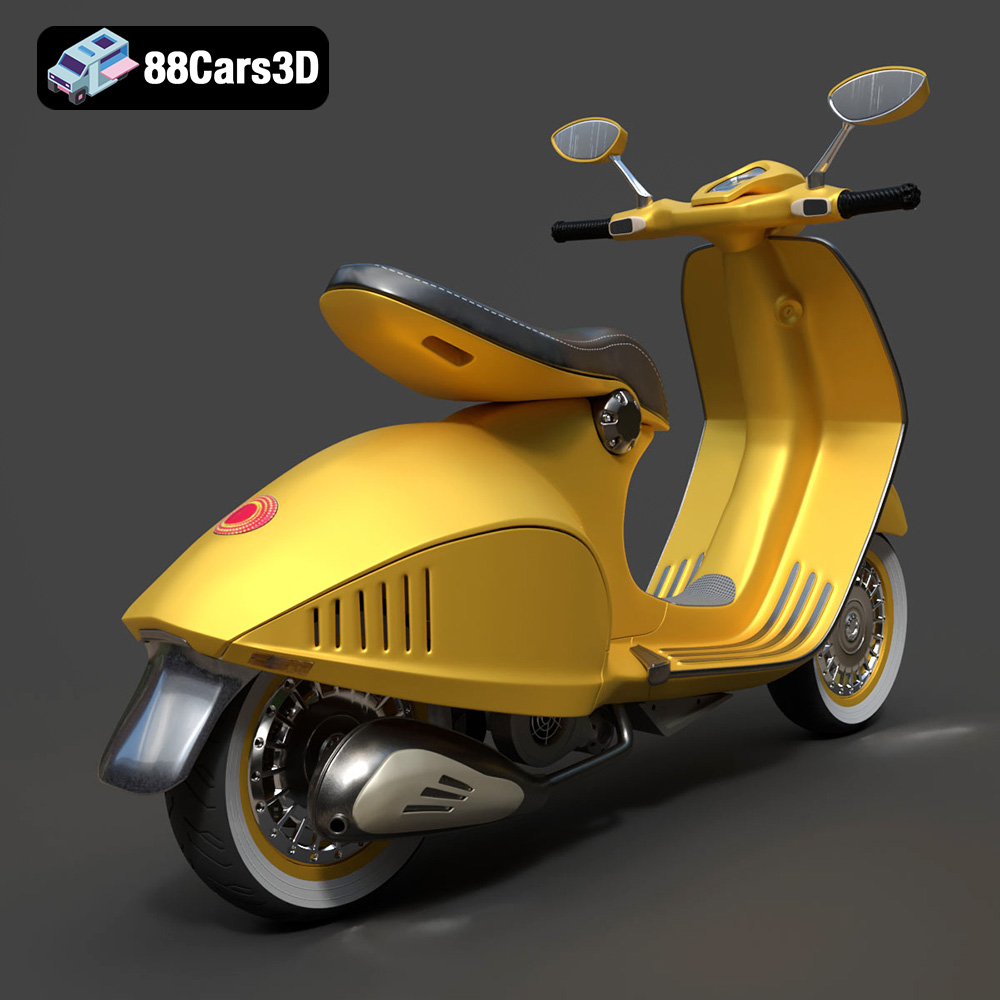
The product description highlights that “every detail from the distinct seating to the polished chassis has been modeled with precision.” This granular attention to detail is what sets a premium 3D car model apart. It’s not just about the overall shape, but the subtle nuances: the stitching pattern on the seat, the intricate design of the dashboard, the fine details of the engine components, and the texture of the tires. These small touches accumulate to create a truly believable and immersive digital experience. For rendering, these details catch the light realistically, producing convincing shadows and reflections. For game assets, they add depth and character, making the vehicle feel substantial and real within the digital environment.
Time is a valuable commodity in any professional workflow. High-quality 3D assets, like the Vespa 946 3D model, are designed for seamless integration, drastically reducing setup time. With included materials, optimized polygon counts, and multiple file formats, artists and developers can drop the model directly into their projects and begin working immediately. This eliminates the tedious process of cleaning up geometry, re-UV mapping, or creating materials from scratch. It means faster iterations, quicker project turnaround, and the ability to focus on the creative aspects of a project rather than technical troubleshooting. This professional advantage, coupled with the sheer quality of the models, is why resources like 88cars3d.com are indispensable for studios and freelancers alike.
The journey from conceptual design to a fully realized digital masterpiece is paved with challenges, but with the right tools, it becomes an exhilarating creative endeavor. High-quality 3D car models, such as the Vespa 946 3D Model, are more than just digital files; they are meticulously crafted foundations that empower artists and developers to push the boundaries of visual fidelity and interactive experiences. From the nuanced play of light on its polished chassis in a cinematic render to its optimized performance as a game asset in a bustling virtual city, the attention to detail and technical precision inherent in this model is evident in every pixel.
We’ve explored the critical role of various file formats, the artistry behind photorealistic automotive rendering, the technical demands of game development and AR/VR, and the versatile applications that extend to 3D printing and architectural visualization. The Vespa 946 3D model stands as a testament to the fact that investing in professional-grade assets saves time, enhances quality, and opens up new creative possibilities. For anyone seeking to elevate their projects with stunningly realistic and technically robust 3D car models, 88cars3d.com offers a curated selection designed to meet the highest industry standards. Embrace the power of precision and let your creative visions accelerate with assets that truly deliver.
Experience the iconic elegance of the Vespa 946 with this meticulously crafted 3D model. Designed to replicate the authentic curves and refined aesthetics of the renowned scooter, this asset provides true-to-life realism for professional projects. Whether for close-up studio renders or dynamic environments, every detail from the distinct seating to the polished chassis has been modeled with precision. Built with clean geometry and optimized polygon counts, this model ensures seamless integration into various pipelines. It features realistic materials, accurate texturing, and a highly detailed structure, making it a perfect choice for demanding digital creations. The professional-grade topology guarantees smooth subdivisions and optimal performance. This Vespa 946 3D model is highly versatile and ideal for a wide range of applications, including game development, architectural visualization, AR/VR experiences, animation, and realistic rendering. It provides creators with a ready-to-use asset that elevates the visual fidelity of any scene.
$19.99
.946
.arvr
.blend
.car3dmodel
.fbx
.gameasset
.glb
.max
.motorcycle
.obj
.ply
.rendering
.scooter
.simulation
.stl
.unreal
.vespa