Get 20% OFF All Premium 3D & STL Models!

In the dynamic world of 3D visualization, game development, and automotive design, the quality of your assets can make or break a project. From hyper-realistic automotive rendering for marketing campaigns to populating expansive open-world game environments, the demand for authentic, technically sound 3D car models is ever-present. Achieving photorealism and optimal performance requires more than just a pretty mesh; it demands meticulous attention to detail, balanced topology, and versatile file formats.
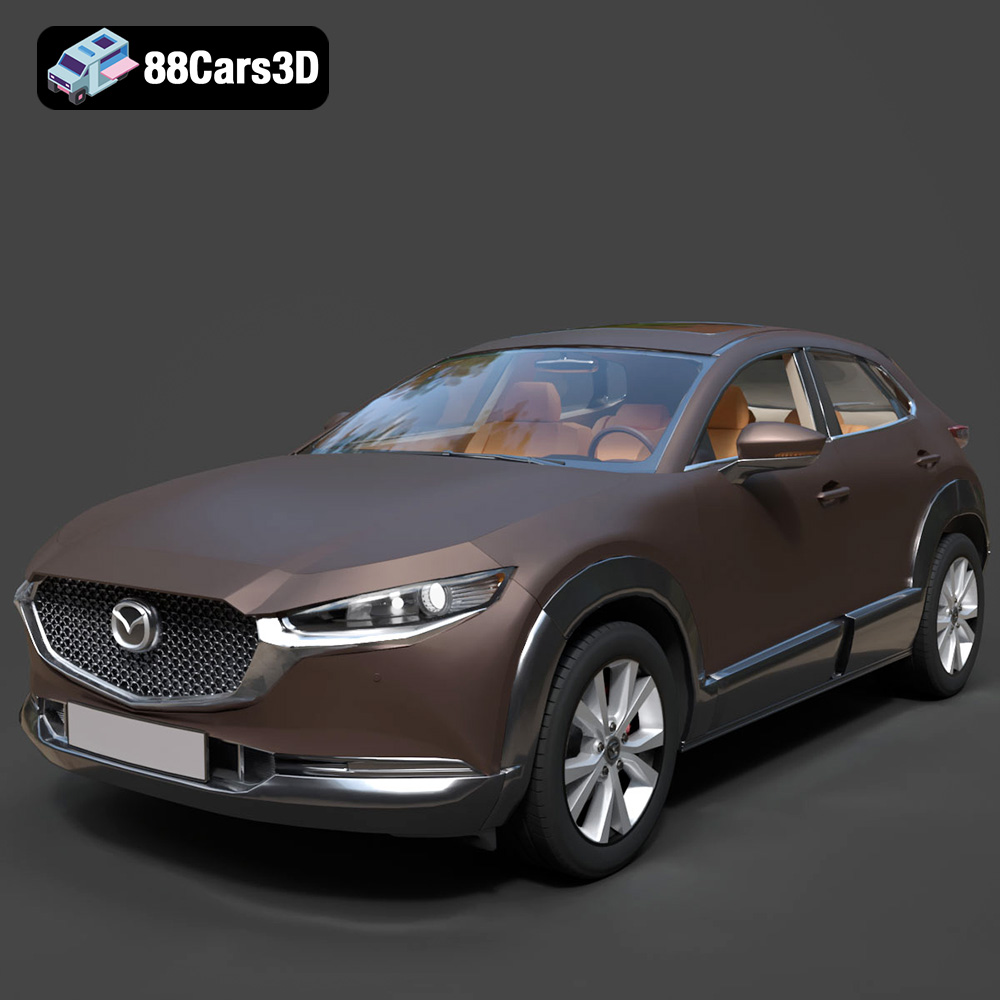
Today, we delve into the intricacies of integrating high-quality 3D car models into professional workflows, using a prime example: the Mazda CX-30 Crossover SUV 3D Model. This model isn’t just a digital replica; it’s a meticulously crafted asset designed to meet the rigorous demands of various creative industries, embodying Mazda’s elegant “Kodo: Soul of Motion” design philosophy in stunning 3D.
Choosing the right file format for your 3D car models is as crucial as the model’s geometry itself. Each format is optimized for specific tasks, software compatibility, and use cases. Understanding their strengths and limitations ensures a smooth workflow, prevents compatibility headaches, and preserves the integrity of your digital assets. The Mazda CX-30 Crossover SUV 3D Model comes with a comprehensive suite of formats, catering to virtually any professional need.
The .blend format is the native file type for Blender, the powerful open-source 3D creation suite. When you receive a .blend file, you’re getting a fully editable Blender scene. This means all materials, textures, lighting setups, cameras, animation data, and even modifiers are typically intact and ready for direct manipulation. For artists working primarily in Blender, this format offers unparalleled flexibility for customization, rigging, and rendering. The Mazda CX-30 .blend file would allow you to quickly change paint colors, adjust interior materials, or even modify subtle geometric details while maintaining a non-destructive workflow.
.fbx (Filmbox) is arguably the most widely adopted format for exchanging 3D data between different software applications and game engines. Developed by Autodesk, it’s a proprietary format known for its robust support for geometry, materials, textures, skeletal animation, and camera information. It’s the go-to choice for real-time pipelines, making it ideal for Unreal Engine, Unity, and other game development platforms. The Mazda CX-30 .fbx file ensures that the model’s hierarchy, pivot points (crucial for wheel rotation and steering), and basic materials translate cleanly into your engine of choice, streamlining the asset integration process for game assets and interactive experiences.
The .obj (Wavefront Object) format is a venerable, universally supported format primarily focused on geometry data (vertices, normals, UVs, and faces). While it’s simpler than .fbx, it offers incredible cross-software compatibility. Almost every 3D application can import and export .obj files, making it a reliable choice for transferring mesh data when other formats might cause issues. Materials and textures are typically referenced externally via an accompanying .mtl (Material Template Library) file. The Mazda CX-30 .obj offers a foundational mesh that can be easily imported into any 3D package for further texturing and shading.
.glb (GLB format, an evolution of glTF) is a relatively newer, but rapidly growing standard, particularly optimized for web-based 3D, AR (Augmented Reality), and VR (Virtual Reality). It’s a self-contained format that bundles geometry, materials, textures, and animation into a single file, making it incredibly efficient for streaming and displaying 3D content in browsers or on mobile devices. Its compact nature and real-time rendering focus make the Mazda CX-30 .glb variant perfect for interactive vehicle configurators, virtual showrooms, or embedding in websites to showcase architectural visualizations with interactive elements.
.stl (STereoLithography) is the de facto standard format for 3D printing. It represents a 3D model as a series of connected triangles, describing only the surface geometry of an object without color, texture, or other attributes. For hobbyists or professionals looking to create physical prototypes or display models, the Mazda CX-30 .stl file provides the necessary data for slicing software to prepare the model for printing. This opens up exciting possibilities for creating custom diecast models or physical representations of design concepts, allowing enthusiasts to hold a tangible piece of Mazda’s digital design.
The .ply (Polygon File Format) is another format for storing 3D data, often used in scientific and engineering applications, as well as 3D scanning. It can store a wider range of properties than .obj or .stl, including color, transparency, and even normal vectors per vertex or face. While not as common for general artistic asset exchange, it excels in precision applications and analysis. For complex CAD workflows or situations requiring highly detailed mesh integrity beyond basic rendering, the Mazda CX-30 .ply format offers a robust data structure.
The .unreal format, or more accurately, the optimized asset structure for Unreal Engine, signifies that the model is prepared specifically for this powerful real-time engine. This typically means proper scaling, collision meshes, LODs (Levels of Detail), and a material setup that leverages Unreal’s PBR (Physically Based Rendering) workflow. For the Mazda CX-30, having an “unreal-ready” asset means minimal setup time for developers. It can be dropped directly into an open-world game as a drivable vehicle or as high-quality background traffic, significantly accelerating development cycles and ensuring optimal performance within the engine.
Similar to .blend for Blender, the .max format is the native file for Autodesk 3ds Max. This comprehensive file preserves all aspects of a 3ds Max scene, including advanced modifiers, rigging, animations, lighting, and complex material networks. For users entrenched in the Autodesk ecosystem, the Mazda CX-30 .max file provides the fullest access to the model’s creation process and allows for the most intricate modifications and high-fidelity rendering using renderers like V-Ray or Corona. It’s ideal for architectural visualization artists who often combine automotive models with their building designs.
The Mazda CX-30 is a testament to sophisticated automotive design, and its 3D model accurately reflects this ethos. Created with an exceptional eye for detail, this digital recreation goes beyond mere replication, embodying the spirit of Mazda’s design philosophy.
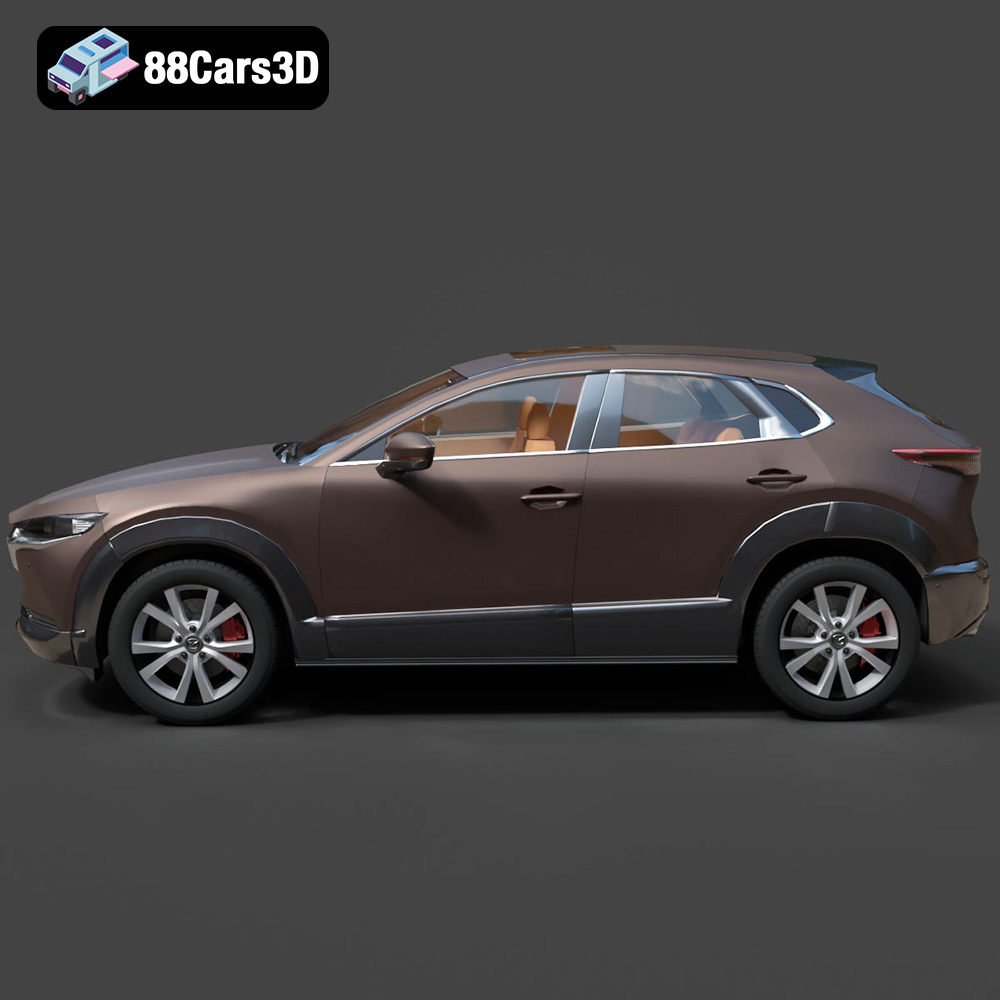
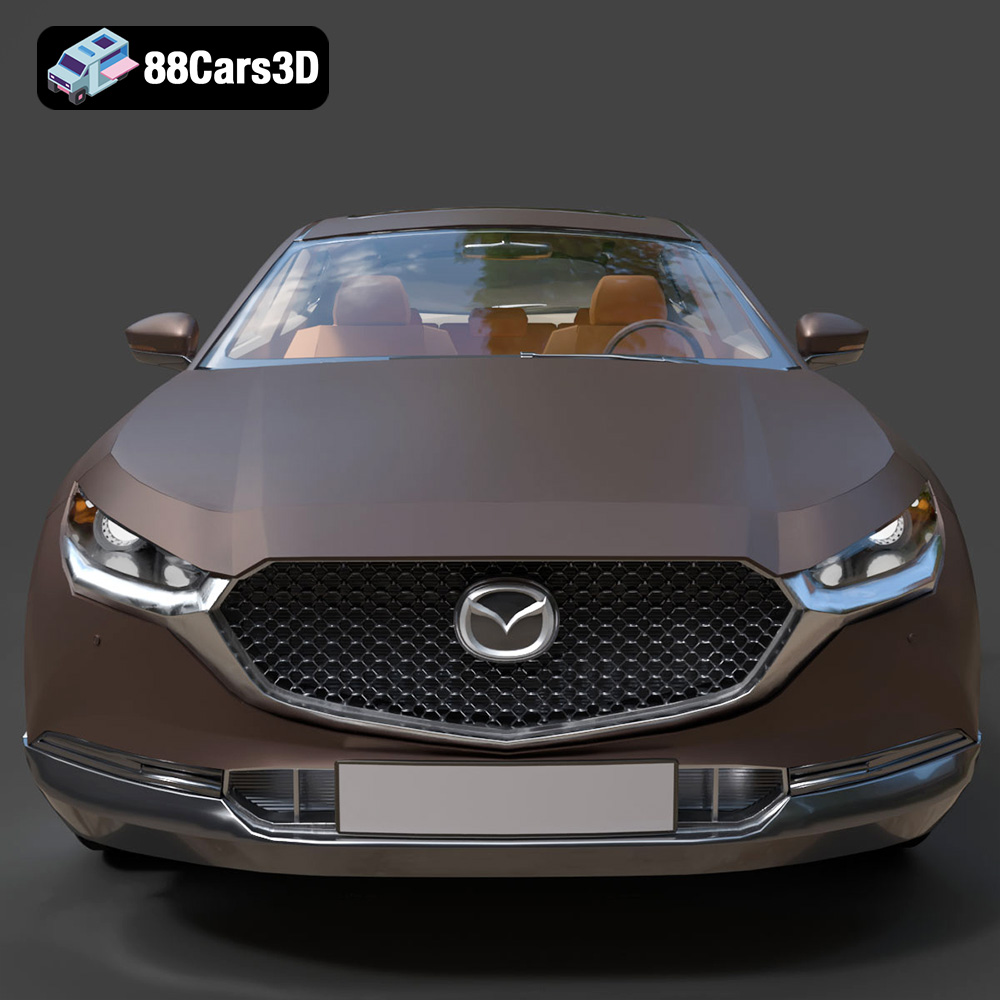
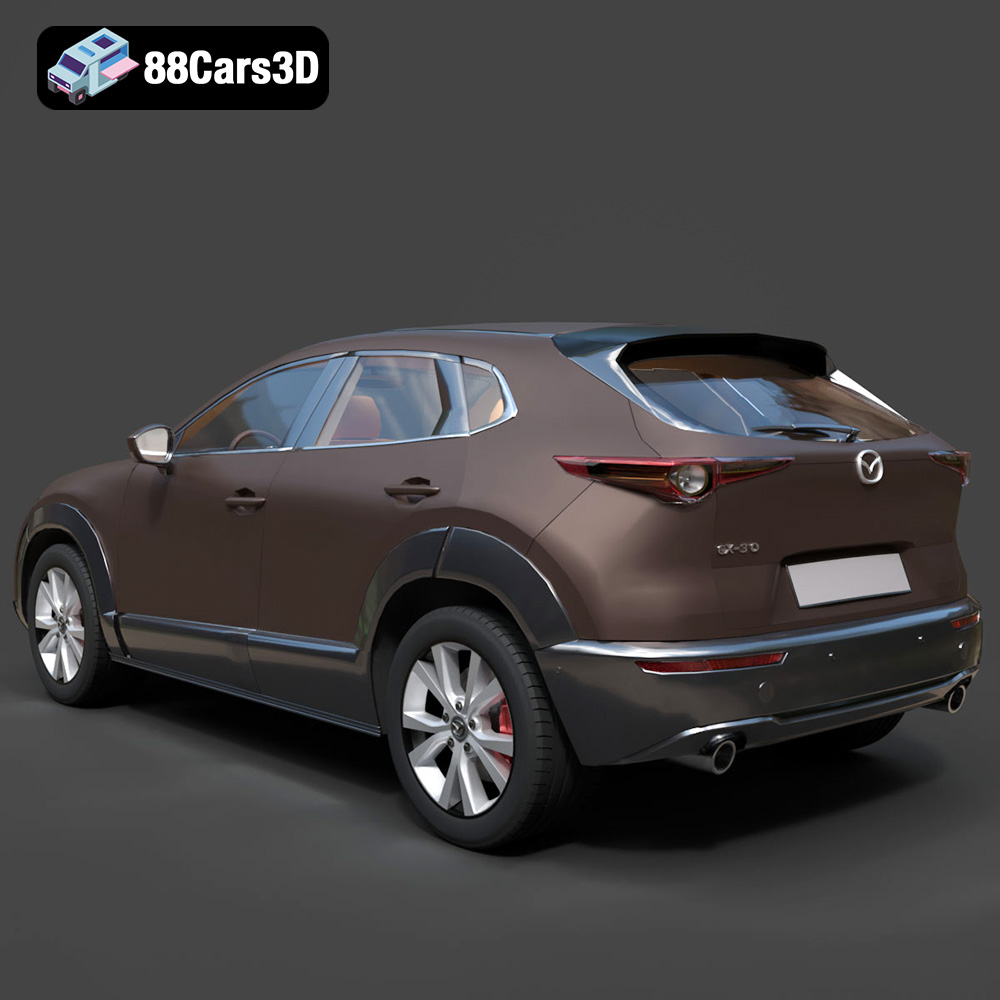
Mazda’s “Kodo: Soul of Motion” design philosophy is all about bringing vehicles to life, evoking a sense of movement and vitality even when stationary. The Mazda CX-30 3D Model flawlessly captures this. From the signature deep-set triangular motif grille that projects a sense of strength and elegance to the sleek LED headlight housings that give it a piercing gaze, every curve and contour is faithfully reproduced. The distinctive S-curve side panels are particularly noteworthy; designed to play with light and shadow, they create dynamic reflections that enhance the vehicle’s flowing aerodynamic lines. The model also features the rugged, protective lower body cladding, giving it the adventurous edge characteristic of a crossover SUV. This level of accuracy is paramount for professional automotive rendering, where subtle reflections and precise body lines dictate the perceived realism and appeal of the final image.
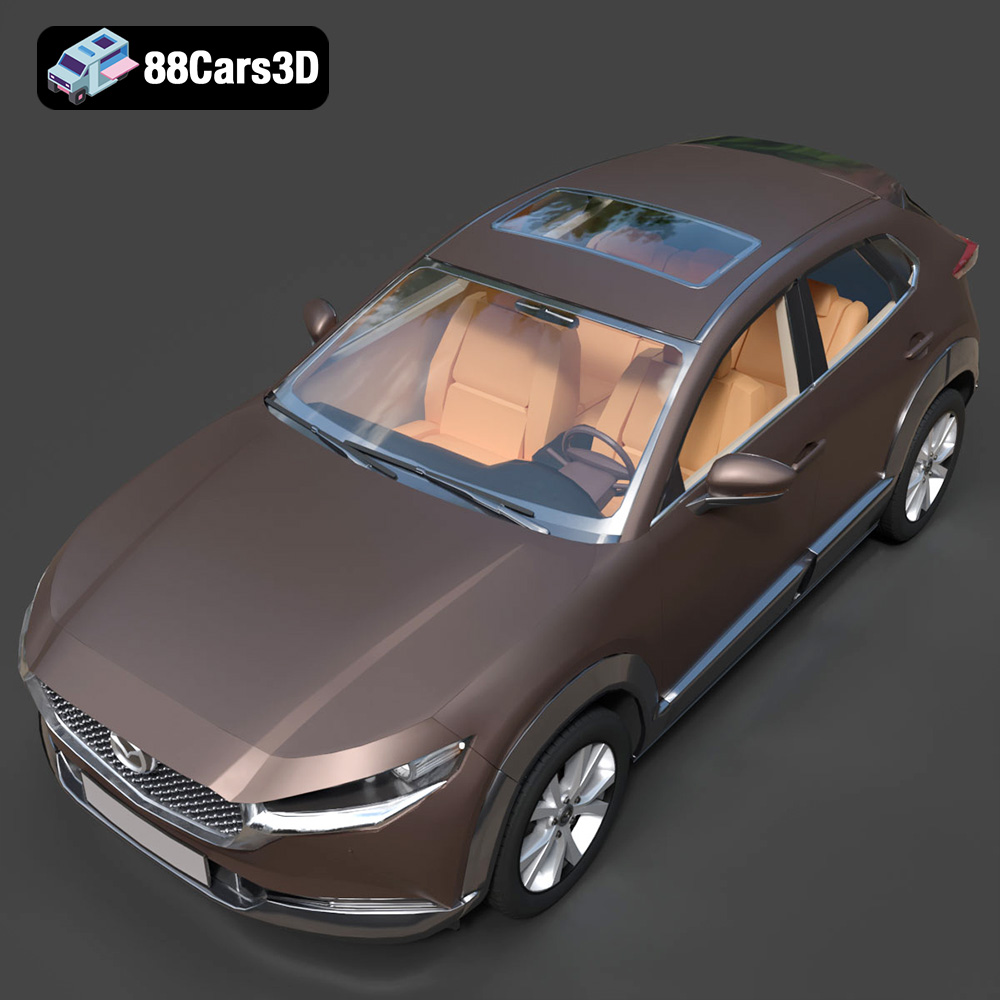
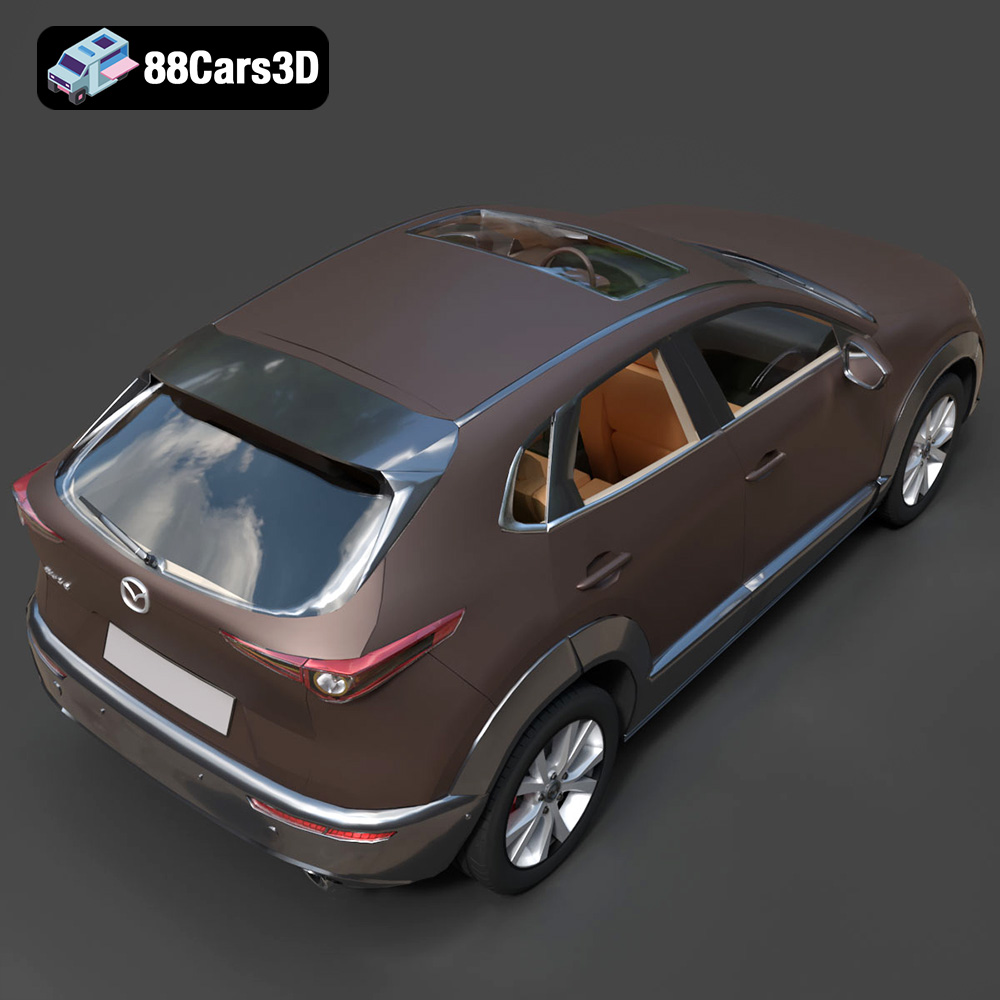
While often overlooked in background assets, a detailed interior significantly elevates the overall quality of a 3D car model, especially for close-up shots, AR/VR experiences, or interactive showrooms. The Mazda CX-30 3D Model delivers a meticulously crafted interior, inspired by Mazda’s “Ma” (empty space) philosophy – a minimalist, driver-centric cabin layout rooted in Japanese aesthetics. You’ll find an authentic dashboard featuring the elegantly integrated 8.8-inch center display and a unique wing-shaped hood. The seating geometry for a five-passenger layout is realistic, complete with detailed stitching patterns. Even the ergonomic center console, with its gear shifter and rotary command knob representation, is faithfully recreated. This optimized interior geometry ensures the model looks fantastic not only from the exterior but also when viewed from within, making it perfect for virtual walkthroughs or immersive cockpit experiences.
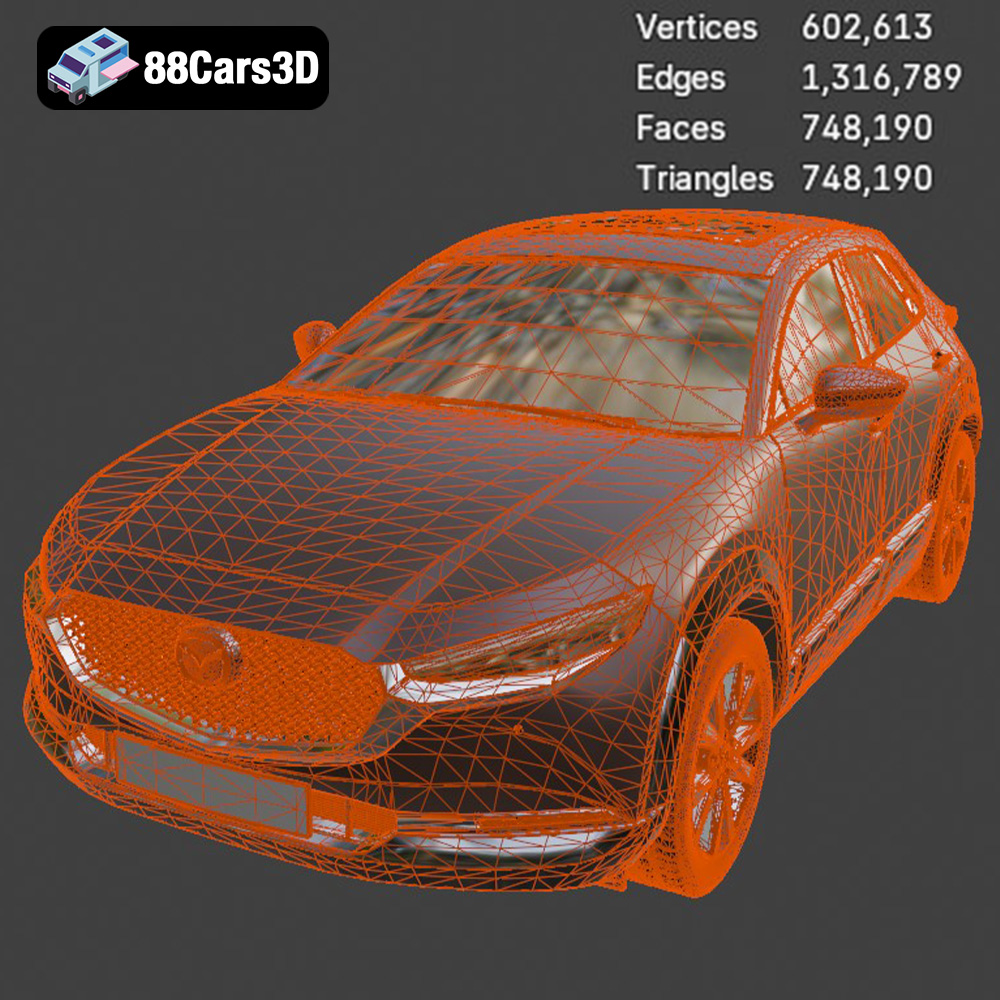
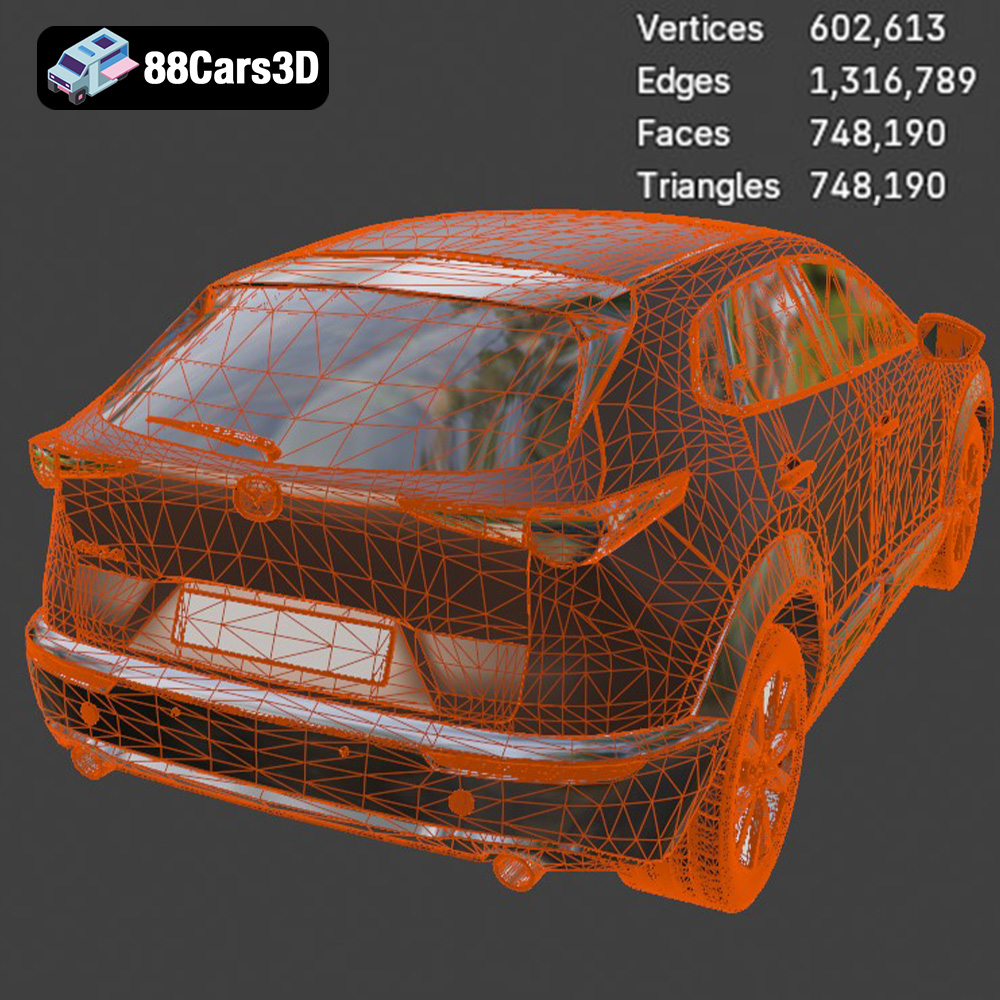
One of the most critical aspects of a professional 3D car model is its topology – how the polygons are arranged. The Mazda CX-30 3D Model strikes a “Goldilocks zone” with its balanced mid-to-high polygon topology, totaling just over 748,000 triangles. This careful balance is a significant technical advantage.
For architectural visualization (ArchViz), where extreme realism and detailed foreground elements are paramount, the 748k triangle count is ideal. It provides enough geometric detail to hold up under close-up scrutiny, ensuring smooth curves without visible faceting, sharp edges, and intricate details on components like the alloy wheels (typically 18-inch designs) and headlight assemblies. When placed in an exterior render of a luxury home or a detailed urban street scene, the Mazda CX-30 acts as the ultimate “everyday premium” vehicle, adding realistic, relatable modern traffic to driveways and city streets. The geometry is robust enough to interact beautifully with advanced global illumination and reflection calculations in renderers like V-Ray or Corona, producing stunning, photorealistic results that enhance the overall realism of the ArchViz project.
Despite its high level of detail, the Mazda CX-30 Crossover SUV 3D Model is engineered to be highly efficient for real-time game engines like Unreal Engine and Unity. At 748,190 triangles, it’s a perfect candidate for a “hero” vehicle in an open-world game, where the player might drive it or interact with it frequently. Its balanced topology ensures that it can be dropped into an engine without causing severe performance drops, especially when properly optimized with LODs (Levels of Detail) if needed. The fact that the wheels, steering components, and doors are separate objects simplifies the rigging and animation process, crucial for game development where vehicles need to move, steer, and have openable parts. This makes the Mazda CX-30 an excellent asset for city simulators, racing games, or as high-quality background traffic that maintains visual integrity even at moderate distances.
The versatility of the Mazda CX-30 3D Model extends across various professional pipelines, offering tangible benefits to artists and developers.
In ArchViz, realism is key. An empty driveway or street detracts from the believability of a rendered architectural scene. The Mazda CX-30 seamlessly integrates into these environments. An ArchViz artist using 3ds Max (with the .max file) or Blender (with the .blend file) can import the model, position it realistically, and apply custom V-Ray or Corona materials to perfectly match the desired aesthetic. Imagine a serene suburban home render: the CX-30, bathed in natural light, parked on the driveway, immediately adds scale, life, and aspiration to the scene. Its “real-world scale accuracy” based on Mazda factory dimensions ensures it fits perfectly into any architectural context without manual scaling adjustments.
For game developers, time is a precious commodity. Having a “game-ready” asset like the Mazda CX-30 3D Model saves countless hours. Using the .fbx or .unreal formats, a developer can import the model directly into Unreal Engine. The proper pivot setup for steering and wheel rotation means that basic vehicle blueprints can be applied almost immediately. Developers can then focus on implementing custom physics, optimizing collision meshes, and creating detailed particle effects rather than spending time on fundamental model preparation. The optimized interior also ensures that if players can enter the vehicle or if a cinematic camera passes through it, the visual quality remains high, contributing to an immersive gameplay experience.
The model offers extensive customization options to fit specific project needs. For instance, an automotive renderer might apply the signature deep, candy-apple “Soul Red Crystal Metallic” paint shader to emphasize the sweeping S-curve side profiles in a marketing shot. For interior views, two-tone material maps (e.g., black leather with rich brown accents) can be applied to align with specific trim levels. Beyond material tweaks, artists can add accessories like a sleek rooftop cargo box or crossbars for a rugged, weekend-adventure render, transforming the vehicle’s narrative. Lighting adaptation is also crucial – whether for sunny suburban driveways or moody, neon-lit nighttime city streets, the model’s clean topology and material separation allow for realistic interaction with various lighting setups.
Beyond traditional rendering and game development, the Mazda CX-30 3D Model is primed for emerging technologies, pushing the boundaries of digital and physical interaction.
Augmented Reality (AR) and Virtual Reality (VR) are transforming how we interact with products and environments. The .glb format, specifically optimized for web and immersive platforms, makes the Mazda CX-30 an ideal candidate for interactive digital showrooms, vehicle configurators, and immersive web experiences. Imagine a prospective buyer exploring the CX-30 in their living room via AR, able to walk around it, change paint colors, or even virtually sit inside, all rendered smoothly in real-time on a mobile device or VR headset. This level of interactive engagement provides a powerful tool for automotive brands and dealers to showcase vehicles in a novel and engaging way.
The inclusion of the .stl format opens up fascinating possibilities for 3D printing enthusiasts and designers. While digital models are powerful, the ability to hold a physical representation offers a unique perspective. Hobbyists can convert the Mazda CX-30 to .stl format for display-scale modern crossover diecast models. The provided 3D print settings, including recommended scales (1:24, 1:32, 1:43), layer height (0.04–0.12 mm for resin printing), wall thickness, and support requirements, offer a clear guide for successful physical replication. Post-processing with sanding, primer, and custom paint finishes (like Polymetal Gray or Snowflake White Pearl) can bring these printed models to life, creating unique collectibles or prototypes directly from the digital asset.
In the competitive landscape of 3D content creation, investing in high-quality assets is not just an advantage; it’s a necessity. The Mazda CX-30 Crossover SUV 3D Model exemplifies this principle, offering a meticulously crafted, technically robust, and versatile asset that caters to a broad spectrum of professional applications. From high-end automotive rendering and architectural visualization to real-time game development, AR/VR experiences, and even 3D printing, its balanced topology, accurate details, and comprehensive file format support ensure seamless integration and superior results.
Whether you’re an ArchViz artist seeking to populate a contemporary street scene, a game developer in need of a performant hero car or realistic traffic, or a designer exploring new interactive paradigms, this Mazda CX-30 3D Model from 88cars3d.com provides the foundation for exceptional digital creations. It’s more than just a model; it’s a valuable tool that empowers you to elevate your projects and achieve unparalleled levels of realism and efficiency.
The Mazda CX-30 3D Model is an exceptionally accurate digital recreation of the highly acclaimed compact crossover. Embodying Mazda’s renowned “Kodo: Soul of Motion” design philosophy, the CX-30 artfully blends the athletic stance of a sporty hatchback with the rugged practicality and raised driving position of an SUV. This 3D model perfectly captures the sweeping, minimalist lines of the CX-30. It features the signature deep-set triangular motif grille, sleek LED headlight housings, the distinctive S-curve side panels designed to capture light and shadow, and the thick, protective lower body cladding that gives it an adventurous edge. Built with a beautifully balanced mid-to-high polygon topology (just over 748k triangles), it delivers fantastic visual fidelity for close-up architectural rendering while remaining highly efficient for use in real-time game engines or as high-quality background traffic.
$19.99
.archviz
.blend
.crossover
.fbx
.mazda
.obj
.rendering
car-3d-model
compact-suv
cx-30
cx30
game-ready
kodo-design
mazda-cx30
mid-poly
traffic-car