Get 20% OFF All Premium 3D & STL Models!

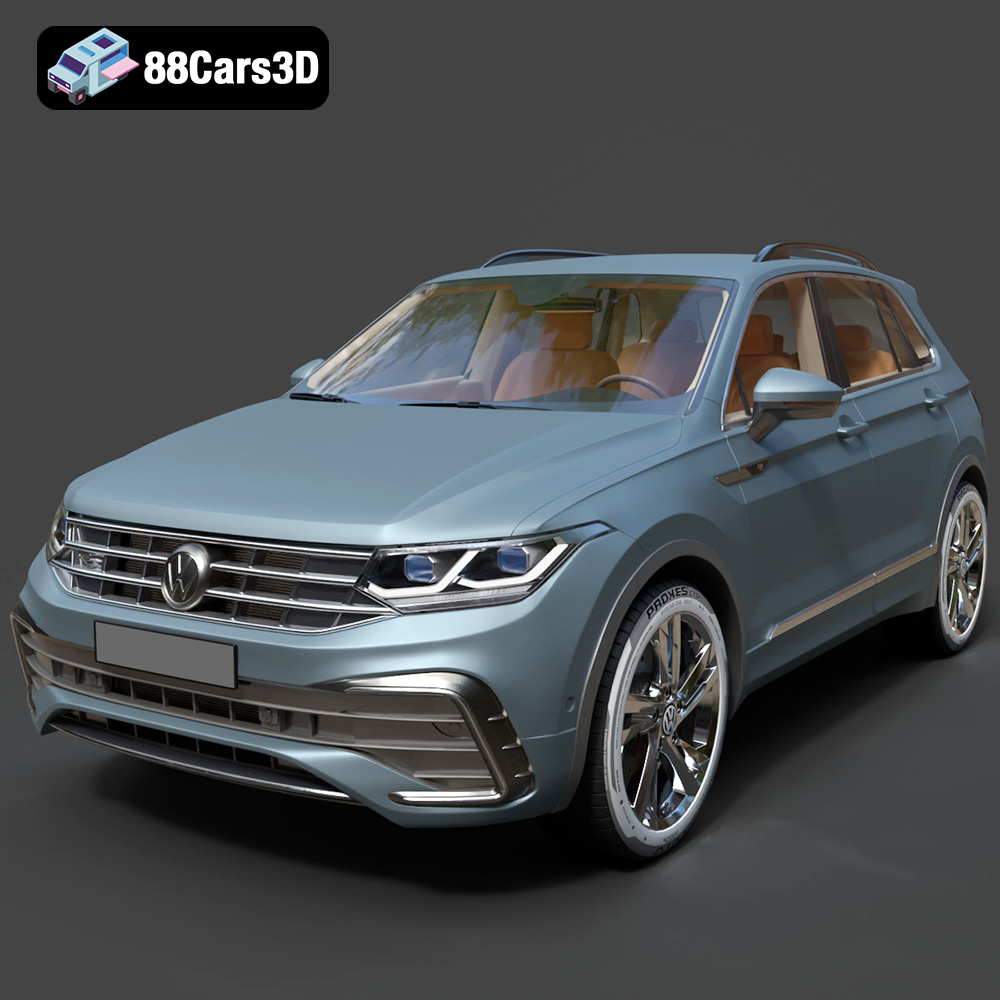
The Volkswagen Tiguan 2021 3D model available on 88cars3d.com offers a fantastic opportunity for 3D printing enthusiasts to create their own miniature version of this popular SUV. This guide will provide a detailed walkthrough of the entire 3D printing process, from pre-print preparation to post-processing, ensuring a successful and satisfying outcome. Whether you’re a seasoned 3D printing veteran or a beginner looking to expand your skills, this article will equip you with the knowledge you need to bring this digital model to life.
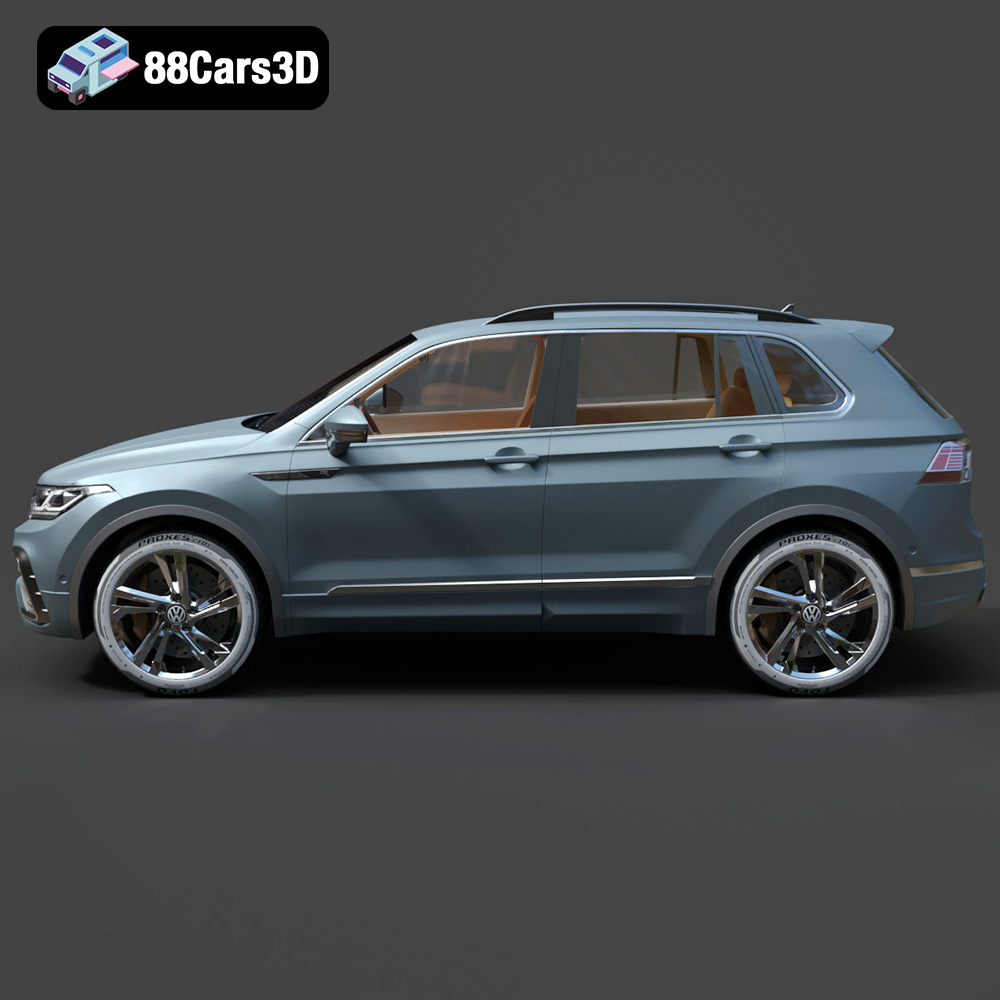
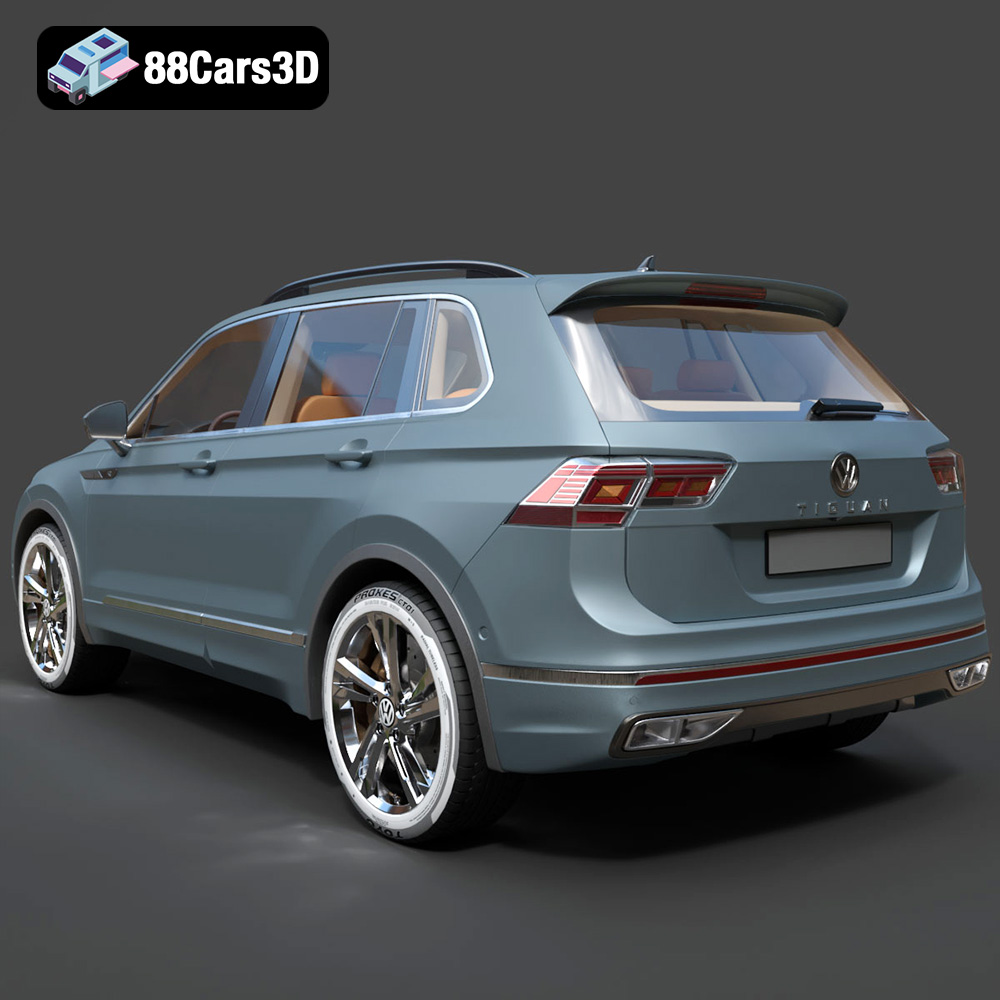
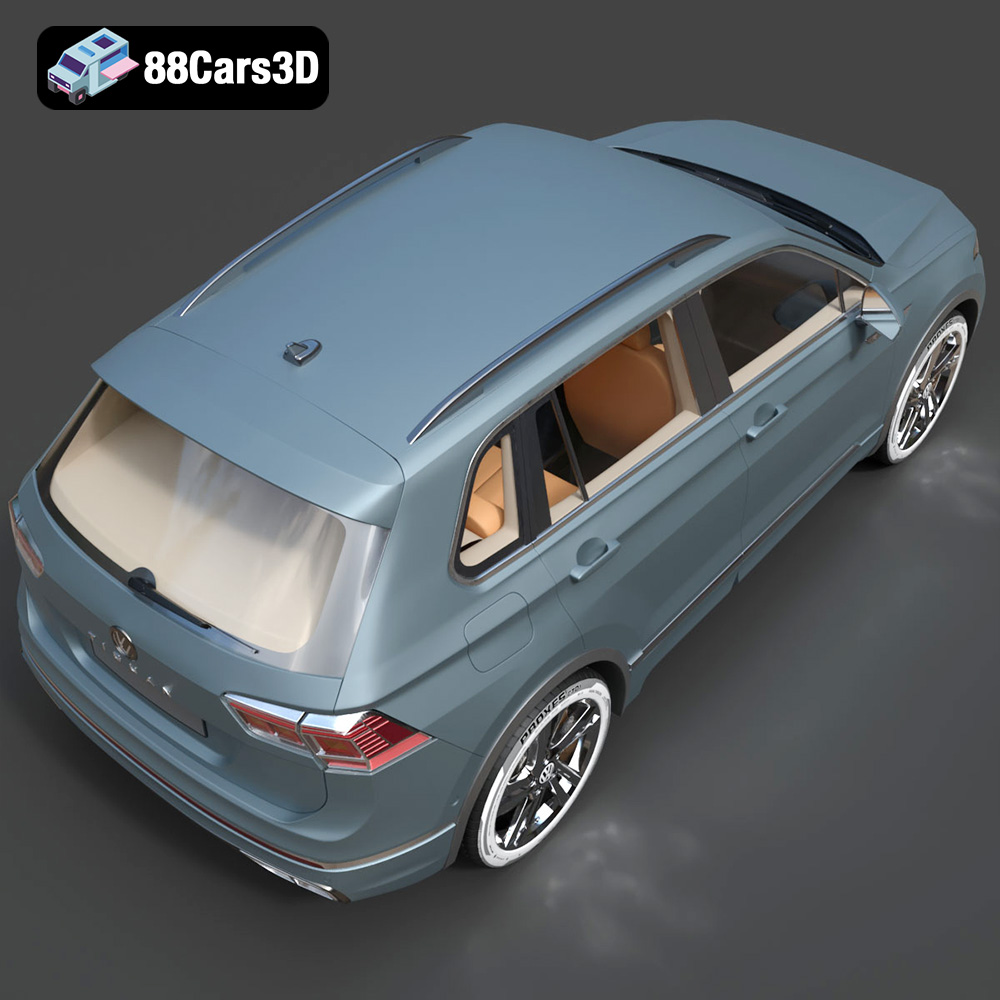
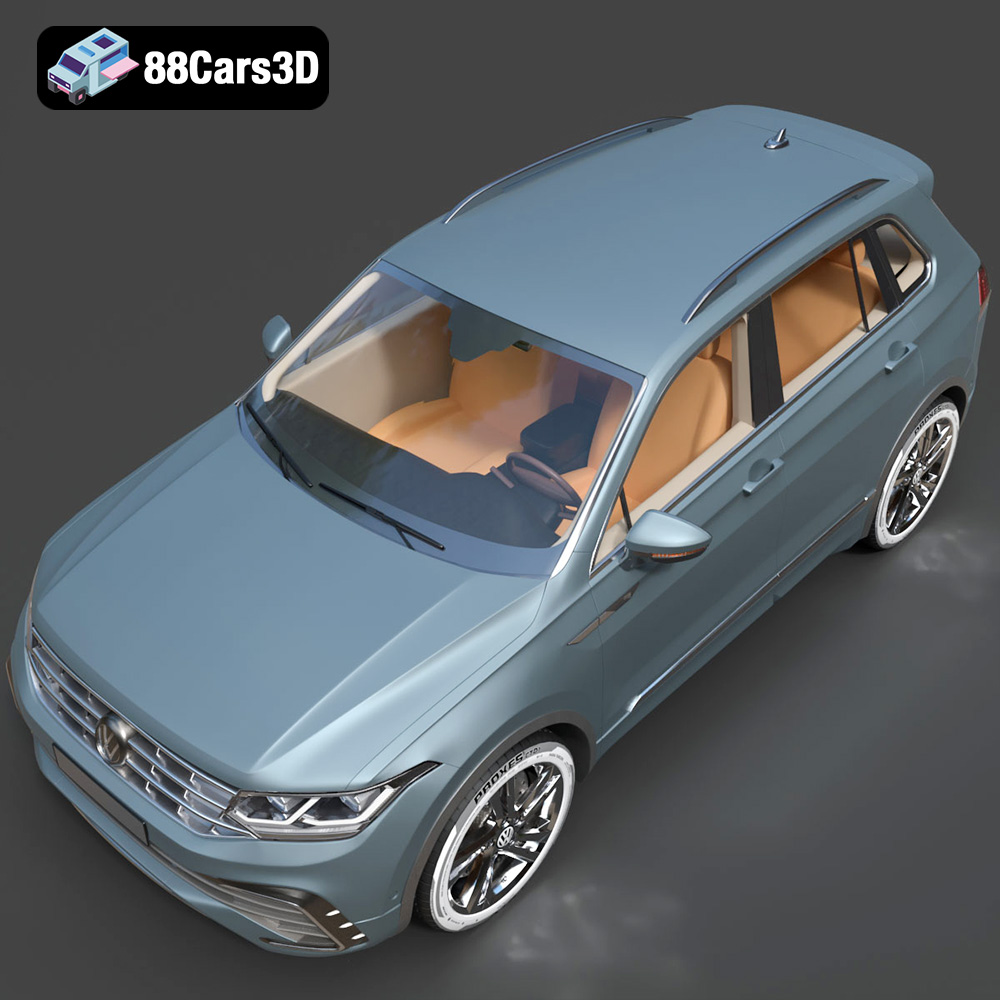
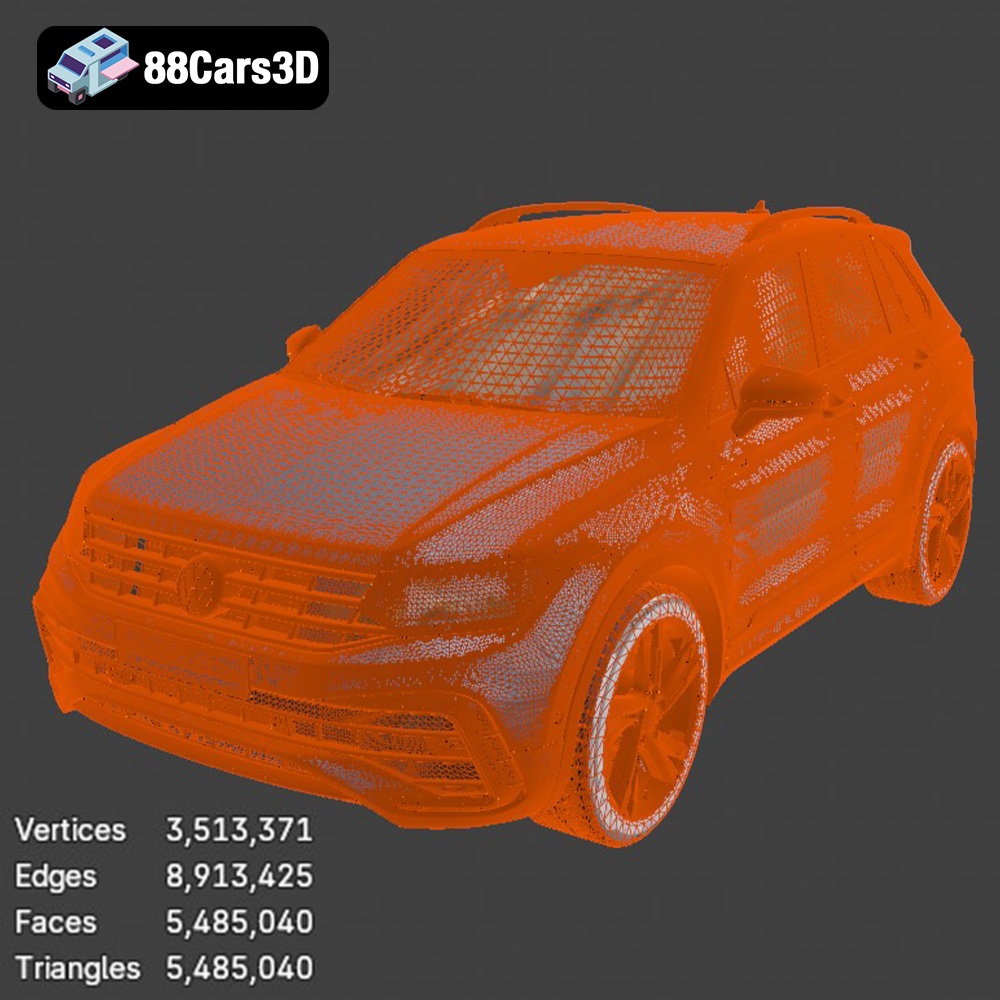
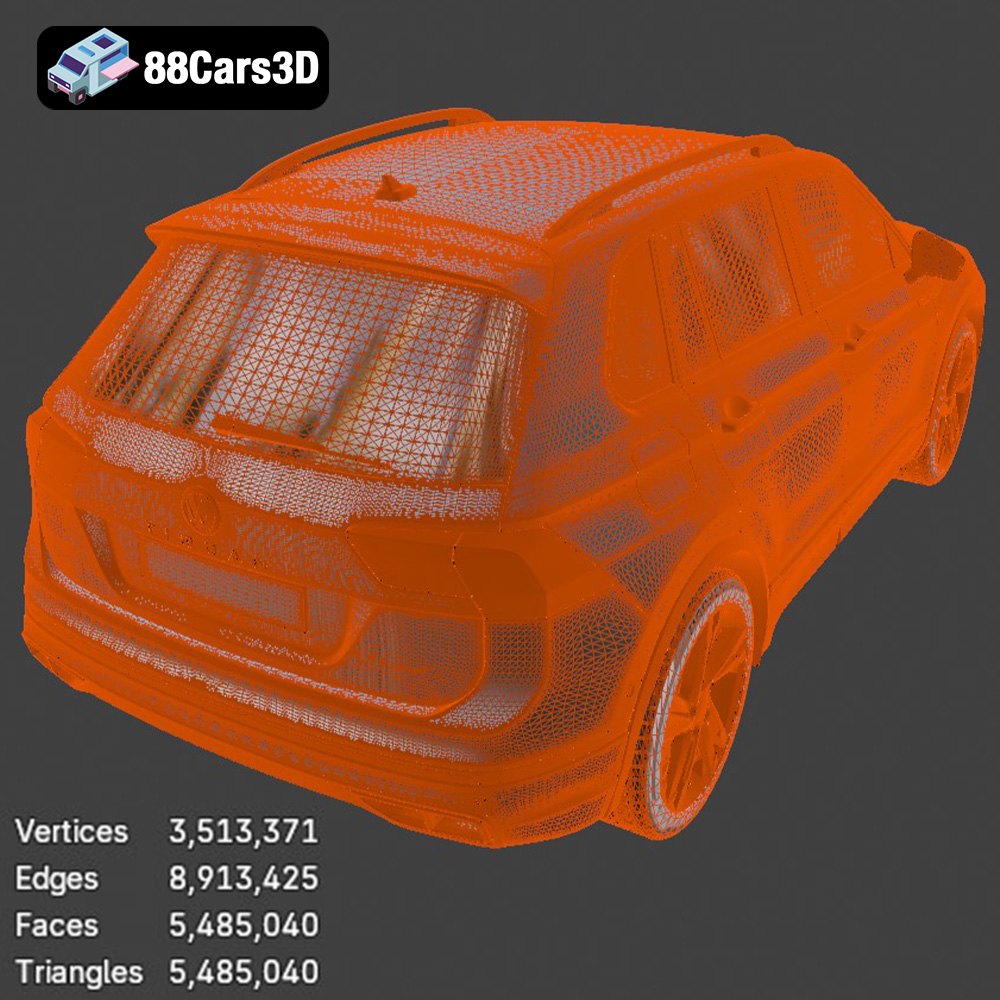
Before diving into the printing process, it’s essential to understand the features of the Volkswagen Tiguan 2021 3D model. The model boasts a high level of detail, capturing the sleek lines and modern aesthetic of the real vehicle. This detail, while visually appealing, also presents some challenges for 3D printing. Certain parts, like the intricate grille or the side mirrors, may require careful consideration regarding support structures and orientation. Furthermore, the model is likely provided as a single part, which might necessitate splitting it into multiple parts for easier printing and assembly, especially for larger-scale prints. Let’s delve into file format considerations next.
Choosing the right file format is a crucial first step in preparing the Volkswagen Tiguan 2021 3D model for 3D printing. While the model is offered in various formats, some are better suited for additive manufacturing than others. Understanding the nuances of each format will help ensure a smooth and successful printing experience.
The .stl (stereolithography) format is the workhorse of 3D printing. It represents the surface geometry of a 3D object as a collection of triangles. This simplicity makes it universally compatible with almost all slicing software and 3D printers. When working with the Volkswagen Tiguan 2021 model, the .stl file is your primary candidate for 3D printing. However, keep in mind that .stl files only store the shape of the object; they don’t contain information about color, texture, or materials. Therefore, if you’re planning on adding color or texture later, you’ll need to do so during the post-processing phase. The resolution of the .stl file is critical. A low-resolution .stl will result in a faceted, blocky print, while a high-resolution .stl will capture more detail but increase file size and processing time.
The .obj (object) format is another widely used format, but unlike .stl, it can store color and texture information along with the geometry. This makes it suitable for colored 3D prints, although most consumer-grade 3D printers are limited to single-color printing. In the context of the Volkswagen Tiguan 2021 model, the .obj format could be useful if you intend to apply textures or custom paint schemes digitally before printing. However, .obj files can sometimes be more complex to handle in slicing software compared to .stl files.
The .ply (polygon) format is designed for storing 3D data acquired from 3D scanners. It can represent not only the geometry but also color, normals, and other properties. This makes it a good choice for high-detail prints where accuracy is paramount. However, .ply files can be quite large, and not all slicing software fully supports them.
The .blend format is the native file format for Blender, a popular open-source 3D modeling software. Having the .blend file for the Volkswagen Tiguan 2021 model allows for extensive customization before printing. You can modify the geometry, add details, split the model into parts, and optimize it specifically for 3D printing. Once you’re satisfied with your modifications, you can export the model as an .stl file for slicing.
The .fbx (Filmbox) format is commonly used for exchanging 3D data between different software applications, particularly in game development. It can store geometry, textures, animations, and other data. While you can import .fbx files into some slicing software, they are not typically the preferred format for 3D printing. The main advantage of .fbx is that it can preserve material assignments from the original model, which can be useful for post-processing and painting.
The .glb (GL Transmission Format Binary) format is designed for efficient transmission and loading of 3D models, particularly in web-based applications and augmented reality (AR) environments. It’s a compact format that includes geometry, textures, and animations. While not directly used for 3D printing, the .glb file allows you to preview the Volkswagen Tiguan 2021 model in AR before committing to a print, giving you a better sense of its size and appearance in the real world.
The .max format is the native file format for 3ds Max, another professional 3D modeling software. Similar to the .blend file, having the .max file provides the opportunity to modify and customize the Volkswagen Tiguan 2021 model before exporting it for 3D printing. You can adjust the geometry, add details, or optimize the model for specific printing parameters. Once you’re done, export the model as an .stl file for slicing.
For 3D printing the Volkswagen Tiguan 2021, the .stl format is the most practical choice due to its widespread compatibility and simplicity. Ensure the .stl file has sufficient resolution to capture the details of the model without being excessively large. If you need to make modifications or customize the model, use the .blend or .max files and export them as .stl for printing.
Before sending the Volkswagen Tiguan 2021 3D model to the printer, thorough preparation is crucial. This involves using slicing software to convert the .stl file into a series of instructions that the printer can understand. Popular slicing software options include Cura, PrusaSlicer, Simplify3D, and IdeaMaker.
The orientation of the model on the print bed significantly impacts the print quality, support requirements, and overall success. For the Tiguan model, consider orienting it with the flattest side facing down to minimize the need for supports. However, this might not always be ideal, especially if it compromises the detail on other critical areas like the front grille. Experimenting with different orientations and previewing the support structures in the slicing software is highly recommended. Complex overhangs, such as those found on the side mirrors or the rear spoiler, will undoubtedly require support structures. Choose support settings carefully to balance support strength with ease of removal. Zig-zag or tree-like supports are often good options for intricate models like this one.
Layer height determines the resolution of the print. A lower layer height (e.g., 0.1mm) will result in a smoother surface finish but will increase print time. A higher layer height (e.g., 0.2mm) will print faster but might sacrifice some detail. For the Volkswagen Tiguan 2021 model, a layer height between 0.1mm and 0.15mm is a good balance between quality and speed. Infill density affects the strength and weight of the print. A higher infill percentage (e.g., 20-25%) will make the model stronger but will also consume more filament. For a display model, a lower infill percentage might suffice. Print speed also plays a vital role. Printing too fast can lead to poor layer adhesion and reduced detail. A moderate print speed (e.g., 40-60mm/s) is generally recommended.
The choice of material impacts the appearance, durability, and functionality of the 3D printed Volkswagen Tiguan 2021 model.
PLA (Polylactic Acid) is a popular choice for beginners due to its ease of use, low printing temperature, and wide availability. It’s a biodegradable thermoplastic derived from renewable resources. PLA is suitable for creating display models of the Tiguan. However, it’s not very heat-resistant and can warp or deform in high-temperature environments.
PETG (Polyethylene Terephthalate Glycol-modified) is a stronger and more durable alternative to PLA. It offers better heat resistance and impact resistance. PETG is a good option if you want a more robust 3D printed Tiguan model that can withstand some wear and tear. It requires slightly higher printing temperatures than PLA and may require some experimentation to dial in the optimal settings.
For achieving the highest level of detail and a smooth surface finish, resin printing is the preferred method. Resin printers use liquid resin that is cured by UV light. This allows for much finer layer heights and intricate details that are difficult to achieve with FDM (Fused Deposition Modeling) printers. However, resin printing also requires more post-processing, including washing and curing the printed part. Resin printed models are also generally more brittle than FDM printed models.
Once the 3D printing process is complete, post-processing is necessary to refine the appearance and functionality of the Volkswagen Tiguan 2021 model.
Carefully remove the support structures using pliers or a sharp knife. Take your time to avoid damaging the model. After removing the supports, sanding is essential to smooth out any imperfections and layer lines. Start with a coarse grit sandpaper (e.g., 220 grit) and gradually move to finer grits (e.g., 400 grit, 600 grit, 800 grit) to achieve a smooth finish.
Painting can significantly enhance the realism of the 3D printed Tiguan model. Use automotive-grade primer and paint for the best results. Apply thin coats of paint and allow them to dry completely between coats. Consider using masking tape to create clean lines and details. You can also add additional details such as decals or custom trim to personalize your model.
Even with careful preparation, you may encounter some common 3D printing issues.
Warping occurs when the corners of the print lift off the print bed. This can be caused by poor bed adhesion or temperature fluctuations. To improve bed adhesion, ensure the print bed is clean and level. You can also use adhesion aids such as glue stick or painter’s tape. Enclosing the printer can help to maintain a consistent temperature and prevent warping.
Stringing occurs when thin strands of filament are left between different parts of the print. Blobs are small accumulations of filament on the surface of the print. These issues can be caused by incorrect retraction settings or printing temperature. Adjusting these settings in your slicing software can often resolve these problems.
The print time and material cost for the Volkswagen Tiguan 2021 model will depend on several factors, including the size of the model, the layer height, the infill density, and the printing speed. As a rough estimate, a medium-sized print (e.g., 15cm long) with a layer height of 0.15mm and an infill density of 15% might take 10-15 hours to print and consume 100-150 grams of filament. Using PLA, the material cost would be approximately $2-$5.
3D printing the Volkswagen Tiguan 2021 3D model offers a rewarding experience for both novice and experienced 3D printing enthusiasts. By carefully selecting the right file format (with a strong emphasis on STL), meticulously preparing the model in slicing software, choosing the appropriate material, and applying effective post-processing techniques, you can create a stunning replica of this iconic SUV. Remember to experiment with different settings and techniques to find what works best for your printer and your desired outcome. With a little patience and attention to detail, you can bring the digital Volkswagen Tiguan 2021 model from 88cars3d.com to life in your own home. Remember to check 88cars3d.com for more awesome 3D car models!
Experience the precision of the Volkswagen Tiguan 2021 3D Model, a realistic digital replica designed to meet professional standards. This model perfectly captures the modern styling, dynamic stance, and sophisticated details of the popular SUV, providing an exceptional asset for a diverse array of digital projects.
$19.99
.arvr
.blend
.car3dmodel
.crossover
.fbx
.gameasset
.glb
.max
.obj
.ply
.rendering
.simulation
.stl
.tiguan
.unreal
.volkswagen
SUV