Get 20% OFF All Premium 3D & STL Models!

In the fast-paced world of digital creation, the demand for exceptionally detailed and accurate 3D assets is ever-growing. From cinematic spectacles and immersive game environments to groundbreaking architectural visualizations and interactive AR/VR experiences, the quality of a 3D model can make or break a project. Automotive design, in particular, stands at the forefront of this demand, requiring precision that mirrors real-world engineering and aesthetic brilliance. Imagine capturing the essence of an iconic vehicle, every curve, every reflection, in a digital format that breathes life into your scenes. This pursuit of digital perfection is precisely where high-fidelity 3D car models become indispensable.
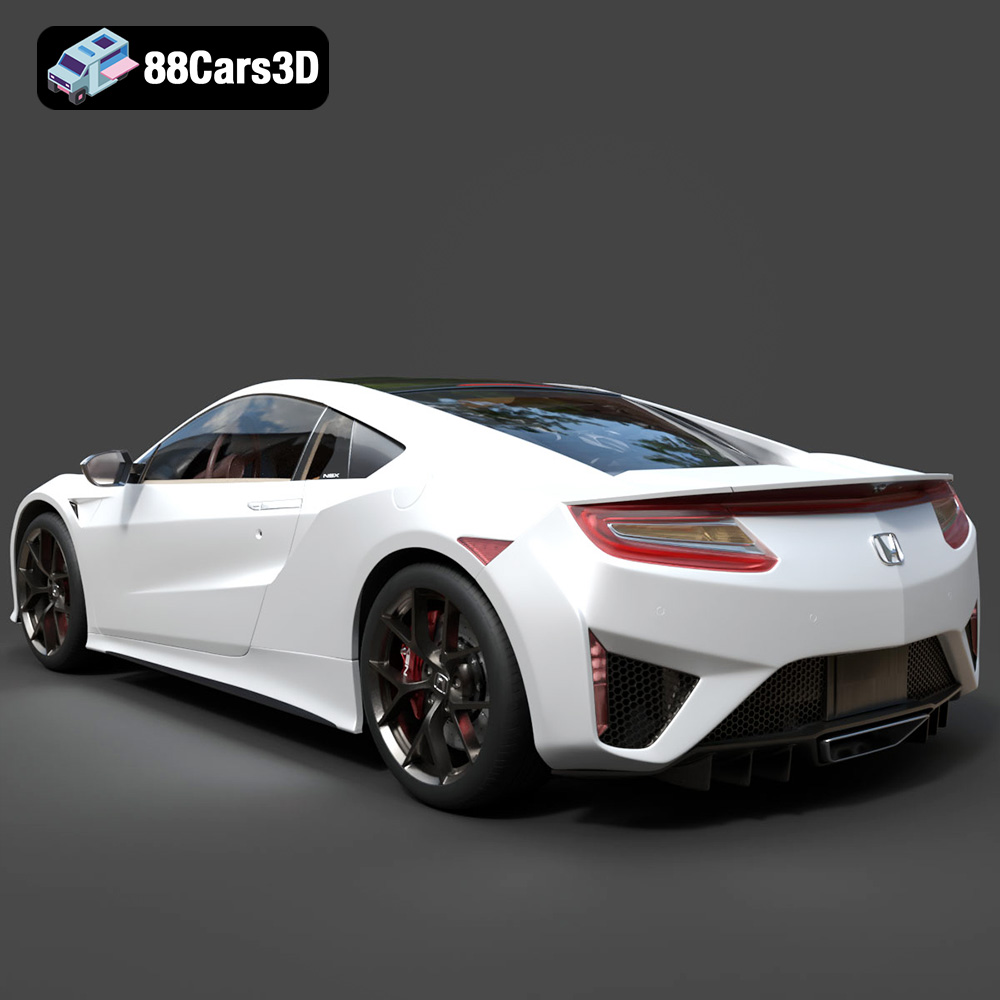
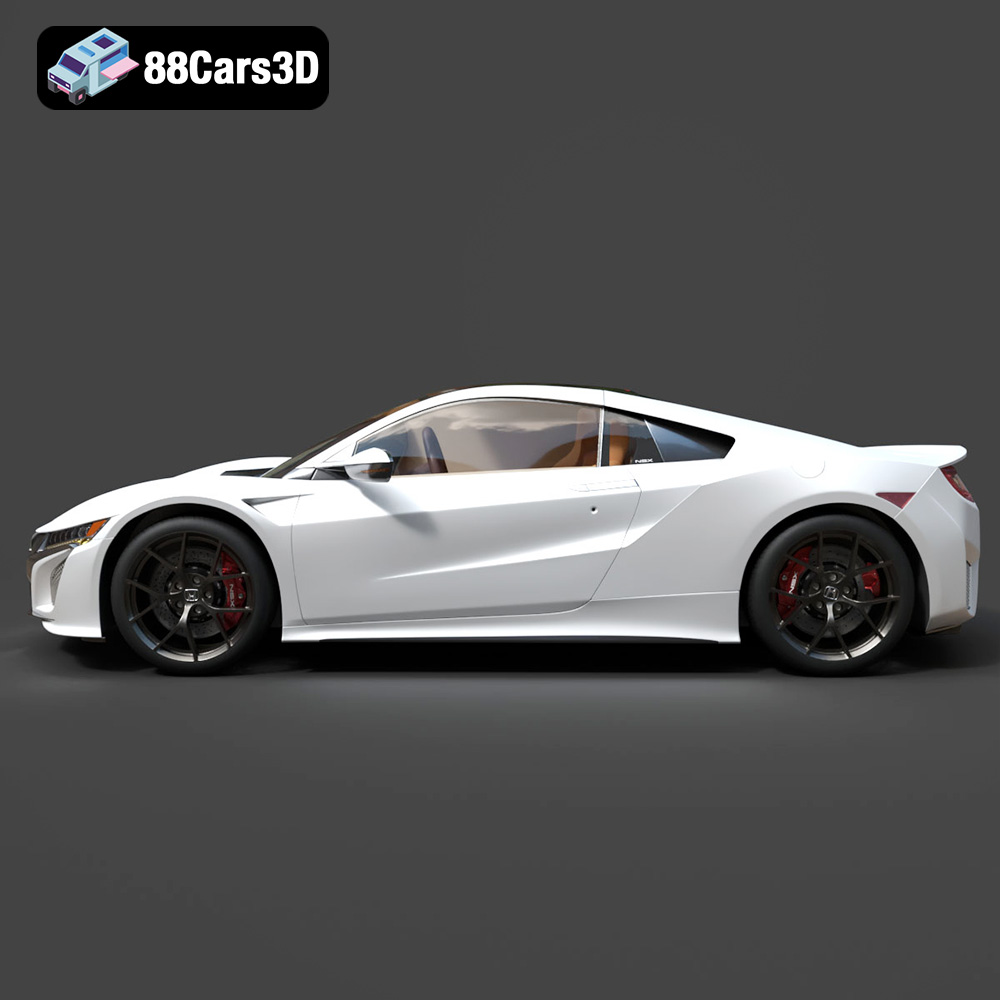
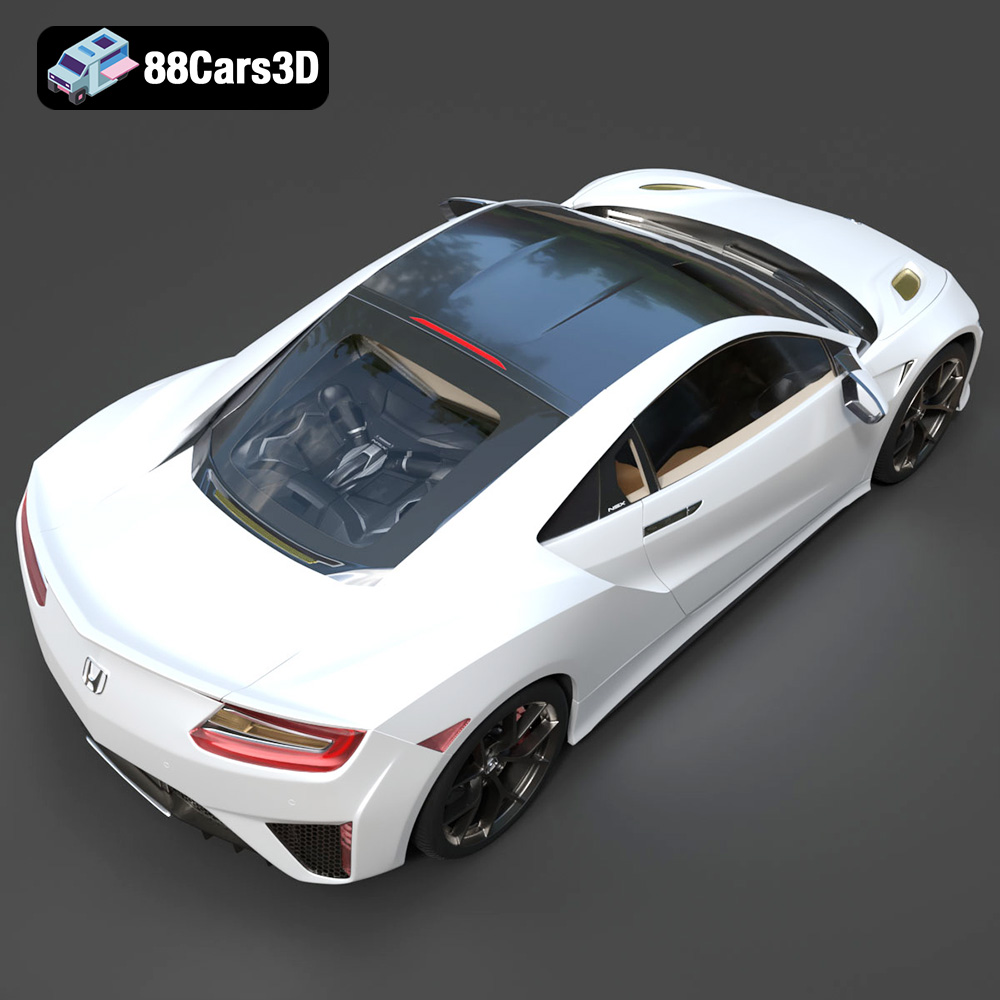
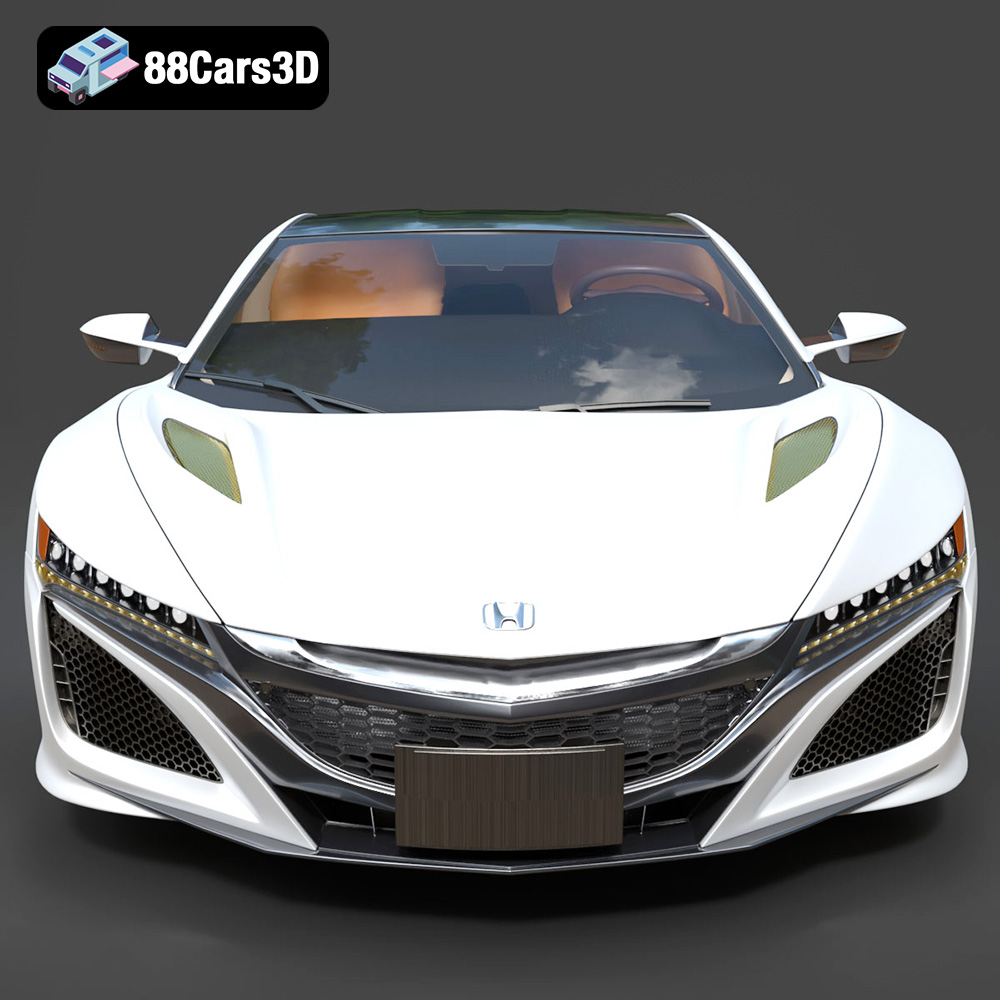
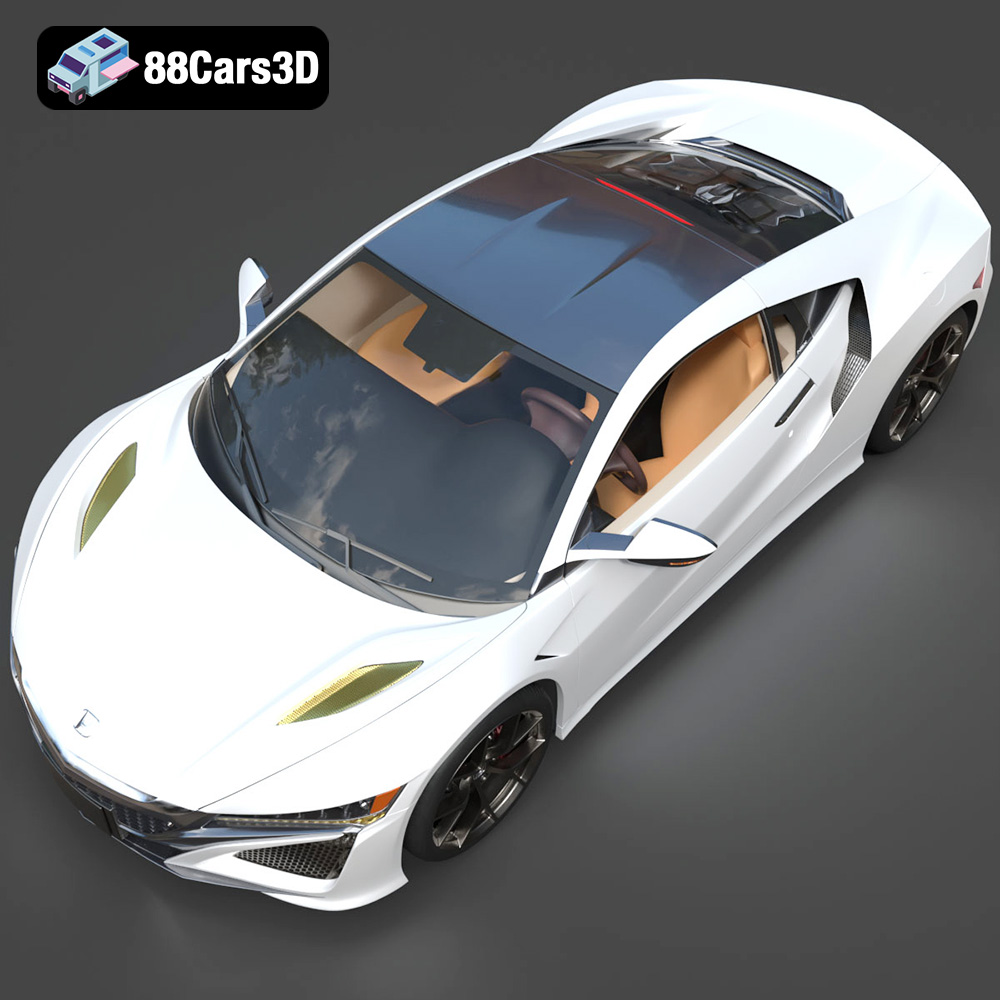
Today, we delve into the intricate world of professional automotive rendering and game development, exploring how a meticulously crafted asset elevates any project. We’ll specifically highlight an outstanding example: the Honda NSX 2017 3D Model. This model isn’t just a collection of polygons; it’s a testament to the dedication required to translate a masterpiece of engineering into a versatile digital asset, ready for the most demanding applications. Whether you’re a seasoned professional seeking to enhance your portfolio or a studio aiming for unparalleled realism, understanding the nuances of such models is crucial. Let’s unpack the technical brilliance and creative potential embedded within these digital marvels.
Creating a truly convincing 3D car model is a complex endeavor that marries artistic vision with rigorous technical execution. It goes far beyond simply tracing blueprints; it involves a deep understanding of automotive design principles, material science, and the specific demands of various rendering and real-time engines. A high-fidelity model isn’t just about looking good in a static render; it must perform flawlessly across diverse scenarios, from animation to interactive simulations.
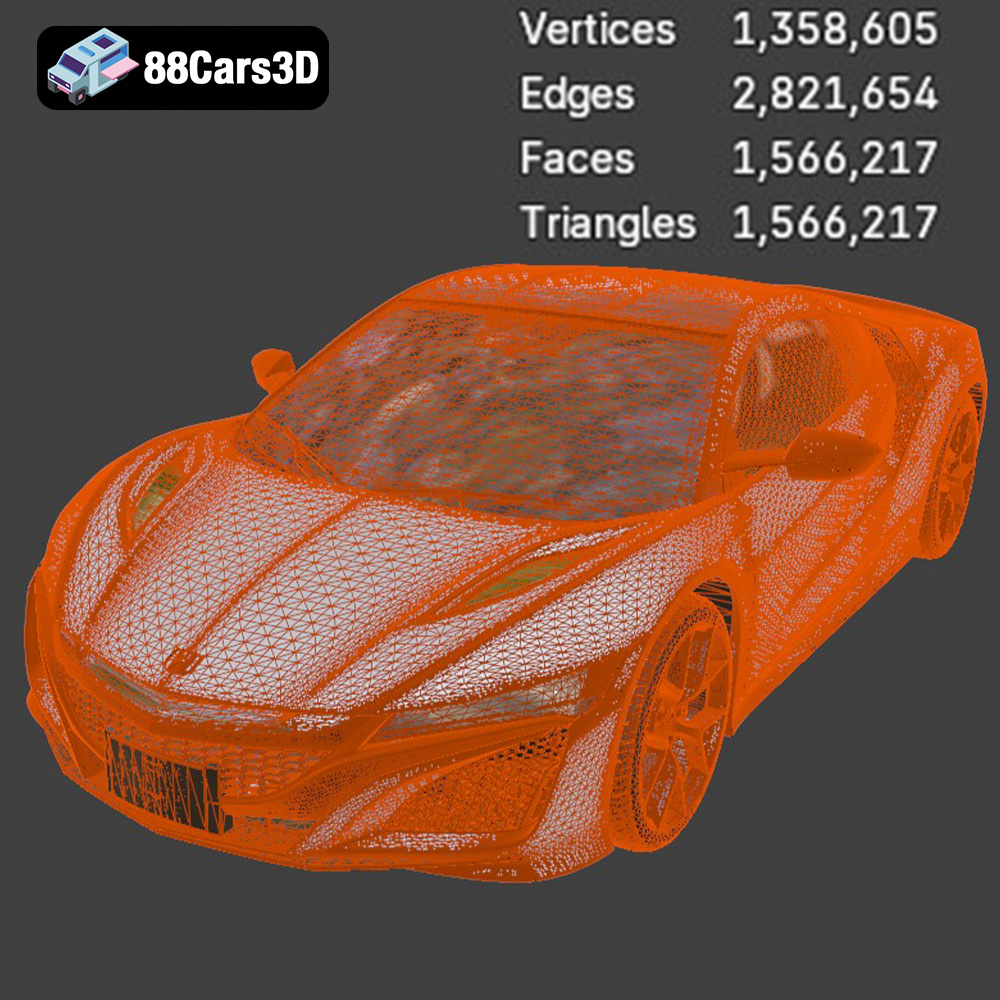
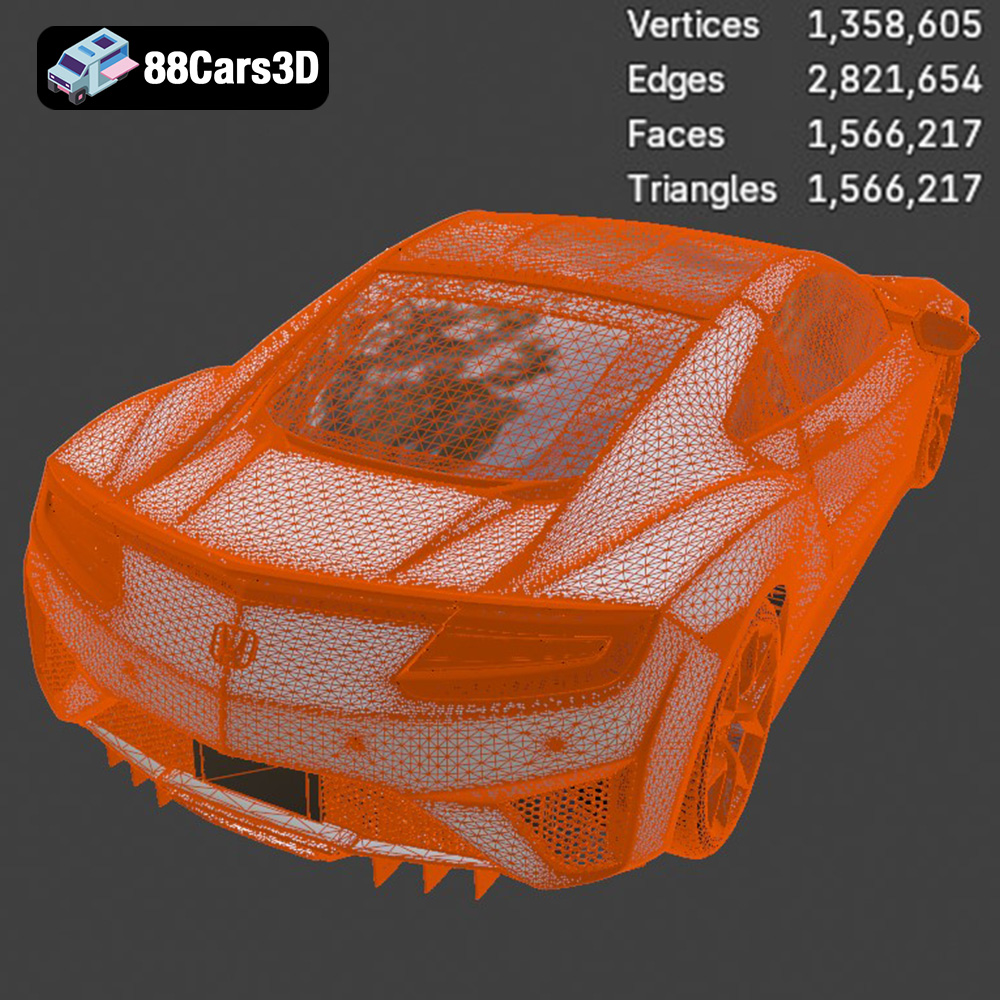
The foundation of any superior 3D car model lies in its geometry. Professional modelers start with extensive reference material, including blueprints, photographs, and even real-world vehicle scans, to ensure dimensional accuracy. Techniques like sub-division surface modeling are employed to create smooth, flowing surfaces while maintaining a manageable polygon count. The goal is “clean geometry”—a mesh composed predominantly of quadrilaterals (quads) with optimal edge flow. This structure is crucial for several reasons:
For the Honda NSX 2017 3D Model, this precision means every panel gap, every aerodynamic vent, and every subtle curve is accurately represented. This attention to detail is paramount for projects where authenticity is non-negotiable, such as automotive advertising or design visualization.
Once the geometry is perfect, the next critical step is applying realistic materials and textures. Modern automotive rendering relies heavily on Physically Based Rendering (PBR) workflows. PBR materials simulate how light interacts with surfaces in the real world, producing highly convincing reflections, refractions, and diffuse properties. Key PBR texture maps include:
For a car model like the NSX, this translates to incredibly realistic paint finishes with subtle clear coat reflections, authentic tire rubber textures, accurate glass transparency and reflections, and intricate details on interior surfaces. The combination of clean geometry and high-quality PBR materials ensures that the Honda NSX 2017 3D Model holds up under intense scrutiny, whether in a static render or a dynamic real-time environment.
Navigating the diverse landscape of 3D software and applications requires a robust understanding of various file formats. A professional 3D car model, especially one as versatile as the Honda NSX 2017 3D Model available on 88cars3d.com, is often supplied in multiple formats to ensure maximum compatibility and utility. Each format serves specific purposes, optimized for different stages of the production pipeline or end-use scenarios.
.blend (Blender): This is Blender’s native file format, offering a complete scene package. When you download a .blend file for the Honda NSX, you’re not just getting the model; you’re getting an entire editable Blender scene with all its components. This includes the model’s clean geometry, meticulously set up materials (often using Cycles or Eevee render engines), lighting configurations, camera setups, and even potential animations or rigging. It’s ideal for artists who primarily use Blender, allowing them to dive straight into rendering, modification, or animation without re-importing assets or re-establishing material nodes. The full editability makes it perfect for customization, whether you want to change paint colors, modify interior details, or integrate the car into a larger scene.
.max (3ds Max): Similar to .blend, the .max format is native to Autodesk 3ds Max. This file provides a fully editable project for 3ds Max users, complete with model geometry, V-Ray or Corona materials (common for high-end automotive rendering), scene lighting, and animation setups. 3ds Max is a staple in architectural visualization, cinematic production, and high-fidelity rendering, making the .max file essential for professionals in these fields. It allows for advanced rendering techniques, complex animation, and seamless integration into large-scale commercial projects.
.fbx (Filmbox): Developed by Autodesk, FBX is a widely adopted proprietary file format for 3D content exchange, particularly within game development and real-time pipelines. It’s an excellent format for transferring 3D models, animation, and scene data between different software applications like Maya, 3ds Max, Blender, and directly into game engines like Unreal Engine and Unity. For a game asset like the Honda NSX, an .fbx file typically includes the mesh, UV maps, materials (referenced rather than embedded, pointing to external texture files), and sometimes skeletal animations. Its strength lies in its ability to maintain scene hierarchy and object properties during transfer, making it ideal for streamlined integration into game environments.
.unreal (Unreal Engine): This format signifies an asset specifically configured and optimized for Unreal Engine. Unlike a generic .fbx, an .unreal file is often a pre-packaged asset with materials already set up in Unreal’s material editor, collision meshes generated, LODs (Levels of Detail) configured, and potentially even blueprint functionality or basic physics properties defined. This “engine-ready” state saves developers significant time and effort, as the asset can be dropped directly into an Unreal project and used almost immediately, drastically reducing setup time for projects leveraging the Honda NSX 2017 3D Model.
.obj (Wavefront OBJ): This is one of the oldest and most universal 3D file formats, making it a cornerstone for cross-software compatibility. Almost every 3D modeling, rendering, or animation software can import and export .obj files. It primarily stores geometric data (vertices, normals, UVs, and faces). While it doesn’t embed materials directly (it uses an associated .mtl file for material definitions), its simplicity ensures broad support. It’s a reliable “fallback” format when transferring models between disparate software packages, ensuring that the core mesh data of the Honda NSX is accessible regardless of your software ecosystem.
.ply (Polygon File Format): Also known as the Stanford Triangle Format, .ply is a precision mesh format capable of storing a wide range of properties beyond just vertices and faces. It can include color information for each vertex or face, normals, texture coordinates, and even transparency values. While less common for general automotive rendering than .obj or .fbx, it is highly valued in scientific visualization, 3D scanning, and CAD applications where precise mesh data and per-vertex properties are crucial. It’s useful for analysis or detailed rendering of complex geometric data.
.glb (GL Transmission Format Binary): GLB is the binary version of glTF (Graphics Library Transmission Format), which is rapidly becoming the “JPEG of 3D.” It’s highly optimized for AR, VR, and browser-based display due to its efficient, compact, and ready-to-render nature. A single .glb file typically contains the 3D model, textures, materials, and animations, making it incredibly easy to deploy across web and mobile platforms. For interactive product configurators, virtual showrooms, or augmented reality experiences featuring the Honda NSX, .glb is the format of choice.
.stl (Stereolithography): STL is the de facto standard file format for 3D printing. It represents a 3D model as a series of connected triangles (a tessellated surface) without color, texture, or other CAD-like information. Its simplicity makes it universally accepted by 3D printers and slicing software. If you ever wanted to 3D print a miniature version of the Honda NSX 2017 3D Model, the .stl file would be your starting point, ensuring the physical accuracy of the printed object.
Understanding these formats is paramount for any digital artist or developer. The multi-format delivery of the Honda NSX 2017 3D Model from 88cars3d.com exemplifies a commitment to providing assets that truly fit into any professional workflow.
A premium 3D asset like the Honda NSX 2017 3D Model isn’t just a static object; it’s a dynamic tool that empowers creators across various industries. Its exceptional detail and multi-format availability make it suitable for a spectrum of professional applications, from high-stakes advertising campaigns to interactive simulations.
For automotive studios, marketing agencies, and visualization artists, the ability to render vehicles with photorealistic fidelity is non-negotiable. The Honda NSX 2017 3D Model shines in this arena:
The gaming industry demands optimized yet visually rich game assets. The Honda NSX 2017 3D Model is designed with real-time performance in mind:
Augmented Reality (AR) and Virtual Reality (VR) are revolutionizing how we interact with digital content. The Honda NSX 2017 3D Model is perfectly suited for these emerging platforms:
Beyond the aesthetic appeal, the true value of a professional 3D car model lies in its underlying technical structure. For the Honda NSX 2017 3D Model, this means a rigorous approach to topology, UV mapping, and optimization techniques that ensure its adaptability across all mentioned applications.
As mentioned earlier, clean topology is fundamental. This refers to the structured arrangement of polygons, typically quadrilaterals, which define the surface of the model. For the NSX:
UV mapping is the process of flattening the 3D surface of a model into a 2D space, allowing 2D textures to be applied accurately. For a complex object like a car:
Balancing visual fidelity with performance is a constant challenge, especially for game assets and real-time applications. The Honda NSX 2017 3D Model addresses this through:
This comprehensive technical approach ensures that the Honda NSX 2017 3D Model is not just visually stunning but also robust, flexible, and efficient for any professional digital production.
To fully appreciate the impact of a high-quality 3D car model, it’s helpful to consider its applications in real-world scenarios. The versatility and precision of the Honda NSX 2017 3D Model make it an ideal candidate for a multitude of professional projects.
Imagine a high-budget commercial for a luxury watch or a new smartphone. To convey a sense of aspiration and sophistication, often a high-performance vehicle is featured. Instead of a costly physical shoot, production studios frequently opt for digital doubles. A model like the Honda NSX can be rendered in a photorealistic environment, perfectly integrated with live-action footage or entirely CGI scenes. Its accurate reflections and detailed surface materials allow it to convincingly interact with virtual lighting and environments. This approach offers unparalleled creative control, allowing for impossible camera angles, dynamic environmental changes, and flawless product placement, all without the logistical nightmares of real vehicle shoots. From stunning hero shots against a digital cityscape to dynamic action sequences that would be too dangerous or expensive to film, the NSX 3D model becomes a central character in visual storytelling.
Beyond entertainment, highly realistic driving simulators play a critical role in professional training for race car drivers, engineers testing vehicle dynamics, and even military personnel. These simulators require an extreme level of visual and physical accuracy. The Honda NSX 2017 3D Model, with its meticulously recreated geometry and potential for detailed physics integration, can serve as the core visual asset. Engineers can virtually “drive” the NSX through various conditions, analyzing its performance characteristics, aerodynamics, and handling. This digital prototyping and testing save immense time and resources, allowing for iterative design improvements and comprehensive scenario planning in a risk-free virtual environment. The model’s fidelity ensures that visual feedback aligns perfectly with the simulated physics, leading to an authentic training experience.
Before a single physical prototype is built, automotive designers and engineers rely heavily on 3D visualization. The Honda NSX 2017 3D Model can be utilized to present design concepts, evaluate aesthetics, and even identify potential ergonomic issues. For example, during the design phase of a new accessory for the NSX, engineers could import the model into CAD software or a visualization tool to ensure perfect fitment and visual harmony. Marketing teams can also leverage these models early in the development cycle to create compelling promotional materials, gather feedback from focus groups, and gauge market interest long before the actual car hits the production line. This use case highlights the model’s role not just as a final rendering asset, but as a critical tool in the entire product lifecycle.
These examples underscore the profound impact that a technically sound and visually stunning 3D car model can have across diverse professional applications. The Honda NSX 2017 3D Model is not merely a digital sculpture; it’s a versatile asset designed to meet the rigorous demands of modern digital production, available for immediate integration into your projects via 88cars3d.com.
The journey through the creation and application of high-fidelity 3D car models reveals them to be far more than just digital representations; they are pivotal tools that drive innovation, streamline workflows, and unlock creative possibilities across a multitude of industries. From the meticulous precision of their geometry and the realism of their PBR materials to their adaptability across various file formats, these assets are the backbone of modern digital production.
The Honda NSX 2017 3D Model stands as a prime example of such an asset. Its clean geometry, professional-grade polygon structures, and delivery in multiple industry-standard formats (.blend, .fbx, .obj, .glb, .stl, .ply, .unreal, .max) ensure it’s ready for any challenge. Whether your project demands breathtaking automotive rendering, optimized game assets for real-time environments, or immersive AR/VR experiences, this model provides the fidelity and technical integrity required for professional results. It eliminates the need to build complex assets from scratch, allowing artists and developers to focus their valuable time and resources on creativity and project execution.
In a competitive digital landscape, sourcing high-quality, reliable 3D assets is paramount. For those seeking to elevate their projects with premium 3D models, sites like 88cars3d.com offer a curated selection of expertly crafted vehicles, ensuring you have access to the best tools for your creative endeavors. Investing in models like the Honda NSX 2017 3D Model is an investment in efficiency, quality, and ultimately, the success of your digital vision.
Experience unparalleled realism with the Honda NSX 2017 3D Model. Meticulously crafted to capture the sleek, aerodynamic lines and iconic stance of this legendary hybrid sports car, this model delivers exceptional detail for all your digital projects.Key features include clean geometry, realistic materials, and professional-grade polygon structures. Every curve, panel, and interior element is designed to ensure seamless integration into any visual environment, providing true-to-life reflections and accurate proportions.Perfect for a wide range of applications, this model excels in game development, architectural visualization, cinematic rendering, and AR/VR experiences. Whether used as a hero asset in an animation or an interactive vehicle in a virtual environment, it offers the fidelity required for professional production.The model is delivered in multiple industry-standard file formats to ensure maximum compatibility:
$19.99
.arvr
.blend
.car3dmodel
.fbx
.gameasset
.glb
.honda
.max
.nsx
.obj
.ply
.rendering
.simulation
.sportsCar
.stl
.supercar
.unreal