Get 20% OFF All Premium 3D & STL Models!

In the rapidly evolving landscape of 3D visualization, the demand for high-fidelity digital assets is greater than ever. From cinematic renders to immersive virtual reality experiences, a meticulously crafted 3D model can be the cornerstone of a compelling visual narrative. Nowhere is this more evident than in the automotive sector, where precision and aesthetic accuracy are paramount. Today, we delve into the world of premium 3D car models, spotlighting a truly exceptional offering: the Lotus Emeya-001 2024 3D Model. This isn’t just any digital car; it’s a gateway to unlocking sophisticated creative projects, offering unparalleled detail and versatility.
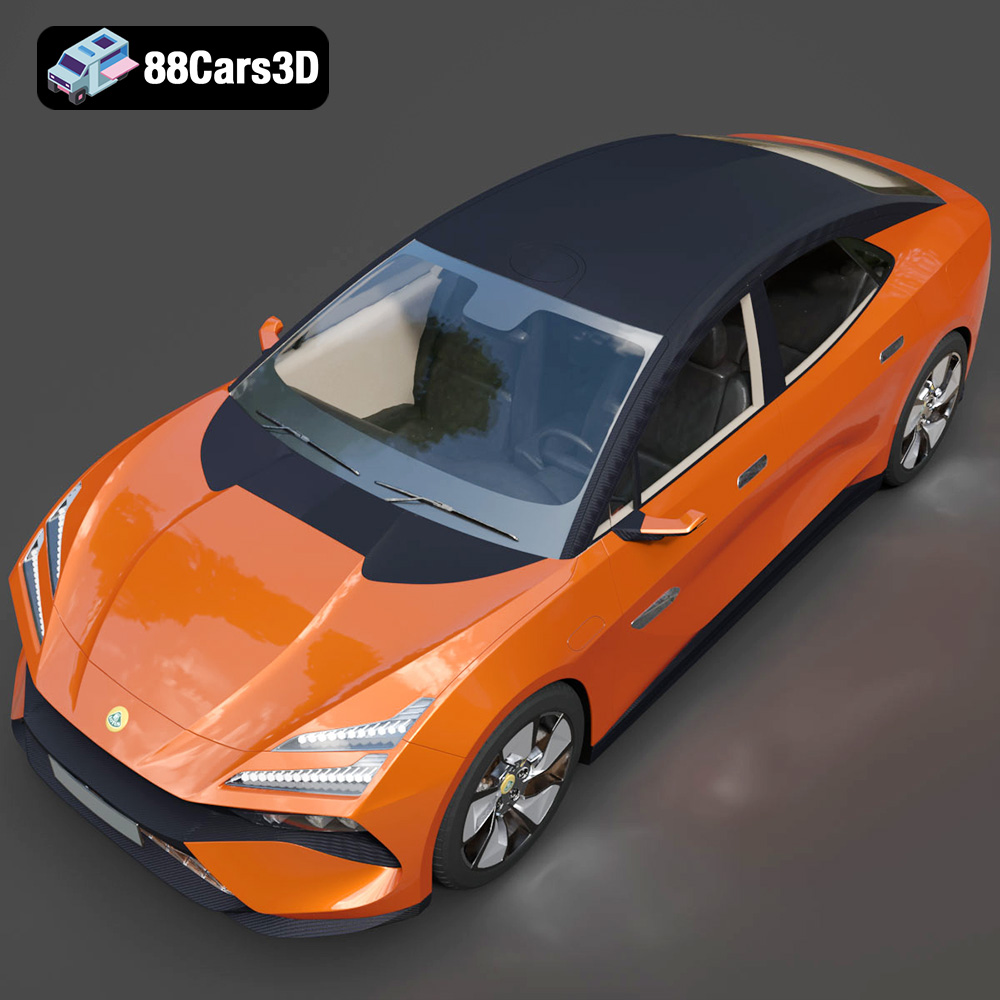
The Lotus Emeya-001 represents a significant leap in electric hyper-SUV design, blending performance with cutting-edge aesthetics. Recreating such an intricate vehicle in the digital realm requires a deep understanding of form, materials, and physics. A premium 3D model like the Emeya-001 available on 88cars3d.com provides artists, developers, and designers with an immediate advantage, sidestepping the often hundreds of hours required for modeling, texturing, and rigging from scratch. This allows teams to focus on innovation, iteration, and delivering truly impactful visuals.
The digital representation of vehicles has transcended simple artistic illustration; it is now an integral part of the automotive design process, marketing campaigns, simulation, and even entertainment. High-quality 3D car models serve multiple critical functions. For designers, they offer a dynamic sandbox for iterative development, allowing for quick visualization of design changes, aerodynamic analyses, and material studies without the need for physical prototypes. For marketing, these models enable the creation of stunning photorealistic imagery and animations that capture attention long before a physical car hits the showroom floor.
Beyond these, game developers rely on optimized, visually rich 3D car models to build immersive racing simulations and open-world experiences. Architectural visualization studios integrate vehicles to breathe life into their scenes, while AR/VR developers use them to create interactive showrooms and training modules. The underlying quality of the 3D asset directly impacts the realism, performance, and overall effectiveness of these diverse applications. Clean geometry, accurate UV mapping, and realistic materials are not mere enhancements; they are fundamental requirements for professional-grade results.
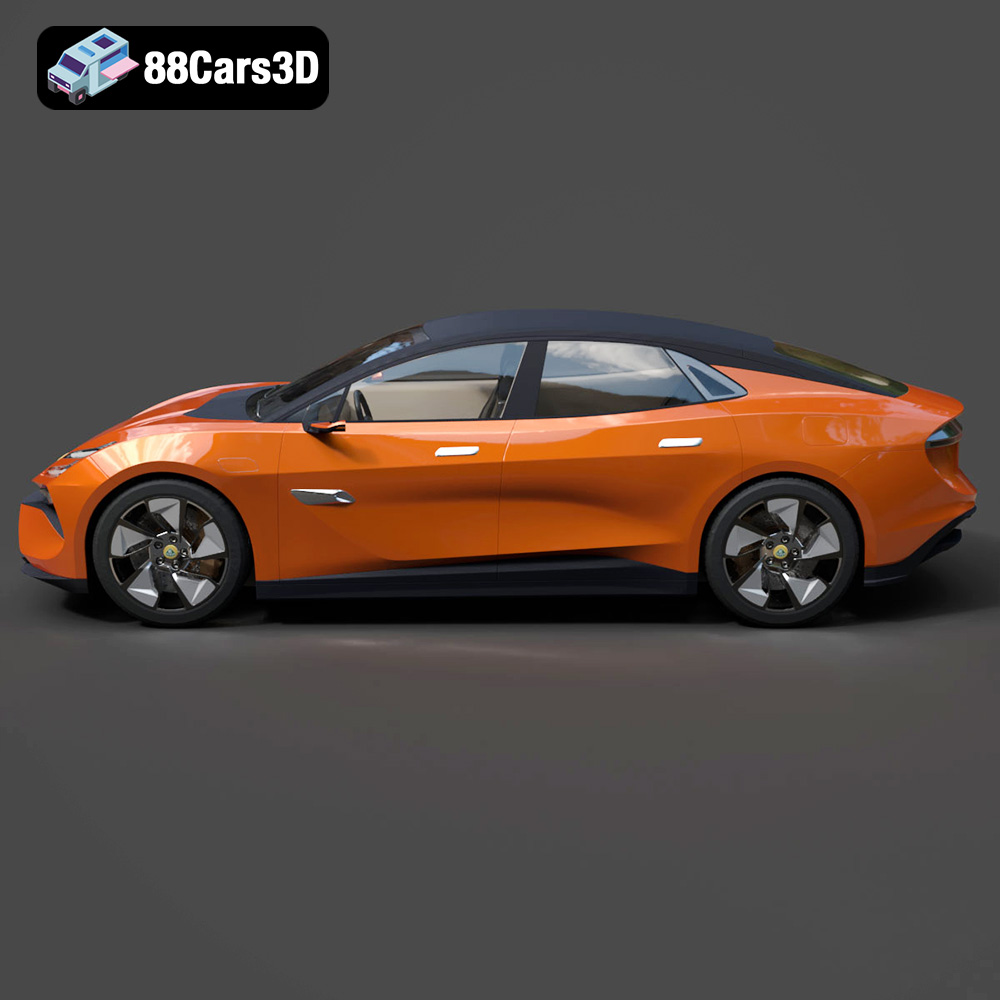
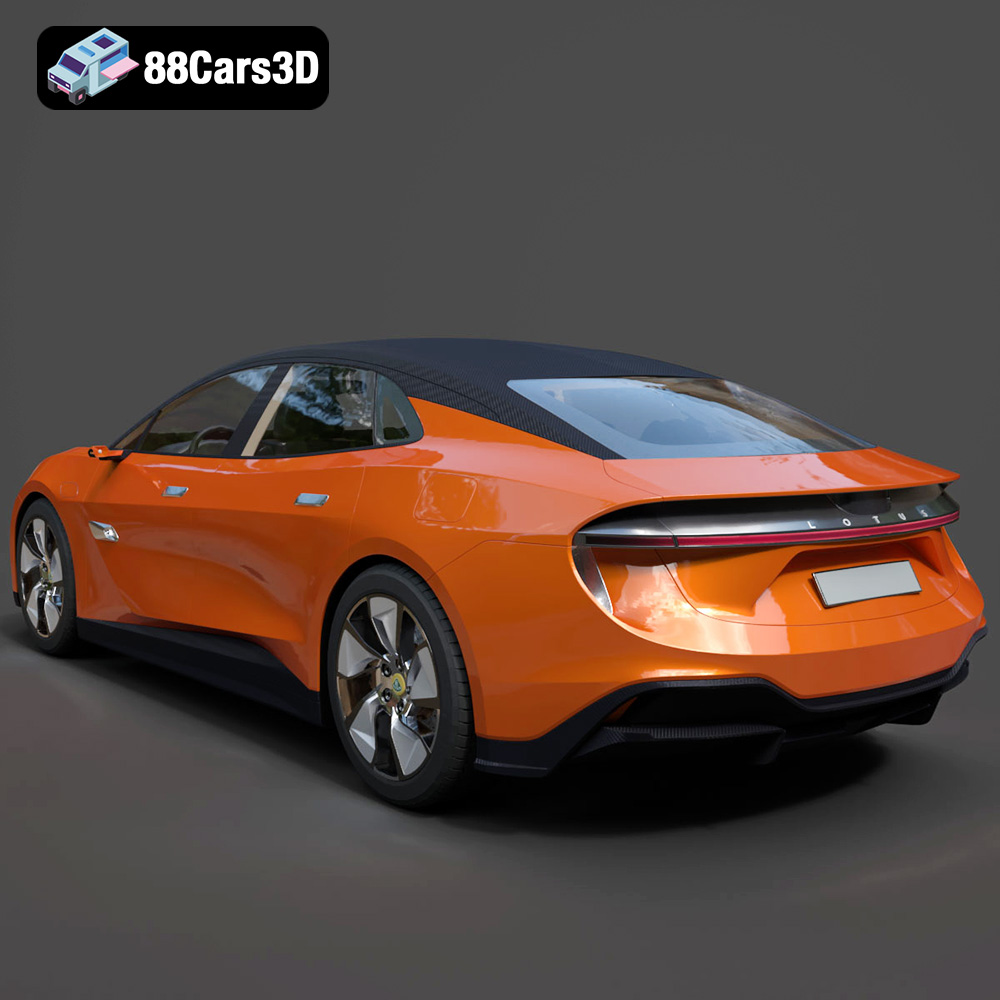
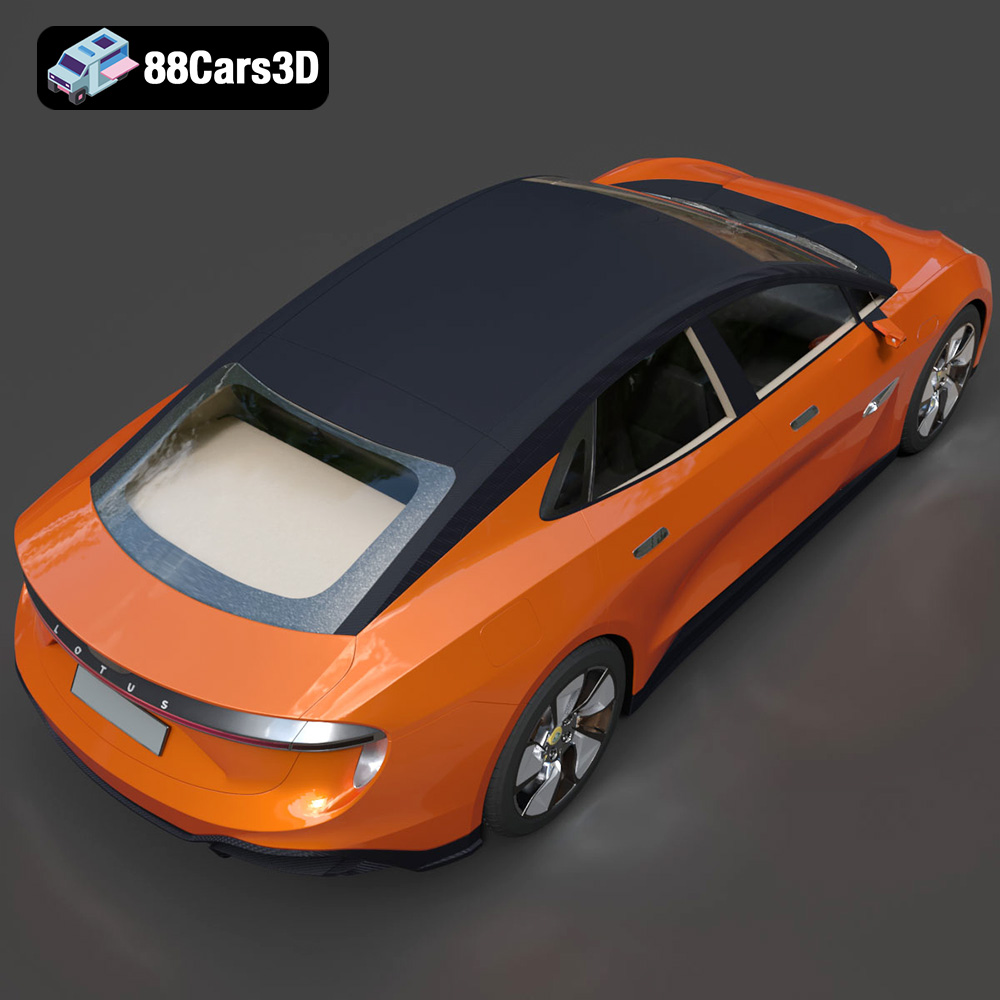
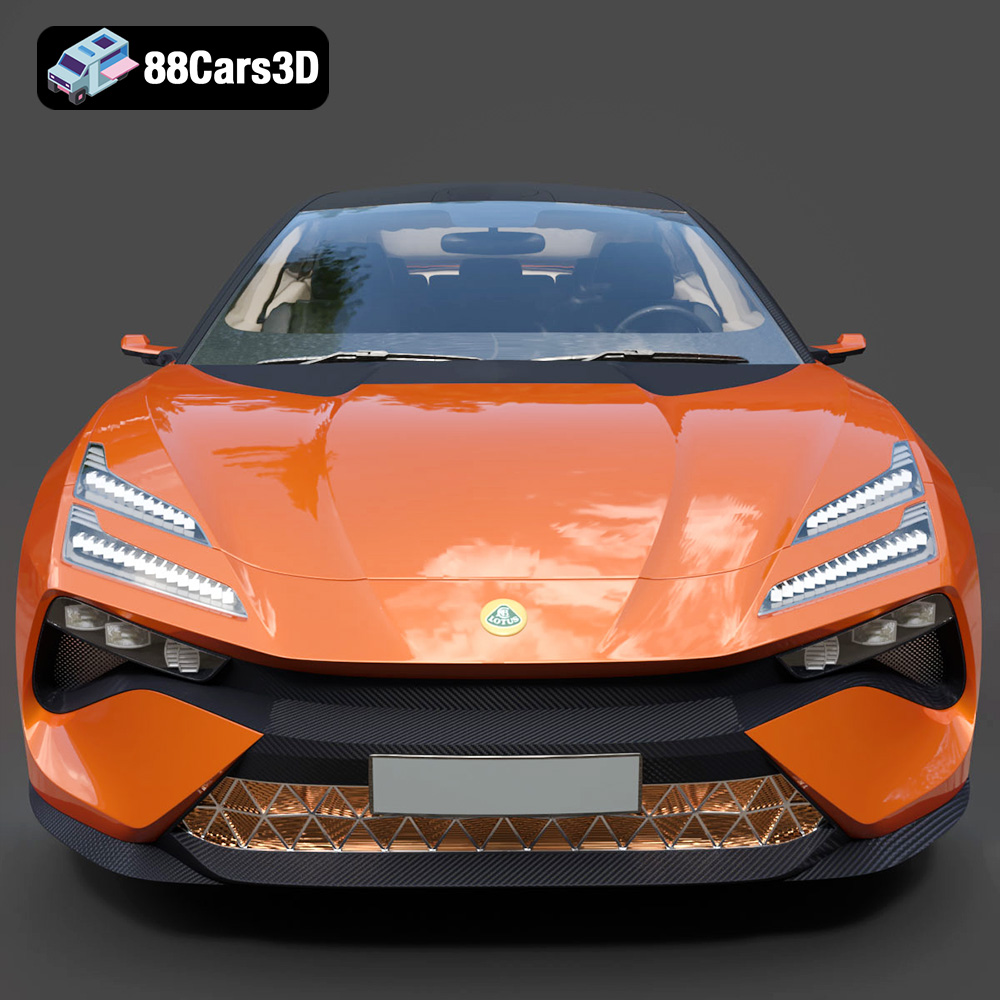
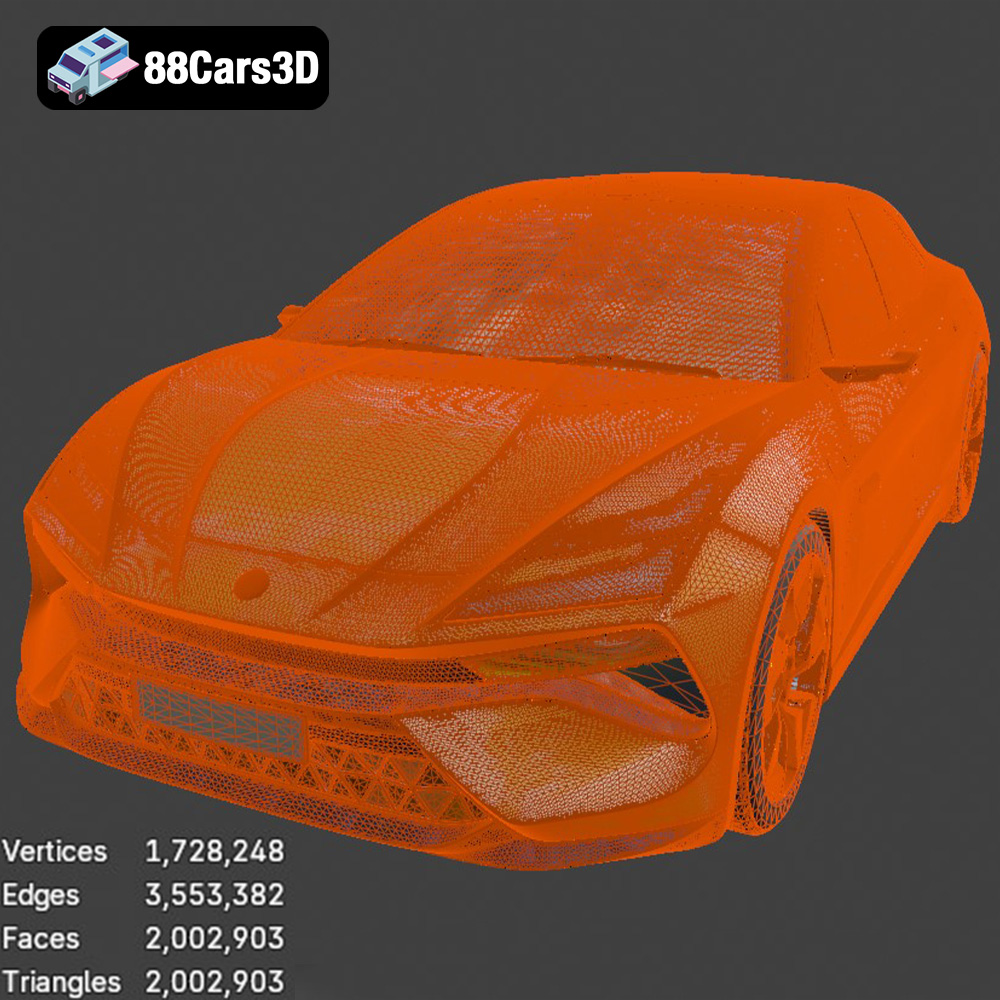
The Lotus Emeya-001 itself is a marvel of modern automotive engineering. As an electric hyper-SUV, it pushes boundaries in terms of performance, sustainability, and design language. Its sleek lines, distinctive lighting signatures, and aerodynamic features are designed to evoke speed and luxury. Translating this sophisticated design into a 3D model requires meticulous attention to every curve, vent, and panel gap. The Lotus Emeya-001 2024 3D Model delivers on this promise, offering a faithful digital recreation that embodies the spirit and innovation of the real vehicle. This model is engineered with clean and efficient geometry, making it ideal for high-end renderings where every detail counts, as well as for real-time applications where performance is key.
The world of 3D modeling is rich with various file formats, each serving specific purposes and offering unique advantages. Understanding these formats is crucial for any professional working with 3D assets, as selecting the right one can significantly impact workflow efficiency, compatibility, and the final output quality. The Lotus Emeya-001 2024 3D Model, for instance, is offered in a comprehensive range of formats, ensuring its suitability for virtually any project or pipeline.
By offering the Lotus Emeya-001 2024 3D Model in such a diverse array of formats, 88cars3d.com ensures that professionals across different industries can readily integrate this stunning asset into their preferred workflows without friction.
Photorealistic rendering is where a high-quality 3D car model truly shines. The Lotus Emeya-001 2024 3D Model, with its clean geometry and realistic materials, provides the perfect foundation for creating stunning visuals that can be used in marketing, advertising, or product showcases. The goal is to make the digital car indistinguishable from its real-world counterpart, requiring a keen eye for detail and mastery of rendering software.
Autodesk 3ds Max, often paired with renderers like V-Ray or Corona, remains a cornerstone for high-end architectural and automotive visualization. When working with the Lotus Emeya-001 3D model in .max format, artists gain immediate access to an editable project file, often including pre-configured materials and lighting. The workflow typically begins by refining the scene environment. This involves setting up a studio or outdoor scene with appropriate backplates and HDRI (High Dynamic Range Imaging) maps. HDRIs are crucial for providing realistic ambient lighting and reflections, which are vital for automotive paint and glass surfaces.
The next step is material refinement. While the Emeya-001 comes with realistic materials, fine-tuning them within your specific scene lighting is key. This might involve adjusting glossiness, metallic properties, clear coat thickness for paint, or refraction indices for glass. Paying close attention to tire textures, brake caliper details, and even subtle interior elements will elevate the final image. A well-constructed 3D model like the Emeya-001 minimizes the need for extensive UV unwrapping or texture creation, allowing artists to focus on these crucial rendering parameters.
Lighting is arguably the most critical element in achieving photorealism. For the Lotus Emeya-001, a combination of environmental lighting (from an HDRI) and targeted studio lights (area lights, sphere lights) can create dramatic effects. Experiment with three-point lighting setups, rim lights to define contours, and subtle fill lights to lift shadows. Pay particular attention to how light interacts with the car’s paintwork – the “specular breakup” and reflections are what sell the realism. Materials for an automotive model are complex; they need to simulate everything from metallic flake paint and reflective chrome to textured rubber and translucent glass. Utilizing physically based rendering (PBR) workflows ensures materials respond correctly to light, providing a consistent and believable appearance across different lighting conditions.
Once the raw render of the Lotus Emeya-001 is complete, post-processing in software like Adobe Photoshop or DaVinci Resolve is essential. This stage can dramatically enhance the mood and realism of an image. Techniques include color grading to achieve a desired aesthetic, adding subtle depth of field to draw attention, incorporating bloom or glare effects for light sources, and refining reflections. Compositing elements like exhaust fumes (for combustion cars, though less relevant for an EV like the Emeya-001, perhaps dust from tires or water spray), motion blur for dynamic shots, and even subtle lens distortions can transform a good render into a cinematic masterpiece. The quality of the initial 3D car model directly dictates how much detail and flexibility you have for these post-production enhancements.
For game developers, 3D car models are much more than static visuals; they are interactive elements that drive gameplay, physics, and player engagement. The Lotus Emeya-001 2024 3D Model, provided in game-engine-ready formats like .fbx and .unreal, is an invaluable asset for creating immersive racing titles, realistic simulations, or even futuristic open-world environments. Optimizing these assets for real-time performance is a specialized skill.
Integrating a high-fidelity 3D car model like the Lotus Emeya-001 into a real-time engine like Unreal Engine requires careful optimization. While the model boasts clean geometry, game engines demand efficient polygon counts to maintain high frame rates. This often involves creating Levels of Detail (LODs) – progressively simpler versions of the model that swap in as the car moves further from the camera. The provided .unreal asset from 88cars3d.com can significantly streamline this process, often coming pre-configured with these optimizations.
Material setup in Unreal Engine involves converting rendering materials to physically based materials that leverage Unreal’s powerful PBR shader system. This ensures consistent lighting response across different game environments. Furthermore, collision meshes must be created or adjusted. These simpler, invisible meshes dictate how the car interacts with the environment, other vehicles, and obstacles, ensuring realistic physics without taxing the engine with complex visual geometry.
Beyond the visual mesh, a robust game asset includes well-defined collision geometry. This is typically a simplified mesh, often generated automatically by the engine or manually crafted, that the physics engine uses to calculate impacts and interactions. For the Lotus Emeya-001, this would include collision meshes for the body, wheels, and potentially interior components if player interaction is desired. LODs are crucial for scalability; a complex model suitable for close-up shots will have a much lower polygon count version that loads when the car is in the distance, saving GPU resources. Setting up vehicle physics within Unreal Engine’s Chaos physics system involves configuring wheel setups, engine parameters (for electric vehicles, this means torque curves and motor efficiency), suspension, and handling characteristics. A well-constructed 3D car model provides the accurate base dimensions and pivot points needed for realistic physics simulation.
Modern racing games and simulations strive for hyper-realism, not just visually but also in terms of driving dynamics. High-quality 3D car models like the Lotus Emeya-001 are foundational to achieving this. They serve as the visual representation that players interact with, but also provide the underlying data for physics calculations, damage models, and customization options. Beyond racing, these assets are vital for training simulations (e.g., driver training, autonomous vehicle testing), virtual showrooms where users can explore car features in an interactive environment, and even virtual cinematography where precise vehicle models enable realistic digital stunts and scenes. The efficiency and quality of the game assets directly translate to the player’s experience and the fidelity of the simulation.
The utility of the Lotus Emeya-001 2024 3D Model extends far beyond traditional rendering and game development. With dedicated formats like .glb and .stl, this versatile asset is ready for the cutting edge of immersive technologies and tangible product creation. Augmented Reality (AR), Virtual Reality (VR), and 3D printing represent exciting frontiers for digital automotive assets, offering new ways to interact with and experience vehicles.
Augmented Reality and Virtual Reality are transforming how consumers and professionals interact with products, especially in the automotive industry. With the Lotus Emeya-001 3D model provided in .glb format, designers can conduct immersive design reviews, placing the virtual car in a real-world environment via AR apps, allowing for scale and context analysis. Imagine seeing the Emeya-001 parked in your driveway before it’s even manufactured! For marketing, AR/VR experiences create engaging virtual showrooms where potential buyers can explore the car’s interior, exterior, and even customize options in a fully immersive 3D space. The .glb format, optimized for web and mobile, facilitates seamless integration into these experiences, offering a low-latency, high-quality visual representation of the electric hyper-SUV.
The journey from digital concept to physical object is made possible through 3D printing. The .stl file format of the Lotus Emeya-001 is specifically tailored for this purpose. Engineers and designers can leverage this to create physical prototypes, scale models, or even detailed collectibles. While the full-scale vehicle is complex, 3D printing allows for rapid iteration on smaller components or even entire scaled-down versions of the Emeya-001. This is invaluable for form studies, wind tunnel testing of smaller models, or simply having a tangible representation of the digital design. The precision of a well-made .stl model ensures that the intricate details and sleek lines of the Lotus Emeya-001 are faithfully reproduced in its physical counterpart.
The multi-format availability of the Lotus Emeya-001 3D model means creative professionals are not limited by software or application constraints. From generating captivating 3D renders for a magazine advertisement to integrating it into an interactive kiosk experience at an auto show, or even creating a bespoke 3D-printed desk model, the possibilities are vast. This versatility empowers artists and developers to push the boundaries of their projects, explore new mediums, and deliver truly innovative results. The ability to acquire such a high-quality, pre-optimized asset from platforms like 88cars3d.com significantly reduces production timelines and resource expenditure, enabling greater focus on creative execution.
Effective management of 3D assets is as crucial as their creation. In large-scale projects, particularly those involving complex 3D car models like the Lotus Emeya-001, a structured approach to asset organization, optimization, and integration is vital. Adhering to best practices ensures consistency, reduces errors, and maximizes efficiency across a production pipeline.
When working with a versatile asset like the Lotus Emeya-001 2024 3D Model, which might be used in renders, games, and AR/VR applications, maintaining asset integrity is paramount. This means ensuring that the core geometry, UV mapping, and primary texture sets remain consistent across different format exports and project iterations. Version control systems are indispensable for tracking changes, allowing teams to revert to earlier stages if necessary. Consistent naming conventions for meshes, materials, and textures prevent confusion and streamline collaboration, especially when multiple artists are working on different aspects of a project. A high-quality base model, such as those found on 88cars3d.com, provides a solid foundation, minimizing discrepancies from the outset.
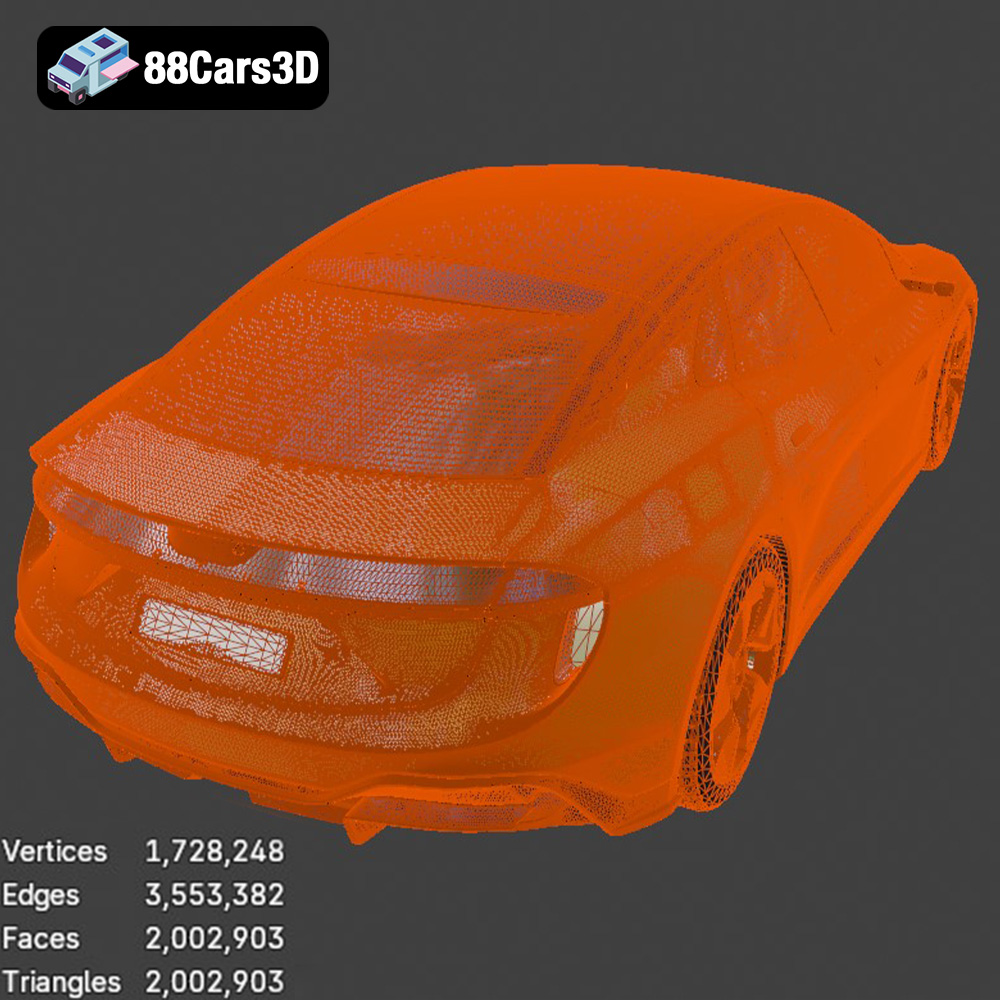
The “clean and efficient geometry” touted for the Lotus Emeya-001 3D model is not just a marketing phrase; it’s a technical specification that dictates performance and flexibility. Well-structured geometry typically means a quad-based mesh with an optimized polygon count. This makes the model easier to subdivide for high-res renders, decimate for game LODs, and deform for animations without visual artifacts. Likewise, clean and organized UV (Texture Coordinate) maps are essential. Good UVs ensure that textures apply correctly without stretching or distortion, and they optimize texture memory usage. For an automotive model, this includes careful unwrapping of complex surfaces like fenders and hoods to avoid seams and maximize texture resolution where it matters most, like on the paintwork or carbon fiber elements.
The 3D production pipeline is rarely linear. It’s an iterative process that benefits immensely from continuous feedback loops. Whether it’s internal reviews with art directors, client approvals, or playtesting game assets, incorporating feedback early and often saves significant time and resources. Tools that allow for quick visualization of changes, like real-time render engines or interactive AR/VR previews, are invaluable for this. A robust 3D model like the Lotus Emeya-001, being flexible across multiple formats and applications, facilitates rapid prototyping and modification, making it easier to implement feedback and refine the digital asset to perfection. This agile approach ensures the final output meets all technical and aesthetic requirements.
In today’s fast-paced digital environment, time is a precious commodity. Creating high-quality 3D assets from scratch demands significant expertise, time, and resources. This is where premium, ready-to-use 3D models like the Lotus Emeya-001 2024 3D Model offer a substantial strategic advantage, empowering creators across various industries to achieve their vision more efficiently and effectively.
The value proposition of purchasing a meticulously crafted 3D model is clear: it allows artists and developers to bypass the most labor-intensive stages of 3D production. Imagine the hundreds of hours required to model the intricate aerodynamics, design the sleek interior, create realistic materials, and unwrap UVs for a vehicle as complex as the Lotus Emeya-001. By acquiring a professionally made asset, these critical foundational steps are already complete. This translates directly into significant time savings, allowing teams to allocate resources to other crucial aspects of their project, such as scene composition, animation, lighting, or gameplay mechanics. For independent creators or small studios, this can mean the difference between realizing an ambitious project or having it remain a concept.
High-quality 3D assets are not just about saving time; they are about enabling new possibilities. When designers have access to an accurate and versatile 3D car model like the Lotus Emeya-001, they can push the boundaries of automotive rendering, create innovative game experiences, develop cutting-edge AR/VR applications, or even explore novel product visualization techniques. The immediate availability of such assets fosters experimentation and accelerates the development cycle, leading to more dynamic and engaging digital content across advertising, entertainment, education, and beyond. Platforms like 88cars3d.com play a crucial role in democratizing access to these professional-grade assets, empowering a wider range of creators to produce world-class digital experiences.
The world of 3D modeling is a confluence of art and technology, where precision, efficiency, and creativity converge. High-quality 3D car models stand at the forefront of this digital revolution, serving as indispensable tools across a multitude of industries. From the meticulous detail required for automotive rendering to the optimized performance demanded by game development, and the immersive potential of AR/VR, the right 3D asset can profoundly impact a project’s success.
The Lotus Emeya-001 2024 3D Model exemplifies this standard of excellence. With its clean geometry, realistic materials, and comprehensive suite of file formats—including .blend, .fbx, .obj, .glb, .stl, .ply, .unreal, and .max—it offers unparalleled versatility and integration into virtually any professional workflow. Whether you are a visualization artist aiming for photorealistic renders in 3ds Max, a game developer crafting the next immersive racing experience in Unreal Engine, or an innovator exploring the frontiers of AR/VR, this model provides a robust and reliable foundation.
Investing in premium 3D assets like the Lotus Emeya-001 from 88cars3d.com is not just a purchase; it’s a strategic decision that saves invaluable time, accelerates production, and elevates the quality of your final output. It empowers creators to focus on their unique vision, confident that their foundational assets are expertly crafted and ready for the demands of modern digital content creation. Embrace the future of automotive design and visualization with assets that truly deliver.
Experience the future of electric hyper-SUVs with our meticulously crafted 3D model of the Lotus Emeya-001. This model captures the innovative design and aerodynamic features of the Emeya, ensuring a realistic representation suitable for a variety of applications. From its sleek lines to its distinctive lighting, every detail has been carefully recreated.
Key Features:
Applications:
Provided File Formats:
Tags:
.lotus, .emeya001, .emeya, .suv, .electricvehicle, .car3dmodel, .rendering, .simulation, .gameasset, .arvr, .blend, .fbx, .obj, .glb, .stl, .ply, .unreal, .max
Tags:
.lotus, .emeya001, .emeya, .suv, .electricvehicle, .car3dmodel, .rendering, .simulation, .gameasset, .arvr, .blend, .fbx, .obj, .glb, .stl, .ply, .unreal, .max
$19.99
.arvr
.blend
.car3dmodel
.electricvehicle
.emeya
.emeya001
.fbx
.gameasset
.glb
.max
.obj
.ply
.rendering
.simulation
.stl
.unreal
lotus
SUV