Get 20% OFF All Premium 3D & STL Models!

In today’s visually-driven digital landscape, the demand for hyper-realistic and technically robust 3D assets has never been higher. From blockbuster video games and cinematic automotive advertisements to cutting-edge AR/VR experiences and precise engineering simulations, high-quality 3D car models are the unsung heroes powering countless professional projects. They offer an unparalleled level of detail and flexibility, allowing creators to bring their visions to life with stunning accuracy and creative freedom.
The journey of a 3D car model from concept to a fully integrated asset involves intricate detailing, meticulous optimization, and an understanding of diverse software ecosystems. It’s a craft that blends artistic flair with technical precision, ensuring that every curve, every reflection, and every interior element contributes to an immersive and believable digital representation. This pursuit of perfection is particularly evident in luxury vehicles, where the subtleties of design and material are paramount.
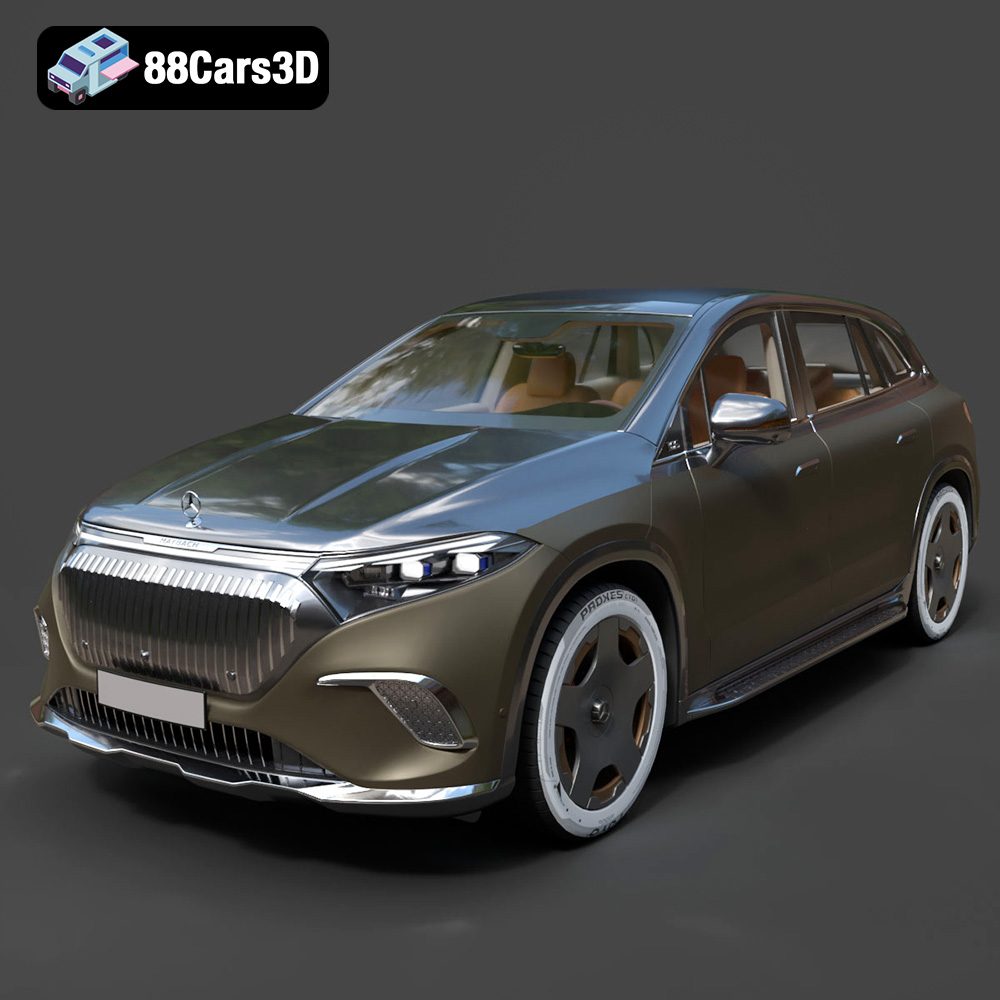
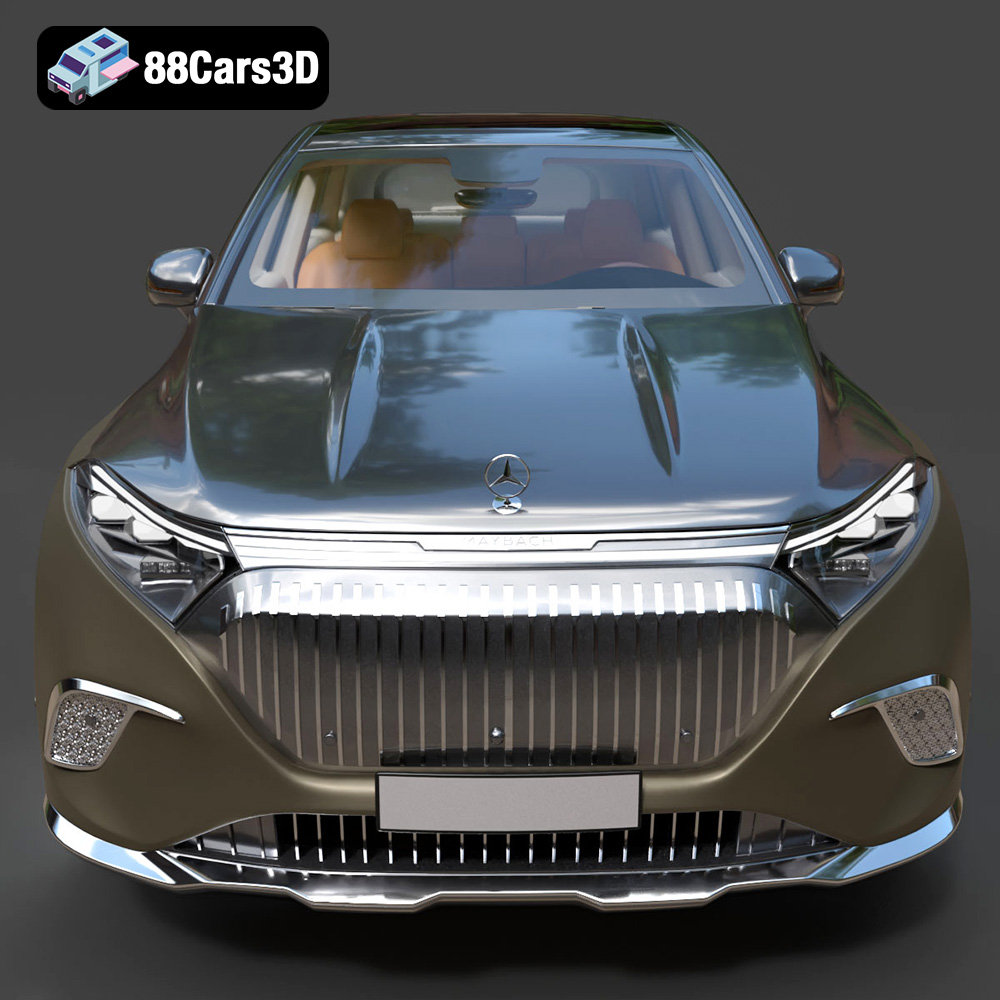
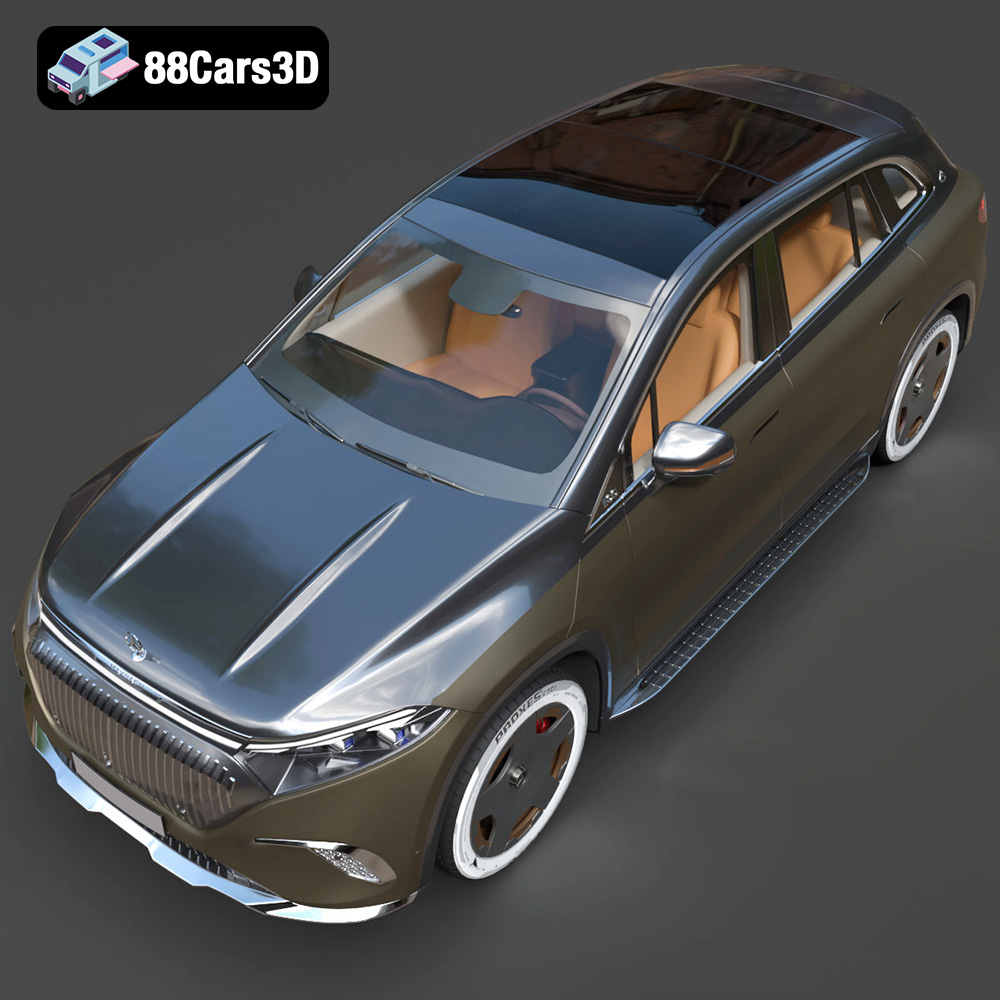
A prime example of such an asset is the Mercedes-Benz EQS SUV Maybach 3D Model. This exceptional digital replica captures the distinctive elegance and formidable presence of the premium electric SUV, making it an invaluable tool for professionals across various industries. Whether you’re a game developer seeking authentic vehicles, an architect integrating high-end cars into visualizations, or a marketer crafting captivating ad campaigns, a model of this caliber provides the foundation for truly remarkable results. It’s a testament to the precision and artistry available on marketplaces like 88cars3d.com, where quality meets versatility.
High-detail 3D car models like the Mercedes-Benz EQS SUV Maybach are not merely static representations; they are dynamic canvases for digital artists and engineers. Their accuracy ensures brand integrity in marketing materials and provides realistic physical properties for simulations. The meticulous attention to detail, from the exterior panel gaps to the intricate stitching of the interior upholstery, elevates a project from ordinary to extraordinary, delivering a truly immersive visual experience.
The creation and deployment of premium 3D models require a deep understanding of both aesthetic principles and technical limitations. Artists must sculpt forms that are both beautiful and geometrically sound, while technical directors ensure these models are optimized for performance across different platforms. This synergy is what enables the Mercedes-Benz EQS SUV Maybach 3D Model to perform flawlessly in diverse applications, from high-fidelity renders to real-time game engines, without compromising its visual integrity.
The world of 3D modeling is rich with various file formats, each designed for specific purposes and workflows. Understanding these formats is crucial for anyone working with 3D assets, as selecting the right one can significantly impact compatibility, performance, and the ease of integration into a project. The Mercedes-Benz EQS SUV Maybach 3D Model from 88cars3d.com thoughtfully provides a comprehensive suite of formats, ensuring its versatility across the digital spectrum.
The `.blend` file is Blender’s native format and is a complete package. It stores not just the 3D mesh data but also all the scene information: materials, textures, lighting setups, cameras, animations, physics simulations, and even custom scripts. For artists and studios primarily working within Blender, the `.blend` file offers maximum flexibility and editability. It’s ideal for those who need to deeply customize the model, tweak its materials, adjust the lighting, or integrate it into complex Blender-based scenes. The Mercedes-Benz EQS SUV Maybach 3D Model, provided as a `.blend` file, means users get a fully editable Blender scene, ready for immediate modification and rendering within the software.
Autodesk’s `.fbx` (Filmbox) format is widely recognized as the industry standard for 3D data exchange, particularly crucial in game development and animation pipelines. It supports geometry, materials (though material definitions can vary across software), animations, skeletal rigs, cameras, and lights. Its robust nature makes it ideal for transferring assets between different 3D applications like 3ds Max, Maya, Blender, and directly into game engines like Unreal Engine and Unity. When downloading the EQS SUV Maybach as an `.fbx`, you’re getting a game-engine-ready asset, optimized for real-time environments, ensuring broad compatibility and efficient integration into most professional pipelines.
The Wavefront `.obj` format is one of the oldest and most universally supported 3D file formats. It’s a simple, text-based format primarily used to store geometric data (vertices, normals, UV coordinates, and faces). Materials are typically referenced in an accompanying `.mtl` (Material Template Library) file. While it lacks support for animations or rigging, its widespread compatibility makes it a safe choice for static mesh transfer between almost any 3D software. For the Mercedes-Benz EQS SUV Maybach, the `.obj` ensures that the detailed geometry can be opened and worked with in virtually any 3D application, offering foundational cross-software compatibility.
`.glb` is the binary version of the glTF (GL Transmission Format) file format, which has rapidly become the standard for 3D content delivery on the web, in augmented reality (AR), and virtual reality (VR) applications. It’s a self-contained single file that bundles geometry, materials, textures, animations, and skeletal information. Its efficiency and optimization for real-time rendering make it perfect for quick loading and display in browsers or mobile AR/VR environments. The EQS SUV Maybach `.glb` file is perfectly suited for showcasing the vehicle in a web viewer, an AR app on a smartphone, or a VR presentation, offering a streamlined and high-performance experience.
The `.stl` (Stereolithography) format is the de facto standard for 3D printing. It represents a 3D model as a series of connected triangles, describing only the surface geometry of an object. Crucially, `.stl` files do not store color, texture, or material information, focusing purely on the physical shape. For engineers, designers, or hobbyists looking to create a physical prototype of the Mercedes-Benz EQS SUV Maybach, the `.stl` file provides the precise mesh data required by 3D printers, enabling rapid prototyping and physical model creation.
The Polygon File Format (`.ply`) is another format for storing 3D data, often used for data from 3D scanners or for CAD applications where precise mesh information is crucial. It can store a wider range of properties than `.stl`, including color, transparency, normals, texture coordinates, and even reliability information for each polygon. This makes `.ply` excellent for archival purposes or for applications requiring a highly detailed and attribute-rich mesh, such as scientific visualization or detailed product analysis of the EQS SUV Maybach.
While not a traditional file format in the same vein as `.fbx` or `.obj`, `.unreal` signifies an asset that has been specifically packaged or pre-configured for direct use within Unreal Engine. This often means the asset, typically an FBX, has already undergone the necessary import process, with materials set up using Unreal’s PBR workflow, textures assigned, and perhaps even collision meshes generated or LODs (Levels of Detail) configured. An `.unreal` asset for the EQS SUV Maybach guarantees a smoother, faster workflow for game developers and real-time visualization artists, minimizing setup time and maximizing engine performance.
Similar to Blender’s `.blend` file, `.max` is the proprietary file format for Autodesk 3ds Max. It contains an entire 3ds Max scene, including geometry, lights, cameras, materials, animations, and render settings. For professionals operating within the 3ds Max ecosystem, the `.max` file offers complete control and editability over the EQS SUV Maybach model. It’s ideal for high-end architectural visualization, complex animations, or integrating the model into existing 3ds Max projects, providing the ultimate flexibility for advanced rendering and animation tasks.
Automotive rendering is a highly specialized field where precision and aesthetic appeal are paramount. High-fidelity 3D car models are the bedrock of stunning visual content, from photorealistic marketing images to engaging cinematic animations. They allow designers and advertisers to showcase vehicles in environments that might be impractical or impossible to achieve in physical photography.
When it comes to marketing a luxury vehicle like the Mercedes-Benz EQS SUV Maybach, every visual detail contributes to the perception of quality and exclusivity. A meticulously crafted 3D model enables marketers to create stunning, photorealistic images and videos that highlight the vehicle’s design language, material finishes, and technological features. Imagine showcasing the EQS SUV Maybach in a pristine, snow-capped mountain range at sunrise, or under the shimmering neon lights of a futuristic city – all without moving a physical car. This level of creative control and visual fidelity is indispensable for modern automotive campaigns, saving immense time and budget compared to traditional photography.
Achieving photorealism in rendering isn’t just about mesh detail; it’s heavily reliant on sophisticated material definitions and realistic lighting. High-quality 3D car models come with PBR (Physically Based Rendering) ready materials, accurately simulating how light interacts with surfaces like metallic paint, polished chrome, leather, and glass. In software like 3ds Max or Blender, artists can then manipulate virtual studio lighting, HDRI environments, and complex render settings to achieve breathtaking results. The Mercedes-Benz EQS SUV Maybach 3D Model, with its realistic materials and professional detailing, is specifically designed to shine in these advanced rendering workflows, allowing for hyper-realistic reflections, refractions, and surface imperfections that make the digital model indistinguishable from its real-world counterpart.
The video game industry and real-time visualization sectors have an insatiable demand for high-quality, optimized 3D assets. Game developers need vehicles that look stunning but also perform efficiently, maintaining smooth frame rates. The rise of real-time engines like Unreal Engine and Unity has democratized access to cinematic-quality visuals, making well-optimized 3D car models essential.
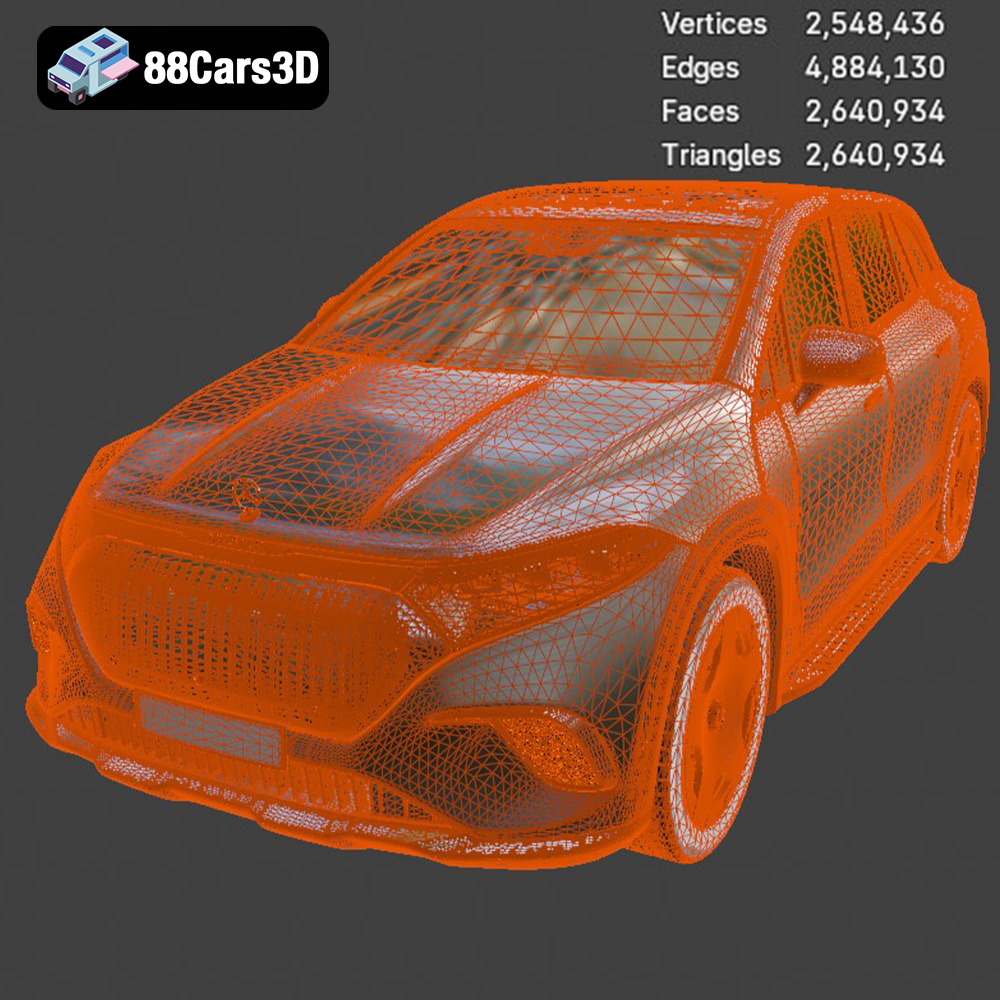
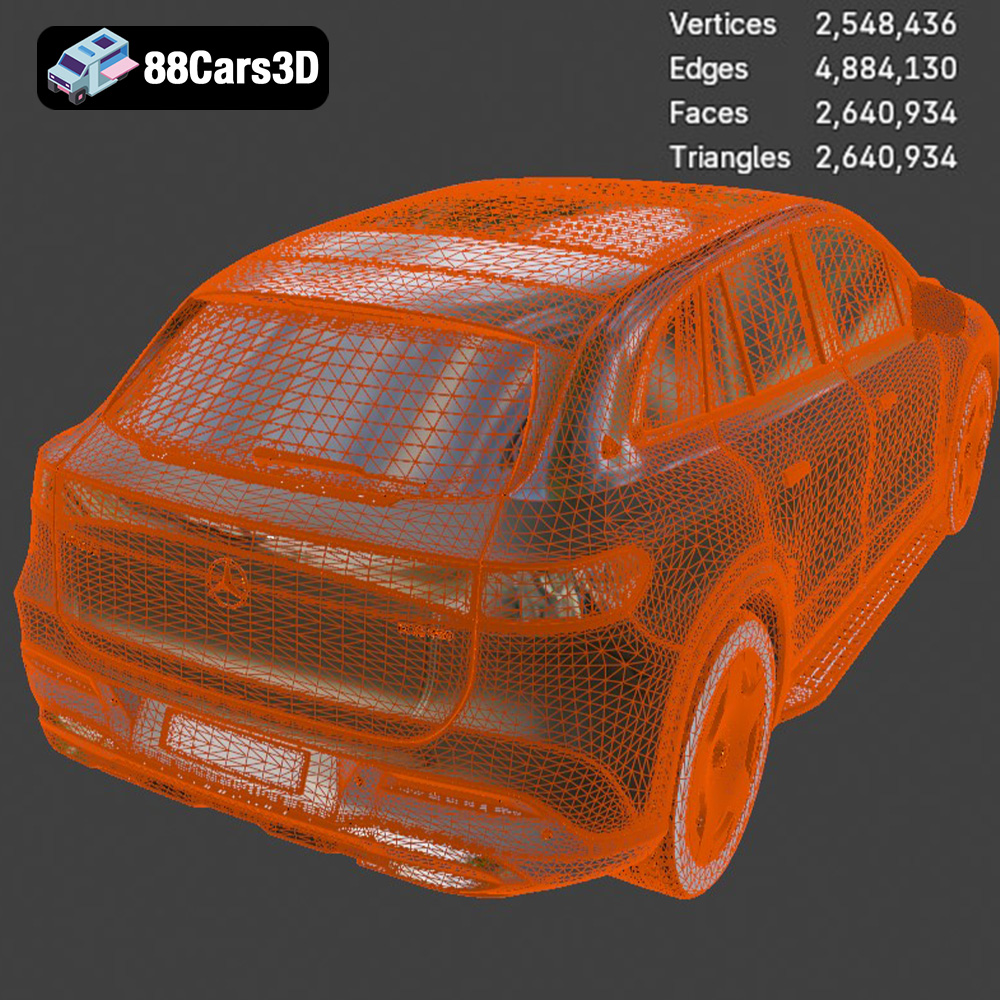
Integrating a complex 3D car model into a game engine requires careful optimization. While a model like the Mercedes-Benz EQS SUV Maybach might have a high polygon count for close-up renders, game developers will often employ LODs (Levels of Detail) – progressively lower poly versions of the model that swap in as the camera moves further away. Textures must be efficiently packed, and materials configured for the engine’s PBR system. The provision of an `.fbx` and a pre-configured `.unreal` file for the EQS SUV Maybach 3D Model directly addresses these needs, offering assets that are ready for immediate integration with minimal fuss. This pre-optimization saves countless hours for development teams, allowing them to focus on gameplay and interactive elements.
Beyond visual fidelity, 3D car models in game engines often require dynamic interaction. This includes accurate collision meshes, physics simulations for suspension and tire deformation, and animated components like doors, wheels, and steering. Game developers can leverage the clean geometry of models from 88cars3d.com to create robust physics assets and rig dynamic elements. Imagine the Mercedes-Benz EQS SUV Maybach traversing varied terrain in an open-world game, with its suspension reacting realistically to bumps and turns, or its interior lights illuminating as the player opens a door – these interactive details are built upon a solid, well-structured 3D model.
The utility of high-quality 3D car models extends far beyond traditional rendering and game development. They are foundational assets for emerging technologies like Augmented Reality (AR), Virtual Reality (VR), and even physical fabrication through 3D printing. These applications demand specific technical considerations to ensure performance, accuracy, and usability.
AR and VR are transforming how we interact with digital content, offering immersive experiences that blend virtual objects with the real world or transport users to entirely new realities. For automotive applications, this means potential customers can “try on” a new car in their driveway via AR, or experience its interior in full 3D VR. The Mercedes-Benz EQS SUV Maybach 3D Model, provided in the `.glb` format, is perfectly optimized for these types of experiences. The `.glb` format ensures efficient loading and rendering on mobile devices and VR headsets, allowing for smooth, interactive viewing of the detailed exterior and interior. This capability is invaluable for automotive configurators, virtual showrooms, and training simulations, offering an unparalleled level of engagement.
For engineers, designers, and hobbyists, 3D printing offers a tangible bridge between the digital and physical realms. Creating physical prototypes of vehicles, even at a smaller scale, allows for design validation, aerodynamic testing, or simply creating collectible models. The `.stl` and `.ply` formats provided for the EQS SUV Maybach 3D Model are crucial here. The `.stl` file offers the triangulated mesh required by virtually all 3D printers, enabling the production of precise physical replicas. The `.ply` file, with its potential for richer data, can be used for more advanced analysis or for producing models with additional properties like vertex colors, if the printer supports it. This versatility underscores the practical applications of a well-prepared 3D asset from 88cars3d.com, transforming digital concepts into physical realities.
Professional 3D artists and developers operate within diverse software ecosystems, each with its strengths and preferred workflows. A truly versatile 3D asset must be compatible and optimized for seamless integration into these various environments. The Mercedes-Benz EQS SUV Maybach 3D Model caters to these demands by offering files tailored for industry-leading applications.
Autodesk 3ds Max remains a powerhouse in architectural visualization, product design, and cinematic rendering. Its robust modeling tools, advanced rendering engines (like V-Ray and Corona Renderer), and comprehensive animation capabilities make it a preferred choice for creating high-fidelity visual content. When working with the Mercedes-Benz EQS SUV Maybach 3D Model in 3ds Max, professionals can leverage the native `.max` file. This provides a fully editable scene, allowing artists to fine-tune materials, integrate the vehicle into architectural scenes with precise lighting, and create complex camera animations for photorealistic showcases. The clean geometry of the model ensures compatibility with modifiers and plugins, making it a flexible asset for even the most demanding 3ds Max projects.
Blender has emerged as a formidable contender in the 3D space, offering a powerful, open-source solution for modeling, sculpting, animation, and rendering. Its intuitive interface and extensive feature set, backed by a vibrant community, appeal to a wide range of artists. The Mercedes-Benz EQS SUV Maybach 3D Model’s `.blend` file is a boon for Blender users. It means the model comes with materials and potentially a lighting setup already configured within Blender, enabling immediate rendering with Cycles or Eevee. Artists can easily modify the model, apply new textures, or integrate it into complex scenes, benefiting from Blender’s powerful procedural tools and real-time viewport capabilities. This direct Blender compatibility significantly streamlines the workflow for independent artists and studios utilizing the platform.
Unreal Engine has revolutionized real-time rendering, offering cinematic quality visuals for games, virtual production, architectural walkthroughs, and interactive experiences. Its sophisticated material editor, robust lighting system (including Lumen and Nanite), and extensive Blueprint scripting capabilities provide an unparalleled environment for creating immersive digital worlds. The provision of the Mercedes-Benz EQS SUV Maybach 3D Model in both `.fbx` and pre-configured `.unreal` formats makes it an ideal asset for Unreal Engine projects. The `.fbx` offers a foundational import, while the `.unreal` asset can dramatically cut down on setup time, ensuring that the model’s materials are correctly implemented and optimized for the engine’s rendering pipeline. This allows developers to drop the EQS SUV Maybach directly into their virtual environments, immediately benefiting from its high detail and realistic presentation within a real-time context.
In a crowded digital marketplace, the differentiation comes down to quality, versatility, and technical robustness. 88cars3d.com has established itself as a reliable source for premium 3D car models that meet the rigorous standards of professional production environments. The Mercedes-Benz EQS SUV Maybach 3D Model exemplifies this commitment to excellence.
Every model on 88cars3d.com is crafted with an obsessive attention to detail. For the Mercedes-Benz EQS SUV Maybach, this means capturing every elegant curve, every distinctive design element, and the prominent stance of the luxury SUV. The exterior is meticulously crafted, and crucially, the interior is fully modeled, ensuring true-to-life representation suitable for close-up shots and immersive environments. This level of realism is what transforms a simple 3D object into a compelling digital asset, providing unparalleled visual fidelity for automotive rendering and beyond.
The true value of a 3D model lies in its adaptability. The Mercedes-Benz EQS SUV Maybach 3D Model is provided in a multitude of formats – including .blend, .fbx, .obj, .glb, .stl, .ply, .unreal, and .max. This extensive format support guarantees that whether you’re working in Blender, 3ds Max, Unreal Engine, or need it for AR/VR, 3D printing, or web visualization, the model is ready to integrate. This flexibility saves valuable time and resources, eliminating the need for complex conversions or re-texturing, and allowing artists and developers to focus on their creative goals rather than technical hurdles. This commitment to versatility is a hallmark of 88cars3d.com, ensuring that professionals find exactly what they need for their specific workflows.
The journey through the intricate world of 3D car models reveals a fascinating intersection of art, engineering, and digital innovation. From the foundational understanding of diverse file formats to their sophisticated deployment in automotive rendering, game development, AR/VR, and 3D printing, high-quality assets are indispensable tools for modern creative and technical professionals. The demand for realism, optimization, and seamless integration continues to drive the evolution of these digital masterpieces.
The Mercedes-Benz EQS SUV Maybach 3D Model stands as a testament to this evolution. Its meticulously crafted exterior, fully modeled interior, realistic materials, and clean geometry, combined with its availability in a comprehensive range of file formats, positions it as a premier asset for any serious project. Whether you’re aiming for photorealistic marketing visuals in 3ds Max, building an immersive driving experience in Unreal Engine, prototyping with a 3D printer, or creating an interactive AR presentation, this model provides the robust foundation you need.
Investing in high-quality 3D car models from trusted sources like 88cars3d.com is an investment in efficiency, visual excellence, and the ability to push the boundaries of digital creativity. They empower artists and developers to realize their most ambitious visions, transforming complex technical challenges into stunning visual realities. As the digital landscape continues to expand, the role of such sophisticated 3D assets will only grow, cementing their status as essential components in the toolkit of every forward-thinking professional.
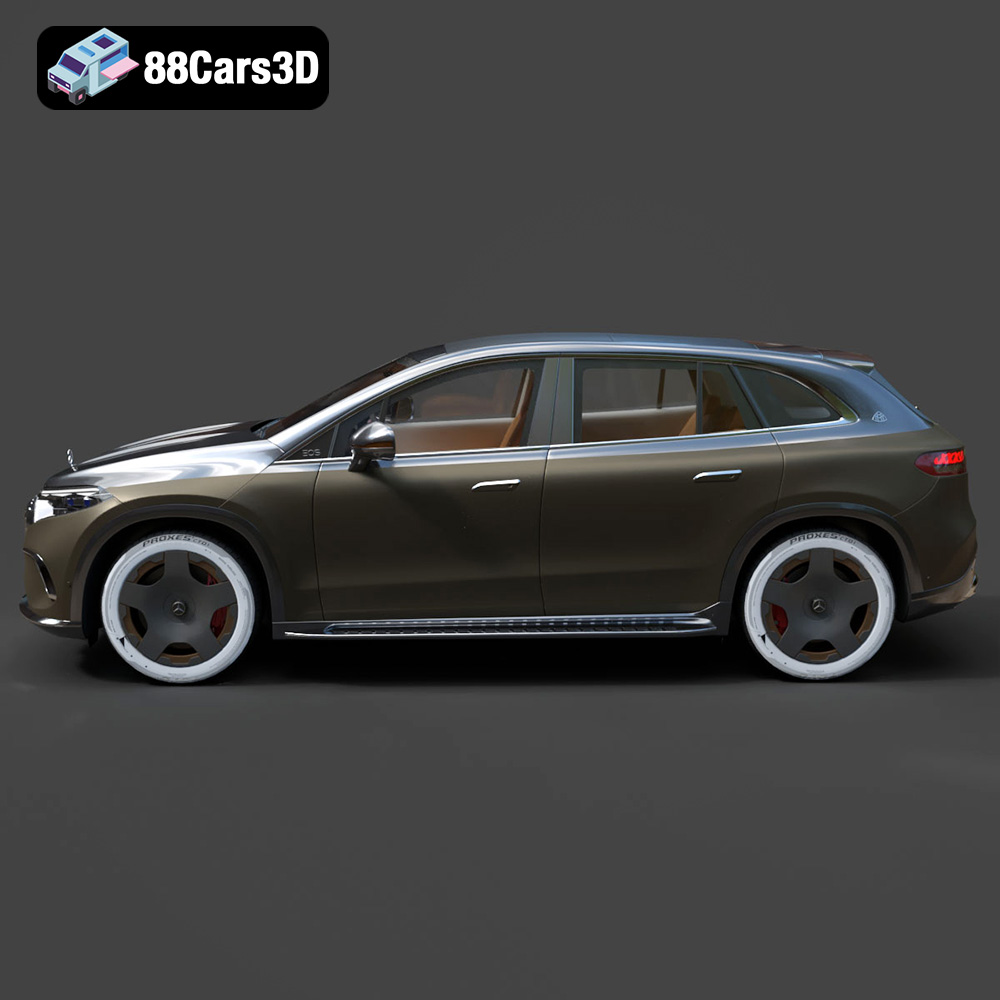
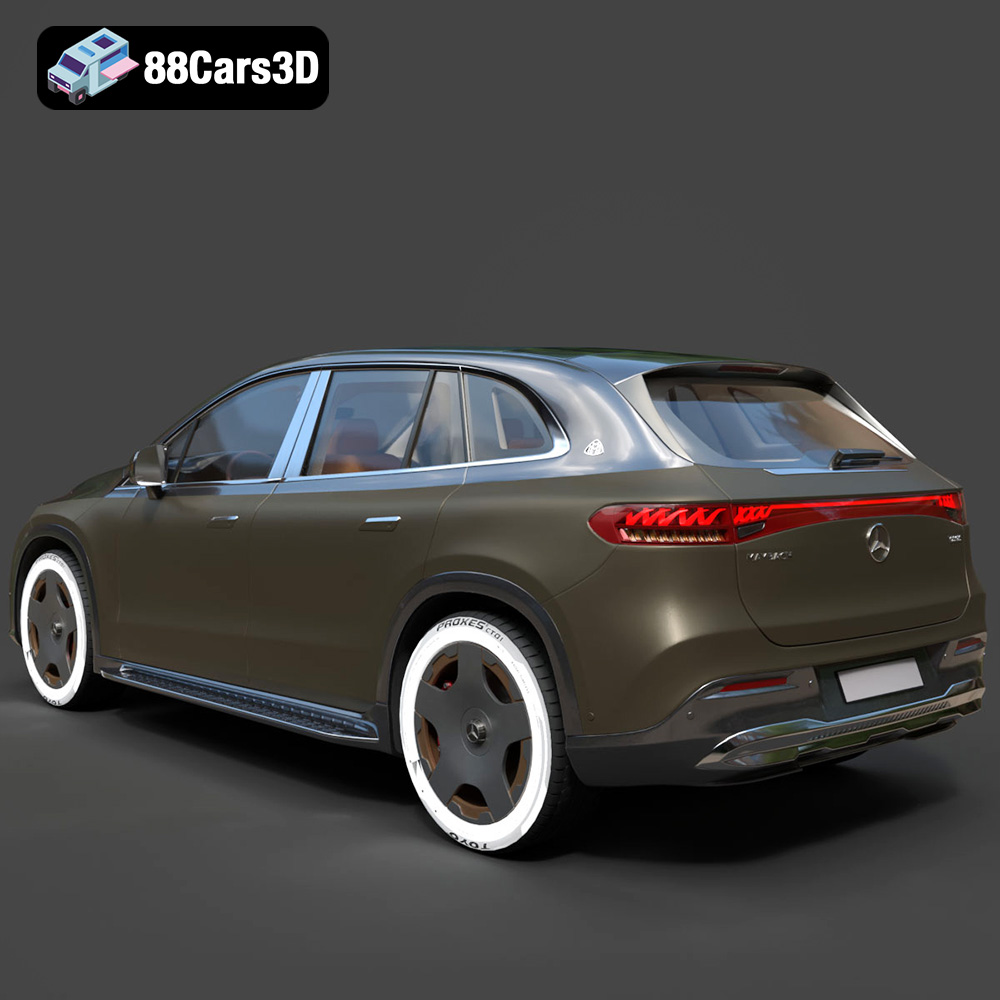
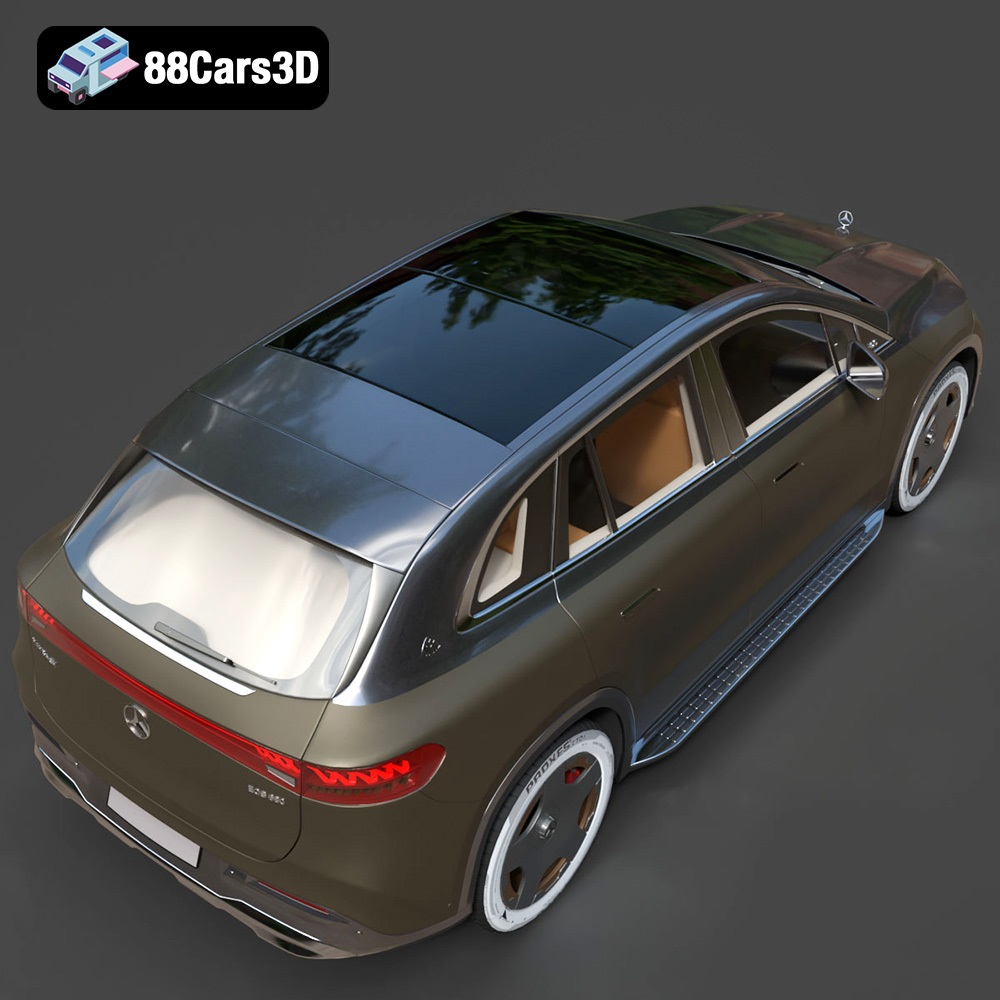
Discover the Mercedes-Benz EQS SUV Maybach 3D Model, a realistic and detailed digital replica of the premium electric vehicle. This model captures the distinct design elements, elegant curves, and prominent stance of the luxury SUV. The asset features clean geometry, realistic materials, and professional detailing. With a meticulously crafted exterior and a fully modeled interior, it ensures a true-to-life representation suitable for close-up shots and immersive environments. Ideal for various digital projects, this 3D model is excellent for game development, automotive rendering, AR/VR experiences, and architectural visualization.
$19.99
.arvr
.blend
.car3dmodel
.electricvehicle
.eqs
.ev
.fbx
.gameasset
.glb
.luxurysuv
.max
.maybach
.mercedesbenz
.obj
.ply
.rendering
.simulation
.stl
.unreal
SUV