Get 20% OFF All Premium 3D & STL Models!

In the rapidly evolving landscape of digital content creation, the demand for realistic and versatile 3D assets has never been higher. From breathtaking cinematic renders to immersive real-time game environments and interactive AR/VR experiences, high-quality 3D car models are fundamental tools for professionals across various industries. These digital replicas are more than just static objects; they are dynamic components that bring projects to life, offering unparalleled detail and flexibility.
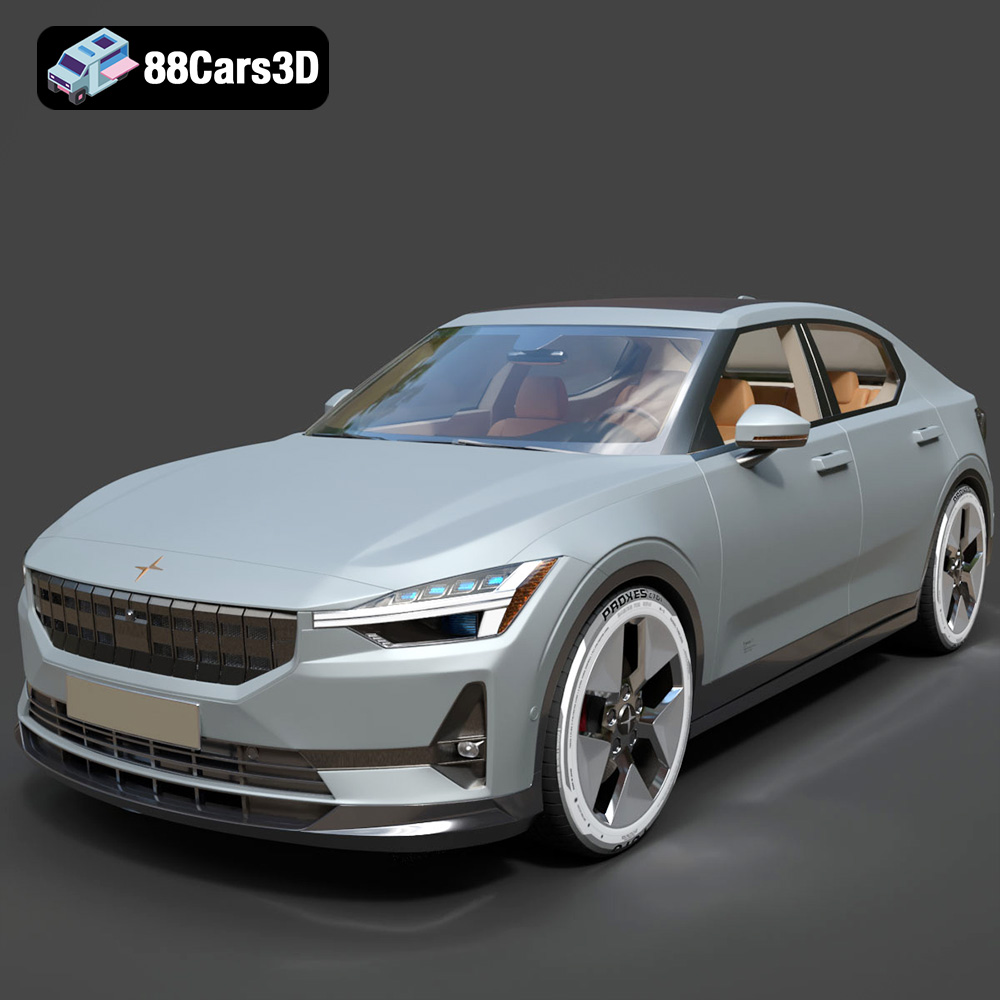
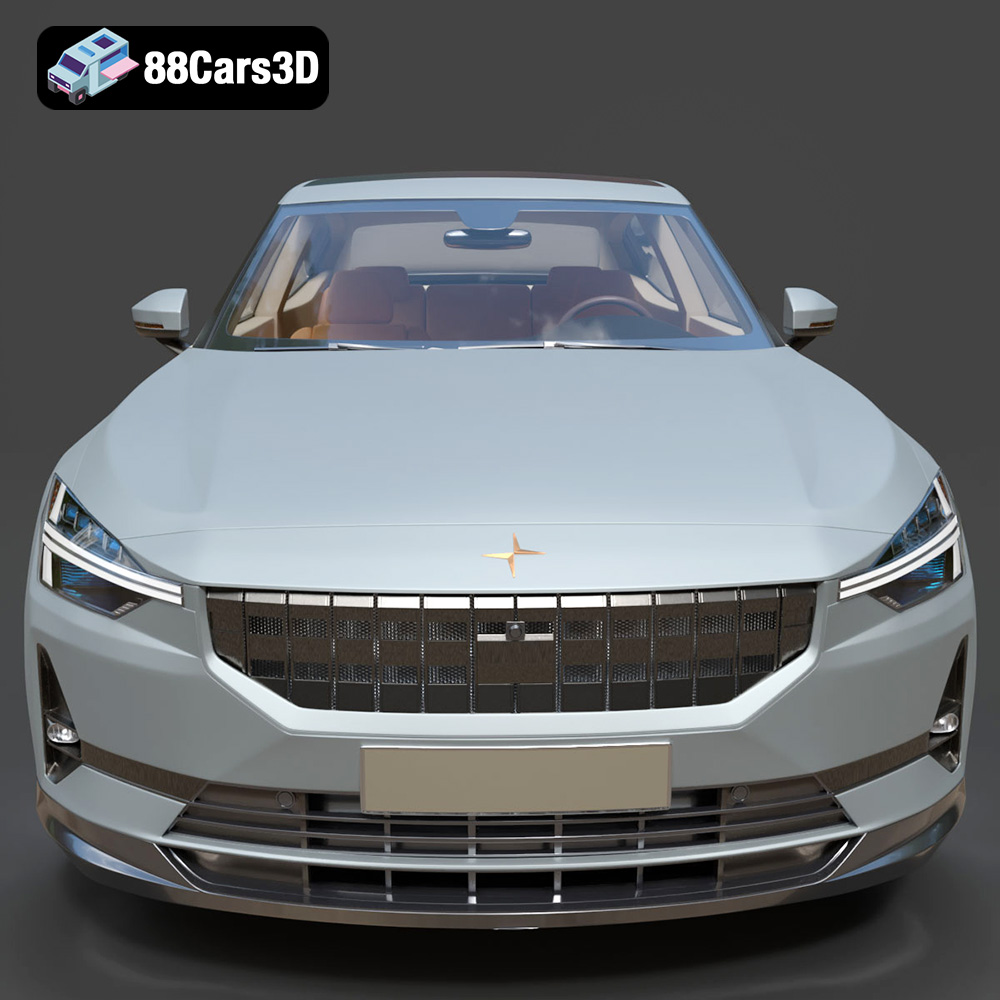
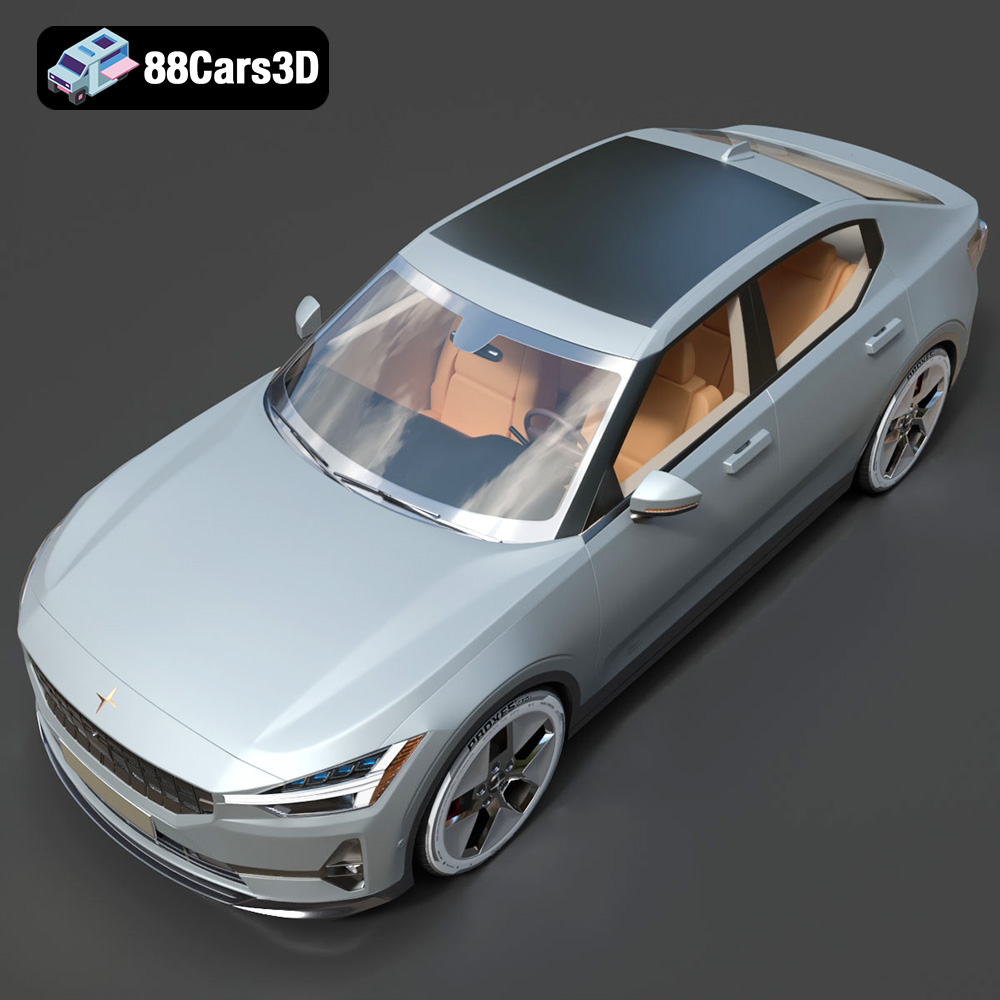
The mastery of creating and integrating these assets is a cornerstone of modern digital design, impacting everything from product visualization to virtual training simulations. When a model captures the essence and intricate details of its real-world counterpart, it elevates the entire project. Consider the sleek lines and innovative spirit of the Polestar 2 2023, an electric fastback that embodies modern automotive design. Having a meticulously crafted 3D model of such a vehicle, like the one available on 88cars3d.com, opens up a world of creative possibilities, allowing designers and developers to integrate this cutting-edge car into diverse digital scenarios with exceptional realism.
This article will delve into the technical intricacies and professional applications of high-fidelity 3D car models, exploring how they empower automotive rendering, game development, AR/VR, and beyond. We’ll examine the critical role of file formats, discuss specific workflows in leading software, and highlight how a premium asset like the Polestar 2 2023 3D Model can become an indispensable part of your creative toolkit.
The versatility of a 3D model often lies in its availability across various file formats, each optimized for specific applications and software environments. Understanding these formats is crucial for professionals to ensure seamless integration, optimal performance, and maximum fidelity in their projects. The Polestar 2 2023 3D Model, for instance, offers a comprehensive suite of formats, catering to almost any digital pipeline.
The .blend format is native to Blender, a powerful open-source 3D creation suite. A .blend file typically encapsulates an entire scene, including mesh data, materials, textures, lighting, cameras, animations, and even physics simulations. Its primary advantage is retaining full editability within Blender, making it ideal for artists who primarily work in this software. For the Polestar 2 model, the .blend file provides a fully set up scene, allowing users to dive in and immediately begin rendering or modifying the asset with all materials and lighting pre-configured. This format is perfect for advanced customization, animation, or generating custom renders.
.fbx (Filmbox) is an Autodesk-developed proprietary file format widely considered the industry standard for exchanging 3D data between different software applications and game engines. It supports geometry, materials, textures, animations, and rigging. Its strength lies in its excellent compatibility with Unreal Engine, Unity, 3ds Max, Maya, and many other DCC (Digital Content Creation) tools. For the Polestar 2 3D Model, the .fbx version is optimized for real-time pipelines, ensuring efficient poly counts and correctly baked normals, making it game-engine ready without extensive rework.
The .obj (Wavefront OBJ) format is one of the oldest and most widely supported 3D file formats. It is a simple, plain-text format that describes the geometry of a 3D object (vertices, normals, texture coordinates, and faces). While it doesn’t typically store advanced scene information like animations or complex materials directly, it excels in universal compatibility. Almost every 3D software can import and export .obj files, making it an excellent fallback or starting point for cross-software projects. It’s robust for transferring mesh data and UV maps, which can then be paired with PBR textures in the target application.
.glb (GL Transmission Format Binary) is the binary version of glTF, a royalty-free specification for the efficient transmission and loading of 3D scenes and models by applications. .glb files are highly optimized for web-based applications, augmented reality (AR), and virtual reality (VR) due to their compact size and ability to embed textures and animations directly within a single file. This makes them perfect for showcasing the Polestar 2 model in a browser-based configurator or an AR app, providing quick loading times and excellent visual quality on mobile devices.
.stl (Stereolithography) is the de facto standard file format for 3D printing. It represents a 3D object as a raw, unstructured triangular mesh, describing only the surface geometry of a 3D object without any color, texture, or material information. The Polestar 2 model in .stl format is specifically prepared for physical prototyping, allowing enthusiasts and professionals to bring the digital car into the physical world through 3D printing, whether for scale models or functional parts.
The .ply (Polygon File Format or Stanford Triangle Format) is another format for storing 3D data, particularly useful for scanned data and precision meshes. It can store a variety of properties including color, transparency, normals, texture coordinates, and scalar values. .ply is often favored in scientific and engineering applications, as well as for detailed analysis or reconstruction of complex geometries. For the Polestar 2 3D Model, the .ply format offers a precise mesh representation, suitable for CAD integration or detailed structural analysis.
The .unreal format, while not a native file extension in the traditional sense, refers to assets specifically configured and optimized for direct import and use within Unreal Engine. This typically means the asset has been exported with Unreal-specific settings, including appropriate scaling, pivot points, material setups (often with placeholder PBR materials), and LODs (Levels of Detail). The Polestar 2 3D Model, offered as an .unreal package, significantly streamlines the workflow for Unreal Engine developers, saving hours of conversion and optimization time, and ensuring seamless integration into virtual production or game environments.
The .max format is the native file type for Autodesk 3ds Max, a leading software for 3D modeling, animation, rendering, and visualization. Like .blend, a .max file contains all scene data, including geometry, materials, textures, lighting, cameras, and animation curves. It’s the go-to format for 3ds Max users who require full control over the model, its rig, materials, and scene setup for high-fidelity rendering or complex animations. The Polestar 2 2023 3D Model in .max format provides complete access to the original project files, enabling deep customization and professional-grade rendering.
Automotive rendering is a specialized field where the accuracy and quality of 3D car models directly translate into compelling visuals. High-quality 3D car models are the foundation for creating photorealistic imagery for marketing, design reviews, and conceptual presentations. The Polestar 2 2023 3D Model exemplifies the type of asset that empowers artists to achieve stunning results.
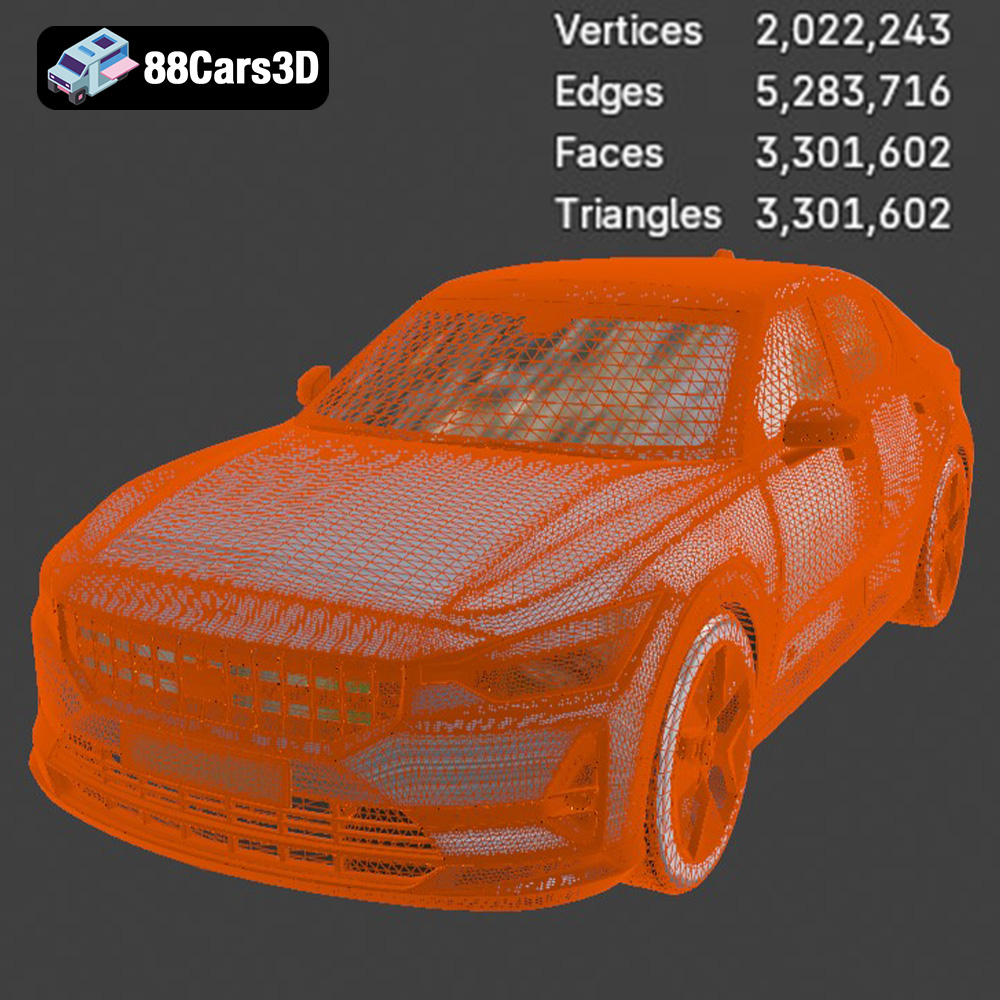
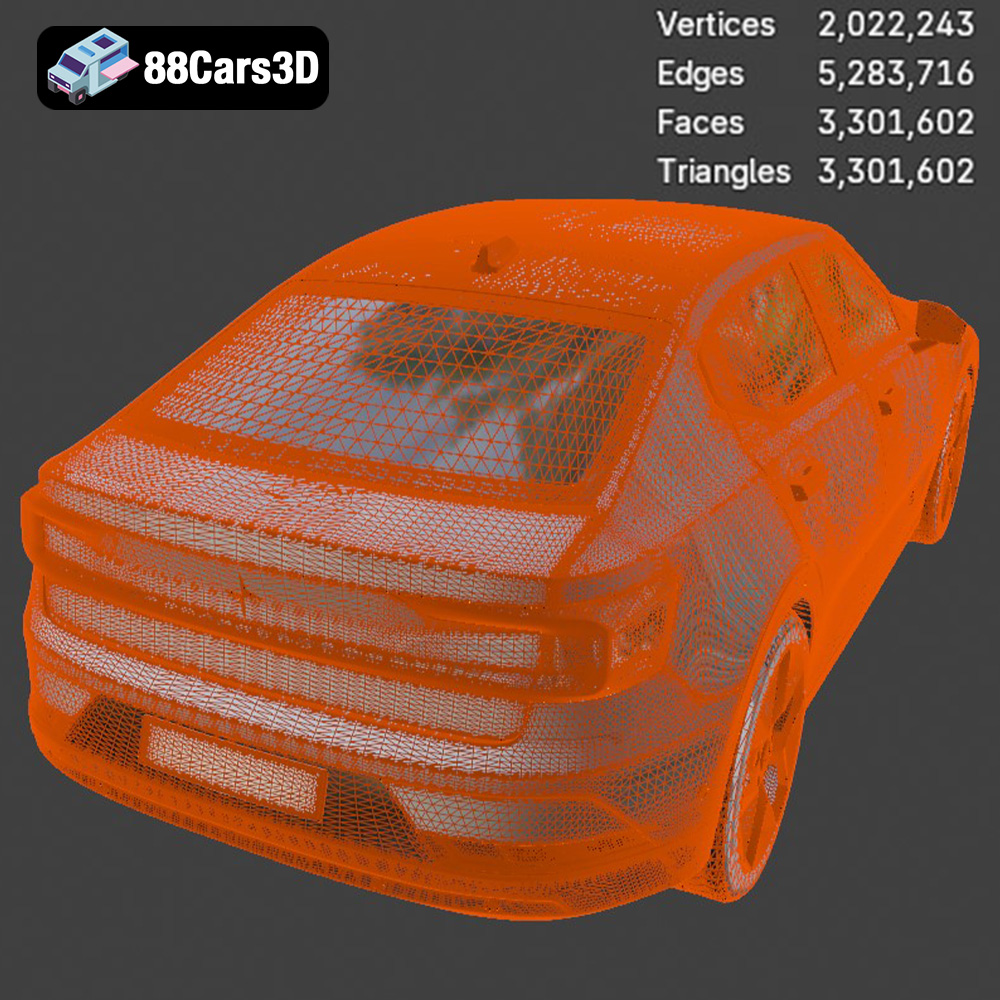
For many automotive visualization studios, 3ds Max, coupled with renderers like V-Ray or Corona Renderer, is the industry standard. The Polestar 2 3D Model, provided in the .max format, offers a complete foundation. Artists can import the model, which typically features clean topology and meticulously unwrapped UVs, essential for applying high-resolution textures without distortion. The included PBR (Physically Based Rendering) materials—paint, glass, rubber, chrome—are often pre-configured, requiring minimal adjustments. Leveraging V-Ray’s advanced lighting setups, such as HDRI (High Dynamic Range Imaging) environment maps and specific studio lighting rigs, artists can simulate real-world conditions. This allows for stunning reflections on the Polestar 2’s bodywork, accurate light refraction through its windows, and realistic material interactions, crucial for marketing campaigns or design presentations.
Blender has gained significant traction in the professional rendering space, offering two powerful rendering engines: Cycles for photorealism and Eevee for real-time results. With the Polestar 2 2023 3D Model’s .blend file, artists can directly access the model with its materials and lighting already configured. In Cycles, the model’s clean mesh allows for subdivision surface modifiers to achieve even smoother curves without increasing base poly count, while the PBR materials interact realistically with light bounces. Eevee, on the other hand, enables rapid iteration and animation previews, making it an excellent choice for dynamic presentations or showcasing different material variations on the Polestar 2 in real-time. This flexibility caters to diverse project needs, from high-end still images to animated sequences.
Even the most stunning raw renders benefit from post-production. After rendering the Polestar 2 model in a chosen environment, artists typically take the output into compositing software like Adobe Photoshop or Nuke. Here, rendered passes (such as reflection, diffuse, specular, and depth) can be combined and adjusted. Techniques like color grading, adding subtle atmospheric effects, lens flares, and motion blur can dramatically enhance the realism and emotional impact of the final image. This stage is critical for integrating the Polestar 2 seamlessly into photographic backplates or complex digital scenes, ensuring it looks like it belongs in the environment rather than simply being placed there.
In game development, the balance between visual fidelity and performance is paramount. High-quality 3D car models like the Polestar 2 2023 must be optimized for real-time environments, offering stunning visuals without compromising frame rates. This requires careful attention to polygon count, texture atlasing, and LODs.
Unreal Engine is a powerhouse for creating immersive games and real-time simulations. The Polestar 2 3D Model, with its dedicated .unreal and .fbx formats, is designed for seamless integration. Developers can import the .fbx file, which typically includes pre-optimized meshes and a sensible hierarchy. Materials are then configured using Unreal’s robust PBR material system, often by linking the provided texture maps (albedo, normal, roughness, metallic, ambient occlusion). For optimal performance, developers would implement multiple Levels of Detail (LODs) for the Polestar 2, ensuring that distant objects use lower-polygon versions to save on rendering resources. Furthermore, collision meshes are crucial for realistic physics interactions within the game world, allowing the car to interact naturally with environments and other vehicles. The pre-configured .unreal asset significantly reduces setup time, allowing for quick deployment into racing simulations or open-world games.
Unity is another leading game engine known for its versatility and ease of use, particularly for mobile games, AR/VR, and interactive applications. Similar to Unreal, the Polestar 2 3D Model in .fbx format is the ideal starting point. Upon import, Unity’s PBR workflow allows for the assignment of textures and materials, ensuring the car looks fantastic within the engine. Developers would typically set up car physics using Unity’s built-in wheel colliders and joint systems, creating a realistic driving experience. Scripting in C# would then control acceleration, braking, steering, and other vehicle dynamics. The clean geometry of the Polestar 2 model facilitates the addition of visual effects like tire smoke, dust particles, and dynamic lighting, enhancing the player’s immersion.
Regardless of the engine, optimization is key. For a detailed 3D car model like the Polestar 2, generating various LODs is critical. This involves creating simplified versions of the model that are swapped in based on the camera’s distance, drastically reducing the polygon count rendered at any given time. Texture atlasing—combining multiple smaller textures into a single, larger texture—reduces draw calls, further improving performance. Efficient UV mapping, which the Polestar 2 3D Model excels in, is essential for these optimization techniques, ensuring textures remain crisp across all LODs and resolutions. These technical considerations ensure that the Polestar 2 performs exceptionally in any real-time game or interactive application.
The utility of high-quality 3D car models extends far beyond traditional rendering and game development, venturing into cutting-edge fields like augmented and virtual reality, detailed simulations, and even physical prototyping through 3D printing.
Augmented Reality (AR) and Virtual Reality (VR) are revolutionizing how we interact with digital content. Imagine placing the Polestar 2 2023 virtually in your driveway via an AR app, or exploring its meticulously detailed interior in a VR showroom. The .glb format, specifically optimized for AR/VR and web-based applications, is invaluable here. Its compact nature and embedded textures allow for quick loading times on mobile devices and VR headsets, delivering a smooth and interactive experience. Businesses can leverage these experiences for interactive product showcases, virtual test drives, or even remote design collaboration, allowing stakeholders to examine the Polestar 2 from any angle, anywhere in the world, in a truly immersive way.
Precision and accuracy are paramount in simulation and training. Whether it’s for autonomous vehicle development, driver training simulators, or forensic reconstruction, a highly accurate 3D model is crucial. The Polestar 2 3D Model, with its detailed geometry and clean topology, provides a robust foundation for these applications. In a driving simulator, the model’s accurate dimensions and proportions ensure realistic handling and spatial awareness. For autonomous vehicle AI training, the model can be integrated into virtual environments, providing a realistic representation for sensor data simulation and algorithm testing. The .ply format, known for its precision, could be utilized in scenarios requiring detailed geometric analysis or integration into specific simulation frameworks.
Bringing digital designs into the physical world is another powerful application. The .stl format of the Polestar 2 3D Model is specifically tailored for 3D printing. Designers can use this file to print scale models of the Polestar 2, perhaps for a physical design review, a desktop collectible, or as part of a larger diorama. While the .stl format typically doesn’t carry color information, the underlying mesh ensures that the physical print accurately reflects the curves and contours of the digital model. This capability is invaluable for rapid prototyping, concept validation, and creating tangible representations of digital assets.
The true value of a professional-grade 3D model lies not just in its raw quality, but in its ability to integrate seamlessly into diverse professional workflows. The Polestar 2 2023 3D Model, with its multiple file formats and meticulous design, empowers artists and developers to streamline their projects.
Architectural visualization often requires integrating vehicles into scenes to provide scale, context, and a sense of realism. Imagine an arch-viz artist needing to place a contemporary electric vehicle in front of a sleek, modern building. The Polestar 2 3D Model is an ideal choice. Using its .fbx or .max format, the artist can import it into 3ds Max, Blender, or even directly into Unreal Engine for real-time architectural walkthroughs. The model’s realistic materials and accurate scale instantly elevate the scene, making the visualization more believable and engaging. Subtle environmental reflections on the Polestar 2’s surface, reflecting the building or surrounding landscape, add another layer of authenticity to the architectural rendering.
For automotive manufacturers and dealerships, interactive product showcases are becoming increasingly important. Using the Polestar 2 3D Model, a developer could create a web-based configurator where customers can customize paint colors, wheel options, and interior trims in real-time. The .glb format would be perfect for such an application, ensuring fast loading times and smooth interaction directly within a web browser. Alternatively, a high-end VR experience built with Unreal Engine and the .unreal asset could allow potential buyers to “sit” inside the Polestar 2, explore its features, and even take a virtual test drive, providing an unparalleled pre-purchase experience.
In animation and visual effects (VFX), detailed and animation-ready models are non-negotiable. The Polestar 2 2023 3D Model’s clean topology, often with proper edge loops, makes it suitable for deformation and animation. Using the .max or .blend files, animators can rig the car for various movements, such as suspension compression, wheel rotation, and door openings. The detailed interior, often included, allows for shots that transition from exterior to interior views seamlessly. For VFX shots, the model can be integrated into live-action footage, meticulously matched with lighting and camera angles to create believable digital doubles of the actual car for commercials or film sequences.
In a competitive digital landscape, the difference between good and great often comes down to the quality of the assets used. Investing in high-quality 3D car models like the Polestar 2 2023 is not merely an expense, but a strategic decision that drives efficiency, elevates visual standards, and enhances creative possibilities across all sectors.
Creating a highly detailed and optimized 3D car model from scratch is an incredibly time-consuming and resource-intensive process, often requiring hundreds of hours from skilled 3D artists. By utilizing pre-made, professional-grade 3D car models, designers and developers can significantly reduce their production timelines and allocate their valuable resources to other critical aspects of their projects. The Polestar 2 2023 3D Model, ready with multiple formats and materials, eliminates the need for extensive modeling and texturing work, allowing for immediate integration.
The level of detail, accurate geometry, and realistic materials found in premium 3D models are difficult to replicate without significant expertise. These models are crafted by experienced artists who understand the nuances of automotive design and the technical demands of various rendering and real-time engines. This ensures that the final output, whether an automotive rendering, a game asset, or an AR experience, achieves a professional level of visual fidelity that impresses clients and engages audiences. The authenticity of the Polestar 2’s design is truly captured in its digital representation, making it a valuable asset for any project.
A well-prepared 3D car model comes with multiple file formats, catering to a wide array of software and platforms. This versatility ensures that the same high-quality asset can be deployed in diverse projects, from photorealistic marketing renders to interactive game environments and 3D print prototypes. This multi-purpose utility maximizes the return on investment and provides creative freedom, a hallmark of assets found on platforms like 88cars3d.com.
The digital realm thrives on realism and immersion, and high-quality 3D car models are at the forefront of this evolution. From the meticulous crafting of geometry and materials to the careful selection of file formats for diverse applications, every technical detail contributes to the overall success of a project. Whether it’s for breathtaking automotive rendering, high-performance game assets, immersive AR/VR experiences, or precision 3D printing, the right 3D model serves as a cornerstone for innovation.
The Polestar 2 2023 3D Model stands as a prime example of a meticulously engineered digital asset, ready to integrate into virtually any professional workflow. Its clean topology, accurate geometry, and extensive format support underscore the value of investing in premium 3D car models. By leveraging such assets, creators can focus on their artistic vision and technical execution, secure in the knowledge that their foundational content is of the highest caliber. Explore the possibilities and elevate your projects with exceptional 3D models available at 88cars3d.com.
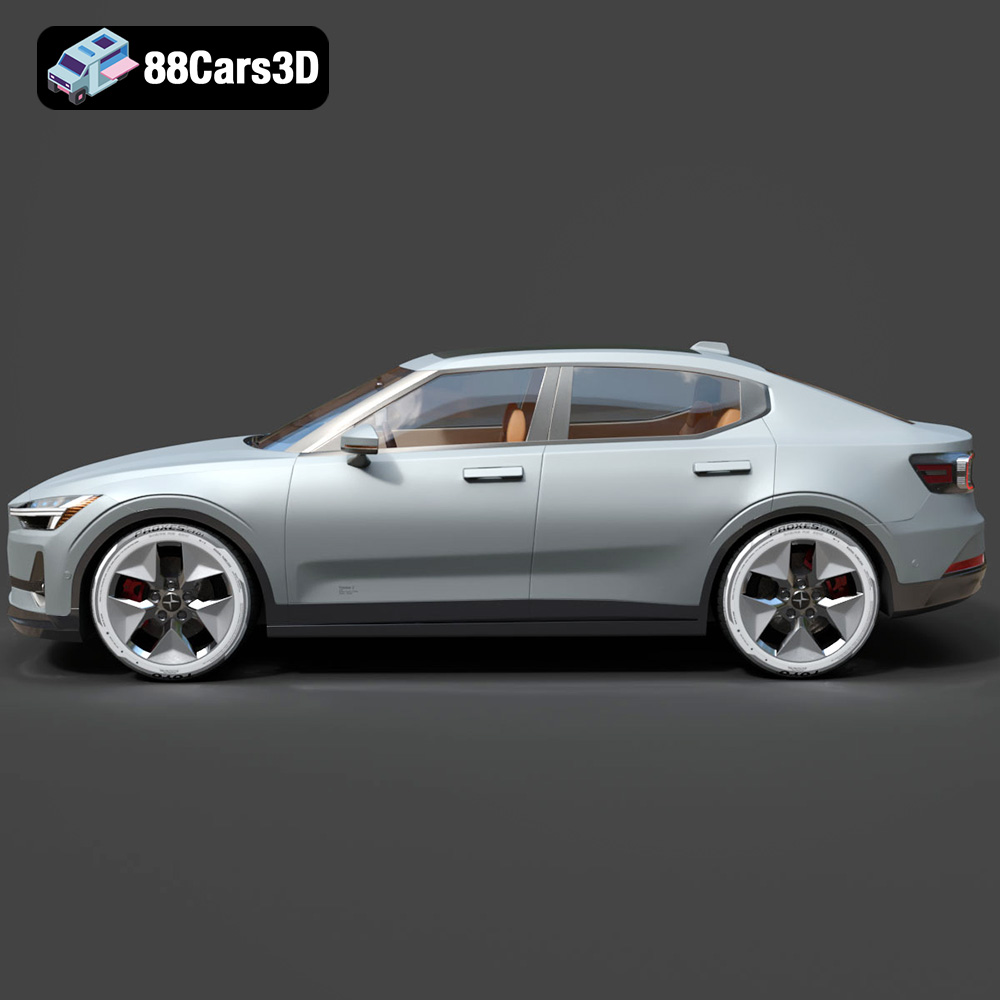
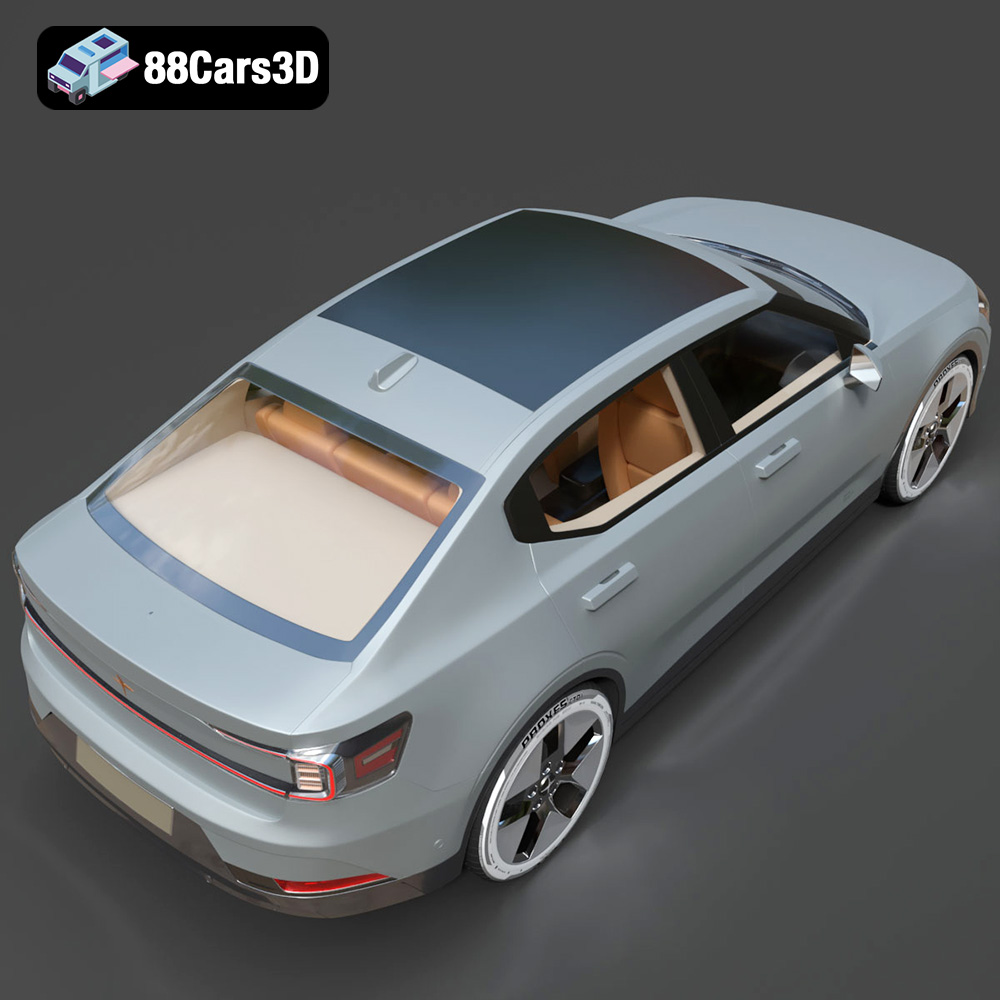
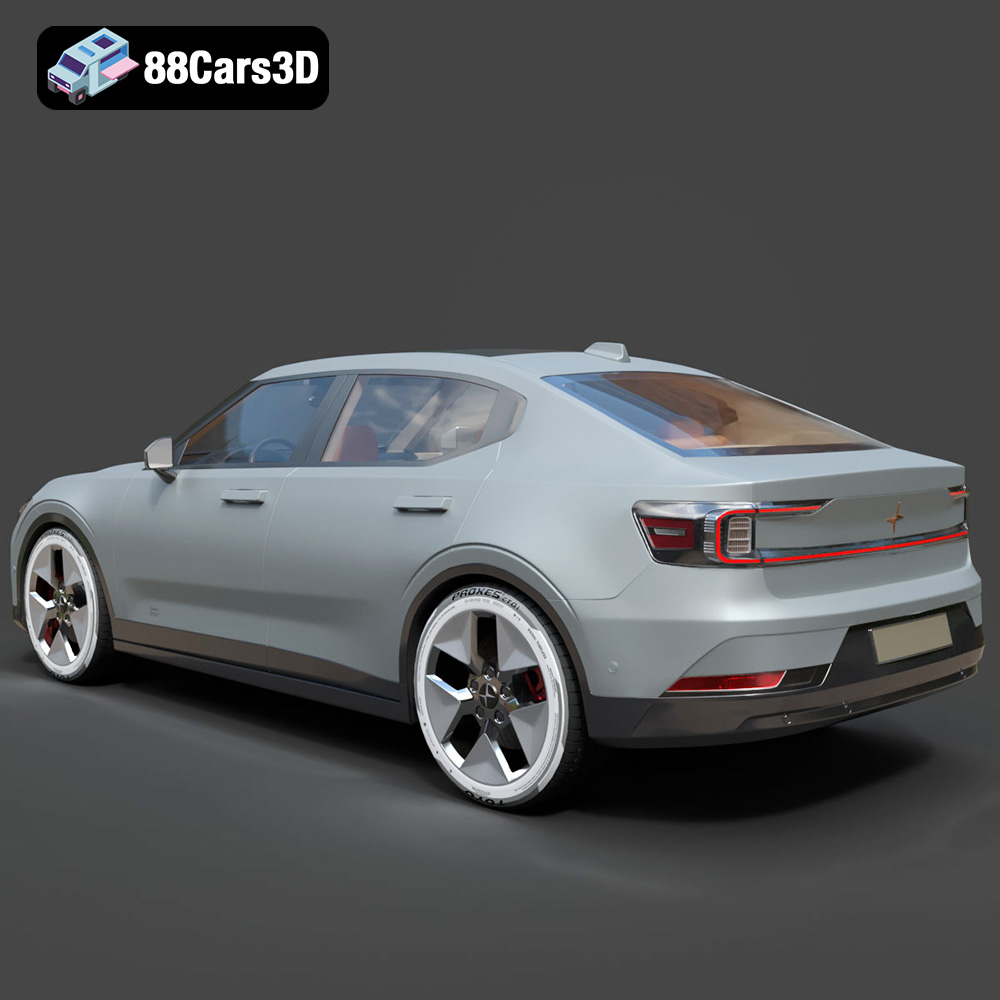
Experience exceptional realism with the Polestar 2 2023 3D Model, meticulously crafted to replicate the sleek, modern design of this cutting-edge electric fastback. Every curve and detail has been modeled to provide an authentic digital representation. This model features clean topology and accurate geometry, ensuring optimal performance across various applications. With realistic materials and a carefully detailed exterior and interior, it offers a professional-grade asset ready for immediate integration into your projects. Perfect for a wide range of uses, this 3D asset excels in game development, automotive rendering, augmented and virtual reality (AR/VR) experiences, and architectural visualizations. Its versatile nature makes it an excellent choice for animators, developers, and designers. Available file formats include: .blend – Editable Blender file with materials and lighting setup; .fbx – Game-engine ready format for Unreal Engine and Unity; .obj – Standard 3D model format compatible with all major software; .glb – Optimized for AR/VR and web-based visualization; .stl – Suitable for 3D printing and prototyping; .ply – Detailed polygon mesh for analysis and visualization; .unreal – Pre-configured for Unreal Engine use; .max – Editable 3ds Max file for rendering and animation.
$19.99
.2
.arvr
.blend
.car3dmodel
.electricvehicle
.ev
.fastback
.fbx
.gameasset
.glb
.max
.obj
.ply
.polestar
.polestar2
.rendering
.sedan
.simulation
.stl
.unreal