Get 20% OFF All Premium 3D & STL Models!

“`html
3D printing has revolutionized model making, offering unprecedented opportunities to create intricate and highly detailed designs. Whether you’re crafting architectural models, scale replicas of vehicles from platforms like 88cars3d.com, or figurines, selecting the right 3D printer is crucial. However, the market is flooded with options, each boasting a unique set of features. This article dives deep into the specific features that truly matter for model makers, covering everything from print quality and material compatibility to software integration and post-processing capabilities. We’ll explore the nuances of FDM and resin printing, highlighting the advantages and disadvantages of each technology in the context of model creation. By the end of this guide, you’ll be equipped with the knowledge to make an informed decision and choose the 3D printer that best suits your modeling needs.
For model makers, print resolution and accuracy are paramount. These factors determine the level of detail that can be captured in your models. Low resolution can result in a staircase effect on curved surfaces and loss of fine details, while poor accuracy can lead to dimensional inaccuracies and assembly issues.
Layer height is the most direct indicator of print resolution in FDM printers. Measured in microns (µm), it represents the thickness of each printed layer. Lower layer heights result in smoother surfaces and finer details. For intricate models, aim for a layer height of 50 microns or less. However, reducing layer height significantly increases print time. A good starting point is 100 microns and adjusting down from there based on the complexity of the model. Z-axis resolution refers to the precision of the printer’s vertical movement. A precise Z-axis is essential for consistent layer adhesion and preventing layer shifts. High-quality printers will have a Z-axis resolution close to the chosen layer height.
Resin printers, using technologies like SLA (Stereolithography) and DLP (Digital Light Processing), excel in XY resolution. Instead of extruding filament, they cure liquid resin layer by layer using a light source. XY resolution refers to the size of the smallest feature that can be created on each layer. It’s often expressed as the pixel size of the printer’s screen. Lower pixel sizes mean higher resolution and more detail. High-end resin printers can achieve XY resolutions of 25-50 microns, allowing for incredibly intricate details. However, resin printers often have smaller build volumes compared to FDM printers, which may limit the size of your models. Calibrating your resin printer is also critical for optimal accuracy. The exposure time for each layer needs to be dialed in based on the resin used and the printer’s light source. Overexposure leads to blobbing and loss of detail, while underexposure results in weak prints.
The build volume of a 3D printer determines the maximum size of the models you can create in a single print. While smaller models can be printed on virtually any printer, larger and more complex projects require a printer with a sufficient build volume. Consider the typical size of your models and choose a printer that offers ample space to accommodate them.
Even with a decent build volume, clever orientation of the model can maximize use of the available space. Angling a long piece diagonally across the build plate, for example, can often allow it to fit even if its overall length exceeds the build plate’s width or depth. Experiment with different orientations in your slicing software to find the most efficient arrangement. Many slicing programs also offer features to automatically orient the model for optimal printing, often taking into account support requirements and bed adhesion.
When a single model exceeds the printer’s build volume, it can be divided into multiple parts and printed separately. These parts can then be assembled using glue, screws, or other fastening methods. This approach allows you to create models of virtually any size, but it requires careful planning and execution. Ensure that the parts are designed with interlocking features or alignment aids to simplify the assembly process. Consider the placement of seams and joints to minimize their visibility on the finished model. Downloadable STL files of printable car models from online marketplaces, such as 88cars3d.com, may sometimes come pre-separated into parts for easier printing and assembly on smaller printers.
The materials you can use with your 3D printer significantly impact the strength, appearance, and functionality of your models. FDM printers offer a wide range of filament options, including PLA, ABS, PETG, nylon, and flexible filaments. Resin printers, on the other hand, are compatible with various types of resin, each with its own unique properties.
PLA (Polylactic Acid) is a biodegradable thermoplastic known for its ease of use and low printing temperature. It’s an excellent choice for beginners and general-purpose modeling. However, PLA is not very heat-resistant and can become brittle over time. ABS (Acrylonitrile Butadiene Styrene) is a stronger and more heat-resistant material than PLA. It’s commonly used for functional parts and models that need to withstand higher temperatures. However, ABS requires a heated bed and an enclosed build chamber to prevent warping. PETG (Polyethylene Terephthalate Glycol) combines the best qualities of PLA and ABS. It’s relatively easy to print, strong, and heat-resistant. It’s a versatile material suitable for a wide range of applications. Advanced materials like nylon and carbon fiber composites offer even greater strength and durability, but they require specialized printers and printing techniques. When selecting a filament, consider its intended use, printing requirements, and post-processing possibilities.
Resin printers offer a variety of resin options, each with unique properties. Standard resins are suitable for general-purpose modeling and prototyping. Tough resins are designed for parts that require high impact resistance. Flexible resins are ideal for creating soft and pliable models. Castable resins are specifically formulated for investment casting, allowing you to create metal parts from your 3D printed models. When choosing a resin, consider its strength, flexibility, heat resistance, and intended application. Proper handling and disposal of resin are essential, as some resins can be toxic. Always wear gloves and eye protection when working with resin, and follow the manufacturer’s instructions for disposal.
Slicing software is essential for preparing your 3D models for printing. It converts your 3D model into a series of layers that the printer can understand. Slicing software also allows you to adjust various printing parameters, such as layer height, infill density, support structures, and printing speed. The right slicing software can significantly impact the quality and efficiency of your prints.
Cura is a free and open-source slicing software widely used in the 3D printing community. It offers a user-friendly interface and a wide range of customization options. Cura is compatible with most FDM printers and supports various file formats, including STL, OBJ, and 3MF. PrusaSlicer is another popular free slicing software known for its advanced features and excellent print quality. It’s developed by Prusa Research, a leading manufacturer of 3D printers. PrusaSlicer offers a wide range of advanced settings, including variable layer height, adaptive infill, and support painting. Simplify3D is a commercial slicing software that offers a comprehensive set of features and excellent control over the printing process. It’s known for its advanced support generation capabilities and its ability to optimize printing parameters for specific printers and materials. When choosing slicing software, consider your experience level, the complexity of your models, and the features you need.
Support structures are necessary for printing models with overhanging features or complex geometries. They provide a temporary base for these features, preventing them from collapsing during printing. Support structures can be generated automatically by slicing software or manually designed using 3D modeling software. The key is finding a balance between sufficient support and ease of removal. Too little support can lead to print failures, while excessive support can be difficult to remove and leave unsightly marks on the finished model. Experiment with different support settings in your slicing software to find the optimal configuration for your specific models and printer. Consider using soluble support materials, which can be easily dissolved in water or other solvents, for complex models with intricate support structures. Breakaway supports are designed to be easily snapped off after printing. Tree supports, also known as organic supports, are a type of support structure that branches out from the build plate to support overhanging features. They’re often easier to remove than traditional linear supports and leave fewer marks on the model.
A user-friendly interface and reliable connectivity options can significantly enhance your 3D printing experience. A clear and intuitive interface makes it easier to control the printer, monitor progress, and adjust settings. Reliable connectivity options, such as Wi-Fi, Ethernet, and USB, allow you to transfer files and control the printer from your computer or mobile device.
A clear and informative display is essential for monitoring the printing process. The display should show key information such as printing temperature, printing speed, layer height, and estimated print time. Intuitive controls, such as buttons, knobs, or a touchscreen, make it easy to navigate the printer’s menu and adjust settings. Some printers offer remote control capabilities via a web interface or mobile app, allowing you to monitor and control the printer from anywhere with an internet connection. Consider the size, resolution, and responsiveness of the display when choosing a 3D printer.
Wi-Fi and Ethernet connectivity allow you to transfer files wirelessly and control the printer remotely. This is particularly useful for long prints or when you want to monitor the printing process from another room. Some printers offer built-in cameras that allow you to visually monitor the print remotely. Remote monitoring capabilities can help you identify and address potential problems early on, preventing print failures and saving time and materials. Consider the stability and security of the printer’s network connection when choosing a 3D printer.
Regular maintenance is essential for ensuring the long-term performance and reliability of your 3D printer. Cleaning the build plate, lubricating moving parts, and replacing worn components are all part of routine maintenance. Choose a printer that is easy to maintain and has readily available replacement parts.
Proper bed leveling is crucial for successful 3D printing. An uneven print bed can lead to poor bed adhesion, warping, and print failures. Most 3D printers have manual bed leveling systems, which require you to adjust the bed’s height using screws or knobs. Some printers have automatic bed leveling systems, which use sensors to automatically compensate for any unevenness in the bed. Calibration involves fine-tuning the printer’s settings to ensure accurate and consistent prints. This includes calibrating the extruder temperature, printing speed, and flow rate. Regularly calibrate your printer to maintain optimal print quality.
High-quality components are essential for the long-term reliability of your 3D printer. Choose a printer from a reputable manufacturer that uses durable and reliable components. Check the availability of replacement parts before purchasing a printer. Some manufacturers offer extended warranties or service contracts, which can provide additional peace of mind. Regular cleaning and lubrication of moving parts can help extend the life of your printer. Following the manufacturer’s recommended maintenance schedule can help prevent problems and ensure optimal performance.
Choosing the right 3D printer for model making involves careful consideration of several key features. Print resolution and accuracy are paramount for capturing fine details, while build volume determines the maximum size of your models. Material compatibility allows you to explore different options for strength, appearance, and functionality. Software and slicing play a crucial role in preparing your models for printing, and support generation is essential for overhanging features. Connectivity and user interface enhance ease of use and control, while maintenance and reliability ensure long-term performance. By carefully evaluating these features and considering your specific needs and budget, you can choose the 3D printer that will empower you to create stunning and intricate models. Remember to research and compare different models before making a decision, and consider reading reviews from other model makers. Exploring online marketplaces like 88cars3d.com is a great starting point to inspire your next 3D printing project. Happy printing!
“`
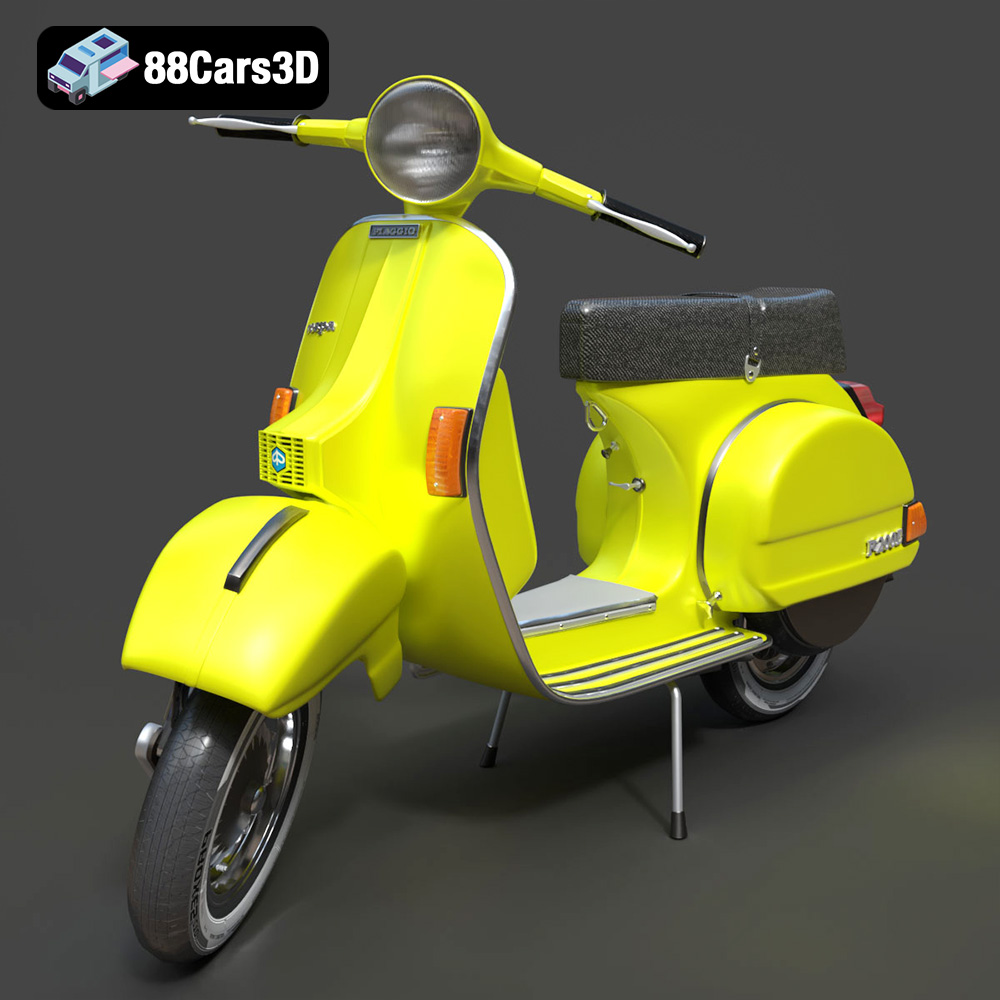
Texture: Yes | Material: Yes
Download the highly detailed, game-ready Vespa P200E 3D Model. Features classic vintage styling, accurate step-through frame geometry, and authentic detailing. Includes .blend, .fbx, .obj, .glb, .stl, .ply, .unreal, and .max formats for game development, AR/VR, and rendering.
Price: $19.99
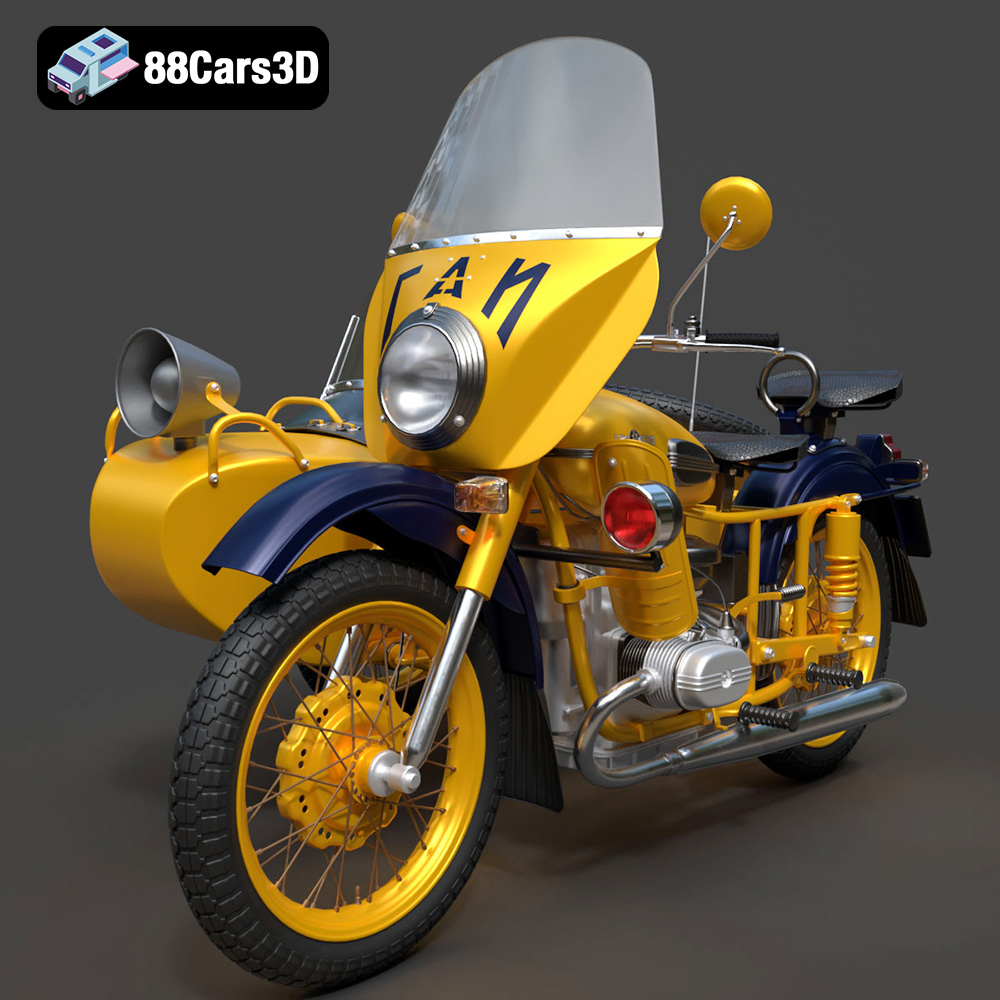
Texture: Yes | Material: Yes
Download the highly detailed, game-ready Ural M67-36-P 1976 3D Model. Features the iconic air-cooled boxer engine, vintage utilitarian styling, and authentic spoked wheels. Includes .blend, .fbx, .obj, .glb, .stl, .ply, .unreal, and .max formats for game development, AR/VR, and rendering.
Price: $19.99
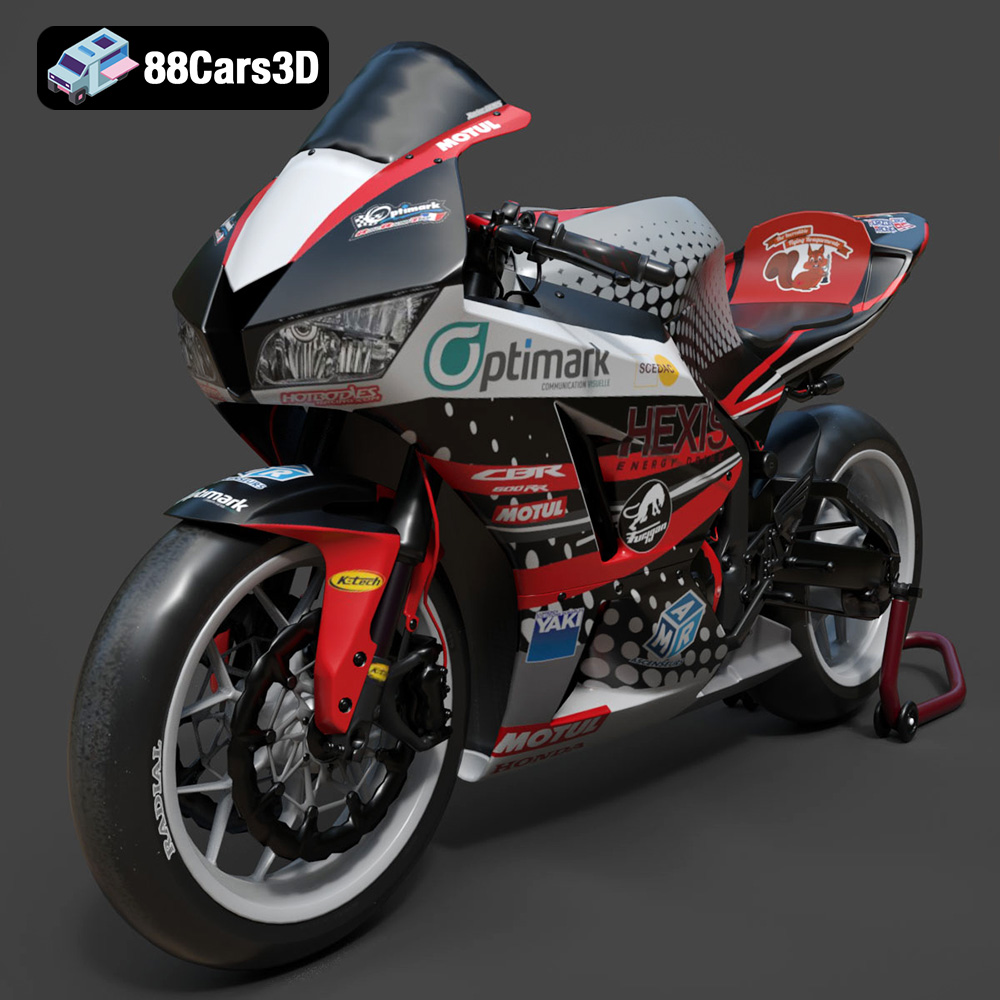
Texture: Yes | Material: Yes
Download the highly detailed, game-ready Honda CBR600RR 3D Model. Features aerodynamic fairings, an iconic center-up exhaust, and an aggressive track-focused stance. Includes .blend, .fbx, .obj, .glb, .stl, .ply, .unreal, and .max formats for game development, AR/VR, and rendering.
Price: $19.99
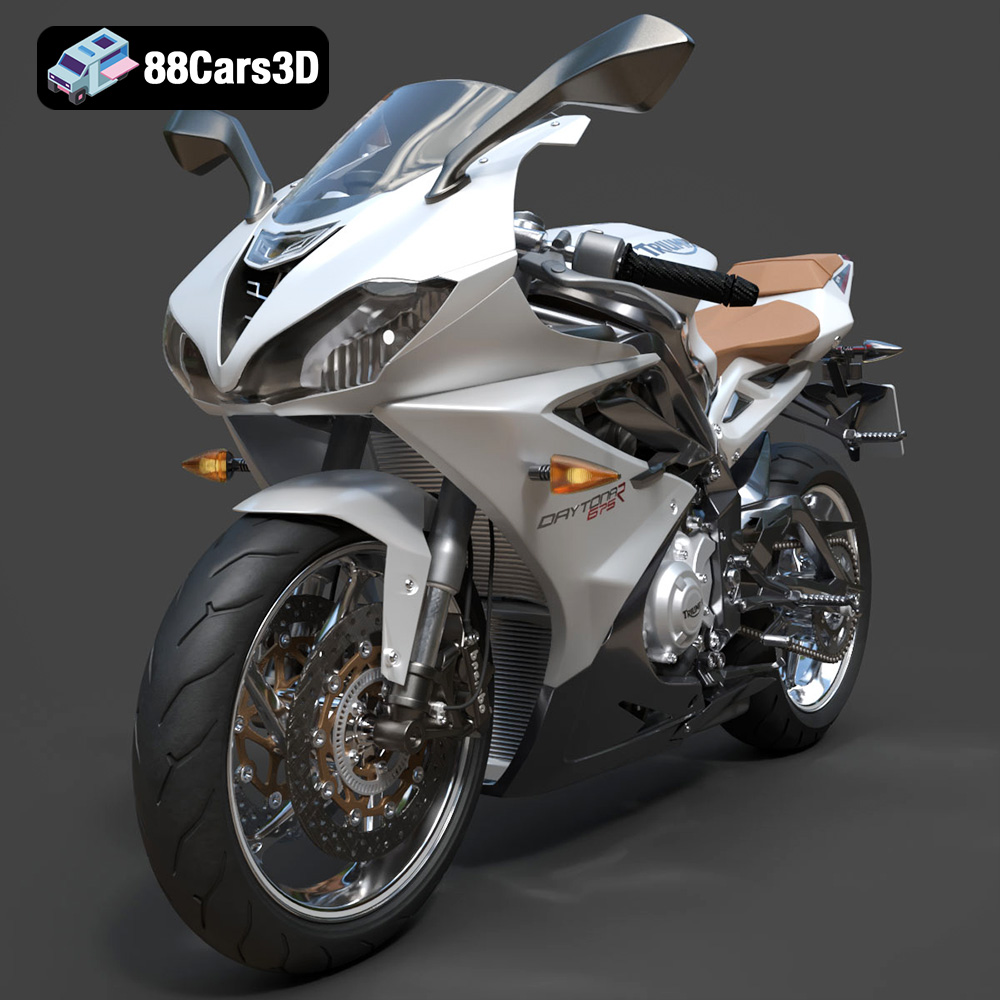
Texture: Yes | Material: Yes
Download the highly detailed, game-ready Triumph Daytona 675R ABS 2015 3D Model. Features aerodynamic sport fairings, a detailed inline-triple engine, and premium Öhlins suspension components. Includes .blend, .fbx, .obj, .glb, .stl, .ply, .unreal, and .max formats for game development, AR/VR, and rendering.
Price: $19.99

Texture: Yes | Material: Yes
Download the highly detailed, game-ready Toyota Tacoma TRD Off-Road 2016 3D Model. Features a rugged exterior, TRD off-road suspension details, and a meticulously crafted interior. Includes .blend, .fbx, .obj, .glb, .stl, .ply, .unreal, and .max formats for game development, AR/VR, and rendering.
Price: $19.99

Texture: Yes | Material: Yes
Download the highly detailed, game-ready Toyota Supra 2020 3D Model. Features aggressive aerodynamic styling, a distinctive double-bubble roof, and accurate B58 engine components. Includes .blend, .fbx, .obj, .glb, .stl, .ply, .unreal, and .max formats for game development, AR/VR, and rendering.
Price: $19.99

Texture: Yes | Material: Yes
Download the highly detailed, game-ready Toyota RAV4 LE 2019 3D Model. Features rugged exterior styling, signature polygonal motif, and a detailed interior. Includes .blend, .fbx, .obj, .glb, .stl, .ply, .unreal, and .max formats for game development, AR/VR, and rendering.
Price: $19.99

Texture: Yes | Material: Yes
Download the highly detailed, game-ready Suzuki King B 2008 3D Model. Features its massive 1340cc engine block, signature dual under-seat exhausts, and aggressive streetfighter bodywork. Includes .blend, .fbx, .obj, .glb, .stl, .ply, .unreal, and .max formats for game development, AR/VR, and rendering.
Price: $19.99
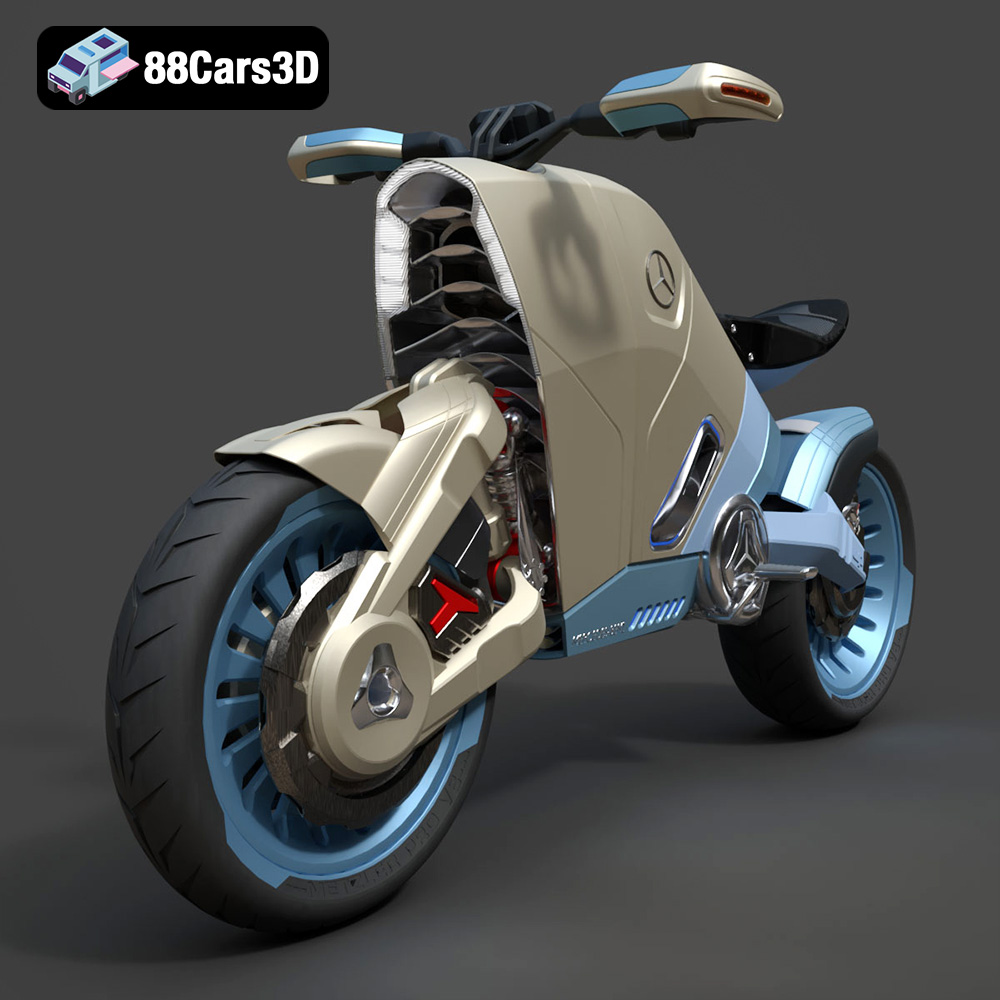
Texture: Yes | Material: Yes
Download the highly detailed, game-ready SMARANZA Mercedes Concept Electrical Motorcycle 3D Model. Features futuristic aerodynamic styling and an advanced electric drivetrain. Includes .blend, .fbx, .obj, .glb, .stl, .ply, .unreal, and .max formats for game development, AR/VR, and rendering.
Price: $19.99
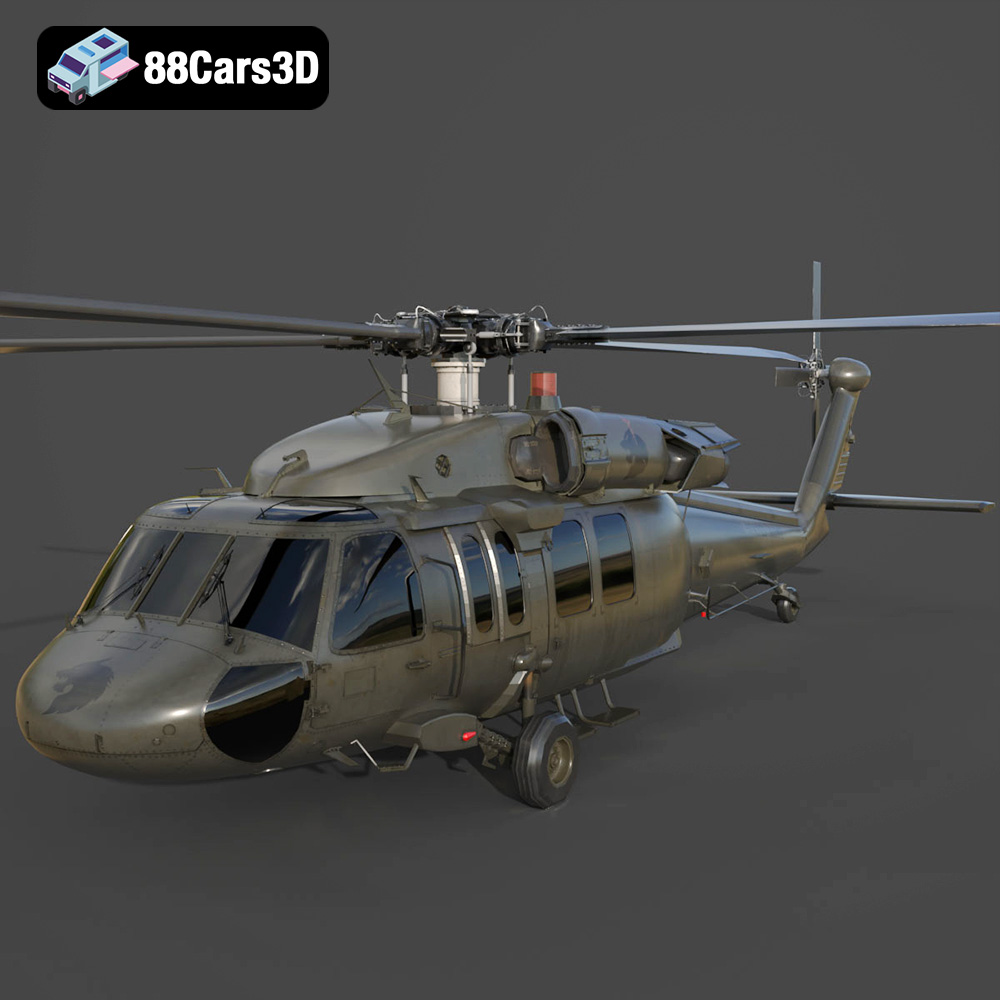
Texture: Yes | Material: Yes
Download the highly detailed, game-ready Sikorsky UH-60 Black Hawk US 3D Model. Features an accurate four-blade rotor system, detailed military fuselage, and realistic twin-engine housing. Includes .blend, .fbx, .obj, .glb, .stl, .ply, .unreal, and .max formats for game development, AR/VR, and rendering.
Price: $19.99

