Get 20% OFF All Premium 3D & STL Models!

In the vibrant world of 3D visualization, the demand for exceptionally detailed and versatile assets continues to accelerate. From breathtaking automotive rendering to immersive game development and cutting-edge AR/VR experiences, the quality of your 3D models dictates the realism and impact of your final product. When it comes to vehicles, the stakes are even higher. A meticulously crafted 3D car model isn’t just an object; it’s a character, a focal point, and often the key to unlocking true visual fidelity.
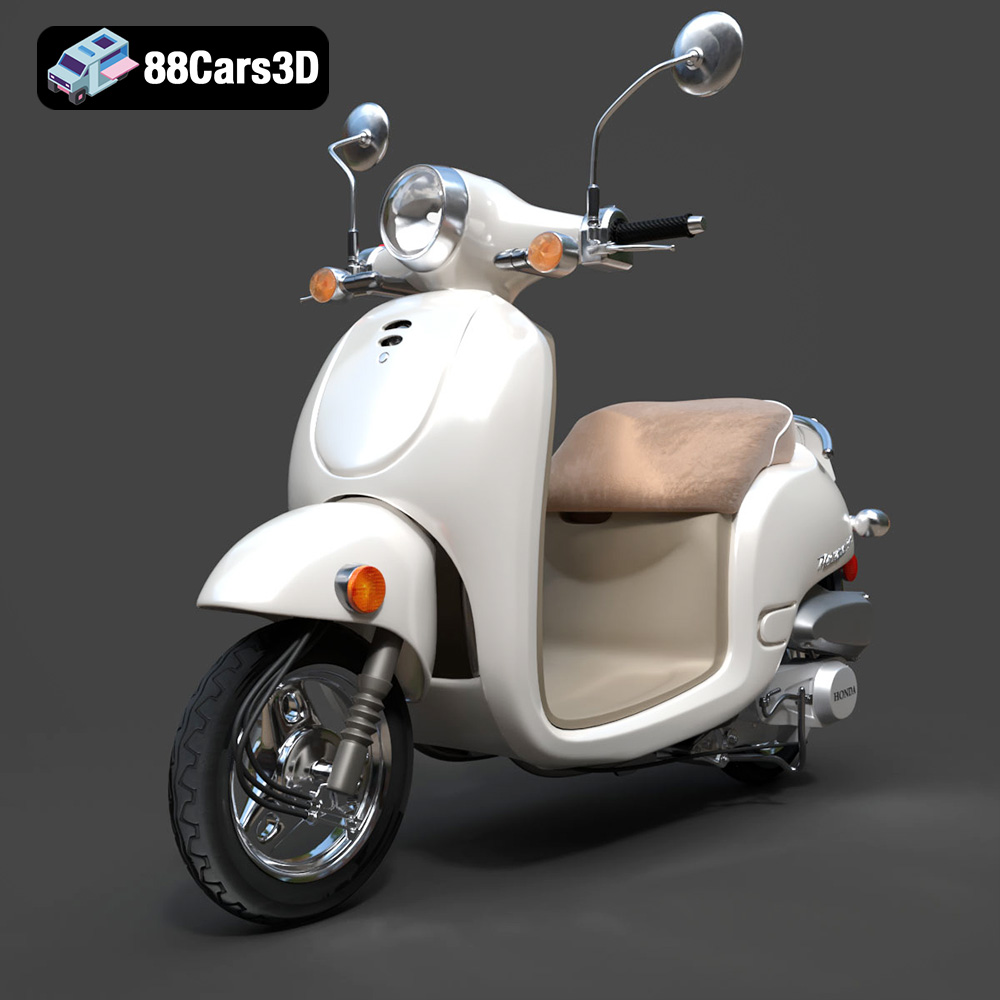
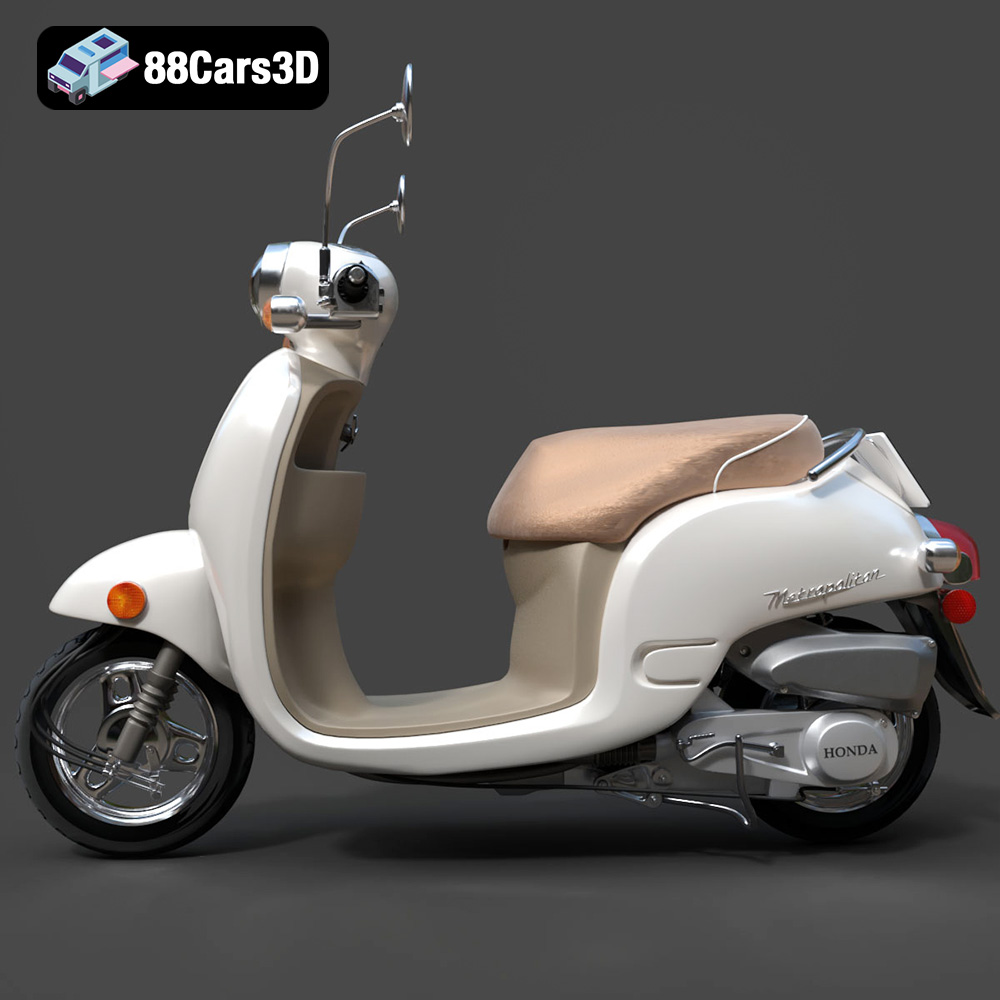
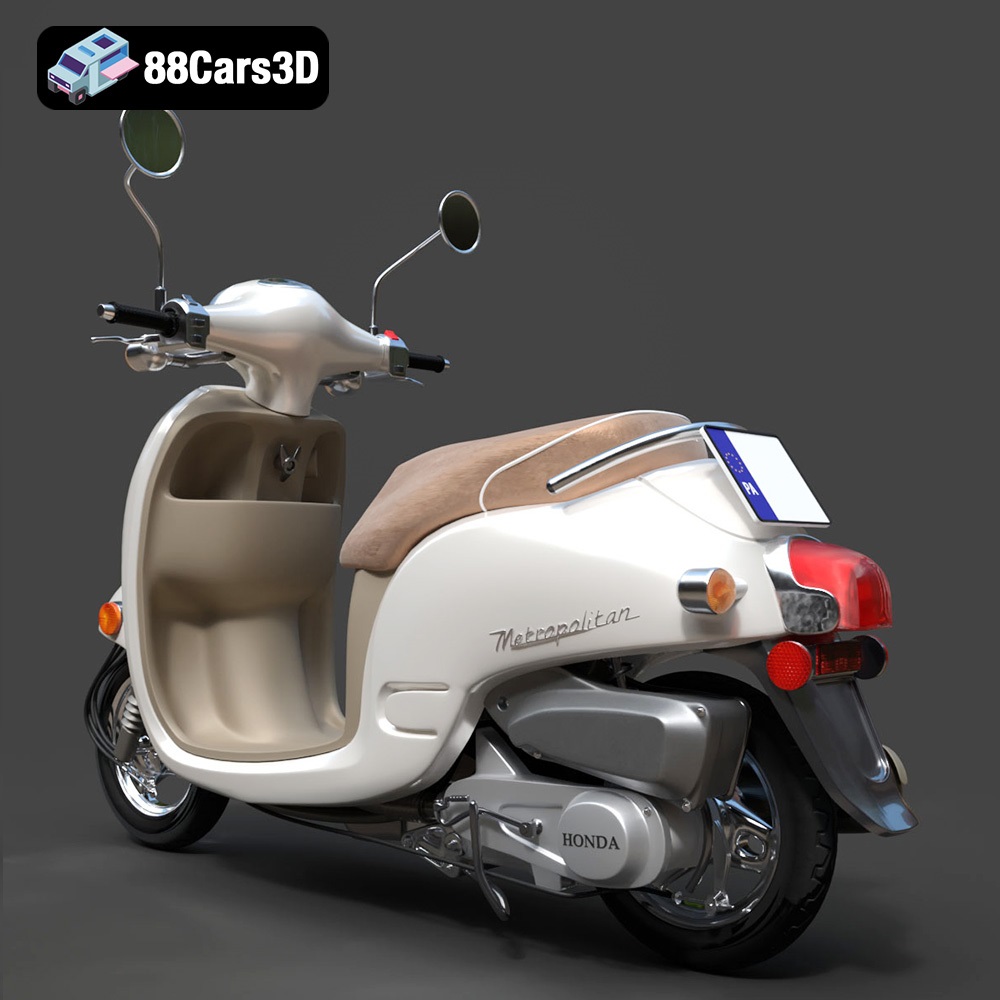
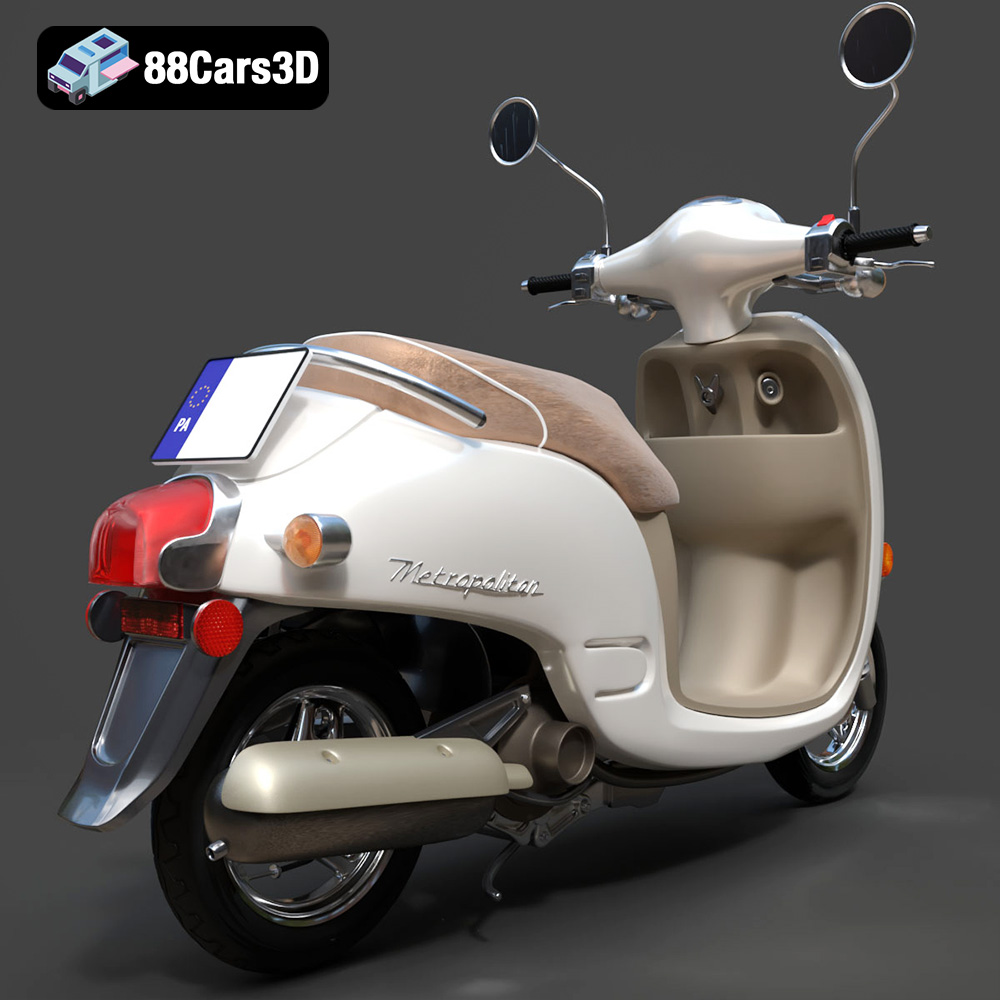
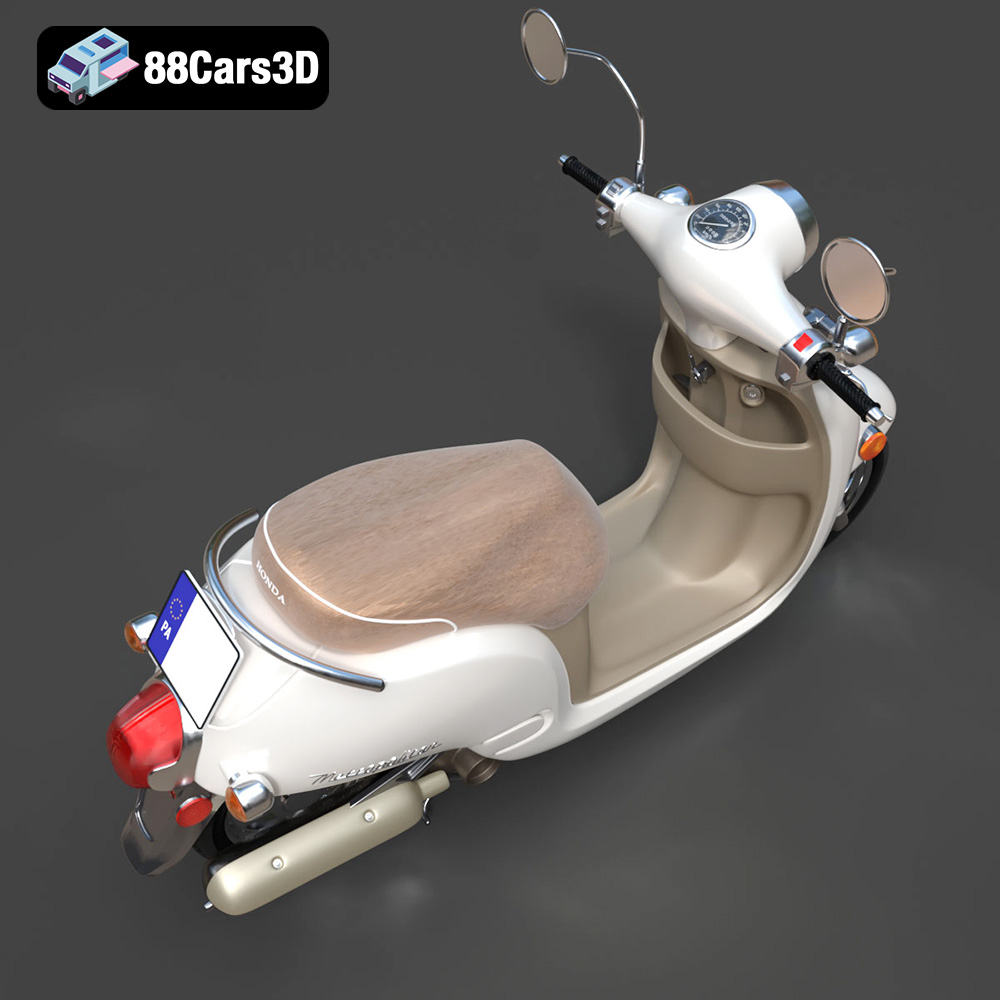
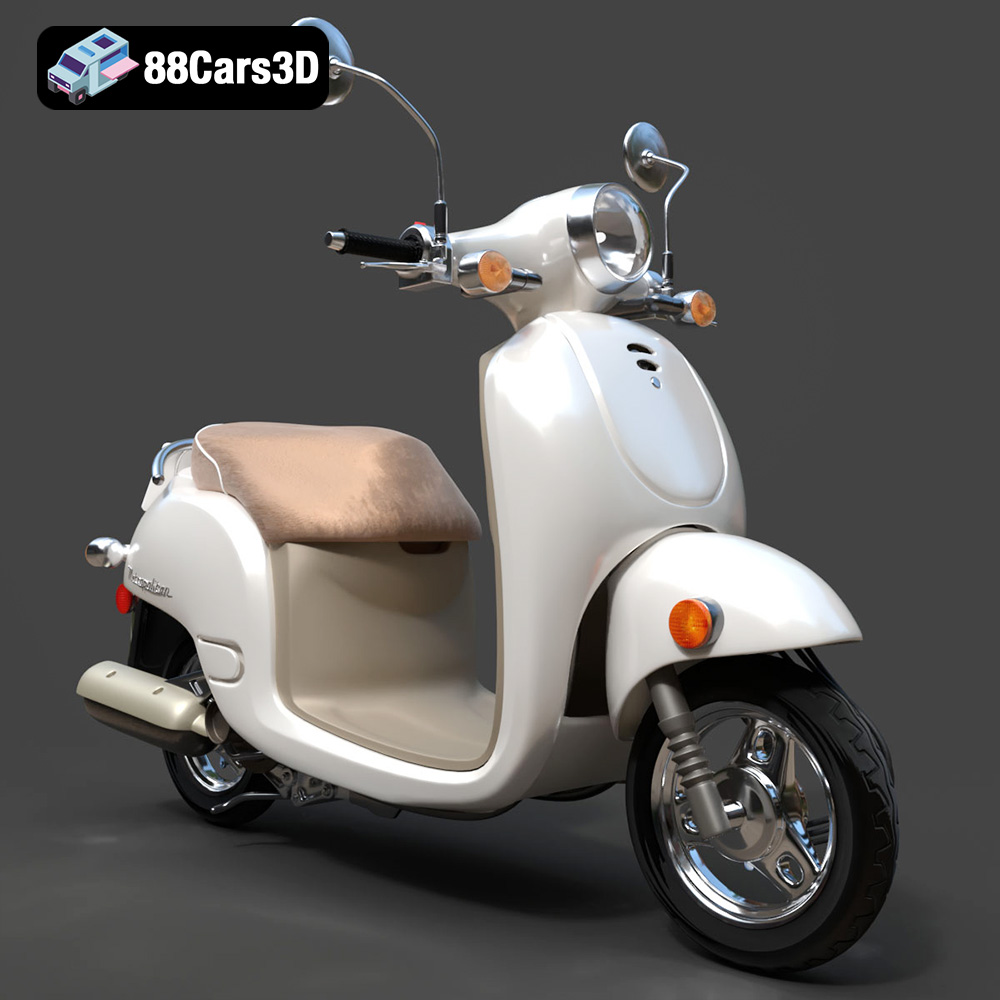
Today, we’re diving deep into the technical specifications and workflow advantages offered by premium 3D vehicle assets, using a perfect example: the Honda Metropolitan 2013 3D Model. This asset exemplifies the kind of precision and versatility that professionals seek, offering clean geometry, realistic materials, and multi-format compatibility designed for seamless integration into diverse pipelines. Whether you’re a seasoned artist, a game developer, or an architect, understanding the nuances of such high-quality 3D car models is crucial for elevating your projects and achieving unparalleled realism.
The journey of any 3D model, especially complex assets like vehicle models, begins and traverses through various file formats. Each format serves a specific purpose, catering to different software environments, project types, and optimization needs. For an asset like the Honda Metropolitan 2013 3D Model, its utility is significantly enhanced by its availability in a comprehensive suite of industry-standard formats. Choosing the right format is paramount for maintaining data integrity, ensuring compatibility, and optimizing performance across your workflow.
The .blend file format is the native format for Blender, a powerful open-source 3D creation suite. When you acquire a .blend file, such as with the Honda Metropolitan 2013 3D Model, you’re getting a fully editable Blender scene. This typically includes the mesh data, materials (often set up using Cycles or Eevee renderers), textures, lighting setups, cameras, and even animation data if present. Artists who primarily work in Blender will find this format invaluable as it allows for direct manipulation, material tweaking, re-posing, and rendering within their preferred environment without any import/export issues. It provides the maximum flexibility for customization and integrates perfectly into a Blender-centric pipeline for automotive rendering and animation.
FBX (Filmbox) is a proprietary file format developed by Autodesk, widely regarded as the industry standard for 3D data exchange, particularly between different DCC (Digital Content Creation) applications and game engines. The .fbx format supports not only mesh data but also materials, textures, animations, rigging, and even camera and light data. It’s the ideal choice for developers working with Unreal Engine, Unity, and other real-time pipelines due to its robust support for animation and hierarchal scene structures. For a 3D car model, an .fbx file ensures that all components, from wheels to chassis, maintain their relative positions and pivot points, making it straightforward to rig for animation or integrate into a dynamic game environment.
OBJ (Object) is one of the oldest and most universally supported 3D file formats. It’s an open standard developed by Wavefront Technologies, primarily storing vertex positions, UV coordinates, vertex normals, and polygonal faces. While it doesn’t support animation or advanced material properties directly, it’s an excellent choice for transferring static mesh data between virtually any 3D software. If you need to import the Honda Metropolitan 2013 into a niche application or an older version of a 3D suite, .obj provides a reliable fallback. Materials are typically defined in an accompanying .mtl (Material Template Library) file, which references textures.
GLB (GL Transmission Format Binary) is a binary version of the glTF™ (Graphics Language Transmission Format) standard. It’s an efficient, compact, and highly optimized format specifically designed for delivering 3D models for real-time applications, especially across the web, AR (Augmented Reality), and VR (Virtual Reality) platforms. A single .glb file can contain mesh data, materials, textures, animations, and even basic lighting, making it incredibly self-contained and easy to deploy. For showcasing the Honda Metropolitan 2013 in an interactive web viewer or an AR experience on a mobile device, .glb is the go-to format for its performance and broad support across browsers and AR/VR ecosystems.
STL (Stereolithography) is another veteran format, exclusively used for 3D printing and rapid prototyping. It describes only the surface geometry of a 3D object using a mesh of triangular facets. It lacks color, texture, or material information, focusing purely on the geometric form. When you need to physically produce a miniature version of the Honda Metropolitan 2013, the .stl file ensures that the model is watertight and ready for slicing software to prepare it for a 3D printer. It’s essential for product designers, engineers, and hobbyists looking to bring their digital models into the physical realm.
PLY (Polygon File Format, or Stanford Triangle Format) is a file format for storing 3D data from 3D scanners. It supports properties such as color, transparency, surface normals, and texture coordinates. While less common for general DCC exchange than .fbx or .obj, it’s highly valued in scientific and engineering fields for storing precise mesh data, often used in CAD, reverse engineering, and 3D reconstruction. For detailed analysis or high-precision industrial applications involving the Honda Metropolitan, the .ply format offers a robust data structure.
While not strictly a standalone file format in the same way as .fbx or .obj, “unreal” often refers to assets that are pre-configured or specifically optimized for direct import into Unreal Engine. This typically means the .fbx has been meticulously prepared, possibly with collision meshes, LODs (Levels of Detail), and a consistent scaling factor, making the import process into Unreal Engine virtually plug-and-play. For game developers or real-time visualization specialists, having an “unreal” ready version of the Honda Metropolitan 2013 dramatically reduces setup time and ensures compatibility with Unreal’s material system and physics.
Similar to .blend for Blender, the .max file is the native format for Autodesk 3ds Max, a leading software for 3D modeling, animation, rendering, and visualization. A .max file of the Honda Metropolitan 2013 means you receive the entire 3ds Max scene, complete with the model’s geometry, materials (often V-Ray or Arnold shaders), textures, lighting, cameras, and any associated modifiers or animation curves. This provides the ultimate control for 3ds Max users, allowing for extensive modifications, high-fidelity architectural visualization integrations, and professional-grade automotive rendering.
Automotive rendering is a specialized field that demands precision, a keen eye for detail, and a deep understanding of lighting and materials. High-quality 3D car models are the foundation upon which stunning visualizations are built. The Honda Metropolitan 2013 3D Model from 88cars3d.com provides an exceptional starting point, with its accurate proportions, refined curves, and expertly crafted surfaces, which are crucial for achieving photorealistic results.
The realism of any rendered vehicle hinges on its materials. Modern rendering pipelines heavily rely on Physically Based Rendering (PBR) workflows. The Honda Metropolitan 2013 model is built with realistic materials, meaning its surfaces—paint, chrome, rubber, plastic, glass—react accurately to light based on their physical properties. This involves carefully constructed textures for diffuse (albedo), roughness, metallic, normal, and sometimes ambient occlusion maps. For an artist using 3ds Max or Blender, the provided material setups in the .max or .blend files can be directly utilized or easily customized, allowing for swift iterations on paint finishes, reflections, and subsurface scattering effects for transparent elements like headlights.
Effective lighting is paramount in automotive rendering. It defines the mood, highlights the vehicle’s design, and reveals surface details. Professional workflows often combine several lighting techniques:
A well-lit scene makes even a humble scooter like the Metropolitan look like a high-end showcase piece, demonstrating the versatility of quality 3D car models.
Once the raw render is complete, post-processing in tools like Adobe Photoshop or Affinity Photo adds the final layer of polish. This can include color grading, adding subtle depth of field, lens flares, motion blur, and vignettes. These steps further enhance the cinematic quality of the automotive rendering, turning a great render of the Honda Metropolitan 2013 into an extraordinary visual experience ready for marketing, presentations, or portfolio showcases.
Game development demands a delicate balance between visual fidelity and performance optimization. High-quality 3D car models are essential for creating immersive game worlds, but they must be “game-engine ready” to truly shine. The Honda Metropolitan 2013 3D Model, with its “game-engine ready format for Unreal Engine and Unity,” is designed to meet these stringent requirements.
While visual detail is crucial, raw polygon count can cripple game performance. Professional game assets often employ several optimization techniques:
Having an asset like the Honda Metropolitan 2013 already optimized saves countless hours for game developers, allowing them to focus on gameplay and interaction rather than asset preparation.
For game developers, integrating 3D car models into engines like Unreal and Unity is a critical part of the pipeline. The .fbx and .unreal formats of the Honda Metropolitan 2013 model are specifically tailored for this purpose:
Whether populating an open-world city scene or creating a racing simulation, the Honda Metropolitan 2013 3D Model serves as an excellent example of a game-ready asset that delivers both visual fidelity and performance efficiency.
The utility of high-quality 3D car models extends far beyond traditional rendering and game engines. Augmented Reality (AR), Virtual Reality (VR), and 3D printing represent exciting frontiers where meticulously crafted assets like the Honda Metropolitan 2013 3D Model find new life and applications.
AR and VR are transforming how we interact with digital content, offering immersive experiences that blur the lines between the physical and virtual. For AR and VR applications, optimized 3D car models are paramount. The .glb format, specifically provided with the Honda Metropolitan 2013, is designed for this very purpose:
The compact and efficient nature of .glb files makes the Honda Metropolitan 2013 3D Model an ideal candidate for these emerging technologies, providing stunning visuals without compromising performance on mobile or headset devices.
3D printing bridges the gap between digital design and physical reality, allowing for rapid prototyping, miniature creation, and unique physical products. For 3D printing, the .stl format of the Honda Metropolitan 2013 3D Model is critical:
While the .stl format omits color and texture, the underlying geometric precision of the Honda Metropolitan 2013 ensures that the physical output accurately reflects the digital design, making it suitable for both professional prototyping and personal projects.
Beyond file formats and application-specific uses, the inherent quality of a 3D model itself is what truly defines its value in a professional pipeline. The Honda Metropolitan 2013 3D Model is lauded for its “clean geometry” and “professional-grade construction,” which are critical attributes for any serious 3D artist or developer.
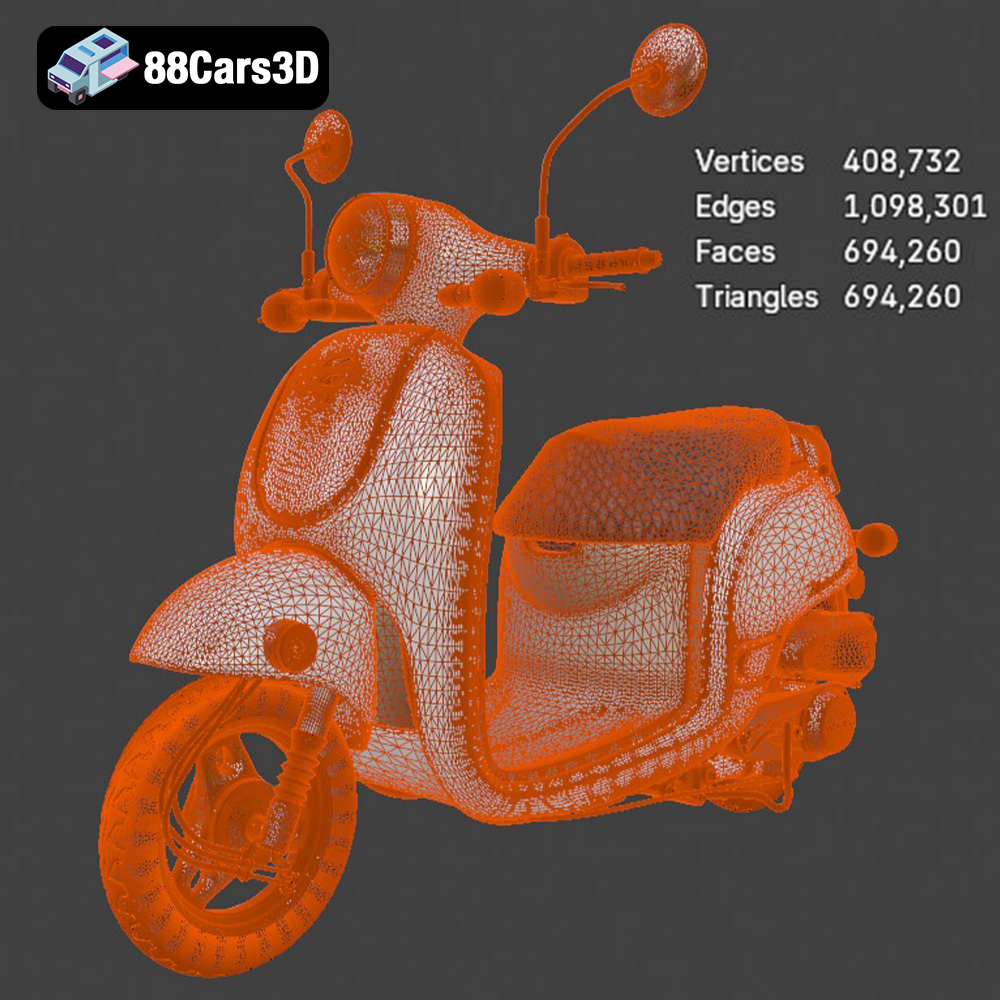
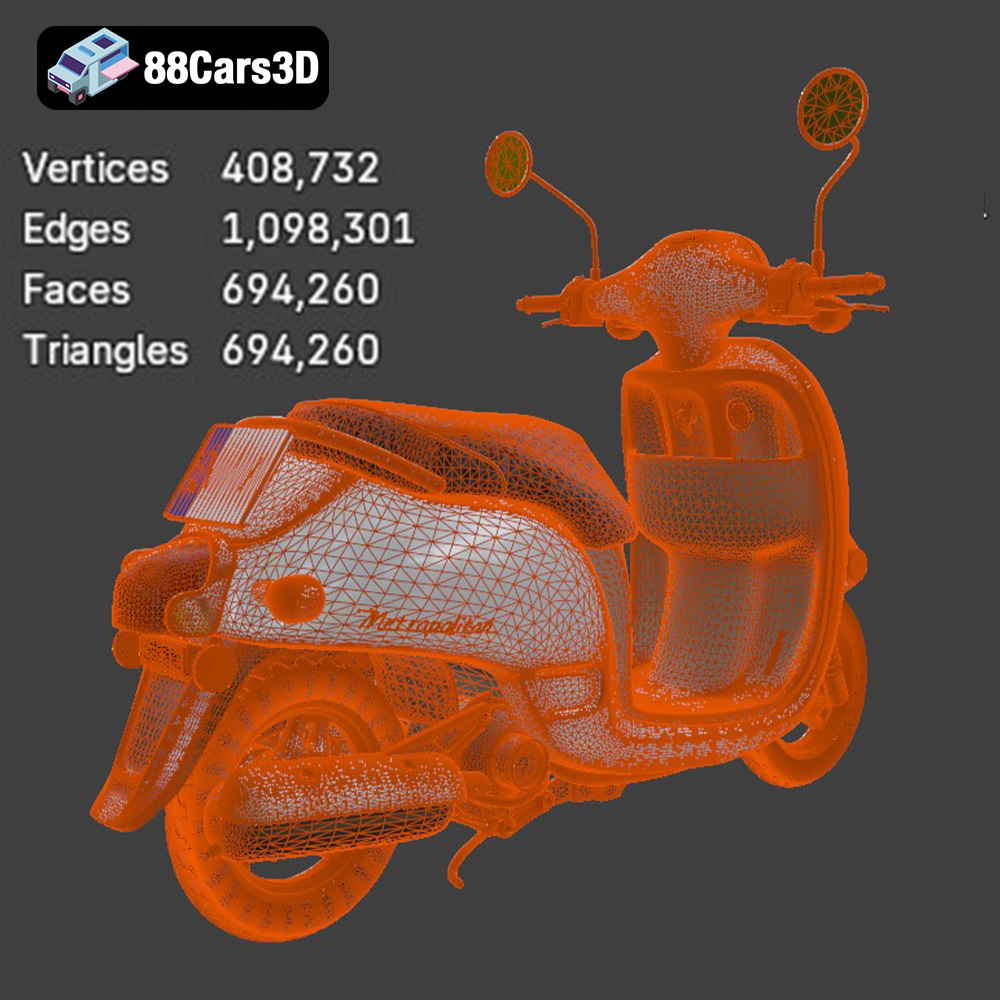
Clean geometry refers to a mesh that is well-structured, primarily composed of quads (four-sided polygons), with efficient edge flow and minimal triangulation, N-gons (polygons with more than four sides), or overlapping vertices. Why is this so important?
The “professional-grade construction” of the Honda Metropolitan 2013 3D Model signifies that it meets these high standards, saving countless hours in mesh cleanup and preparation, allowing artists to focus on creative tasks rather than technical troubleshooting.
For automotive models, accuracy is non-negotiable. The Honda Metropolitan 2013 3D Model boasts “accurate proportions and refined curves that capture the essence of the original vehicle.” This isn’t just an aesthetic consideration; it has practical implications:
Such attention to detail is a hallmark of premium 3D car models, ensuring they are fit for purpose across a wide spectrum of professional applications.
The versatility of a high-quality 3D model like the Honda Metropolitan 2013 can be best illustrated through real-world applications across various industries.
Architectural visualization studios frequently need to populate exterior and interior scenes with realistic vehicles to convey a sense of scale, lifestyle, and activity. Imagine a contemporary urban building rendered with a vibrant street scene outside. Placing the Honda Metropolitan 2013, perhaps parked at a cafe or cruising down a street, instantly adds life and context. Its accurate scale and realistic materials ensure it blends seamlessly with the photorealistic environment, enhancing the overall believability of the arch-viz project. This saves artists the time and effort of modeling vehicles from scratch, allowing them to focus on the architectural elements.
For advertising agencies, high-quality 3D car models are invaluable for creating dynamic and engaging promotional content without the need for expensive photoshoots or physical vehicles. A studio could use the Honda Metropolitan 2013 3D Model to:
The “striking results under diverse lighting conditions” promised by this model means it can be adapted to any creative brief, from sunny beach scenes to gritty urban nights.
The Honda Metropolitan 2013 3D Model can also play a crucial role in educational and training simulations. For instance, a traffic safety program might use a simulated environment where users learn to navigate city streets. The inclusion of realistic vehicles like the Metropolitan helps create an immersive and relatable learning experience. Similarly, for mechanics-in-training, an interactive 3D model could allow them to virtually disassemble and inspect components, providing a safe and repeatable learning platform.
The landscape of 3D visualization is constantly evolving, and at its core, the success of any project hinges on the quality and versatility of its assets. High-quality 3D car models, like the exceptional Honda Metropolitan 2013 3D Model available at 88cars3d.com, are not merely digital objects; they are essential tools that empower artists, developers, and designers to achieve unparalleled realism and efficiency.
We’ve explored the critical role of understanding diverse file formats—from the native control of .blend and .max to the universal compatibility of .fbx and .obj, and the specialized applications of .glb, .stl, .ply, and .unreal. We’ve delved into the intricacies of automotive rendering, emphasizing material realism, sophisticated lighting, and post-processing techniques. Furthermore, we’ve highlighted the crucial considerations for game development, including optimization strategies and seamless engine integration, and journeyed into the exciting realms of AR/VR and 3D printing.
The Honda Metropolitan 2013 3D Model stands as a testament to professional-grade asset creation: featuring accurate proportions, clean geometry, realistic materials, and multi-format delivery. It’s built to streamline workflows, allowing creators to focus on their artistic vision rather than wrestling with technical imperfections. By choosing premium assets from trusted sources like 88cars3d.com, you invest in the foundation for compelling visuals, immersive experiences, and professional-grade projects that truly stand out. Elevate your next project with a model that drives excellence.
Experience realistic visualization with the Honda Metropolitan 2013 3D Model. This exceptionally detailed asset brings true-to-life precision to your projects, featuring accurate proportions and refined curves that capture the essence of the original vehicle. Built with clean geometry and professional-grade construction, this model is designed for seamless integration into various pipelines. It features realistic materials and expertly crafted surfaces, ensuring striking results under diverse lighting conditions. Every component has been meticulously modeled to provide top-tier realism without compromising performance. Perfect for a wide range of applications, this 3D model excels in game development, architectural visualization, cinematic rendering, and AR/VR experiences. Whether you are building an interactive simulation or producing dynamic promotional animations, this versatile vehicle asset delivers outstanding visual fidelity. The model is delivered in multiple industry-standard file formats to suit any workflow: .blend – Editable Blender file with materials and lighting setup; .fbx – Game-engine ready format for Unreal Engine and Unity; .obj – Standard 3D model format compatible with all major software; .glb – Optimized for AR/VR and web-based visualization; .stl – Suitable for 3D printing and prototyping; .ply – Detailed polygon mesh for analysis and visualization; .unreal – Pre-configured for Unreal Engine use; .max – Editable 3ds Max file for rendering and animation.
$19.99
.arvr
.blend
.car3dmodel
.fbx
.gameasset
.glb
.honda
.max
.metropolitan
.moped
.obj
.ply
.rendering
.scooter
.simulation
.stl
.unreal