Get 20% OFF All Premium 3D & STL Models!

In the dynamic world of automotive design, visualization, and game development, the quality of your 3D assets is paramount. From concept ideation to marketing campaigns, and from immersive simulations to real-time gaming experiences, the foundation of every compelling digital project lies in its underlying models. Generic or low-fidelity assets can quickly detract from realism, undermine brand perception, and limit creative potential. This is where professional-grade 3D car models become indispensable. They offer not just aesthetic appeal, but also technical integrity, ensuring seamless integration and optimal performance across various platforms.
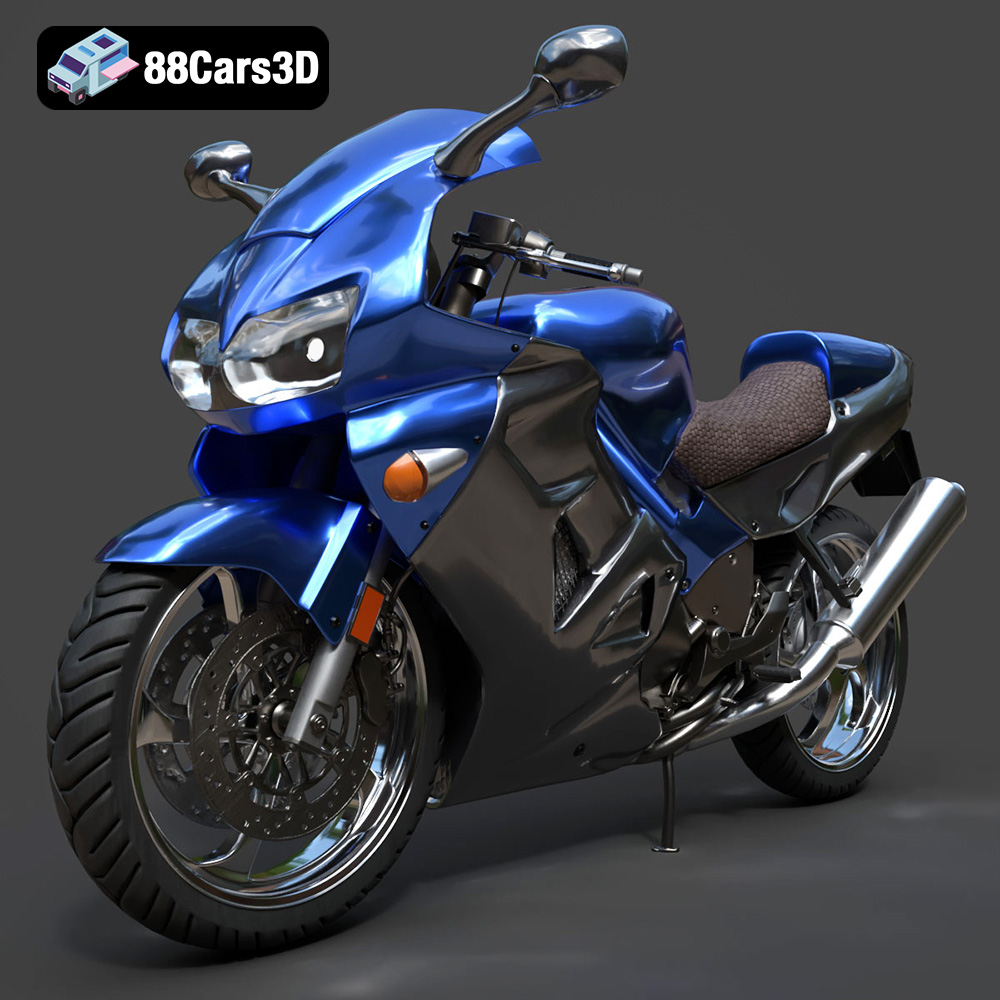
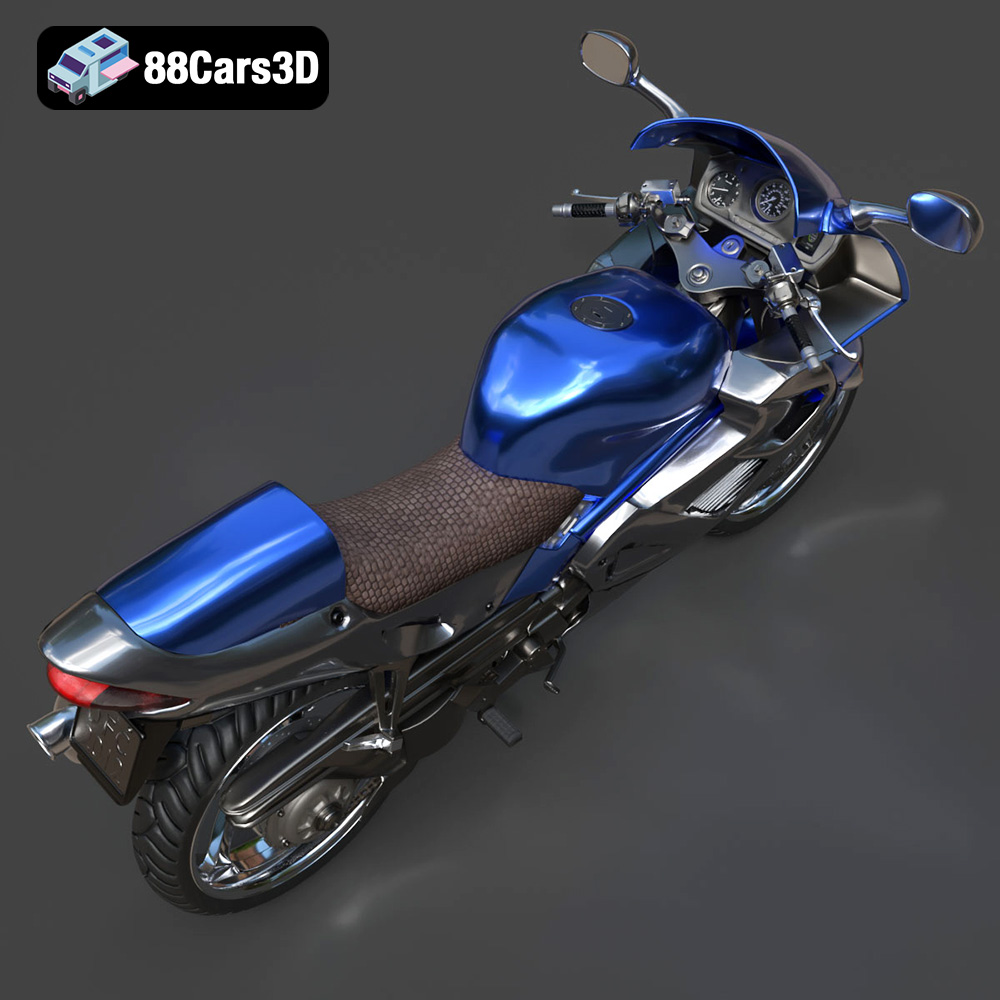
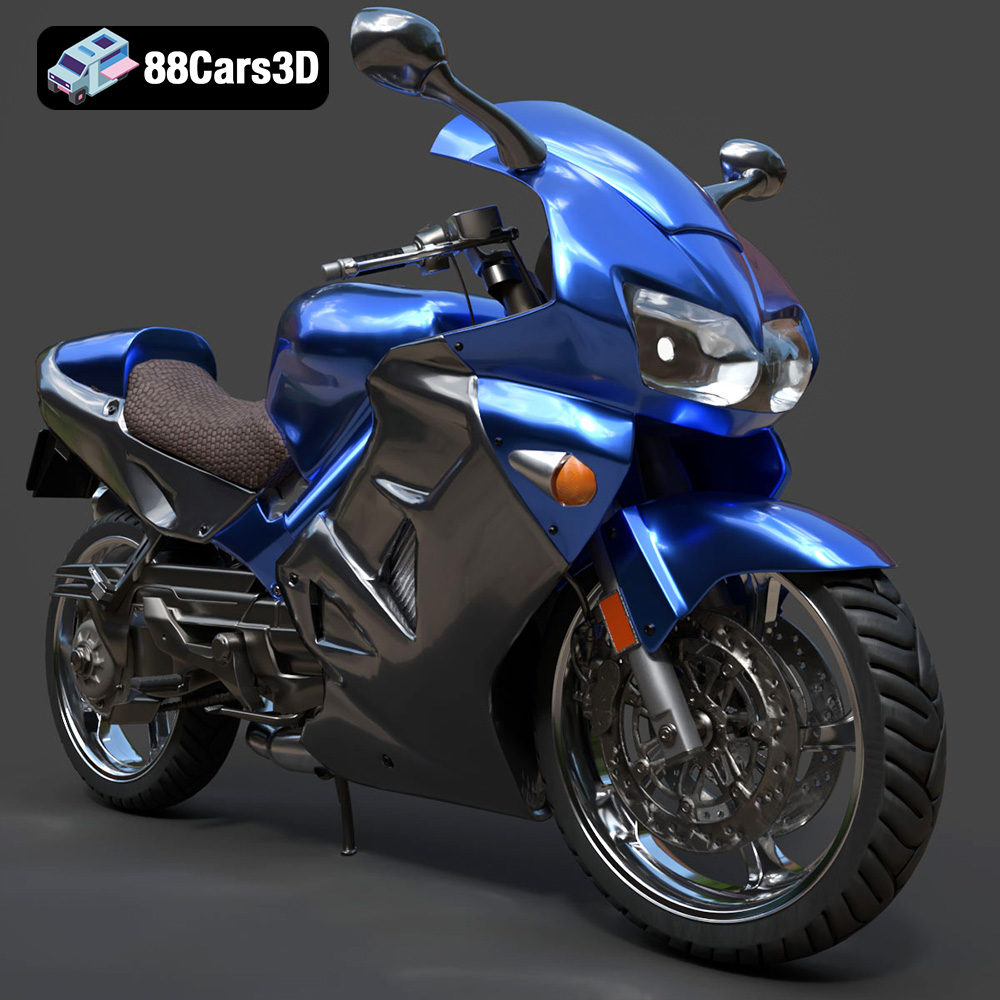
Today, we delve into the intricate world of high-fidelity automotive 3D assets, exploring their impact on professional workflows and highlighting how a meticulously crafted model can elevate your projects. We’ll examine the technical considerations, application scenarios, and the critical role of versatile file formats. Guiding us through this exploration is an exceptional example of digital craftsmanship: the Honda VFR 801 3D Model, available at 88cars3d.com. This model stands as a testament to what’s possible when realism meets technical excellence, offering designers, developers, and artists a powerful tool to bring their visions to life.
The pursuit of realism in digital environments demands more than just aesthetic flair; it requires a deep understanding of geometry, materials, and optimization. High-quality 3D car models are not merely decorative elements; they are engineering marvels in their own right, meticulously built to reflect the real world with exacting precision. This attention to detail directly translates into superior visual fidelity and enhanced performance across diverse applications.
For automotive designers and marketing professionals, visualization is key. Before a single physical prototype is built, vehicles exist as intricate 3D models. These models allow for iterative design, material studies, lighting simulations, and compelling marketing renders. A high-quality model, like the Honda VFR 801, provides the necessary accuracy for photorealistic rendering. Every curve, every panel gap, every texture detail must be precise to accurately convey the designer’s intent and evoke the desired emotional response from an audience. Low-resolution models or those with messy topology simply cannot achieve this level of fidelity, leading to flat visuals and a disconnect from reality. The ability to showcase a vehicle in a variety of environments, with different lighting conditions and material finishes, is a cornerstone of modern automotive marketing, and it all starts with a robust 3D asset.
High-quality 3D assets play a crucial role in bridging the gap between initial design concepts and the final consumer experience. In the design phase, engineers and artists collaborate using shared 3D models, ensuring consistency and accuracy. As a product moves towards public consumption, these same models transform into powerful marketing tools. They populate configurators on manufacturer websites, feature in high-impact advertisements, and form the core of interactive showrooms. For the game development sector, realistic 3D car models are central to creating immersive driving experiences, where the feel of the vehicle, from its visual presence to its interaction with the game world, is critical to player engagement. The Honda VFR 801 3D Model exemplifies this versatility, ready to serve as the backbone for simulations, detailed renders, and interactive applications, ensuring a seamless transition from creative vision to tangible digital output.
The world of 3D modeling is rich with various file formats, each designed with specific purposes, compatibilities, and technical characteristics. Choosing the right format is critical for ensuring smooth workflows, maintaining data integrity, and optimizing assets for their intended application. The Honda VFR 801 3D Model, for instance, comes packaged with a comprehensive array of formats, making it incredibly versatile for almost any professional pipeline. Understanding these formats is essential for any 3D professional.
When deep customization, animation, or complex scene setup is required, native project files are invaluable.
These formats excel at transferring 3D data between different software applications, serving as bridges in diverse production pipelines.
These formats cater to very specific use cases, optimizing assets for particular platforms or outputs.
Understanding these formats allows professionals to maximize the utility of comprehensive asset packages like the Honda VFR 801 3D Model, ensuring it fits perfectly into any desired pipeline from 88cars3d.com.
A high-quality 3D asset is only as powerful as its application. The Honda VFR 801 3D Model, with its detailed geometry and versatile file formats, serves as an exceptional foundation for a multitude of professional workflows. Whether you’re a rendering artist, a game developer, or an AR/VR innovator, this model is designed to integrate seamlessly into your pipeline.
For artists focused on creating stunning, photorealistic images or animations, the Honda VFR 801 3D Model provides an ideal starting point. In software like 3ds Max or Blender, the included native files (.max and .blend) offer immediate access to meticulously crafted geometry and realistic materials. Artists can leverage advanced rendering engines such as V-Ray, Corona Renderer (for 3ds Max), Cycles, or Eevee (for Blender) to produce breathtaking visuals. This involves setting up studio-quality lighting, refining material properties like metallic reflectivity and clear-coat gloss, and composing dynamic camera shots. The clean topology of the VFR 801 ensures smooth subdivision, critical for close-up renders where surface imperfections would be glaringly obvious on a lesser model. From showcasing new paint finishes to simulating complex environmental interactions, the precision of this 3D motorcycle model enables artists to achieve unparalleled realism in their automotive rendering projects.
The demand for realistic vehicles in interactive experiences, particularly in gaming, is ever-growing. The Honda VFR 801 is perfectly suited as a game asset, thanks to its optimized topology and the inclusion of game-engine-ready formats like .fbx and the specifically configured “.unreal” file. Developers can easily import the .fbx into Unreal Engine or Unity, utilizing the engine’s material editors to adapt the provided textures and create performant shaders. The clean geometry facilitates efficient collision mesh generation, crucial for realistic physics and player interaction. For a motorcycle, accurate wheel rotation, suspension articulation, and rider animation are essential, and a well-built base model significantly simplifies these rigging and animation processes. This robust 3D car model reduces development time and allows creators to focus on gameplay mechanics and immersive world-building rather than fixing problematic geometry.
Augmented Reality (AR) and Virtual Reality (VR) platforms offer immersive new ways to interact with digital content. For these real-time applications, optimized asset performance is paramount, as maintaining high frame rates is crucial for comfort and immersion. The .glb format, included with the Honda VFR 801, is specifically tailored for these environments, offering a highly optimized, single-file solution that includes geometry, materials, and textures for efficient delivery. Imagine a virtual showroom where customers can walk around the Honda VFR 801, inspect its details up close, or even customize its colors in real-time on a tablet via an AR app. The lightweight nature and visual fidelity of this model make it an excellent candidate for creating engaging, interactive experiences in emerging technologies, opening new avenues for product showcase and consumer engagement.
Beyond just looking good, a professional 3D model like the Honda VFR 801 is built with technical integrity at its core. This involves careful consideration of geometry, material application, and optimization strategies to ensure versatility and performance across various applications.
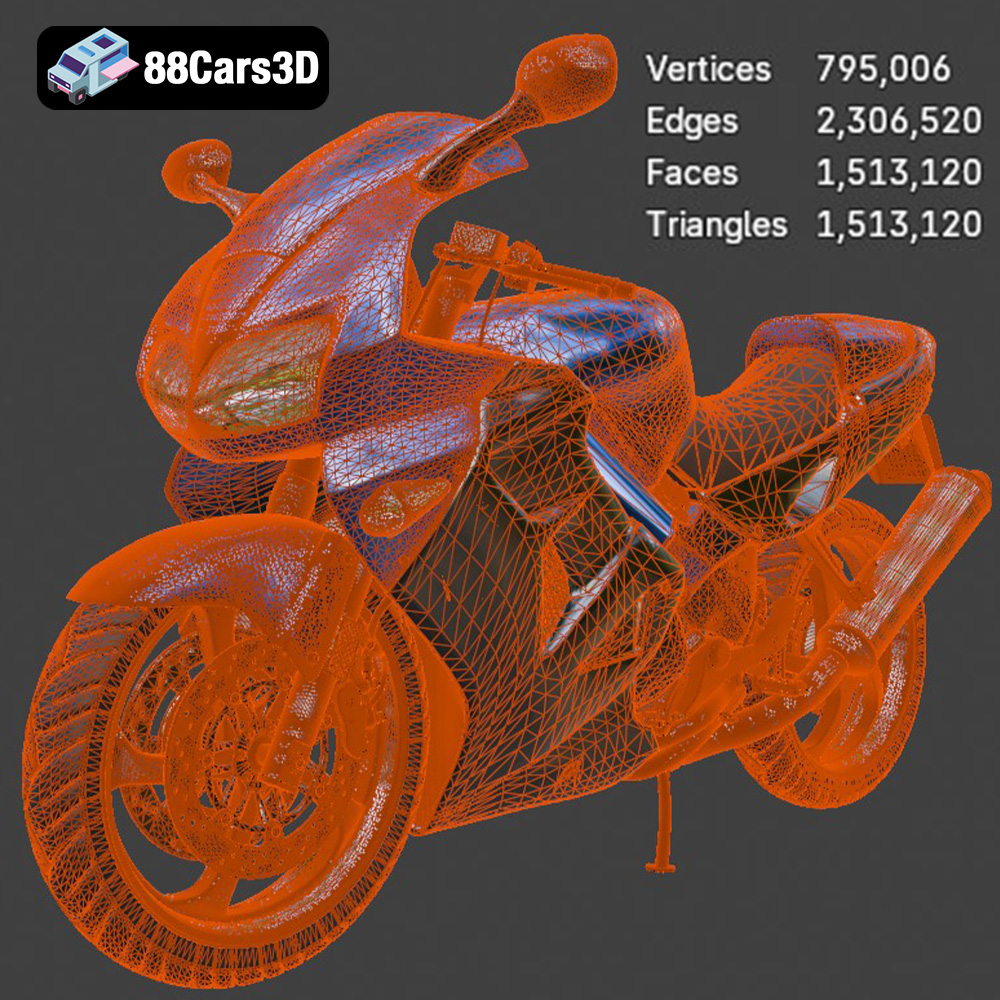
At the heart of any high-quality 3D model is its topology – the arrangement of vertices, edges, and faces that form the mesh. The Honda VFR 801 boasts clean polygon geometry, which is crucial for several reasons. Firstly, clean quad-based topology allows for seamless subdivision. When smoothing algorithms (like subdivision surfaces) are applied, a well-structured mesh will produce smooth, flowing curves without pinching or artifacting, essential for the sleek lines of a sportbike. Secondly, good topology simplifies UV mapping and texturing, as seams can be placed logically and distortion is minimized. Finally, efficient topology, without excessive polygons in flat areas, helps keep poly counts manageable, improving performance in real-time applications and reducing render times in offline renderers. The model’s topology is specifically engineered for professional-grade results, supporting both static imagery and dynamic animations with equal prowess.
Realistic materials are what truly bring a 3D model to life. The Honda VFR 801 features realistic materials, encompassing everything from the metallic sheen of the frame to the gloss of the paint, the texture of the tires, and the reflectivity of the chrome accents. This is achieved through a combination of physically based rendering (PBR) materials, high-resolution textures, and accurate UV mapping. PBR workflows simulate how light interacts with surfaces in the real world, providing consistent and believable results under any lighting condition. Textures, such as diffuse maps for color, normal maps for fine surface detail, roughness maps for micro-surface imperfections, and metallic maps for metallic properties, all work in concert. The precise UV unwrapping ensures that these textures are applied without stretching or distortion, making the VFR 801 visually stunning and ready for close-up examination.
A truly versatile 3D model must be optimized for a range of platforms, from high-end rendering workstations to mobile AR/VR devices. Optimization involves careful management of polygon counts, texture resolutions, and material complexity. While the Honda VFR 801 provides detailed geometry for close-ups, an optimized version suitable for game engines or real-time applications would typically involve a balance between visual fidelity and performance. This might include creating multiple Levels of Detail (LODs), where simpler versions of the model are swapped in at greater distances. The clean topology inherently aids optimization, allowing for easier poly-reduction while preserving crucial detail. By providing various file formats and meticulously constructed geometry, the Honda VFR 801 offers the flexibility needed for artists and developers to tailor the model’s performance to their specific project requirements without sacrificing visual quality.
The true value of a professional 3D asset is best illustrated through its application in real-world scenarios. The Honda VFR 801 3D Model from 88cars3d.com is designed to seamlessly integrate into diverse industry pipelines, showcasing its versatility and technical excellence.
Imagine a global advertising campaign for a new motorcycle launch or a high-performance tire brand. Instead of expensive photoshoots and complex logistics, marketers can leverage the Honda VFR 801 3D Model to create stunning, photorealistic visuals. A recent campaign for a fictional motorcycle accessory company used the VFR 801 to showcase new aftermarket exhausts. Artists imported the .max model into 3ds Max, rendered it with V-Ray in various studio environments, and dynamically swapped out exhaust systems without needing physical prototypes. The model’s accurate scaling and realistic materials allowed for precise product placement and compelling visuals that were indistinguishable from real photography. This approach significantly reduced production costs and accelerated time-to-market, demonstrating the immense power of high-fidelity 3D car models in commercial advertising.
Beyond static renders, the Honda VFR 801 is an ideal asset for interactive training and simulation environments. Consider a motorcycle safety training program or a professional racing simulator. Developers integrated the optimized .fbx version of the VFR 801 into a custom-built Unreal Engine simulator. The model’s clean topology facilitated easy rigging for realistic suspension and steering animations, while its well-defined geometry allowed for accurate collision detection and physics simulation. Trainees could experience riding the VFR 801 in various virtual conditions, learning handling characteristics and emergency maneuvers in a safe, controlled environment. The model’s fidelity ensured that the visual experience was engaging and believable, enhancing the effectiveness of the training.
For independent game developers with ambitious visions but limited resources, high-quality pre-made assets are a game-changer. An indie studio developing an open-world racing game needed a diverse fleet of vehicles. They acquired the Honda VFR 801 3D Model from 88cars3d.com, utilizing its “.unreal” optimized version. This allowed them to quickly integrate the bike into their Unreal Engine project, applying their custom shaders and physics systems with minimal setup. The model’s clean UVs made it easy to create custom liveries and visual damage effects. The studio was able to populate their game world with a visually stunning, performance-optimized motorcycle asset, saving weeks of modeling and texturing time and allowing them to focus on unique gameplay elements. This highlights how ready-to-use, professional 3D car models empower smaller teams to achieve AAA-level visual quality.
The journey through the world of high-quality 3D automotive models reveals a clear truth: precision, versatility, and technical integrity are non-negotiable for professional success. From breathtaking photorealistic renders for advertising to immersive real-time experiences in games and AR/VR, the foundation of every impactful digital project relies on meticulously crafted assets. The diverse array of file formats and thoughtful optimization ensures that these models are not just beautiful, but also highly functional across a multitude of applications and workflows.
The Honda VFR 801 3D Model stands as a prime example of such an asset. Its clean polygon geometry, realistic materials, and comprehensive format support (including .blend, .fbx, .obj, .glb, .stl, .ply, .unreal, and .max) make it an invaluable tool for designers, artists, and developers alike. Whether you’re aiming for cinematic fidelity in automotive rendering, seamless integration into a game engine, or innovative presence in AR/VR, this model provides the quality and flexibility needed to achieve outstanding results. Investing in such professional-grade 3D car models from trusted sources like 88cars3d.com is an investment in efficiency, quality, and ultimately, the success of your creative endeavors. Elevate your projects and bring your visions to life with assets that truly deliver.
Experience unmatched realism with the Honda VFR 801-002 3D Model. Constructed with meticulous attention to detail, this professional 3D asset captures the dynamic essence and engineering precision of the iconic Honda VFR. It is designed to elevate your visual projects with accurate scaling and true-to-life aesthetics. Key features include clean polygon geometry, realistic materials, and exceptional detailing. The topology is fully optimized for smooth rendering and seamless subdivision, ensuring professional-grade results whether utilized for static imagery or dynamic animations. This versatile 3D model is ideal for a wide range of applications. From digital rendering and simulation to game development and immersive AR/VR experiences, it integrates seamlessly into your existing pipeline to deliver outstanding visual fidelity.
$19.99
.arvr
.blend
.car3dmodel
.fbx
.gameasset
.glb
.honda
.max
.motorcycle
.obj
.ply
.rendering
.simulation
.sportbike
.stl
.twowheeler
.unreal
.vfr