Get 20% OFF All Premium 3D & STL Models!

In the exhilarating world of digital content creation, where realism and performance are paramount, the demand for high-quality 3D assets continues to skyrocket. From cinematic automotive visualizations that grace the biggest screens to immersive game environments and cutting-edge AR/VR experiences, the foundation of every breathtaking digital scene lies in its meticulously crafted components. Among these, 3D car models stand out as particularly challenging to perfect, requiring a blend of artistic flair and technical precision.
Crafting a hypercar like the Koenigsegg Jesko from scratch, with all its intricate aerodynamic curves, detailed interior, and complex material surfaces, can be a monumental task, consuming hundreds of hours of a professional artist’s time. This is where pre-engineered, professional-grade assets become invaluable, providing an immediate solution for studios and freelancers alike. Imagine having access to a model that not only looks stunning but is also optimized for a multitude of applications right out of the box. This is precisely what the Koenigsegg Jesko 2020 3D Model offers – an unparalleled level of realism and technical robustness designed to elevate your digital projects from concept to dazzling reality. Whether you’re a seasoned professional seeking efficiency or an aspiring artist aiming for perfection, this model provides the ultimate starting point for your next masterpiece, eliminating the need to spend countless hours on foundational modeling.
The versatility of a professional 3D asset, especially one as detailed as the Koenigsegg Jesko 2020 3D Model, is profoundly enhanced by the range of file formats it supports. Each format serves a specific purpose, offering unique advantages for different stages of the production pipeline, from initial design and rendering to real-time interaction and even physical manufacturing. Understanding these formats is crucial for maximizing compatibility and optimizing your workflow across various software and platforms.
The .blend format is Blender’s native file type, acting as a complete package for all scene data. When you acquire the Koenigsegg Jesko 2020 3D Model in .blend format, you’re not just getting the mesh; you’re getting an editable Blender scene with materials, textures, lighting setups, camera positions, and potentially even animations. This format is ideal for artists who primarily work within Blender, offering full parametric control, modifier stacks, and the ability to easily tweak or expand upon the existing setup. It ensures that the model integrates seamlessly into a Blender-centric workflow, allowing for advanced rendering with Cycles or Eevee, sculpting, rigging, and animation without any loss of data fidelity.
FBX (Filmbox) is a proprietary file format developed by Autodesk, widely regarded as the industry standard for exchanging 3D data between different software applications and game engines. It supports geometry, materials, textures, animations, and camera data. The .fbx version of the Koenigsegg Jesko 2020 3D Model is particularly valuable for game development (Unreal Engine, Unity), motion graphics, and general 3D visualization. Its robustness in handling complex scene data while maintaining a relatively small file size makes it indispensable for real-time pipelines where efficient data transfer is key. It’s an excellent choice for exporting animated sequences or for models destined for complex rigging in external software.
OBJ (or .obj) is a simple, universal 3D data format developed by Wavefront Technologies. It stores geometric data like vertices, faces, UV coordinates, and normals, often accompanied by an MTL (Material Template Library) file for basic material definitions. While it doesn’t support animation or complex scene data like FBX, its simplicity ensures unparalleled compatibility across virtually all 3D software packages, including 3ds Max, Maya, Blender, Cinema 4D, and more. For static mesh export and archival, the .obj format of the Koenigsegg Jesko 2020 3D Model guarantees that the core geometry and UVs are preserved, making it a reliable choice for initial asset transfer or as a fallback option when more complex formats encounter issues.
GLB is the binary version of glTF (Graphics Language Transmission Format), an open standard developed by the Khronos Group. Often referred to as the “JPEG of 3D,” glTF/GLB is specifically designed for efficient transmission and loading of 3D scenes and models by applications. It packages all model data (geometry, textures, animations, PBR materials) into a single, compact file, making it ideal for web-based 3D viewers, AR/VR experiences, and mobile applications. The .glb format for the Koenigsegg Jesko 2020 3D Model allows for seamless integration into immersive digital environments, delivering high visual quality with minimal performance overhead, perfect for virtual showrooms or interactive product showcases.
STL (Stereolithography) is a standard file format widely used for 3D printing and rapid prototyping. It represents a 3D model as a series of connected triangular facets, defining the surface geometry without color or texture information. For the Koenigsegg Jesko 2020 3D Model, the .stl format enables the physical realization of the digital asset. It’s crucial for generating precise, watertight meshes that can be successfully interpreted by 3D printers, allowing for the creation of scale models, prototypes, or custom parts. While not visually rich, its importance in bridging the digital and physical realms is undeniable.
PLY (Polygon File Format or Stanford Triangle Format) is another format for storing 3D data, particularly useful for scanned data and precision meshes. It can store a wider range of properties than STL, including color, transparency, surface normals, and even confidence values for each point or polygon. The .ply format for the Jesko model would be invaluable for engineers or designers who need to perform detailed analyses, compare CAD data, or work with highly accurate surface representations. Its extensibility makes it suitable for applications requiring more granular data than standard mesh formats.
While not a universal file extension in the same vein as .fbx or .obj, the inclusion of a “.unreal” file or asset specifically means the Koenigsegg Jesko 2020 3D Model has been pre-configured and optimized for direct use within Unreal Engine. This often implies that the asset package includes a dedicated Unreal Engine project or content folder containing the model with properly set up materials, textures, LODs (Level of Detail), collision meshes, and potentially blueprints or animations. This ‘engine-ready’ approach dramatically reduces setup time for developers, ensuring that the model integrates seamlessly into an Unreal project with minimal adjustments required to achieve optimal visual quality and performance.
The .max format is the native scene file for Autodesk 3ds Max, one of the most powerful and widely used 3D modeling, animation, and rendering software packages. Like .blend, a .max file contains the complete scene, including geometry, materials, textures, lights, cameras, modifiers, and animation data. Providing the Koenigsegg Jesko 2020 3D Model in .max format ensures that 3ds Max users have full editable control over every aspect of the asset. This is particularly beneficial for high-end automotive rendering using renderers like V-Ray or Corona, where complex material setups, intricate lighting, and advanced animation sequences are common. It allows for complete customization and integration into existing 3ds Max scenes without any conversion artifacts or data loss.
The comprehensive range of formats included with the Koenigsegg Jesko 2020 3D Model underscores its professional-grade nature and makes it an incredibly versatile asset for any digital project, truly exemplifying the high standards of 3D car models available at 88cars3d.com.
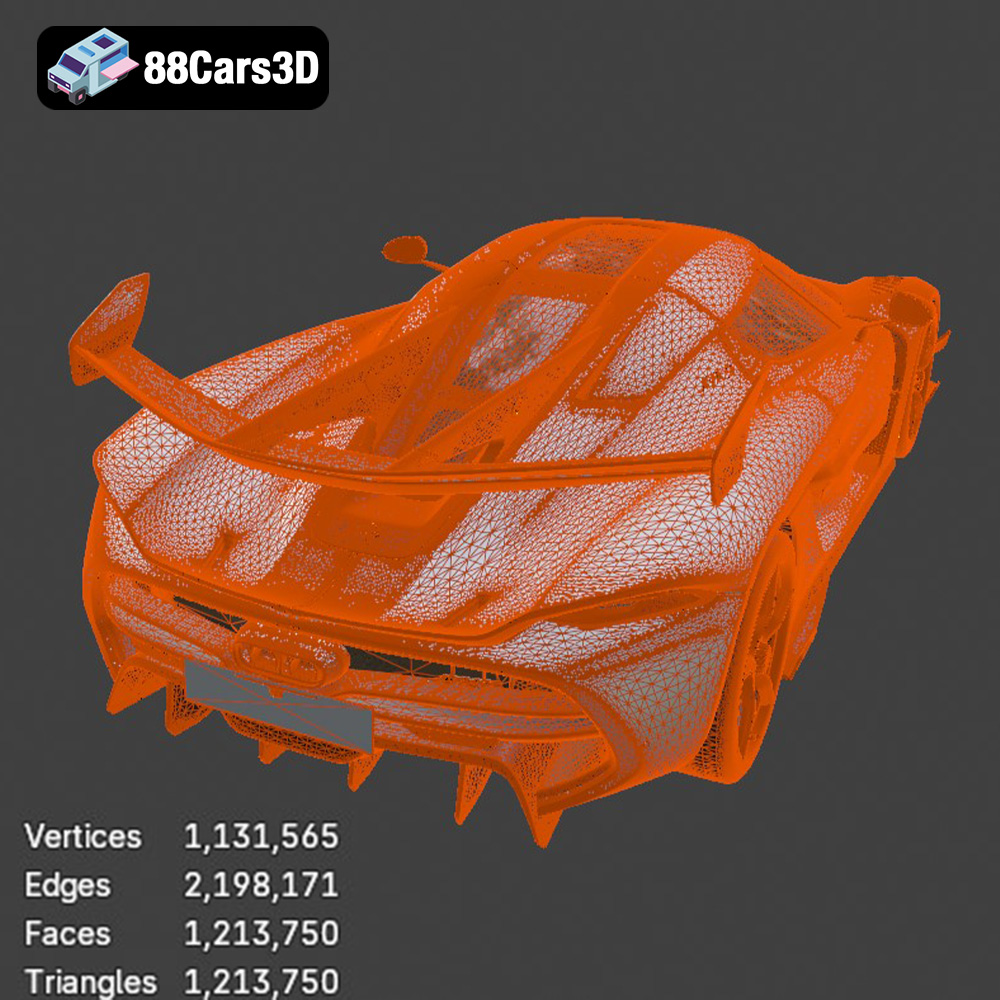
Achieving photorealistic automotive rendering is a delicate balance between artistic vision and technical mastery. It demands models with impeccable geometry, sophisticated materials, and precise lighting. The Koenigsegg Jesko 2020 3D Model provides an exceptional foundation, built with “exceptionally clean geometry” and “precise edge flow,” making it an ideal candidate for stunning visualizations.
The visual authenticity of any render hinges significantly on its materials. For hypercars like the Jesko, this involves replicating complex surfaces such as multi-layered clear coats, carbon fiber weaves, brushed metals, and intricate interior textiles. Professional 3D car models like the Jesko available on 88cars3d.com come equipped with realistic materials, often configured for Physically Based Rendering (PBR) workflows. This means textures for base color, metallic, roughness, normal, and even anisotropic reflections are carefully crafted. When working in 3ds Max, Blender, or other rendering software, these PBR textures interact accurately with light, producing reflections and refractions that mirror real-world physics. Artists can further refine these materials, adjusting clear coat properties for paint depth, adding subtle dust or fingerprints, or fine-tuning the intensity of the carbon fiber pattern, knowing that the underlying model structure supports these detailed enhancements without visual artifacts.
Even the most perfectly modeled and textured car will fall flat under poor lighting. Mastering lighting involves understanding how light interacts with surfaces to define shape, mood, and realism. For automotive rendering, High Dynamic Range Images (HDRIs) are indispensable, providing accurate global illumination and reflections from real-world environments. Supplementing HDRIs with carefully placed area lights, spot lights, and often intricate studio lighting setups in software like 3ds Max or Blender can dramatically enhance the final image. The clean geometry and optimal UV mapping of the Koenigsegg Jesko 2020 3D Model ensure that reflections are crisp, shadows are accurate, and the model holds up beautifully under close-up shots and diverse lighting conditions, from a sun-drenched coastal road to a dramatic, moody studio.
Game development places unique demands on 3D assets, prioritizing performance and optimization alongside visual quality. The Koenigsegg Jesko 2020 3D Model, described as “game-engine ready,” is engineered to meet these rigorous requirements, making it an excellent choice for modern game titles and interactive experiences.
For developers working with industry-leading game engines like Unreal Engine and Unity, the included .fbx and .unreal formats are crucial. The .fbx file, being a robust interchange format, allows for easy import of the model, its materials, and UVs. Once in the engine, developers can create material instances, linking the model’s textures to the engine’s PBR material systems. For Unreal Engine specifically, the dedicated .unreal asset often means even more streamlined integration, potentially including pre-configured static meshes, optimized LODs (Levels of Detail), and even collision meshes. This saves significant development time, as the asset is already prepared to perform efficiently within the engine’s rendering pipeline. The clean topology of the Jesko model ensures that the mesh deforms predictably and renders efficiently, preventing visual glitches or performance bottlenecks even in demanding real-time scenarios.
Optimizing 3D car models for real-time applications is a critical skill. The description of the Koenigsegg Jesko 2020 3D Model highlights its “optimal performance across various digital environments without unnecessary polygon overhead.” This implies a careful balance between visual fidelity and polygon count. For game assets, implementing LODs is essential. These are simplified versions of the model that swap in as the car moves further from the camera, drastically reducing rendering load without noticeable visual degradation. Effective UV mapping is also paramount, allowing artists to pack textures efficiently into atlases, minimizing draw calls and improving rendering speed. The professional crafting of this model means it’s designed to be easily adaptable for these optimization techniques, offering a solid base for a high-performance game asset.
Beyond traditional rendering and game development, high-quality 3D car models like the Koenigsegg Jesko 2020 find innovative uses in emerging technologies such as Augmented Reality (AR), Virtual Reality (VR), and 3D printing, opening new avenues for interaction and physical manifestation.
AR and VR technologies thrive on detailed, performant 3D assets to create convincing immersive experiences. The .glb format, optimized for AR/VR and web-based visualization, makes the Koenigsegg Jesko 2020 3D Model an ideal candidate for these applications. Imagine a virtual showroom where customers can explore the Jesko in full 3D, customize its paint and interior, and even “sit” inside it using a VR headset. Or, an AR application that allows users to place the hypercar directly into their driveway via their smartphone. The model’s intricate details, from the sculpted bodywork to the refined interior, are preserved in the .glb format, ensuring that the virtual experience is as close to reality as possible, captivating users and offering a unique perspective on automotive design.
The journey of a 3D model doesn’t always end on a screen. With the included .stl format, the Koenigsegg Jesko 2020 3D Model can transcend the digital realm and become a tangible object through 3D printing. This capability is invaluable for designers creating physical prototypes, enthusiasts wanting a scale model for their collection, or educators demonstrating complex automotive engineering. The .stl file represents the model’s surface as a watertight, manifold mesh of triangles, which is exactly what 3D printers need to build a physical object layer by layer. While textures and colors are not part of the .stl format, the precision of the underlying geometry ensures that every curve and aerodynamic element of the Jesko is accurately translated into the physical print, creating a miniature replica that truly captures the hypercar’s essence.
The versatility and quality of the Koenigsegg Jesko 2020 3D Model make it an indispensable asset in a variety of professional workflows, significantly boosting efficiency and elevating the final output. Sourcing such high-quality 3D car models from platforms like 88cars3d.com allows professionals to bypass the intensive modeling phase and jump directly into creative execution.
In the highly competitive world of automotive advertising, striking visuals are paramount. Marketing agencies and visualization studios constantly seek to create jaw-dropping cinematic renders and animations that showcase vehicles in the best possible light. With a model like the Koenigsegg Jesko, artists can quickly produce promotional content, high-resolution hero shots, or dynamic animation sequences without the overhead of starting from scratch. For instance, a studio might use the .max file in 3ds Max for a V-Ray render of the Jesko on a futuristic cityscape, or utilize the .blend file for a stylized animation sequence in Blender, leveraging its robust animation toolset. The model’s “clean geometry” and “realistic materials” ensure that every reflection and highlight contributes to a premium brand image, delivering impactful visuals for global campaigns.
Beyond marketing, accurate 3D car models play a crucial role in simulation and training. Engineering firms develop advanced driving simulators for R&D, pilot training, or even professional e-sports. Here, the precision of the Jesko model’s geometry and its “game-engine ready” formats (.fbx, .unreal) are essential. The model can be integrated into a physics engine to simulate realistic driving dynamics, allowing for virtual testing or driver training in a safe, controlled environment. Mechanics could even use VR simulations featuring the Jesko to practice repair procedures on a highly accurate digital twin before working on the physical vehicle, thanks to the model’s comprehensive detailing and robust file formats.
Architectural visualization often benefits from the inclusion of high-fidelity vehicles to add realism, scale, and a sense of luxury to renderings. Placing a Koenigsegg Jesko 2020 3D Model within an exterior architectural scene of a modern mansion or a high-end commercial complex instantly elevates the entire presentation. Architects can use the .obj or .max versions within their preferred rendering software (e.g., Revit, ArchiCAD, or even Blender) to populate scenes, demonstrate lifestyle, and provide context for their designs. The model’s striking presence not only makes the scene more dynamic but also subtly communicates the aspirational quality of the proposed environment, reinforcing the overall design narrative.
The pursuit of digital realism in the automotive sector requires not just artistic skill but also access to technically superior assets. The Koenigsegg Jesko 2020 3D Model stands as a testament to this principle, offering an exceptional blend of meticulous detail, clean geometry, and multi-format compatibility that makes it an indispensable tool for professionals across various industries.
From producing stunning automotive renders in 3ds Max or Blender, integrating seamlessly into high-performance game engines like Unreal, to powering immersive AR/VR experiences, and even enabling precise 3D prints, this model is designed to excel. Its comprehensive package of file formats, including .blend, .fbx, .obj, .glb, .stl, .ply, .unreal, and .max, ensures that regardless of your software or end-use application, you have the right tool for the job. By investing in such a professional-grade asset, artists and developers can significantly reduce production time, elevate visual quality, and focus on creative innovation rather than foundational modeling challenges.
For anyone serious about high-quality automotive visualization, game development, or interactive content, the Koenigsegg Jesko 2020 3D Model represents a smart and powerful addition to their digital toolkit. Discover this and other premium 3D car models that push the boundaries of digital content creation by visiting 88cars3d.com, where excellence in 3D assets is always the standard.
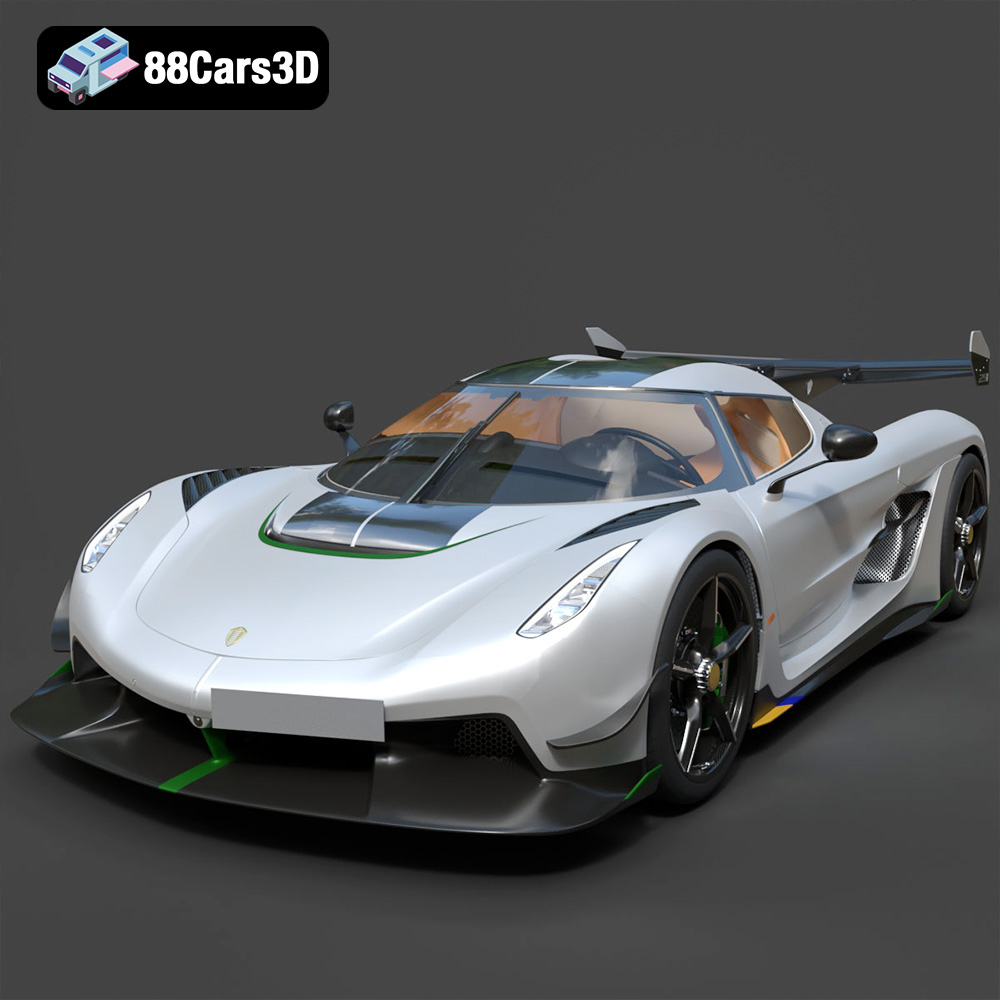
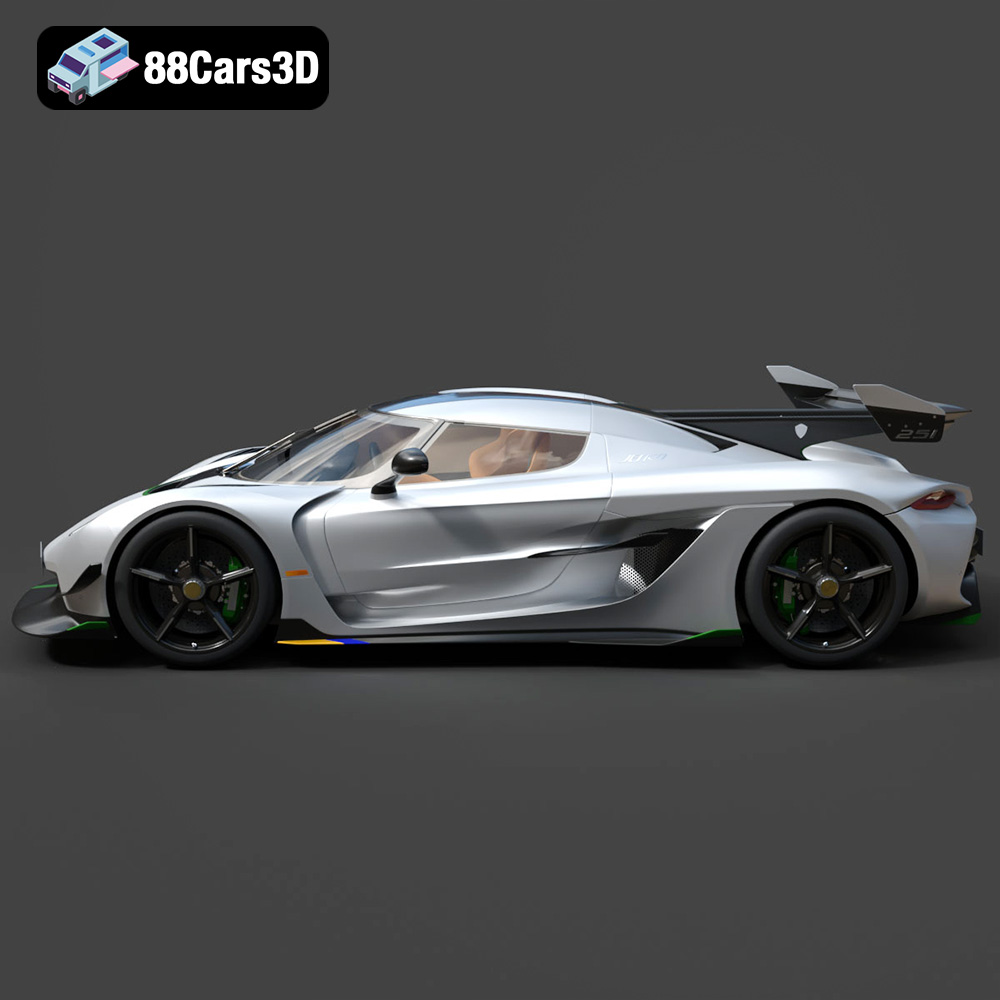
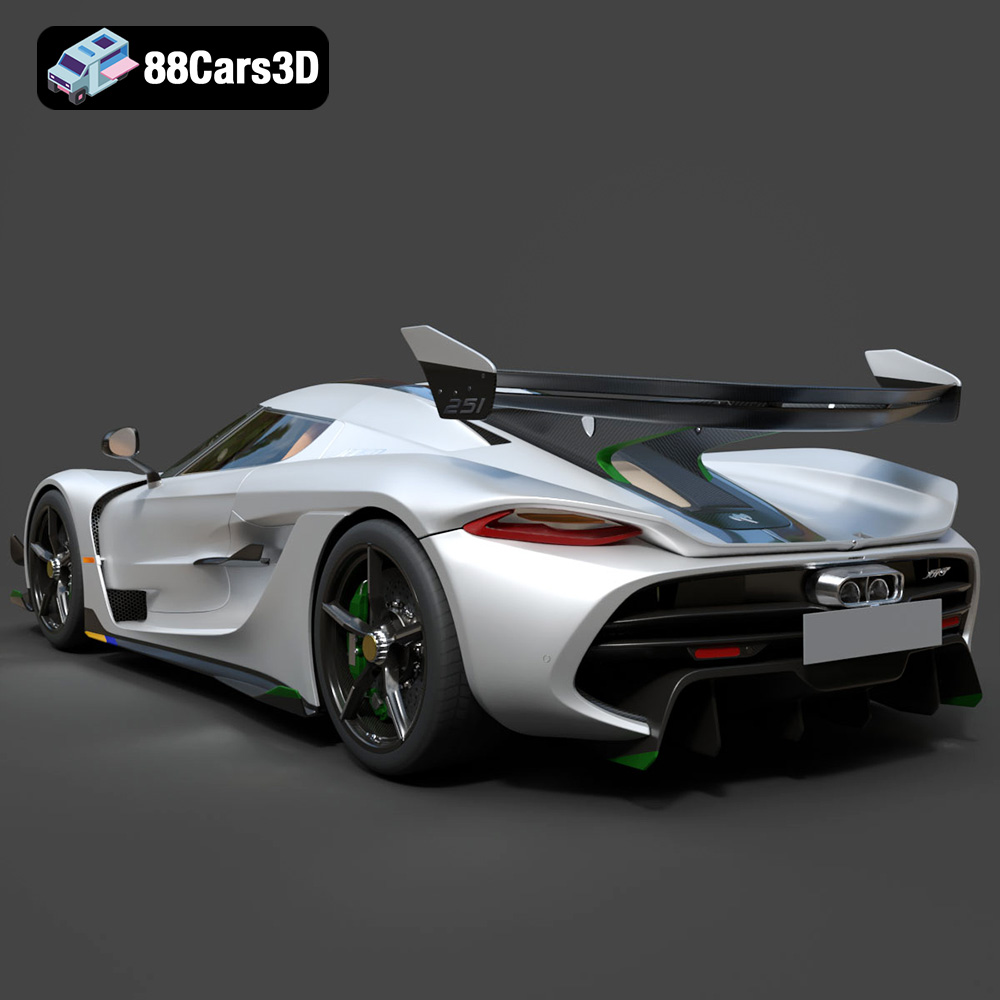
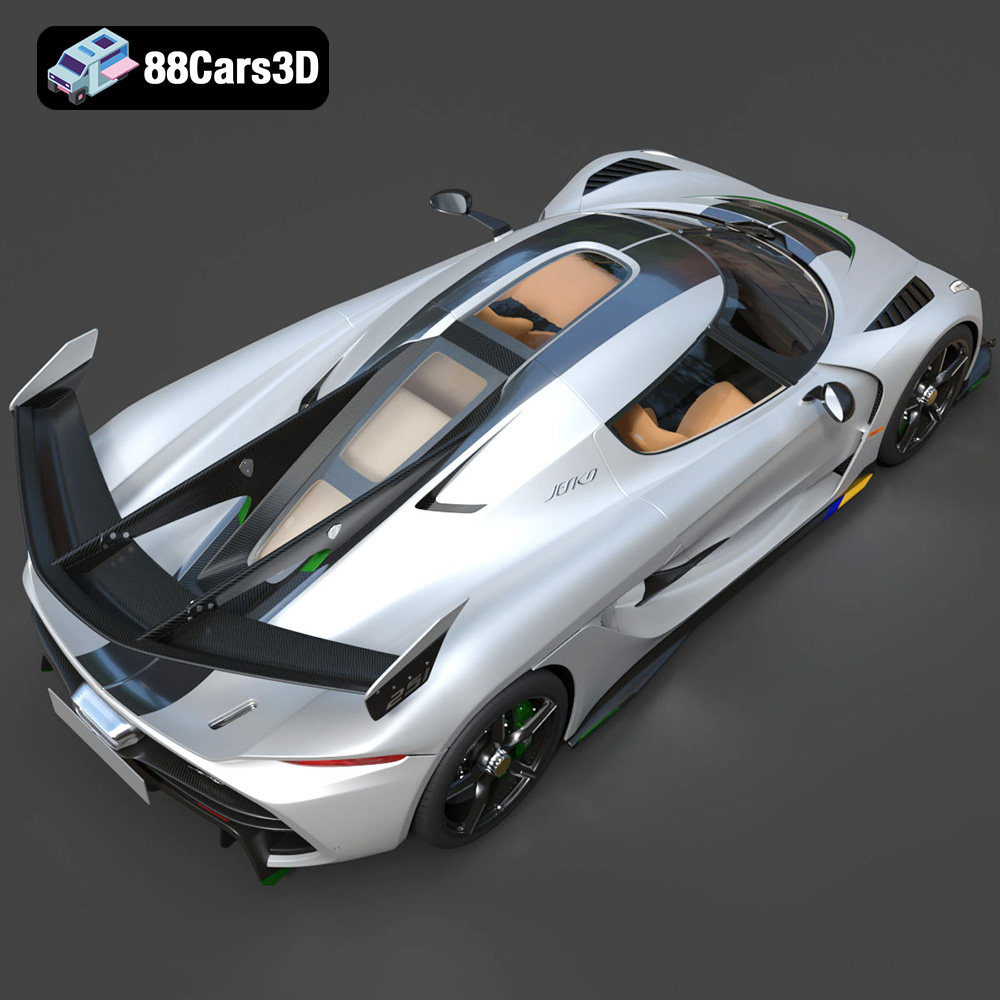
Experience unparalleled realism with the Koenigsegg Jesko 2020 3D Model. This meticulously crafted asset captures every intricate detail of the iconic hypercar, providing a professional-grade solution for advanced digital projects.
Key features include exceptionally clean geometry, precise edge flow, and realistic materials that elevate the visual authenticity of your scenes. The model is built to professional standards, ensuring seamless integration and optimal performance across various digital environments without unnecessary polygon overhead.
Perfect for a wide range of applications, this 3D model excels in game development, architectural rendering, automotive visualization, and immersive AR/VR experiences. Whether you are creating a cinematic animation or a real-time interactive simulation, this asset delivers outstanding digital results.
The package includes the following file formats for maximum compatibility:
Tags: .koenigsegg, .jesko, .hypercar, .sportscar, .car3dmodel, .rendering, .simulation, .gameasset, .arvr, .blend, .fbx, .obj, .glb, .stl, .ply, .unreal, .max
Tags:
.koenigsegg, .jesko, .hypercar, .sportscar, .car3dmodel, .rendering, .simulation, .gameasset, .arvr, .blend, .fbx, .obj, .glb, .stl, .ply, .unreal, .maxMercedes Benz CLS 500 3D Model 3D Printable STL
$19.99
.arvr
.blend
.car3dmodel
.fbx
.gameasset
.glb
.hypercar
.jesko
.koenigsegg
.max
.obj
.ply
.rendering
.simulation
.sportsCar
.stl
.unreal