Get 20% OFF All Premium 3D & STL Models!

In the fast-paced world of digital creation, the demand for stunningly realistic and highly versatile 3D assets continues to grow exponentially. From blockbuster game titles and cinematic automotive advertisements to groundbreaking AR/VR experiences and detailed product visualizations, the quality of your 3D models can make or break a project. For professionals working in these domains, particularly with the intricate details of vehicles, generic or low-fidelity assets simply won’t suffice. Precision, clean topology, and multi-format compatibility are not just desirable; they are essential.
This pursuit of perfection is precisely where expertly crafted 3D car models shine. They serve as the foundational building blocks for diverse creative endeavors, empowering artists and developers to achieve unparalleled levels of realism and efficiency. Imagine bringing a cutting-edge electric vehicle to life in a dynamic animation or integrating it seamlessly into a virtual showroom. The success of such a vision hinges entirely on the quality of the underlying 3D model.
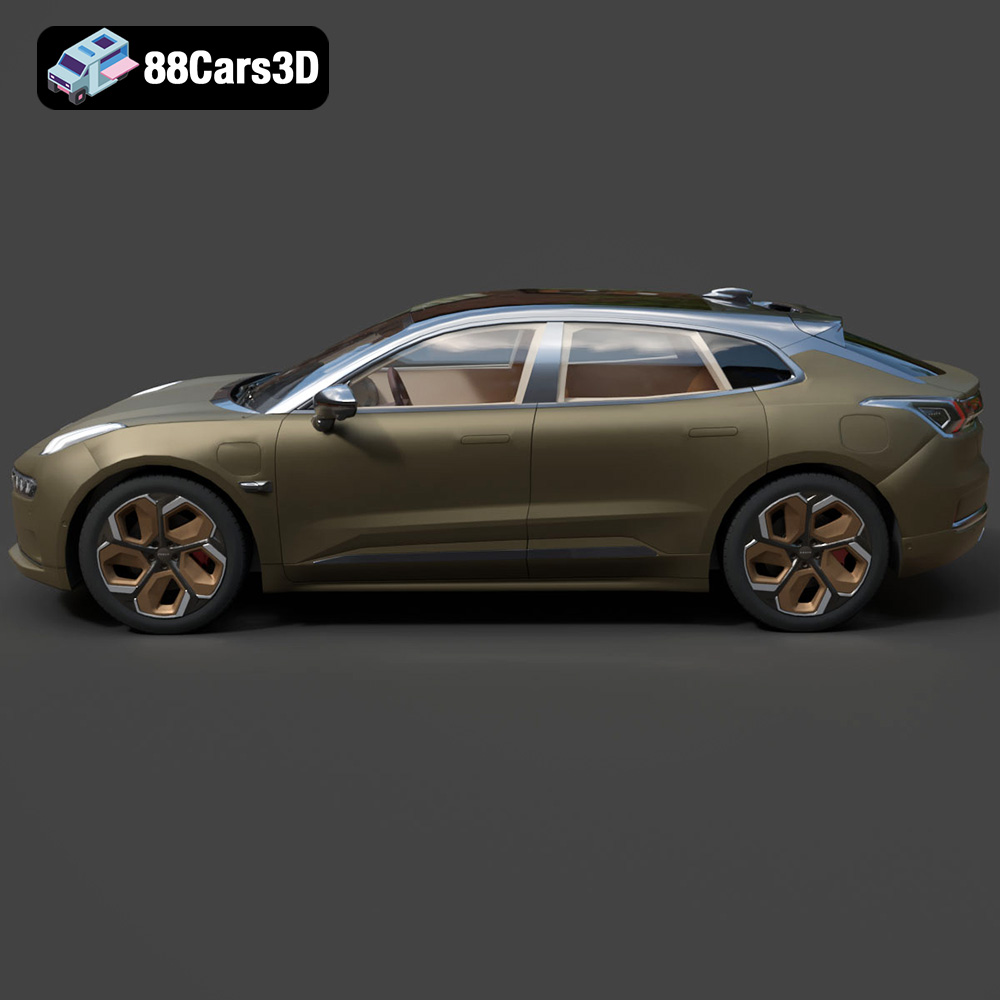
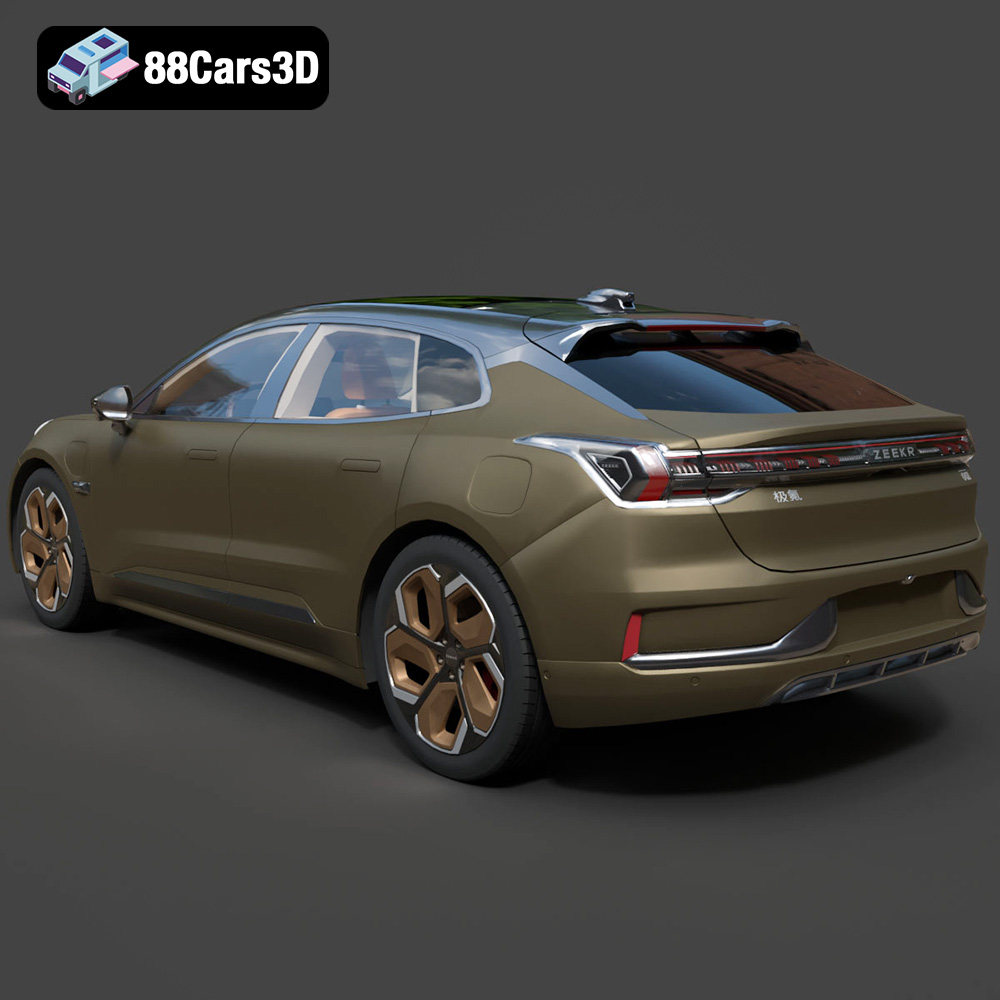
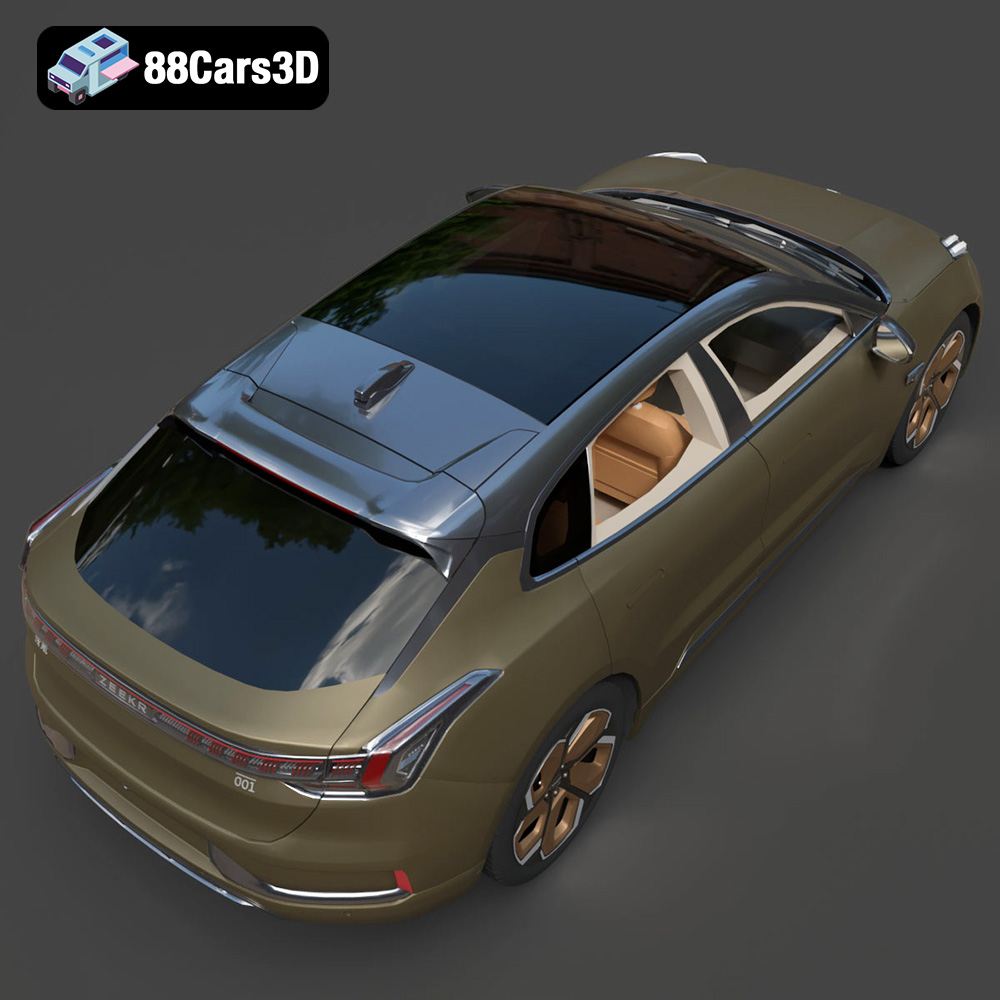
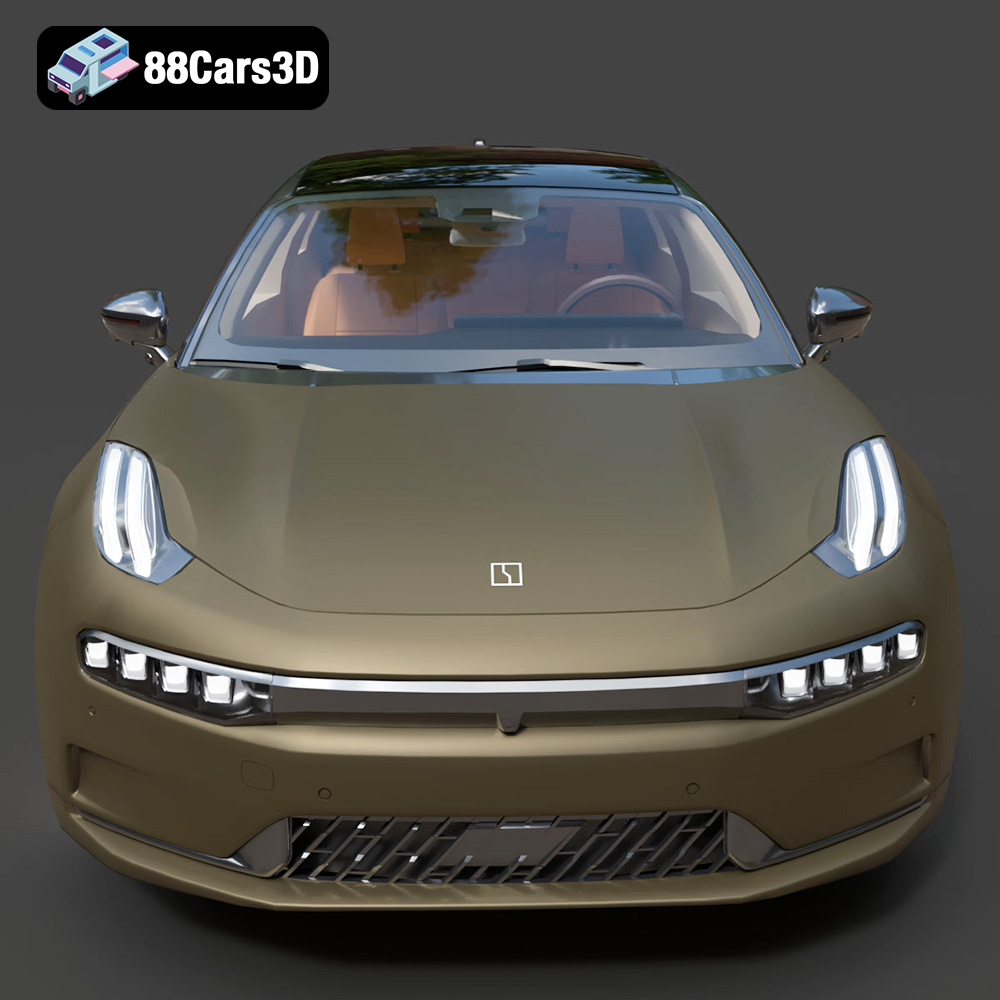
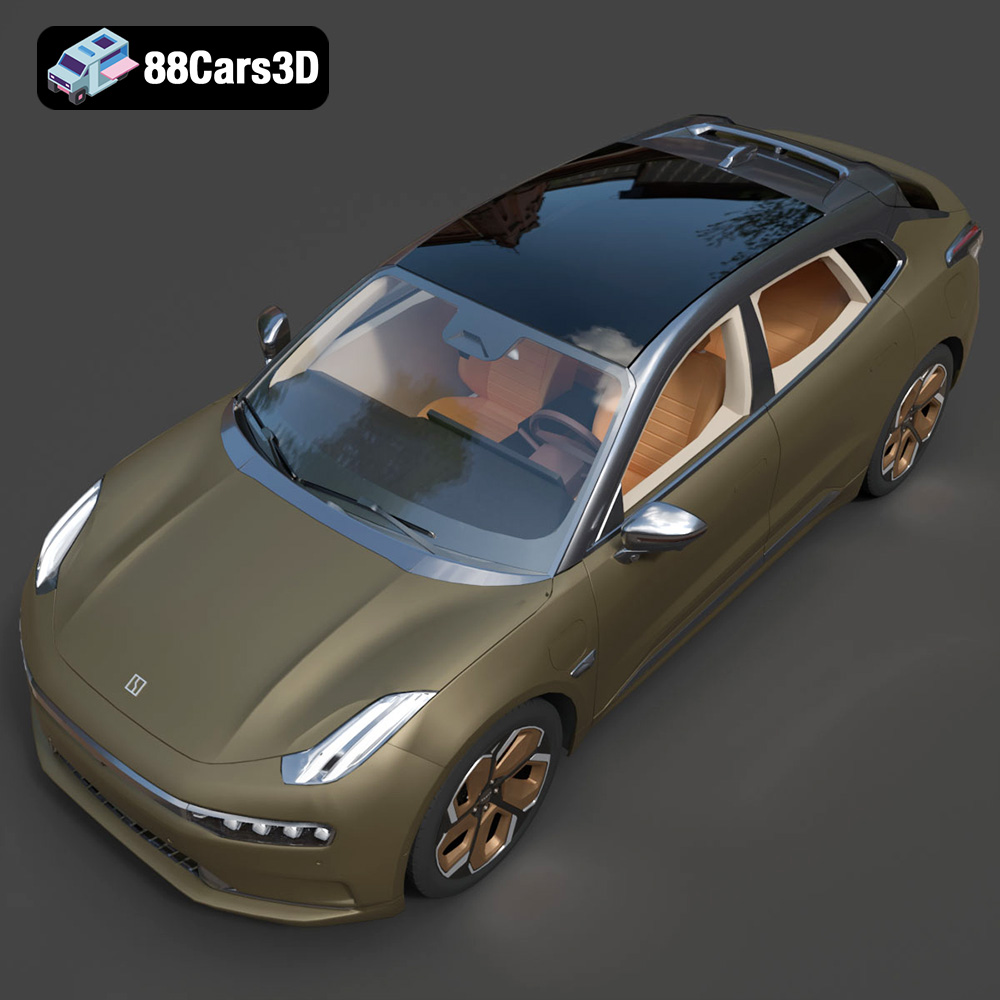
For instance, consider the Zeekr 001 3D Model, an exemplary digital asset designed to replicate the distinctive exterior lines and modern design of this innovative electric vehicle with exceptional precision. Its lifelike representation is perfect for professional use, offering clean geometry, realistic materials, and professional quality. Models like the Zeekr 001 are not just static objects; they are gateways to new creative possibilities, optimized for seamless integration and superior visual fidelity across various platforms. They exemplify the caliber of automotive rendering and game assets that professionals can find at 88cars3d.com, a dedicated marketplace for top-tier vehicular models.
The choice of 3D model file format is a critical decision that impacts workflow, compatibility, and the ultimate utility of a digital asset. Different formats are optimized for specific purposes, from real-time game engines to high-fidelity rendering and even physical 3D printing. A professional-grade 3D car model, such as the Zeekr 001, is typically made available in a variety of these formats to ensure maximum flexibility for diverse project requirements.
The .blend format is native to Blender, the powerful open-source 3D creation suite. When you acquire a .blend file, you’re getting more than just a mesh; you’re often receiving a fully editable scene, complete with materials, textures, lighting setups, and sometimes even animation rigs. This makes it incredibly valuable for artists who use Blender as their primary DCC (Digital Content Creation) tool. For a model like the Zeekr 001, the .blend file would provide direct access to the model’s clean topology, custom PBR material setups, and potentially an optimized studio lighting environment, allowing for immediate rendering or further customization without complex import/export steps.
Autodesk’s .fbx (Filmbox) format is arguably the most widely adopted interchange format in the 3D industry, particularly within game development and animation pipelines. Its strength lies in its ability to encapsulate a vast array of 3D data, including geometry, materials (with texture references), animations, skinning, and camera data. This makes it ideal for transferring assets between different software packages and, crucially, into game engines like Unreal Engine and Unity. When integrating a 3D car model like the Zeekr 001 into a real-time environment, an .fbx file ensures that all necessary components are transferred efficiently and correctly, ready for immediate use, often with optimized mesh data and UV maps already prepared for game engine standards.
The .obj (Wavefront OBJ) format is a venerable and widely supported neutral file format for geometric data. It’s a simple, human-readable text file that defines vertex positions, UV coordinates, normals, and polygonal faces. While it doesn’t store animation or complex material properties (it references external .mtl files for basic material definitions), its universality makes it an excellent choice for cross-software compatibility. If you need to import the Zeekr 001 3D Model into virtually any 3D software package, .obj is a reliable fallback, ensuring that the core geometry and basic texture mapping information are preserved.
.glb (GLB format, a binary form of glTF) is quickly becoming the standard for 3D web, augmented reality (AR), and virtual reality (VR) applications. It’s an efficient, single-file format that includes not only geometry but also PBR materials, textures, animations, and scene graph information, all optimized for fast loading and rendering in browser-based or mobile contexts. For interactive showcases of the Zeekr 001 in AR apps or on a website, the .glb format is indispensable, offering a compact and performant package that delivers rich visual fidelity without compromising user experience.
.stl (Stereolithography) is the de facto standard file format for 3D printing. It represents a 3D model as a series of connected triangles, defining only the surface geometry without color, texture, or other advanced properties. While basic, its simplicity ensures widespread compatibility with 3D printers and slicing software. Professionals looking to create physical prototypes or scale models of the Zeekr 001 for design review or exhibition would turn to the .stl version, relying on its precise tessellated surface data for accurate physical output.
The .ply (Polygon File Format, or Stanford Triangle Format) is a versatile format capable of storing a variety of 3D data, including vertices, faces, normal vectors, color, and other properties. It’s particularly favored in scientific computing, 3D scanning, and CAD/CAM applications for its ability to represent complex and often dense mesh data with high precision. For analytical visualization or reverse engineering tasks involving the Zeekr 001, the .ply format offers a robust representation of its detailed polygon mesh, allowing for precise measurements and technical analysis.
While often a custom packaging of .fbx and associated assets, a dedicated .unreal file (or specific Unreal Engine project files) indicates that the asset is pre-configured for direct use within the Unreal Engine. This means materials are set up, textures linked, possibly even LODs generated, and collision meshes defined. For developers aiming to integrate the Zeekr 001 3D Model directly into an Unreal project for game development or high-fidelity real-time visualization, this format offers the highest level of convenience and ensures that the model meets Unreal’s specific technical requirements straight out of the box, saving valuable development time.
The .max format is the native file type for Autodesk 3ds Max, one of the leading software packages for 3D modeling, animation, and rendering in professional visualization and design. A .max file contains the complete scene data, including all geometry, modifiers, materials, textures, lighting, cameras, and animation curves. For professionals who primarily use 3ds Max, having the Zeekr 001 available in .max provides full control over every aspect of the model, allowing for extensive customization, advanced rendering setups with V-Ray or Corona, and complex animation sequences without any data loss during conversion.
Automotive rendering is a specialized discipline that marries technical precision with artistic flair. It demands an acute understanding of lighting, materials, and composition to produce imagery that is not only photorealistic but also emotionally engaging. The foundation of any successful automotive rendering project is a meticulously crafted 3D car model, such as the Zeekr 001 3D Model, which provides the accurate geometry and clean topology necessary for flawless results.
Physically Based Rendering (PBR) has become the gold standard for achieving photorealistic results in 3D. PBR materials simulate how light interacts with real-world surfaces, using properties like albedo (base color), metallic, roughness, normal maps, and ambient occlusion. A high-quality 3D car model like the Zeekr 001 comes equipped with carefully calibrated PBR materials that accurately represent its paint, glass, chrome, and interior components. This means less time spent tweaking values and more time focused on creative composition, as the model’s materials will react realistically to any lighting environment you introduce.
Lighting is paramount in automotive rendering. It can dramatically alter the mood, highlight design features, and communicate the vehicle’s essence. Professionals often employ a variety of techniques:
The clean reflective surfaces and precise contours of a model like the Zeekr 001 are particularly receptive to these sophisticated lighting techniques, ensuring every detail catches the light just right.
While the 3D render provides the core image, post-production in software like Adobe Photoshop or DaVinci Resolve adds the final layer of polish. This includes color grading, depth of field adjustments, lens flares, motion blur, and subtle atmospheric effects. These steps can transform a good render of the Zeekr 001 into a breathtaking visual, adding that cinematic touch often seen in professional advertisements and visualizations. Having a clean render pass of the vehicle is essential for these processes, and a well-prepared 3D model ensures isolated elements can be manipulated effectively.
Game development places unique demands on 3D assets. Performance, optimization, and seamless integration are key to creating fluid and immersive experiences. High-quality 3D car models, categorized as game assets, are designed with these considerations in mind, making them invaluable for developers working on racing simulators, open-world games, or interactive experiences.
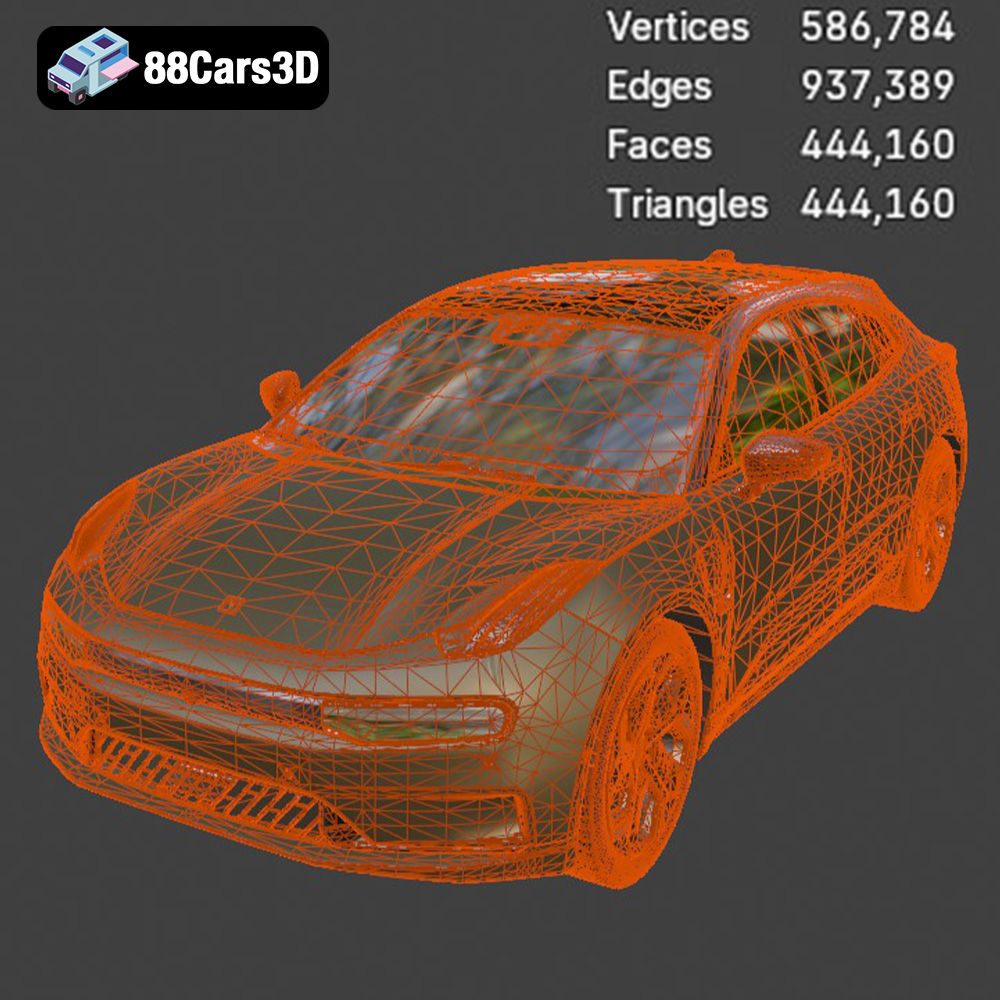
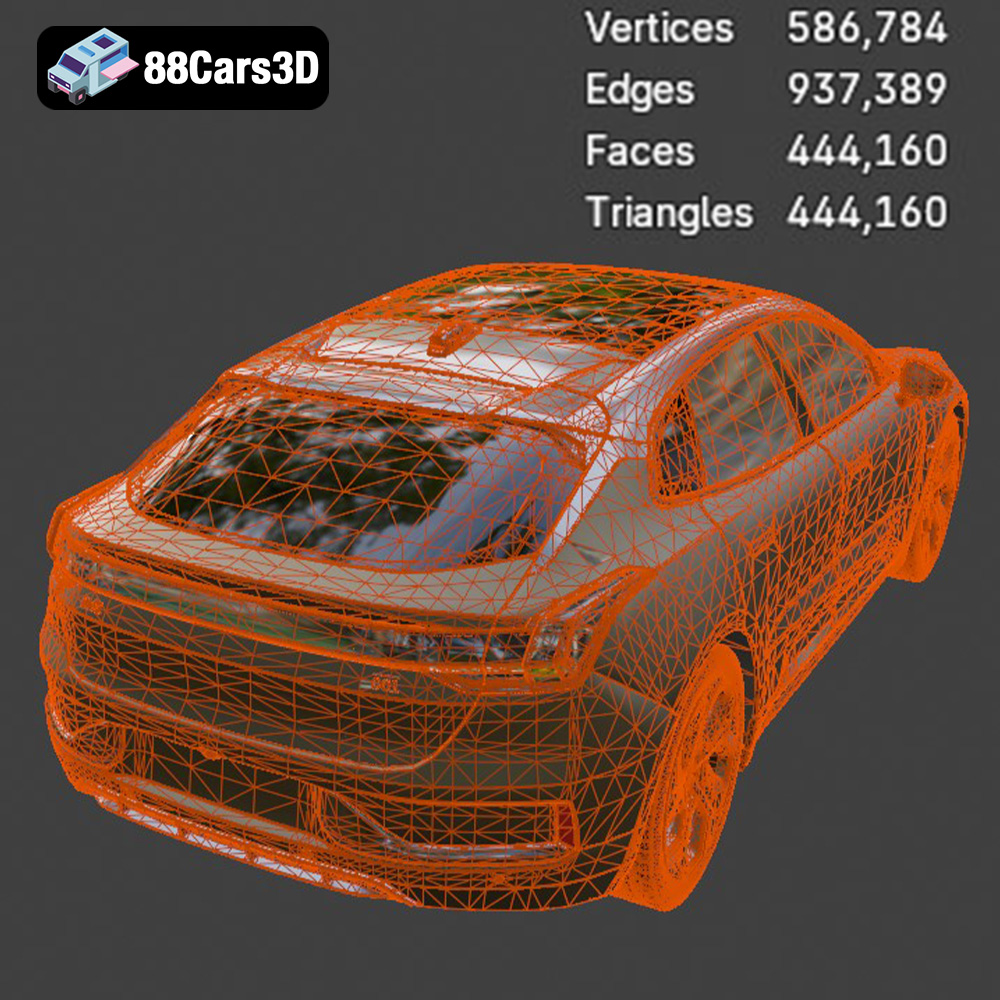
Unlike cinematic rendering, game engines must render hundreds, if not thousands, of frames per second. This necessitates careful optimization of 3D models. While the Zeekr 001 3D Model boasts exceptional precision, it is also crafted with efficient geometry that balances visual fidelity with performance. For real-time applications, game developers often utilize Level of Detail (LOD) systems. This means having multiple versions of the same model, each with a progressively lower polygon count, which the engine swaps between based on the distance from the camera. A premium asset, such as those found on 88cars3d.com, typically comes with pre-prepared LODs or is structured in a way that makes LOD generation straightforward, ensuring the Zeekr 001 looks great up close and performs efficiently in the distance.
Integrating a 3D car model into popular game engines like Unreal Engine or Unity involves several steps:
A high-quality Zeekr 001 model with clean geometry and organized UVs significantly streamlines this process, allowing developers to focus on gameplay mechanics rather than wrestling with asset cleanup.
Beyond the model itself, game developers leverage advanced techniques to enhance the driving experience. This includes realistic physics simulations, dynamic weather systems, interactive environments, and detailed cockpits. For a model like the Zeekr 001, which is often chosen for its sleek design, implementing dynamic reflections on its paintwork, realistic glass refractions, and interactive interior elements can greatly elevate player immersion. The ability to easily integrate and customize a well-structured 3D car model is paramount to building these rich, interactive worlds.
The utility of a versatile 3D car model extends far beyond traditional rendering and game development. The rise of new technologies has opened up exciting applications in augmented reality, virtual reality, 3D printing, and advanced simulations, all of which benefit immensely from high-fidelity 3D assets.
Augmented Reality (AR) and Virtual Reality (VR) offer revolutionary ways to interact with digital content. Imagine experiencing the Zeekr 001 in full scale, right in your driveway via an AR app, or exploring its interior in a fully immersive VR showroom. These applications demand 3D models that are optimized for real-time performance, have efficient geometry, and come in formats like .glb, which are specifically designed for web and mobile AR/VR platforms. The ability to manipulate, inspect, and even customize the vehicle in a truly interactive 3D space provides a level of engagement unmatched by traditional media, making models like the Zeekr 001 invaluable for automotive marketing and sales.
3D printing has transformed product development, enabling rapid prototyping and even small-batch manufacturing. Design studios can use a 3D printable version of the Zeekr 001 (typically in .stl format) to create physical scale models for design review, aerodynamic testing, or aesthetic evaluation. This allows engineers and designers to hold and examine the vehicle’s form in the real world, identifying potential issues or refinements early in the design cycle. The precision of the digital model translates directly to the accuracy of the physical print, highlighting the importance of clean, watertight geometry for successful output.
In the realm of engineering and product design, 3D car models serve as critical inputs for various analytical simulations. Finite Element Analysis (FEA) can be performed on the vehicle’s structure to test its strength and rigidity, while Computational Fluid Dynamics (CFD) can simulate airflow for aerodynamic optimization. Formats like .ply, with their ability to store detailed mesh data, or .max for direct manipulation in CAD-compatible environments, are crucial here. The Zeekr 001 3D Model, with its accurately crafted geometry, can be a valuable asset for engineers looking to study its design principles or integrate it into complex system simulations, providing a base for further technical exploration and development.
In the professional arena, time is money, and efficiency is paramount. While it might be tempting to opt for free or low-cost 3D models, the hidden costs of remediation, optimization, and re-modeling often far outweigh any initial savings. Investing in high-quality 3D car models, such as those available on 88cars3d.com, is a strategic decision that accelerates workflows, ensures visual integrity, and delivers superior results.
One of the most significant advantages of using a pre-made, professional-grade 3D model like the Zeekr 001 is the dramatic reduction in development time. Modeling a complex car from scratch can take hundreds of hours for an experienced artist. With a ready-to-use asset, artists can bypass the entire modeling phase and dive straight into lighting, texturing refinements, animation, or integration. This means projects can move from concept to completion much faster, meeting tight deadlines and allowing teams to take on more work.
For automotive brands and marketing agencies, maintaining visual consistency across all media is crucial. A poorly modeled or inaccurate vehicle can damage brand perception. The Zeekr 001 3D Model is accurately crafted to replicate the distinctive exterior lines and modern design of the innovative electric vehicle, providing a lifelike representation. This attention to detail ensures that whether the model is used in a high-resolution render, a real-time game, or an AR experience, the brand’s identity and product aesthetics are faithfully preserved. This level of fidelity is what clients expect and what premium assets deliver.
While a premium 3D model like the Zeekr 001 comes with an initial investment, its long-term cost-effectiveness is undeniable. Consider the alternative: hiring a 3D artist to model a car from scratch, which would entail significant labor costs. Even if an existing model is poorly made, the time spent cleaning up geometry, fixing UVs, rebuilding materials, and optimizing for performance can quickly surpass the cost of a high-quality asset. Furthermore, the versatility of a multi-format model means it can be repurposed across numerous projects and platforms, maximizing its value over time. For professionals, the Zeekr 001 3D Model from 88cars3d.com represents an investment in quality, efficiency, and professional output.
The journey of a 3D car model from concept to a fully realized digital asset is intricate, demanding expertise at every stage. From the initial precise modeling to the careful application of PBR materials, and finally to its availability across a multitude of optimized file formats, each step is crucial for its utility in professional workflows. As we’ve explored, high-quality 3D car models are not just static representations; they are dynamic tools that power photorealistic renderings, immersive game experiences, innovative AR/VR applications, and even physical prototyping through 3D printing.
The Zeekr 001 3D Model stands as a prime example of such an indispensable asset. Its meticulous craftsmanship, combined with its comprehensive format support (.blend, .fbx, .obj, .glb, .stl, .ply, .unreal, .max), makes it an incredibly versatile resource for designers, developers, and visualizers across various industries. Whether your goal is to produce a stunning cinematic advertisement, build an engaging automotive simulation, or present a cutting-edge electric vehicle in an interactive AR experience, models of this caliber provide the foundation for success.
Investing in such precision and flexibility empowers professionals to streamline their creative processes, achieve unparalleled visual fidelity, and ultimately deliver projects that truly stand out. Explore the Zeekr 001 3D Model and other exceptional 3D car models at 88cars3d.com, and elevate your digital automotive projects to the next level of realism and performance.
Bring stunning realism to your digital projects with the Zeekr 001 3D Model. This digital asset is accurately crafted to replicate the distinctive exterior lines and modern design of the innovative electric vehicle, providing a lifelike representation perfect for professional use. Built with exceptional precision, this model features clean geometry, realistic materials, and professional quality. Whether you need close-up shots or dynamic motion sequences, the optimized structure ensures seamless integration and superior visual fidelity across various platforms. Ideal for a wide range of applications, this 3D vehicle is perfectly suited for game development, cinematic rendering, immersive AR/VR experiences, and architectural visualization.
$19.99
.-001
.arvr
.blend
.car3dmodel
.electriccar
.fbx
.gameasset
.glb
.max
.obj
.ply
.rendering
.shootingbrake
.simulation
.stl
.unreal
.zeekr