Get 20% OFF All Premium 3D & STL Models!

In the rapidly evolving landscape of digital content creation, the demand for realistic and impeccably crafted 3D assets has never been higher. From breathtaking cinematic sequences and immersive virtual realities to hyper-realistic automotive design presentations and engaging game environments, precision and authenticity are paramount. At the heart of many of these endeavors lies the sophisticated 3D car model – a digital representation that must not only look convincing but also function flawlessly within diverse technical pipelines.
The journey from concept to photorealistic rendering or real-time interaction is complex, requiring assets that are engineered for performance and visual fidelity. This is where models like the Kia Optima 2019 3D Model truly shine. Designed with meticulous attention to detail, it embodies the authentic proportions and dynamic styling of the actual vehicle, providing exceptional accuracy for a myriad of professional projects. Such a model isn’t just an object; it’s a foundational element that can elevate an entire project, ensuring seamless integration and delivering a compelling visual experience.
The pursuit of realism in digital environments hinges significantly on the quality of the 3D assets employed. A high-quality 3D car model is more than just a visual prop; it’s a critical component that impacts performance, rendering times, and the overall believability of a scene. Whether you’re an automotive designer, a game developer, or a visualization artist, the foundational integrity of your assets dictates the success of your final output.
For automotive studios and designers, accurate 3D car models are the bedrock of the entire development cycle. They are used for conceptualization, design review, aerodynamic simulations, and marketing visualizations long before a physical prototype is built. A model like the Kia Optima 2019 provides an exact digital twin, allowing designers to iterate on paint finishes, interior layouts, and component placements with confidence. Its clean geometry and accurate proportions ensure that every curve and contour adheres to real-world specifications, making it invaluable for both internal design processes and external promotional materials where absolute fidelity is non-negotiable.
In game development and augmented/virtual reality experiences, the challenge is to deliver visual richness while maintaining optimal performance. High-quality 3D car models are essential for creating believable worlds that players or users can truly immerse themselves in. Optimized topology and efficient UV layouts are crucial to ensure smooth frame rates and quick loading times, even with complex vehicle assets. The Kia Optima 2019 3D model, with its optimized topology and game-engine-ready formats like .fbx and .unreal, is precisely engineered to meet these demanding requirements, allowing developers to focus on gameplay and interaction rather than asset optimization from scratch.
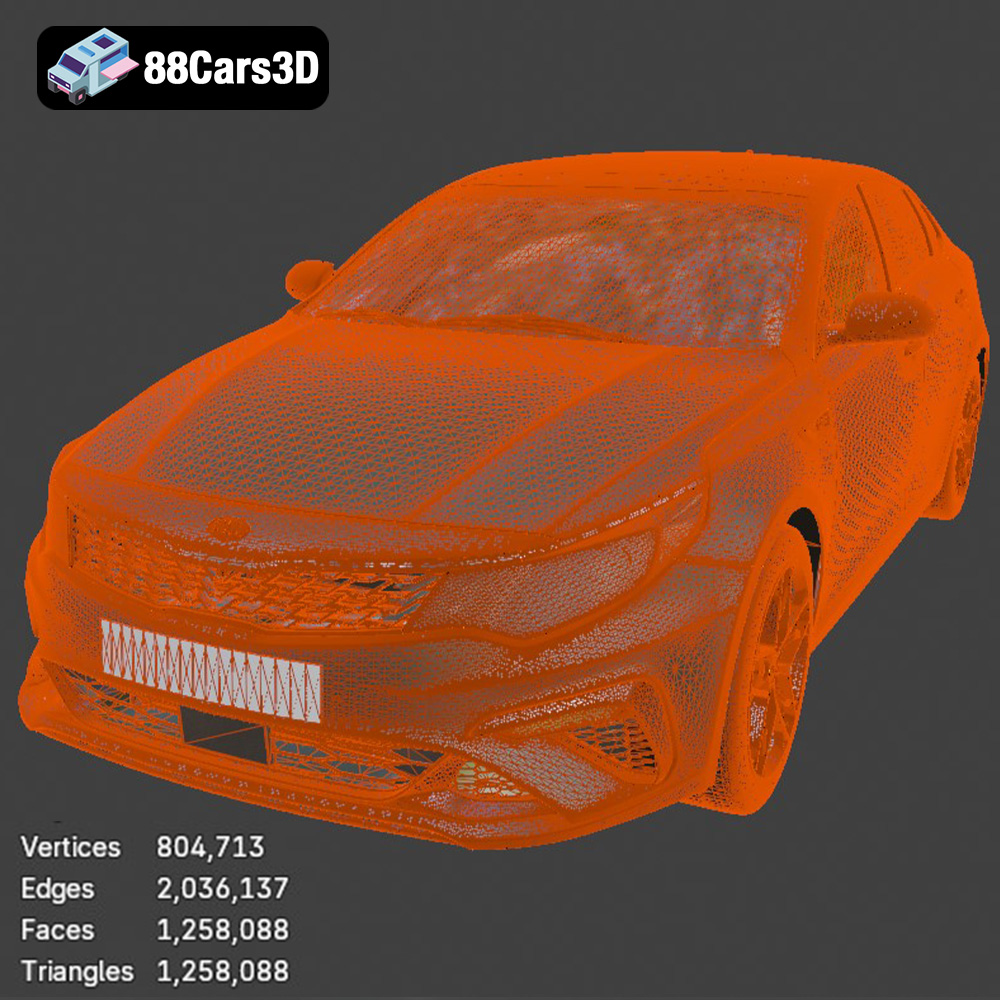
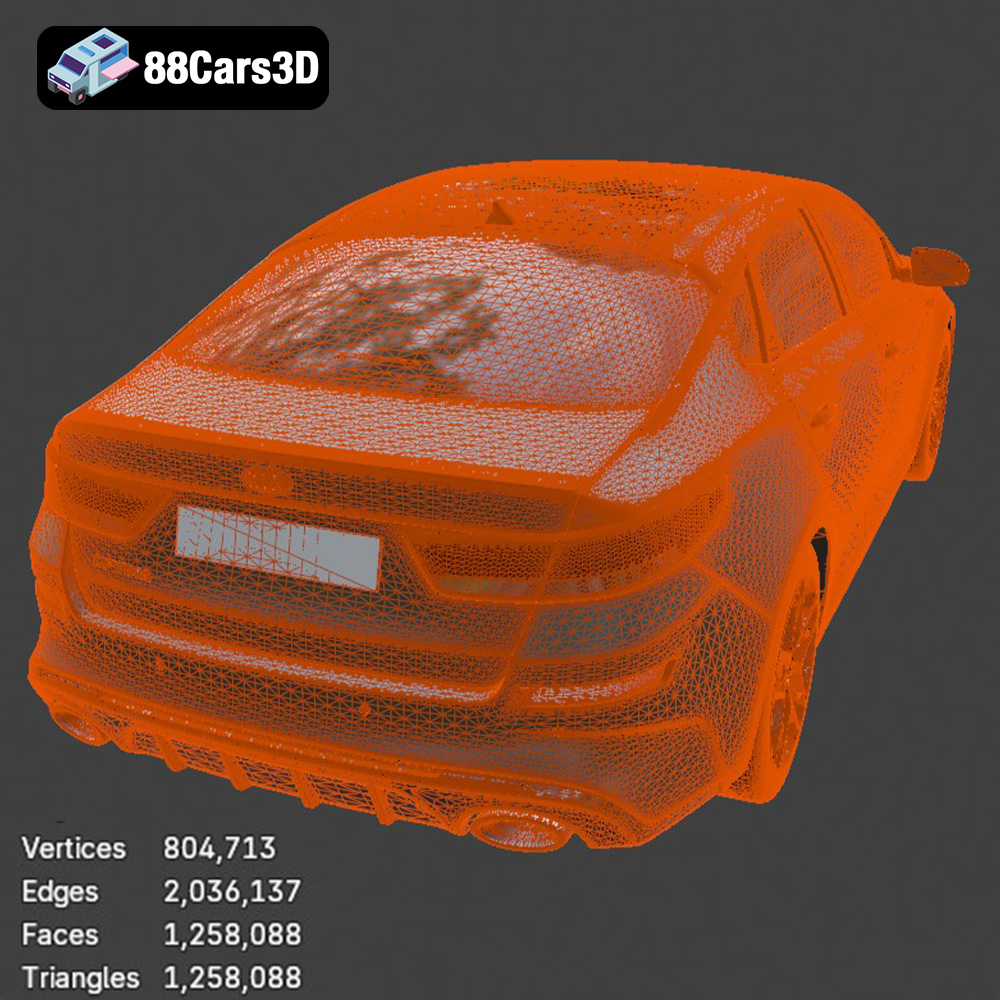
Beyond surface appearance, the underlying structure of a 3D model — its topology — is critical. Clean geometry with well-managed polygon counts and logical edge flow facilitates easier manipulation, UV unwrapping, and animation. This is especially important for deformation in simulations or complex rigging. Coupled with realistic PBR (Physically Based Rendering) materials, which accurately simulate how light interacts with different surfaces (metal, glass, paint, rubber), these models achieve a level of realism that can be indistinguishable from actual photographs. The Kia Optima 2019 3D model’s professional-grade surfacing and realistic materials are designed to offer this level of authenticity, making it a reliable asset for any project.
The versatility of a 3D model is often defined by the range of file formats it supports. Each format serves specific purposes, catering to different software, pipelines, and end-use applications. Understanding these distinctions is crucial for selecting the right asset for your project and ensuring seamless integration. The Kia Optima 2019 3D model, available on 88cars3d.com, is a prime example of an asset offered in a comprehensive suite of formats, maximizing its utility across various professional workflows.
The .blend format is the native file type for Blender, one of the most powerful and widely used open-source 3D creation suites. A .blend file typically encapsulates the entire Blender scene, including the 3D model itself, materials, textures, lighting setups, cameras, animations, and even physics simulations. For artists working primarily in Blender, this format offers maximum editability and immediate access to all configured elements. It’s ideal for deep customization, further detailing, or integrating the Kia Optima 2019 into an existing Blender project with its pre-configured materials and lighting.
.fbx (Filmbox) is an Autodesk-developed proprietary file format widely recognized as the industry standard for 3D data exchange, particularly between different 3D software applications and game engines. It supports geometry, materials, textures, animation, and rigging. Its robust compatibility makes it an ideal choice for importing complex assets into Unreal Engine, Unity, and various DCC (Digital Content Creation) tools like Maya, 3ds Max, and Cinema 4D. For the Kia Optima 2019 3D model, the .fbx version is “game-engine ready,” meaning it’s optimized for real-time pipelines, potentially with baked textures or simplified materials, ensuring efficient performance.
The .obj (Wavefront OBJ) format is one of the oldest and most universally supported 3D file formats. It primarily stores geometric data (vertices, normals, texture coordinates, and faces) and can reference external .mtl (material) files for basic material properties. While it doesn’t support animation or advanced scene data, its simplicity and widespread compatibility make it an excellent choice for straightforward model exchange across virtually all 3D software. When maximum compatibility is a priority, and the geometry itself is the main focus, the .obj version of the Kia Optima 2019 is highly reliable.
.glb (GL Transmission Format Binary) is the binary version of glTF, specifically designed for efficient transmission and loading of 3D scenes and models in web and AR/VR applications. It packages all model data, including geometry, materials, textures, and animations, into a single, compact file. This optimization makes it perfect for fast loading times and integration into platforms like Google ARCore, Apple ARKit, and various web browsers that support WebGL. The .glb version of the Kia Optima 2019 3D model is tailored for interactive, real-time experiences where quick deployment and accessibility are key.
The .stl (Stereolithography) format is the de facto standard for 3D printing and rapid prototyping. It represents 3D surfaces as a collection of unconnected triangles, lacking color or texture information. Its strength lies in describing the geometric surface of an object for manufacturing. If your project involves creating a physical prototype or a scale model of the Kia Optima 2019, the .stl file is the go-to format, ready for direct use with slicing software and 3D printers.
.ply (Polygon File Format) is another format for storing 3D data, particularly known for its ability to store a wider range of properties per vertex or face than .obj. This can include color, transparency, normals, texture coordinates, and even reliability information from 3D scanners. It’s often used for scanned data, scientific visualization, and applications requiring precise mesh analysis. The .ply version of the Kia Optima 2019 offers a detailed polygon mesh for in-depth analysis and visualization, potentially useful in simulation or detailed inspection workflows.
The .unreal format signifies an asset that is pre-configured and optimized specifically for Unreal Engine. This could mean it’s packaged as an Unreal Engine asset, potentially with fully configured materials, collision meshes, LODs (Levels of Detail), and blueprints, ready for drag-and-drop integration into an Unreal project. This dramatically reduces setup time and ensures the model performs optimally within the engine’s ecosystem. For serious Unreal Engine developers, the .unreal file for the Kia Optima 2019 provides an out-of-the-box solution for immediate use.
The .max format is the native file type for Autodesk 3ds Max, a leading software for 3D modeling, animation, rendering, and visualization. Similar to .blend, a .max file contains all scene information, including geometry, materials, textures, lighting, cameras, and animation data. It offers full editability and flexibility for artists working within the 3ds Max environment, making it ideal for high-end rendering, complex animation sequences, and architectural visualization projects that require the robust features of 3ds Max. The .max version of the Kia Optima 2019 offers full creative control for users of this powerful software.
Automotive rendering stands as one of the most demanding fields in 3D visualization, where the goal is to create images so realistic they are often mistaken for photographs. Achieving this requires not only powerful rendering engines but also meticulously crafted 3D car models as the starting point. The Kia Optima 2019 3D model provides an excellent foundation for these endeavors.
Autodesk 3ds Max, often paired with V-Ray or Corona Renderer, is a powerhouse for photorealistic automotive rendering. Its robust modeling tools allow for further refinement of the base mesh, while its advanced material editors enable artists to create highly detailed car paints, tire rubber, and intricate interior fabrics. With the .max file of the Kia Optima 2019, artists can directly open the model, apply sophisticated lighting setups – often using HDRI (High Dynamic Range Image) environments for realistic reflections – and fine-tune every parameter to achieve breathtaking marketing visuals or product showcases.
Blender has emerged as a formidable contender in professional rendering, thanks to its Cycles path tracer and the real-time Eevee engine. Cycles delivers stunningly accurate photorealistic results, perfect for high-quality static renders of automotive subjects. Eevee, on the other hand, offers immediate visual feedback, making it ideal for quick iterations, animations, and interactive presentations. The .blend file of the Kia Optima 2019 comes with materials and a lighting setup, providing a fantastic starting point for Blender users to experiment with different studio setups, camera angles, and rendering styles using either engine.
The secret to convincing automotive renders lies largely in the materials. Physically Based Rendering (PBR) workflows are essential, simulating how light interacts with surfaces based on real-world physics. This involves carefully crafted textures for properties like albedo (base color), roughness, metallic, normal, and ambient occlusion. High-quality 3D car models, like those available on 88cars3d.com, typically come with PBR-ready materials, ensuring that when imported into any modern rendering engine, the surface qualities of the car – from the gloss of the paint to the texture of the tires – will appear incredibly lifelike without extensive manual adjustments.
The demands of real-time rendering in game development are fundamentally different from offline rendering. While visual fidelity is still crucial, it must be balanced with performance to ensure smooth gameplay across various hardware platforms. Optimized 3D car models are thus indispensable for creating compelling virtual worlds.
Game assets, including 3D car models, must undergo rigorous optimization. This involves managing polygon counts to keep scene complexity low, implementing LODs (Levels of Detail) where higher-detail models are swapped out for simpler versions as the camera moves further away, and creating efficient UV layouts that maximize texture resolution while minimizing draw calls. The Kia Optima 2019 3D model, offered in game-engine ready formats like .fbx and .unreal, is designed with these considerations in mind, allowing developers to integrate it directly without extensive re-topology or UV re-mapping.
Both Unreal Engine and Unity are dominant forces in game development, each with its unique strengths. Importing a 3D car model like the Kia Optima 2019 into either engine typically involves a similar process: import the .fbx or .unreal file, configure PBR materials, set up collision meshes for realistic physics, and potentially add simple animations (e.g., wheel rotation). For Unreal Engine users, the dedicated .unreal format can provide an even smoother workflow, potentially including pre-configured blueprints for basic vehicle functionality. This significantly accelerates the asset pipeline, allowing teams to focus on gameplay mechanics and environmental design.
Beyond static representation, 3D car models in games often serve as interactive elements. This could involve driveable vehicles with realistic physics, destructible environments, or customizable components. High-quality assets provide the visual fidelity to make these interactions believable. For instance, the detailed exterior and interior of the Kia Optima 2019 would allow for engaging first-person driving perspectives or even showroom-style customization interfaces, enhancing player immersion and interaction within the game world.
The utility of high-quality 3D car models extends far beyond traditional rendering and game development, finding critical applications in emerging technologies and diverse visualization fields.
Augmented Reality (AR) and Virtual Reality (VR) thrive on immersive, real-time experiences. For these platforms, 3D car models need to be highly optimized yet visually rich. The .glb format, specifically, is a game-changer for AR/VR applications, allowing for quick loading and efficient display of complex models on mobile devices or VR headsets. Imagine placing the Kia Optima 2019 directly onto your driveway via an AR app, or exploring its interior in a fully immersive VR showroom. The optimized nature and comprehensive format support of models from 88cars3d.com make these experiences not just possible, but highly compelling.
The ability to transform a digital model into a physical object via 3D printing opens up new avenues for prototyping, scale modeling, and educational tools. The .stl format is the standard for this process, representing the model’s surface geometry. Using the .stl file of the Kia Optima 2019, designers can print accurate physical replicas for aerodynamic testing, ergonomic studies, or simply as display models. This tangible output bridges the gap between the digital design phase and physical manifestation, offering a unique perspective on the vehicle’s form and proportions.
In architectural visualization, vehicles play a crucial role in grounding a scene, adding a sense of scale, realism, and dynamism. Placing a realistic Kia Optima 2019 in front of a new building rendering instantly tells a story about the potential inhabitants and the lifestyle associated with the architecture. These models provide essential context, making architectural renderings feel more alive and relatable. Their inclusion can significantly enhance the perceived realism and narrative depth of an architectural scene, making an abstract building design feel like a part of a vibrant, real-world environment.
In any professional creative pipeline, efficiency and reliability are paramount. The decision to use pre-built, high-quality 3D car models, such as those found at 88cars3d.com, offers significant advantages that streamline workflows and ensure project success.
Building a complex, high-fidelity 3D car model from scratch is an incredibly time-consuming and expensive endeavor, often requiring weeks or even months of a skilled artist’s labor. By utilizing a professionally crafted asset like the Kia Optima 2019 3D model, studios and individual artists can drastically cut down on development time and associated costs. This allows teams to allocate resources to other critical aspects of a project, such as scene composition, animation, or interactive elements, rather than getting bogged down in foundational asset creation.
Professional 3D car models are typically created with meticulous attention to detail, adhering to real-world measurements and design specifications. This ensures a high level of accuracy that might be difficult to achieve with custom-built assets, especially under tight deadlines. Furthermore, using a consistent source for 3D assets, like 88cars3d.com, helps maintain a uniform standard of quality and realism across multiple projects or within large-scale productions, contributing to a cohesive visual style and brand identity.
The marketplace at 88cars3d.com is dedicated to providing artists and developers with access to a curated selection of premium 3D car models. Each model, including the Kia Optima 2019, undergoes rigorous quality checks to ensure clean geometry, optimized topology, realistic materials, and broad compatibility across various software and engines. This commitment means that when you acquire an asset, you can trust its professional-grade surfacing and readiness for immediate integration into your most demanding projects, allowing you to focus on your creative vision.
The landscape of 3D visualization is continually evolving, driven by an insatiable demand for realism and immersive experiences. At the core of this evolution lies the indispensable role of high-quality 3D assets, particularly meticulously crafted 3D car models. From accelerating automotive design cycles and powering the next generation of games to enabling compelling AR/VR experiences and providing essential context in architectural visualizations, these digital vehicles are foundational to modern digital content creation.
The Kia Optima 2019 3D model exemplifies the kind of precision, versatility, and technical excellence required in today’s professional pipelines. Its availability in a wide array of industry-standard formats – from .blend and .max for comprehensive editing to .fbx and .unreal for game engines, and .glb for web/AR/VR – ensures seamless integration into virtually any workflow. By investing in such professional-grade assets, creators can save valuable time, maintain consistent quality, and ultimately deliver more impactful and realistic projects.
Whether you are a seasoned professional or an aspiring artist, understanding the technical nuances of 3D car models and selecting assets engineered for success is key. Explore the vast selection of high-quality 3D car models at 88cars3d.com and empower your next project with the digital excellence it deserves.
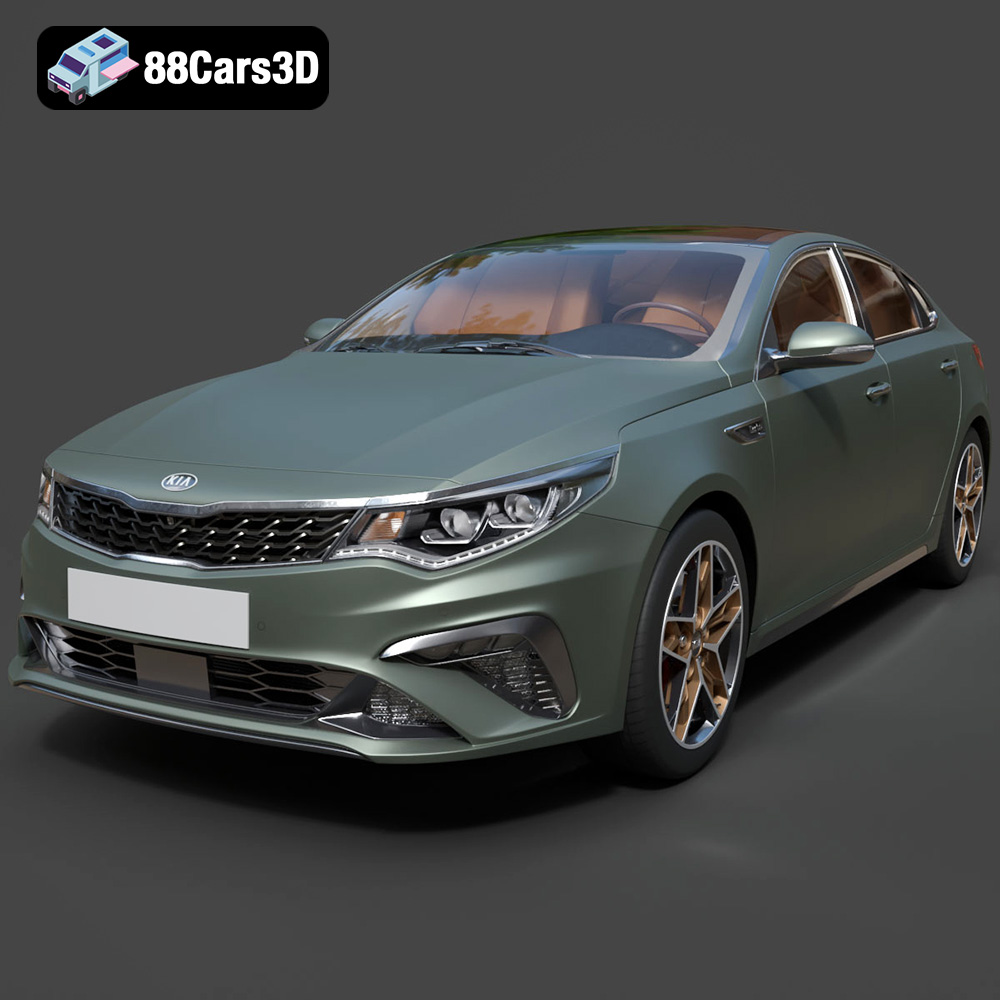
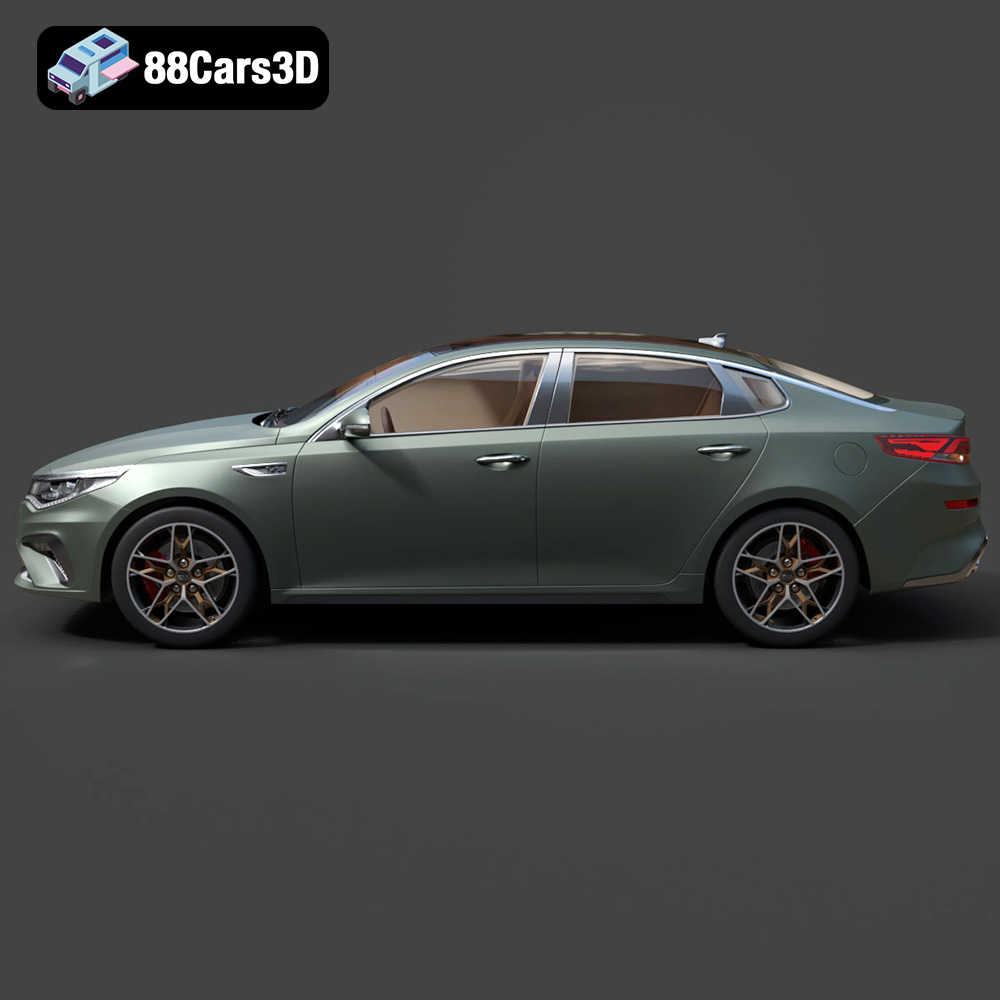
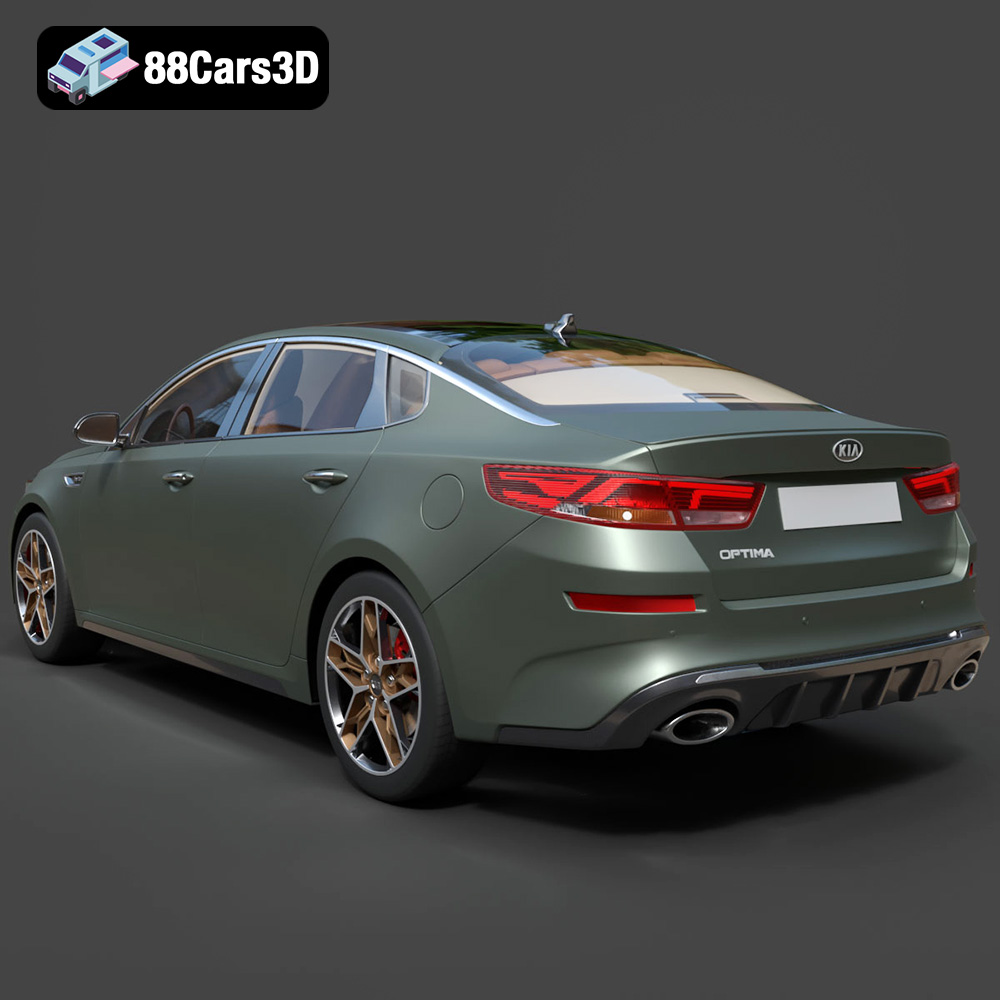
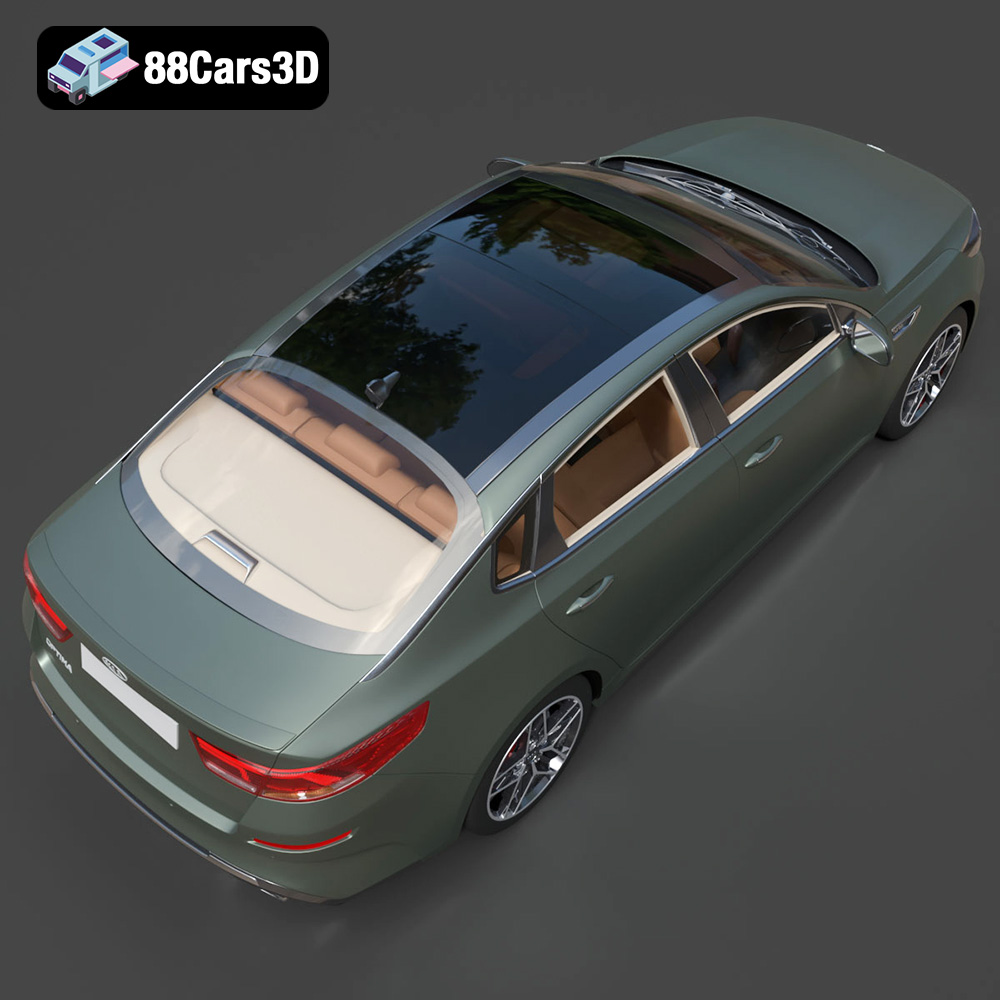
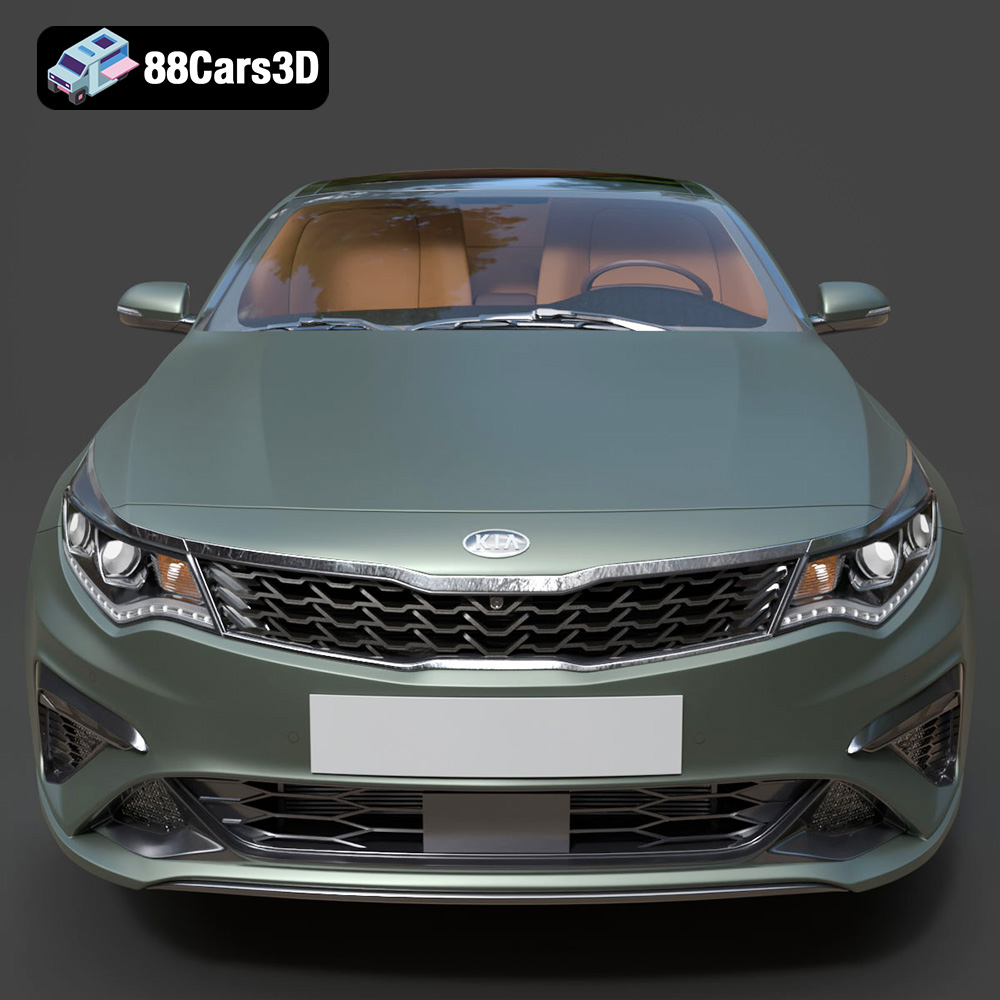
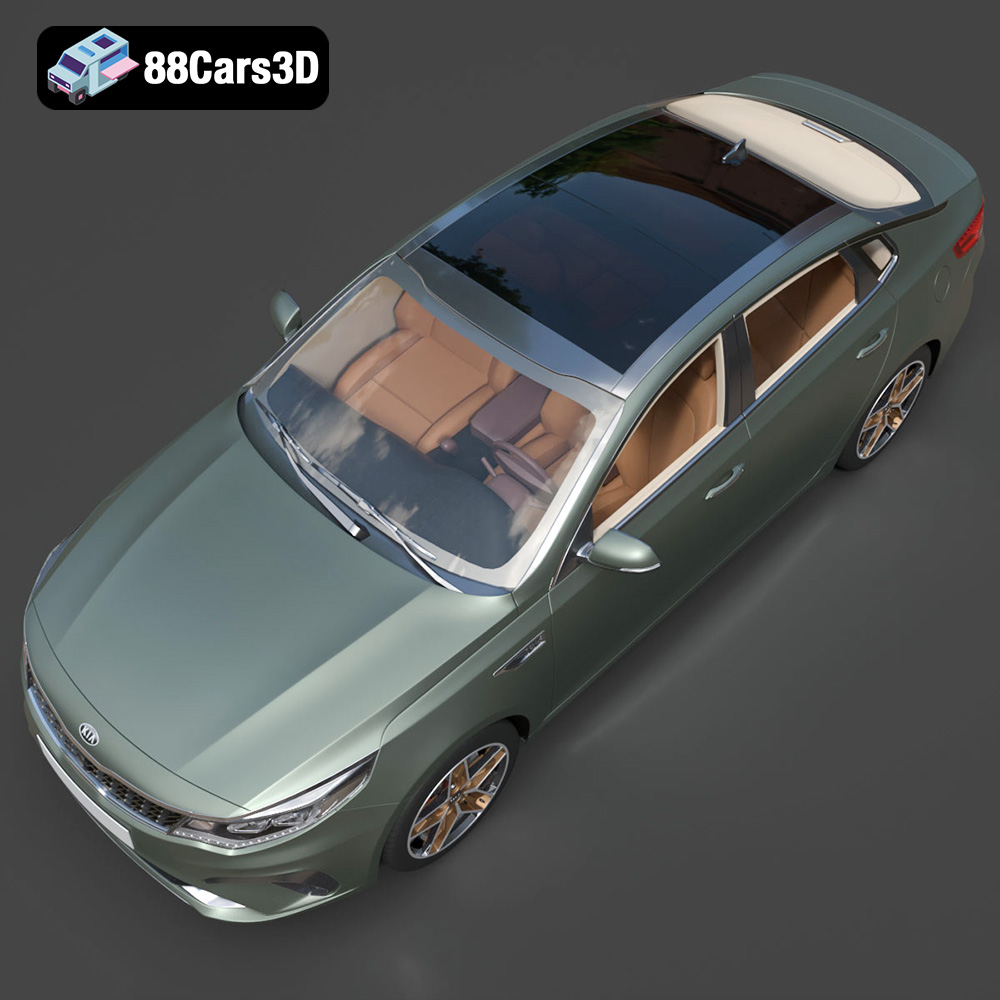
Experience precision and realism with the Kia Optima 2019 3D model. Designed to replicate the authentic proportions and dynamic styling of the actual vehicle, this model provides exceptional accuracy for various professional projects. This model boasts clean geometry, realistic materials, and an optimized topology that ensures seamless integration into your workflow. It is meticulously crafted to meet industry standards with professional-grade surfacing. Perfect for a wide range of applications, the Kia Optima 2019 3D model is ready to be utilized in game development, architectural rendering, AR/VR experiences, film production, and automotive visualization. Available in multiple versatile file formats to ensure maximum compatibility: .blend – Editable Blender file with materials and lighting setup, .fbx – Game-engine ready format for Unreal Engine and Unity, .obj – Standard 3D model format compatible with all major software, .glb – Optimized for AR/VR and web-based visualization, .stl – Suitable for 3D printing and prototyping, .ply – Detailed polygon mesh for analysis and visualization, .unreal – Pre-configured for Unreal Engine use, .max – Editable 3ds Max file for rendering and animation.
$19.99
.arvr
.blend
.car3dmodel
.familycar
.fbx
.gameasset
.glb
.kia
.max
.obj
.optima
.ply
.rendering
.sedan
.simulation
.stl
.unreal