Get 20% OFF All Premium 3D & STL Models!

In the rapidly evolving landscape of digital media, the demand for hyper-realistic and versatile 3D models has never been greater. From the intricate cinematic sequences that grace our screens to the immersive worlds of video games and the functional applications of architectural visualization, high-fidelity 3D assets form the bedrock of compelling digital experiences. Automotive design, in particular, stands out as a domain where precision, aesthetic appeal, and technical versatility are paramount. Whether you’re a seasoned professional seeking the perfect vehicle for a blockbuster rendering project or a game developer needing optimized assets for a next-gen title, the quality of your 3D car models can make or break your vision.
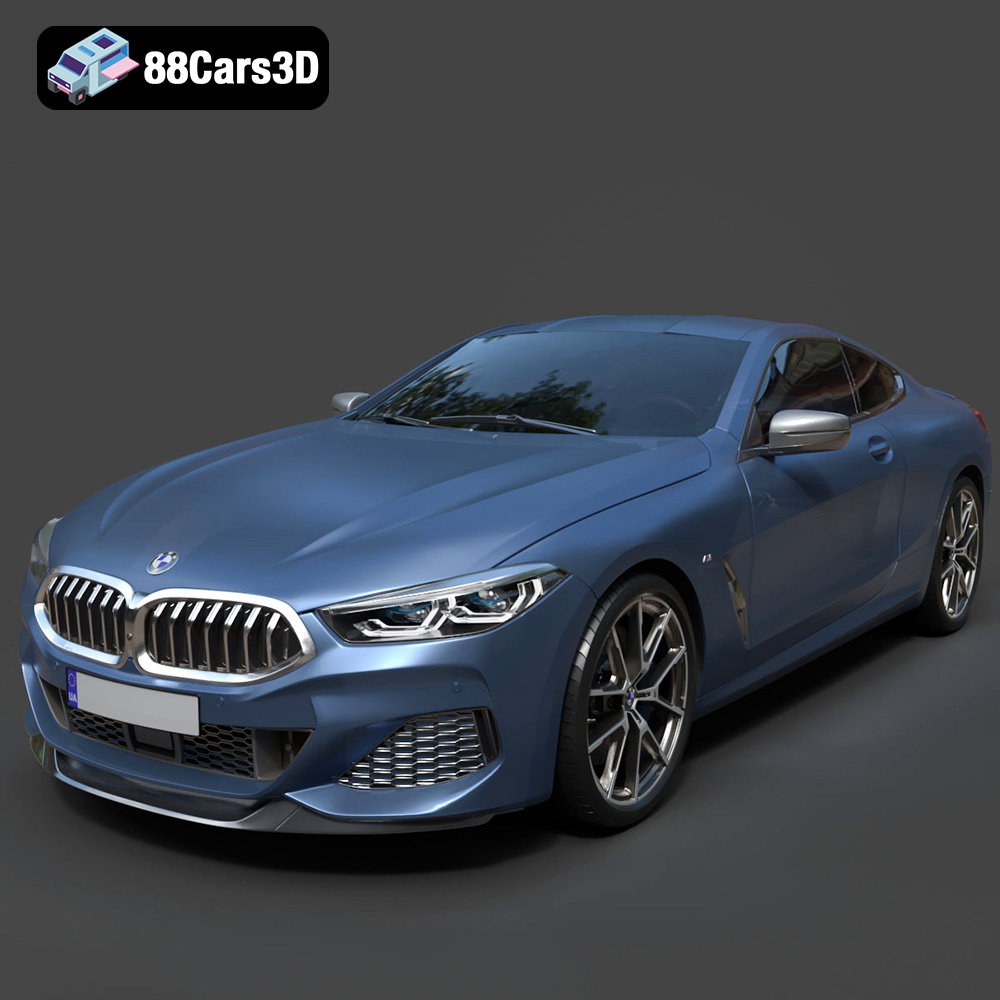
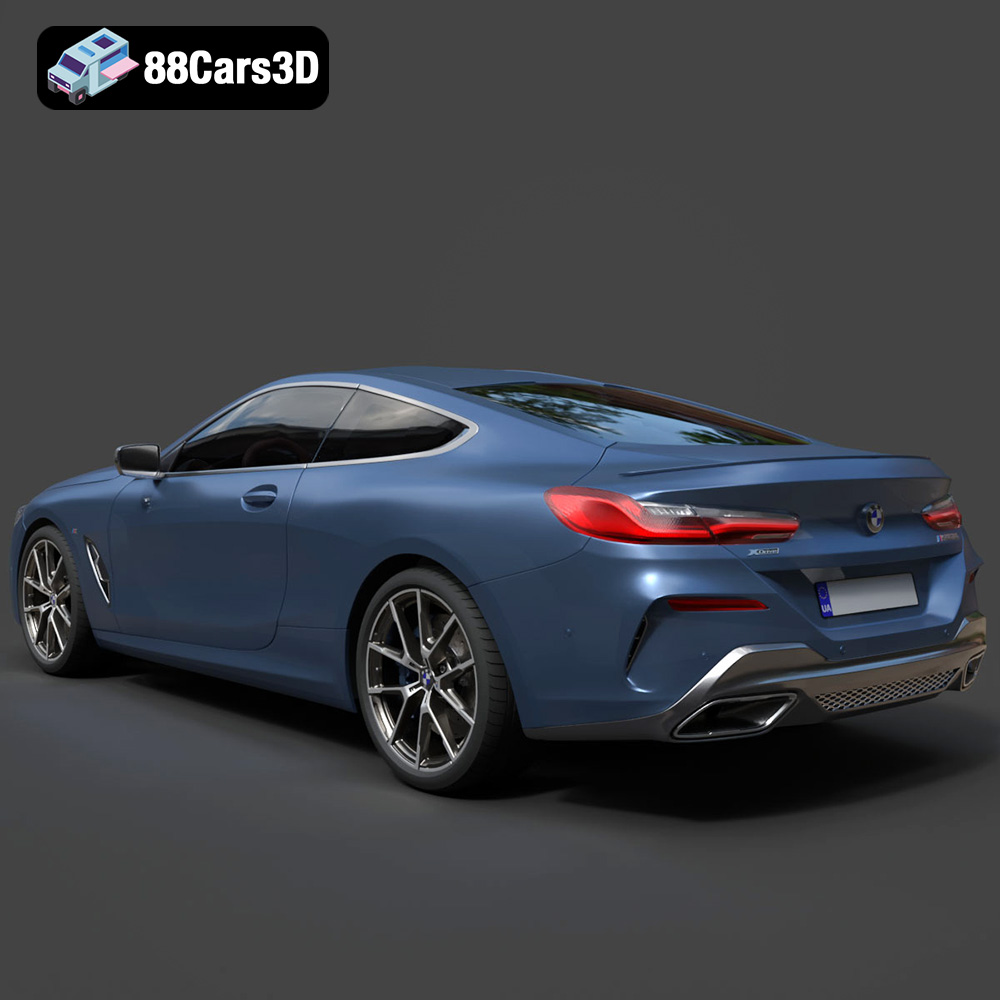
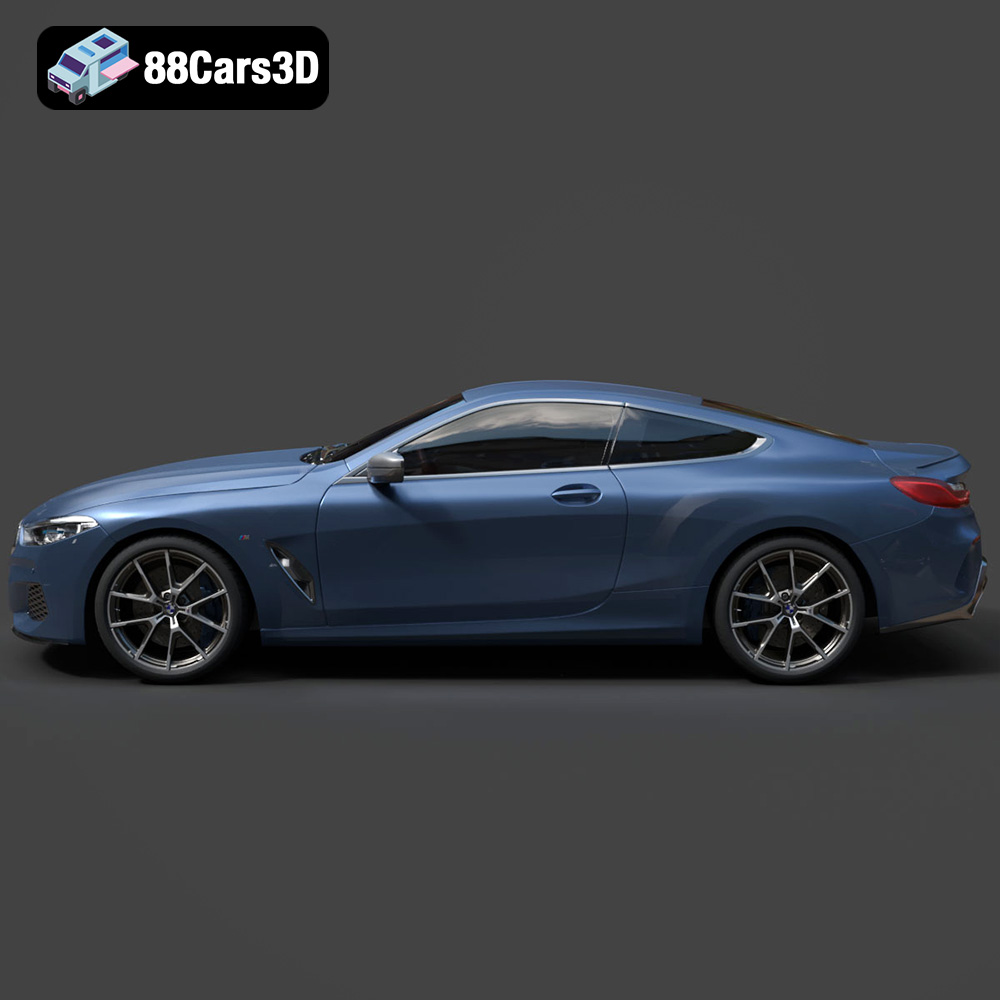
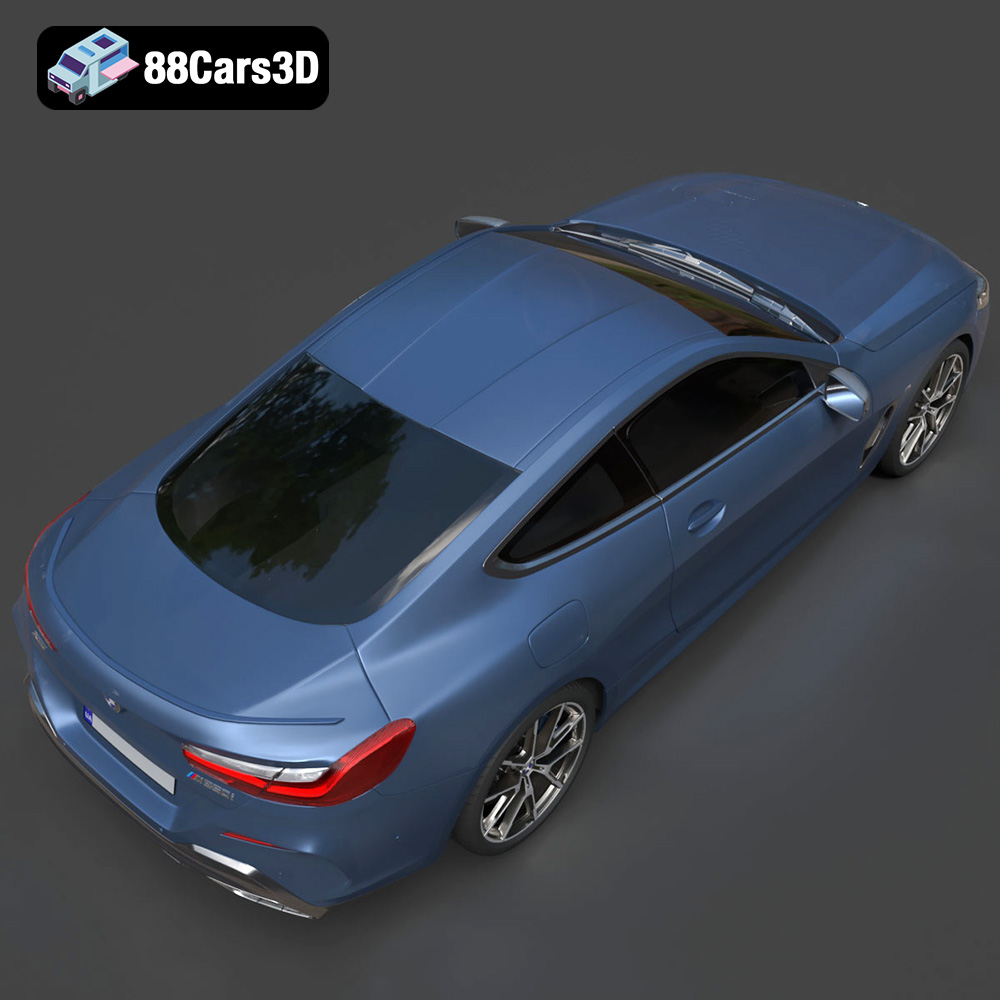
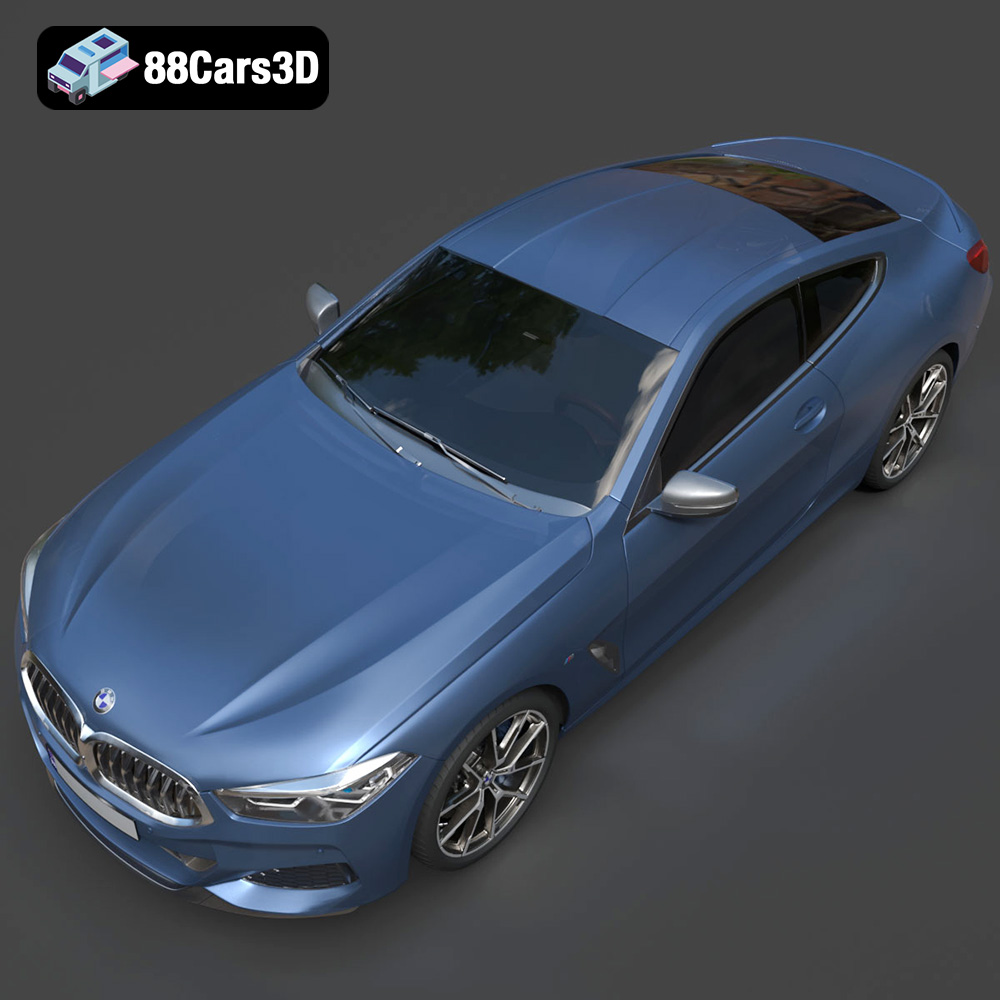
Today, we’re taking a closer look at what truly defines a professional-grade automotive 3D model, using the exemplary BMW 8-Series M850i G15 Coupe 2019 3D Model available on 88cars3d.com as our benchmark. This particular model embodies the meticulous craftsmanship and technical excellence required for demanding digital pipelines, offering unparalleled realism and flexibility. It serves as a perfect illustration of how a thoughtfully constructed 3D car model can elevate projects across various industries, from automotive rendering and game development to augmented reality and virtual prototyping.
When working with 3D models, particularly complex assets like an entire vehicle, the choice of file format is as critical as the model’s geometry itself. Each format is designed with specific strengths and compatibility considerations, making certain files ideal for particular workflows. The BMW 8-Series M850i G15 Coupe 2019 3D Model offers a comprehensive suite of formats, ensuring maximum utility for any project.
The .blend format is native to Blender, one of the most powerful and widely used open-source 3D creation suites. A .blend file for the BMW M850i model would contain not only the mesh data but also all associated materials, textures, lighting setups, and even camera positions. This makes it an incredibly convenient format for Blender users, providing a ready-to-render scene straight out of the box. Professionals often prefer .blend for its non-destructive workflow capabilities, easy scene management, and access to Blender’s robust toolset for animation, sculpting, and rigging. Its inclusion signals a model designed for full creative control within a popular ecosystem.
The .fbx (Filmbox) format is an industry standard for interchange between 3D applications and especially vital for game engines like Unreal Engine and Unity. It’s renowned for its ability to store not just geometry, but also materials, textures, animations, and skeletal data within a single file. For a 3D car model, an .fbx file would typically include optimized mesh, UV maps, PBR (Physically Based Rendering) material setups, and potentially even collision meshes or level of detail (LOD) groups. Its efficiency and comprehensive data storage make it the go-to format for exporting assets into real-time environments, ensuring seamless integration and performance.
The .obj (Wavefront OBJ) format is one of the oldest and most universally supported 3D file types. While it primarily stores geometry (vertices, normals, texture coordinates) and group information, it can reference external .mtl (material) files for basic color and texture assignments. Its widespread compatibility makes it an excellent choice for general cross-software transfer where complex animations or rigs are not required. For the BMW M850i, an .obj file provides a clean, raw mesh that can be imported into virtually any 3D software for further texturing, rendering, or modification, acting as a reliable base for diverse pipelines.
The .glb (GL Transmission Format Binary) is the binary version of glTF, a royalty-free specification for the efficient transmission and loading of 3D scenes and models by applications. It packages all model data – geometry, materials, textures, animations – into a single file, making it incredibly streamlined for web-based 3D, AR (Augmented Reality), and VR (Virtual Reality) applications. For the BMW M850i, a .glb file ensures a lightweight yet visually rich representation, perfect for interactive product configurators on websites, AR car showcases on mobile devices, or rapid prototyping in virtual showrooms.
The .stl (Stereolithography) format is the de facto standard for 3D printing. It represents a 3D model as a series of connected triangles, describing only the surface geometry of an object without color, texture, or material information. While simplistic, its robustness and universal support by 3D printing software are unmatched. A watertight .stl version of the BMW M850i allows users to physically manifest the digital model, whether for rapid prototyping, scale models, or custom parts. This demonstrates the model’s utility beyond purely digital mediums.
The .ply (Polygon File Format) is often used for storing 3D data from 3D scanners and for applications involving precise mesh analysis, CAD, or scientific visualization. It can store various properties beyond just geometry, such as color, transparency, normals, texture coordinates, and even reliability information for each vertex or face. For the BMW M850i, a .ply file could offer a more robust and detailed mesh representation for advanced engineering analysis or reverse engineering workflows, providing a higher degree of data integrity than .obj for certain applications.
The .unreal format, or more accurately, assets imported and configured directly within Unreal Engine, signifies a model that has been specifically prepared and optimized for this powerful real-time engine. This usually means the model comes with pre-configured materials, collision meshes, LODs, and potentially even blueprint setups, ensuring a drag-and-drop experience for game developers and real-time visualization artists. The inclusion of this “engine-ready” state for the BMW M850i dramatically reduces setup time and streamlines development within Unreal’s ecosystem, enabling creators to focus on scene building rather than asset preparation.
The .max format is the native file type for Autodesk 3ds Max, another industry-leading 3D modeling, animation, and rendering software. Similar to .blend, a .max file provides a complete scene, including the BMW M850i’s geometry, materials, textures, lighting, cameras, and any associated animation data. This format is invaluable for professionals heavily invested in the 3ds Max pipeline, offering full editability and leveraging Max’s powerful rendering capabilities (e.g., V-Ray, Corona Renderer) for cinematic quality automotive rendering. It ensures that every aspect of the model is accessible and customizable for high-end visualizations.
Achieving photorealistic 3D car models requires a blend of artistic vision and rigorous technical execution. The BMW 8-Series M850i G15 Coupe 2019 3D Model from 88cars3d.com is a prime example of this synergy, designed to meet professional standards for exceptional visual fidelity.
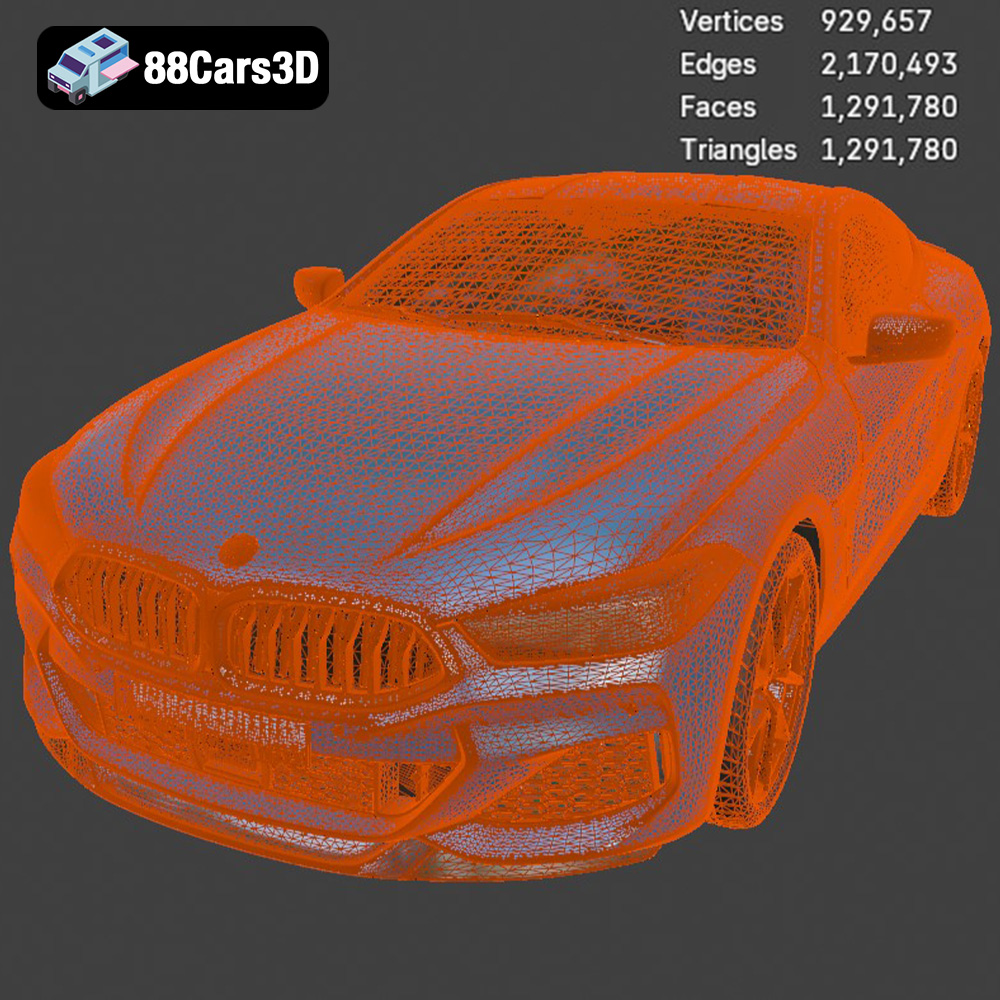
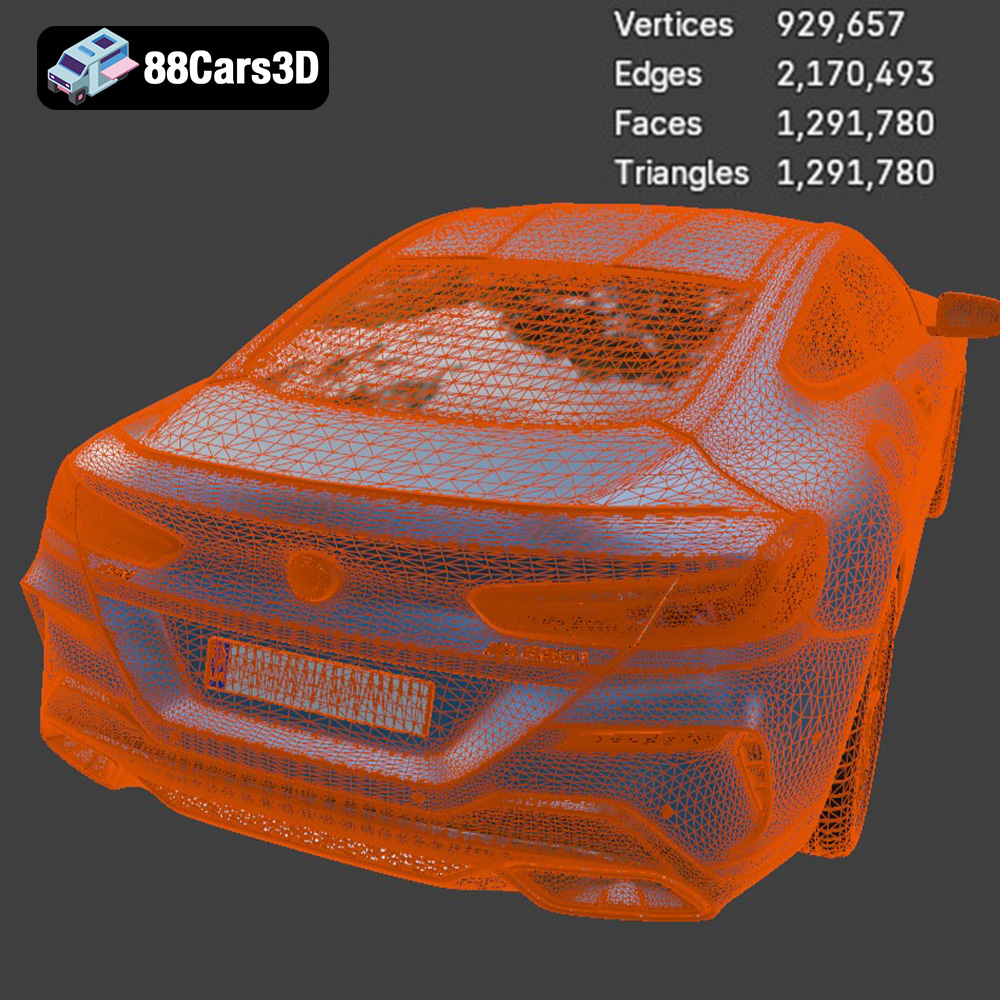
At the core of any high-quality 3D model is its topology – the arrangement of polygons. For automotive rendering and game assets, clean, quad-based geometry is paramount. The BMW M850i model boasts optimized polygon distribution, meaning the mesh is structured efficiently, allowing for smooth subdivisions for close-up renders while remaining optimized for real-time applications. This balance is crucial: low-poly for game engines to maintain high frame rates, and high-poly (often achieved through subdivision surfaces) for cinematic quality. Proper topology ensures that reflections on the car’s surface behave realistically, without distortions or pinching, a critical factor for luxury vehicles.
Beyond the mesh, materials and textures breathe life into a 3D car model. This model features realistic materials, utilizing PBR (Physically Based Rendering) workflows. This means that surfaces like paint, glass, chrome, and tire rubber react to light in a physically accurate manner, mirroring how they would in the real world. Intricate detailing includes high-resolution textures for elements like tire treads, brake calipers, grilles, and interior components. A detailed material setup would often include diffuse, roughness, metallic, normal, and displacement maps, meticulously crafted to replicate the BMW M850i’s luxurious finishes and aggressive styling.
The difference between a good model and a great one often lies in the details. From the iconic kidney grille to the aggressive air intakes, the intricate headlight designs, and the subtle curves of the body panels, every element of the BMW 8-Series M850i G15 Coupe 2019 is meticulously captured. This level of intricate detailing extends to the interior, where elements like dashboard instruments, steering wheel stitching, and seat textures would be accurately represented. Such precision ensures that the model holds up even in extreme close-up shots, delivering the unparalleled realism expected in professional automotive visualization.
A versatile 3D asset proves its worth through seamless integration into diverse professional pipelines. The BMW 8-Series M850i G15 Coupe 2019 3D Model is engineered for such adaptability, making it an invaluable tool for various digital artists and studios.
For architectural visualization studios, integrating a realistic vehicle like the BMW M850i can dramatically enhance exterior renders, adding a touch of luxury and realism to property presentations. Using software like 3ds Max with V-Ray or Corona Renderer, or Blender with Cycles, artists can place the car in photorealistic environments, adjusting lighting and camera angles to create stunning marketing visuals. The .max and .blend formats, complete with material and lighting setups, streamline this process, allowing immediate focus on scene composition and final rendering. This transforms a static building render into a dynamic, aspirational lifestyle image.
In the realm of game development, performance is as critical as visual quality. The optimized geometry and engine-ready formats (.fbx, .unreal) of the BMW M850i are perfectly suited for integration into engines like Unreal Engine and Unity. Game artists can quickly import the model, apply collision meshes, set up LODs to ensure efficient rendering at different distances, and integrate it into driving simulators, open-world environments, or racing games. The clean topology also makes it easier to implement destruction systems or custom animations, ensuring a high-quality, interactive experience without compromising frame rates.
The advent of augmented and virtual reality has opened new avenues for showcasing products. The .glb format, optimized for AR/VR and web-based applications, makes the BMW M850i model ideal for interactive virtual showrooms, mobile AR car configurators, or immersive training experiences. Imagine potential buyers exploring the car’s interior in VR or placing a life-sized BMW M850i in their driveway using an AR app on their smartphone. This model’s readiness for these platforms allows businesses to create engaging, cutting-edge marketing and sales tools, pushing the boundaries of customer interaction.
While often associated with screens, 3D models also have a tangible presence. The inclusion of .stl and .ply formats for the BMW 8-Series M850i G15 Coupe 2019 3D Model extends its utility significantly, bridging the gap between the digital and physical worlds.
3D printing demands specific technical considerations, primarily a “watertight” mesh where all surfaces are closed and non-manifold geometry is eliminated. The .stl format provided ensures that the BMW M850i is prepared for direct output to a 3D printer. This allows designers, engineers, or enthusiasts to create physical prototypes, scale models, or even custom parts. The model’s inherent clean geometry minimizes the need for extensive repair work often required when preparing less optimized models for fabrication, saving valuable time and resources.
For industrial designers and automotive engineers, rapid prototyping is a crucial stage in the development cycle. Being able to quickly 3D print a physical representation of the BMW M850i allows for tangible evaluation of its form, proportions, and aesthetic appeal. This can be invaluable for scale models used in wind tunnels, ergonomic studies, or simply for visual inspection before committing to expensive manufacturing processes. The .ply format, with its ability to store precision mesh data, can also be beneficial in reverse engineering contexts or for integrating the digital model into CAD software for further engineering analysis.
The versatility and fidelity of high-quality 3D car models like the BMW 8-Series M850i G15 Coupe 2019 from 88cars3d.com translate directly into impactful applications across numerous industries.
The automotive industry heavily relies on stunning visuals to showcase new vehicles. Instead of costly physical photoshoots, manufacturers increasingly turn to 3D rendering. Agencies can use this model to produce cinematic quality commercials, high-resolution print ads, or engaging web animations long before a physical prototype is even built. The ability to manipulate lighting, environments, and camera angles entirely in a digital space offers unparalleled creative freedom and cost efficiency. Imagine a BMW M850i rendered against a breathtaking digital cityscape, dynamically transitioning through different paint finishes – all powered by a single, professional 3D car model.
Beyond traditional marketing, professional 3D car models are vital for interactive applications. Driving schools and research institutions can integrate the BMW M850i into advanced training simulators, allowing users to experience the vehicle’s dynamics in a safe, virtual environment. Dealerships can create interactive virtual showrooms where customers can explore the car’s features, customize options, and even take a virtual test drive from the comfort of their homes. The model’s optimized structure for game engines makes these interactive experiences smooth and immersive, providing a powerful engagement tool.
The flexibility offered by a professional 3D car model also extends to user creativity. Enthusiasts and modding communities can leverage the editable formats like .blend or .max to create custom liveries, modify body kits, or integrate the BMW M850i into their personal digital projects. This not only fosters a vibrant community around the model but also allows for boundless creative expression. Such models become digital canvases, enabling users to explore “what-if” scenarios and personalize their digital garages.
The digital realm thrives on detail and versatility, and nowhere is this more evident than in the demanding field of 3D automotive modeling. A truly professional 3D car model, such as the BMW 8-Series M850i G15 Coupe 2019 3D Model, is not just a collection of polygons; it’s a meticulously crafted asset designed to empower creators across rendering, game development, AR/VR, and even physical prototyping. Its clean geometry, realistic materials, intricate detailing, and comprehensive range of file formats ensure seamless integration into virtually any professional pipeline.
From producing stunning automotive renders and populating immersive game worlds to enabling cutting-edge AR experiences and facilitating rapid prototyping, this model exemplifies the pinnacle of digital automotive artistry. For professionals seeking top-tier 3D car models that stand up to the most rigorous demands, exploring offerings like the BMW M850i on 88cars3d.com is a wise investment. It’s an asset that not only meets industry standards but helps define them, providing the foundation for truly exceptional digital projects.
Experience unparalleled realism with the BMW 8-Series M850i G15 Coupe 2019 3D Model. Designed to meet professional standards, this model captures the sleek proportions and aggressive styling of the iconic luxury sports coupe, ensuring exceptional visual fidelity for any digital project. Built with clean geometry and optimized polygon distribution, the model guarantees smooth subdivisions and excellent performance. It features realistic materials and intricate detailing, making it ideal for close-up shots and demanding environments. This versatile 3D asset is perfectly suited for a wide range of applications, including game development, cinematic rendering, AR/VR experiences, and automotive visualization.
$19.99
.8series
.arvr
.blend
.bmw
.car3dmodel
.coupe
.fbx
.g15
.gameasset
.glb
.luxurycar
.m850i
.max
.obj
.ply
.rendering
.simulation
.sportsCar
.stl
.unreal