Get 20% OFF All Premium 3D & STL Models!

In the rapidly evolving world of digital visualization, the demand for exceptionally detailed and versatile 3D car models has never been higher. From breathtaking cinematic renders to immersive real-time game environments and sophisticated AR/VR applications, the foundation of any successful project lies in the quality of its assets. A truly professional 3D vehicle model isn’t just an aesthetic element; it’s a technical powerhouse designed to perform flawlessly across diverse platforms and workflows.
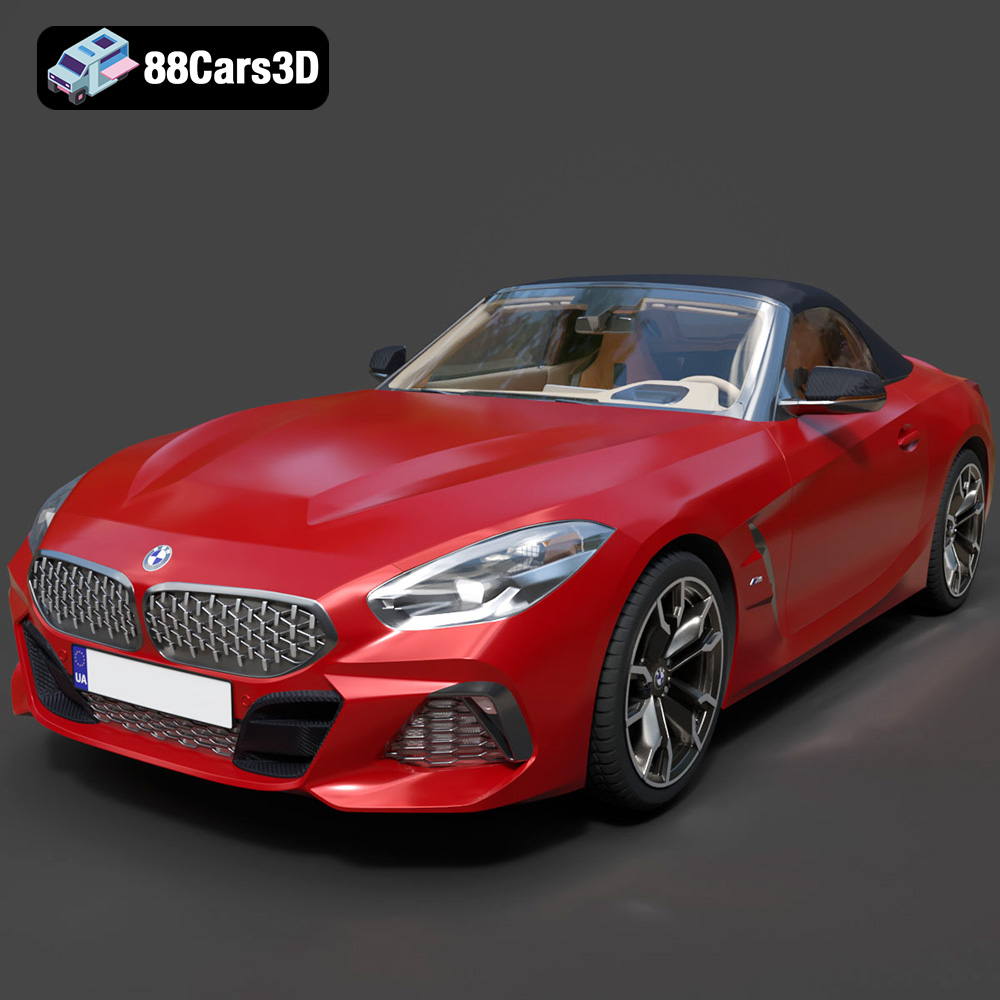
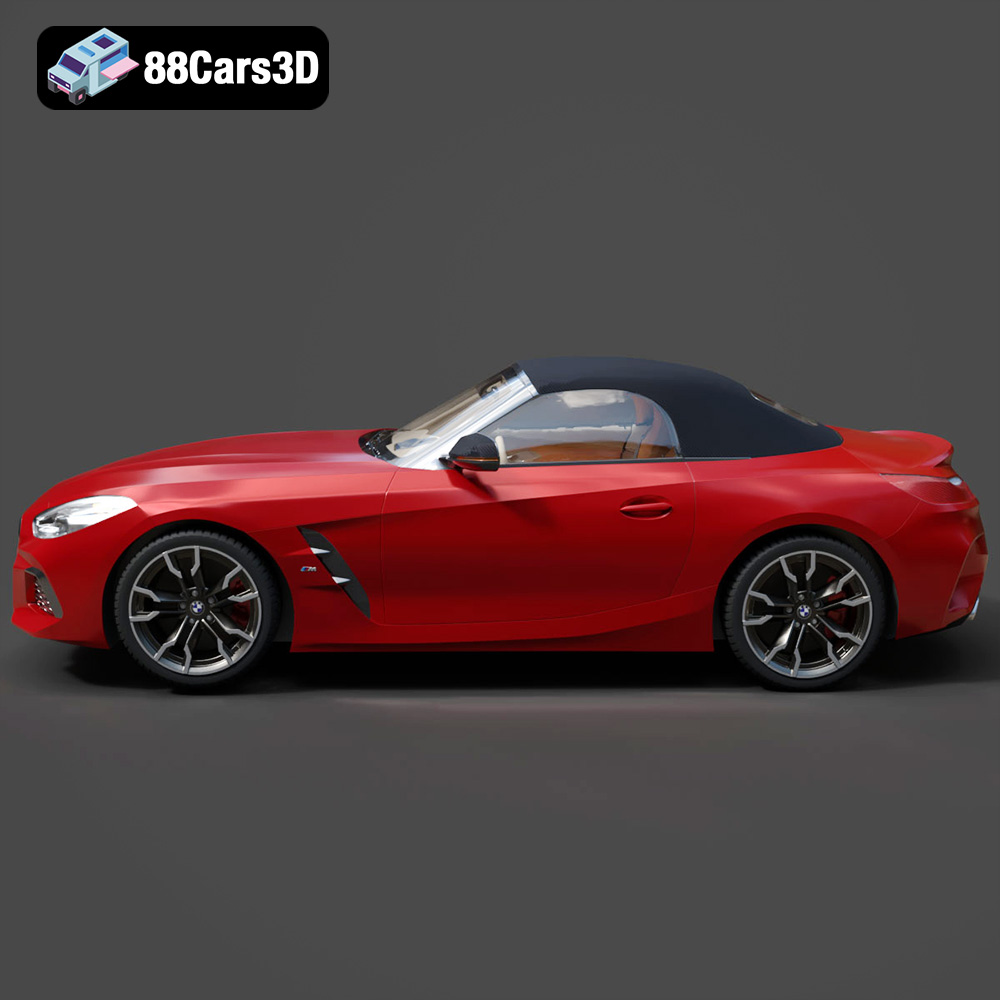
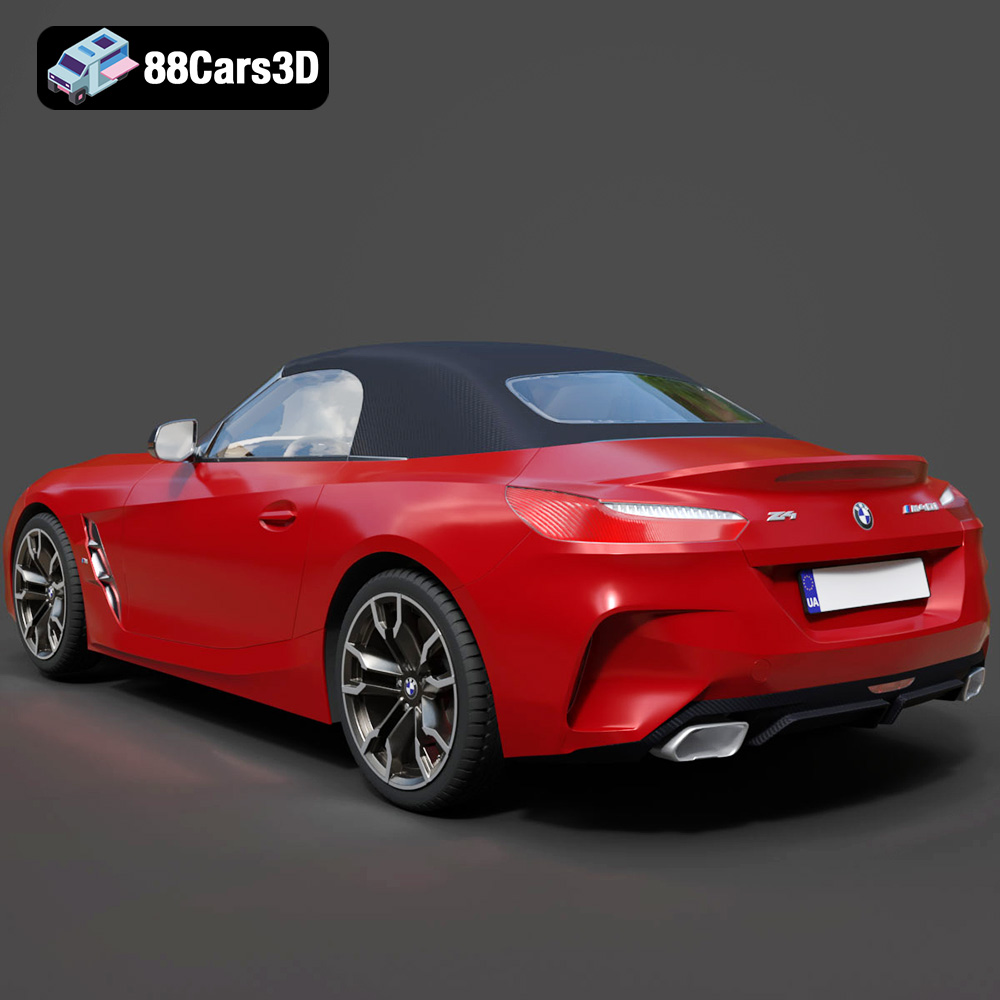
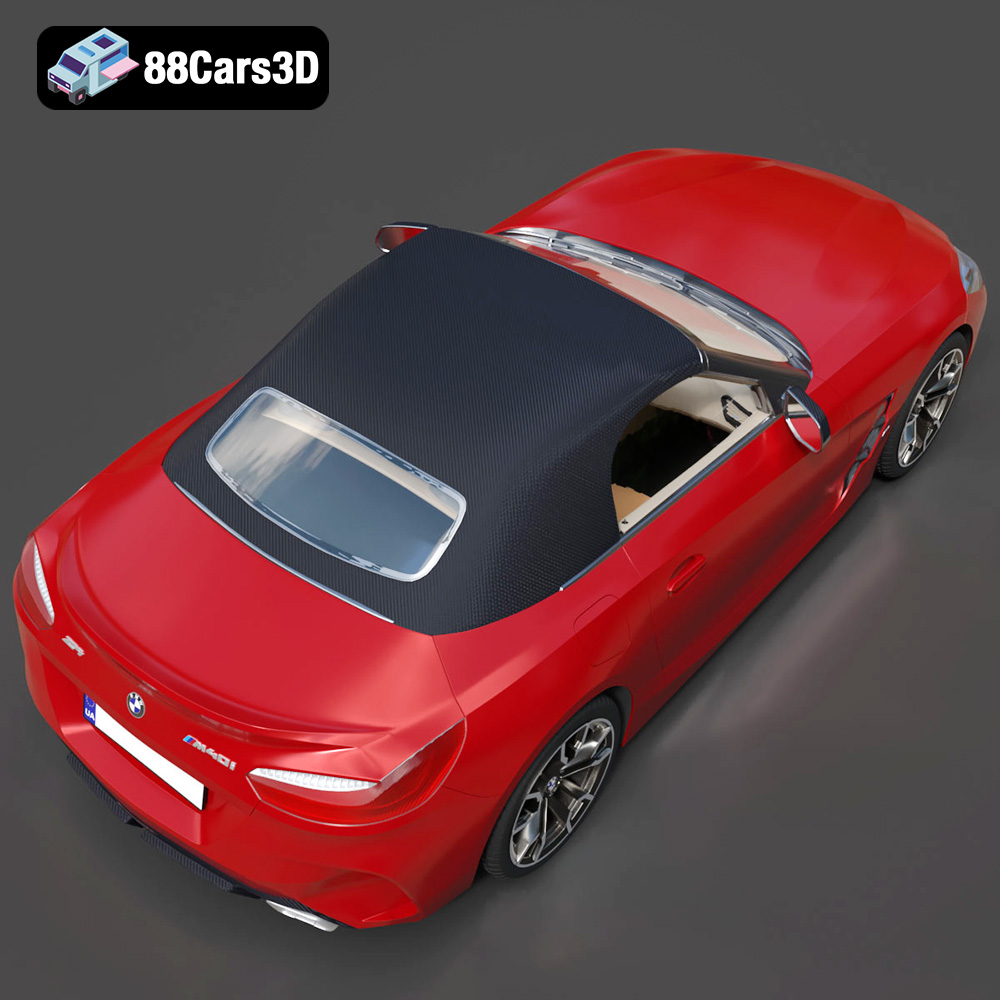
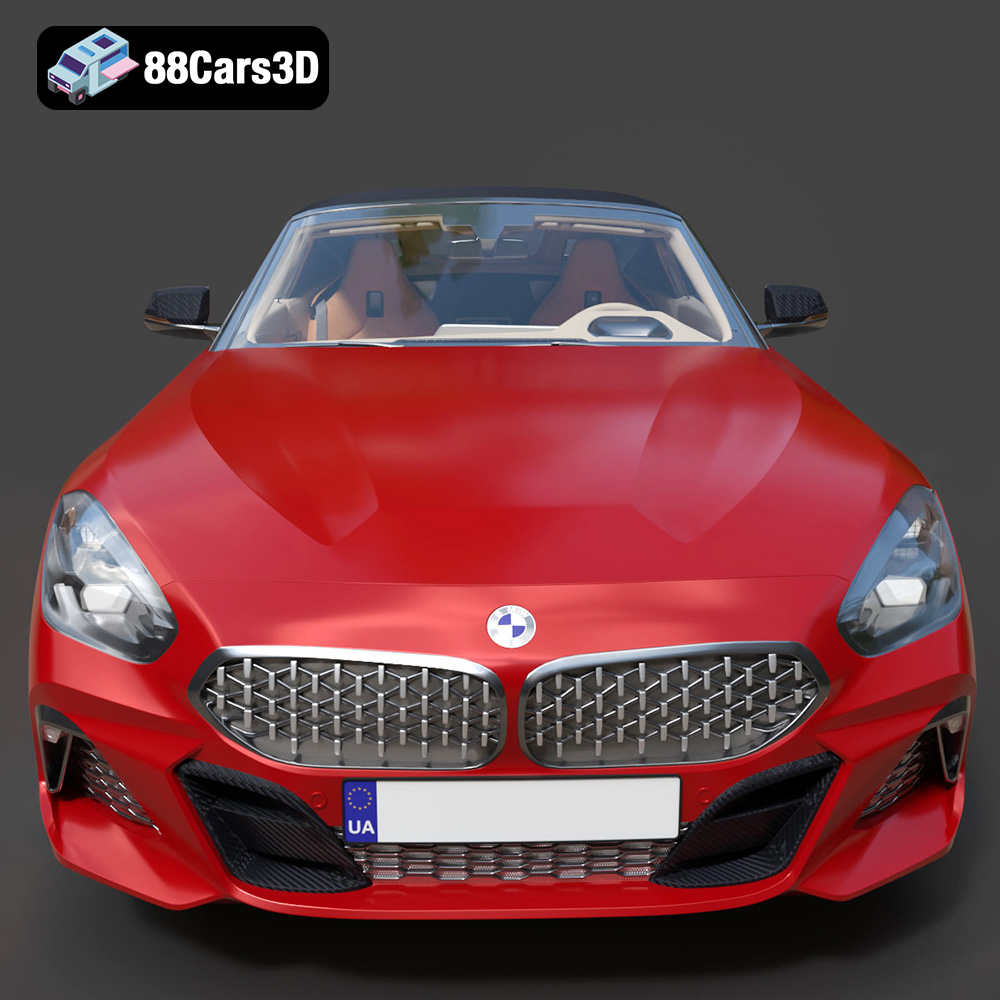
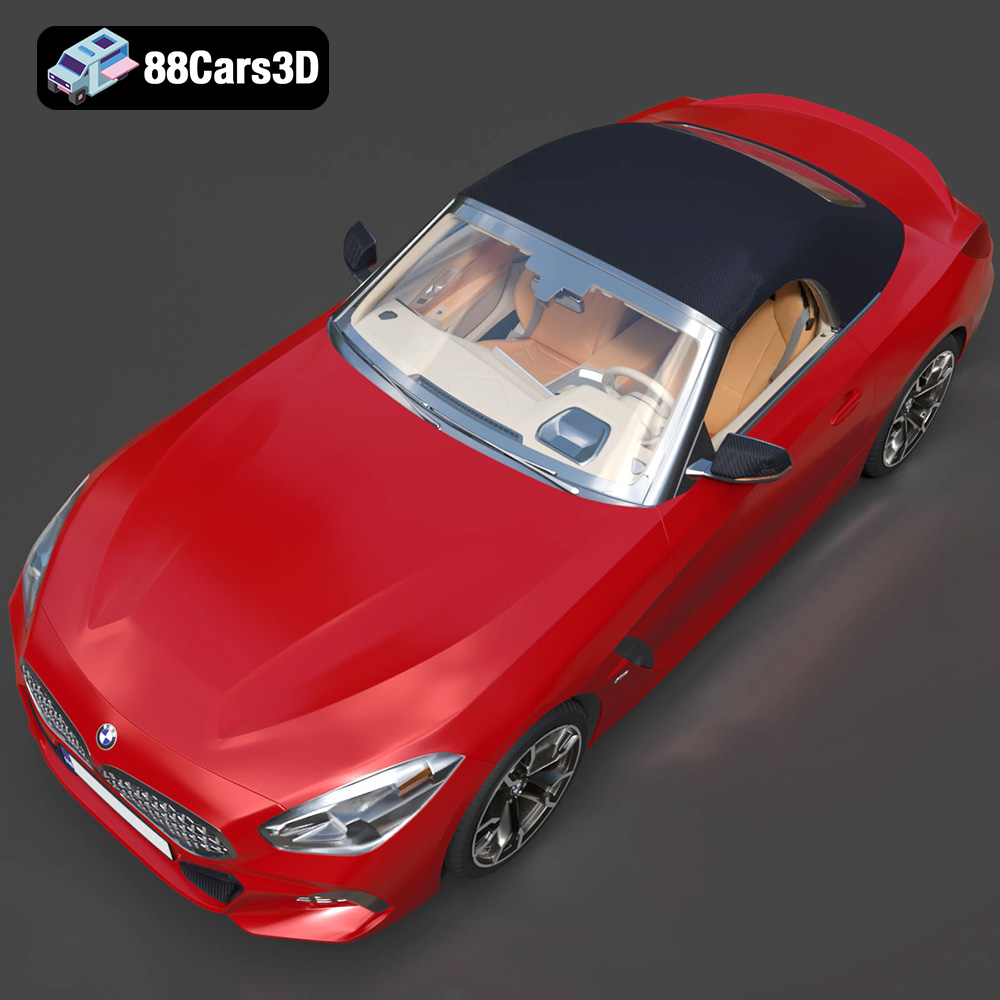
Today, we’re taking an in-depth look at what makes a premium 3D car model stand out, using the exquisite BMW Z4 Mk3 G29 Roadster M40i 2019 3D Model available on 88cars3d.com as our prime example. This particular model perfectly encapsulates the blend of artistic detail and technical precision required by today’s leading professionals. Its dynamic lines, aggressive stance, and elegant curves are meticulously captured, offering a reliable and high-performance asset for any demanding digital project.
Whether you’re an automotive designer, a game developer, an architect, or a marketing professional, understanding the intricacies of these digital assets is crucial. This comprehensive guide will explore the technical nuances, workflow integrations, and creative possibilities unlocked by investing in top-tier 3D car models.
The choice of file format for a 3D model is far more than a minor technical detail; it dictates compatibility, performance, and the scope of manipulation within various software environments. A truly versatile asset, like the BMW Z4 Mk3 G29 Roadster M40i 2019 3D Model, provides a comprehensive suite of formats, each optimized for specific use cases. Understanding these formats is paramount for any professional working with 3D car models.
The .blend format is native to Blender, a powerful and increasingly popular open-source 3D creation suite. When a model is provided in .blend, it signifies a fully editable Blender scene, complete with materials, textures, lighting setups, and sometimes even animation rigs. This offers unparalleled flexibility for users who prefer Blender for their automotive rendering or general 3D work. It allows for direct modification of geometry, fine-tuning of PBR (Physically Based Rendering) materials using Cycles or Eevee, and integration into existing Blender projects without conversion artifacts. For artists accustomed to Blender’s node-based material system and comprehensive toolset, the .blend file is the most efficient starting point.
.fbx (Filmbox) is a proprietary file format owned by Autodesk, but it has become an unofficial industry standard for exchanging 3D data between different software applications and game engines. It is exceptionally versatile, supporting not only mesh geometry but also materials, textures, animations, rigging, and camera data. For game development, particularly with Unreal Engine and Unity, .fbx is often the preferred format due to its robust support for real-time asset pipelines. It handles complex hierarchies well, making it ideal for importing detailed 3D car models with multiple components into an engine-ready state. The included .fbx for the BMW Z4 ensures smooth integration into these critical game development workflows.
.obj (Wavefront Object) is one of the oldest and most widely supported 3D file formats. While it doesn’t store animation or rigging data, it excels at representing pure geometric information, including vertex positions, UV coordinates, normals, and material group assignments. Its universality makes it a go-to format for cross-software compatibility. Virtually every 3D application can import and export .obj files, making it an excellent fallback or primary option when specific software compatibility is uncertain. It’s clean, lightweight, and ideal for basic mesh transfers or when you need to bring a model into an application that might not support more complex formats, serving as a reliable backbone for many 3D car models.
.glb (GLB format, a binary form of glTF – Graphics Language Transmission Format) is rapidly gaining traction as the standard for 3D web, AR (Augmented Reality), and VR (Virtual Reality) applications. It’s designed for efficient transmission and loading of 3D scenes and models, encapsulating geometry, materials, textures, and animations into a single, self-contained file. Its optimization for real-time display and smaller file sizes makes it perfect for interactive web viewers, immersive AR experiences on mobile devices, or lightweight VR environments. The BMW Z4 model’s .glb inclusion highlights its readiness for cutting-edge interactive visualizations.
.stl (STereoLithography) is the de facto standard file format for 3D printing and rapid prototyping. It describes only the surface geometry of a 3D object using a collection of interconnected triangles. While it lacks color or texture information, its simplicity and widespread adoption make it indispensable for additive manufacturing. When utilizing 3D car models for physical prototypes, scale models, or custom parts, an .stl file ensures direct compatibility with slicing software and 3D printers. For the BMW Z4, this means designers can move from digital concept to physical prototype with ease.
.ply (Polygon File Format or Stanford Triangle Format) is another format primarily used for storing 3D data from 3D scanners, CAD applications, or for scientific visualization. It can store a wider range of properties than .stl, including color, transparency, texture coordinates, and even properties per vertex. It’s often used when precision mesh data is required for analysis, reverse engineering, or high-fidelity visualization where maintaining vertex-level detail is crucial. The .ply format provides an alternative for detailed geometrical inspection or integration into specialized engineering software.
While not a universal file format in the traditional sense, the inclusion of an .unreal designation typically means the asset is delivered as a pre-configured, engine-ready package specifically for Unreal Engine. This could involve a .uasset file or a set of files organized within an Unreal project structure. Such assets usually come with optimized materials, collision meshes, LODs (Levels of Detail), and proper scaling, significantly reducing setup time for developers. For projects demanding the highest fidelity in real-time rendering, like the BMW Z4 in a virtual automotive showroom or a high-end racing simulator, having an .unreal ready asset is a tremendous advantage, offering unparalleled performance and visual quality out of the box.
The .max file is the native scene format for Autodesk 3ds Max, a long-standing industry leader in 3D modeling, animation, and rendering. An editable .max file provides access to the full project hierarchy, modifiers, materials, lighting, and animation data within 3ds Max. This is crucial for professionals who use 3ds Max for architectural visualization, advanced automotive rendering, or complex animation sequences. It allows for complete control over every aspect of the model, from adjusting topology to tweaking V-Ray or Corona materials, making it a powerful asset for bespoke projects involving the BMW Z4 Mk3 G29 Roadster.
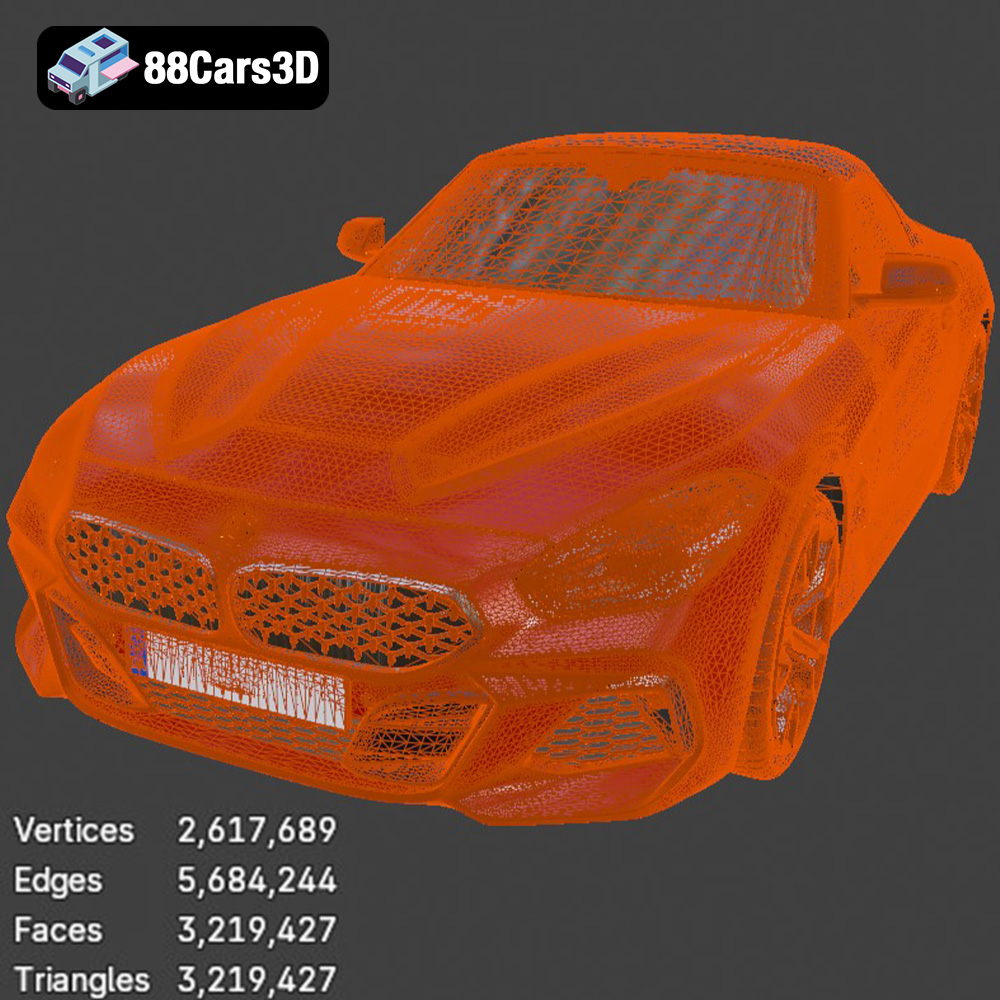
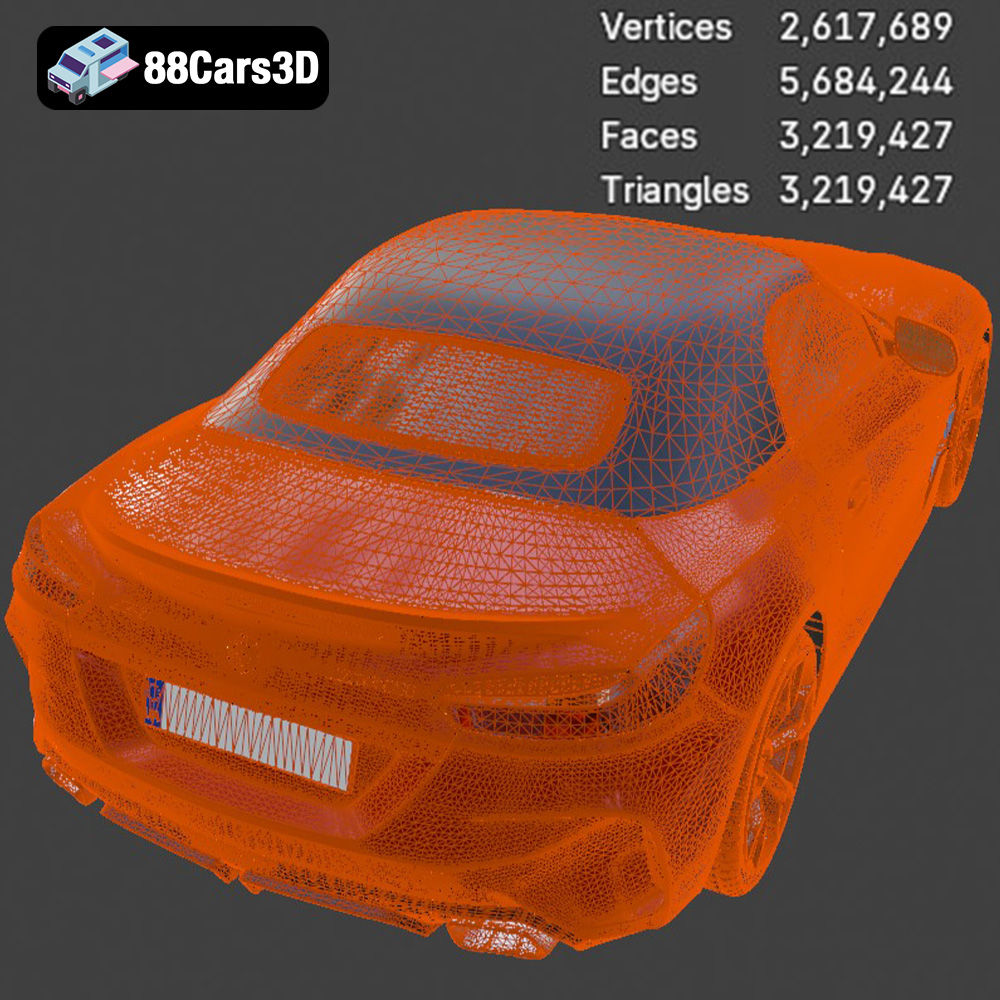
Automotive rendering is an art form that transforms static 3D car models into photorealistic masterpieces. It’s where the technical precision of the 3D model truly shines, allowing artists to create stunning visuals for marketing, design reviews, and cinematic sequences. The BMW Z4 Mk3 G29 Roadster M40i 2019 3D Model provides an excellent foundation for such endeavors, offering clean geometry and detailed surfaces ready for advanced material and lighting setups.
Modern rendering relies heavily on PBR (Physically Based Rendering) workflows. This involves using textures like Albedo (or Base Color), Normal, Roughness, Metallic, and Ambient Occlusion maps to simulate how light interacts with a surface in a physically accurate manner. A premium 3D model like the Z4 from 88cars3d.com comes with professionally crafted PBR materials. This ensures that when imported into render engines like V-Ray, Corona Renderer, Octane, or Blender’s Cycles, the car’s paint, glass, chrome accents, and tire rubber react realistically to light, producing believable reflections, refractions, and specular highlights.
Lighting is the soul of any render. Automotive rendering often employs HDRI (High Dynamic Range Image) environments to provide realistic global illumination, reflections, and subtle ambient lighting, mimicking real-world conditions. Supplementing HDRIs with targeted area lights, spot lights, or volumetric lights can accentuate the car’s form, highlight specific details, and create dramatic effects. Understanding how light sculpts the car’s body panels and interacts with its surfaces is key to achieving a professional look. The clean geometry of the BMW Z4 ensures that light bounces and flows naturally across its curves, preventing visual artifacts and enhancing its aesthetic appeal.
Once the raw render is complete, post-processing in tools like Adobe Photoshop or Affinity Photo elevates the image. This stage involves color grading, adjusting contrast, adding depth of field, motion blur, lens flares, and subtle atmospheric effects. Compositing the rendered car into a photographic backplate or a fully rendered scene also requires careful attention to perspective, lighting consistency, and color matching to achieve a seamless blend. The high-resolution output capabilities of the BMW Z4 model ensure that details remain crisp even after extensive post-production, making it ideal for high-impact automotive marketing visuals.
For game developers and those building interactive real-time experiences, the challenge lies in balancing visual fidelity with performance. A truly game-ready 3D car model must be optimized for efficiency without compromising on aesthetic quality. The BMW Z4 Mk3 G29 Roadster M40i 2019 3D Model, with its game-engine-ready .fbx and pre-configured .unreal formats, is engineered to excel in these demanding environments.
Real-time engines like Unreal Engine and Unity demand highly optimized assets. This means managing polygon counts effectively, employing efficient UV mapping for texture atlases, and implementing LODs (Levels of Detail). While the product description emphasizes “clean geometry” and “professional-grade detailing,” implying efficient topology, further optimization might be necessary for specific game scenarios. The included .fbx and .unreal files significantly streamline the import process, ensuring materials are set up correctly, textures are linked, and the model is scaled appropriately for the engine’s coordinate system.
Beyond static visuals, game assets must be functional. For driving simulations or racing games, the BMW Z4 model needs to integrate with physics engines, collision systems, and in-game mechanics. This often involves creating custom collision meshes (simplified geometric representations for physics calculations), setting up wheel bone hierarchies for suspension and steering, and sometimes even interior functionality for interactive cockpits. The clean hierarchy and organized structure of a professional model simplify these complex integrations, allowing developers to focus on gameplay rather than asset remediation.
For instance, an advanced racing title could leverage the high-fidelity interior for a first-person driving experience, while a realistic simulation could utilize the accurate exterior dimensions for precise collision detection and environmental interaction. The availability of the .unreal format directly addresses this need, providing a solid foundation for rapid prototyping and deployment within Unreal Engine projects.
The rise of augmented and virtual reality, coupled with increasingly powerful web browsers, has opened new avenues for showcasing 3D car models. The ability to interact with a detailed vehicle in an immersive environment or directly within a web page offers unparalleled engagement for consumers and professionals alike. The BMW Z4 Mk3 G29 Roadster M40i 2019 3D Model, with its .glb format, is perfectly positioned for these emergent applications.
AR/VR applications demand highly optimized models that can be rendered in real-time on a variety of devices, from high-end VR headsets to mobile phones. The .glb format is designed specifically for this purpose, offering efficient loading and rendering. Imagine a potential customer using an AR app to place the BMW Z4 in their driveway, viewing it from all angles, or exploring its interior in a VR showroom. This level of interactivity transforms the purchasing experience and provides invaluable design visualization tools.
Beyond dedicated applications, web-based 3D viewers are becoming a standard for product presentation. E-commerce sites, automotive configurators, and design portfolios can all benefit from embedding interactive 3D models directly into a web page. The .glb format, supported by various JavaScript libraries (like Three.js or Babylon.js), allows for seamless display of the BMW Z4 without requiring users to download additional software. This makes the model accessible to a wider audience, enabling dynamic product showcases and engaging online experiences.
For instance, an automotive dealership could feature the BMW Z4 on its website, allowing prospective buyers to rotate the car, zoom in on details, and even see it in different environments, all within their browser. This significantly enhances the online browsing experience, bridging the gap between digital and physical interaction.
The journey of a 3D car model doesn’t always end on screen. For automotive designers, engineers, and enthusiasts, the ability to physically hold a scaled prototype of a vehicle is invaluable. 3D printing provides this bridge from the digital realm to the tangible, and having the right file formats is crucial for a successful print. The BMW Z4 Mk3 G29 Roadster M40i 2019 3D Model includes .stl and .ply formats, making it ready for physical fabrication.
The .stl file format is universally recognized by 3D printing software (slicers) and machines. When converting a complex 3D car model like the BMW Z4 into an .stl, attention must be paid to mesh integrity. A “manifold” mesh, one without holes, inverted normals, or self-intersecting geometry, is essential for a successful print. The “clean geometry” of the 88cars3d.com model implies a well-constructed mesh that requires minimal cleanup before generating the .stl. This saves significant time and effort in the prototyping phase.
While .stl is the standard for 3D printing, the .ply format offers advantages for precision prototyping, especially when dealing with highly detailed or scanned data that might be used for reverse engineering or direct comparison with CAD models. If a designer needs to 3D print a part of the BMW Z4 with extreme accuracy for a functional test, or to compare a physical model against the digital master, the .ply format can provide a more robust representation of the original mesh data, including vertex color if necessary. This can be particularly useful for validation and quality control in automotive design.
The inclusion of both .stl and .ply formats with the BMW Z4 Mk3 G29 Roadster M40i 2019 3D Model ensures that users have flexible options, whether they’re producing simple physical representations or highly accurate prototypes for engineering review.
The digital landscape for automotive visualization, game development, and interactive experiences is continuously evolving, placing ever-increasing demands on the quality and versatility of 3D assets. As we’ve explored, a premium 3D car model, such as the BMW Z4 Mk3 G29 Roadster M40i 2019 3D Model from 88cars3d.com, is far more than just a beautiful representation of a vehicle. It’s a meticulously crafted technical asset, designed for seamless integration across a multitude of professional workflows.
From its diverse range of included file formats – catering to rendering in Blender and 3ds Max, game development in Unreal Engine, immersive AR/VR experiences with .glb, and physical prototyping via .stl – to its commitment to clean geometry and realistic materials, this model empowers artists and developers to achieve stunning results with maximum efficiency. It eliminates the tedious initial modeling phase, allowing professionals to dive directly into creative lighting, texturing, animation, and real-time environment building.
Whether you’re crafting a hyper-realistic automotive advertisement, populating an open-world game, developing an interactive product configurator, or even 3D printing a scale model, investing in high-quality 3D car models is a decision that pays dividends in both time saved and the caliber of the final output. The BMW Z4 Mk3 G29 Roadster M40i 2019 3D Model stands as a testament to the level of detail and technical readiness that 88cars3d.com provides, ensuring that your digital projects are built upon the strongest possible foundation.
Experience true realism with the BMW Z4 Mk3 G29 Roadster M40i 2019 3D Model. Crafted with precision, this model perfectly captures the dynamic lines, aggressive stance, and elegant curves of the iconic roadster. This premium 3D model features clean geometry, realistic materials, and professional-grade detailing. The exterior and interior are meticulously built to ensure an accurate representation from every angle, providing a reliable asset for any professional digital workspace. Ideal for a wide range of applications, this vehicle is perfectly suited for game development, detailed rendering, AR/VR experiences, simulation environments, and commercial visualizations.
$19.99
.arvr
.blend
.bmw
.car3dmodel
.convertible
.fbx
.g29
.gameasset
.glb
.m40i
.max
.mk3
.obj
.ply
.rendering
.roadster
.simulation
.sportsCar
.stl
.unreal
.z4