Get 20% OFF All Premium 3D & STL Models!

In the dynamic world of digital content creation, the line between imagination and reality is constantly blurring. From breathtaking cinematic sequences to hyper-realistic game environments and immersive AR/VR experiences, the demand for exceptionally detailed and technically sound 3D assets has never been higher. At the heart of this innovation lies the art of automotive design, where concept vehicles push the boundaries of aesthetics and engineering, inspiring new digital realms. This is precisely where high-quality 3D car models, such as the SMARANZA Mercedes Concept Electrical Motorcycle 3D Model, become indispensable tools for professionals across various industries.
This featured concept motorcycle is more than just a visually stunning design; it represents a meticulously crafted digital asset engineered for performance and versatility. It embodies a futuristic vision, blending Mercedes-Benz’s iconic luxury with cutting-edge electric mobility and aerodynamic precision. For 3D artists, game developers, architects, and product visualizers, a model of this caliber is a gateway to creating compelling narratives, engaging interactions, and stunning visuals that truly stand out. Whether you’re designing a high-octane racing game, staging a virtual automotive showroom, or developing a sci-fi cinematic, understanding the technical depth and professional application of such an asset is paramount. This article delves into the intricacies of integrating advanced 3D car models into professional workflows, ensuring creators can harness their full potential.
The world of 3D modeling is rich with various file formats, each designed with specific purposes, compatibilities, and technical advantages. Choosing the correct format is not merely a preference; it’s a critical decision that dictates workflow efficiency, software compatibility, and the ultimate performance of your 3D asset in its intended application. The SMARANZA Mercedes Concept Electrical Motorcycle 3D Model, available on 88cars3d.com, exemplifies this versatility by offering a comprehensive suite of formats, each serving a unique professional pipeline.
The .blend file is Blender’s native format and is a powerhouse for artists working within this popular open-source 3D software. It encapsulates an entire Blender scene, including the model’s geometry, materials, textures, lighting, cameras, animation data, and even modifiers. For the SMARANZA Mercedes Concept Electrical Motorcycle, the .blend file offers full editability. This means you can easily adjust topology, modify materials, tweak shaders, or even animate the separate components like wheels, suspension, and steering directly within Blender. It’s ideal for those who wish to deeply integrate the model into a Blender-centric project, taking advantage of its robust PBR shader system, Cycles or Eevee rendering engines, and extensive add-on ecosystem for further customization or optimization.
Autodesk’s .fbx (Filmbox) format is arguably the most widely adopted interchange format in the 3D industry. It’s renowned for its ability to store not just geometry, but also crucial data like skeletal animations, blend shapes, lights, cameras, and material properties across different software applications. For the Mercedes Concept Electrical Motorcycle, the .fbx format is ideal for transitioning the model into real-time pipelines such as Unreal Engine and Unity, or other DCC (Digital Content Creation) tools like Maya, 3ds Max, or Cinema 4D. Its robust support for embedded textures and precise transformation data ensures that the model arrives in your target application largely intact and ready for immediate use, making it a cornerstone for game development and virtual production.
The .obj (Wavefront OBJ) format is a venerable and widely supported option, acting as a universal common denominator for 3D geometry. It stores vertex positions, UV coordinates, normals, and face information, often accompanied by a separate .mtl (material library) file for basic material properties. While it doesn’t typically carry animation or complex rigging, its simplicity and ubiquitous compatibility make it excellent for static mesh exchange between virtually any 3D software. For the SMARANZA model, .obj is perfect if you need a clean mesh to import into less common software packages, or if you plan to re-texture and re-materialize the asset from scratch within your preferred environment, ensuring maximum flexibility.
.glb (GL Transmission Format Binary) is the binary version of glTF, a royalty-free specification for the efficient transmission and loading of 3D scenes and models by applications. Developed by the Khronos Group, .glb files package geometry, materials, textures, and animations into a single, self-contained file. This optimization makes it incredibly efficient for web-based 3D viewers, AR/VR applications, and mobile experiences where file size and loading speed are critical. When working with the Mercedes Concept Electrical Motorcycle for interactive web configurators, social media filters, or mobile AR apps, the .glb format ensures a streamlined, high-performance experience, delivering visual fidelity without heavy computational overhead.
.stl (Stereolithography) is the de facto standard file format for 3D printing. It represents a 3D model as a series of connected triangles (a tessellated mesh) that define the surface geometry of an object. Unlike other formats, .stl contains no color, texture, or material information, focusing purely on the physical shape. For enthusiasts or professionals looking to bring the SMARANZA Mercedes Concept Electrical Motorcycle into the physical world, the .stl file is the essential bridge. It’s what your slicing software will use to generate toolpaths for your 3D printer, allowing for the creation of scale models, prototypes, or display pieces, translating digital design into tangible form.
The .ply (Polygon File Format, also known as Stanford Triangle Format) is another widely used format for storing 3D data, particularly from 3D scanners or for CAD/analysis applications requiring high precision. It can store not only XYZ coordinates but also color, transparency, normals, texture coordinates, and other properties. While less common for general asset exchange than FBX or OBJ, its ability to store detailed mesh information makes it valuable for specific engineering, research, or highly detailed manufacturing pipelines. For the SMARANZA model, a .ply file might be utilized when a precise, raw mesh data transfer is required for further engineering analysis or specific manufacturing processes that leverage point cloud or detailed polygonal data.
The .unreal designation typically refers to a model that has been specifically prepared or optimized for direct import and integration into Unreal Engine projects. This often means the model has appropriate LODs (Levels of Detail), collision meshes, properly scaled UVs for lightmaps, and pre-configured materials, or it’s provided as an Unreal Engine project file with the asset already imported and set up. For the Mercedes Concept Electrical Motorcycle, an .unreal file would mean significantly reduced setup time within the engine, allowing developers to immediately drop the asset into their virtual worlds, leverage Unreal’s advanced rendering features, and begin developing interactive experiences with minimal fuss. This format underscores the model’s “game-ready” advantage.
.max is the native file format for Autodesk 3ds Max, a leading software for 3D modeling, animation, rendering, and visualization, especially prominent in architectural visualization and product design. A .max file, like .blend, encapsulates the entire scene, including all geometry, textures, materials (with V-Ray or Corona setups often included), lights, cameras, and animation data within 3ds Max. For professionals entrenched in the 3ds Max ecosystem, the .max file for the SMARANZA Mercedes Concept Electrical Motorcycle provides maximum flexibility. You can dive deep into the model’s hierarchy, modify its physical materials, set up complex animations, or render it with high-end photorealistic renderers to achieve stunning marketing visuals or detailed product animations.
Understanding these formats is crucial for maximizing the utility of any 3D asset. The comprehensive offering for the SMARANZA Mercedes Concept Electrical Motorcycle ensures that creators, regardless of their preferred software or end-use application, have the right tools at their disposal.
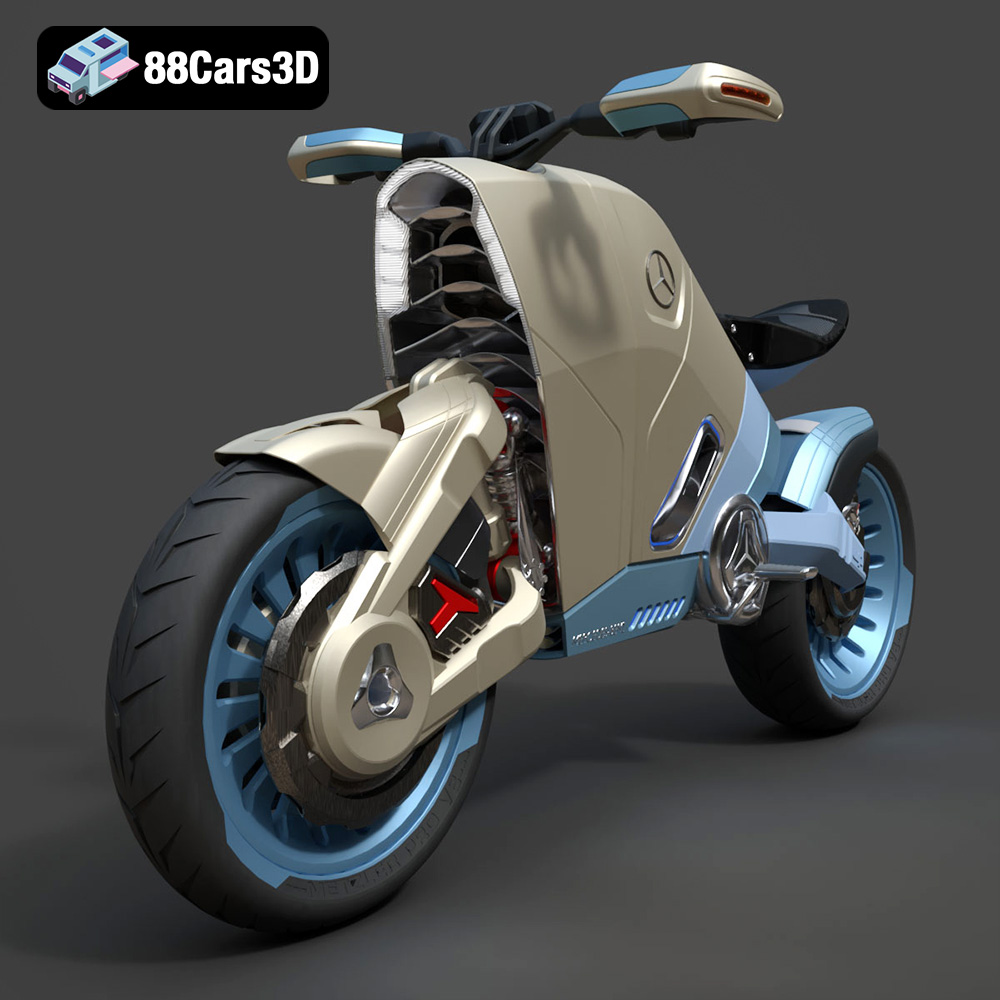
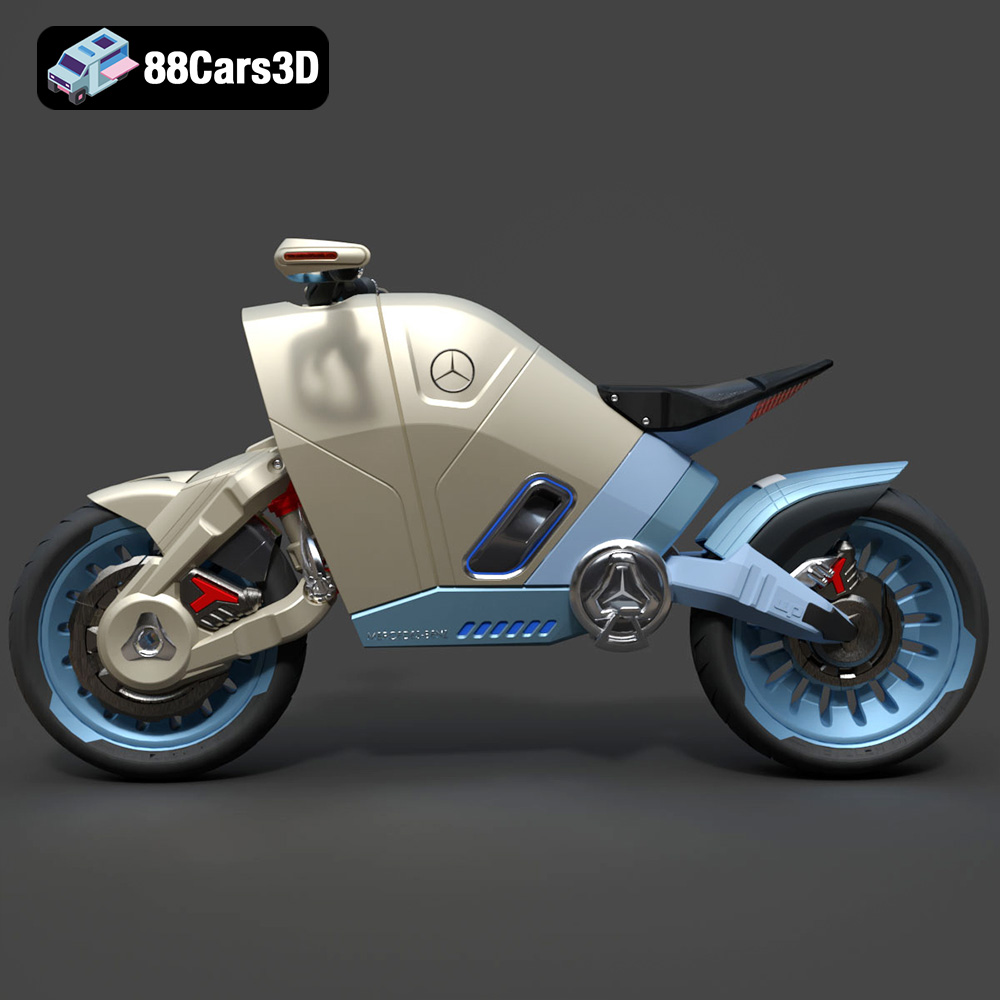
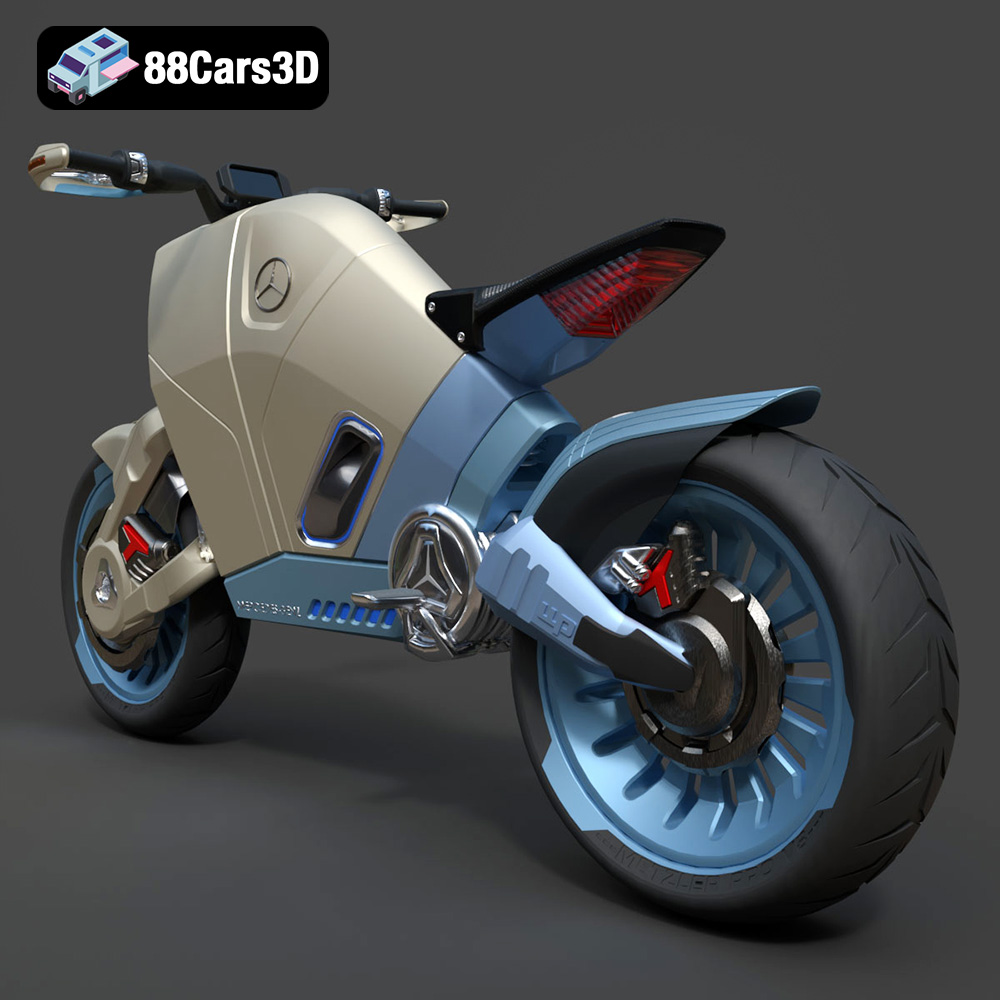
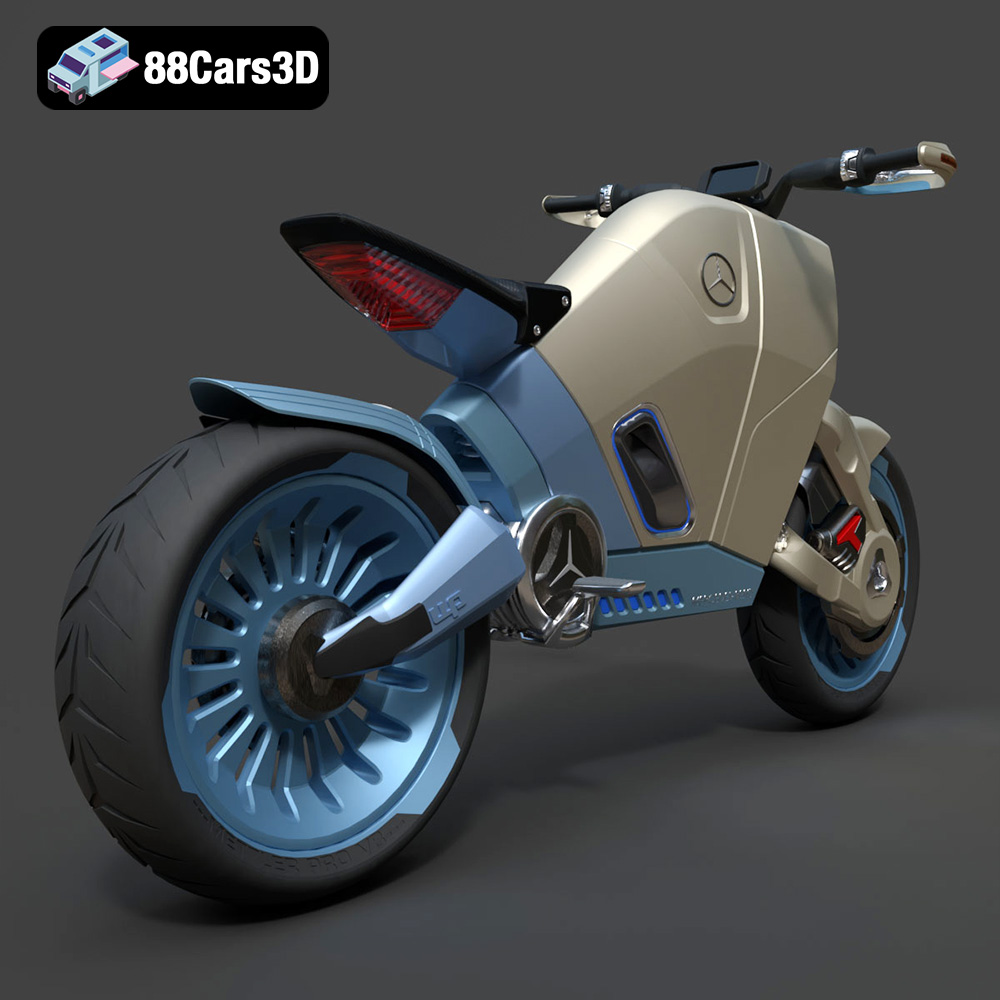
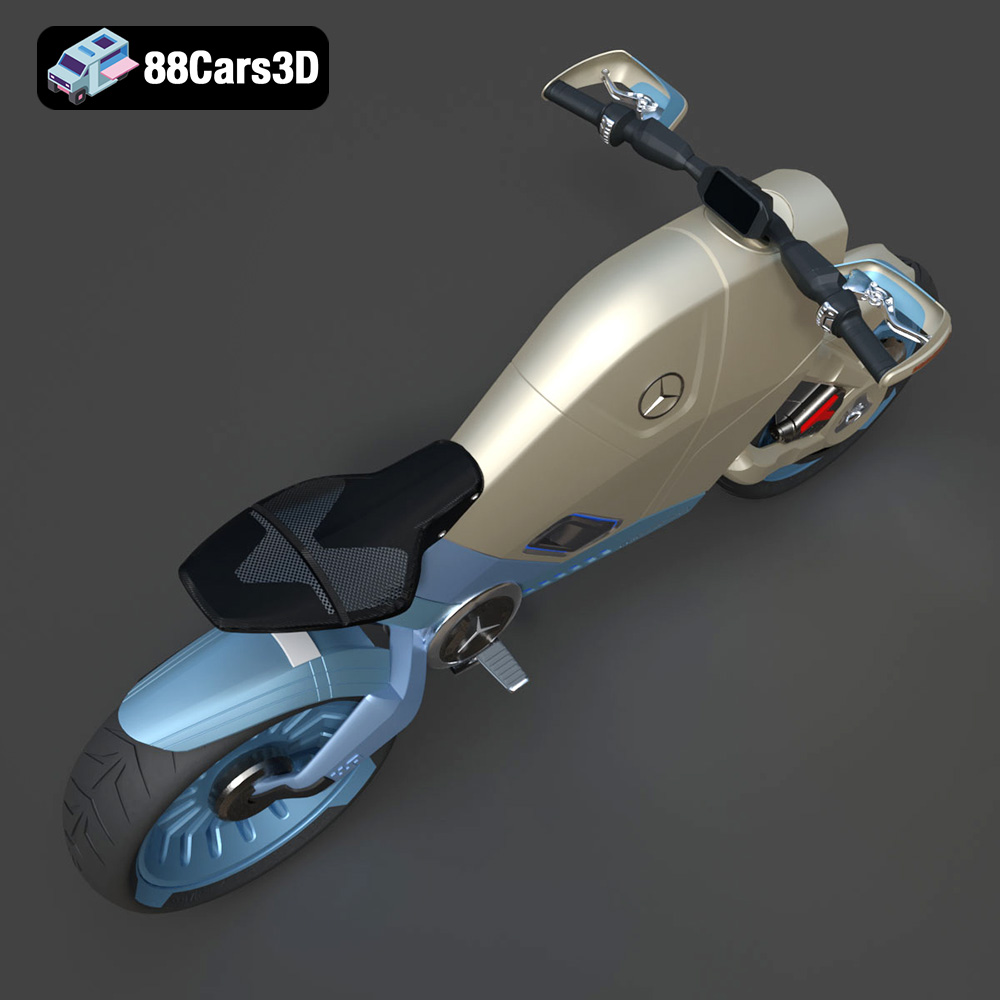
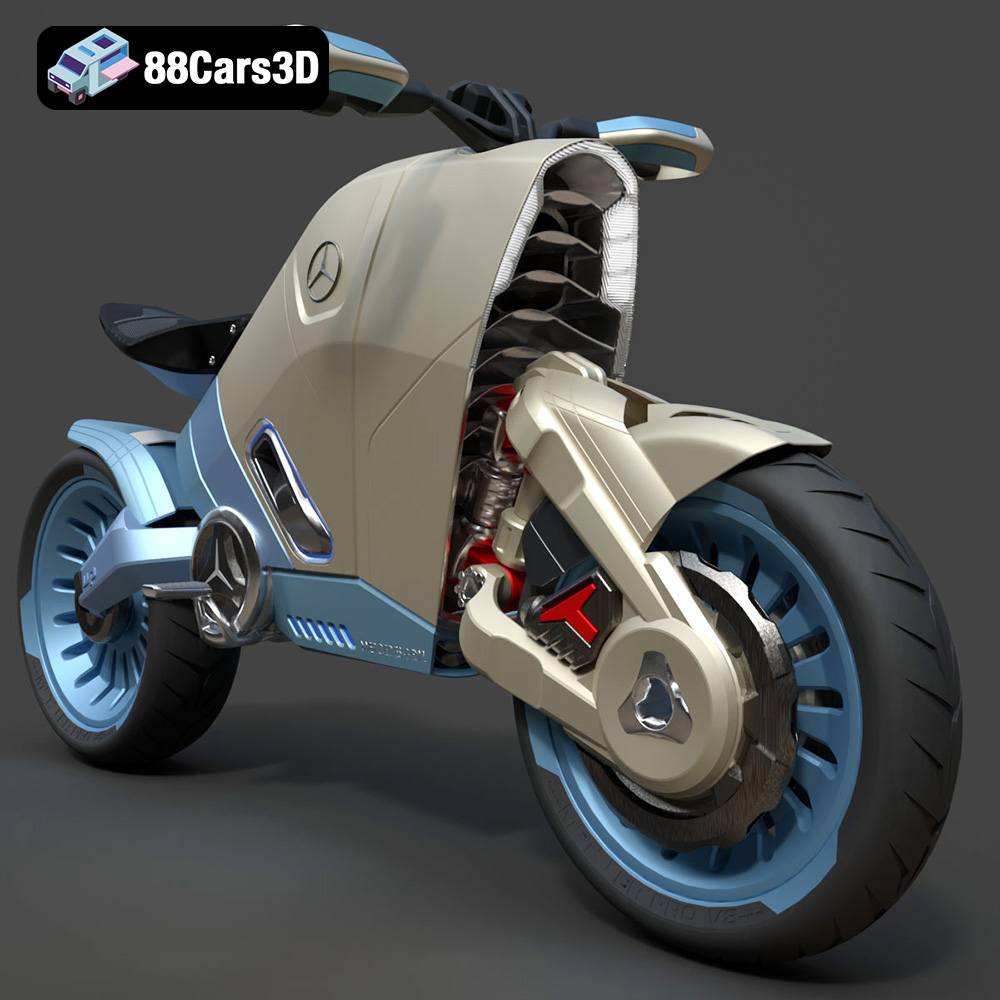
The SMARANZA Mercedes Concept Electrical Motorcycle is a masterclass in futuristic industrial design, a digital sculpture that perfectly marries form and function for the digital age. Its allure lies not just in its sleek aesthetics but in the thoughtful integration of conceptual engineering. This model isn’t just a vehicle; it’s a statement about the future of mobility, rendered with astonishing precision.
The most striking feature of this concept motorcycle is its ultra-sleek, streamlined fairing. Every curve and panel integration speaks to a design philosophy focused on minimizing drag and maximizing visual impact. The futuristic LED signature lighting is a hallmark of Mercedes-Benz design, reimagined for a two-wheeled vehicle, creating an unforgettable presence in any digital scene. This attention to detail in the exterior geometry ensures that the model holds up under intense scrutiny, whether it’s viewed up close in a virtual showroom or speeding past in a cinematic sequence.
Beyond the surface, the model features a detailed high-performance electric motor and battery pack housing, hinting at the powerful, eco-conscious engineering beneath its polished exterior. The conceptual suspension geometry and next-generation wheel design with high-traction tires are not just for show; they are modeled with enough detail to suggest functional realism, making the motorcycle credible in various scenarios. Importantly, the separate wheels, suspension, and steering components are designed for animation, offering critical flexibility for game developers and animators to bring this vehicle to life with dynamic motion.
In the realm of 3D modeling, visual appeal must be paired with technical robustness. The SMARANZA Mercedes Concept Electrical Motorcycle 3D Model strikes this balance impeccably, offering both striking realism and practical optimization essential for demanding production pipelines. This technical fidelity is what elevates a good model to an indispensable asset.
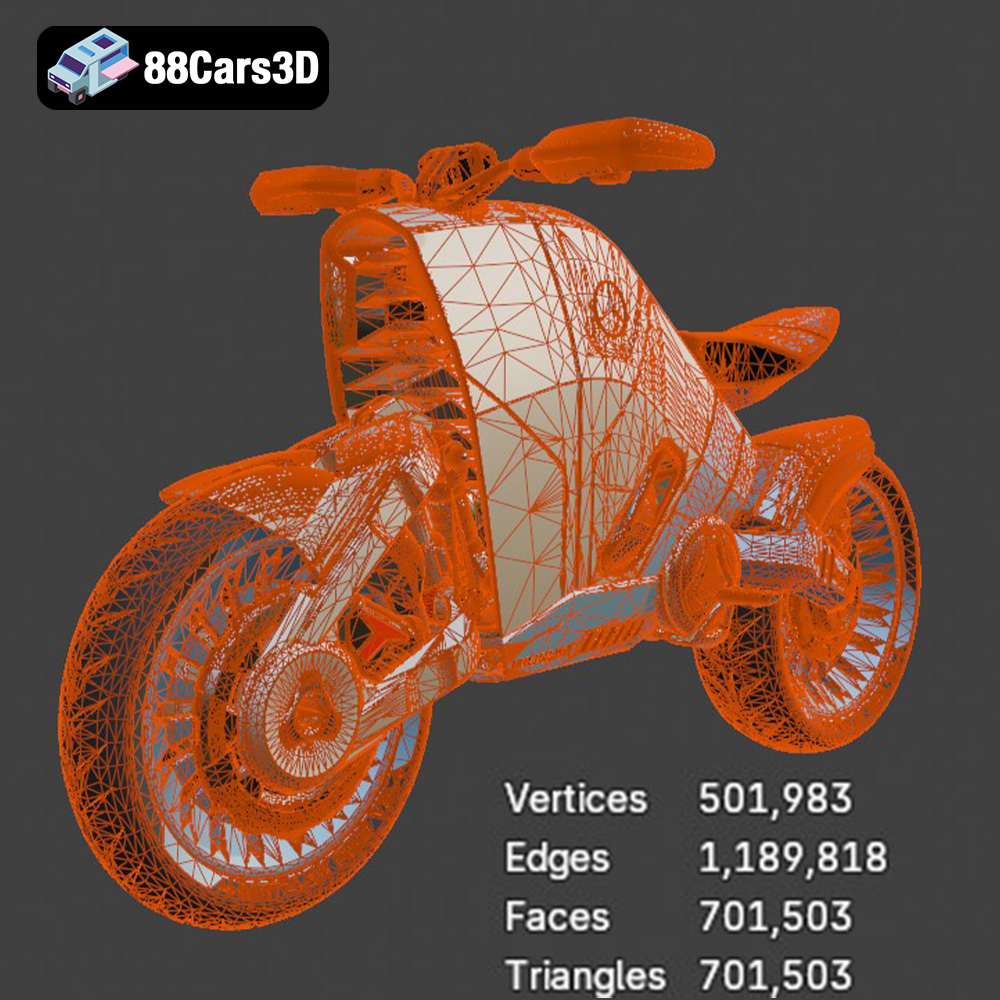
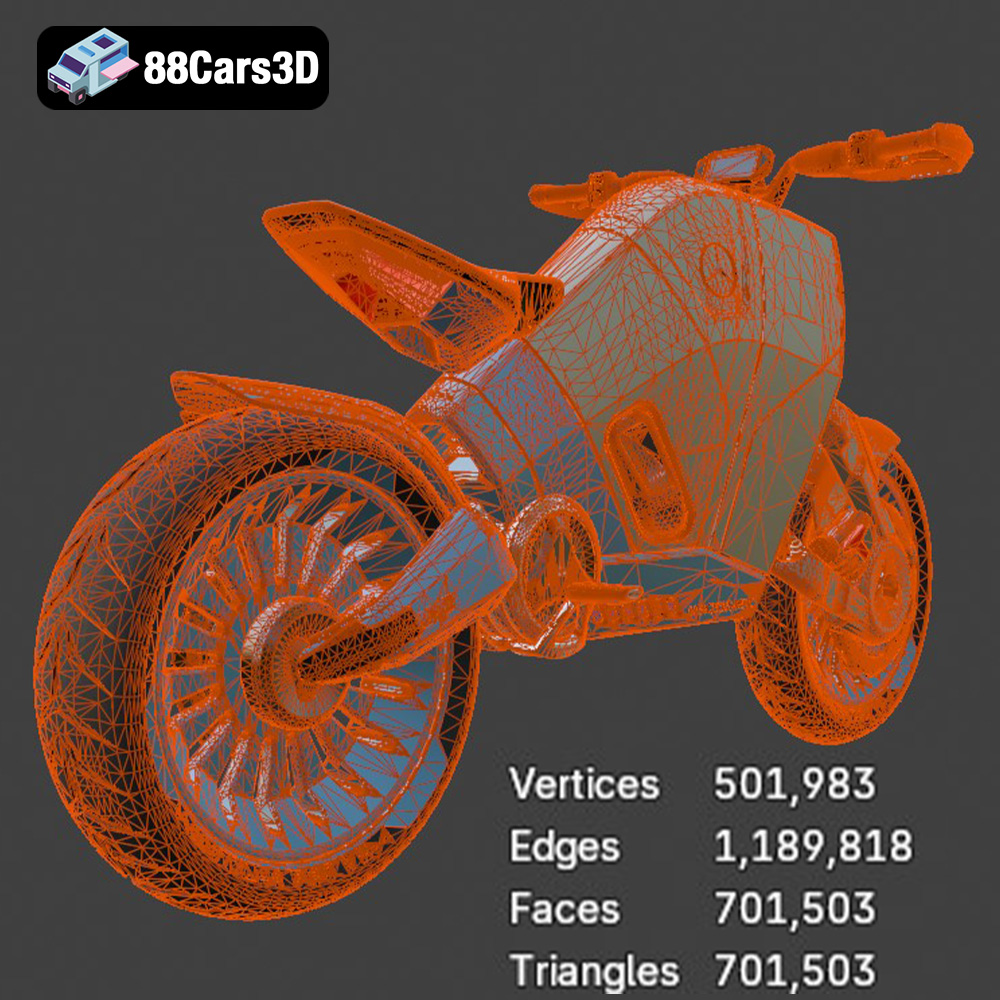
One of the model’s primary strengths is its “game-ready” designation. This isn’t just a buzzword; it refers to a careful balance of visual detail and optimized triangle count. A high poly count can bog down real-time engines, while too few triangles can make a model look blocky. This motorcycle model maintains a perfect equilibrium, ensuring flawless performance in interactive applications like games and AR/VR without sacrificing the high-end visual realism expected from a Mercedes concept. Its clean topology further guarantees smooth deformations during animation and efficient UV mapping for texture application.
Accuracy is paramount, especially in automotive visualization. The model adheres to real-world scale based on actual vehicle chassis, making integration into existing scenes or environments straightforward and ensuring accurate visual relationships with other assets. Furthermore, the proper pivot setup for steering, wheel rotation, and suspension travel is a crucial technical detail. This pre-configuration saves countless hours for animators and riggers, allowing them to jump straight into creating dynamic sequences without the tedious process of correctly setting up rotational centers. This foundational accuracy is a testament to the model’s professional-grade preparation.
The versatility of the SMARANZA Mercedes Concept Electrical Motorcycle 3D Model makes it a truly invaluable asset across a spectrum of professional applications. Its optimized design and comprehensive file format support ensure it’s ready for virtually any digital challenge.
For game developers, the model is a dream come true. Its optimized polycount makes it ideal for integration into open-world games, racing titles, and simulators where performance is critical. Imagine this sleek electric motorcycle as a player-controlled vehicle in a futuristic city, an AI opponent, or a background prop enriching the environment. The separate, animatable components allow for realistic physics and dynamic gameplay, offering players a truly immersive experience. Its clean topology also means developers can easily implement Level of Detail (LOD) systems for varying distances, further enhancing performance.
In the rapidly expanding fields of Augmented Reality (AR) and Virtual Reality (VR), immersive experiences hinge on efficient, high-fidelity assets. The SMARANZA model, especially in .glb format, is perfect for virtual showrooms where potential customers can explore the concept from every angle, customize colors, or even “sit” on the bike. For AR, it can be projected into real-world environments, allowing users to visualize the futuristic vehicle in their driveway. Its optimized geometry ensures smooth framerates, preventing motion sickness and enhancing user engagement in these highly interactive environments.
When it comes to brand campaigns, lifestyle scenes, or studio lighting setups, visual fidelity is non-negotiable. This 3D model excels in rendering and visualization, capable of producing stunning photorealistic imagery and animations. Artists can leverage its detailed surface geometry and PBR-ready materials (once configured in the rendering software) to create captivating marketing visuals. Whether showcasing the motorcycle in a sleek studio, a vibrant cityscape, or a serene natural landscape, the model provides a robust foundation for cinematic-quality renders, driving engagement and conveying the essence of a futuristic luxury brand.
Beyond the digital screen, the SMARANZA model offers a path to physical realization. Provided in .stl format, it’s perfectly suited for 3D printing. Hobbyists, designers, and engineers can print display-scale models (recommended 1:12, 1:18, or 1:24) to hold a tangible representation of this futuristic concept. This application is invaluable for prototyping, educational purposes, or creating unique collectible items. The provided print settings (layer height, infill, supports) offer a strong starting point for achieving high-quality physical models, emphasizing the versatility of digital assets available at 88cars3d.com.
The real power of a comprehensive 3D model lies in its seamless integration into various professional software environments. The SMARANZA Mercedes Concept Electrical Motorcycle 3D Model is engineered to fit effortlessly into the most popular DCC tools and game engines, ensuring that creators can focus on their vision rather than on troubleshooting compatibility issues.
For users of Autodesk 3ds Max, the inclusion of a native .max file is a significant advantage. This allows direct access to the model’s full scene data, including any pre-existing hierarchies, potential material setups, and scene organization. Professionals in architectural visualization, product design, or animation can leverage 3ds Max’s robust toolset to apply advanced V-Ray or Corona renders, set up complex animations for product reveals, or integrate the motorcycle into larger, detailed scenes with precision. The proper pivot setup for wheels and steering becomes instantly accessible, cutting down on preparation time for animation sequences.
Blender users will find the .blend file provides complete creative freedom. Being an open-source powerhouse, Blender offers incredible flexibility for artists to modify the model’s geometry, re-texture it using Blender’s procedural node system, or integrate it into animated shorts and game projects. The clean topology of the SMARANZA model makes it easy to add subdivision surfaces for even finer detail in close-up renders, or to decimate for extremely lightweight mobile applications. Its full editability allows artists to experiment with different design iterations or even develop entirely new variants of the concept motorcycle.
The “game-ready” optimization and the availability of an .unreal (or optimized .fbx) file make this model exceptionally well-suited for Unreal Engine. Importing the model is typically a straightforward process, often allowing materials to be automatically created. Developers can then utilize Unreal’s powerful Blueprint visual scripting system to implement interactive elements, set up vehicle physics, or integrate the motorcycle into cinematic sequences using Sequencer. The optimized geometry ensures it runs smoothly within the engine, capable of participating in large-scale virtual worlds or highly detailed real-time product configurators, benefiting from Unreal’s cutting-edge rendering capabilities like Lumen and Nanite.
While digital visualization is powerful, the ability to transition a 3D model into a physical object opens up new dimensions of creativity and utility. The SMARANZA Mercedes Concept Electrical Motorcycle offers this bridge to the tangible, making it suitable for hobbyists and professionals alike.
Successfully 3D printing a complex model like this motorcycle requires careful attention to print settings. The recommendation of resin printing for fine details is crucial, as FDM (Fused Deposition Modeling) printers might struggle with the intricate fairing, delicate handlebars, and sharp edges. Layer height is critical for surface quality; a smaller layer height (0.04-0.12mm) will yield smoother results, especially with resin. Wall thickness (1.2-2.0mm) ensures structural integrity for the printed parts, preventing breakage during post-processing or handling.
Supports are almost always required for detailed parts with overhangs, such as the conceptual suspension, exhaust-like elements, mirrors, and handlebars. Strategic placement of these supports is vital to minimize marks on visible surfaces. Print orientation also plays a significant role; printing the main frame angled can improve structural integrity and reduce warping, while wheels are best printed separately and flat to ensure circularity. Post-processing, including sanding, priming, and painting with authentic factory colors and metallic finishes, transforms the raw print into a showpiece, truly bringing the digital concept to life.
A high-quality 3D model is not merely a static representation; it’s a flexible foundation for endless creative possibilities. The SMARANZA Mercedes Concept Electrical Motorcycle 3D Model is designed with customization in mind, allowing artists to adapt it to diverse project requirements and ensure its longevity as a valuable digital asset.
The model’s clean topology and robust UV mapping facilitate easy material and texture modifications. Users can effortlessly change body and tank colors to match specific brand aesthetics, from classic factory finishes to avant-garde custom paints. Experimenting with different material properties—matte, gloss, metallic, or even carbon fiber—can drastically alter the vehicle’s perceived luxury and performance. Furthermore, tire textures can be swapped between conceptual “off-road” or “street” variants, allowing the motorcycle to fit seamlessly into different environments or game scenarios, from a futuristic urban race to a rugged, electrified wilderness exploration.
Lighting plays a pivotal role in showcasing any vehicle. With this 3D model, creators have the freedom to adapt its lighting setup for different environments. Whether it’s the harsh, dynamic lighting of a sci-fi cityscape, the soft, diffused light of a luxury showroom, or the dramatic illumination of a cinematic night scene, the model’s materials will respond realistically, provided they are set up correctly within your chosen rendering engine. This adaptability ensures that the motorcycle maintains its visual integrity and impact, regardless of the digital stage it’s placed upon, making it a truly future-proof asset for any creative endeavor.
The digital landscape is continuously evolving, and the demand for high-fidelity, production-ready 3D assets is at an all-time high. The SMARANZA Mercedes Concept Electrical Motorcycle 3D Model stands as a prime example of such an asset, meticulously crafted to meet the rigorous demands of professional workflows across game development, AR/VR, rendering, and even 3D printing. Its visionary design, coupled with its technical optimization and comprehensive file format support, makes it an indispensable tool for creators aiming to push the boundaries of digital realism and immersion.
From its aerodynamic grace and detailed conceptual engineering to its seamless integration into platforms like 3ds Max, Blender, and Unreal Engine, this model offers unparalleled versatility. The ability to customize its appearance and prepare it for both virtual and physical manifestations underscores its value as a flexible and future-proof investment. For professionals seeking to elevate their projects with stunning automotive visuals, assets of this caliber are essential. Discover this exceptional model and a wide range of other high-quality 3D car models designed to accelerate your creative vision at 88cars3d.com.
The SMARANZA Mercedes Concept Electrical Motorcycle is a breathtaking vision of the future, blending iconic Mercedes-Benz luxury and aerodynamic precision with next-generation electric mobility. This striking concept vehicle features an ultra-sleek, streamlined fairing, a state-of-the-art electric drivetrain housing, and futuristic LED signature lighting that redefines two-wheeled transport. Its seamless integration of high-performance styling and eco-conscious engineering makes it a standout piece for any sci-fi or modern automotive digital environment.
$19.99
.blend
.fbx
.futuristic
.glb
.max
.obj
.ply
.rendering
.smaranza
.stl
.unreal
concept-motorcycle
electric-motorcycle
game asset
game-ready
low-poly
mercedes-benz
motorcycle-3d-model
optimized
sci-fi
VR/AR