Get 20% OFF All Premium 3D & STL Models!

In the dynamic world of digital content creation, the demand for unparalleled realism and efficiency has never been higher. From cinematic visual effects and immersive game environments to groundbreaking AR/VR experiences and precise industrial design, high-quality 3D models serve as the backbone of countless professional projects. The automotive sector, in particular, thrives on accurate and detailed digital representations, leveraging them for everything from concept visualization to marketing campaigns.
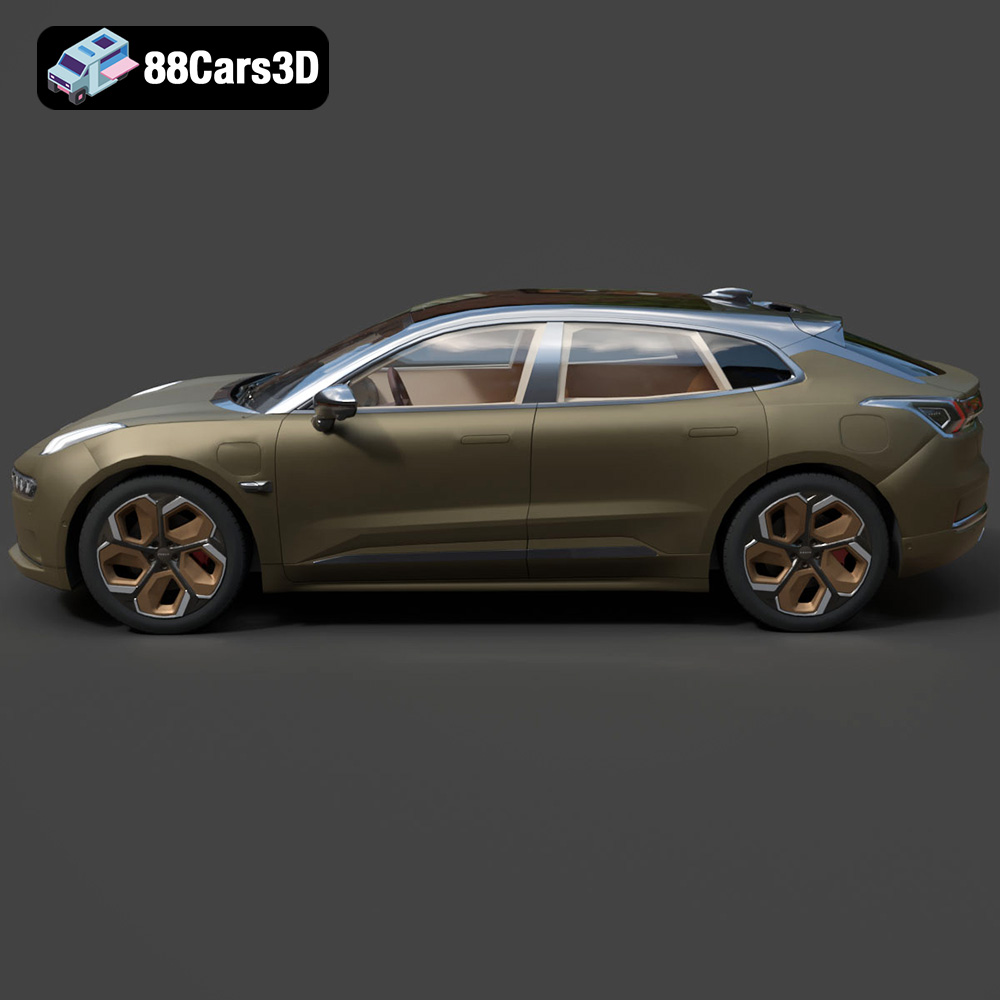
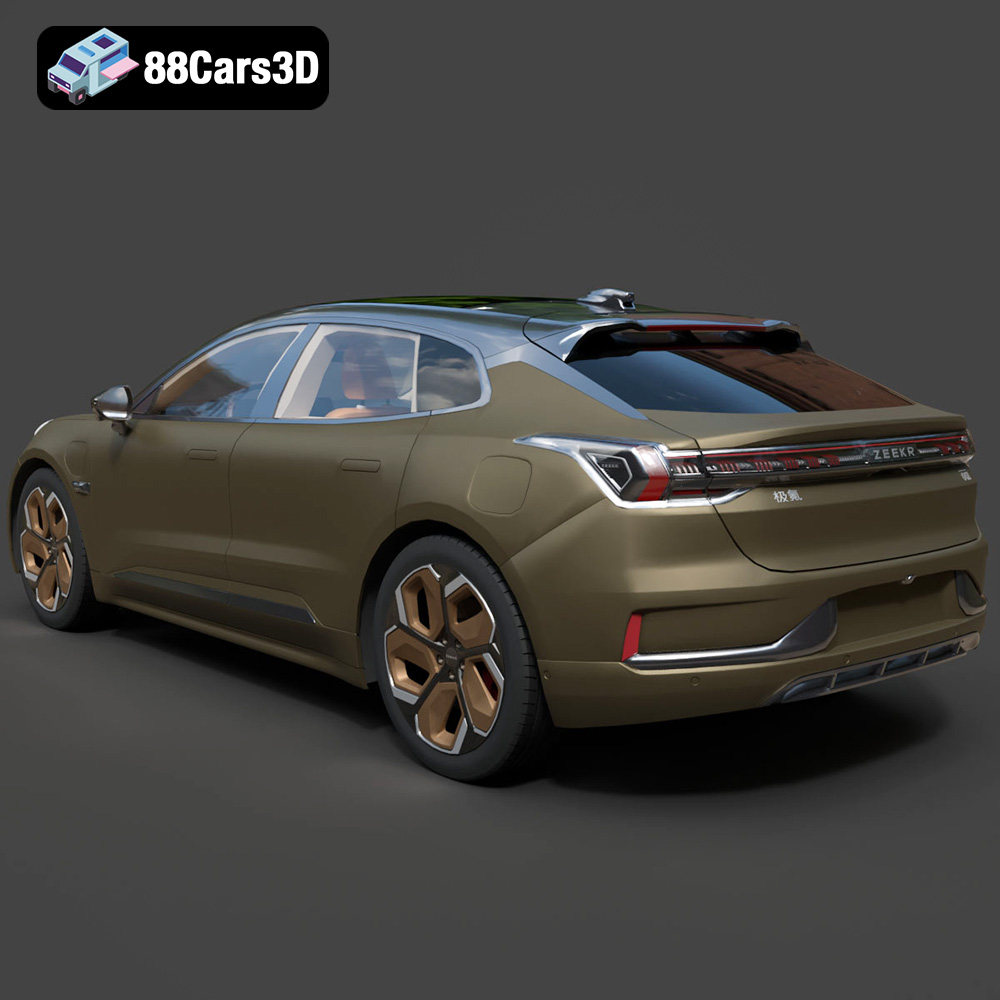
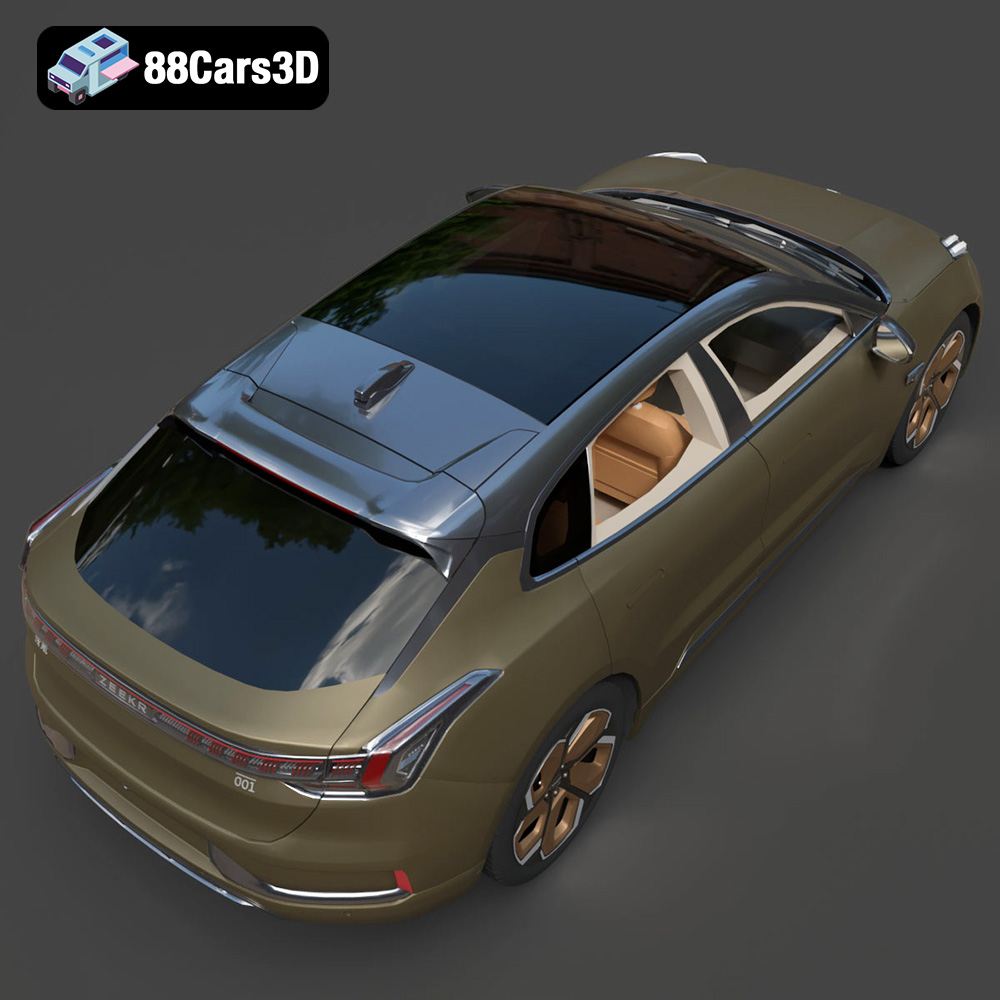
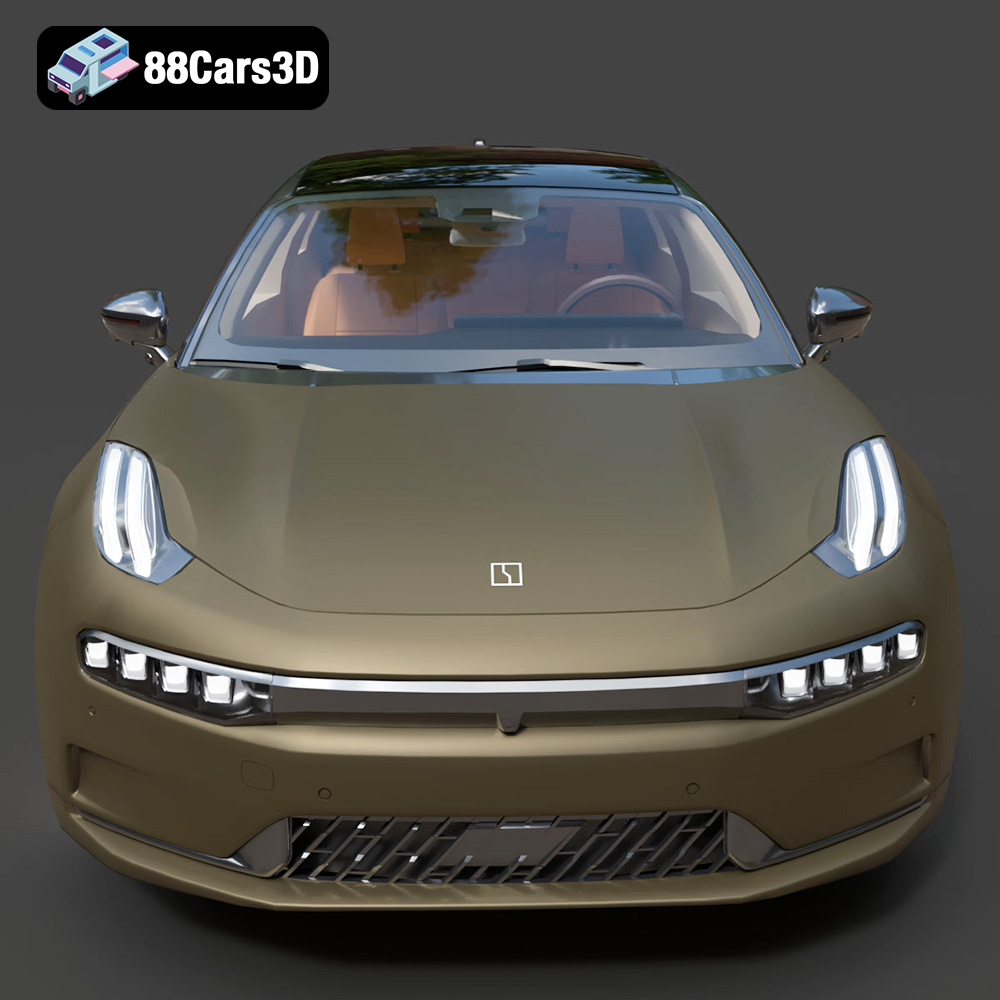
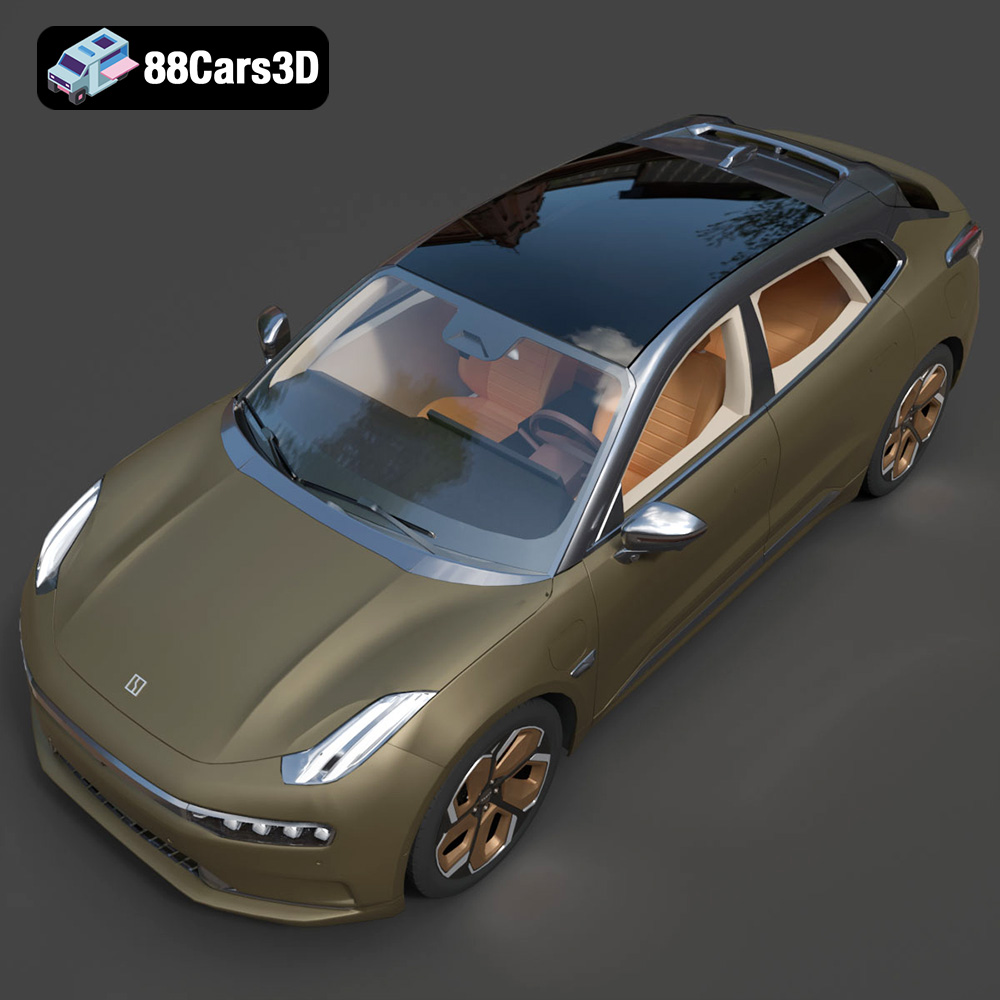
Achieving this level of fidelity often requires meticulous craftsmanship and a deep understanding of 3D pipelines. This is where a meticulously crafted asset like the Zeekr 001 3D Model truly shines. Designed to replicate the distinctive exterior lines and modern aesthetics of this innovative electric vehicle with exceptional precision, it offers a lifelike representation perfect for professional use across various platforms. Its optimized structure, clean geometry, and realistic materials make it an indispensable tool for designers, artists, and developers looking to elevate their digital projects.
The versatility of a 3D model is often defined by the range of file formats it supports. Each format serves a specific purpose, catering to different software ecosystems, project requirements, and optimization needs. Understanding these distinctions is crucial for seamless workflow integration and maximizing the utility of your 3D assets. The Zeekr 001 3D Model, available from 88cars3d.com, exemplifies this versatility by offering a comprehensive suite of formats, ensuring compatibility with virtually any professional pipeline.
The .blend format is native to Blender, the powerful open-source 3D creation suite. When you receive a model in .blend format, you’re getting a fully editable Blender scene. This typically includes the complete 3D mesh, intricate material setups, lighting configurations, and often camera views. For artists and studios primarily working within Blender, this format offers the most flexibility. You can modify geometry, adjust shaders, fine-tune lighting, or even integrate the model into a larger Blender project with ease. It’s the go-to for deep customization and leveraging Blender’s robust feature set for rendering with Cycles or Eevee.
Autodesk’s Filmbox, or .fbx, has become an undisputed industry standard for 3D model interchange, particularly prevalent in game development and animation pipelines. Its strength lies in its ability to encapsulate not just geometry and UVs, but also hierarchies, animation data, skeletal rigs, and PBR (Physically Based Rendering) material assignments. For assets like the Zeekr 001, an .fbx file is ideal for importing into game engines like Unreal Engine and Unity, or other 3D software such as Maya, 3ds Max, or Cinema 4D, ensuring that the model’s structure and basic material properties transfer smoothly for real-time applications.
The Wavefront .obj format is arguably the most universal 3D file format. It’s a simple, text-based format that defines geometry (vertices, normals, texture coordinates, and faces) and can reference an accompanying .mtl (material) file for basic material properties. While it doesn’t support complex scene data like animation or rigging, its widespread compatibility across virtually all 3D software makes it an excellent choice for static meshes and cross-software collaboration. When you need a foundational 3D model that can be opened and manipulated anywhere, .obj is a reliable choice.
GL Transmission Format Binary, or .glb, is a relatively newer format specifically designed for efficient transmission and loading of 3D scenes and models on the web and in AR/VR applications. It’s a self-contained single file that bundles geometry, materials, textures, and animation into a compact binary package. This optimization makes the Zeekr 001 .glb ideal for browser-based 3D viewers, augmented reality experiences on mobile devices, and immersive virtual reality environments where fast loading times and minimal data size are paramount.
.stl (Stereolithography) is the de facto standard format for 3D printing. It represents the surface geometry of a 3D object using a mesh of interconnected triangles, focusing purely on the shape rather than color, texture, or other properties. For a model like the Zeekr 001, an .stl file would be used when preparing a physical prototype or scale model. It’s critical for .stl files to be “manifold,” meaning they have no holes or inversed faces, to ensure a successful print. This format offers a direct bridge from digital design to tangible product.
The Polygon File Format, or .ply, is a flexible format capable of storing a wide range of properties associated with 3D models, including vertex colors, normals, and even transparency. While not as universally supported as .obj, it’s often preferred in applications requiring high precision, such as 3D scanning, scientific visualization, and some CAD workflows. For detailed analysis or specialized visualization of the Zeekr 001’s intricate geometry, a .ply file can offer additional layers of data accuracy.
The .unreal designation implies a model specifically pre-configured or optimized for direct import and use within Unreal Engine. While typically an .fbx file is imported into Unreal, an “.unreal” asset usually means it has already undergone the necessary steps: proper scaling, collision meshes generated, materials set up using Unreal’s physically based rendering system, and potentially even LODs (Levels of Detail) or vehicle blueprints integrated. This significantly reduces setup time for developers, allowing the Zeekr 001 to be dropped into a scene and driven almost immediately within an Unreal project.
Finally, the .max format is native to Autodesk 3ds Max, one of the leading software packages for 3D modeling, animation, and rendering. An editable .max file provides the full project scene, including all modifiers, complex material graphs, lighting rigs, cameras, and animation data. For professionals using 3ds Max for high-end automotive rendering, architectural visualization, or sophisticated animation sequences, the .max file of the Zeekr 001 offers complete control and the ability to leverage the software’s advanced rendering engines like V-Ray or Corona for stunning, photorealistic outputs.
Photorealistic automotive rendering stands as a cornerstone of modern vehicle design, marketing, and visualization. The ability to showcase a car with stunning accuracy before a physical prototype even exists is invaluable. The Zeekr 001 3D Model, with its precisely crafted geometry and realistic materials, provides an ideal foundation for achieving these breathtaking visuals. Its design allows for both close-up beauty shots and dynamic motion sequences, making it a powerful asset for any rendering project.
Achieving photorealism in automotive rendering is an intricate dance between materials, lighting, and camera work. A high-quality 3D car model, such as those found at 88cars3d.com, significantly simplifies this process. The Zeekr 001 model likely comes with pre-calibrated Physically Based Rendering (PBR) materials, meaning its paint, glass, and chrome surfaces react to light in a physically accurate way. Artists can then focus on setting up realistic lighting environments, often utilizing High Dynamic Range Images (HDRIs) to simulate real-world outdoor or studio lighting conditions. The clean topology of the Zeekr 001 ensures smooth reflections and accurate light bounces, crucial for showcasing the vehicle’s form and finish.
Professional rendering workflows in software like 3ds Max or Blender leverage advanced render engines such as V-Ray, Corona Renderer, or Cycles. When using the .max or .blend file of the Zeekr 001, artists gain direct access to an optimized scene. In 3ds Max, this could involve applying advanced car paint shaders, setting up intricate studio lighting, and animating camera paths for a cinematic reveal. Blender users can benefit from the included lighting setup, rapidly iterating on render angles and material tweaks before a final high-resolution output. The “clean geometry” of the model ensures it handles subdivision modifiers (like Turbosmooth in Max or Subdivision Surface in Blender) flawlessly, allowing for incredibly smooth surfaces even in extreme close-ups without introducing artifacts.
The interactive and immersive worlds of video games demand 3D models that are not only visually compelling but also highly optimized for real-time performance. A premium 3D car model like the Zeekr 001 is a treasure trove for game developers, providing a ready-made, high-quality vehicle that can be integrated into racing simulations, open-world environments, or interactive experiences. Its availability in game-engine ready formats such as .fbx and .unreal streamlines the entire development pipeline.
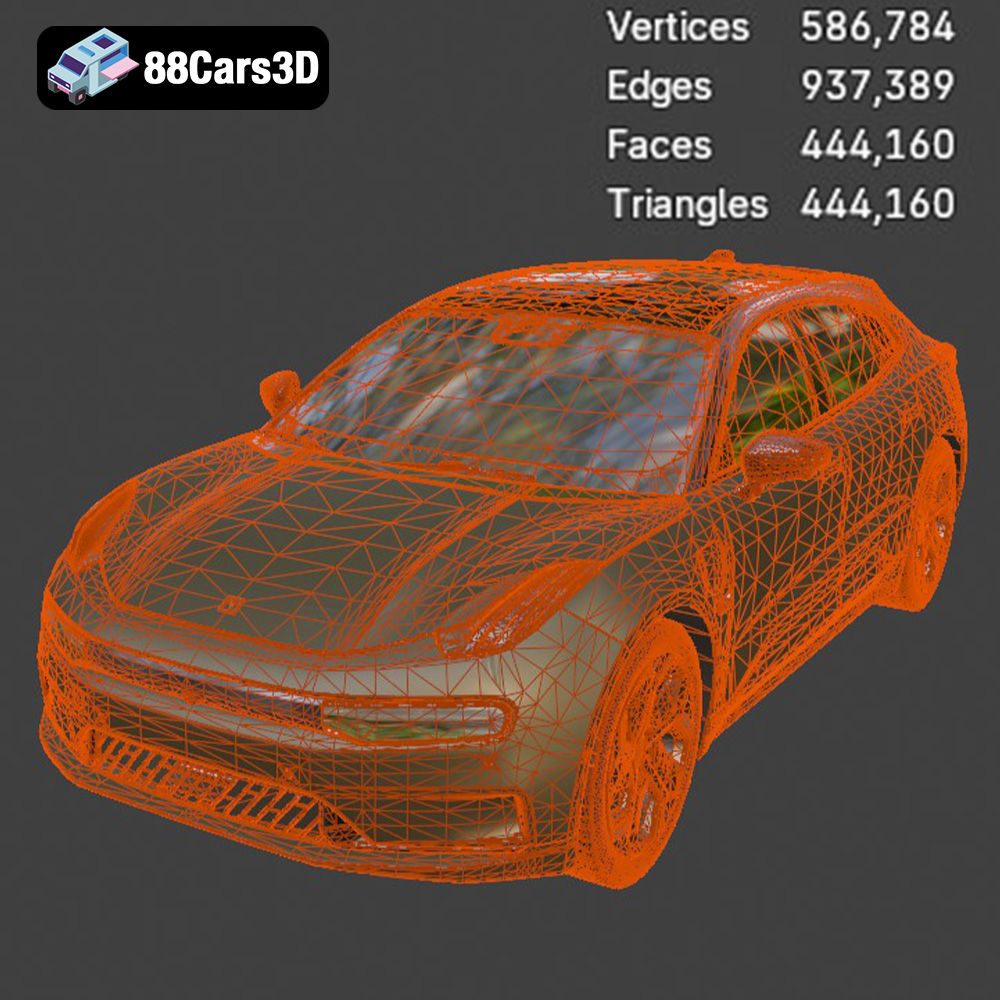
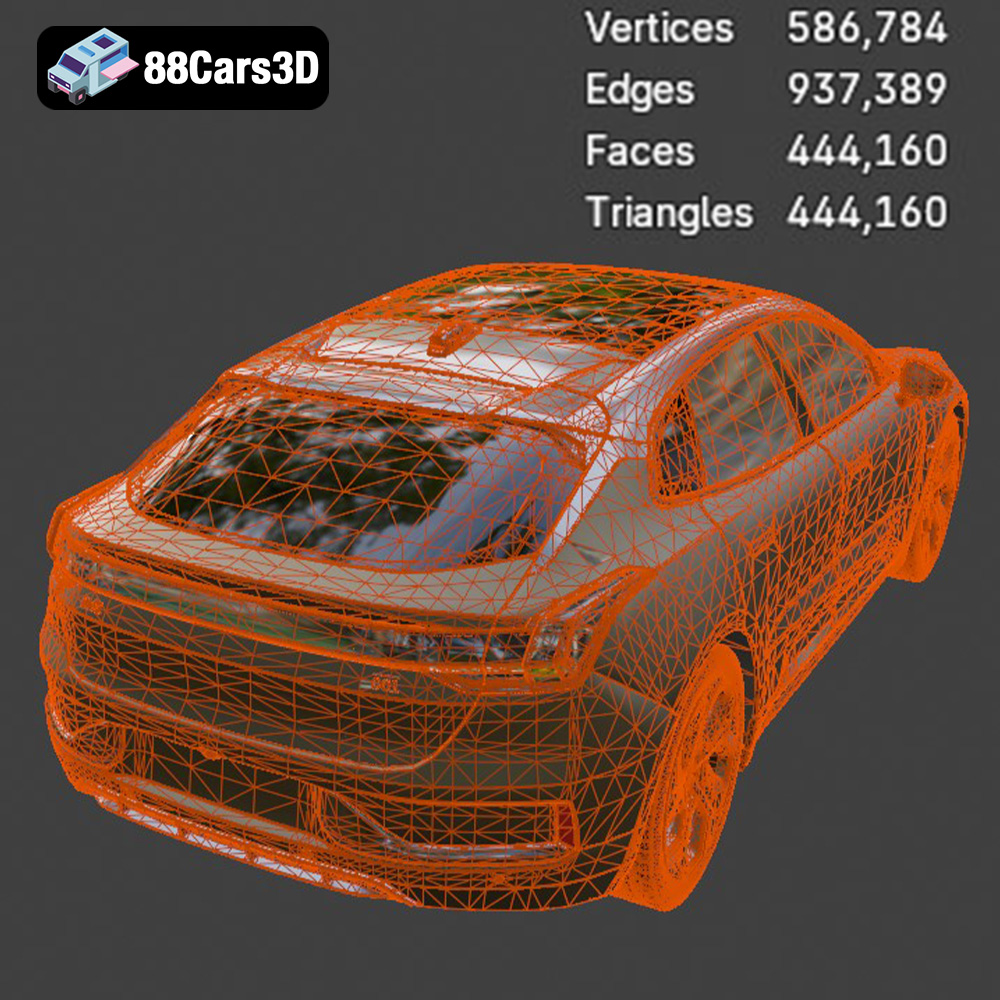
For any 3D car model destined for a game engine, optimization is key. While the Zeekr 001 is described as having an “optimized structure,” further steps are often taken in game development. This includes generating Levels of Detail (LODs), which are simplified versions of the model that automatically swap in at a distance to save on polygon count. Efficient UV mapping is crucial for texture atlases, which pack multiple textures into one sheet to reduce draw calls. Collision meshes are created to define the physical boundaries of the vehicle within the game world. Starting with a professionally built asset like the Zeekr 001, with its “clean geometry,” significantly reduces the amount of re-topologizing and clean-up work necessary, allowing developers to focus on game mechanics rather than asset preparation.
The Zeekr 001 3D Model is tailor-made for seamless integration into industry-leading game engines. With an .fbx file, developers can easily import the model into Unreal Engine or Unity, preserving its hierarchy and UVs. From there, it’s a matter of setting up PBR materials within the engine’s shader graph, assigning appropriate textures (albedo, normal, roughness, metallic, etc.), and configuring a vehicle blueprint or component. The inclusion of a dedicated “.unreal” format for the Zeekr 001 takes this a step further, potentially providing a pre-configured asset that includes basic material setups, physics assets, and perhaps even a drivable blueprint, drastically cutting down on development time and accelerating project timelines.
Beyond traditional rendering and gaming, high-quality 3D car models are pivotal in creating immersive AR/VR experiences and enhancing architectural visualizations. The ability to place a true-to-life vehicle into a digital environment, whether virtual or augmented, adds a layer of realism and engagement that static images cannot match. The Zeekr 001 3D Model, particularly in its .glb format, is perfectly suited for these cutting-edge applications.
Augmented Reality (AR) and Virtual Reality (VR) are transforming how we interact with digital content. For developers creating interactive showrooms, virtual test drives, or product configurators, a model optimized for AR/VR is essential. The .glb format of the Zeekr 001 is a game-changer here. As a single, compact file containing all necessary geometry, materials, and textures, it’s ideal for web-based AR viewers, mobile AR apps (e.g., using ARKit or ARCore), and VR platforms. Its efficiency ensures quick loading times and smooth performance, allowing users to experience the Zeekr 001 in their physical space or a fully virtual environment with remarkable fidelity.
Architectural visualization benefits immensely from the inclusion of realistic context, and nothing grounds a scene quite like a believable vehicle. Placing the Zeekr 001 3D Model into a rendered architectural scene instantly brings it to life, conveying scale, lifestyle, and a sense of modern design. For product showcases, the model allows brands to present the vehicle in various digital scenarios, from urban settings to futuristic landscapes, highlighting its features and design philosophy without the cost and logistics of physical photography. The “optimized structure” and “superior visual fidelity” of the Zeekr 001 ensure it integrates seamlessly into complex visualization scenes without causing performance bottlenecks or visual discrepancies.
The utility of high-quality 3D car models extends beyond pure visualization into the realms of physical prototyping, engineering analysis, and simulation. For designers and engineers, having access to an accurate digital twin of a vehicle like the Zeekr 001 can accelerate development cycles and inform critical decisions. The inclusion of .stl and .ply formats specifically caters to these technical applications.
The .stl format of the Zeekr 001 3D Model provides a direct pathway to physical prototyping. Engineers and designers can utilize this file to 3D print scale models of the vehicle for concept validation, aerodynamic testing (in a wind tunnel), or even as a physical prop for presentations. While the digital model typically boasts intricate details, when preparing for 3D printing, considerations such as wall thickness, print resolution, and potential support structures become paramount. The clean, watertight geometry characteristic of professional 3D car models from providers like 88cars3d.com ensures that the .stl file is ready for slicing software with minimal cleanup, making the transition from screen to tangible object smooth and efficient.
For advanced engineering and design analysis, the .ply format offers a detailed polygon mesh that can be invaluable. This format can store comprehensive data beyond just surface geometry, potentially including vertex colors or normal information, which can be useful in specialized simulation software. Engineers might use the Zeekr 001 .ply model as a reference for reverse engineering components, conducting basic aerodynamic simulations, or performing fit and finish checks against other digital parts. While not a direct CAD file, a high-resolution polygon mesh provides a robust visual and geometric reference, allowing for a deeper understanding of the vehicle’s form and potential interactions within a larger digital environment.
The success of any digital project often hinges on the quality of its assets. When it comes to 3D car models, compromise on quality can lead to significant rework, extended deadlines, and ultimately, a less polished final product. This is why sourcing assets from a reputable marketplace like 88cars3d.com is crucial. They specialize in delivering high-quality 3D car models, ensuring that professionals have access to the best tools for their creative and technical endeavors.
A professional 3D model, such as the Zeekr 001, undergoes rigorous quality assurance. This includes ensuring accurate proportions that faithfully replicate the real-world vehicle, clean and optimized geometry for efficient rendering and real-time performance, and meticulously crafted PBR materials that respond realistically to light. Furthermore, providing a diverse array of file formats – from .blend and .max for comprehensive editing to .fbx and .unreal for game engines, and .glb for AR/VR – speaks volumes about the commitment to professional usability. These factors collectively contribute to a reliable asset that integrates seamlessly into any demanding pipeline.
In a fast-paced industry, time is a precious commodity. Investing in ready-to-use, professional-grade 3D car models like the Zeekr 001 from 88cars3d.com significantly maximizes project efficiency. Instead of spending valuable time on modeling, texturing, and optimization from scratch, artists and developers can immediately integrate these assets into their scenes. This allows them to focus on the creative aspects of their project – lighting, animation, scene composition, and interactivity – accelerating workflows and enabling the delivery of high-quality results within tight deadlines. The comprehensive range of formats means less time converting and more time creating, proving the tangible value of a well-curated asset library.
The journey through the diverse applications of high-fidelity 3D automotive models underscores their indispensable role in modern digital content creation. From captivating cinematic renders and immersive game worlds to cutting-edge AR/VR experiences and precise engineering prototypes, the demand for accurate, optimized, and versatile assets continues to grow. The Zeekr 001 3D Model stands as a prime example of such a professional-grade asset, offering unparalleled realism, clean geometry, and multi-format compatibility to suit virtually any project requirement.
By understanding the nuances of various 3D file formats and leveraging meticulously crafted models like the Zeekr 001, artists, designers, and developers can significantly enhance their workflows, save valuable time, and achieve breathtaking results. Whether you’re aiming for photorealistic visualization, real-time interactivity, or even physical prototyping, the right 3D car model is your foundation for success. Explore the possibilities and elevate your next project by discovering premium 3D models at 88cars3d.com.
Bring stunning realism to your digital projects with the Zeekr 001 3D Model. This digital asset is accurately crafted to replicate the distinctive exterior lines and modern design of the innovative electric vehicle, providing a lifelike representation perfect for professional use. Built with exceptional precision, this model features clean geometry, realistic materials, and professional quality. Whether you need close-up shots or dynamic motion sequences, the optimized structure ensures seamless integration and superior visual fidelity across various platforms. Ideal for a wide range of applications, this 3D vehicle is perfectly suited for game development, cinematic rendering, immersive AR/VR experiences, and architectural visualization.
$19.99
.-001
.arvr
.blend
.car3dmodel
.electriccar
.fbx
.gameasset
.glb
.max
.obj
.ply
.rendering
.shootingbrake
.simulation
.stl
.unreal
.zeekr