Get 20% OFF All Premium 3D & STL Models!

In the rapidly evolving landscape of digital content creation, the demand for high-fidelity 3D assets continues to escalate across industries. From blockbuster game titles and photorealistic architectural visualizations to immersive AR/VR experiences and cutting-edge product design, the foundation of every compelling digital environment is its constituent 3D models. Among the most sought-after and complex assets are detailed automotive models, requiring a meticulous blend of artistic skill and technical precision to accurately capture their intricate forms and luxurious finishes.
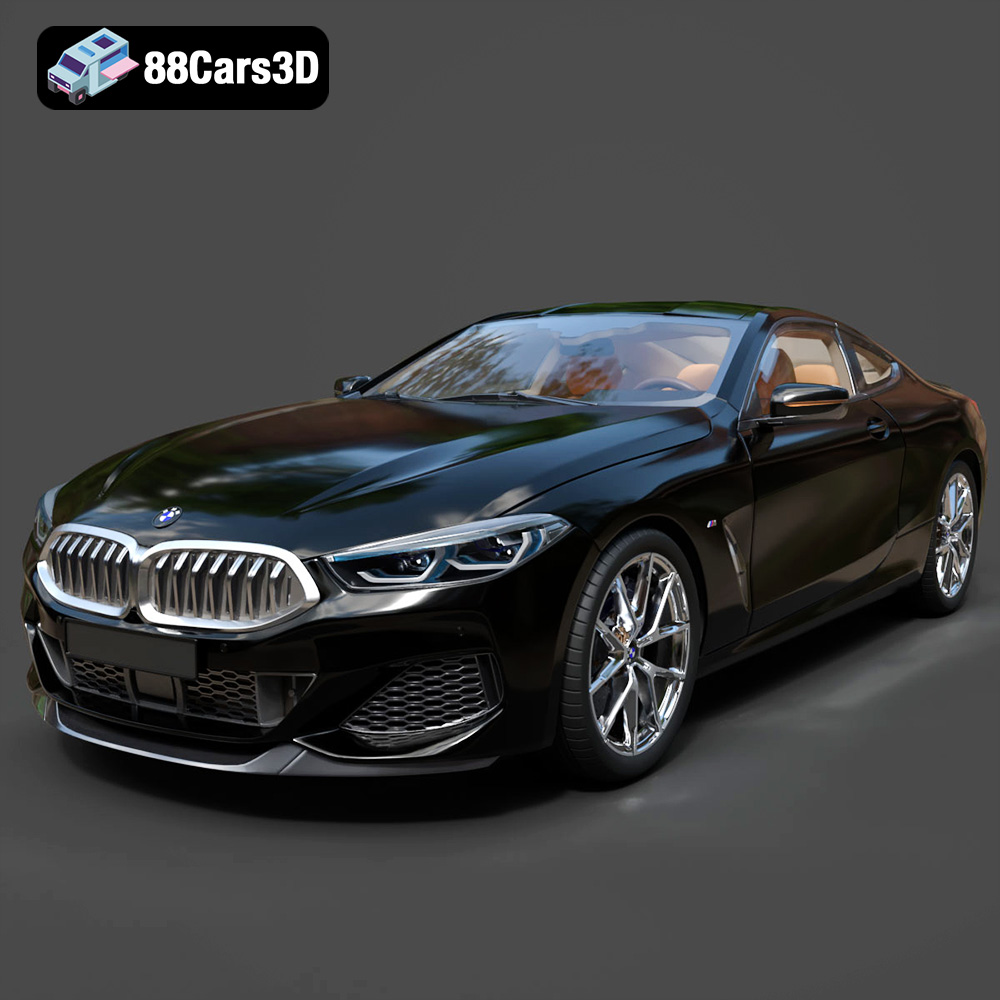
For professionals and enthusiasts alike, the availability of pre-built, production-ready 3D car models represents a significant advantage, dramatically accelerating workflows and ensuring consistent quality. This is particularly true when dealing with iconic vehicles like the BMW 8 Series M850i Coupe 2019. Crafting such a model from scratch demands hundreds of hours of work, encompassing meticulous blueprint analysis, precision modeling, UV unwrapping, material creation, and optimization for various platforms. A high-quality asset, such as the BMW 8 Series M850i Coupe 2019 3D Model available at 88cars3d.com, encapsulates this entire process, offering a ready-to-use solution that empowers creators to focus on their vision rather than the complexities of model creation. Its exceptional realism, clean geometry, and optimized topology make it a versatile foundation for any project demanding authentic automotive design.
The versatility of a professional 3D car model is often defined by the range of file formats it supports. Each format serves a specific purpose, catering to different software ecosystems, project requirements, and output destinations. Understanding these distinctions is crucial for seamless integration into any professional workflow, ensuring compatibility and optimal performance. The BMW 8 Series M850i Coupe 2019 3D Model excels in this regard, offering a comprehensive package of industry-standard formats.
The .blend format is native to Blender, the increasingly popular open-source 3D creation suite. A .blend file typically includes not just the mesh data, but also materials, textures, lighting setups, camera positions, animations, and even physics simulations. This makes it an ideal choice for artists working primarily in Blender who require a fully editable scene. When you acquire a .blend version of a 3D car model, you gain access to the raw project file, allowing for deep customization, tweaking materials, adjusting the scene setup, or even modifying the geometry with Blender’s powerful modeling tools. It represents the complete working environment, ready for further development or rendering within Blender.
The .fbx (Filmbox) format, owned by Autodesk, has become an industry-standard interchange format, particularly prevalent in game development and animation. It supports mesh data, materials, textures, animations, and rigging, making it incredibly robust for transferring complex scenes between different 3D software packages and game engines like Unreal Engine and Unity. Its strength lies in its ability to encapsulate a wide range of data in a relatively optimized manner, facilitating efficient importing and exporting. For real-time applications, an FBX file often contains pre-baked animations, LODs (Levels of Detail), and simplified material assignments, making it engine-ready for immediate use in interactive environments. The .fbx version of the BMW 8 Series M850i Coupe 2019 3D Model is specifically optimized for this kind of high-performance integration.
The .obj (Wavefront OBJ) format is one of the oldest and most widely supported 3D file formats. It is a simple, text-based format primarily used to store 3D geometry data (vertices, normals, texture coordinates, and faces). While it doesn’t typically embed animations or advanced material properties, it’s exceptionally reliable for transferring mesh data between virtually any 3D software, from 3ds Max to Maya, Cinema 4D, and ZBrush. Often accompanied by an .mtl (material template library) file for basic material definitions, the .obj format serves as a universal backbone for sharing 3D models when broad compatibility is paramount. Its simplicity ensures consistent interpretation across diverse platforms.
.glb (GL Transmission Format Binary) is the binary version of glTF, an open-standard format developed by the Khronos Group. It’s specifically designed for efficient transmission and loading of 3D scenes and models in web and real-time applications. A .glb file packages all necessary assets—geometry, materials, textures, and animations—into a single compact binary file, making it incredibly efficient for augmented reality (AR), virtual reality (VR), and browser-based 3D viewers. Its optimization for delivery over networks and its comprehensive capabilities make it a cornerstone for interactive digital experiences. The .glb version of the BMW 8 Series M850i Coupe 2019 3D Model is perfect for showcasing automotive designs directly on websites or integrating into mobile AR apps.
The .stl (Stereolithography) format is the de facto standard for 3D printing. It represents a 3D model as a collection of unconnected triangular facets, defining the surface geometry without any color, texture, or material information. Its simplicity makes it universally compatible with 3D printers and slicing software. While it doesn’t convey aesthetic details, it provides the fundamental structural data needed to physically manifest a digital model. For engineers, product designers, or hobbyists looking to 3D print a prototype or miniature of the BMW 8 Series M850i Coupe 2019, the .stl file is the essential bridge from digital to physical.
The .ply (Polygon File Format or Stanford Triangle Format) is another format primarily used for storing 3D data, particularly from 3D scanners or for CAD/analysis applications. It’s more flexible than .stl as it can store a wider range of properties, including color, transparency, normals, texture coordinates, and even scalar properties at each vertex or face. This makes it valuable for scientific visualization, point cloud data, and when precise polygonal mesh data with additional attributes is required for detailed analysis or specific rendering pipelines beyond basic geometry. The .ply file for the BMW 8 Series M850i Coupe 2019 3D Model offers a robust dataset for technical applications.
The .unreal format signifies an asset specifically pre-configured for direct import and optimal performance within Unreal Engine. While often derived from an .fbx import, an .unreal asset typically implies further optimization and setup within the engine itself, potentially including collision meshes, LODs, material instances, and even Blueprints for interactive functionality. It provides a “plug-and-play” experience for Unreal Engine users, saving considerable time on import settings and initial setup. This format ensures that the BMW 8 Series M850i Coupe 2019 3D Model is immediately ready for use in advanced real-time cinematic sequences, virtual productions, or game levels within Unreal Engine, leveraging the engine’s powerful rendering capabilities.
The .max format is the native file type for Autodesk 3ds Max, a leading 3D modeling, animation, and rendering software. Similar to .blend, a .max file contains the complete scene data, including all geometry, materials (with complex V-Ray or Corona shaders), lighting, cameras, animation timelines, and render settings. It’s the professional’s choice for deep customization within 3ds Max, allowing access to all modifiers, object properties, and scene configurations. For high-end photorealistic rendering and intricate animations, working with the .max file of the BMW 8 Series M850i Coupe 2019 3D Model provides unparalleled control and flexibility within the 3ds Max environment, making it ideal for architectural visualization firms or automotive design studios.
Automotive rendering stands at the pinnacle of digital visualization, demanding a delicate balance between artistic intuition and scientific accuracy. The goal is to produce images so convincing they are indistinguishable from photographs, often surpassing them in their ability to highlight specific design elements or depict impossible scenarios. A meticulously crafted 3D car model, such as the BMW 8 Series M850i Coupe 2019 3D Model, is the cornerstone of this process, providing the raw data upon which photorealism is built. Its clean geometry and accurate interior detailing are crucial for capturing the sophisticated, sporty silhouette and luxurious details of the renowned coupe, ensuring that every curve and reflection behaves authentically under virtual light.
Achieving photorealistic automotive rendering hinges heavily on the quality and complexity of materials. Car paint, for instance, is not a simple color; it’s a multi-layered material featuring a base coat, metallic flakes, clear coat, and subtle imperfections. Replicating this involves sophisticated PBR (Physically Based Rendering) workflows, utilizing maps for diffuse, roughness, metallic, normal, and displacement. Carbon fiber textures, chrome accents, leather interiors, and glass headlights each require unique material definitions that accurately simulate how light interacts with their surfaces. The BMW 8 Series M850i Coupe 2019 3D Model comes equipped with realistic materials, pre-configured to deliver professional standards, significantly reducing the setup time for artists striving for perfection in render engines like V-Ray, Corona Renderer, or Redshift.
Lighting is arguably the most critical element in any render, especially for automotive subjects. It dictates mood, highlights form, and defines the perceived quality of materials. Professional automotive renders often employ a combination of HDRI (High Dynamic Range Image) environments for realistic global illumination and strategically placed area lights or spotlights to emphasize specific features. Softbox lighting setups, common in studio photography, are replicated in 3D to create controlled reflections and gradients on the car’s bodywork. Understanding how to use complex light paths, bounce light, and indirect illumination is vital. The pre-configured scenes often found with high-quality 3D car models, particularly those in .blend or .max formats, offer a fantastic starting point, demonstrating optimal lighting setups that creators can adapt to their specific visual narrative, whether it’s a dramatic sunset shot or a sleek studio presentation of the BMW 8 Series M850i Coupe 2019.
In game development, the challenge is not just realism, but also performance. Game engines like Unreal Engine and Unity demand highly optimized assets that can be rendered in real-time at high frame rates. This requires a different approach to 3D modeling compared to static rendering, focusing on efficient geometry, intelligent texturing, and scalable detail. The BMW 8 Series M850i Coupe 2019 3D Model, with its clean geometry and optimized topology, is ideally suited for demanding game development workflows, ensuring smooth integration and robust performance within interactive environments.
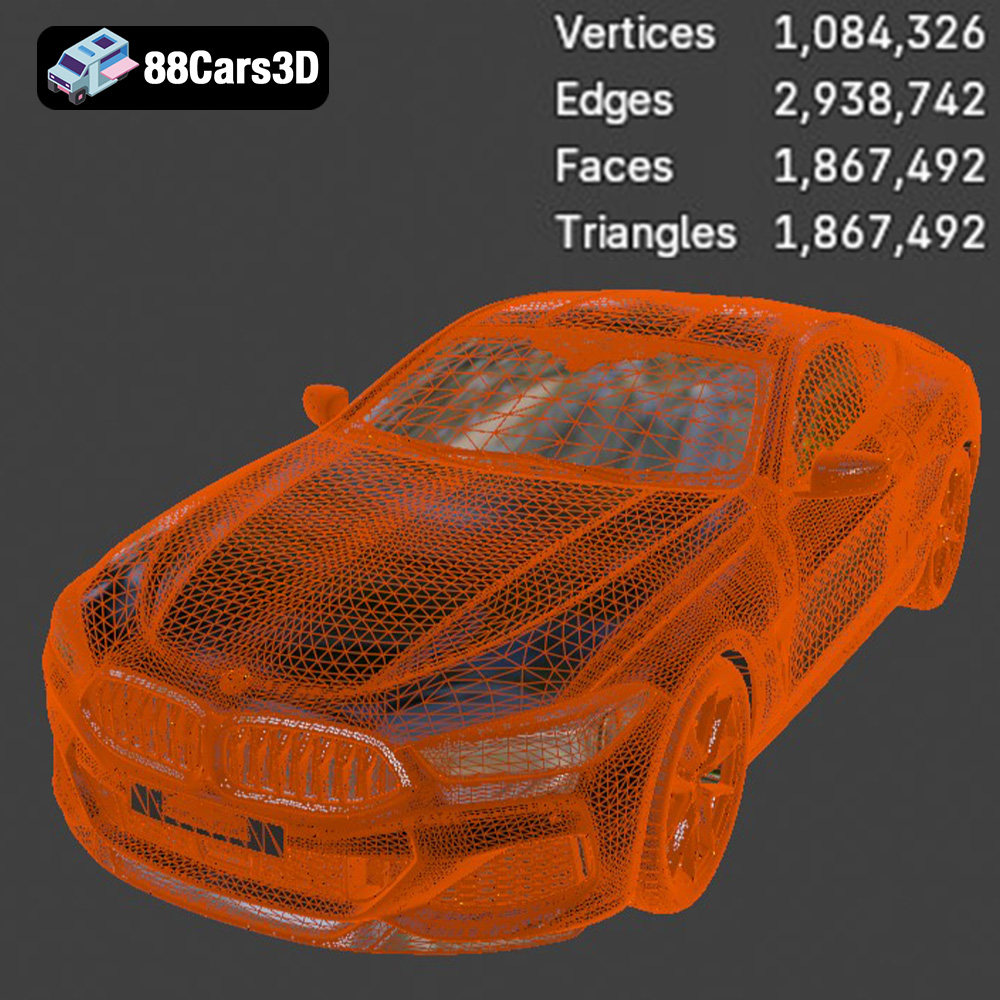
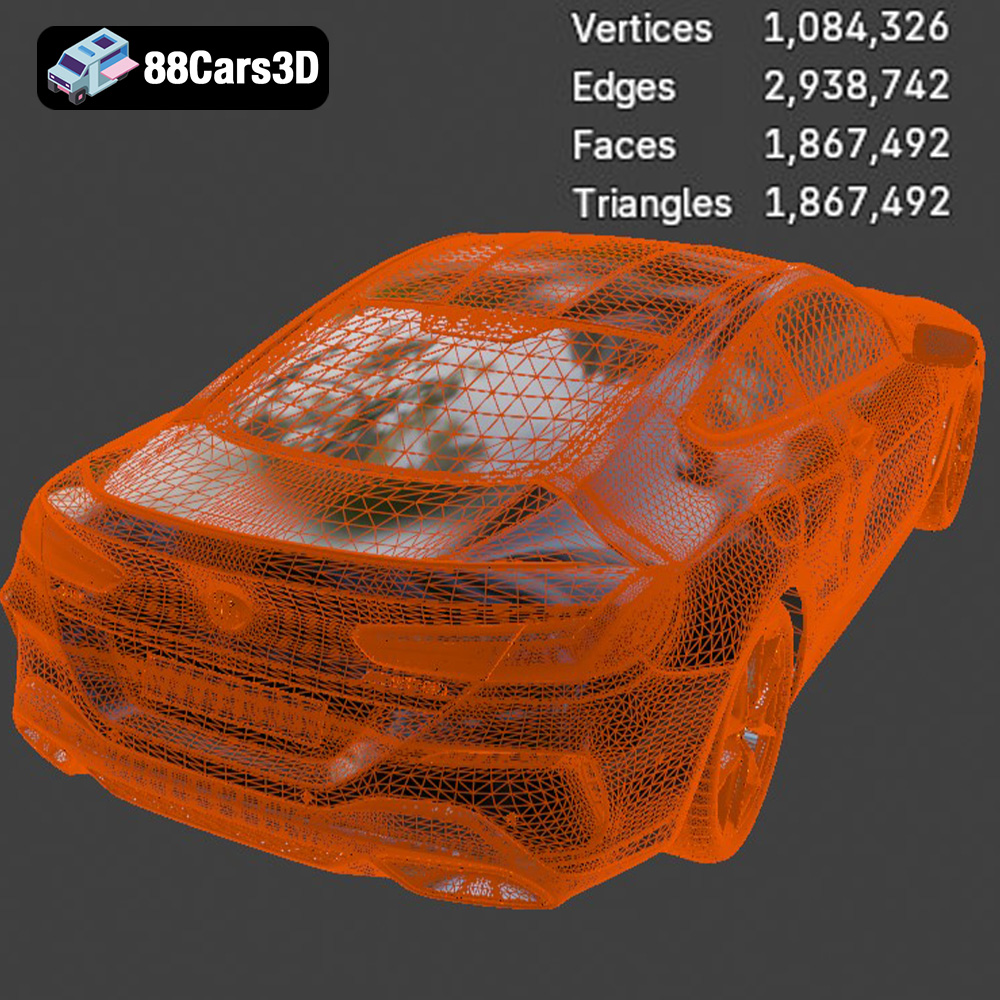
One of the primary considerations for game assets is polygon count. While high-fidelity models can easily exceed millions of polygons, game engines require much leaner meshes for real-time performance. This necessitates careful optimization, often involving baking normal maps from high-poly models onto low-poly meshes to retain detail without the computational cost. Furthermore, Levels of Detail (LODs) are essential. LODs are progressively simpler versions of a model that are swapped in and out based on the camera’s distance from the object. A high-quality 3D car model designed for games, like the BMW 8 Series M850i Coupe 2019, will typically include several LODs, ensuring that players always see an appropriate level of detail without bogging down the game engine, from cinematic close-ups to distant background elements.
Seamless integration into popular game engines is a crucial aspect of high-quality 3D car models. The .fbx format is the go-to for both Unreal Engine and Unity, allowing for the transfer of mesh, materials, animations, and even basic collision data. However, true game-engine readiness goes beyond just the file format. It involves proper UV mapping for efficient texture atlasing, PBR material setup within the engine’s shader graph, and sometimes even custom collision meshes for accurate physics. For Unreal Engine, a dedicated .unreal file or a well-structured .fbx with accompanying texture maps makes the import process straightforward. Artists can quickly bring the BMW 8 Series M850i Coupe 2019 3D Model into their game project, apply the pre-configured realistic materials, and begin setting up physics and interactions, leveraging its optimized nature for a high-performance, visually stunning experience.
Beyond traditional rendering and game development, high-quality 3D models are opening new frontiers in augmented reality (AR), virtual reality (VR), and even physical production through 3D printing. These emerging applications demand specific model characteristics and formats, emphasizing efficiency, accessibility, and structural integrity. The versatile nature of the BMW 8 Series M850i Coupe 2019 3D Model, with its range of included formats, positions it perfectly for these innovative applications, enabling creators to explore new dimensions of digital and physical interaction.
AR and VR experiences thrive on lightweight, highly optimized 3D assets that can be loaded quickly and rendered efficiently on mobile devices or VR headsets. The .glb format is tailor-made for this purpose. Its ability to package all necessary data—geometry, textures, materials, and even animations—into a single binary file makes it incredibly efficient for streaming over networks and displaying in web browsers or dedicated AR/VR applications. For interactive product showcases, virtual showrooms, or training simulations, a .glb version of the BMW 8 Series M850i Coupe 2019 allows users to experience the model in an immersive, accessible way without needing specialized software or powerful hardware. Imagine virtually placing the luxurious coupe in your driveway or exploring its interior in a VR environment, all facilitated by an optimized .glb asset.
The journey of a 3D model doesn’t always end on a screen; it can extend into the physical world through 3D printing. For this, formats like .stl and .ply become indispensable. While the detailed aesthetic finishes of a digital render are lost, the underlying geometry is translated into a physical object. The .stl format, being the universal standard, defines the surface of the model using a mesh of triangles, which 3D printers then interpret layer by layer. For more complex applications, such as quality control, reverse engineering, or detailed structural analysis, the .ply format offers additional data points beyond simple geometry, like vertex colors or normals, providing a richer dataset for technical evaluation. Whether it’s creating a scale model for design review or a custom component for a modification, having a robust .stl or .ply file of the BMW 8 Series M850i Coupe 2019 means the digital design can directly inform physical prototyping and manufacturing processes.
In the fast-paced world of digital content creation, efficiency is paramount. Every minute saved in the modeling process translates into more time for creative iteration, refinement, and client feedback. This is where investing in high-quality, pre-built 3D car models truly shines. Instead of starting from scratch, artists and studios can leverage expertly crafted assets to jumpstart their projects, maintaining consistency and elevating the overall production value. The BMW 8 Series M850i Coupe 2019 3D Model exemplifies this, offering a ready-to-integrate solution that drastically streamlines professional workflows across various disciplines.
Consider an automotive advertising agency tasked with creating a photorealistic campaign for a new luxury car. Traditionally, this would involve extensive photo shoots, followed by arduous post-production to achieve the desired look. With a high-fidelity 3D model like the BMW 8 Series M850i Coupe 2019, the agency can bypass physical logistics entirely. They can place the digital car in any virtual environment, under any lighting condition, from a bustling cityscape to an abstract studio setup, all while having complete control over every detail. Design studios use such models for iterative design reviews, visualizing color and material options in real-time. Game developers, facing tight deadlines, integrate pre-optimized assets to quickly populate open worlds or create stunning cutscenes. These real-world applications demonstrate how professional 3D car models transform demanding creative processes into efficient, flexible pipelines.
The true value of a premium 3D asset lies not just in its individual quality but in the time and resources it saves. Developing a complex model like the BMW 8 Series M850i Coupe 2019 from the ground up requires specialized skills in poly-modeling, surfacing, UV mapping, and material creation—a process that can take hundreds of hours for even experienced artists. By acquiring a professional-grade model from a reputable marketplace like 88cars3d.com, creators gain immediate access to an asset that has already undergone this rigorous development. This means they can instantly focus on integrating the model into their scenes, setting up lighting, or developing interactive experiences, knowing that the underlying geometry and materials meet industry standards. The clean geometry, optimized topology, and realistic materials of the BMW 8 Series M850i Coupe 2019 3D Model ensure seamless integration and smooth rendering, freeing up creative talent to excel in their specific roles and deliver exceptional results.
The digital realm of 3D modeling continues to expand its influence across diverse industries, from immersive entertainment to precise engineering and visualization. At the heart of this evolution are high-quality 3D assets, which serve as the fundamental building blocks for all digital creations. For complex subjects like automotive design, the investment in a meticulously crafted model such as the BMW 8 Series M850i Coupe 2019 3D Model is not merely an acquisition; it’s an investment in efficiency, quality, and creative freedom. Its comprehensive range of formats, including .blend, .fbx, .obj, .glb, .stl, .ply, .unreal, and .max, ensures unparalleled versatility, making it suitable for everything from photorealistic rendering and demanding game development to cutting-edge AR/VR experiences and physical 3D printing.
By leveraging such a robust and professionally optimized asset, creators can sidestep the time-consuming complexities of model creation and instead channel their energy into artistic direction, scene composition, and interactive development. This empowers studios and individual artists to deliver projects with exceptional visual fidelity and performance, meeting the high standards of today’s digital landscape. Explore the possibilities and elevate your next project with the BMW 8 Series M850i Coupe 2019 3D Model, available at 88cars3d.com, where quality meets unparalleled convenience.
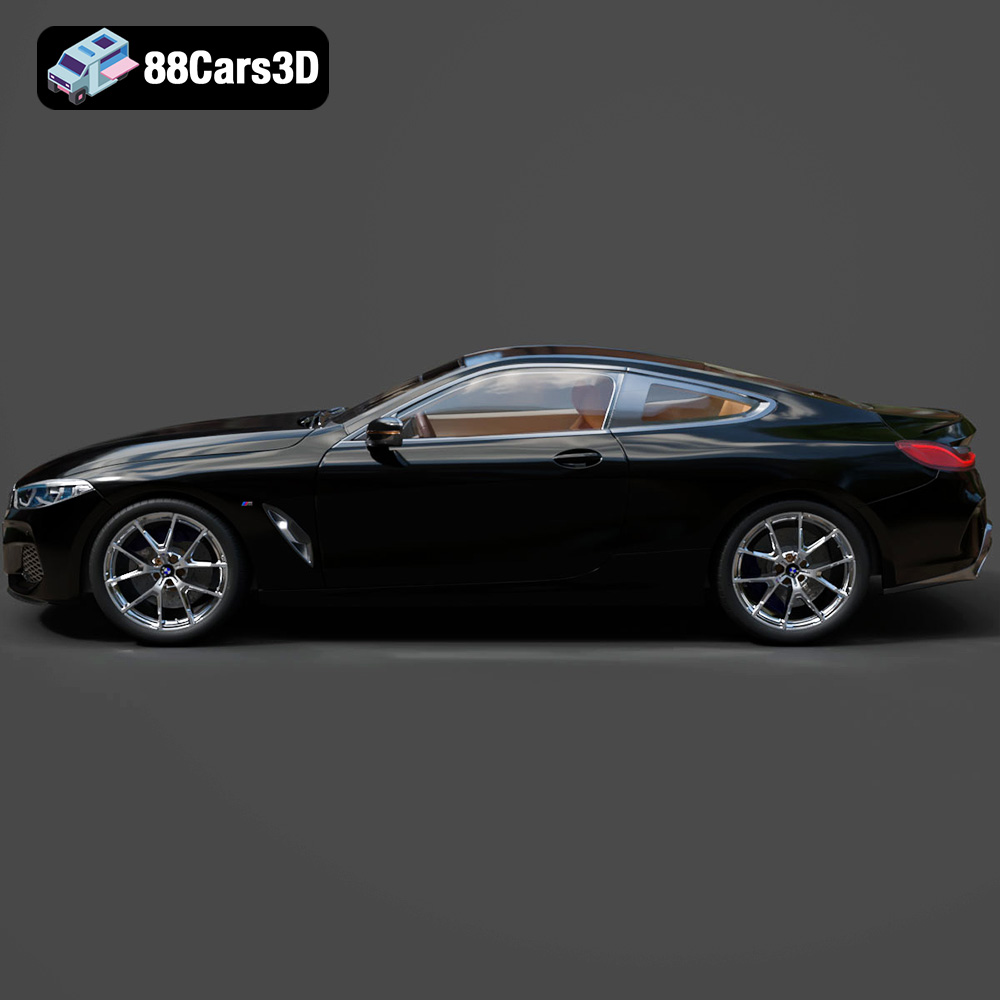
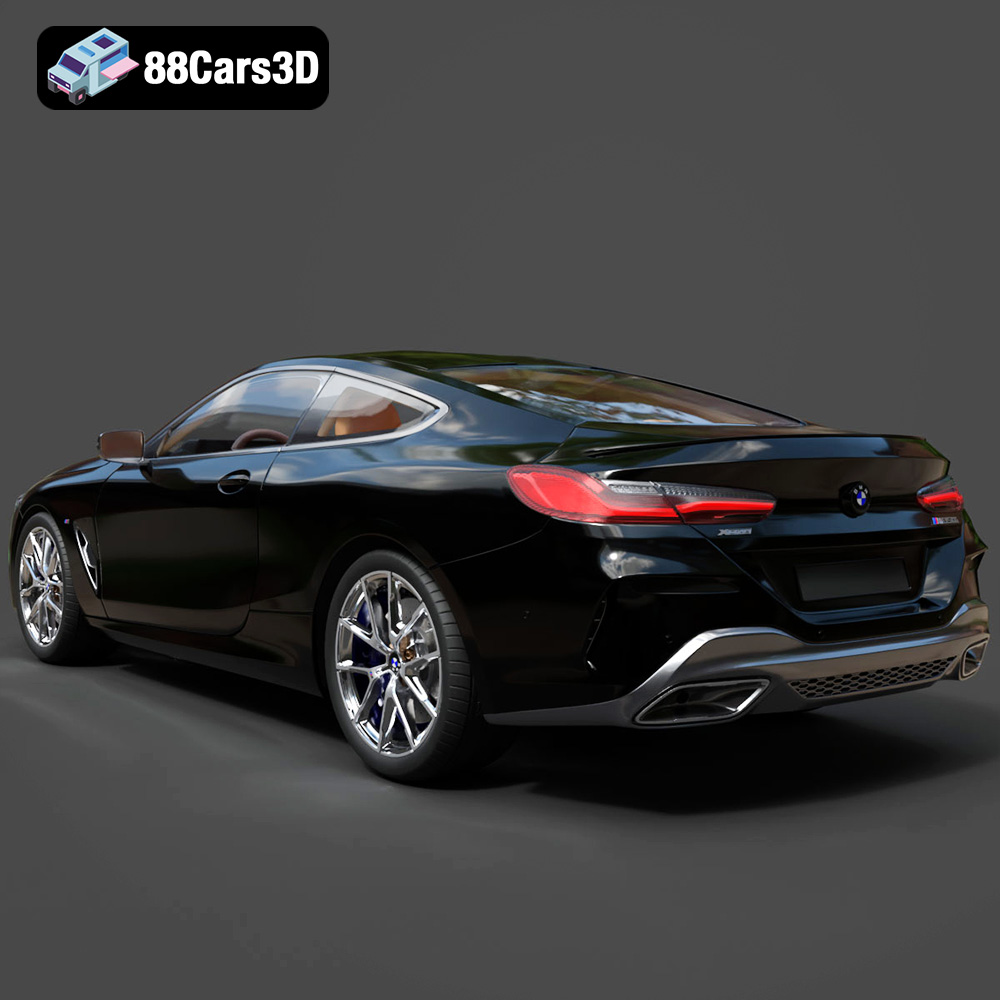
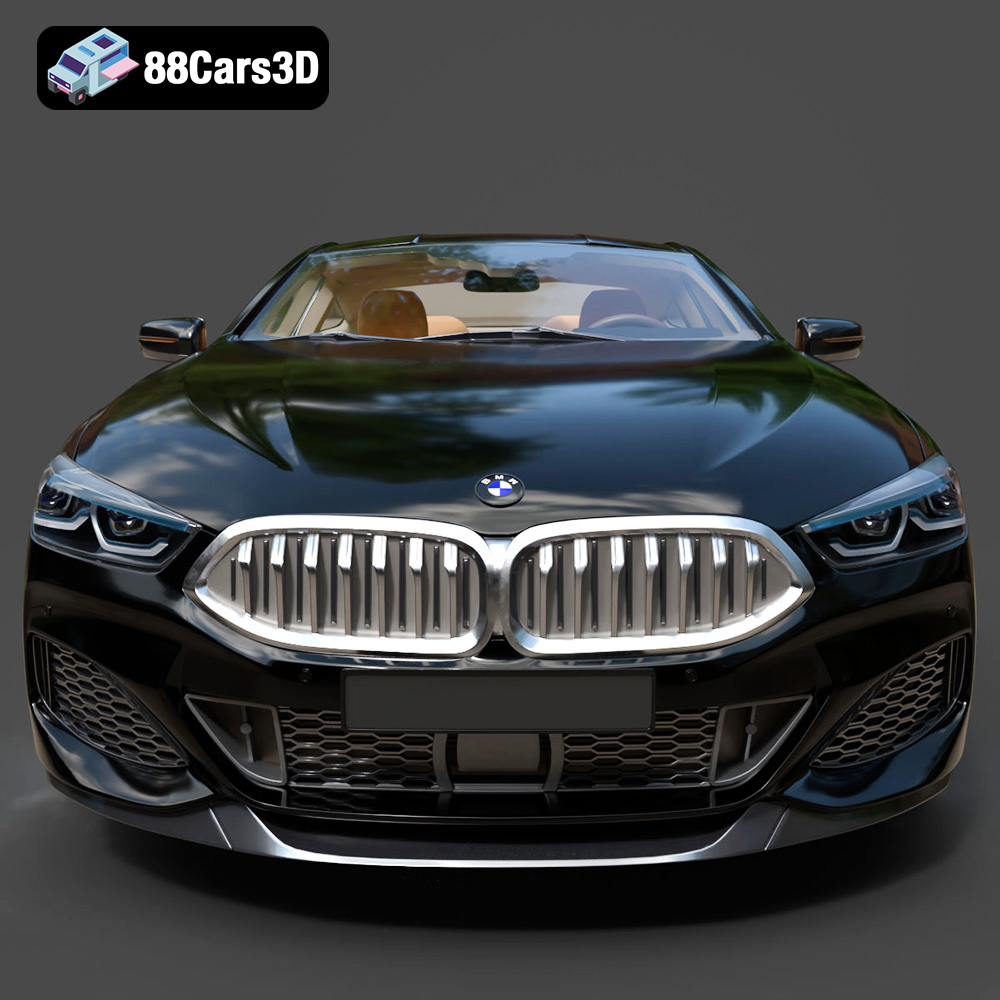
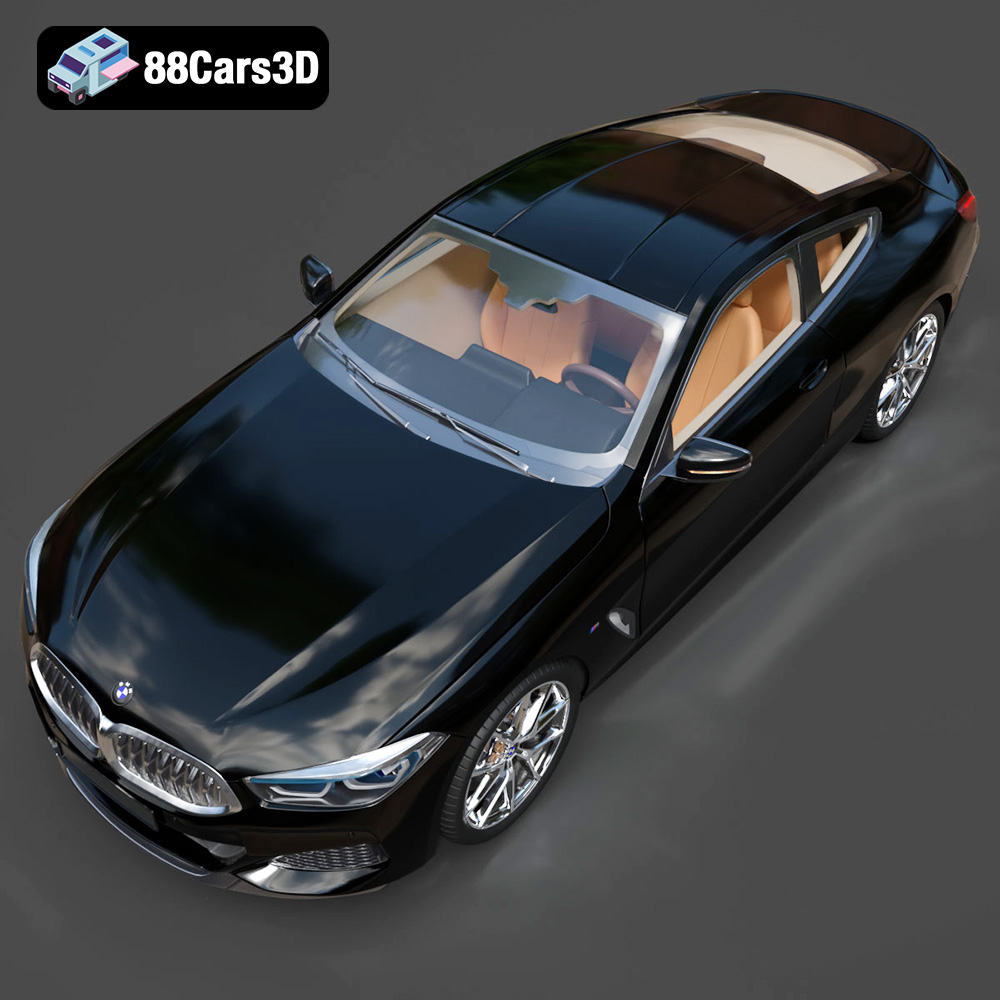
Experience the exceptional realism of the BMW 8 Series M850i Coupe 2019 3D Model, expertly crafted to bring authentic automotive design to your digital projects. This meticulously built digital asset captures the sophisticated, sporty silhouette and luxurious details of the renowned coupe, providing a stunning visual centerpiece for any scene.
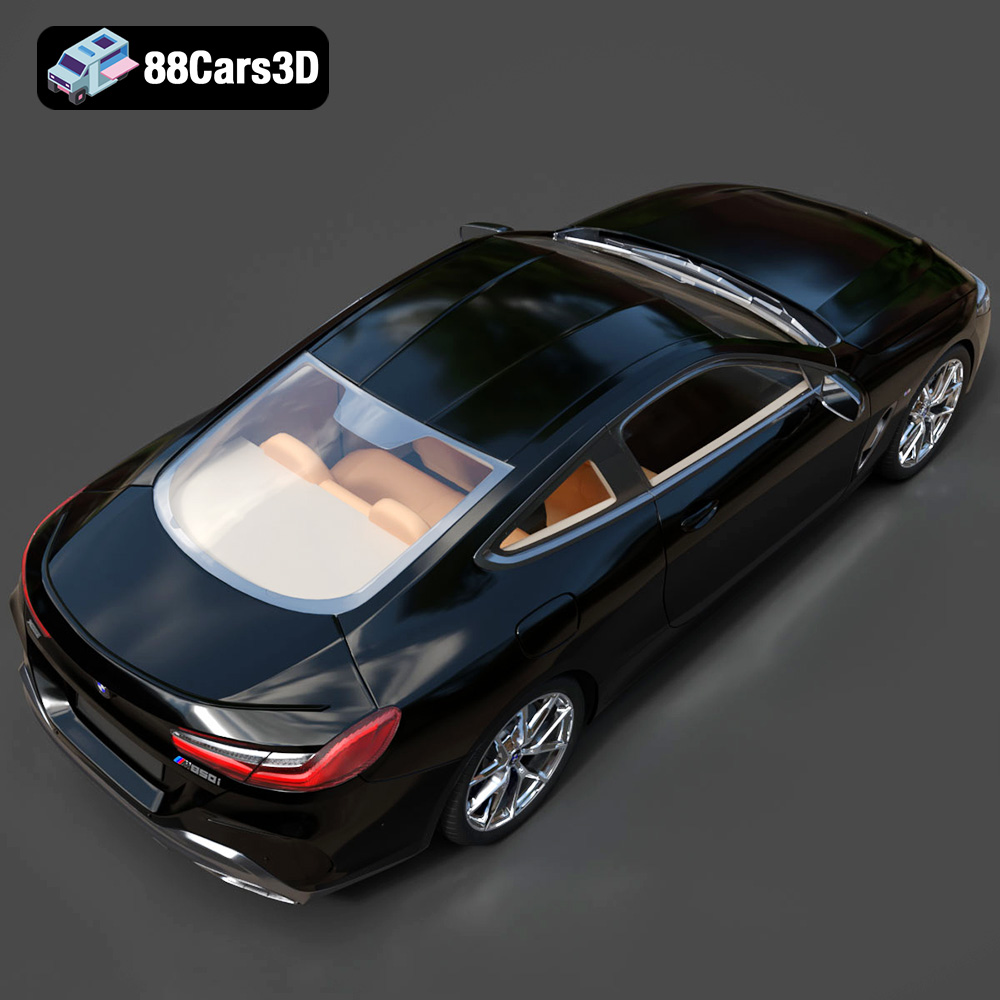
Featuring clean geometry and optimized topology, this model is equipped with realistic materials, delivering professional standards without compromising performance. The carefully modeled exterior and accurate interior detailing ensure seamless integration and smooth rendering across various creative pipelines.
Perfectly suited for demanding workflows, this versatile 3D model excels in game development, architectural visualization, photorealistic rendering, cutting-edge AR/VR experiences, and interactive simulation.
This comprehensive package includes the following formats:
$19.99
.8series
.arvr
.blend
.bmw
.car3dmodel
.coupe
.fbx
.gameasset
.glb
.luxurycar
.m850i
.max
.obj
.ply
.rendering
.simulation
.sportsCar
.stl
.unreal