Get 20% OFF All Premium 3D & STL Models!

In the dynamic world of digital content creation, where realism and performance are paramount, the foundation of any successful project lies in the quality of its assets. For automotive enthusiasts, game developers, architectural visualizers, and VR/AR pioneers, high-fidelity 3D car models are not just components; they are the heart of their creations. From breathtaking cinematic renders to immersive real-time simulations, the demand for meticulously crafted vehicles has never been higher.
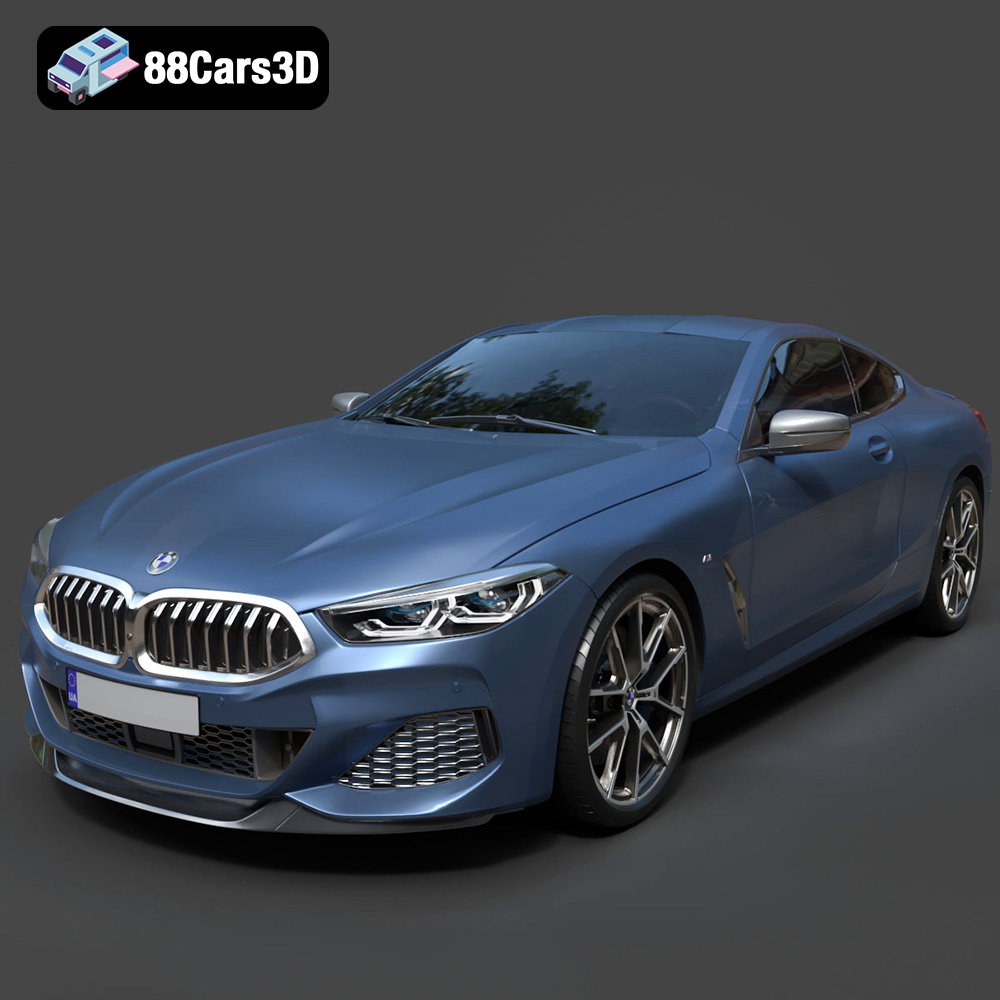
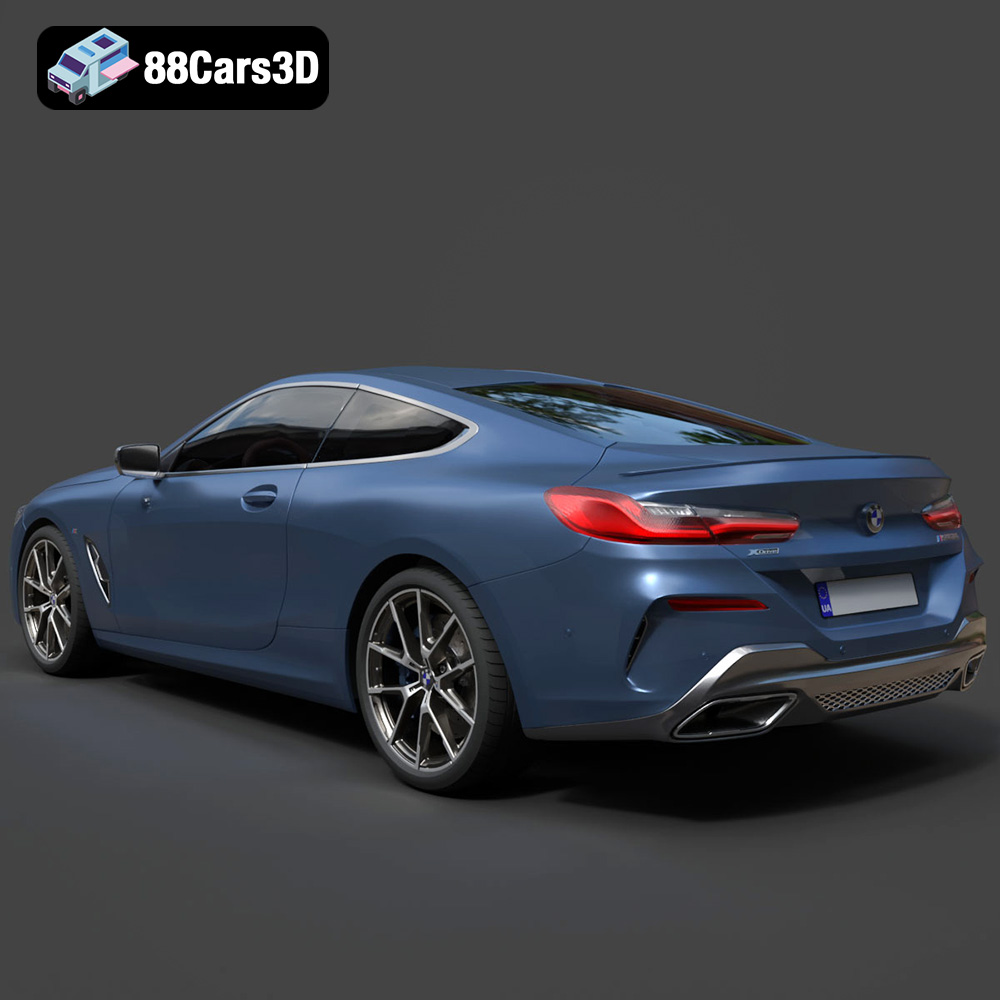
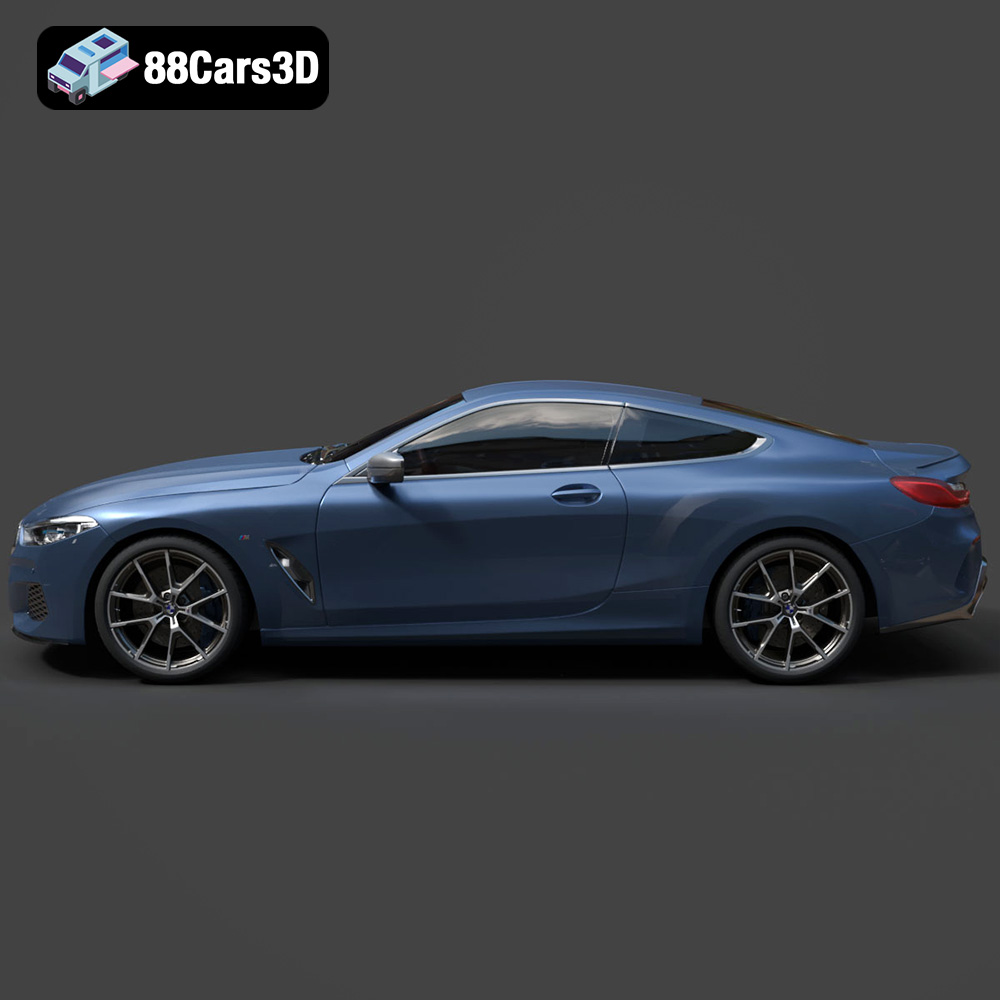
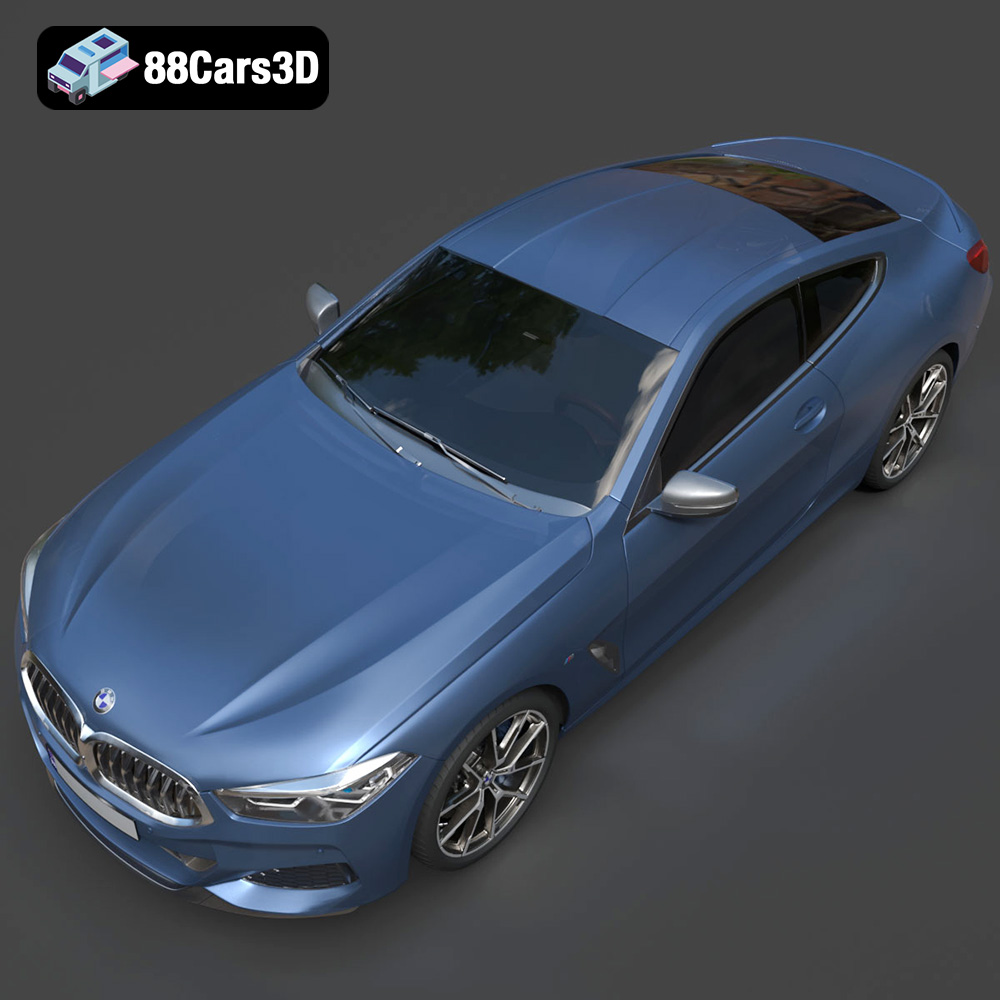
Imagine showcasing the sleek lines and aggressive stance of a luxury sports coupe with absolute precision, or integrating it into a virtual environment where every reflection and curve tells a story. This level of detail and versatility is precisely what professional assets offer. Today, we delve into the intricate world of premium 3D car models, exploring their critical role across various industries and how they elevate digital projects from good to extraordinary. We’ll specifically highlight an exemplary asset: the BMW 8-Series M850i G15 Coupe 2019 3D Model, a testament to unparalleled realism and design, readily available for your professional endeavors.
Choosing the correct file format is a fundamental decision when working with 3D car models, dictating everything from compatibility and workflow efficiency to final output quality. Professional 3D assets, like the BMW 8-Series M850i G15 Coupe 2019 3D Model, are often provided in multiple formats to ensure maximum versatility across diverse software and platforms. Understanding each format’s strengths and typical use cases is crucial for any digital artist or developer.
The .blend format is native to Blender, the powerful open-source 3D creation suite. A .blend file typically contains a complete scene, including the 3D model, its materials (often PBR, or Physically Based Rendering), textures, lighting setup, cameras, and even animation data. For users working within Blender, this format offers the most flexibility, allowing full editability of the mesh, modification of shaders, and quick adjustments to the scene. It’s ideal for artists who want to render directly in Cycles or Eevee, or those who wish to adapt the model extensively for their specific creative vision. Its self-contained nature ensures that all scene elements are preserved, simplifying project management.
Autodesk’s .fbx (Filmbox) format is arguably the most widely adopted interchange format in the 3D industry. Renowned for its ability to store not just geometry, but also materials, textures, animations, skinning, and camera data, .fbx is the go-to choice for transferring models between different 3D applications and, critically, into game engines like Unreal Engine and Unity. Its robust nature makes it perfect for complex assets, and for game assets like the BMW M850i model, it provides a streamlined path from a DCC (Digital Content Creation) tool to a real-time environment. Developers rely on .fbx for its consistent performance and broad support.
The .obj (Wavefront OBJ) format is a venerable and widely supported open standard for 3D geometry. It primarily stores vertex positions, UV coordinates, normals, and polygon faces. While it doesn’t embed materials directly, it typically references an accompanying .mtl (Material Template Library) file for material definitions, which then points to texture maps. Its universality makes it an excellent choice for cross-software compatibility when the primary concern is the raw mesh data. It’s a reliable fallback when more complex formats present issues, ensuring that the core geometry of the 3D car model can always be accessed and utilized.
The .glb (GL Transmission Format Binary) is a relatively newer format, rapidly gaining traction, especially for web-based 3D, augmented reality (AR), and virtual reality (VR) applications. As the binary version of glTF, it encapsulates all necessary data—geometry, materials, textures, animations—into a single, compact file. This optimization makes .glb incredibly efficient for streaming and displaying 3D models directly in browsers or mobile AR apps. For visualizing the BMW 8-Series M850i G15 Coupe 2019 3D Model in an interactive web viewer or an AR experience, .glb offers an unparalleled blend of quality and performance.
The .stl (STereoLithography) format is the standard for 3D printing. It represents a 3D model as a collection of triangular facets, defining only the surface geometry of an object without color, texture, or material information. While not suitable for rendering or animation due to its lack of texture data, its simplicity makes it ideal for additive manufacturing. If the goal is to prototype or physically recreate the BMW M850i G15 Coupe, an .stl file derived from the detailed 3D model provides the precise mesh required by 3D printers.
The .ply (Polygon File Format, or Stanford Triangle Format) is a versatile format capable of storing a wide range of properties, including color, transparency, surface normals, and even data from 3D scanners. It’s particularly useful for representing mesh data with high precision, often employed in scientific visualization, CAD applications, and for models derived from point clouds. While less common for general rendering than .fbx or .obj, its ability to carry detailed attribute information makes it valuable for specialized analytical or display tasks where mesh integrity and vertex attributes are critical.
The .unreal designation often refers to assets that are not just compatible but specifically configured for Unreal Engine. This might involve optimized mesh geometry, PBR materials set up with Unreal’s shader graph, correct lightmap UVs, collision meshes, and potentially LODs (Levels of Detail). When a 3D car model like the BMW M850i is provided in an “.unreal” format, it signifies that it requires minimal additional setup within the engine, allowing developers to drop it directly into their scenes and achieve high-quality results immediately. This saves significant development time and ensures consistency.
Similar to .blend for Blender, the .max format is the native project file for Autodesk 3ds Max. It contains all scene data, including geometry, modifiers, materials, textures, lights, cameras, animations, and render settings. For artists primarily working in 3ds Max, the .max file offers complete control and editability. It’s the preferred format for intricate architectural visualization, high-end automotive rendering, and complex animation projects where the full feature set of 3ds Max is leveraged. The availability of the BMW 8-Series M850i G15 Coupe 2019 3D Model in .max format ensures that professionals can integrate it seamlessly into their 3ds Max pipelines for advanced rendering and animation work.
The provision of the BMW 8-Series M850i G15 Coupe 2019 3D Model in this diverse array of formats underscores its professional-grade nature, ensuring it can cater to virtually any project requirement across the digital spectrum. You can find this level of quality and versatility on marketplaces like 88cars3d.com, which prioritize flexibility for their users.
Automotive rendering is a highly specialized field, demanding an exquisite balance of artistic vision and technical precision. It’s not merely about putting a 3D car model in front of a camera; it’s about crafting an illusion so convincing that it blurs the line between digital and reality. For assets like the BMW 8-Series M850i G15 Coupe 2019 3D Model, the journey to a stunning render involves meticulous attention to materials, lighting, and environmental context.
The visual fidelity of a rendered car largely hinges on its materials. Modern automotive rendering relies heavily on Physically Based Rendering (PBR) workflows, which simulate how light interacts with surfaces in the real world. This means not just diffuse color, but intricate properties like metallicness, roughness, normal maps for surface imperfections, and clear coat layers that simulate car paint. A high-quality model, such as the BMW 8-Series M850i G15 Coupe 2019 3D Model, comes equipped with expertly crafted PBR textures and shaders. The interplay of these textures defines everything from the deep, reflective sheen of the paintwork and the subtle brushed metal of interior trims, to the intricate patterns on tire treads and the clear transparency of headlights, complete with inner optics. These details are paramount for close-up shots and high-resolution output.
Lighting is the soul of any render. For automotive subjects, it’s crucial to recreate studio lighting setups or realistic outdoor environments. This often involves High Dynamic Range Images (HDRIs) for ambient illumination, combined with targeted area lights or spotlights to highlight specific design elements and create dramatic reflections. Achieving photorealistic results for the BMW 8-Series M850i G15 Coupe 2019 3D Model means understanding how light plays across its complex curves, emphasizing its sculpted body and aggressive stance. From subtle ambient occlusion to sharp, defined reflections on the windows and body panels, every light source is carefully positioned to enhance the model’s presence and realism.
Even the most perfect raw render can be elevated through post-processing. This stage involves color grading, depth of field effects, motion blur (for animated sequences), bloom, glare, and lens flares to mimic real camera optics. Compositing the rendered car into a real-world backplate or a complex digital environment adds to the immersion. Software like Adobe Photoshop, Nuke, or Fusion are used to fine-tune the final image, ensuring the BMW 8-Series M850i G15 Coupe 2019 3D Model seamlessly integrates into its scene, making it indistinguishable from a photograph. This meticulous process is what allows professional artists to create compelling marketing visuals, stunning configurators, and breathtaking cinematic sequences for the automotive industry.
The realm of game development presents a unique set of challenges and opportunities for 3D car models. Unlike static renders, game assets must perform flawlessly in real-time environments, demanding a careful balance between visual fidelity and computational efficiency. The BMW 8-Series M850i G15 Coupe 2019 3D Model, designed for versatility, readily adapts to these rigorous requirements, making it an excellent candidate for interactive experiences.
A high-fidelity 3D car model can have millions of polygons, which is prohibitive for real-time engines. Game developers must work within strict polygon budgets. This necessitates optimizing the mesh through techniques like retopology and polygon reduction. Crucially, professional models often come with pre-built Levels of Detail (LODs). These are progressively simpler versions of the same model that swap in as the car moves further from the camera, drastically reducing the poly count rendered at a distance without a noticeable drop in visual quality. For the BMW 8-Series M850i G15 Coupe 2019 3D Model, this means a detailed version for close-ups and gameplay, and lighter versions for distant views, ensuring smooth frame rates.
While PBR materials are essential for realism, their implementation in games requires careful optimization. Texture atlasing, where multiple smaller textures are packed into a single larger one, minimizes draw calls and improves GPU performance. Shader complexity is also managed to ensure real-time computations are efficient. Game-ready versions of the BMW 8-Series M850i G15 Coupe 2019 3D Model would feature optimized PBR setups, ensuring the metallic sheen and reflective surfaces appear realistic while consuming minimal resources. Proper UV unwrapping is also critical for efficient texture mapping and lightmap generation.
For a car in a game, more than just its visual representation is needed. Accurate collision meshes are vital for realistic interactions with the environment and other vehicles. These are often simplified, non-visible meshes that approximate the car’s physical form. Furthermore, integration with a game engine’s physics system is essential for realistic driving dynamics, suspension behavior, and damage models. While the core 3D car model provides the visual asset, its optimal use in games requires these additional technical layers to bring the BMW 8-Series M850i G15 Coupe to life as a controllable, interactive vehicle within a virtual world.
The utility of a high-quality 3D car model extends far beyond traditional rendering and game development. With advancements in technology, augmented reality (AR), virtual reality (VR), and 3D printing have opened new frontiers for interactive experiences and tangible outputs. The versatility inherent in assets like the BMW 8-Series M850i G15 Coupe 2019 3D Model makes them invaluable for these emerging applications.
Augmented Reality allows digital objects to be overlaid onto the real world, while Virtual Reality creates entirely simulated environments. Both require 3D car models that are not only visually accurate but also optimized for real-time performance on specific hardware (mobile AR, VR headsets). For AR, a car configurator might allow a user to place the BMW 8-Series M850i G15 Coupe 2019 3D Model in their driveway and explore different paint colors or wheel options in real-time. In VR, users could virtually sit inside the M850i, experiencing its luxurious interior, or take it for a simulated drive on a virtual track. The model’s clean geometry and efficient textures, especially when delivered in formats like .glb or optimized .fbx, are crucial for maintaining fluidity and immersion in these demanding, interactive environments.
While the BMW 8-Series M850i G15 Coupe 2019 3D Model is primarily digital, its underlying geometry can serve as the basis for physical prototypes and scale models. By exporting the model in a suitable format like .stl, engineers and designers can prepare it for 3D printing. This allows for rapid prototyping of design iterations, creating tangible models for presentations, or even producing highly detailed collector’s items. The precision of the 3D model ensures that the printed output accurately reflects the vehicle’s intricate design, curves, and proportions. This bridge between digital design and physical manifestation showcases the holistic value of a professionally crafted 3D car model.
Automotive brands increasingly leverage interactive 3D models for marketing and sales. Online configurators allow potential buyers to customize their dream car – changing colors, rims, interiors – and view it from any angle, often in real-time 3D. A high-quality asset like the BMW 8-Series M850i G15 Coupe 2019 3D Model provides the visual backbone for such tools, delivering an engaging and personalized shopping experience that static images simply cannot match. This innovative use of 3D car models enhances customer engagement and drives purchasing decisions.
In any professional digital production pipeline, time is a critical resource. Developing a highly detailed, accurate 3D car model from scratch can take hundreds, if not thousands, of hours for a single artist or team. This is where pre-made, professional-grade assets become invaluable, significantly streamlining workflows and allowing creative teams to focus on core project goals rather than asset creation.
The upfront investment in a premium 3D car model like the BMW 8-Series M850i G15 Coupe 2019 3D Model pales in comparison to the cost of creating a similar asset in-house. This includes not just artist salaries but also the software licenses, research time for blueprints and reference images, and the iterative process of modeling, texturing, and rigging. By acquiring ready-to-use, high-quality models, studios can drastically cut down on development cycles, allocate resources more efficiently, and bring projects to market faster. Websites like 88cars3d.com specialize in providing these time-saving solutions, offering a curated selection of top-tier 3D car models.
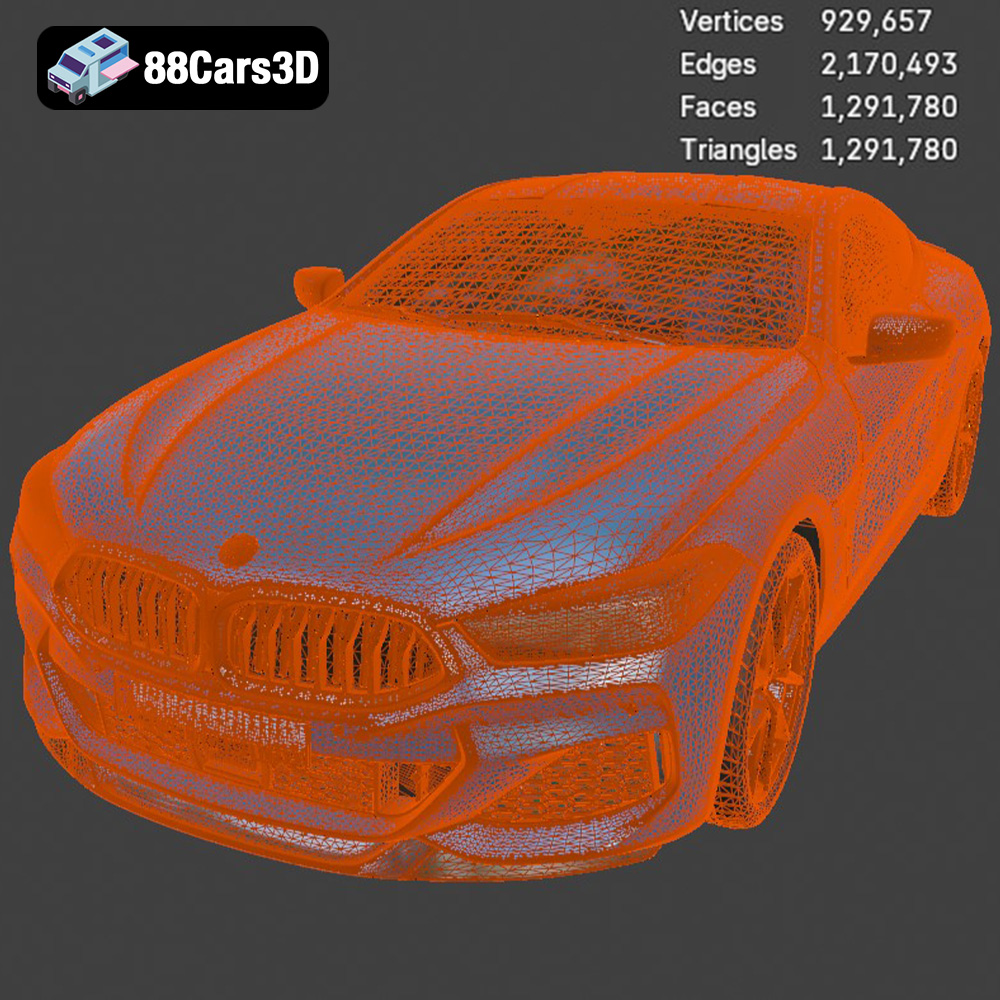
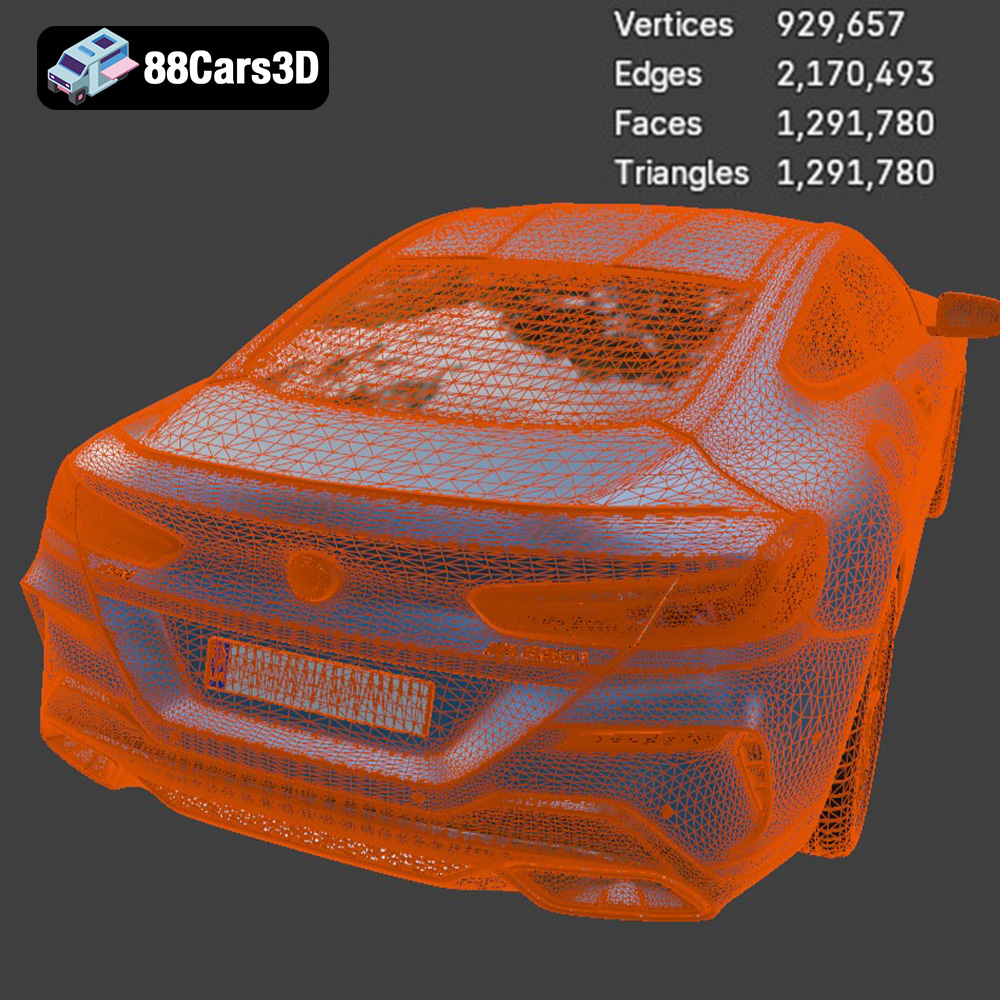
When working with multiple artists or on large-scale projects, maintaining a consistent level of quality across all assets can be a challenge. Professional models are typically created following strict industry standards for topology, UV mapping, and PBR material setup. This ensures that assets, such as the BMW 8-Series M850i G15 Coupe 2019 3D Model, will integrate seamlessly into existing pipelines and maintain visual consistency with other elements in a scene. The clean geometry and optimized polygon distribution mentioned in the product description are hallmarks of a professionally prepared asset, guaranteeing smooth subdivisions and excellent performance, regardless of the target application.
A truly professional 3D car model is designed with versatility in mind. The BMW 8-Series M850i G15 Coupe 2019 3D Model exemplifies this, with its multiple file format options (.blend, .fbx, .obj, .glb, .stl, .ply, .unreal, .max). This means the same core asset can be used for a high-resolution cinematic commercial, optimized for a real-time game engine, deployed in an AR configurator, or even 3D printed for a physical prototype. This multi-application capability maximises the return on investment for the asset and provides unparalleled flexibility for creative studios working across various mediums. Accessing such a comprehensive range of formats from a single source like 88cars3d.com simplifies procurement and asset management.
The digital landscape is constantly evolving, with new technologies and demands pushing the boundaries of creativity and realism. At the heart of this evolution, for any project involving vehicles, lies the indispensable need for high-quality 3D car models. As we’ve explored, these assets are not just static representations; they are dynamic tools that power cinematic renders, immerse players in game worlds, transport users into interactive AR/VR experiences, and even facilitate physical prototyping through 3D printing.
The BMW 8-Series M850i G15 Coupe 2019 3D Model stands as a prime example of what a professional-grade asset should embody: unparalleled realism, clean geometry, optimized performance, realistic materials, intricate detailing, and crucial versatility across numerous file formats. Investing in such a meticulously crafted model ensures that your projects benefit from a solid foundation, allowing you to focus on innovation and storytelling rather than the arduous task of asset creation.
Whether you’re an automotive designer, a game developer, or a visualization artist, understanding the technical nuances of 3D car models and leveraging reputable sources for your assets can dramatically enhance your workflow and the final quality of your output. For those seeking premium game assets and high-fidelity models for stunning automotive rendering, exploring marketplaces like 88cars3d.com offers access to a diverse array of expertly designed vehicles, ready to drive your next digital masterpiece.
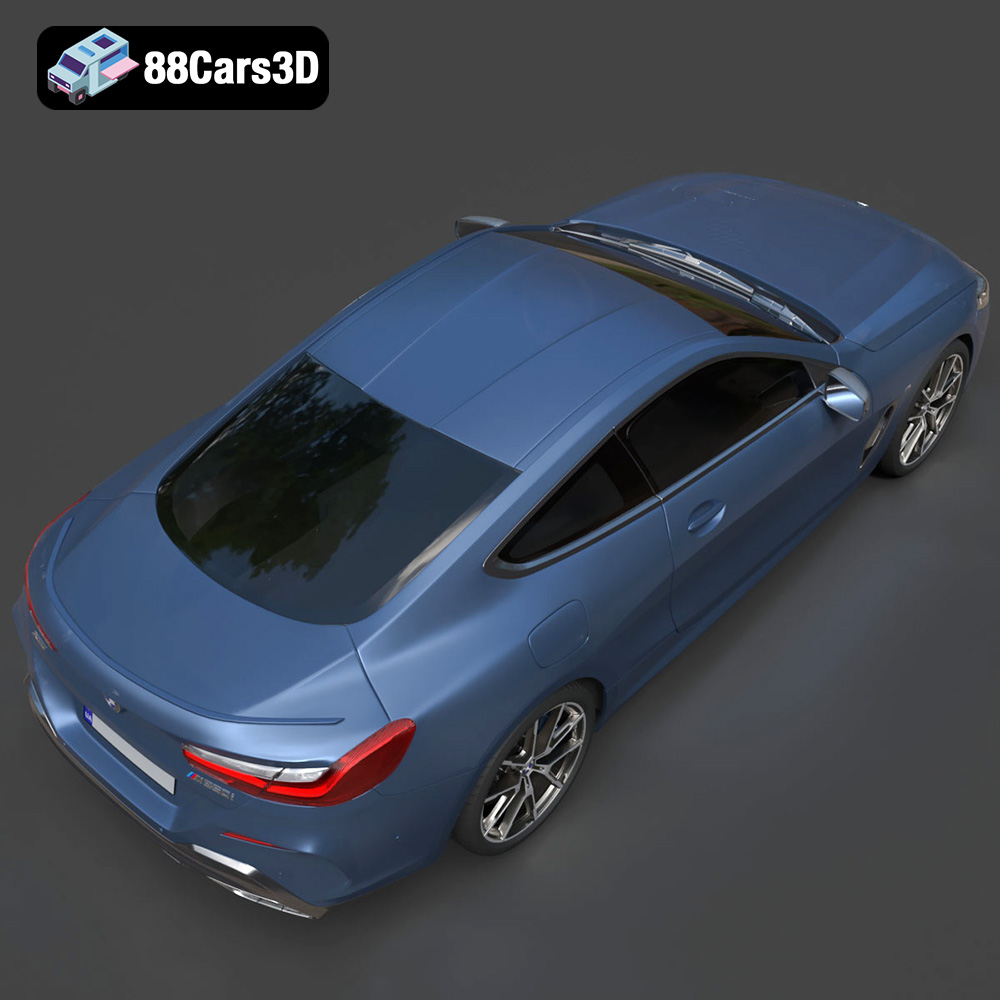
Experience unparalleled realism with the BMW 8-Series M850i G15 Coupe 2019 3D Model. Designed to meet professional standards, this model captures the sleek proportions and aggressive styling of the iconic luxury sports coupe, ensuring exceptional visual fidelity for any digital project. Built with clean geometry and optimized polygon distribution, the model guarantees smooth subdivisions and excellent performance. It features realistic materials and intricate detailing, making it ideal for close-up shots and demanding environments. This versatile 3D asset is perfectly suited for a wide range of applications, including game development, cinematic rendering, AR/VR experiences, and automotive visualization.
$19.99
.8series
.arvr
.blend
.bmw
.car3dmodel
.coupe
.fbx
.g15
.gameasset
.glb
.luxurycar
.m850i
.max
.obj
.ply
.rendering
.simulation
.sportsCar
.stl
.unreal