Get 20% OFF All Premium 3D & STL Models!

In the expansive realm of digital design, the allure of crafting hyper-realistic vehicles continues to captivate artists and engineers alike. From the sleek lines of a supercar to the rugged appeal of an off-road beast, a meticulously detailed 3D car model forms the backbone of countless projects. Beyond mere aesthetics, these digital assets are critical tools, driving innovation in automotive rendering, game development, virtual reality, and even physical prototyping.
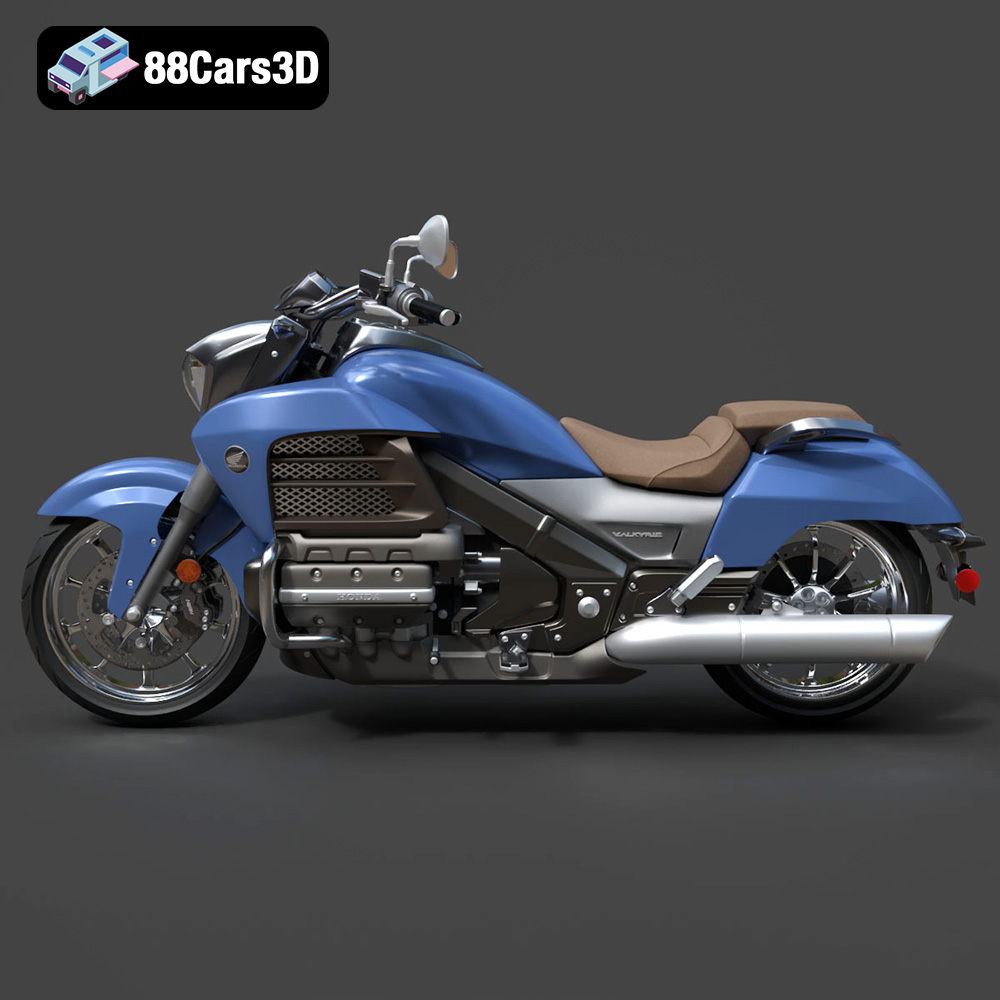
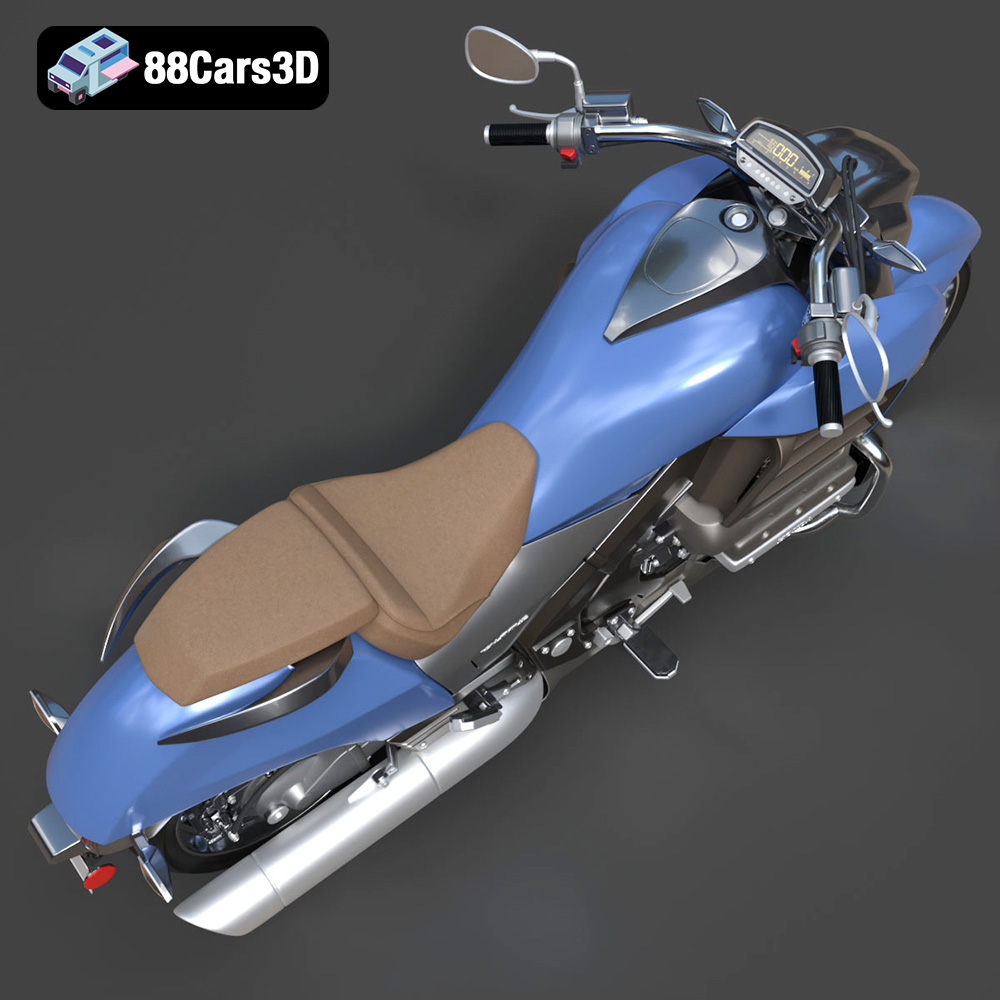
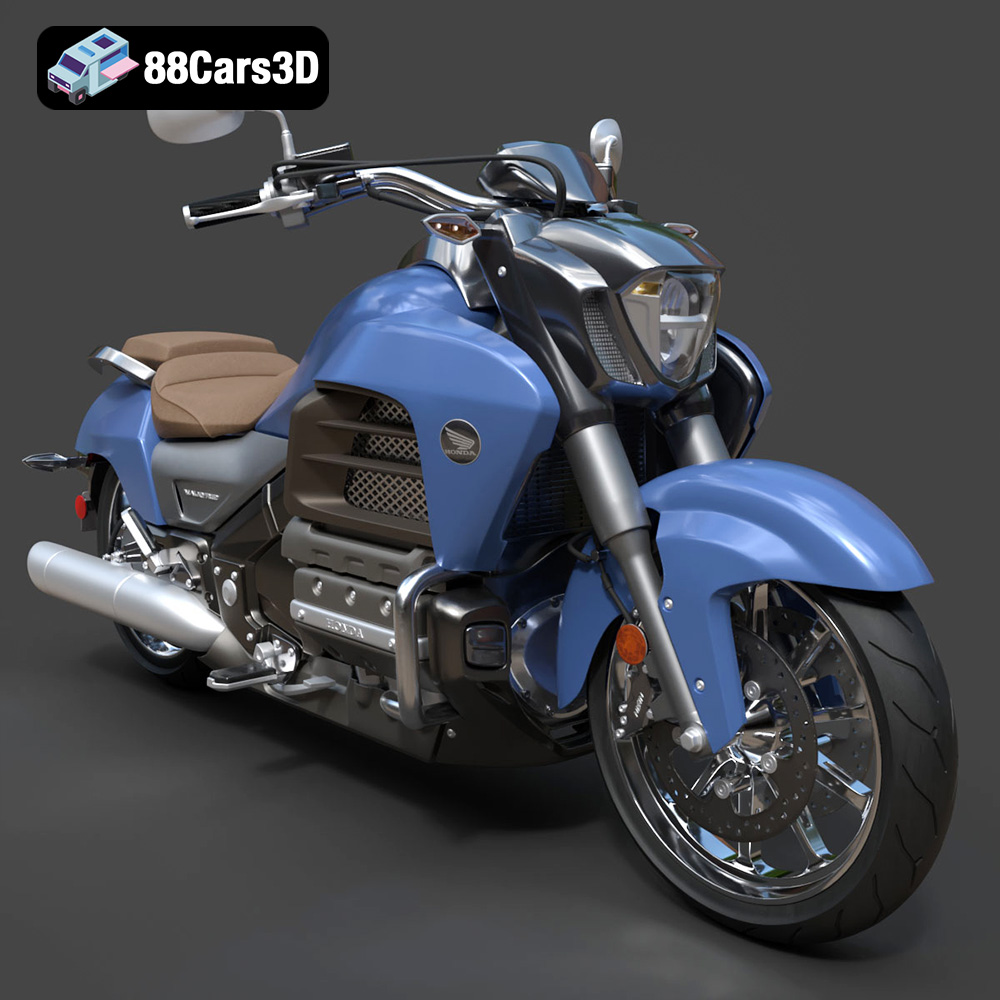
The essence of a truly exceptional 3D model lies in its fusion of artistic fidelity and technical precision. It’s about more than just recreating an object; it’s about capturing its spirit, its engineering, and its presence. This is particularly true for iconic vehicles, such as the Honda Valkyrie GL1800C 2015. This renowned motorcycle, celebrated for its powerful stance and intricate mechanical details, demands a digital representation that honors its real-world counterpart. A high-quality model like the Honda Valkyrie GL1800C 2015 3D Model available at 88cars3d.com offers an authentic digital replica, engineered for seamless integration into a multitude of professional pipelines. It serves as a testament to how specialized 3D assets can elevate a project from concept to breathtaking reality, providing a robust foundation for everything from a cinematic fly-through to an immersive VR experience.
The versatility of a professional 3D model often hinges on the range of file formats it supports. Each format is designed with specific use cases and software ecosystems in mind, offering unique advantages depending on your project’s requirements. The Honda Valkyrie GL1800C 2015 3D Model, for instance, comes packaged with a comprehensive suite of formats, ensuring broad compatibility and streamlining various workflows. Understanding these formats is crucial for any serious 3D artist or developer.
The .blend format is the native file type for Blender, an incredibly powerful open-source 3D creation suite. When you receive a .blend file, you’re not just getting the mesh; you’re getting a fully editable Blender scene. This typically includes materials, textures, lighting setups, cameras, and even animation data, all pre-configured. It provides maximum flexibility for artists working in Blender, allowing for easy modifications, custom renders, or direct integration into Blender-based projects. For the Honda Valkyrie GL1800C model, the .blend file offers a complete package for Blender users, ready for immediate rendering or further customization.
FBX (Filmbox) is a proprietary file format owned by Autodesk, widely regarded as the industry standard for exchanging 3D data between various software applications, especially within game development. It’s excellent for transferring models, animations, cameras, and lighting between programs like 3ds Max, Maya, Blender, Unity, and Unreal Engine. Its strength lies in its ability to encapsulate complex scene data, making it ideal for real-time pipelines. The .fbx version of our Honda Valkyrie GL1800C 2015 3D Model is optimized for game engines, ensuring efficient import and performance.
OBJ (Object) is one of the oldest and most widely supported 3D file formats. It’s a universal standard, compatible with virtually all 3D software. An .obj file typically stores only geometry data (vertices, normals, texture coordinates) and references to external material files (.mtl). While it doesn’t support animation or rigging, its simplicity and widespread adoption make it an indispensable format for cross-software compatibility. It’s a reliable choice when you need a clean mesh of the Honda Valkyrie GL1800C to bring into any 3D application.
GLB (GL Transmission Format Binary) is a binary version of glTF (GL Transmission Format), designed for efficient transmission and loading of 3D scenes and models by applications. It’s particularly optimized for AR (Augmented Reality), VR (Virtual Reality), and web-based applications, as it packages all necessary data (geometry, materials, textures, animations) into a single file, reducing load times. The .glb version of the Honda Valkyrie GL1800C 2015 3D Model is perfect for deploying interactive 3D content directly into web browsers or mobile AR apps.
STL (Stereolithography) is the de facto standard file format for 3D printing and CAD (Computer-Aided Design). It represents a 3D model as a series of connected triangles, describing only the surface geometry without color, texture, or other CAD attributes. For physical output, the .stl format of the Honda Valkyrie GL1800C is crucial, providing a clean, watertight mesh ready for slicing software and additive manufacturing processes.
PLY (Polygon File Format or Stanford Triangle Format) is another format used for storing 3D data, particularly from 3D scanners. It can store a wider range of properties than .stl, including color, transparency, normals, texture coordinates, and confidence values for points. It’s often used for precision mesh applications, scientific visualization, or when higher fidelity data than .stl is needed for CAD or analysis. The .ply version of the Valkyrie model ensures a detailed polygon mesh for precise engineering or visualization tasks.
While often used with .fbx, some assets are provided as pre-configured Unreal Engine project files or specific Uasset files. The .unreal format implies an asset that has been specifically prepared and configured for optimal use within the Unreal Engine ecosystem. This might include pre-set materials, collision meshes, LODs (Levels of Detail), and blueprint configurations, saving developers significant setup time. The Honda Valkyrie GL1800C 2015 3D Model includes this format, indicating it’s truly engine-ready for robust real-time environments.
Similar to .blend for Blender, .max is the native file format for Autodesk 3ds Max, a leading software for 3D modeling, animation, and rendering in architectural visualization, product design, and cinematic production. A .max file contains the complete scene, including geometry, materials, lighting, cameras, animation, and plugins specific to 3ds Max. It offers full editability and control for users within the 3ds Max environment, making the Honda Valkyrie GL1800C .max file invaluable for professional rendering and animation studios.
By offering the Honda Valkyrie GL1800C 2015 3D Model in such a comprehensive array of formats, 88cars3d.com ensures that creative professionals have the flexibility and compatibility needed for any project, regardless of their chosen software or end-use application.
What distinguishes a generic 3D model from a truly professional-grade asset, especially in the demanding field of automotive rendering? It boils down to meticulous attention to detail, optimized construction, and a deep understanding of downstream applications. The Honda Valkyrie GL1800C 2015 3D Model exemplifies these qualities, offering a benchmark for what high-quality 3D car models should deliver.
At the core of any excellent 3D model is its geometry. “Clean geometry” refers to a mesh that is well-structured, primarily composed of quads (four-sided polygons), and free from errors like non-manifold edges, overlapping faces, or isolated vertices. This ensures predictable subdivision behavior, essential for smooth surfaces in high-resolution renders, and simplifies UV unwrapping and animation. “Topology” dictates how these polygons flow across the model’s surface, ideally following the natural contours and hard edges of the object. For a complex machine like the Honda Valkyrie GL1800C, this means careful edge flow around the engine, frame, and body panels, facilitating perfect deformations if animated, and clean reflections.
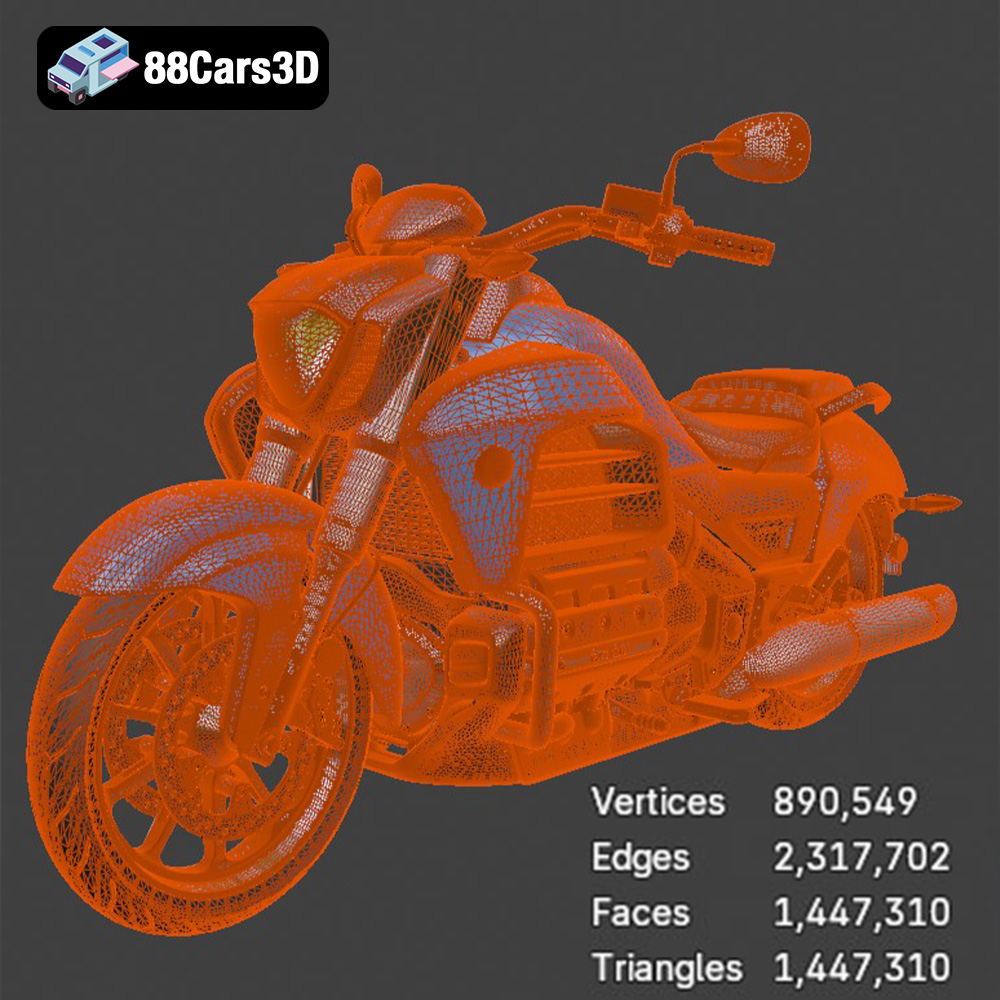
The polygon count is another crucial factor. While high poly counts (hundreds of thousands or millions) are desirable for cinematic rendering where every minute detail counts, lower poly counts (tens of thousands) are vital for game assets and real-time applications to maintain performance. A professional model often provides different Levels of Detail (LODs) or is built in such a way that it can be easily optimized for various uses without compromising its core integrity. The Honda Valkyrie model’s professional-grade polygon structures indicate it strikes this balance, offering detail where needed while maintaining a clean base.
Geometry defines the shape; materials and textures breathe life into it. The shift towards Physically Based Rendering (PBR) workflows has revolutionized how digital surfaces behave, aiming to accurately simulate how light interacts with real-world materials. This involves a suite of texture maps: Albedo (base color), Normal (for surface detail without added geometry), Roughness (how diffuse or shiny a surface is), Metallic (whether a surface is metal or dielectric), and Ambient Occlusion (simulating indirect shadows). Each component of the Honda Valkyrie, from the chrome exhaust pipes to the matte black engine block and the glossy paintwork, requires carefully crafted PBR materials to achieve photorealism.
High-resolution textures, expertly UV unwrapped, are paramount. UV unwrapping is the process of flattening the 3D surface into 2D space so that a texture can be applied without stretching or distortion. A well-executed UV layout maximizes texture resolution, minimizes seams, and ensures textures are utilized efficiently. The “expertly crafted textures” and “realistic materials” promised by the Honda Valkyrie GL1800C 2015 3D Model description are precisely what enable those stunning, lifelike renders that are indistinguishable from real photography.
The true value of a versatile 3D asset, especially a meticulously detailed one like the Honda Valkyrie GL1800C 2015 3D Model from 88cars3d.com, lies in its adaptability across various professional workflows. Whether you’re aiming for cinematic realism or interactive experiences, the model’s inherent quality and diverse file format support provide a strong foundation.
For high-fidelity marketing visuals, product showcases, or film-quality animations, dedicated rendering software like 3ds Max (with V-Ray or Corona Renderer) or Blender (with Cycles or Eevee) is indispensable. The .max and .blend files included with the Honda Valkyrie GL1800C model provide native access to the complete scene, including carefully configured materials and lighting setups. Artists can quickly import the model, position it in a virtual studio or an outdoor environment, and begin setting up advanced camera angles to highlight its intricate details. Utilizing global illumination, realistic depth of field, and motion blur effects, the model can be brought to life in breathtaking still images or dynamic animations. Imagine a sleek camera pan revealing the Valkyrie’s polished engine, or a dramatic slow-motion sequence of it cruising down an open road—all made possible by the model’s robust construction and render-ready materials. This level of detail is crucial for automotive rendering that captures an audience’s attention.
In the fast-paced world of game development, efficiency and optimization are key. The Honda Valkyrie GL1800C 2015 3D Model, with its .fbx and specific .unreal formats, is built to excel as a game asset. Game engines like Unreal Engine and Unity rely on optimized models to maintain high frame rates. This often involves creating Levels of Detail (LODs) – progressively lower polygon versions of the model that swap in as the player moves further away, reducing rendering load without noticeable quality loss. The model’s clean geometry simplifies this process. Furthermore, game engines require collision meshes to define physical boundaries, and the Valkyrie model’s robust structure makes generating these accurate collision representations straightforward. Artists can import the model, apply its PBR textures, set up vehicle physics, and even implement custom animations for handlebars, wheels, and suspension, creating an immersive and interactive riding experience within a virtual world.
The rise of Augmented and Virtual Reality demands models that are highly optimized for real-time interaction and portability. The .glb format of the Honda Valkyrie GL1800C 2015 3D Model is specifically tailored for these emerging platforms. Its single-file, self-contained nature ensures quick loading and rendering within AR apps on mobile devices or immersive VR environments. Use cases include virtual showrooms where customers can explore the motorcycle from every angle, interactive training simulations for mechanics, or engaging marketing experiences where the Valkyrie can be placed in a real-world setting via AR. The model’s balanced detail allows for rich visual fidelity without bogging down performance, crucial for fluid AR/VR interactions.
The journey of a 3D model doesn’t always end on a screen. For engineers, product designers, and hobbyists, the ability to transition a digital asset into a tangible object through 3D printing opens up a world of possibilities. The Honda Valkyrie GL1800C 2015 3D Model, with its inclusion of .stl and .ply formats, bridges the gap between the virtual and the physical, making it a valuable tool for physical fabrication.
Converting a high-detail rendering model into a print-ready asset requires specific considerations. The .stl format, the standard for 3D printing, demands a “watertight” mesh – one without any holes or non-manifold geometry, where every edge connects to exactly two faces. This ensures the 3D printer understands what is solid and what is empty space. Additionally, models must adhere to minimum wall thickness requirements to prevent fragile printed parts, and scale must be accurately defined. The clean geometry of the Honda Valkyrie GL1800C model is inherently advantageous here, minimizing the need for extensive cleanup before sending it to a slicer. Its robust construction ensures that all components, from the handlebars to the engine fins, can be accurately translated into a physical form.
Beyond simply printing a miniature replica, the Honda Valkyrie model can be utilized for rapid prototyping. Industrial designers can print sections of the motorcycle to test ergonomic features, visualize new custom parts, or assess the physical presence of design modifications. This iterative process, moving quickly from digital design to physical prototype and back, significantly accelerates development cycles. For specialized projects, the .ply format offers a more detailed polygon mesh, sometimes preferred for higher precision industrial applications or when transferring to CAD software for further engineering analysis. Whether creating a scale model for display or prototyping a custom accessory, the Honda Valkyrie GL1800C 2015 3D Model provides a solid foundation for physical manifestation, a key aspect for any comprehensive 3D car models library.
High-quality 3D automotive models are not just artistic endeavors; they are strategic assets driving innovation and efficiency across various industries. The Honda Valkyrie GL1800C 2015 3D Model exemplifies the kind of versatile asset that finds application in a multitude of professional scenarios, showcasing the power of detailed 3D car models.
The automotive industry thrives on stunning visuals. Instead of costly and time-consuming physical photo shoots or video productions, companies increasingly rely on 3D automotive rendering to create photorealistic imagery for marketing campaigns. The Honda Valkyrie GL1800C 2015 3D Model could be used to generate high-resolution renders for brochures, online configurators, social media campaigns, and television commercials. Imagine creating an advertisement featuring the Valkyrie riding through diverse virtual landscapes – from cityscapes to winding mountain roads – all without moving a single physical motorcycle. This approach offers unparalleled creative control, the ability to iterate rapidly on designs and environments, and significant cost savings. It allows marketers to showcase every detail, every curve, and every gleam of the motorcycle in perfectly controlled lighting, creating aspirational visuals that resonate with potential buyers.
The complexity of modern vehicles necessitates advanced training solutions. Detailed 3D models are at the heart of realistic training simulators. For instance, the Honda Valkyrie GL1800C 2015 3D Model could be integrated into a virtual reality riding simulator, allowing new riders to practice maneuvers in a safe, controlled environment. Mechanics could use an interactive 3D model to virtually “disassemble” and “reassemble” the engine, learning complex maintenance procedures without risk or wear on actual parts. These simulations provide hands-on experience, improve skill retention, and reduce the costs associated with physical training equipment. The model’s accurate depiction of mechanical details is crucial for such applications, offering a true-to-life representation for educational purposes.
From blockbuster films with stunning visual effects to immersive video games, the entertainment industry constantly pushes the boundaries of digital realism. Detailed 3D vehicle models are indispensable for creating believable worlds and engaging experiences. In film, the Honda Valkyrie GL1800C model could be digitally placed into chase sequences, background scenery, or used for precise stunt pre-visualization, where real-world filming is impractical or dangerous. In video games, it would serve as a high-fidelity game asset, allowing players to experience the thrill of riding the Valkyrie in open-world environments or competitive races. The robust geometry and expertly crafted textures of the model ensure it holds up to close-ups and dynamic camera movements, making it a perfect fit for virtual production pipelines.
The demand for high-quality 3D models continues to grow across an ever-expanding array of industries. From captivating cinematic renders and immersive game worlds to practical applications in AR/VR and physical prototyping, the foundation of success lies in the fidelity and versatility of your digital assets. The Honda Valkyrie GL1800C 2015 3D Model stands as a prime example of such an asset – meticulously crafted with clean geometry, realistic materials, and a comprehensive suite of file formats tailored for diverse professional pipelines.
Whether you’re an automotive designer, a game developer, a marketing professional, or an architect building a complex visualization, having access to professionally built 3D car models and vehicle assets significantly streamlines your workflow and elevates the quality of your output. The precision and detail embodied in models like the Honda Valkyrie GL1800C 2015 allow creators to focus on innovation and storytelling, rather than the painstaking process of building complex geometry from scratch.
Investing in high-grade 3D car models is an investment in efficiency, realism, and creative freedom. Explore the full potential of your next project by starting with a robust digital foundation. For this exceptional Honda Valkyrie GL1800C 2015 3D Model and a wide array of other high-quality 3D assets, visit 88cars3d.com today and discover the difference professional-grade models can make.
Experience the realistic precision of the Honda Valkyrie GL1800C 2015 3D Model. This authentic digital replica accurately captures the powerful stance and intricate mechanical details of the renowned motorcycle. Built with clean geometry and professional-grade polygon structures, this model ensures seamless integration into any digital pipeline. It features realistic materials and expertly crafted textures, bringing an accurate look to the engine, chassis, and bodywork. Designed for diverse professional applications, this model is perfectly suited for game development, cinematic rendering, AR/VR experiences, and interactive visualization projects. The package includes a comprehensive set of file formats to guarantee compatibility across various industry-standard software: .blend, .fbx, .obj, .glb, .stl, .ply, .unreal, .max.
$19.99
.arvr
.blend
.car3dmodel
.cruiser
.fbx
.gameasset
.gl1800c
.glb
.honda
.max
.motorcycle
.obj
.ply
.rendering
.simulation
.stl
.unreal
.valkyrie