Get 20% OFF All Premium 3D & STL Models!

“`html
The world of 3D printing offers incredible possibilities for automotive enthusiasts and model makers. Creating intricate car interiors, once a painstaking manual process, is now achievable with precision and relative ease using 3D printing technology and readily available STL files. This guide delves into the technical aspects of 3D printing detailed car interiors, covering everything from STL file preparation to post-processing techniques. We’ll explore crucial settings, material choices, and troubleshooting tips to help you achieve stunning results. Whether you’re aiming for a realistic scale model or a custom design, this article will equip you with the knowledge and skills to bring your vision to life. Platforms like 88cars3d.com offer a wide selection of high-quality STL files specifically designed for 3D printing car models, providing a great starting point for your project.
In this comprehensive guide, you’ll learn about:
The foundation of any successful 3D print is a well-prepared STL file. STL (Stereolithography) is a file format that represents 3D surface geometry using a collection of triangles. The quality of the STL file directly impacts the final print. A high-resolution STL file, containing a larger number of smaller triangles, will capture finer details and result in a smoother surface finish. However, excessively high resolution can lead to larger file sizes and increased processing time during slicing.
When choosing an STL file for a car interior, pay close attention to the level of detail in the mesh. Examine areas such as the dashboard, seats, steering wheel, and center console. Are the contours smooth and defined? Are there any noticeable facets or jagged edges? A good STL file will accurately represent the intended design without excessive triangulation. Many CAD programs allow you to control the export resolution when saving as an STL, striking a balance between detail and file size. If you notice issues with the mesh, consider using mesh repair software like Meshmixer or Netfabb to correct errors before proceeding.
A “manifold” mesh is one that is closed, has no holes, and doesn’t have any self-intersections. Non-manifold geometry can cause significant problems during slicing and printing, leading to missing features, incorrect support generation, or even print failures. Most slicing software includes built-in tools for detecting and repairing non-manifold errors. Before slicing your STL file, always run a mesh analysis to identify and fix any potential issues. Common errors include inverted normals (faces pointing the wrong direction), holes in the mesh, and overlapping triangles. These errors can often be automatically repaired by the software, but in some cases, manual editing may be required.
Slicing is the process of converting a 3D model into a series of layers that the 3D printer can understand. The slicing software (e.g., Cura, PrusaSlicer) takes the STL file as input and generates a G-code file containing instructions for the printer’s movements, temperature settings, and material extrusion. Optimizing the slicing parameters is crucial for achieving high-quality prints, especially when dealing with intricate car interiors. The right settings can significantly impact the resolution, surface finish, and overall accuracy of the final product.
Layer height is one of the most critical slicing parameters. It determines the thickness of each layer that the printer deposits. Lower layer heights (e.g., 0.05mm – 0.1mm) result in finer details and smoother surfaces, but they also significantly increase print time. Higher layer heights (e.g., 0.2mm – 0.3mm) allow for faster printing but sacrifice detail and surface quality. For detailed car interiors, a layer height between 0.08mm and 0.15mm is generally recommended, providing a good balance between resolution and print time. Experiment with different layer heights to find the optimal setting for your specific printer and model.
Infill refers to the internal structure of the 3D printed part. It’s typically expressed as a percentage, with 0% being completely hollow and 100% being completely solid. While a solid infill provides maximum strength and rigidity, it also consumes more material and increases print time. For car interiors, a low to moderate infill density (10% – 25%) is usually sufficient, as the primary focus is on aesthetics rather than structural integrity. The infill pattern can also affect the print quality. Common patterns include grid, honeycomb, and gyroid. For complex geometries, a gyroid infill is often preferred, as it provides isotropic strength and minimizes the risk of internal stress buildup. When downloading models from marketplaces such as 88cars3d.com, consider the intended use of the model to determine the appropriate infill settings.
Support structures are temporary structures that are printed to support overhanging features and prevent them from collapsing during printing. They are essential for printing complex geometries, such as those found in car interiors. However, generating and removing support structures can be challenging, especially when dealing with delicate features. The key is to strike a balance between providing adequate support and minimizing the risk of damage during removal. Many advanced slicing programs such as PrusaSlicer have adaptive support features which adjust the support density based on the overhang angle.
The placement of support structures is critical for successful printing. Ideally, support structures should be placed in areas that are easily accessible for removal and that are least likely to affect the visible surfaces of the printed part. Consider using manual support placement tools in your slicing software to precisely control where support structures are generated. Avoid placing supports on delicate features or areas that require a smooth surface finish. Angled supports (e.g., 45 degrees) are often more stable and easier to remove than vertical supports. When possible, orient the model in a way that minimizes the need for support structures.
The material used for support structures can also affect the ease of removal. Some materials, such as HIPS (High Impact Polystyrene), are specifically designed to be used as support material and can be dissolved in a solvent, leaving the printed part clean and undamaged. For FDM printing, using a dual-extruder printer with a dedicated support material can significantly improve the quality of the printed part. In resin printing, the support material is typically the same resin as the main model. To improve support removal, consider using an interface layer between the support structures and the printed part. An interface layer is a thin layer of material that is designed to be easily broken away, reducing the risk of damage during support removal.
The choice of material is a crucial factor in determining the final appearance, strength, and durability of your 3D printed car interior. Different materials have different properties and are suitable for different applications. The two main types of 3D printing technologies – FDM (Fused Deposition Modeling) and resin printing – utilize different materials and offer distinct advantages and disadvantages.
FDM printing uses filaments, which are thermoplastic polymers that are heated and extruded through a nozzle. Common FDM materials include PLA (Polylactic Acid), PETG (Polyethylene Terephthalate Glycol), and ABS (Acrylonitrile Butadiene Styrene). PLA is a biodegradable material that is easy to print and offers good detail. However, it is not as strong or heat-resistant as other materials. PETG is a stronger and more durable material than PLA, with good chemical resistance. It is also relatively easy to print, but it can be prone to stringing. ABS is a strong and heat-resistant material, but it is more difficult to print than PLA and PETG, requiring a heated bed and enclosure to prevent warping. For car interiors, PETG is often a good choice, offering a balance of strength, durability, and ease of printing.
Resin printing uses liquid resins that are cured by UV light. The three main types of resin printing are SLA (Stereolithography), DLP (Digital Light Processing), and LCD (Liquid Crystal Display). Resin printing offers much higher resolution and detail than FDM printing, making it ideal for printing intricate car interiors. However, resin prints are often more brittle than FDM prints and may require post-processing to improve their strength and durability. Different types of resins are available, including standard resins, tough resins, and flexible resins. For car interiors, a standard resin or a tough resin is typically recommended. Consider the trade-offs of each when selecting from platforms like 88cars3d.com offering print-ready STL files.
Achieving high-quality 3D prints of detailed car interiors requires careful calibration of your 3D printer and precise adjustment of printer settings. This includes calibrating the extruder, leveling the print bed, and fine-tuning the temperature, speed, and retraction settings. The optimal settings will vary depending on the type of printer, the material being used, and the complexity of the model.
The printing temperature is a crucial parameter that affects the adhesion between layers and the overall strength of the printed part. The optimal temperature will vary depending on the material being used. Refer to the manufacturer’s recommendations for the recommended temperature range. The printing speed also affects the print quality. Lower speeds (e.g., 30-40 mm/s) generally result in better detail and smoother surfaces, but they also increase print time. Higher speeds (e.g., 50-60 mm/s) can be used for less critical areas. Retraction settings control the amount of filament that is pulled back into the nozzle when the printer moves between different parts of the model. Proper retraction settings can minimize stringing and improve the overall appearance of the printed part.
Good bed adhesion is essential for preventing warping and ensuring that the printed part stays firmly attached to the build plate throughout the printing process. Several techniques can be used to improve bed adhesion, including using a heated bed, applying a bed adhesive (e.g., glue stick, hairspray, blue tape), and using a brim or raft. A heated bed helps to keep the material warm and prevent it from cooling too quickly, which can cause warping. Bed adhesives provide a sticky surface that helps to hold the printed part in place. A brim is a single-layer outline that is printed around the base of the model, providing a larger surface area for adhesion. A raft is a multi-layer platform that is printed beneath the model, providing a stable base and preventing warping. For small, detailed parts like car interiors, a brim or raft is highly recommended.
Post-processing is the set of techniques used to refine and enhance the appearance and functionality of 3D printed parts after they have been printed. This can include removing support structures, sanding, painting, assembling multiple parts, and applying coatings or finishes. Post-processing is particularly important for car interiors, where a high level of realism and attention to detail is desired.
Sanding is used to smooth the surface of the printed part and remove any imperfections. Start with coarse-grit sandpaper (e.g., 120-grit) and gradually move to finer grits (e.g., 400-grit, 600-grit) to achieve a smooth finish. For larger imperfections or gaps, use a filler material, such as epoxy putty or body filler. Apply the filler to the affected areas and sand it smooth after it has dried. Priming is used to create a uniform surface for painting. Apply a thin layer of primer to the entire part and sand it lightly after it has dried. This will help the paint adhere properly and prevent any imperfections from showing through.
Painting is used to add color and realism to the printed part. Use high-quality acrylic paints that are specifically designed for plastic models. Apply multiple thin layers of paint, allowing each layer to dry completely before applying the next. For a glossy finish, apply a clear coat after the paint has dried. Various finishing techniques can be used to enhance the realism of the car interior, such as dry brushing, weathering, and applying decals. Dry brushing involves lightly applying paint to the raised edges of the model to highlight details. Weathering involves adding dirt, grime, and other imperfections to create a more realistic appearance. Decals can be used to add logos, emblems, and other details to the model.
By mastering these techniques, you can create stunning 3D printed car interiors that capture the essence of automotive design. Remember to experiment with different settings and materials to find what works best for your specific printer and model. The world of 3D printing is constantly evolving, so stay curious and keep learning!
Even with careful preparation and optimized settings, you may encounter some common 3D printing issues. Identifying and addressing these problems quickly is essential for achieving successful prints. Here are some common issues and their solutions:
By proactively addressing these common issues and continually refining your printing techniques, you’ll significantly improve your success rate and achieve consistently high-quality results when 3D printing detailed car interiors.
3D printing detailed car interiors from STL files is a rewarding and technically challenging endeavor. By understanding the nuances of STL file preparation, slicing parameters, support structures, material selection, printer settings, and post-processing techniques, you can unlock the full potential of this technology. Remember that experimentation is key. Each printer and material will behave slightly differently, so don’t be afraid to try different settings and techniques to find what works best for you. Focus on optimizing layer height, support placement, and material selection to bring out the finest details in your models. With practice and patience, you’ll be able to create stunning 3D printed car interiors that capture the essence of automotive design. The availability of high-quality models on platforms like 88cars3d.com makes this process even more accessible. Take the knowledge you’ve gained here and apply it to your next 3D printing project. Happy printing!
“`
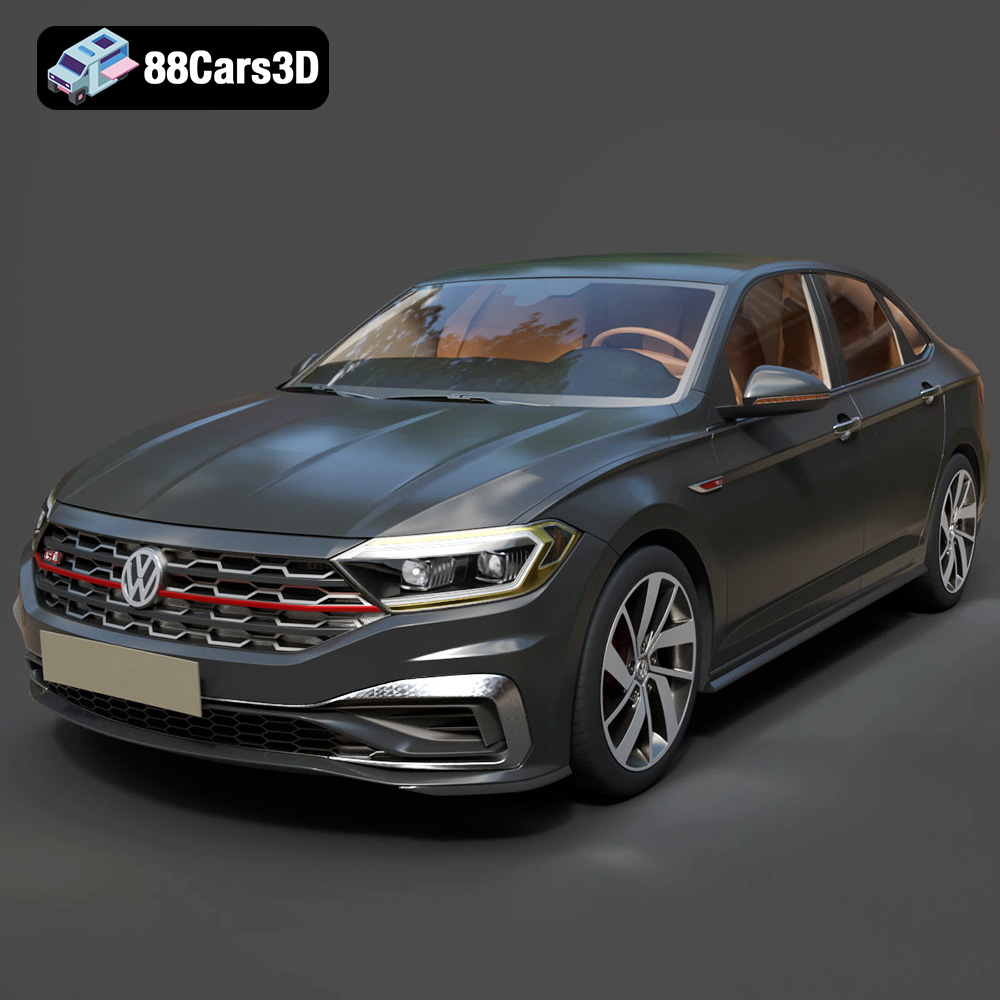
Texture: Yes | Material: Yes
Download the highly detailed, game-ready Volkswagen Jetta GLI 2019 3D Model. Features an aggressive honeycomb grille with red accents, sleek aerodynamic profile, and exclusive GLI sport wheels. Includes .blend, .fbx, .obj, .glb, .stl, .ply, .unreal, and .max formats for game development, AR/VR, and rendering.
Price: $19.99
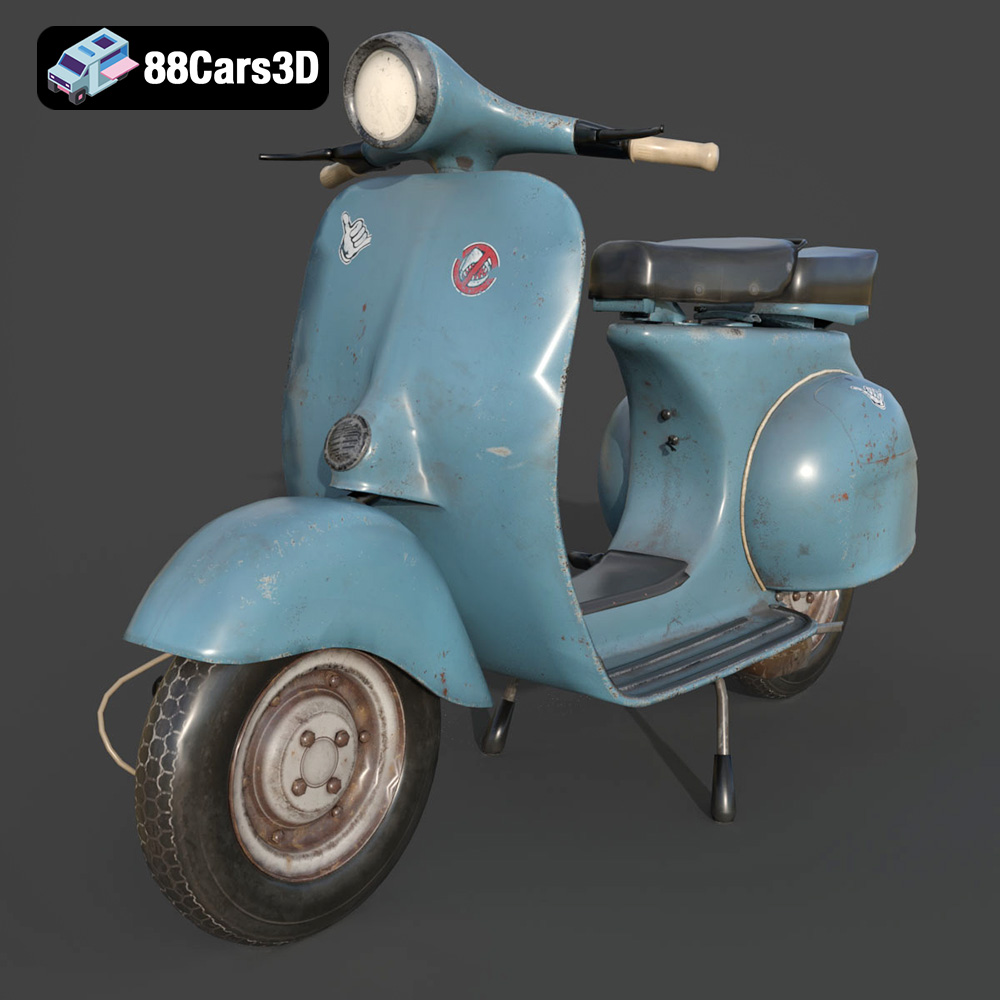
Texture: Yes | Material: Yes
Download the highly detailed, game-ready Vintage Vespa 3D Model. Features iconic rounded monocoque styling, classic saddle, and chrome accents. Includes .blend, .fbx, .obj, .glb, .stl, .ply, .unreal, and .max formats for game development, AR/VR, and rendering.
Price: $19.99

Texture: Yes | Material: Yes
Download the highly detailed, game-ready Vespa GS 150 3D Model. Features elegant aerodynamic curves, classic leg shield, and detailed engine casing. Includes .blend, .fbx, .obj, .glb, .stl, .ply, .unreal, and .max formats for game development, AR/VR, and rendering.
Price: $19.99
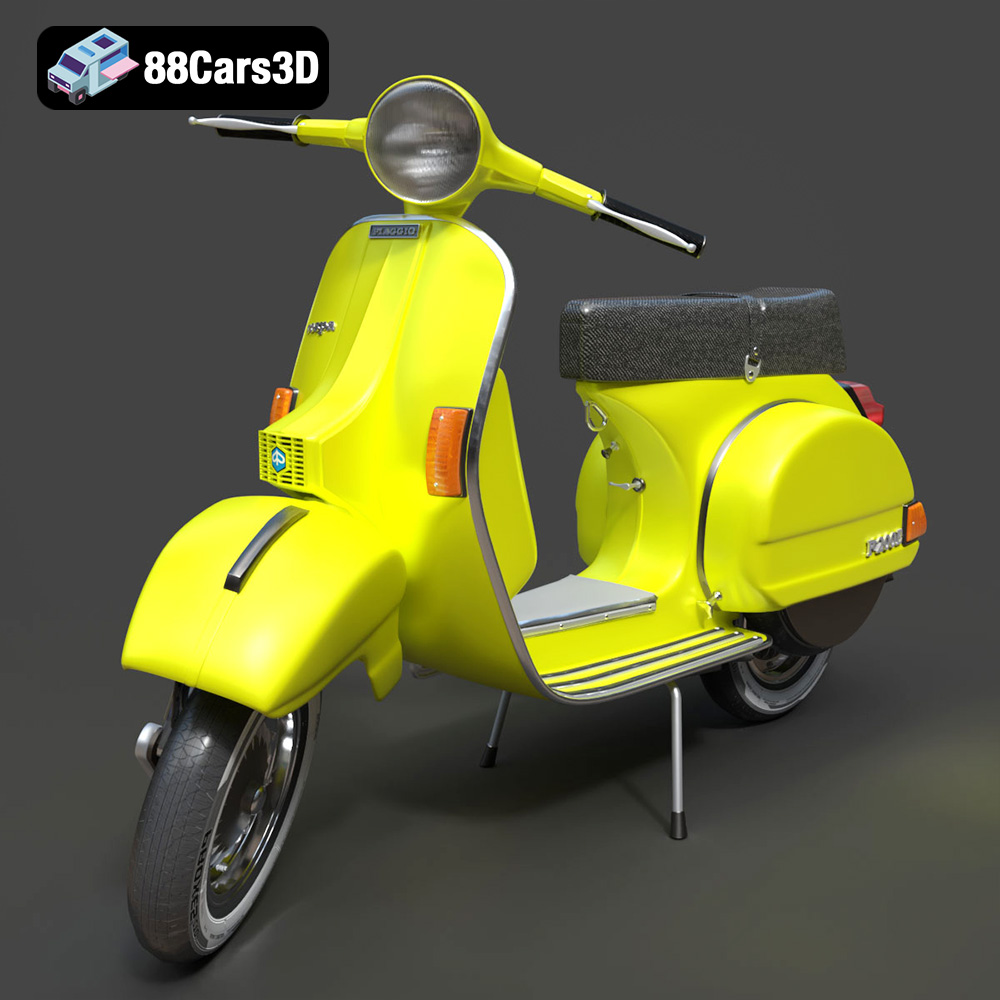
Texture: Yes | Material: Yes
Download the highly detailed, game-ready Vespa P200E 3D Model. Features classic vintage styling, accurate step-through frame geometry, and authentic detailing. Includes .blend, .fbx, .obj, .glb, .stl, .ply, .unreal, and .max formats for game development, AR/VR, and rendering.
Price: $19.99
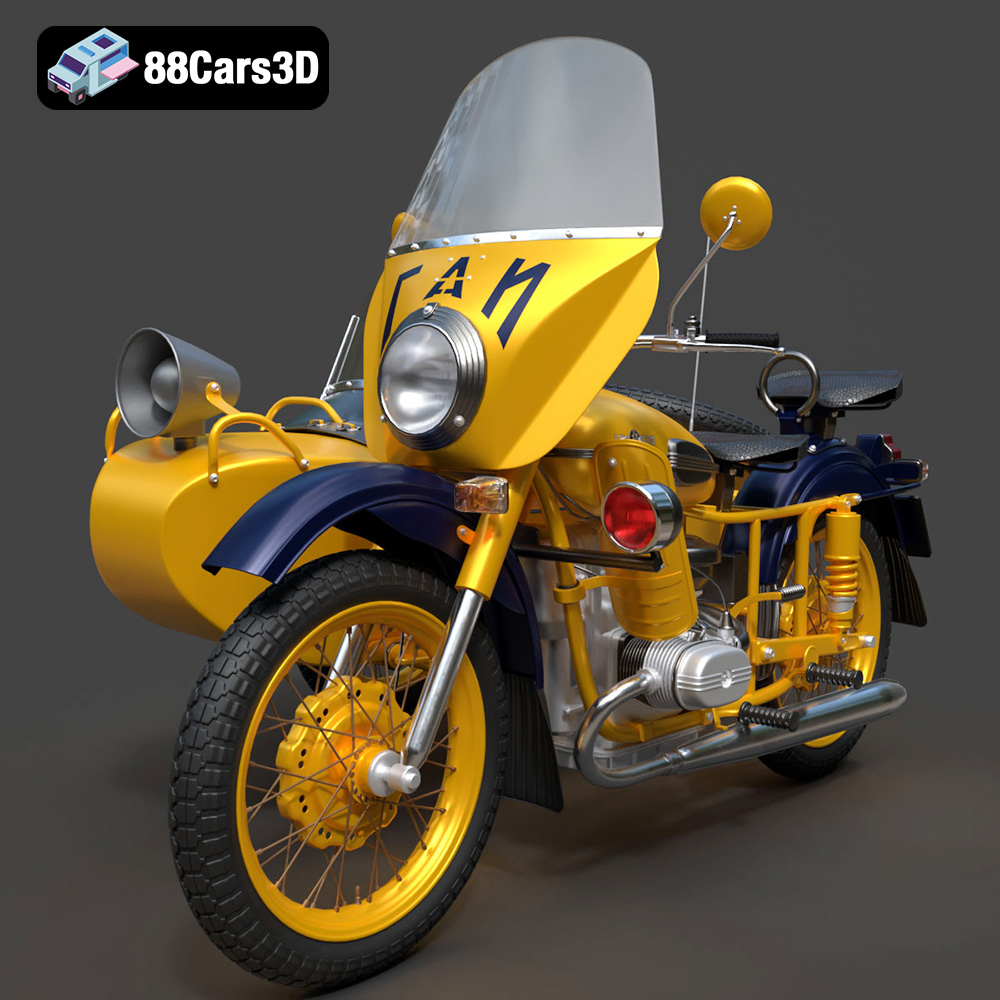
Texture: Yes | Material: Yes
Download the highly detailed, game-ready Ural M67-36-P 1976 3D Model. Features the iconic air-cooled boxer engine, vintage utilitarian styling, and authentic spoked wheels. Includes .blend, .fbx, .obj, .glb, .stl, .ply, .unreal, and .max formats for game development, AR/VR, and rendering.
Price: $19.99
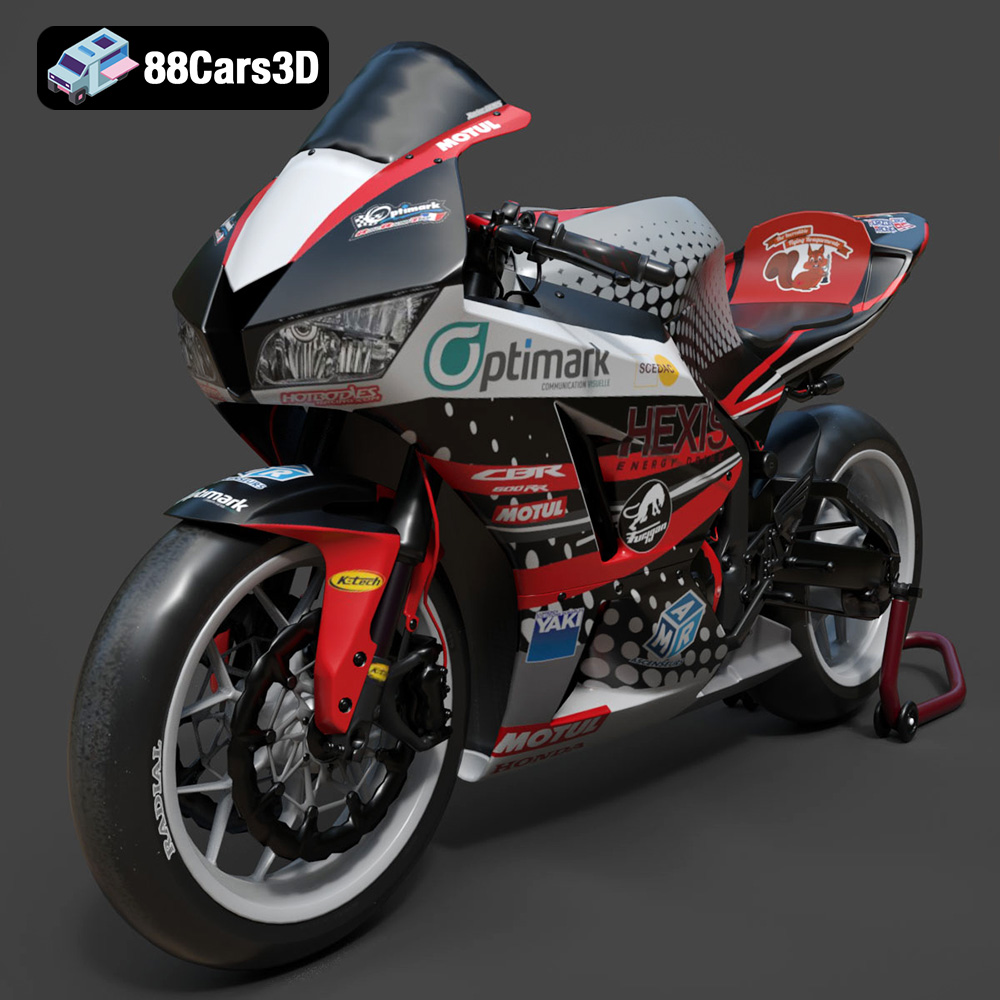
Texture: Yes | Material: Yes
Download the highly detailed, game-ready Honda CBR600RR 3D Model. Features aerodynamic fairings, an iconic center-up exhaust, and an aggressive track-focused stance. Includes .blend, .fbx, .obj, .glb, .stl, .ply, .unreal, and .max formats for game development, AR/VR, and rendering.
Price: $19.99
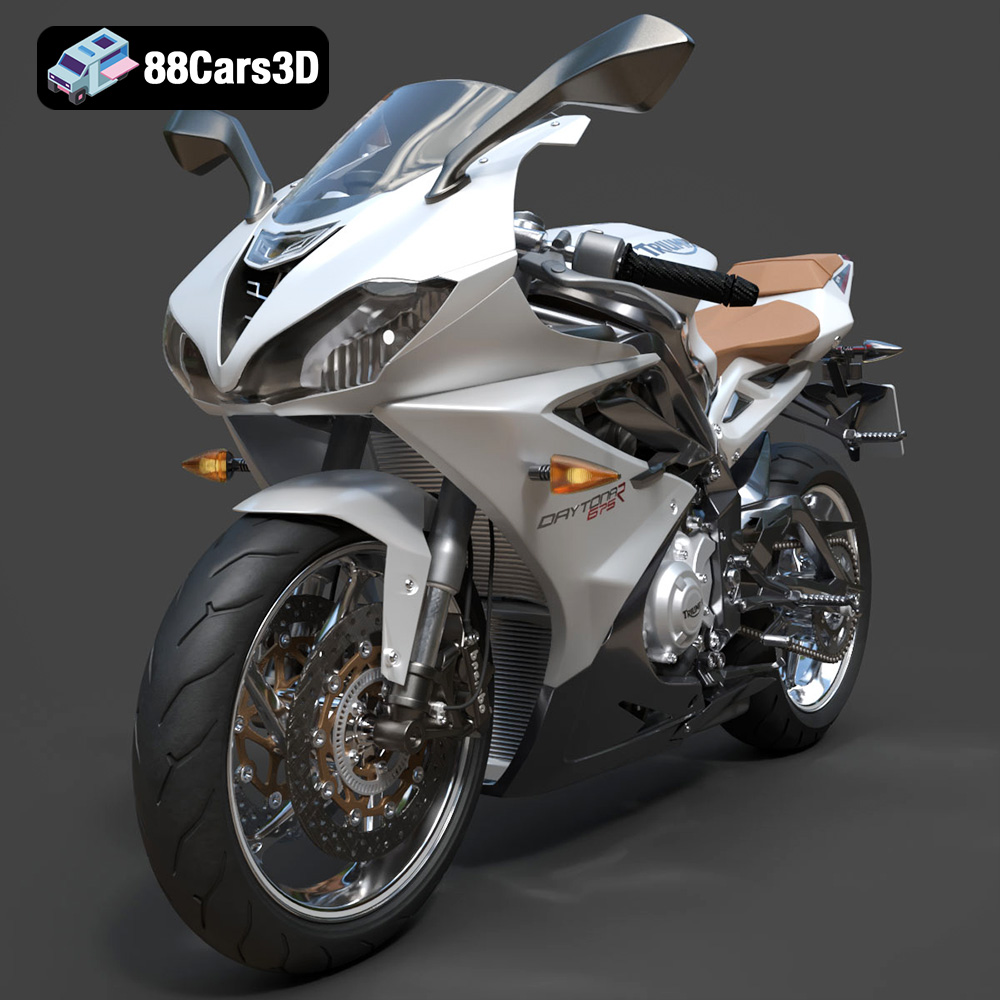
Texture: Yes | Material: Yes
Download the highly detailed, game-ready Triumph Daytona 675R ABS 2015 3D Model. Features aerodynamic sport fairings, a detailed inline-triple engine, and premium Öhlins suspension components. Includes .blend, .fbx, .obj, .glb, .stl, .ply, .unreal, and .max formats for game development, AR/VR, and rendering.
Price: $19.99

Texture: Yes | Material: Yes
Download the highly detailed, game-ready Toyota Tacoma TRD Off-Road 2016 3D Model. Features a rugged exterior, TRD off-road suspension details, and a meticulously crafted interior. Includes .blend, .fbx, .obj, .glb, .stl, .ply, .unreal, and .max formats for game development, AR/VR, and rendering.
Price: $19.99

Texture: Yes | Material: Yes
Download the highly detailed, game-ready Toyota Supra 2020 3D Model. Features aggressive aerodynamic styling, a distinctive double-bubble roof, and accurate B58 engine components. Includes .blend, .fbx, .obj, .glb, .stl, .ply, .unreal, and .max formats for game development, AR/VR, and rendering.
Price: $19.99
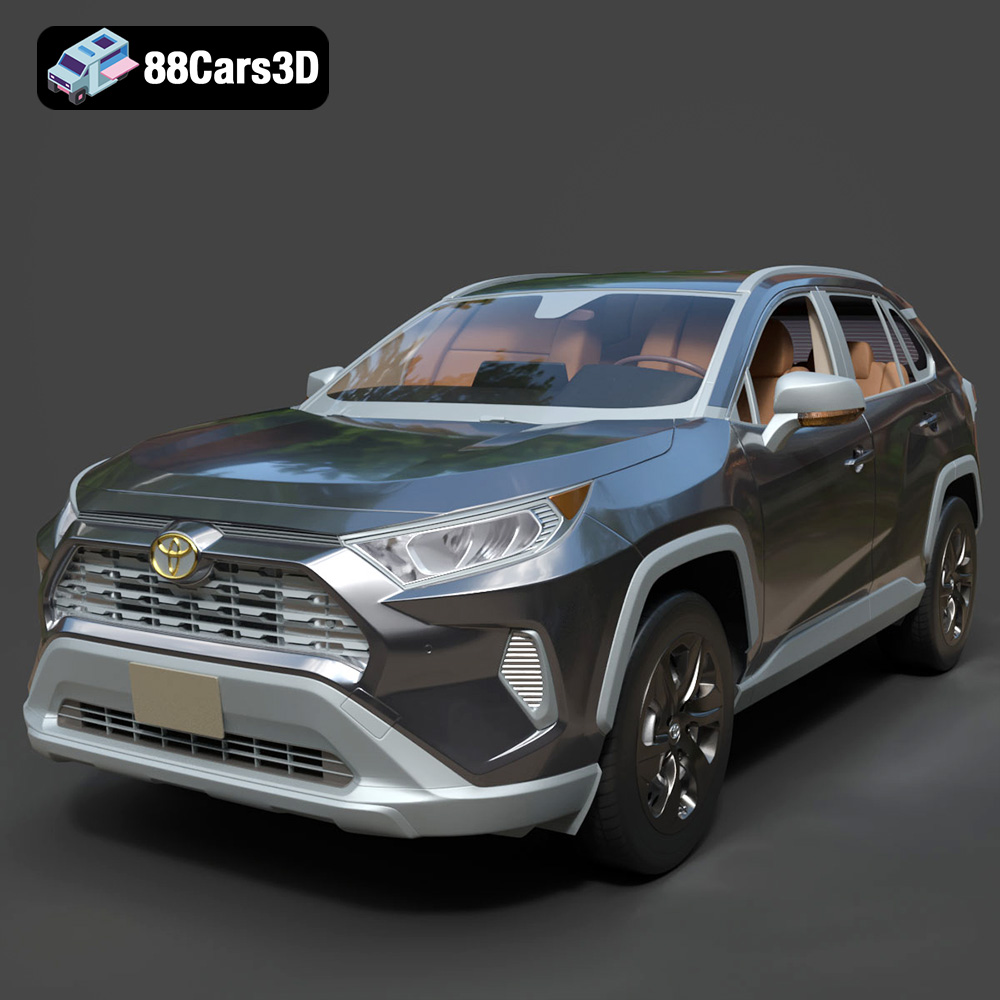
Texture: Yes | Material: Yes
Download the highly detailed, game-ready Toyota RAV4 LE 2019 3D Model. Features rugged exterior styling, signature polygonal motif, and a detailed interior. Includes .blend, .fbx, .obj, .glb, .stl, .ply, .unreal, and .max formats for game development, AR/VR, and rendering.
Price: $19.99

