Get 20% OFF All Premium 3D & STL Models!

In the dynamic realm of 3D visualization, the demand for exceptionally crafted digital assets continues to soar. From groundbreaking video games and cinematic renderings to immersive AR/VR experiences and detailed technical simulations, the quality of your 3D models forms the bedrock of your project’s success. A meticulously designed asset not only captures attention but also streamlines production workflows, saving invaluable time and resources. Today, we delve into the intricate world of professional 3D models, spotlighting a prime example of precision engineering: the Tesla Space Rocket-001 3D Model.
This remarkable asset stands as a testament to the blend of artistic vision and technical prowess, offering a robust foundation for a myriad of digital applications. Its clean geometry, realistic materials, and optimized topology are engineered to meet the rigorous demands of professional visual projects. Whether you’re an independent developer or part of a large studio, understanding the technical underpinnings and practical applications of such a model is crucial for leveraging its full potential. Join us as we explore how a high-quality asset like the Tesla Space Rocket-001 can elevate your digital creations, available among a curated selection of premium 3D models at 88cars3d.com.
The pixel-perfect worlds we experience in games, films, and simulations are built upon an intricate tapestry of 3D models. Each asset, from the smallest bolt to the most complex spacecraft, contributes to the overall fidelity and performance of the final output. The difference between a generic, low-effort model and a professionally crafted one is profound, impacting everything from rendering speed to user experience.
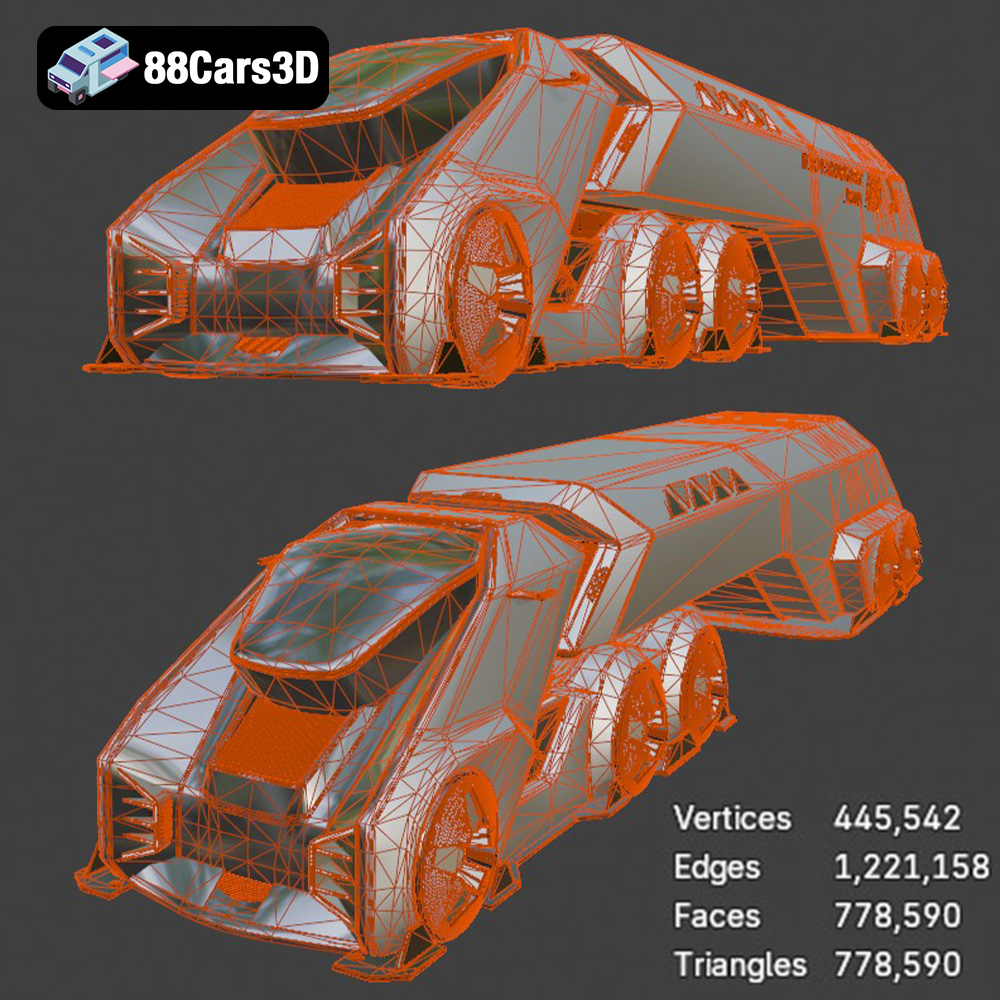
While visual appeal is often the first thing noticed, the true value of a high-quality 3D model extends far beyond its surface aesthetics. Precision geometry, optimized polygon counts, and efficient UV mapping are critical for maintaining performance, especially in real-time environments like game engines and AR/VR applications. A model with excessive polygons or messy topology can lead to significant rendering bottlenecks, causing frame rate drops and a less fluid user experience. The Tesla Space Rocket-001 3D Model, with its “optimized topology,” ensures that it’s not just visually stunning but also highly performant, capable of standing up to close-up renders without compromising system stability.
Investing in subpar 3D assets often leads to a false economy. Models with dirty geometry, non-manifold edges, or incorrect scale can require extensive rework, consuming precious artist time and delaying project timelines. Furthermore, poor UVs can make texturing a nightmare, while unoptimized materials can lead to inconsistent lighting and shading. A professional-grade asset, like those found on 88cars3d.com, comes pre-configured and ready for integration, minimizing post-purchase adjustments and allowing artists to focus on creative tasks rather than technical troubleshooting. This streamlined workflow is invaluable for meeting tight deadlines and maintaining project momentum.
High-quality 3D models serve as the vital bridge between conceptual design and tangible digital reality. For the Tesla Space Rocket-001 3D Model, this means accurately translating the futuristic design and structural elements into a digital form that feels authentic and believable. Such fidelity is paramount for simulations, technical visualizations, and even storytelling, where the audience’s immersion hinges on the perceived realism of the digital environment. Whether it’s showcasing a new product, simulating a complex engineering process, or crafting an epic space adventure, a detailed and well-executed model elevates the entire presentation.
The versatility of a 3D model is often determined by the range of file formats it supports. Each format serves a specific purpose, catering to different software, workflows, and end-use scenarios. The Tesla Space Rocket-001 3D Model is exemplary in its comprehensive format support, ensuring seamless integration into virtually any professional pipeline. Understanding these formats is critical for optimizing your workflow and achieving your project goals efficiently.
.blend – Fully editable Blender scene with materials: Blender has rapidly become a dominant force in the 3D industry, prized for its open-source nature and powerful feature set. The .blend format is Blender’s native file type, encapsulating the entire scene, including mesh data, materials, textures, lighting, cameras, and animation curves. When you acquire a .blend file for the Tesla Space Rocket-001, you gain full editable access. This is invaluable for artists who want to dissect the model, make specific modifications to its geometry or materials, re-rig it, or integrate it into complex Blender scenes with specific lighting setups. It offers the highest degree of flexibility for customization and advanced production workflows within the Blender ecosystem.
.max – Editable 3ds Max project for animation and rendering: For users of Autodesk 3ds Max, the .max format is the native project file. Like .blend, it contains all scene information, from geometry and materials to animation and rendering settings. 3ds Max is a powerhouse for architectural visualization, product rendering, and character animation, making the .max file for the Tesla Space Rocket-001 perfect for high-fidelity rendering projects or integrating the rocket into elaborate animated sequences. It provides the full capabilities of 3ds Max for complex scene assembly, advanced material creation, and cinematic-quality output.
.fbx – Ideal for Unreal, Unity, and real-time pipelines: The Filmbox (.fbx) format, owned by Autodesk, has become the industry standard for exchanging 3D data between different software applications, especially for game development. It’s incredibly robust, capable of storing not just mesh data and UVs, but also materials, textures, animations, and even skeletal rigs. The .fbx file of the Tesla Space Rocket-001 is “game-engine ready,” making it the go-to choice for seamless import into Unreal Engine, Unity, and other real-time platforms. Its optimization for real-time applications ensures that assets transfer efficiently while preserving critical data integrity.
.obj – Universal format for cross-software compatibility: The Wavefront .obj format is one of the oldest and most widely supported 3D file formats. While it’s primarily used for storing mesh geometry, UV data, and material references (via an accompanying .mtl file), it doesn’t typically embed animations or complex scene data. This makes the .obj version of the Tesla Space Rocket-001 an excellent choice for universal compatibility across virtually all 3D software packages, from CAD programs to sculpting applications. It’s a reliable, lightweight format for static mesh exchange when you need maximum interoperability.
.glb – Optimized for AR, VR, and browser-based display: The GLB (GL Transmission Format Binary) is the binary version of glTF, a royalty-free specification for 3D scenes and models. .glb files are highly efficient and self-contained, embedding all textures, materials, and animations directly within a single file. This makes the .glb variant of the Tesla Space Rocket-001 perfectly “optimized for AR/VR and web-based visualization,” ideal for quick loading in augmented reality apps, virtual reality environments, and interactive 3D viewers directly within web browsers. It’s a critical format for delivering immersive experiences on modern platforms.
.stl – Suitable for 3D printing output: The Stereolithography (.stl) format is the de facto standard for 3D printing. It represents a 3D model as a collection of unconnected triangular facets, making it excellent for manufacturing and rapid prototyping. The .stl file for the Tesla Space Rocket-001 would be stripped of material and texture data, focusing solely on the geometric shell. This format is essential if your project involves creating a physical prototype or a scale model of the rocket, ensuring accurate dimensional representation for additive manufacturing processes.
.ply – Precision mesh format for CAD or analysis: The Polygon File Format (.ply) is a flexible format for storing 3D data, particularly useful for scanned data and high-precision meshes. It can store various properties like color, transparency, surface normals, and texture coordinates for each vertex or face. While less common for general animation or rendering than .fbx or .obj, the .ply version of the Tesla Space Rocket-001 would be invaluable for engineers or researchers needing a “detailed polygon mesh for analysis and visualization,” often in CAD software or scientific simulation environments where precise geometric data is paramount.
.unreal – Engine-ready asset for real-time environments: While not a standalone file format in the traditional sense, “unreal” typically refers to an asset that has been specifically configured and sometimes packaged for direct import or use within Unreal Engine. This often implies proper scaling, collision setups, LODs (Levels of Detail), and material instances already configured to Unreal’s PBR workflow. For the Tesla Space Rocket-001, an “.unreal” offering signifies that the model is “pre-configured for Unreal Engine use,” saving developers considerable time on initial setup and optimization, and ensuring it integrates seamlessly into the engine’s rendering pipeline and project structure.
The description of the Tesla Space Rocket-001 3D Model emphasizes several critical technical attributes that define its professional quality. These aren’t just buzzwords; they represent fundamental principles of 3D asset creation that ensure versatility, performance, and visual fidelity across diverse applications.
A “highly detailed digital asset crafted for professional visual projects” starts with impeccable geometry. This means clean, quad-based topology (where possible), minimal non-manifold geometry, and no stray vertices or edges. Optimized topology refers to the strategic distribution of polygons: enough to capture crucial details and smooth curves, but not so many that it becomes overly heavy for real-time applications. For the Tesla Space Rocket-001, this balance is crucial, allowing it to look stunning in cinematic renders while remaining efficient enough for interactive game environments. Good topology also facilitates easier UV unwrapping, deformation for animation, and the creation of Level of Detail (LOD) assets for performance scaling.
The phrase “realistic materials” points directly to the use of Physically Based Rendering (PBR) workflows. PBR materials accurately simulate how light interacts with surfaces in the real world, resulting in more consistent and believable rendering across various lighting conditions and rendering engines (e.g., V-Ray, Octane, Cycles, Unreal Engine’s native renderer). This involves a suite of texture maps beyond just a basic color (Albedo/Base Color), including metallic, roughness, normal, ambient occlusion, and sometimes emissive maps. The Tesla Space Rocket-001’s “fully textured components” suggest a complete PBR texture set, ensuring that its metallic panels, exhaust nozzles, and intricate structural elements respond realistically to light, making it suitable for “close-up renders and complex lighting setups.”
Clean UVs (unwrapped texture coordinates) are the unsung heroes of high-quality 3D models. They are essential for applying textures without distortion, seams, or stretching. The description implies that the Tesla Space Rocket-001 features “clean geometry” which often goes hand-in-hand with well-executed UVs. Proper UV mapping maximizes texture resolution where it counts, such as on prominent surfaces, and minimizes wasted space. This meticulous approach ensures that the model’s textures look sharp and consistent, allowing for the application of intricate decals, wear and tear effects, and high-resolution details that truly bring the spacecraft to life in any rendering or game engine.
The true measure of a high-quality 3D asset lies in its adaptability. The Tesla Space Rocket-001 3D Model is designed with diverse professional applications in mind, offering seamless integration into various digital production pipelines.
Game developers constantly seek assets that are both visually compelling and performant. With its “game-engine ready format for Unreal Engine and Unity” (.fbx and .unreal files), the Tesla Space Rocket-001 is an ideal candidate for integration into sci-fi games, space simulations, or futuristic open-world titles. Its optimized topology and PBR materials translate directly into these engines, reducing the need for extensive post-import optimization. Developers can quickly incorporate it as a player’s vessel, an NPC spacecraft, or a detailed environmental prop, leveraging its pre-configured state to accelerate level design and gameplay implementation. The availability of a dedicated .unreal file further streamlines this, often including pre-setup materials, collisions, and even LODs.
For cinematics, product showcases, or architectural visualizations involving futuristic themes, the Tesla Space Rocket-001 shines. Its “editable 3ds Max file for rendering and animation” (.max) and “editable Blender file with materials and lighting setup” (.blend) provide animators and render artists with maximum control. Artists can animate docking sequences, launch trajectories, or intricate camera fly-throughs. The realistic materials will interact beautifully with advanced renderers like V-Ray, Octane, or Cycles, producing breathtaking, photorealistic images and animations for film, advertising, or broadcast media. The inherent detail allows for extreme close-ups without loss of fidelity, perfect for highlighting design features.
Augmented Reality (AR) and Virtual Reality (VR) demand highly optimized assets that can render smoothly on a wide range of devices. The “optimized for AR/VR and web-based visualization” .glb format is tailor-made for these applications. Imagine placing the Tesla Space Rocket-001 onto a desk via an AR app, allowing users to explore its design in a real-world context, or navigating its interior in a fully immersive VR experience. The model’s optimized geometry and textures ensure that it contributes to a fluid and believable experience, critical for training simulations, interactive product showcases, or educational modules in virtual environments.
Beyond entertainment, the Tesla Space Rocket-001 3D Model is a valuable tool for technical and engineering visualization. The “detailed polygon mesh for analysis and visualization” (.ply) and “suitable for 3D printing and prototyping” (.stl) formats open doors for practical applications. Engineers could use the .ply file in CAD software for structural analysis or aerodynamic simulations. The .stl file allows for rapid prototyping, enabling the creation of physical scale models for concept reviews, wind tunnel testing, or even as high-fidelity display pieces. This cross-disciplinary utility underscores the model’s comprehensive design and precision.
To truly appreciate the utility of a versatile 3D asset, it helps to envision its application in various real-world scenarios. The Tesla Space Rocket-001 3D Model offers a wealth of possibilities.
Consider a hypothetical AAA science fiction game where players command a fleet of spacecraft. Integrating the Tesla Space Rocket-001 as a hero ship or a significant in-game asset would be seamless. Using the .fbx or .unreal format, developers could drop it directly into the game engine. Its optimized mesh would contribute to stable frame rates, while its high-resolution PBR textures would ensure it looks stunning in various lighting conditions – from the harsh glare of a distant sun to the subtle glow of a nebulae. The distinctive design of the rocket could even serve as an iconic visual element for the game’s branding, appearing on loading screens, marketing materials, and character selection interfaces.
Imagine an architectural firm tasked with visualizing a futuristic spaceport. The Tesla Space Rocket-001 could be prominently featured within the scenes. Imported into 3ds Max via the .max file, it could be positioned on a landing pad, being serviced by ground crew, or even launching from a designated bay. The detailed model would provide a sense of scale and realism to the environment, showcasing how the spaceport infrastructure interacts with advanced spacecraft. Rendered with powerful engines like V-Ray or Corona, the rocket would cast accurate shadows, reflect ambient light, and contribute to a hyper-realistic depiction of a bustling cosmic hub, enhancing the overall presentation for clients or investors.
Beyond entertainment, the Tesla Space Rocket-001 can serve as a powerful tool in educational or training contexts. Using the .glb format, an educational platform could develop an AR application allowing students to explore the rocket in 3D, dissect its components, and understand its design principles right on their tablet or smartphone. In a VR training module for aspiring astronauts or aerospace engineers, the .unreal version could place users directly inside or around the spacecraft, offering interactive learning experiences about its systems, maintenance procedures, or launch protocols in a safe, virtual environment. The model’s precision ensures that such simulations are accurate and highly engaging.
In the competitive world of digital content creation, efficiency and quality are paramount. Sourcing high-quality 3D models like the Tesla Space Rocket-001 from reputable marketplaces such as 88cars3d.com offers significant advantages.
Creating a highly detailed, optimized 3D model from scratch is a labor-intensive process, demanding significant artistic and technical expertise. By acquiring a pre-made asset like the Tesla Space Rocket-001, project teams can drastically reduce their development timeline and associated costs. The model is “engineered with precision,” meaning it’s ready to drop into most projects, bypassing the lengthy stages of modeling, unwrapping, texturing, and initial optimization. This allows artists to focus on integrating the asset and iterating on creative ideas rather than spending weeks on foundational modeling tasks.
When working on large-scale projects or across multiple teams, maintaining visual consistency can be challenging. Using a professionally developed 3D model provides a consistent benchmark for quality. The Tesla Space Rocket-001 3D Model, with its “robust foundation for dynamic rendering and interactive environments,” guarantees a high standard of visual fidelity that can be replicated across various scenes and applications. This consistency is vital for maintaining brand identity in product visualizations or ensuring a unified aesthetic throughout a game or film production.
The comprehensive range of file formats available for the Tesla Space Rocket-001 (.blend, .fbx, .obj, .glb, .stl, .ply, .unreal, .max) ensures its longevity and adaptability. As software evolves or new platforms emerge, having a model available in multiple industry-standard and specialized formats means it remains a valuable asset for years to come. This approach to asset distribution future-proofs your digital library, allowing you to repurpose and integrate the model into projects that may not even exist yet, maximizing the return on your investment in high-quality 3D assets.
The journey through the creation and application of high-quality 3D models reveals their indispensable role in modern digital production. From the nuanced technicalities of optimized topology and PBR materials to the strategic selection of file formats for diverse pipelines, every aspect contributes to a model’s effectiveness and longevity. The Tesla Space Rocket-001 3D Model exemplifies these principles, offering a meticulously crafted asset that is ready to propel your projects to new heights.
Its versatility across game development, cinematic rendering, AR/VR experiences, and technical visualization makes it an invaluable addition to any professional’s toolkit. By investing in such a detailed and well-supported asset, you’re not just buying a model; you’re acquiring a powerful tool that saves time, ensures quality, and expands your creative possibilities. For this exceptional piece of digital engineering and other premium 3D models, be sure to explore the extensive collection available at 88cars3d.com, where quality meets innovation to power your next groundbreaking project.
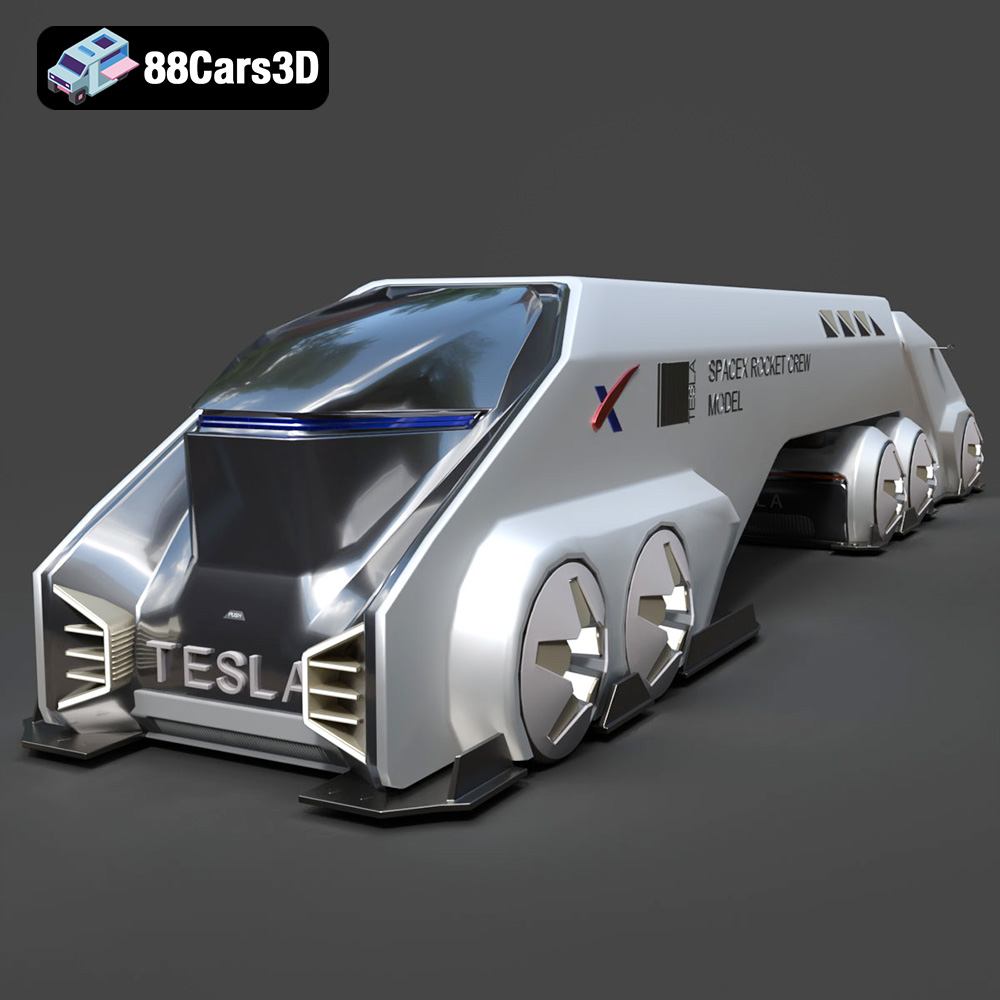
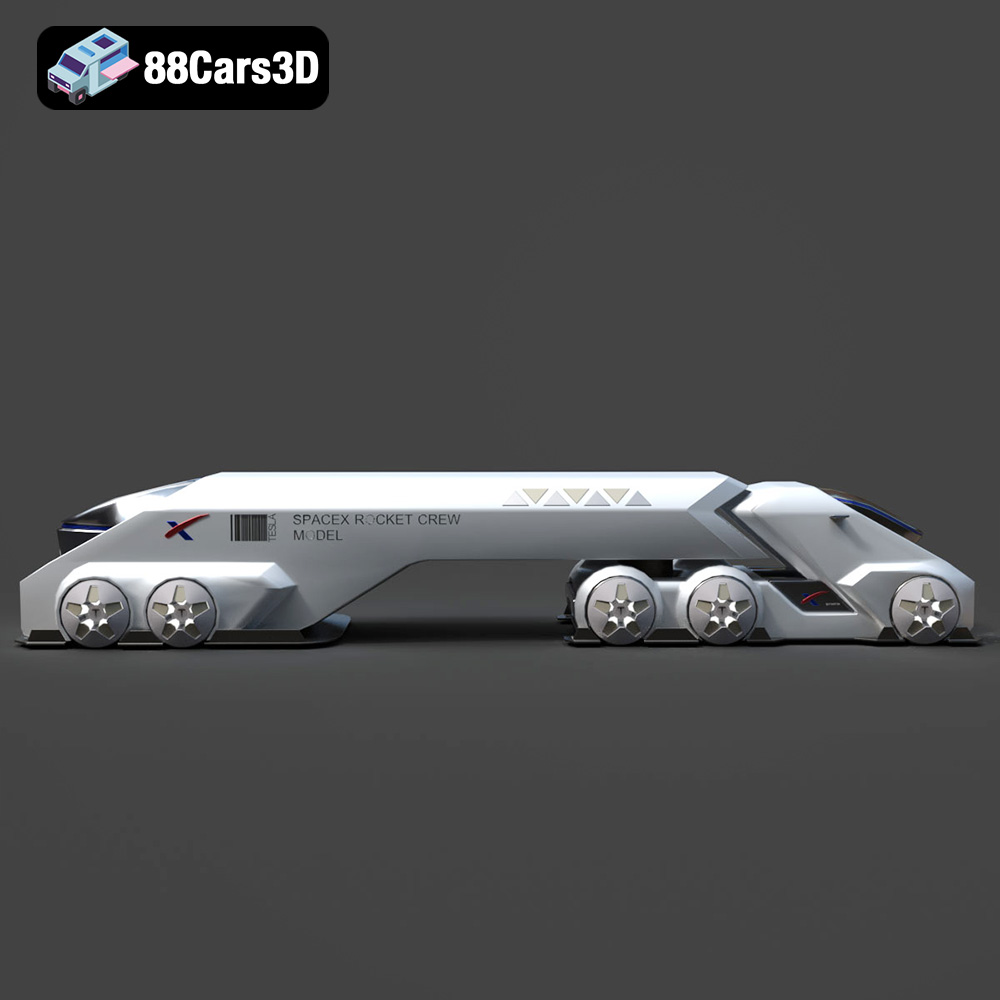
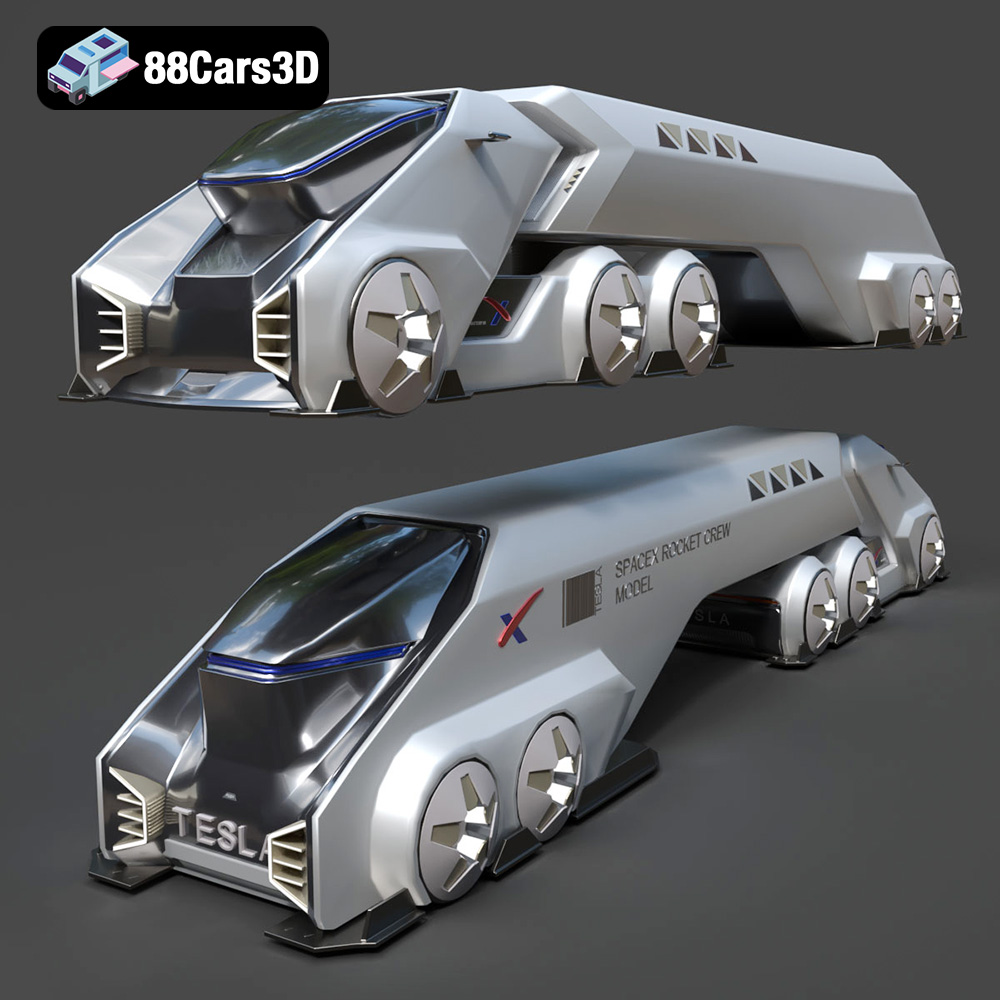
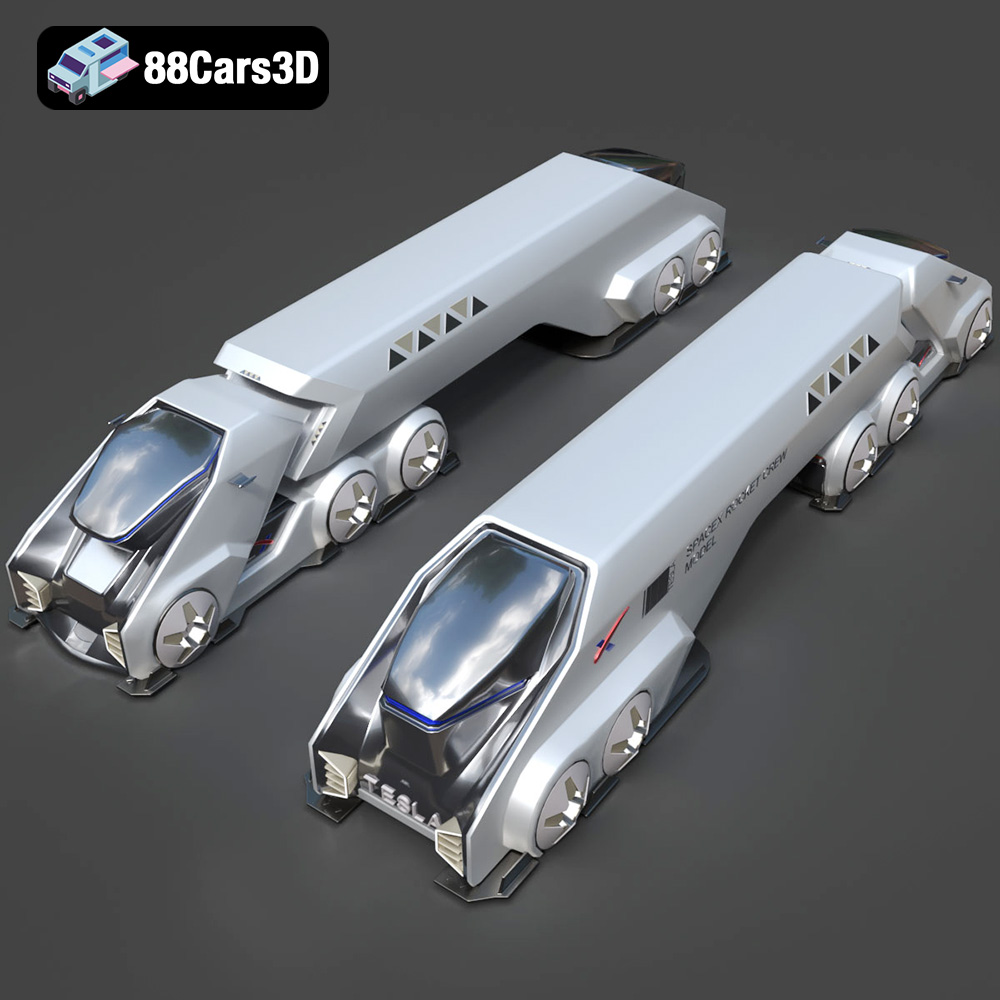
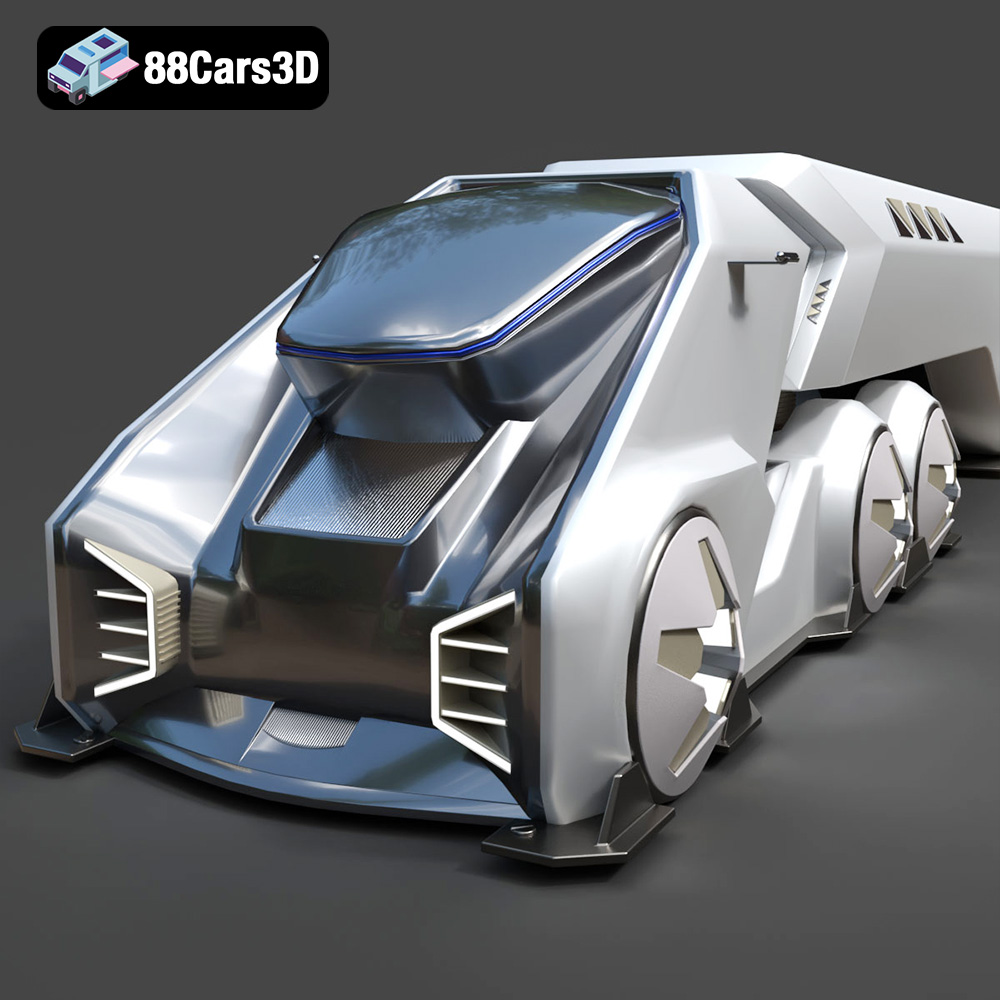
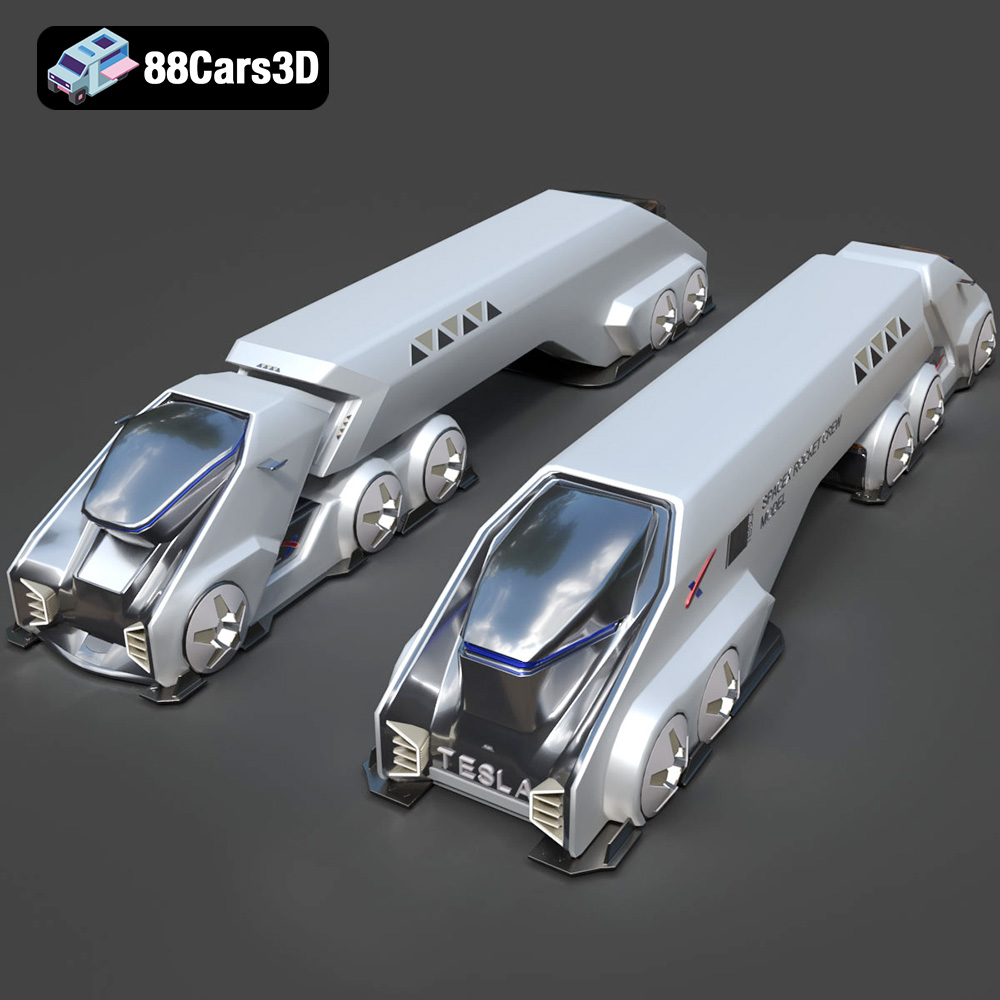
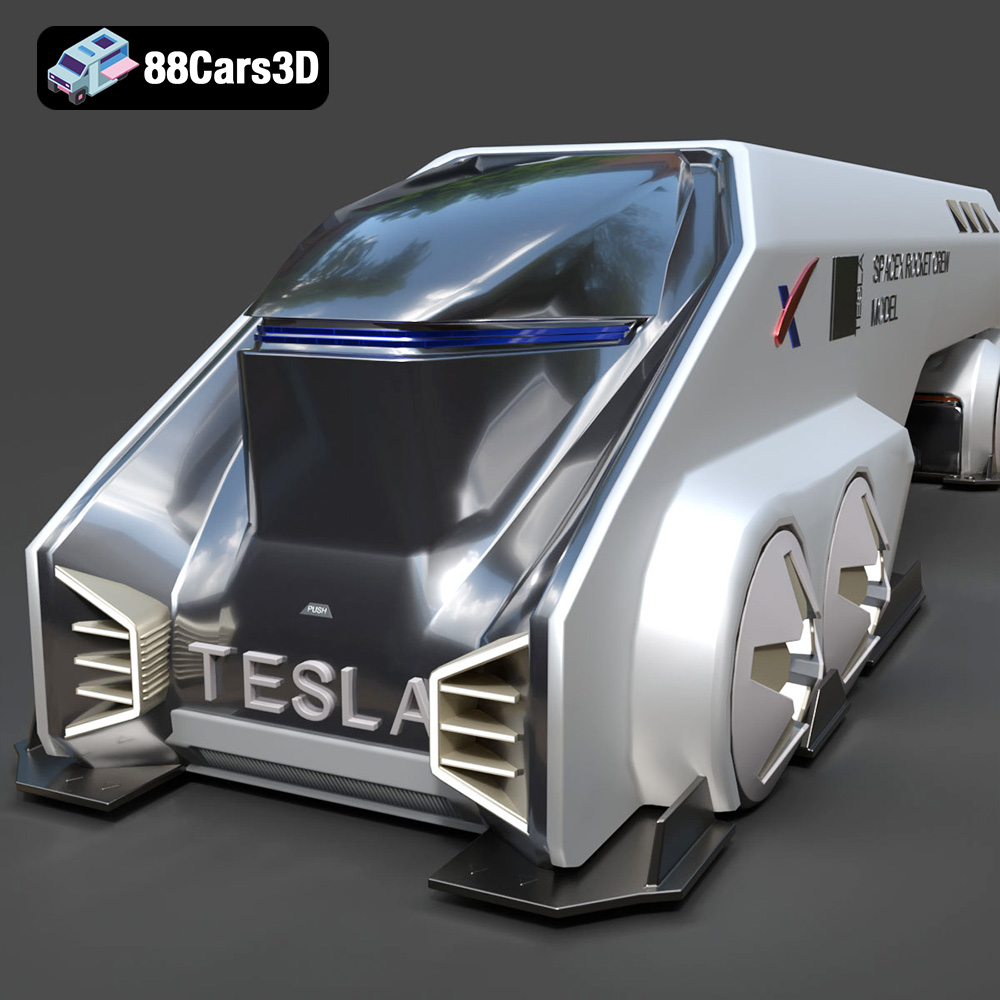
Discover the Tesla Space Rocket-001 3D Model, a highly detailed digital asset crafted for professional visual projects. This model accurately captures the futuristic design and structural elements of the Tesla Space Rocket-001, providing a robust foundation for dynamic rendering and interactive environments.
Engineered with precision, this model features clean geometry, realistic materials, and optimized topology. The fully textured components ensure that it stands up to close-up renders and complex lighting setups while maintaining optimal system performance across different engines.
Ideal for diverse applications, this model is perfectly suited for video game development, architectural rendering, immersive AR/VR experiences, and detailed technical visualization.
Available in a comprehensive range of file formats to integrate seamlessly into your preferred workflow:
Tags: .tesla, .spacerocket, .rocket, .spacecraft, .concept, .car3dmodel, .rendering, .simulation, .gameasset, .arvr, .blend, .fbx, .obj, .glb, .stl, .ply, .unreal, .max
Tags:
.tesla, .spacerocket, .rocket, .spacecraft, .concept, .car3dmodel, .rendering, .simulation, .gameasset, .arvr, .blend, .fbx, .obj, .glb, .stl, .ply, .unreal, .maxMercedes Benz CLS 500 3D Model 3D Printable STL
$19.99
.arvr
.blend
.car3dmodel
.concept
.fbx
.gameasset
.glb
.max
.obj
.ply
.rendering
.rocket
.simulation
.spacecraft
.spacerocket
.stl
.tesla
.unreal