Get 20% OFF All Premium 3D & STL Models!

In the rapidly evolving digital landscape, the demand for high-fidelity 3D assets is more critical than ever. From cinematic automotive renders to immersive virtual reality experiences and real-time game environments, the quality of a 3D model can make or break a project. Automotive design, in particular, thrives on precision, realism, and efficiency, pushing artists and developers to seek out assets that embody these core principles. The ability to seamlessly integrate a vehicle model into diverse workflows, while maintaining visual integrity and performance, is paramount for professionals across various industries.
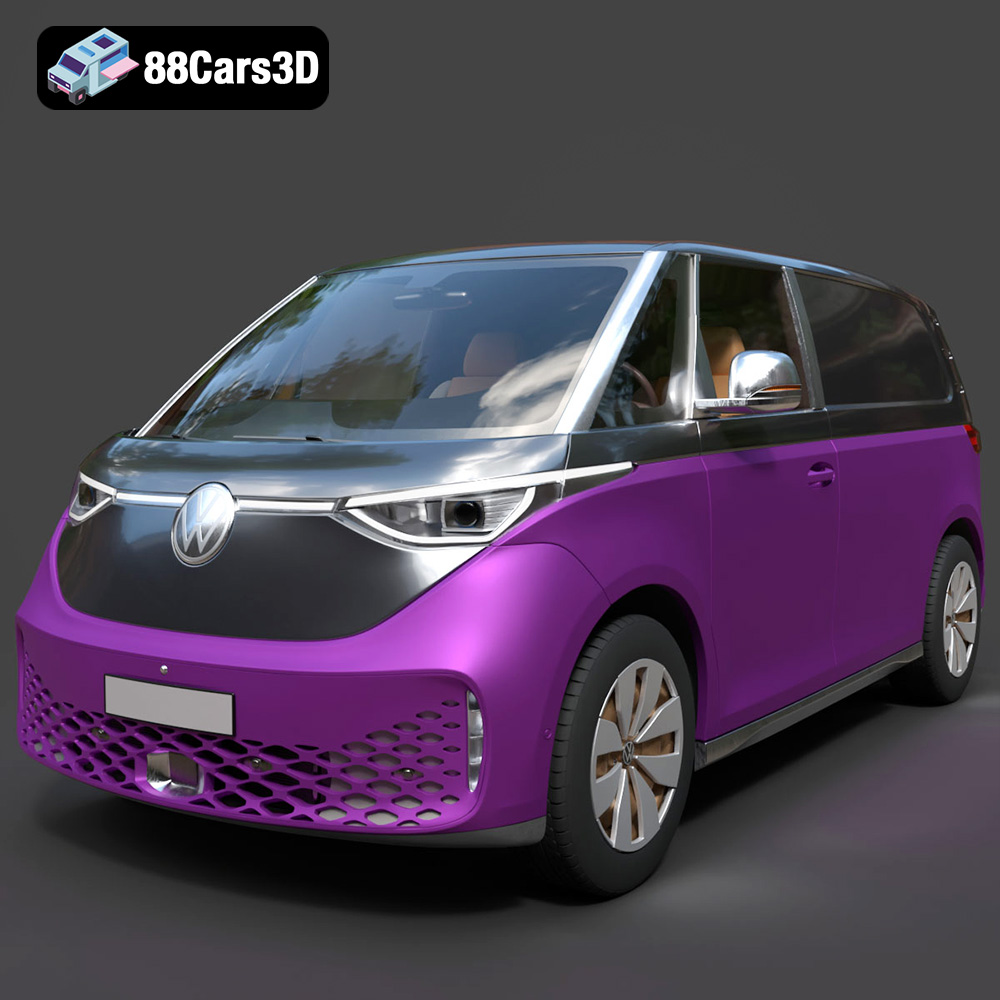
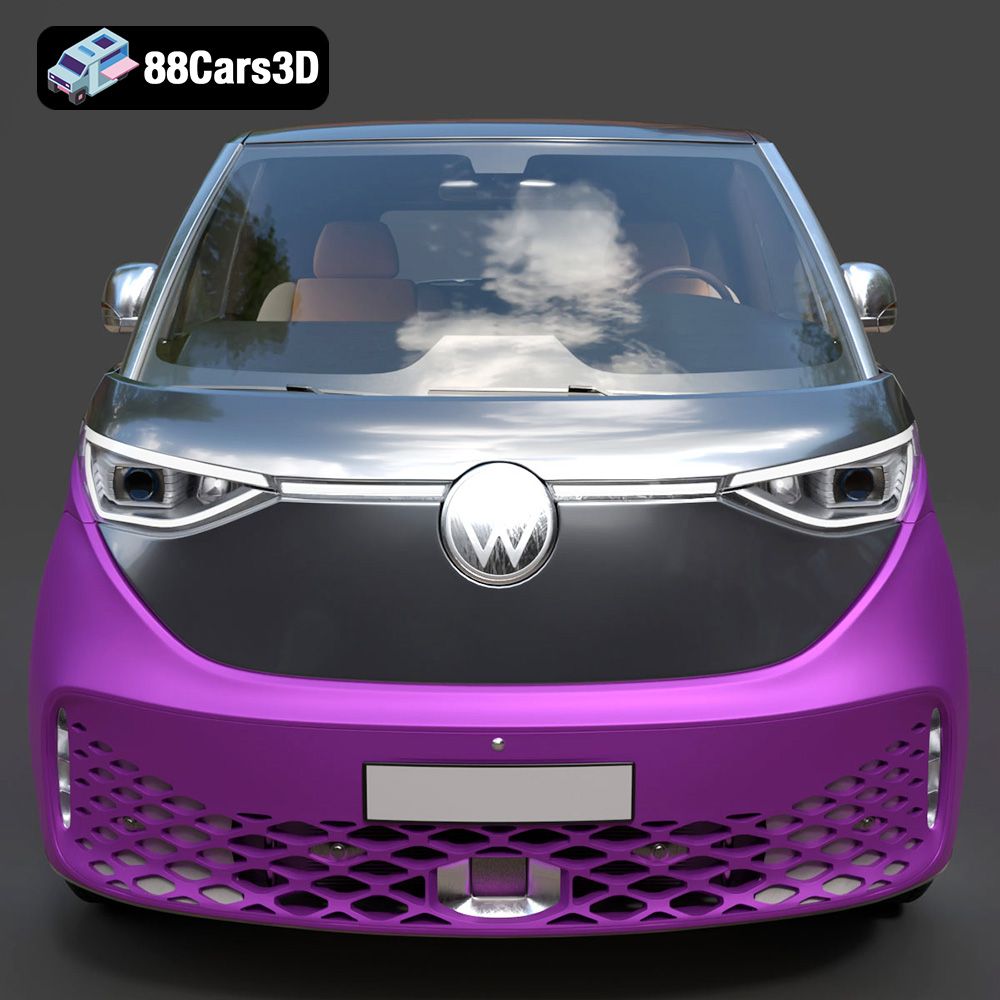
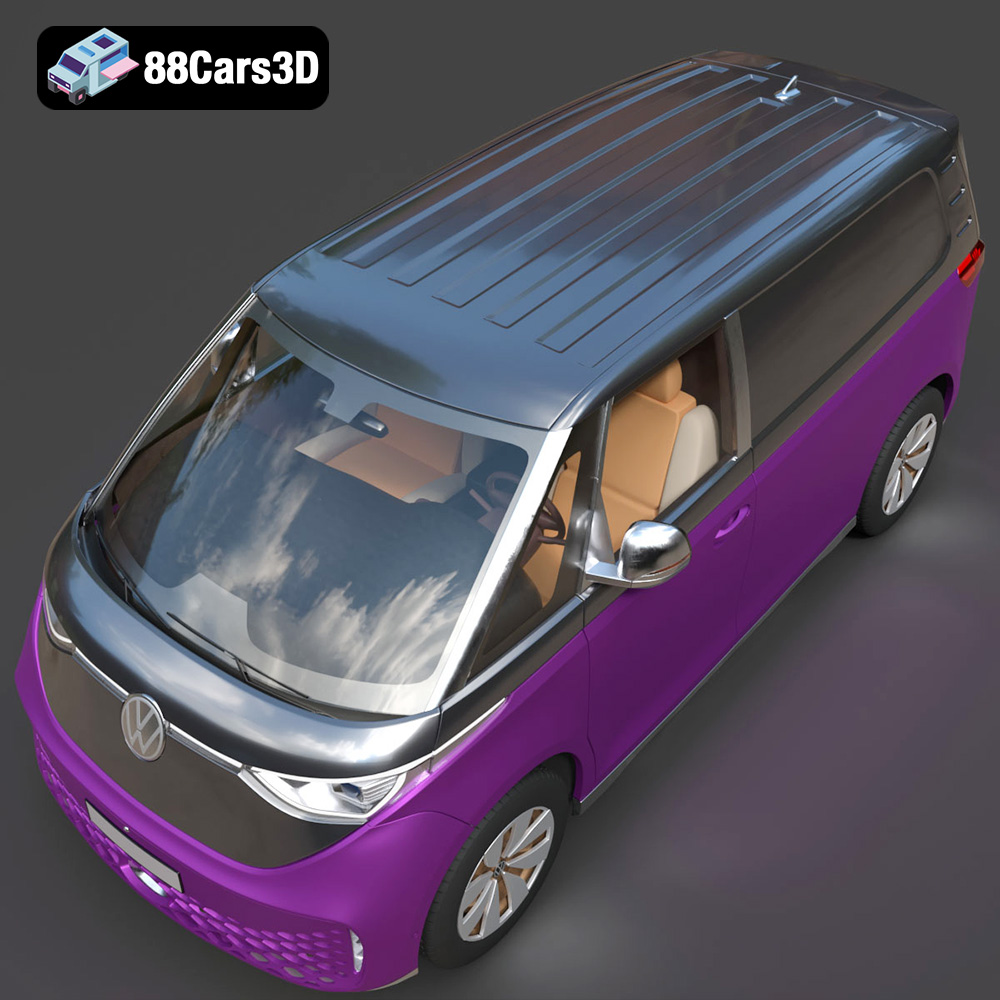
This pursuit of excellence is precisely what the Volkswagen ID. Buzz Cargo 2023 3D Model offers. Meticulously crafted to professional standards, this model delivers exceptional realism and clean geometry, making it a versatile cornerstone for a wide array of 3D applications. Whether you’re an architectural visualization artist needing a contemporary vehicle to populate a scene, a game developer optimizing for performance, or an animator creating a stunning commercial, this model is designed to elevate your digital projects. Its authentic design and optimized mesh structure ensure impressive visual output without compromising on the efficiency required for modern production pipelines.
Navigating the world of 3D modeling often involves choosing the right file format for the job. Each format has specific strengths and is optimized for different stages of a production pipeline, from initial design to final rendering, real-time implementation, or even physical manufacturing. Understanding these distinctions is crucial for seamless workflow and optimal results, especially when working with detailed 3D car models like the Volkswagen ID. Buzz Cargo 2023.
The .blend format is native to Blender, a powerful and increasingly popular open-source 3D creation suite. When you acquire a .blend file, you’re getting a fully editable Blender scene, often complete with materials, lighting setups, and even camera configurations. This means a designer or artist can open the file and immediately begin tweaking textures, adjusting shaders, repositioning lights, or even modifying the model’s geometry directly within Blender. For those who utilize Blender as their primary DCC (Digital Content Creation) tool, a .blend file offers unparalleled flexibility and access to the original project structure, making it ideal for customization and further development of assets like the Volkswagen ID. Buzz Cargo 2023 3D Model.
.fbx (Filmbox) is arguably one of the most widely supported 3D file formats, making it a true industry workhorse. Developed by Autodesk, it’s excellent for transferring 3D data between various software applications (like 3ds Max, Maya, Blender, Cinema 4D) and, critically, into game engines such as Unreal Engine and Unity. FBX files can store not just geometry, but also materials, textures, animations, skinning, and camera data. This rich data retention makes it perfect for real-time pipelines where complex animated scenes and detailed models, like sophisticated 3D car models, need to be imported with all their attributes intact. Its robust nature ensures that the intricate details of a model like the ID. Buzz Cargo transition smoothly between platforms.
The .obj (Wavefront OBJ) format is a universal standard in 3D modeling, highly compatible with virtually all major 3D software. It primarily stores geometric data, including vertices, normals, UV coordinates, and faces. While it’s less comprehensive than .fbx, often requiring associated .mtl (material) files for basic material properties, its widespread support makes it incredibly reliable for basic mesh transfer. If you need a clean mesh that can be imported into almost any program for further texturing or rendering, .obj is an excellent choice. It provides a foundational mesh that artists can build upon, ensuring the Volkswagen ID. Buzz Cargo’s geometry is accessible across diverse platforms.
.glb (GLB format for glTF) is the binary version of the GL Transmission Format (glTF), a modern, open-standard format specifically designed for efficient transmission and loading of 3D scenes and models by applications. It’s widely adopted for augmented reality (AR), virtual reality (VR), and web-based 3D displays due to its compact file size and ability to embed all necessary data (geometry, textures, animations, shaders) into a single file. For interactive web experiences or mobile AR/VR applications featuring the Volkswagen ID. Buzz Cargo, .glb offers optimal performance and ease of deployment.
.stl (STereoLithography) is the de facto standard file format for 3D printing and rapid prototyping. It describes only the surface geometry of a 3D object using a collection of interconnected triangles. While it doesn’t store color, texture, or material information, its simplicity and widespread acceptance by 3D printers make it essential for transforming digital models into physical objects. If the goal is to create a scale model of the Volkswagen ID. Buzz Cargo 2023, an .stl file is the format you’ll need.
The .ply (Polygon File Format, or Stanford Triangle Format) is a precision mesh format capable of storing a wider range of properties than .stl, including color, transparency, surface normals, and various data types. It’s particularly useful in scientific, CAD, and engineering applications where detailed polygon mesh data for analysis, simulation, or precise visualization is required. For detailed inspections or reverse engineering tasks involving the Volkswagen ID. Buzz Cargo, .ply provides a robust data structure.
The .unreal format typically refers to Unreal Engine’s native asset files, often seen as .uasset files within the engine’s content browser. While you don’t typically download raw .unreal files from a marketplace in the same way as .fbx, receiving an “Unreal-ready” asset means it has been specifically prepared and configured for direct import and optimal use within Unreal Engine. This usually implies correct material setup (PBR), optimized meshes, proper scale, and sometimes even LODs (Levels of Detail). For the Volkswagen ID. Buzz Cargo 2023, an Unreal-ready package ensures a smooth, performance-friendly integration into your real-time projects without extensive post-import configuration.
Similar to .blend for Blender, .max is the native file format for Autodesk 3ds Max, a leading software for 3D modeling, animation, and rendering. A .max file contains the entire scene data, including geometry, modifiers, materials, textures, lighting, cameras, and animation keyframes. For professionals whose primary workflow is centered around 3ds Max, this format offers full editability and control over every aspect of the model, making it ideal for detailed rendering projects, complex animations, and custom scene setups involving the Volkswagen ID. Buzz Cargo 2023.
Achieving photorealistic results in automotive rendering is a nuanced art form that demands meticulous attention to detail. It’s not just about having a great 3D model; it’s about how that model interacts with light, reflections, and its environment. High-quality 3D car models, such as the Volkswagen ID. Buzz Cargo 2023 from 88cars3d.com, serve as the perfect foundation for these demanding visualization tasks.
The core of realistic rendering lies in Physically Based Rendering (PBR) materials. These materials simulate how light behaves in the real world, reacting accurately to reflections, refractions, and absorption. For a vehicle like the Volkswagen ID. Buzz Cargo, this means carefully crafted shaders for paint, glass, rubber, chrome, and interior fabrics. A professional 3D model will come with PBR textures already applied or easily configurable, featuring diffuse, roughness, metallic, normal, and sometimes displacement maps. This ensures that when rendered with engines like V-Ray, Corona, Arnold, or Redshift, the vehicle’s surfaces will exhibit true-to-life qualities, from the subtle metallic flake of the paint to the distinct reflection of a windshield.
Beyond materials, lighting is the ultimate sculptor of realism. Automotive renders often leverage High Dynamic Range Images (HDRIs) to provide realistic environmental lighting and reflections, replicating anything from a sunny outdoor scene to an overcast studio. Complementary 3-point lighting setups, accent lights, and carefully placed reflectors further enhance the vehicle’s form and highlight its design features. The clean geometry of a model like the Volkswagen ID. Buzz Cargo is crucial here; smooth surfaces and accurate panel gaps ensure that reflections are crisp and undistorted, conveying a sense of premium quality and precision.
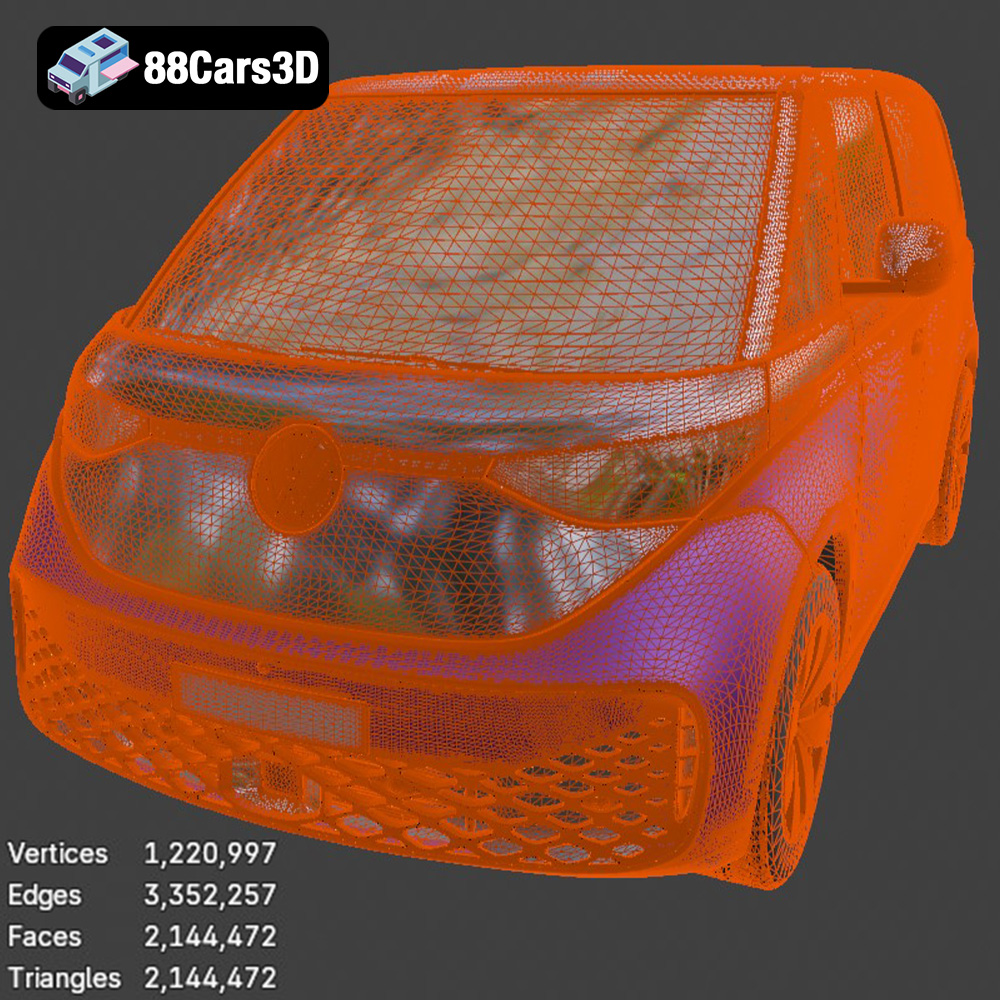
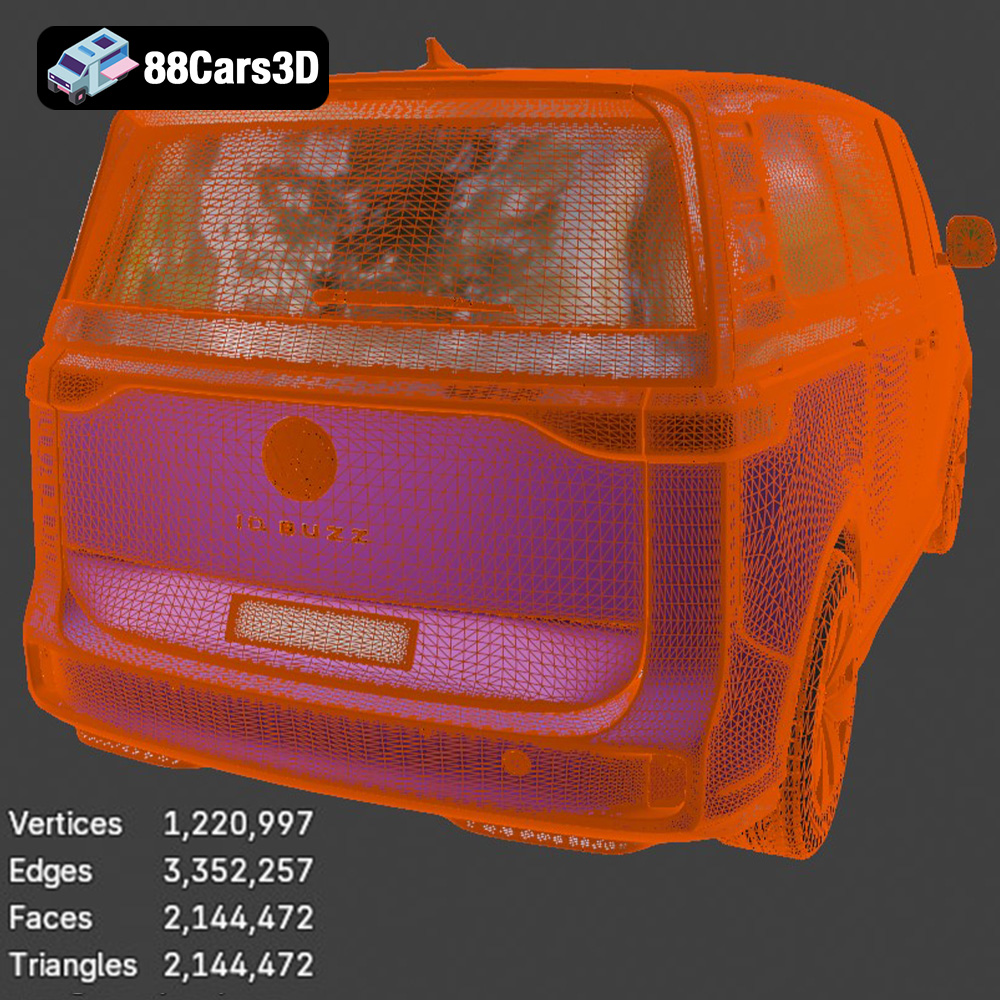
While cinematic renders aim for absolute photorealism, real-time applications like game development, AR, and VR prioritize performance without sacrificing visual fidelity. The challenge lies in striking that delicate balance, and it’s where optimized 3D car models truly shine. The Volkswagen ID. Buzz Cargo 2023 3D Model, with its optimized mesh structure, is inherently designed to meet these rigorous demands.
For real-time scenarios, poly count is a critical factor. Highly detailed models, while excellent for close-up renders, can bog down game engines or AR/VR experiences. Optimization involves reducing polygon count while retaining visual integrity. This is often achieved through clean, efficient mesh topology and the implementation of Levels of Detail (LODs). LODs are multiple versions of the same model, each with a progressively lower polygon count. The engine dynamically switches between these versions based on the camera’s distance to the object, ensuring high detail up close and efficient rendering at a distance. A well-optimized model, like the ID. Buzz Cargo, will have its mesh structured for easy LOD generation, minimizing performance hits.
Texture memory and draw calls also heavily influence real-time performance. Efficient UV mapping ensures that textures are applied without stretching or distortion and that the UV space is utilized effectively. For complex assets like vehicles, using texture atlases (combining multiple textures into one large map) can significantly reduce draw calls and improve rendering speed. A professional 3D car model from a source like 88cars3d.com will feature clean, non-overlapping UVs, making it ready for baking and atlas creation. This meticulous attention to detail allows the Volkswagen ID. Buzz Cargo 2023 to maintain its realistic appearance even within the constraints of a real-time engine, whether it’s an immersive VR showroom or a driving simulation.
The utility of high-quality 3D car models extends far beyond mere visual representation. In professional workflows, they are indispensable tools for prototyping, simulation, and even manufacturing preparation. The precise detailing and accurate proportions of the Volkswagen ID. Buzz Cargo 2023 3D Model make it an ideal candidate for these practical applications.
For designers and engineers, transforming a digital model into a physical prototype is a crucial step in the development process. The .stl format, which many professional models like the ID. Buzz Cargo offer, is the standard for 3D printing. A clean, “manifold” mesh – meaning it’s watertight and has no gaps or intersecting faces – is essential for successful 3D prints. The precision of the digital model translates directly to the accuracy of the physical prototype, allowing for hands-on evaluation of form, scale, and ergonomics. This enables rapid iteration and physical verification of design concepts for commercial vehicles, long before actual production begins.
3D car models are increasingly used in various simulation scenarios, from aerodynamics and collision testing to ergonomic studies and virtual training. Formats like .ply or even a well-structured .obj can be imported into CAD software or specialized simulation tools. Engineers can leverage these models to analyze airflow, study structural integrity, or design modifications. For instance, the Volkswagen ID. Buzz Cargo 2023 model could be used to simulate different cargo loading scenarios, assess interior modifications for specific commercial uses, or integrate into a larger smart city simulation to analyze traffic flow or charging infrastructure impacts. The accurate geometry and proportions ensure that simulations yield reliable and relevant data.
Let’s consider how a professional-grade 3D car model like the Volkswagen ID. Buzz Cargo 2023 is integrated into various industry workflows, highlighting its versatility and the value it brings to creative and technical professionals.
An architectural firm is creating a high-fidelity visualization for a new commercial development, featuring a loading dock and a modern office complex. They need a contemporary, electric commercial vehicle to populate the scene, reflecting a sustainable and forward-thinking design. Using the Volkswagen ID. Buzz Cargo 2023 3D Model, they can import the .max or .blend file into their rendering software (e.g., 3ds Max with Corona Renderer). The model’s clean geometry and PBR materials allow them to quickly integrate it, adjust lighting for perfect reflections on the vehicle’s surfaces, and create a visually compelling scene that communicates the project’s modern aesthetic and eco-conscious appeal. The model provides an instant, high-quality asset that saves days of modeling time.
A game studio is developing an open-world urban exploration game and needs a fleet of modern, recognizable vehicles. They choose the Volkswagen ID. Buzz Cargo 2023 as a static background asset and a potential drivable vehicle. Using the .fbx or .unreal format, their artists import the model directly into Unreal Engine. They apply the pre-configured materials, generate LODs for optimal performance across different platforms, and perhaps even set up basic physics assets. The model’s optimized mesh ensures it contributes to the visual richness of the game without causing performance bottlenecks, allowing players to experience a vibrant, believable cityscape without lag.
An automotive marketing agency wants to create an interactive AR experience for a client, allowing potential customers to view the new Volkswagen ID. Buzz Cargo 2023 in their own driveway using a smartphone. They utilize the .glb format, which is perfectly optimized for web and mobile AR platforms. The compact file size and embedded textures of the .glb ensure fast loading times and smooth interaction. Users can walk around the virtual van, inspect its features, and even change its color in real-time. The accurate proportions and authentic design of the 3D model provide an immersive and engaging product showcase that leverages cutting-edge technology.
In a professional environment, time is a valuable commodity. Building highly detailed, production-ready 3D car models from scratch is an incredibly time-consuming and skill-intensive process. This is where marketplaces like 88cars3d.com provide immense value. By offering meticulously crafted assets like the Volkswagen ID. Buzz Cargo 2023 3D Model, they empower artists and developers to focus on their core creative tasks rather than spending countless hours on foundational modeling.
Acquiring a pre-made, high-quality model significantly reduces project timelines and costs. Instead of allocating weeks to modeling, texturing, and optimizing a vehicle, professionals can instantly integrate a ready-to-use asset into their scene. This efficiency is critical for meeting tight deadlines and managing project budgets, freeing up resources for more complex or unique aspects of a project. The immediate availability of multiple file formats further streamlines this process, ensuring compatibility with diverse software and pipeline requirements.
Professional marketplaces vet their models for quality, ensuring clean geometry, accurate scale, proper UV mapping, and realistic materials. This guarantees a consistent level of excellence across all purchased assets. When you download the Volkswagen ID. Buzz Cargo 2023 3D Model from 88cars3d.com, you are investing in an asset that has already met stringent standards, assuring reliable performance and stunning visuals right out of the box. This commitment to quality minimizes the need for extensive post-purchase cleanup or optimization, allowing you to hit the ground running with your projects.
The digital realm of 3D modeling continues to expand, demanding increasingly sophisticated and versatile assets. High-quality 3D car models are no longer just eye candy; they are foundational components for everything from cutting-edge automotive design and cinematic rendering to immersive game development, AR/VR experiences, and even physical prototyping. The technical precision, optimized structures, and multi-format compatibility of such models directly translate into efficiency, visual fidelity, and flexibility for professionals.
The Volkswagen ID. Buzz Cargo 2023 3D Model exemplifies this new standard of excellence. Its meticulously crafted details, clean geometry, and optimized mesh structure ensure that it performs flawlessly across diverse applications, whether you’re aiming for photorealistic renders in 3ds Max, real-time integration in Unreal Engine, or an interactive web-based AR experience. By providing a wide array of file formats, including .blend, .fbx, .obj, .glb, .stl, .ply, .unreal, and .max, this model is truly a plug-and-play solution for virtually any digital pipeline.
Investing in production-ready assets from trusted sources like 88cars3d.com empowers creators to elevate their projects, save invaluable time, and maintain a consistent standard of quality. The Volkswagen ID. Buzz Cargo 2023 3D Model is more than just a digital representation; it’s a versatile tool designed to drive your creative vision forward, ensuring your automotive rendering, game assets, and visualization projects stand out in today’s competitive landscape.
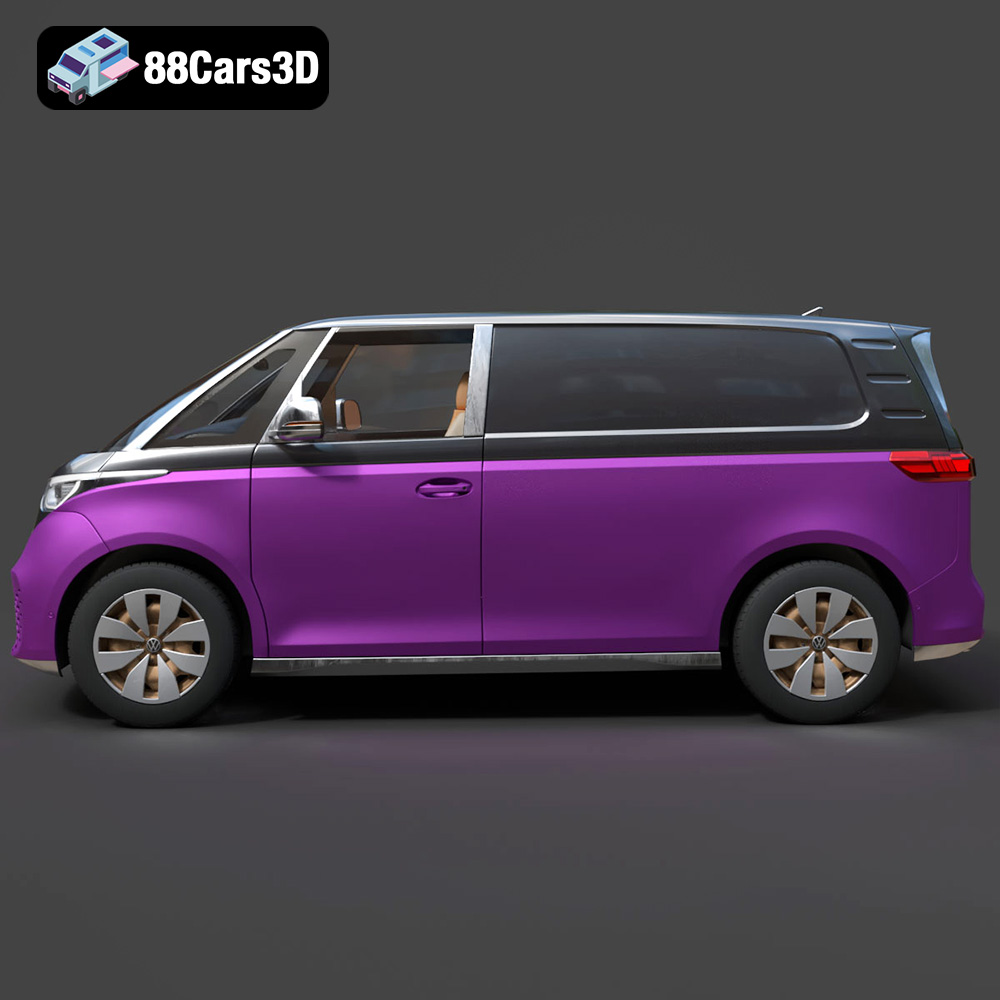
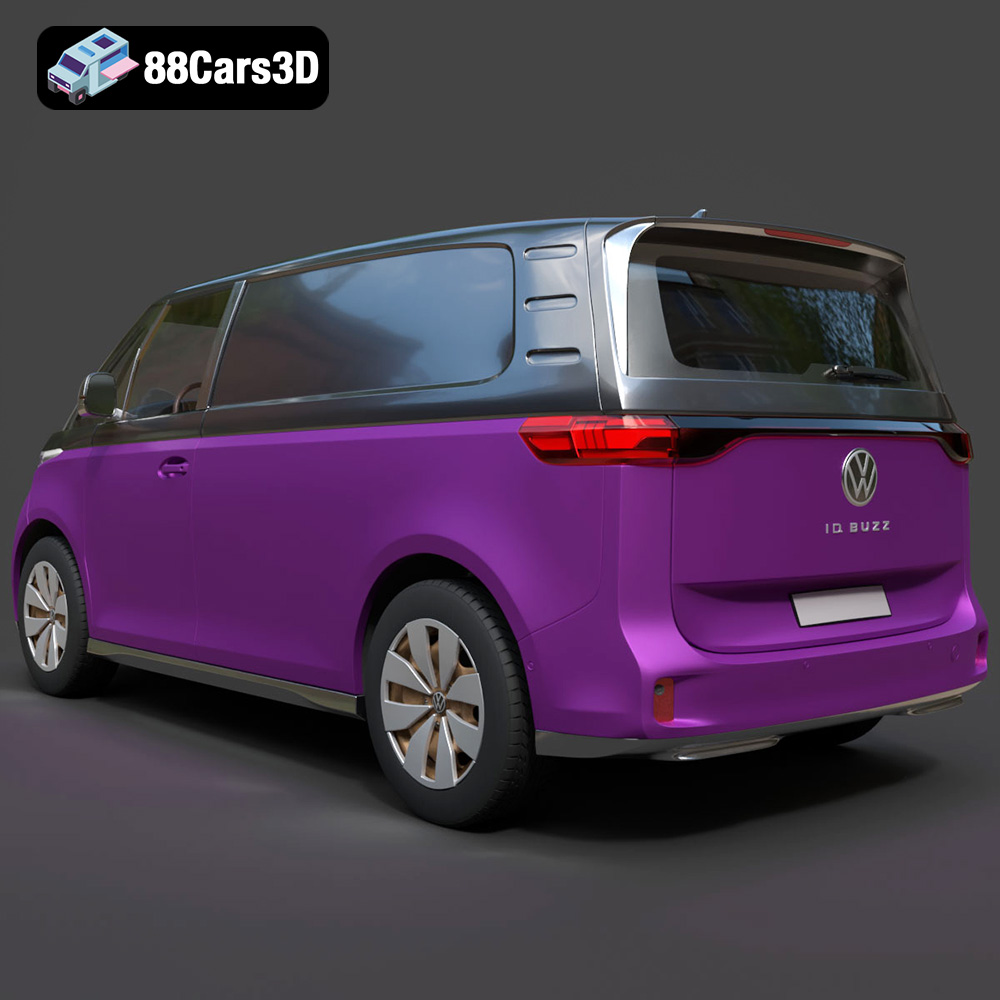
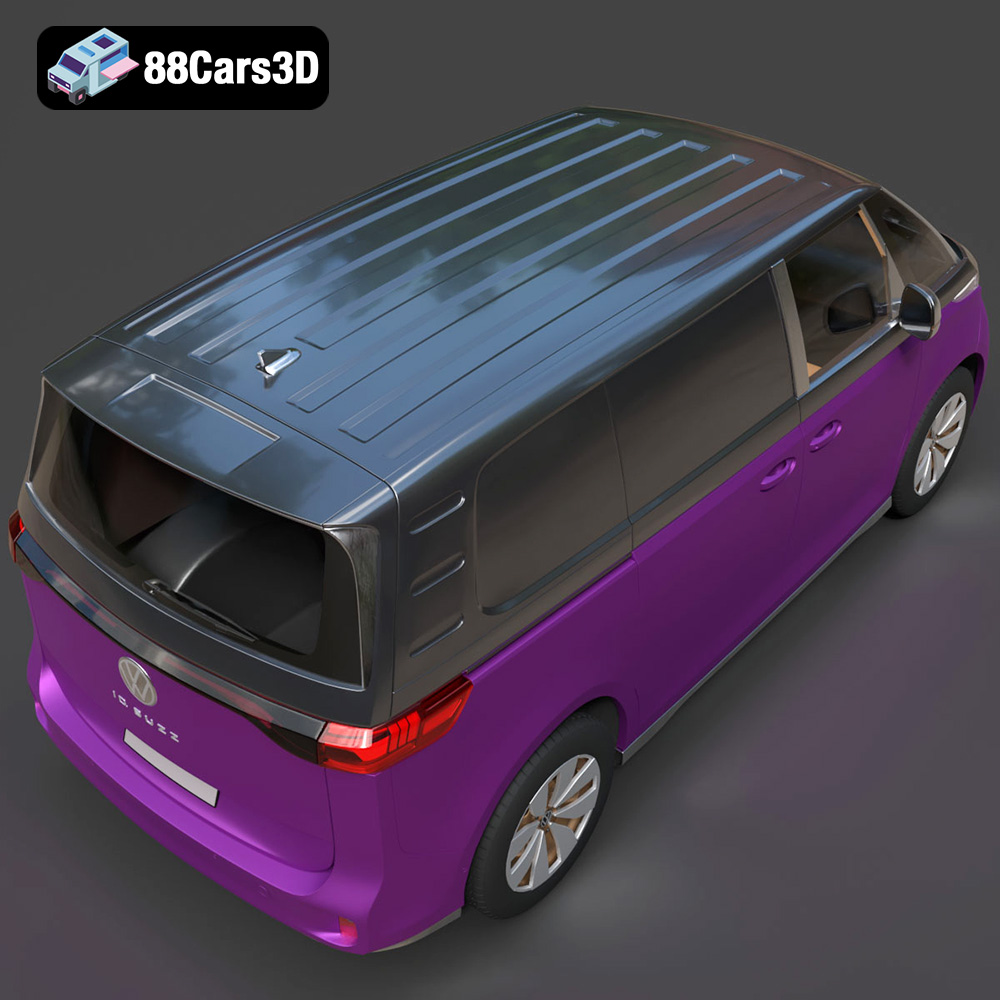
Enhance your digital projects with the meticulously crafted Volkswagen ID. Buzz Cargo 2023 3D Model. Designed to meet professional standards, this model delivers exceptional realism, making it an excellent choice for a wide variety of 3D applications. This model features clean geometry and realistic materials, ensuring a smooth integration into your workflow. Whether you are focusing on close-up shots or wide-angle scenes, the precise detailing and optimized mesh structure guarantee an impressive visual output without compromising performance. Ideal for game development, architectural visualization, AR/VR experiences, and cinematic rendering, this versatile 3D model adapts seamlessly to your specific project needs. The accurate proportions and authentic design elements bring a true-to-life representation of the Volkswagen ID. Buzz Cargo to your digital environment. Available file formats include: .blend – Editable Blender file with materials and lighting setup, .fbx – Game-engine ready format for Unreal Engine and Unity, .obj – Standard 3D model format compatible with all major software, .glb – Optimized for AR/VR and web-based visualization, .stl – Suitable for 3D printing and prototyping, .ply – Detailed polygon mesh for analysis and visualization, .unreal – Pre-configured for Unreal Engine use, .max – Editable 3ds Max file for rendering and animation.
$19.99
.arvr
.blend
.car3dmodel
.commercialvehicle
.electricvan
.ev
.fbx
.gameasset
.glb
.idbuzzcargo
.max
.obj
.ply
.rendering
.simulation
.stl
.unreal
.van
.volkswagen