Get 20% OFF All Premium 3D & STL Models!

In the rapidly evolving landscape of digital visualization, the demand for exceptionally realistic and technically robust 3D assets has never been higher. From breathtaking cinematic sequences and immersive video games to precise engineering simulations and groundbreaking AR/VR experiences, the quality of a 3D model underpins the success of any project. Professionals across industries are constantly seeking models that not only look authentic but are also meticulously crafted to integrate seamlessly into complex production pipelines.
The essence of effective 3D modeling lies in striking a delicate balance between aesthetic fidelity and technical optimization. A truly professional model boasts clean geometry, accurate proportions, realistic materials, and an efficient polygon structure, ensuring it performs optimally across diverse applications without compromising visual integrity. This level of craftsmanship saves countless hours in post-production, allowing artists and developers to focus on creativity rather than remediation.
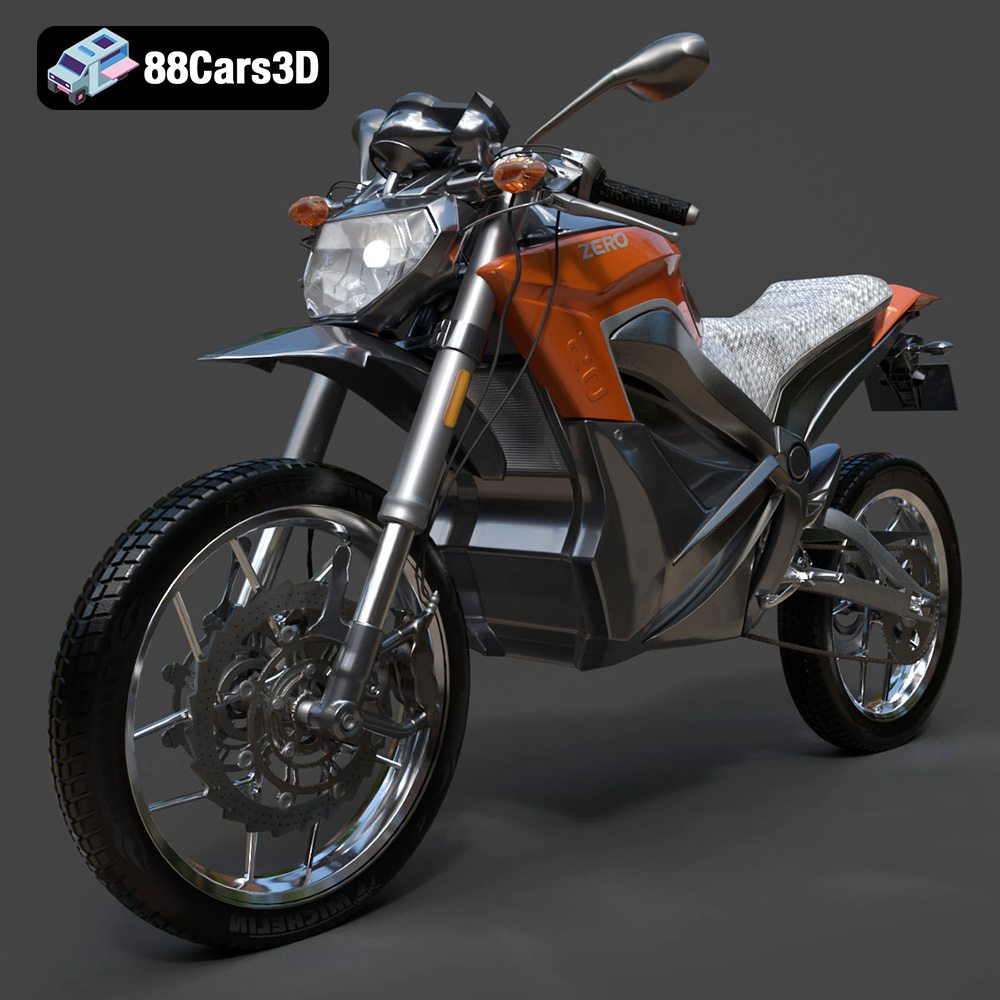
Today, we delve into the critical aspects that define high-quality 3D assets, exploring their impact across various sectors. We’ll examine the technical considerations, workflow efficiencies, and creative possibilities unlocked by superior models, using the Zero Motorcycles S ZF8.5 3D Model as a prime example of professional-grade design. This exceptional digital asset embodies the meticulous detailing and technical precision required to bring an innovative electric motorcycle to life in the digital realm, ready for everything from stunning automotive rendering to dynamic game environments.
The versatility of a 3D model often begins with its array of available file formats. Each format serves specific purposes, offering unique advantages for different stages of a project or different software environments. Understanding these distinctions is crucial for seamless workflow integration and ensuring your assets perform as intended, whether for high-fidelity rendering or real-time interaction.
The .blend format is the native file type for Blender, a powerful open-source 3D creation suite. When you acquire a .blend file, you’re not just getting a model; you’re often getting a complete scene. This includes the fully editable mesh, material definitions, textures, lighting setups, camera positions, and even animation data if present. For artists working within Blender, this format offers the highest degree of flexibility and direct editing capabilities, making it ideal for customization, animation, and rendering directly within the Blender environment. The Zero Motorcycles S ZF8.5 3D Model, provided in .blend, gives users immediate access to a pre-configured, ready-to-render setup, saving significant setup time.
.fbx (Filmbox) is a proprietary file format owned by Autodesk and has become an indispensable standard for exchanging 3D data between various software applications, particularly in game development. It excels at storing not only mesh data but also materials, textures, rigging, animation, and even camera and light information. Its robust support for animation curves and skeletal data makes it the go-to format for exporting animated characters and vehicles into game engines like Unreal Engine and Unity. For real-time pipelines, .fbx ensures that complex assets like the Zero Motorcycles S ZF8.5 3D Model transfer with all their crucial components intact and optimized for performance.
.obj (Wavefront Object) is one of the oldest and most widely supported 3D file formats, making it a truly universal option for cross-software compatibility. It primarily stores geometric data (vertices, normals, texture coordinates, and faces) and can link to external .mtl (material) files for basic material properties and texture references. While .obj doesn’t typically support animation or complex rigging, its simplicity and widespread adoption make it excellent for static mesh exchange between virtually any 3D software. It’s a reliable fallback for ensuring a model can be opened and worked with in any pipeline.
.glb (GL Transmission Format Binary) is a modern, compact, and efficient format designed for web-based 3D applications, augmented reality (AR), and virtual reality (VR). It’s essentially a binary version of glTF, embedding all asset data (geometry, materials, textures, animations) into a single file, which significantly reduces loading times and simplifies asset delivery. Its optimization for real-time rendering and small file size makes it perfect for interactive web viewers, social media AR filters, and lightweight VR experiences where performance is paramount. Models like the Zero Motorcycles S ZF8.5 benefit from this format’s efficiency for quick previews and deployment in cutting-edge immersive applications.
.stl (Stereolithography) is the de facto standard format for 3D printing and rapid prototyping. It describes only the surface geometry of a 3D object using a collection of interconnected triangles. It lacks color, texture, or material information, focusing purely on the physical shape. For anyone planning to physically manifest a digital design, such as creating a scale model of the Zero Motorcycles S ZF8.5, an .stl file is essential for preparing the model for additive manufacturing processes. Accuracy in the mesh is critical for successful printing.
.ply (Polygon File Format, or Stanford Triangle Format) is a versatile format for storing 3D data, particularly useful for high-resolution scanned data and scientific applications. It can store a wider range of properties than .obj, including color, transparency, surface normals, and various data types per vertex or face. While not as universally adopted as .obj for general model exchange, .ply is valued for its precision and ability to represent complex mesh attributes, making it suitable for CAD, reverse engineering, and detailed analysis.
The .unreal format, or more accurately, assets that are “pre-configured for Unreal Engine,” implies a model that has been meticulously prepared and often packaged in a way that allows for direct import and optimal performance within Unreal Engine. This often means textures are properly packed, materials are set up using Unreal’s physically-based rendering (PBR) pipeline, and collision meshes might already be defined. For projects leveraging Unreal Engine, a pre-configured asset like the Zero Motorcycles S ZF8.5 3D Model dramatically reduces the time and effort typically required for import, material creation, and optimization, allowing developers to jump straight into integration and scene building.
The .max format is the native file type for Autodesk 3ds Max, a long-standing powerhouse in 3D modeling, animation, and rendering, particularly dominant in architectural visualization and product design. A .max file contains the entire scene data, including geometry, modifiers, materials, textures, lighting, cameras, animation, and rendering settings. Similar to .blend for Blender users, the .max file provides the highest level of editability and direct access to all aspects of the model within 3ds Max. For professionals relying on this software for high-end rendering and detailed animation sequences, a .max version of the Zero Motorcycles S ZF8.5 offers unparalleled control and flexibility.
Automotive rendering stands at the intersection of artistic vision and technical precision. It’s not just about showcasing a vehicle; it’s about evoking emotion, highlighting design philosophy, and presenting a product in its best possible light, often before a physical prototype even exists. High-quality 3D car models are the bedrock of this process.
Photorealistic automotive rendering hinges on sophisticated material work. This involves replicating the subtle nuances of metal flake paint, the reflectivity of chrome, the intricate weaves of carbon fiber, and the texture of tires. Physically Based Rendering (PBR) workflows are standard, utilizing maps like Albedo, Normal, Roughness, Metalness, and Ambient Occlusion to define how light interacts with surfaces. The Zero Motorcycles S ZF8.5 3D Model excels here, with its “realistic materials tailored for advanced digital projects,” ensuring that its digital surfaces accurately mimic real-world counterparts under various lighting conditions. This attention to detail transforms a mere mesh into a visually convincing representation.
Beyond the model itself, the environment, lighting, and camera composition play pivotal roles in a compelling render. Automotive renders often utilize HDRI (High Dynamic Range Image) maps for realistic global illumination, combined with targeted area lights to emphasize specific contours and reflections. A skilled artist carefully positions virtual cameras to mimic professional photography, using depth of field and motion blur to add a sense of dynamism. Whether showcasing the sleek lines of an electric motorcycle like the Zero Motorcycles S ZF8.5 in a studio environment or placing it within a dynamic street scene, the interplay of light and shadow is paramount to achieving a captivating image.
In game development and other real-time applications (like simulators or interactive configurators), the constraints are different but equally demanding. Here, performance is king, requiring models that are visually rich yet incredibly efficient. This is where the “optimized polygon structure” of models from marketplaces like 88cars3d.com becomes invaluable.
The polygon count of a 3D model directly impacts real-time performance. While high-poly models are ideal for cinematic renders, game engines require a careful balance. Professional game assets often employ a technique called Level of Detail (LOD), where multiple versions of the same model exist with varying polygon counts. The engine dynamically switches between these versions based on the camera’s distance, ensuring high fidelity up close and efficient rendering further away. A high-quality model like the Zero Motorcycles S ZF8.5 3D Model is built with this in mind, offering exceptional visual fidelity without bogging down a game engine, making it an excellent game asset.
Efficient UV mapping is crucial for real-time performance. UVs define how a 2D texture wraps around a 3D mesh. Clean, non-overlapping UV layouts prevent texture distortion and allow for optimal use of texture space. Furthermore, texture atlasing (combining multiple smaller textures into one larger texture) reduces draw calls, which significantly boosts performance in game engines. Developers working with the Zero Motorcycles S ZF8.5 will appreciate its “seamless integration into various pipelines,” indicative of thoughtful UV layouts and texture preparation.
The utility of high-quality 3D models extends far beyond traditional screens. Augmented Reality (AR), Virtual Reality (VR), and 3D printing represent frontiers where digital assets bridge the gap between virtual and physical realms.
AR and VR demand 3D models that are not only visually compelling but also optimized for incredibly low latency and high frame rates. In these immersive environments, any hitch or visual artifact can break the sense of presence. Models like the Zero Motorcycles S ZF8.5, available in .glb format, are perfectly suited for AR/VR applications, offering “optimized for AR/VR and web-based visualization.” This format ensures quick loading and smooth interaction, allowing users to explore the electric motorcycle in a truly immersive, 1:1 scale environment, whether on a smartphone screen or through a VR headset.
From virtual showrooms where customers can customize and inspect a vehicle from every angle to interactive training simulations for mechanics, high-fidelity 3D car models are transforming how we interact with products in the digital age. The detail and accuracy of the Zero Motorcycles S ZF8.5 3D Model make it an ideal candidate for such innovative applications.
3D printing offers a tangible output for digital designs, moving beyond visualization into physical prototyping and even manufacturing. The accuracy of the 3D model is paramount here, as any flaw in the digital mesh will translate directly to a physical imperfection. Models provided in formats like .stl or .ply, such as the Zero Motorcycles S ZF8.5 3D Model, are tailored for this purpose. Engineers and designers can use such models to create scale prototypes, test ergonomic features, or even fabricate custom parts. The clean geometry of a professional model ensures precise physical reproduction, making it invaluable for product development cycles.
The real power of a professionally crafted 3D model lies in its ability to integrate effortlessly into diverse professional workflows. This eliminates bottlenecks and allows teams to leverage their existing software ecosystems without extensive conversion or re-setup.
For studios relying on Autodesk 3ds Max, a model provided in its native .max format, like the Zero Motorcycles S ZF8.5 3D Model, is a significant advantage. This ensures that all components, materials, textures, and potential scene setups (lighting, cameras) are directly accessible and editable within the software. Artists can immediately begin with advanced rendering using engines like V-Ray or Corona, create complex animations, or integrate the motorcycle into larger architectural visualization projects. The full editability of the .max file allows for maximum customization to fit specific project requirements without loss of fidelity.
Blender has emerged as a dominant force in 3D production due to its comprehensive feature set and open-source nature. A model provided as a .blend file offers the Blender community the same level of direct access and editability. Users can leverage Blender’s powerful Eevee or Cycles renderers, its robust animation tools, and its extensive add-on ecosystem. For designers and animators using Blender, having the Zero Motorcycles S ZF8.5 3D Model readily available in its native format means less time spent on setup and more time on creative exploration, from conceptual design to final rendering.
Unreal Engine is at the forefront of real-time rendering, powering everything from AAA video games to virtual production for film and television. A model that is “pre-configured for Unreal Engine use” (often supplied via .fbx or .unreal project files) significantly streamlines the development process. This means materials are typically set up with Unreal’s PBR workflow, textures are optimized, and the model’s scale is correct. Developers can quickly import the Zero Motorcycles S ZF8.5 3D Model and integrate it into interactive simulations, training modules, or virtual showrooms, confident in its performance and visual quality within the engine’s environment. This “game-engine ready format” is a massive time-saver for any studio prioritizing efficiency.
The journey through the world of high-fidelity 3D models underscores a fundamental truth: quality is not just a luxury; it’s an absolute necessity in professional digital production. Whether for stunning automotive rendering, demanding game assets, innovative AR/VR experiences, or precise 3D printing, the technical integrity and artistic finesse of a 3D model dictate the success and efficiency of any project.
The Zero Motorcycles S ZF8.5 3D Model from 88cars3d.com serves as an excellent illustration of what a professional-grade asset should embody. Its “realistic detailing,” “clean geometry,” “accurate proportions,” and “realistic materials” are not merely aesthetic boasts but crucial technical specifications that ensure versatility and performance across a spectrum of applications. Furthermore, its availability in multiple industry-standard file formats—from .blend and .max for comprehensive editing to .fbx and .unreal for game development, and .glb for AR/VR—demonstrates a commitment to compatibility and user-centric design.
Investing in such high-quality 3D car models and vehicle assets means investing in efficiency, reliability, and ultimately, superior creative output. For professionals seeking to elevate their digital projects, marketplaces like 88cars3d.com provide access to a curated selection of assets that meet the most stringent industry standards, enabling innovation and reducing development cycles. Embrace the power of precision and realism to transform your digital visions into stunning realities.
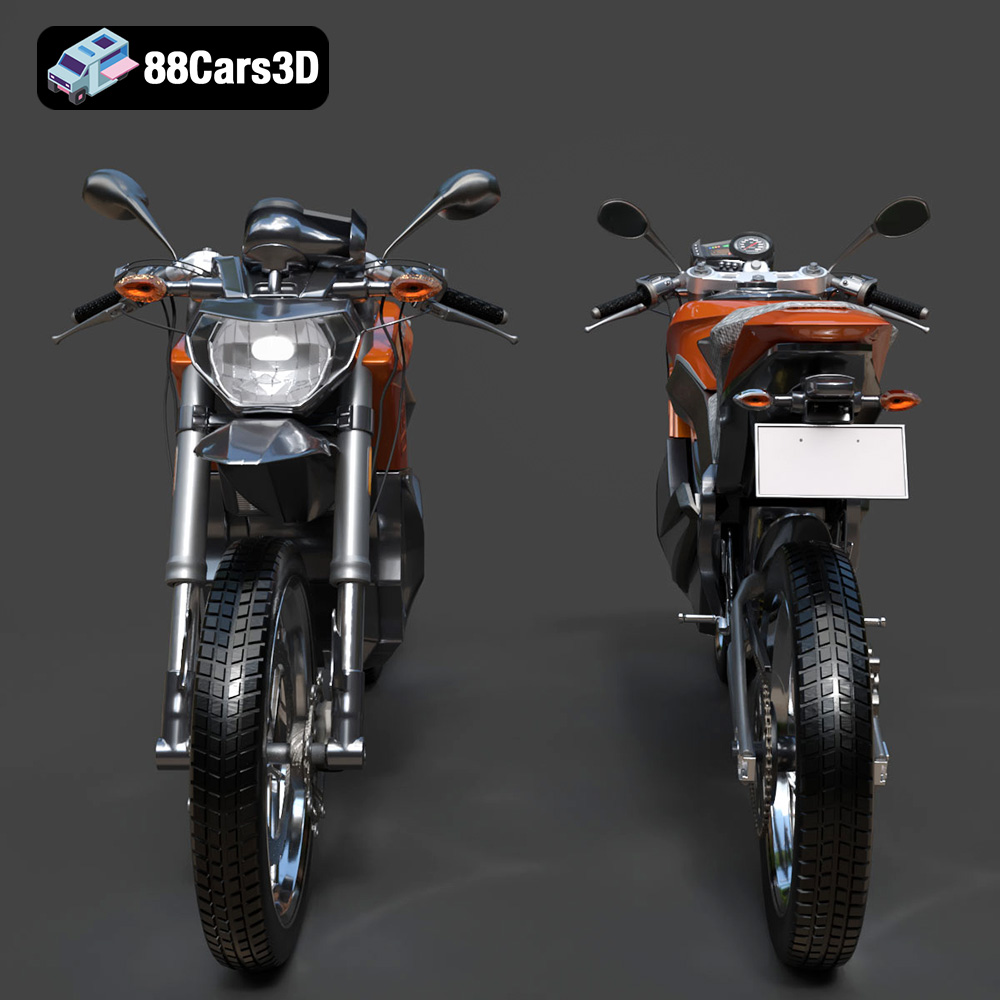
Experience unparalleled realism with the Zero Motorcycles S ZF8.5 3D Model. Crafted for professionals, this digital asset brings realistic detailing to life, offering an authentic representation of the innovative electric motorcycle. Designed with precision, the model features clean geometry, accurate proportions, and realistic materials tailored for advanced digital projects.
Built to meet strict professional standards, this 3D model ensures seamless integration into various pipelines. Its optimized polygon structure maintains exceptional visual fidelity while keeping performance steady. Whether you are rendering striking cinematic visuals or building interactive environments, the detailed exterior and intricate components guarantee an impressive output.
This versatile 3D model is perfect for a wide range of applications. It excels in game development, offering realistic assets for immersive simulations and environments. It is equally suited for architectural visualizations, vehicle design showcases, and cutting-edge AR/VR experiences. From complex simulation software to promotional rendering, this digital asset adapts effortlessly to your creative needs.
The Zero Motorcycles S ZF8.5 3D Model is provided in multiple industry-standard file formats to ensure maximum compatibility:
$19.99
.arvr
.blend
.car3dmodel
.electricmotorcycle
.fbx
.gameasset
.glb
.max
.motorcycle
.obj
.ply
.rendering
.simulation
.stl
.szf85
.unreal
.zeromotorcycles