Get 20% OFF All Premium 3D & STL Models!

“`html
The world of 3D printing has revolutionized automotive modeling, allowing enthusiasts and professionals alike to create intricate and detailed replicas. At 88cars3d.com, we’re passionate about providing high-quality, printable car models in STL format, and ensuring that our users have the knowledge to bring these models to life. A critical aspect of this process is selecting the right material. The choice between resin and filament, and the specific type within each category, significantly impacts the final product’s appearance, strength, and overall durability. This comprehensive guide will explore the best resins and filaments for automotive 3D prints, delving into their properties, optimal print settings, and practical applications. We’ll cover everything from understanding STL files and mesh topology to mastering post-processing techniques, so you can achieve professional-quality results every time.
The two primary 3D printing technologies, Fused Deposition Modeling (FDM) and Stereolithography (SLA) (including its variants like MSLA and DLP), utilize fundamentally different materials: filaments and resins, respectively. FDM employs filaments, which are thermoplastic polymers extruded through a heated nozzle, layer by layer. SLA, on the other hand, uses liquid resins that are cured by ultraviolet light. Understanding the strengths and weaknesses of each material type is crucial for selecting the appropriate one for your automotive 3D print.
FDM filaments offer a wide range of options, each with unique properties. The most common include PLA, PETG, and ABS. PLA (Polylactic Acid) is biodegradable, easy to print, and offers good detail, making it ideal for aesthetic models. PETG (Polyethylene Terephthalate Glycol-modified) provides enhanced strength and flexibility compared to PLA, along with better temperature resistance. ABS (Acrylonitrile Butadiene Styrene) is known for its high impact resistance and heat resistance, often used in functional parts, but it can be more challenging to print due to its tendency to warp.
Resin materials offer significantly higher resolution and smoother surface finishes compared to FDM filaments. This makes them ideal for highly detailed automotive models where aesthetics are paramount. Different resin types cater to specific needs. Standard resins are cost-effective and provide good detail. Tough resins offer increased impact resistance and durability. Flexible resins are designed for parts requiring flexibility, such as tires or suspension components. High-temperature resins are available for applications requiring heat resistance.
Regardless of the material you choose, the quality of your STL file is paramount. STL (Stereolithography) files describe the surface geometry of a 3D object using a mesh of triangles. A well-prepared STL file ensures a successful 3D print with minimal errors and optimal surface finish. When downloading models from marketplaces such as 88cars3d.com, you can expect optimized files, but understanding the underlying principles is crucial for customization and troubleshooting.
Mesh density refers to the number of triangles used to represent the surface of the model. Higher mesh density results in a smoother surface but also increases file size and processing time. Finding the right balance is crucial. For automotive models with intricate curves and details, a higher mesh density is generally preferred. However, excessively high density can strain your slicer software and printer. Use software like Meshmixer or Blender to adjust mesh density, aiming for a balance between detail and performance.
A manifold mesh is a closed, watertight surface without any holes or self-intersections. Non-manifold geometry can lead to printing errors. Before printing, always check your STL file for errors and repair them using software like Netfabb or Meshmixer. Common errors include holes in the mesh, flipped normals, and self-intersecting faces. Netfabb’s automatic repair tools can often fix these issues quickly and effectively. Ensure your model is “watertight” before slicing.
Slicing is the process of converting your 3D model into a series of layers that the 3D printer can understand. Slicing software, such as Cura or PrusaSlicer, allows you to control various parameters that significantly affect print quality, strength, and print time. Understanding and optimizing these parameters is essential for achieving the best possible results with your chosen resin or filament.
Layer height directly affects the print resolution and surface finish. Lower layer heights result in smoother surfaces and finer details but increase print time. For FDM printing, layer heights typically range from 0.1mm to 0.3mm. For resin printing, layer heights can be as low as 0.025mm. For detailed automotive models, consider using a layer height of 0.1mm for FDM or 0.05mm or lower for resin printing. Experiment with different layer heights to find the optimal balance between detail and print time.
Infill density determines the amount of material inside the printed part. Higher infill density increases strength and weight but also increases print time and material usage. For automotive models, infill density typically ranges from 15% to 25%. The infill pattern also affects strength and print time. Common infill patterns include grid, honeycomb, and gyroid. Gyroid infill provides excellent strength in all directions with relatively low material usage. For decorative models, a lower infill density is sufficient. For functional parts that need to withstand stress, a higher infill density is recommended.
Support structures are essential for printing overhangs and complex geometries. They provide a temporary base for printing layers that would otherwise be unsupported. Proper support generation and removal are crucial for achieving a clean and accurate final print. The generation and removal process differs greatly between FDM and resin printing.
In FDM printing, support structures are typically made of the same material as the model. Cura and PrusaSlicer offer various support settings, including support density, support pattern, and support placement. Experiment with different support settings to find the optimal balance between support strength and ease of removal. Consider using support blockers to prevent supports from generating in areas where they are not needed. The support interface setting can also be adjusted to improve surface finish where supports contact the model. A “support roof” can create a more solid base for printing overhanging features. Using soluble support material (like PVA) with dual-extrusion printers can be highly effective, but requires specialized equipment.
In resin printing, supports are essential due to the nature of the printing process. Software like Chitubox and Lychee Slicer offer advanced support generation tools. Key parameters include support thickness, support density, and support contact point size. Angling the model properly can also minimize the need for support structures. Hollow out larger models to reduce resin consumption and printing time. Be careful to include drain holes for the resin to escape. When removing supports, use sharp tools like flush cutters to avoid damaging the model. Curing the model *after* support removal can help prevent warping.
Achieving optimal print quality requires fine-tuning your 3D printer settings based on the specific material you are using. Proper calibration ensures that the printer is accurately extruding filament or curing resin, resulting in consistent and reliable prints.
Calibrate your FDM printer regularly, including bed leveling, E-steps (extruder steps per mm), and temperature settings. Different filaments require different temperature settings. PLA typically prints at 190-220°C, PETG at 220-250°C, and ABS at 230-260°C. Create custom filament profiles in your slicing software to store these settings. Adjust retraction settings to minimize stringing. Consider using a heated bed to improve bed adhesion, especially for ABS. For filaments like ABS that are prone to warping, an enclosure is highly recommended to maintain a consistent temperature.
Calibrate your resin printer by performing exposure tests to determine the optimal exposure time for your chosen resin. Use resin calibration tools like the Ameralabs Town test or the XP2 validation matrix. Adjust the lift speed and retract speed to minimize layer separation. Ensure that your build plate is properly leveled and that the resin vat is clean. Different resins require different exposure times. Create custom resin profiles in your slicing software to store these settings. Always wear gloves and eye protection when handling resin.
Post-processing is the final step in the 3D printing process, involving cleaning, sanding, painting, and assembly. These techniques enhance the appearance and functionality of your automotive 3D prints, transforming them from raw prints into finished models.
Sanding is essential for smoothing the surface of 3D printed parts. Start with coarse-grit sandpaper (e.g., 220 grit) to remove larger imperfections, then gradually move to finer-grit sandpaper (e.g., 400, 600, 800 grit) to achieve a smooth surface. Wet sanding can help reduce dust and improve the surface finish. For resin prints, use isopropyl alcohol (IPA) to clean the parts before sanding. Apply a primer to fill in any remaining imperfections before painting.
Painting is crucial for achieving a professional-looking finish on your automotive 3D prints. Use high-quality automotive paints and clear coats. Apply thin, even coats to avoid runs and drips. Consider using an airbrush for finer details and smoother finishes. Masking tape can be used to create clean lines and intricate designs. Apply a clear coat to protect the paint and add a glossy finish. Decals and other detailing elements can further enhance the realism of your model.
Even with careful preparation and optimized settings, 3D printing failures can occur. Understanding common issues and their solutions is crucial for a successful 3D printing experience. Here are some common problems and tips for addressing them.
Warping occurs when the corners of the print lift off the build plate, especially with materials like ABS. Ensure your bed is properly leveled and heated. Use a bed adhesive, such as glue stick or hairspray. For ABS, use an enclosure to maintain a consistent temperature. Increase the bed temperature. Increase the initial layer line width to improve adhesion. A brim or raft can provide a larger surface area for adhesion.
Stringing and blobs occur when excess filament is extruded during travel moves. Increase retraction distance and speed. Decrease printing temperature. Increase travel speed. Ensure that the filament is dry. Calibrate your extruder E-steps. Ensure there isn’t excessive play in the Bowden tube connections.
Platforms like 88cars3d.com offer print-ready STL files that are designed to minimize these issues. With experience, you’ll learn to diagnose and resolve problems effectively, leading to successful and satisfying 3D prints.
Choosing the right materials for your automotive 3D prints is paramount. FDM filaments offer versatility and strength, while resin materials provide precision and surface finish. Proper STL file preparation, optimized slicing parameters, effective support strategies, and meticulous post-processing techniques are all essential for achieving professional-quality results. Remember to calibrate your 3D printer and fine-tune the settings based on the specific material you are using. By understanding the properties of different resins and filaments, mastering the printing process, and troubleshooting common issues, you can create stunning and durable automotive models. Start experimenting, refine your skills, and unleash your creativity in the exciting world of 3D printing. Now that you’re armed with this knowledge, head over to 88cars3d.com and start bringing your dream car models to life!
“`
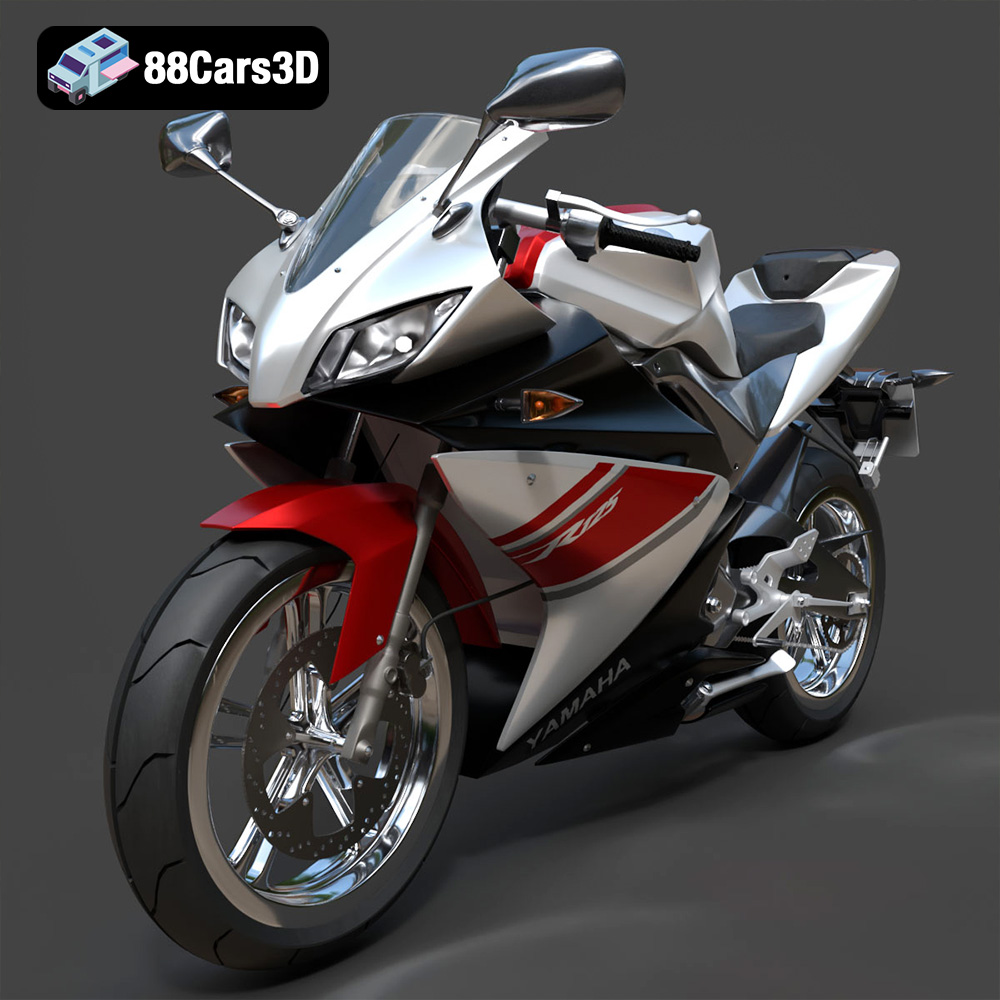
Texture: Yes | Material: Yes
Download the highly detailed, game-ready Yamaha YZF-R125 EU 3D Model. Features an aggressive aerodynamic fairing, twin LED headlights, and a detailed 125cc engine block. Includes .blend, .fbx, .obj, .glb, .stl, .ply, .unreal, and .max formats for game development, AR/VR, and rendering.
Price: $19.99
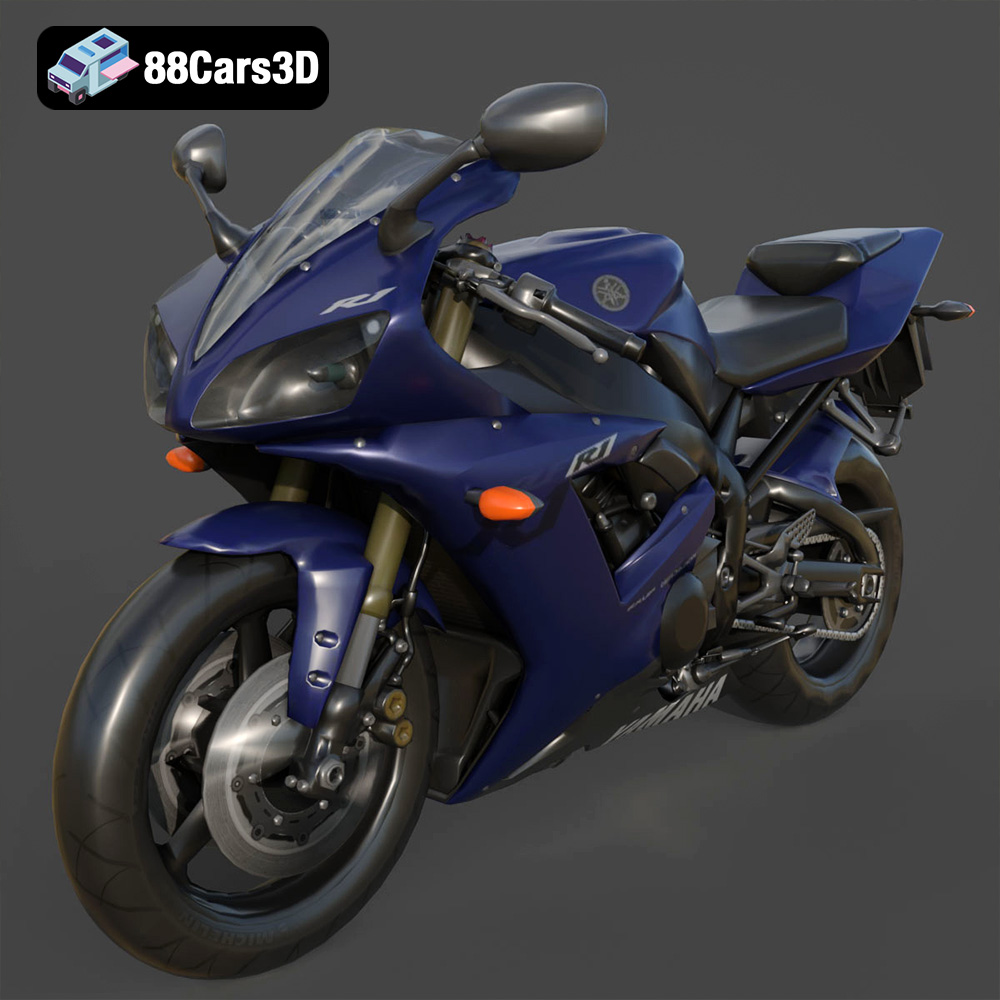
Texture: Yes | Material: Yes
Download the highly detailed, game-ready Yamaha R1 3D Model. Features aggressive aerodynamic fairings, a detailed crossplane inline-4 engine, and track-focused suspension geometry. Includes .blend, .fbx, .obj, .glb, .stl, .ply, .unreal, and .max formats for game development, AR/VR, and rendering.
Price: $19.99
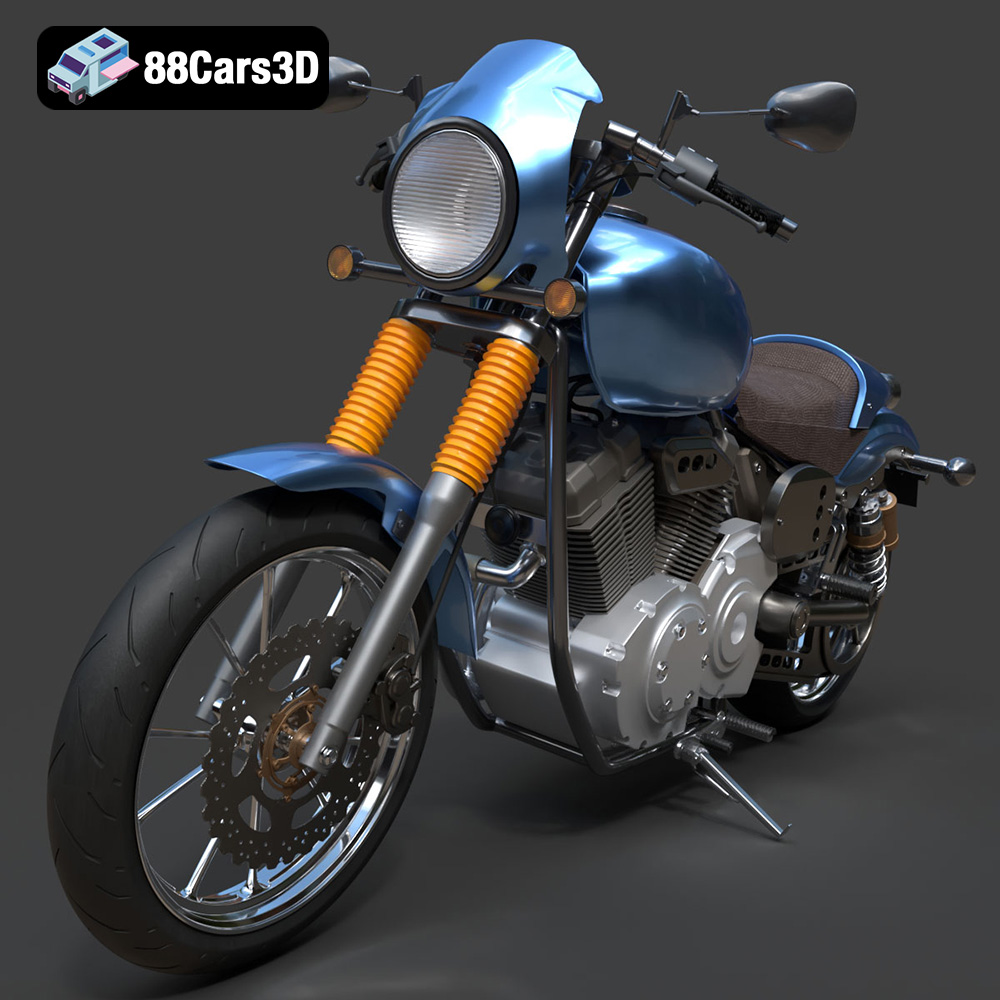
Texture: Yes | Material: Yes
Download the highly detailed, game-ready Yamaha XV950 Racer 3D Model. Features an aggressive cafe-racer front cowl, detailed air-cooled V-twin engine, and classic retro styling. Includes .blend, .fbx, .obj, .glb, .stl, .ply, .unreal, and .max formats for game development, AR/VR, and rendering.
Price: $19.99

Texture: Yes | Material: Yes
Download the highly detailed, game-ready Volvo VNL Tractor Truck 2002 3D Model. Features iconic aerodynamic styling, detailed fifth-wheel coupling, and heavy-duty chassis. Includes .blend, .fbx, .obj, .glb, .stl, .ply, .unreal, and .max formats for game development, AR/VR, and rendering.
Price: $39.99
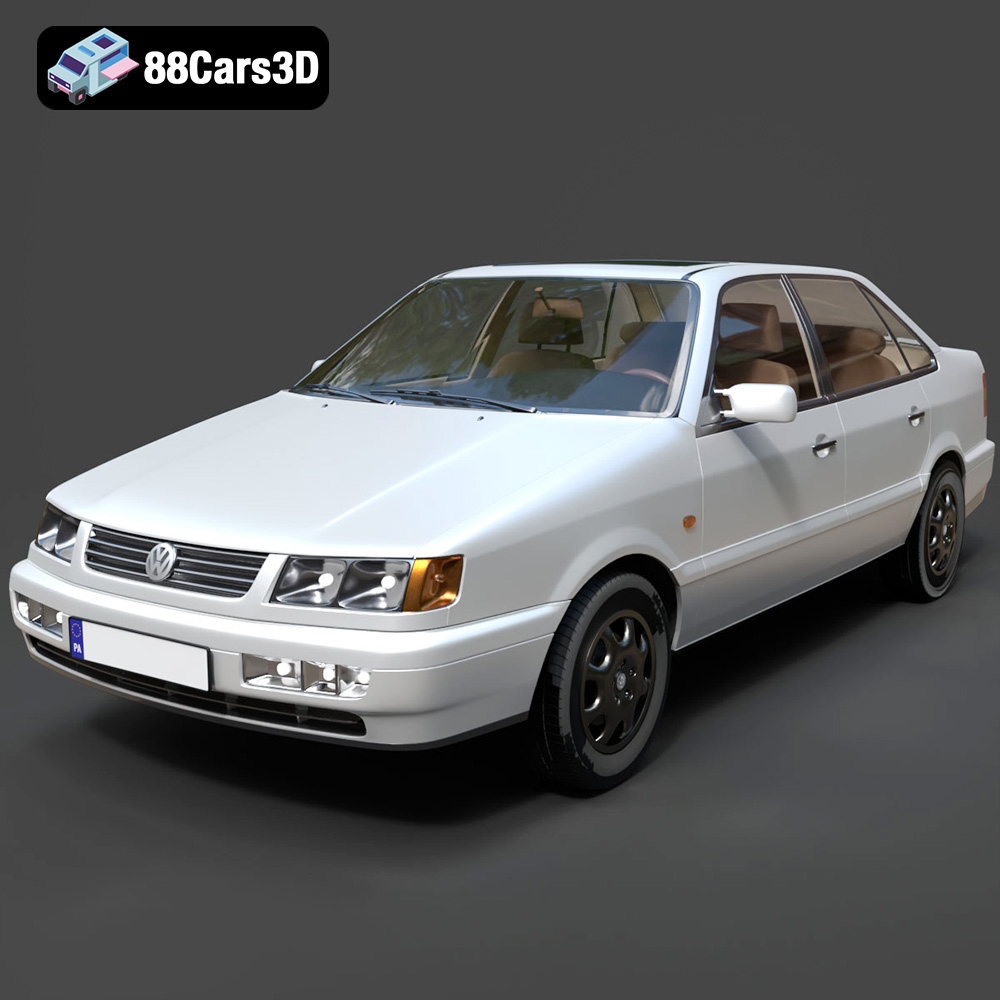
Texture: Yes | Material: Yes
Download the highly detailed, game-ready Volkswagen Passat Mk4 B4 Sedan 1993 3D Model. Features accurate 90s sedan styling, detailed front grille-less fascia, and a classic interior setup. Includes .blend, .fbx, .obj, .glb, .stl, .ply, .unreal, and .max formats for game development, AR/VR, and rendering.
Price: $39.99
Texture: Yes | Material: Yes
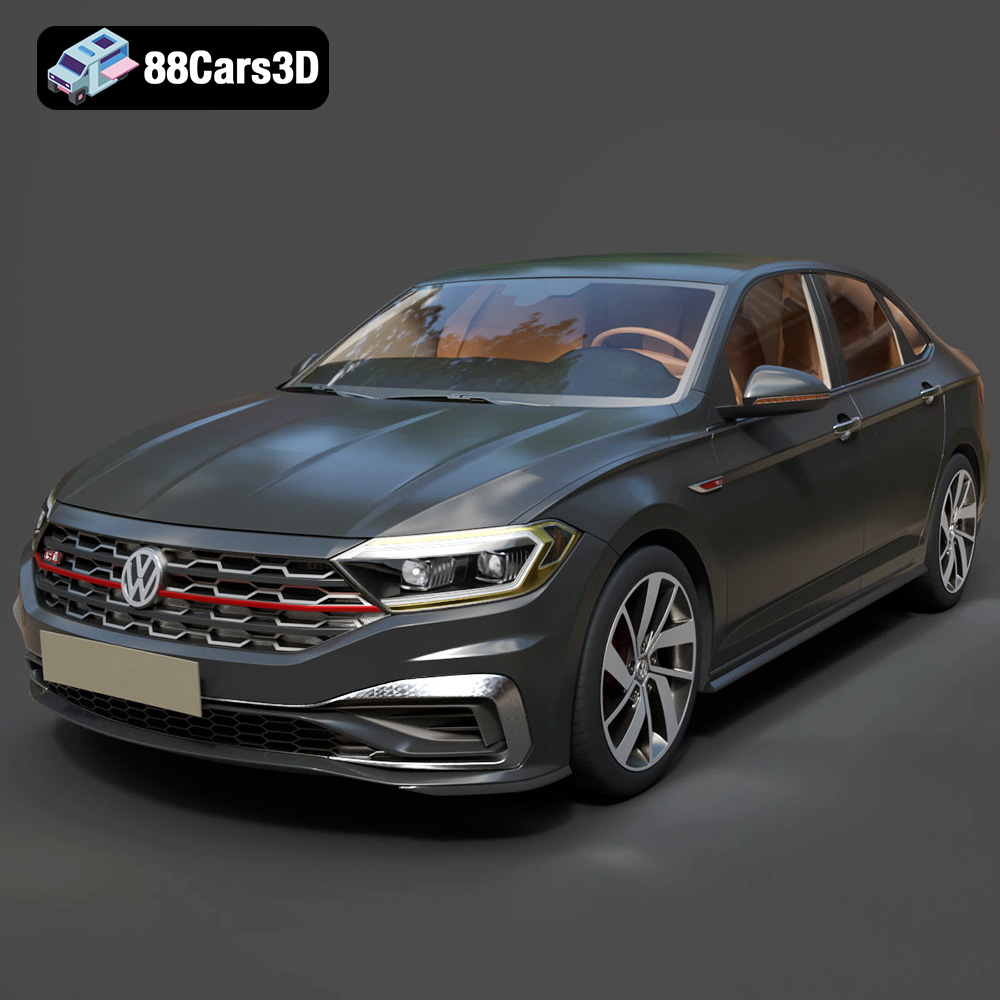
Download the highly detailed, game-ready Volkswagen Jetta GLI 2019 3D Model. Features an aggressive honeycomb grille with red accents, sleek aerodynamic profile, and exclusive GLI sport wheels. Includes .blend, .fbx, .obj, .glb, .stl, .ply, .unreal, and .max formats for game development, AR/VR, and rendering.
Price: $39.99
Texture: Yes | Material: Yes
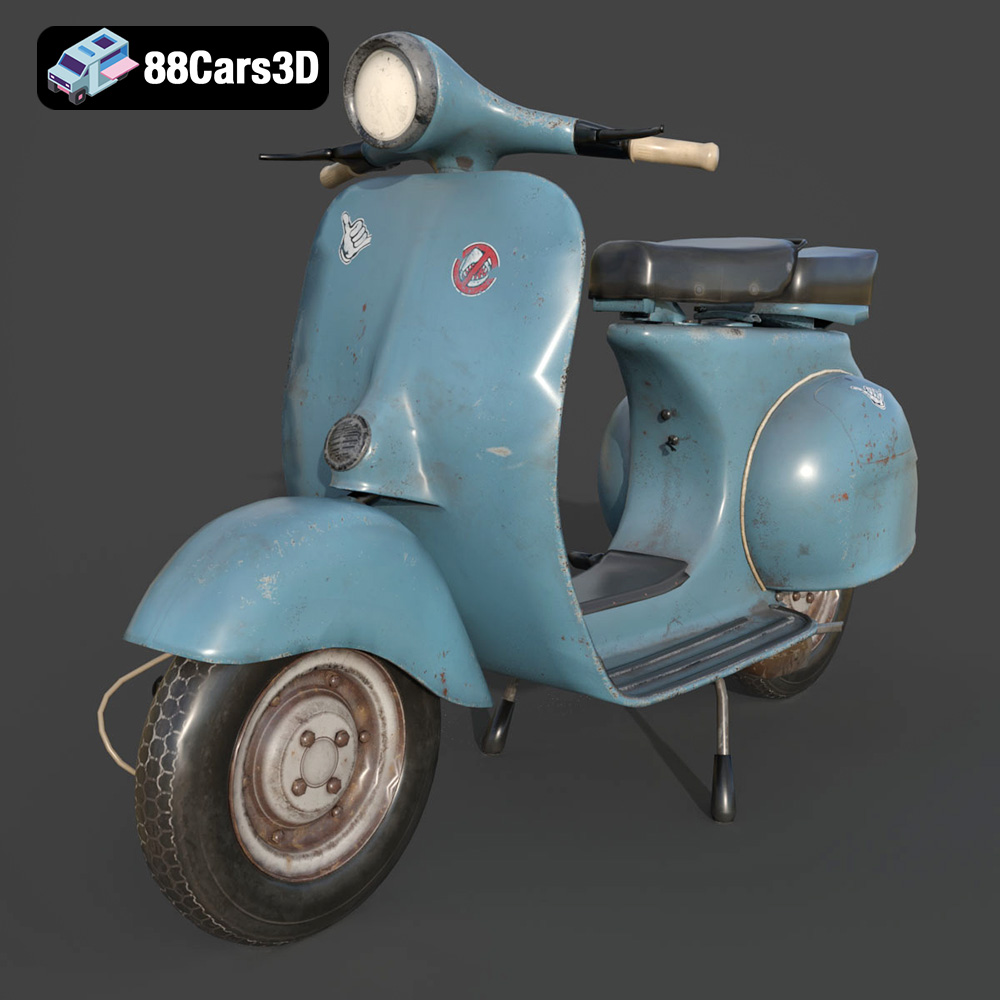
Download the highly detailed, game-ready Vintage Vespa 3D Model. Features iconic rounded monocoque styling, classic saddle, and chrome accents. Includes .blend, .fbx, .obj, .glb, .stl, .ply, .unreal, and .max formats for game development, AR/VR, and rendering.
Price: $39.99

Texture: Yes | Material: Yes
Download the highly detailed, game-ready Vespa GS 150 3D Model. Features elegant aerodynamic curves, classic leg shield, and detailed engine casing. Includes .blend, .fbx, .obj, .glb, .stl, .ply, .unreal, and .max formats for game development, AR/VR, and rendering.
Price: $39.99
Texture: Yes | Material: Yes
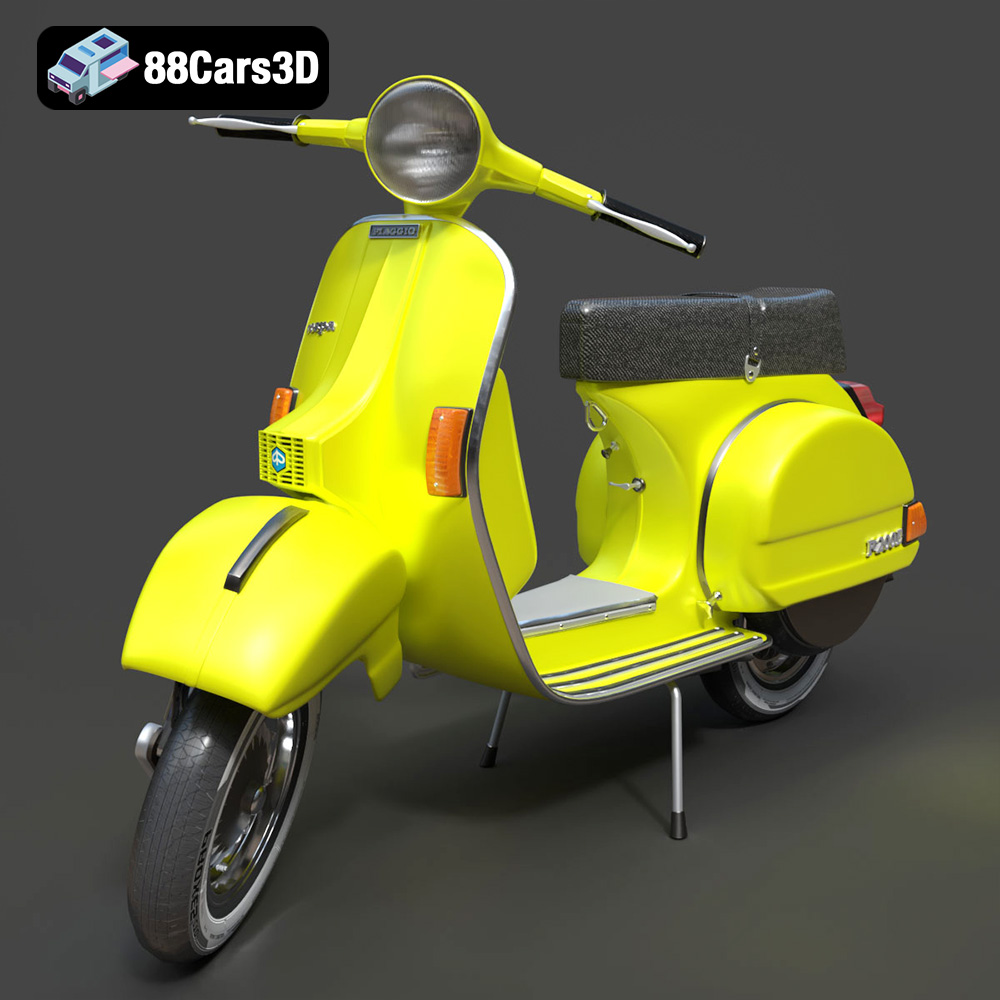
Download the highly detailed, game-ready Vespa P200E 3D Model. Features classic vintage styling, accurate step-through frame geometry, and authentic detailing. Includes .blend, .fbx, .obj, .glb, .stl, .ply, .unreal, and .max formats for game development, AR/VR, and rendering.
Price: $39.99
Texture: Yes | Material: Yes
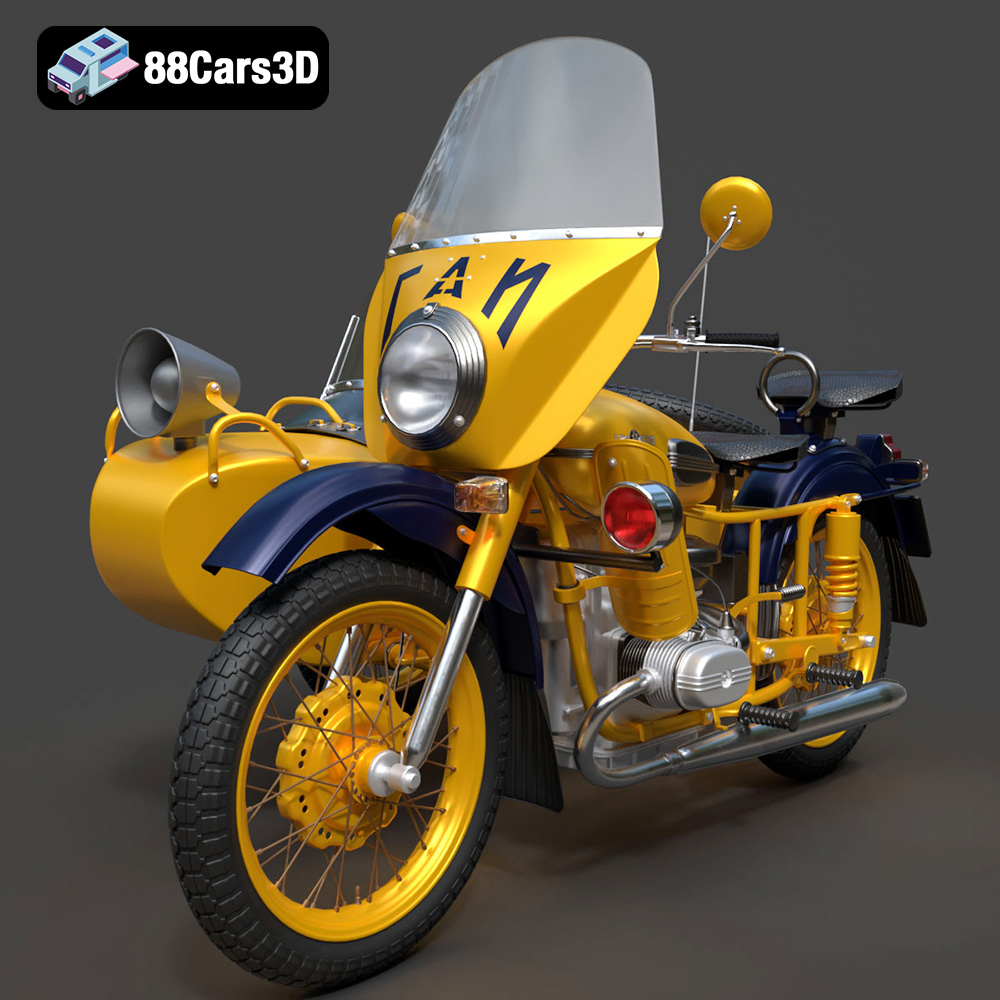
Download the highly detailed, game-ready Ural M67-36-P 1976 3D Model. Features the iconic air-cooled boxer engine, vintage utilitarian styling, and authentic spoked wheels. Includes .blend, .fbx, .obj, .glb, .stl, .ply, .unreal, and .max formats for game development, AR/VR, and rendering.
Price: $39.99

