Get 20% OFF All Premium 3D & STL Models!

In the vast landscape of digital content creation, the demand for highly detailed and functionally robust 3D car models is ever-present. From the immersive worlds of video games to the meticulous precision required for automotive visualization, creators constantly seek assets that can elevate their projects. Today, we delve into a remarkable example that embodies both rugged capability and exquisite digital craftsmanship: the Custom Off-Road BMW R1150GS Adventure Sidecar 3D Model. This isn’t just any motorcycle; it’s an icon of overland exploration, transformed into a versatile digital asset available at 88cars3d.com, ready to power your next creative endeavor.
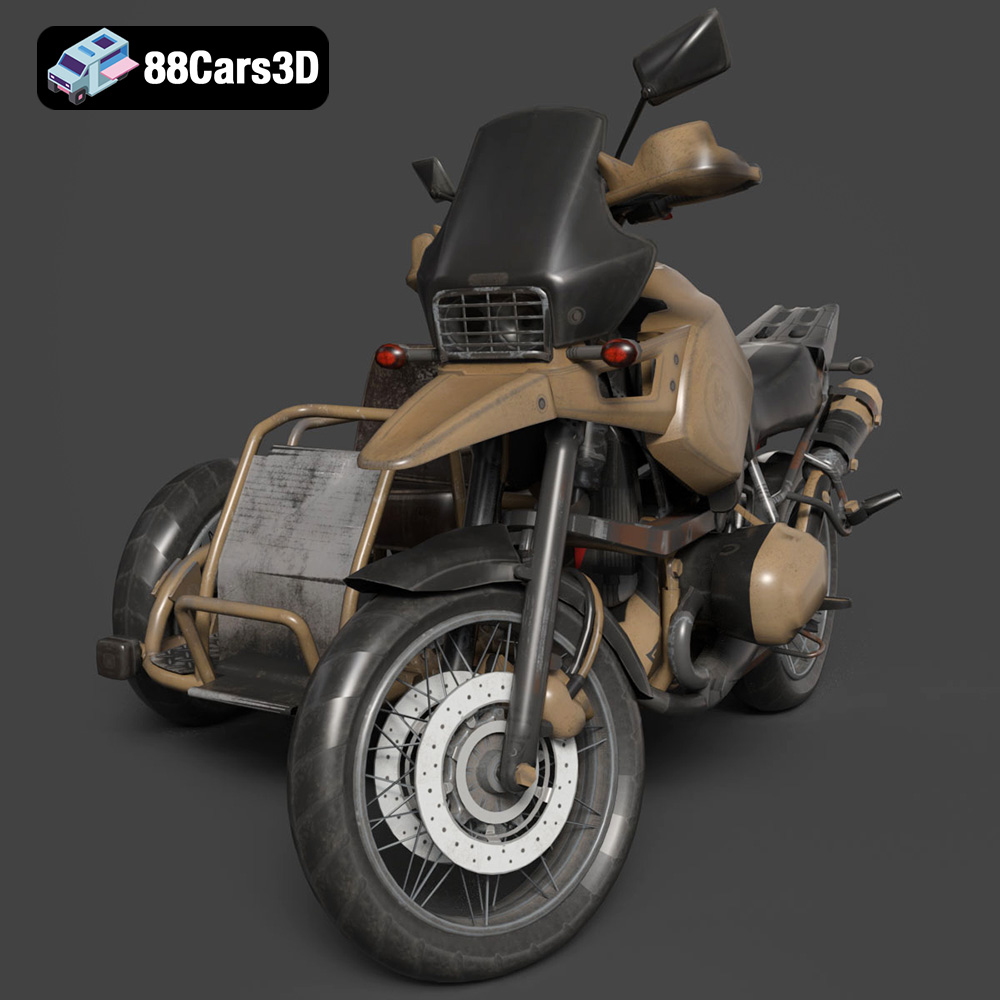
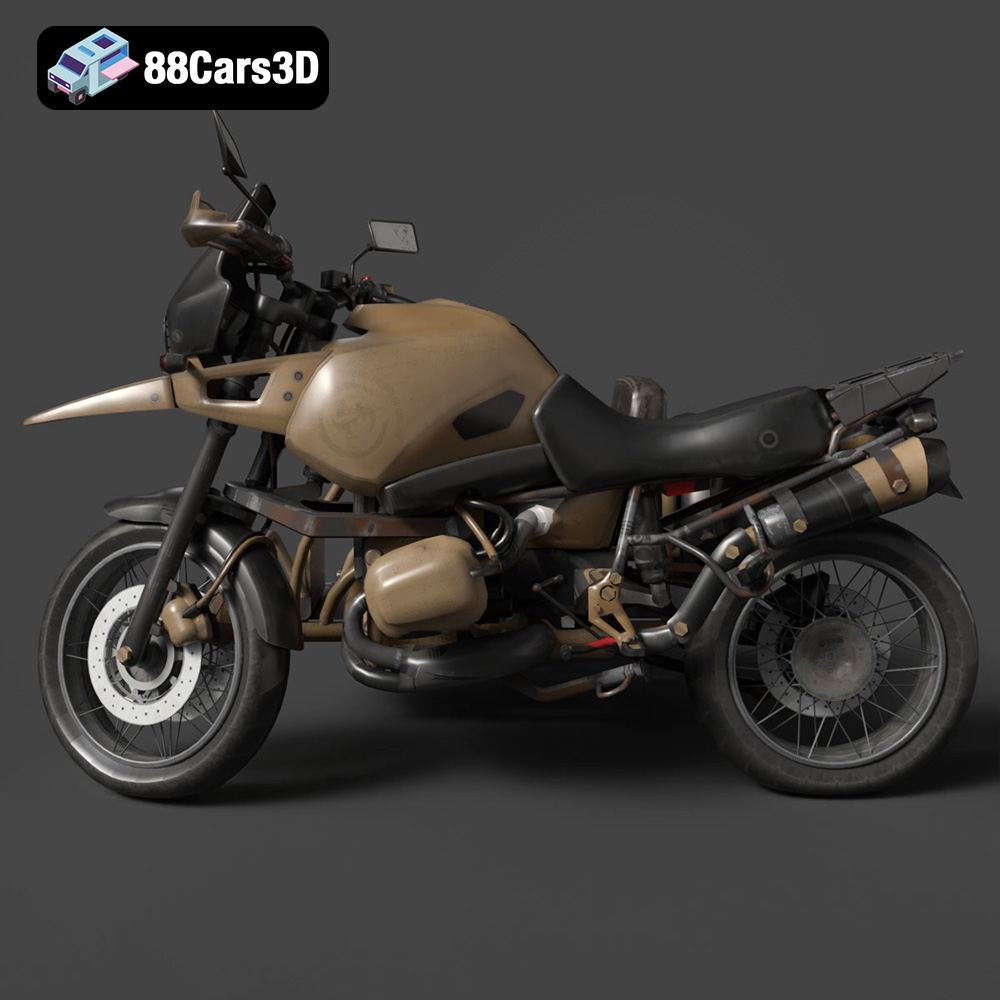
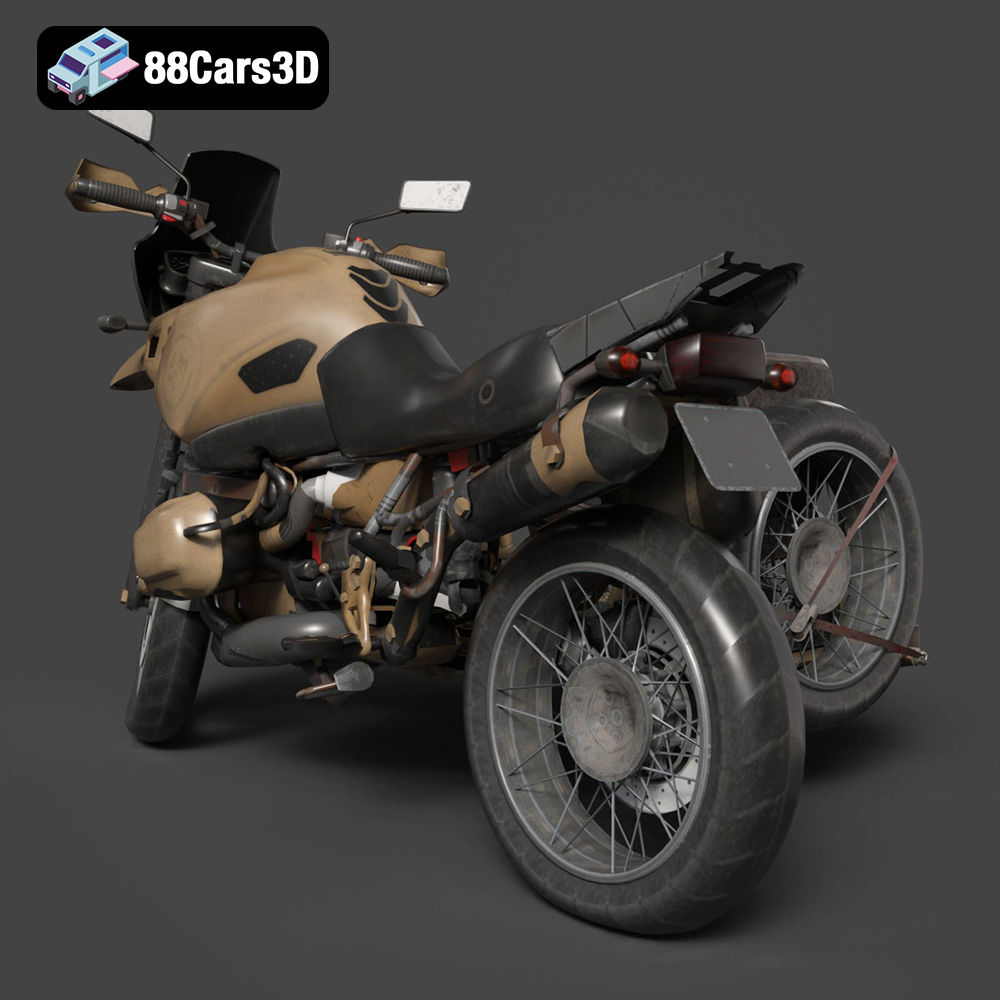
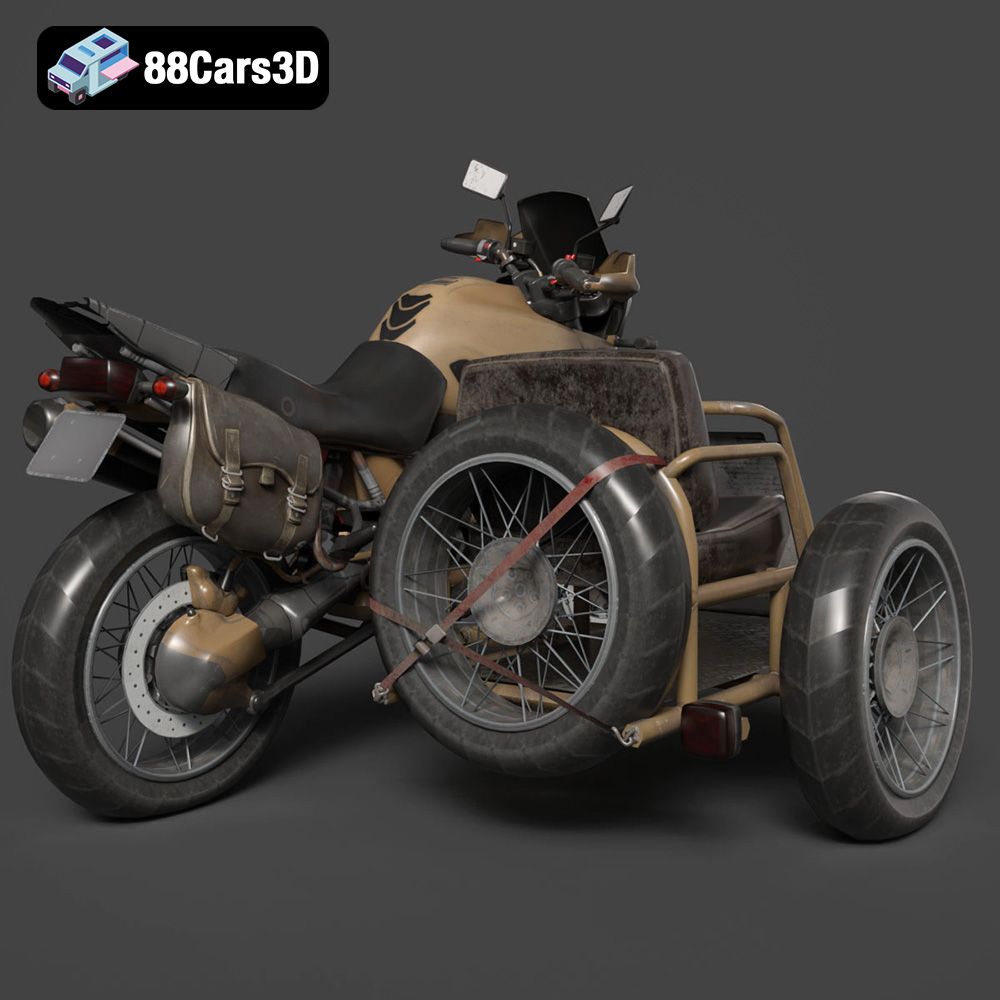
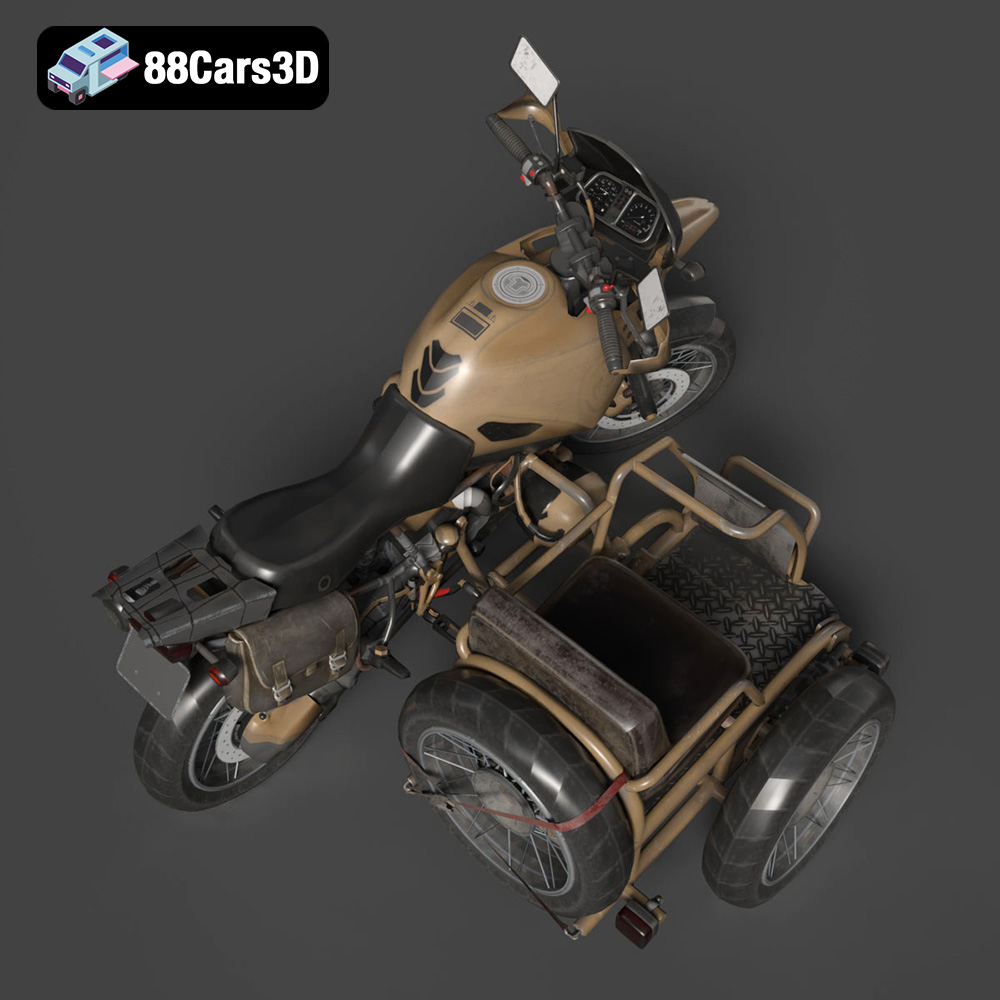
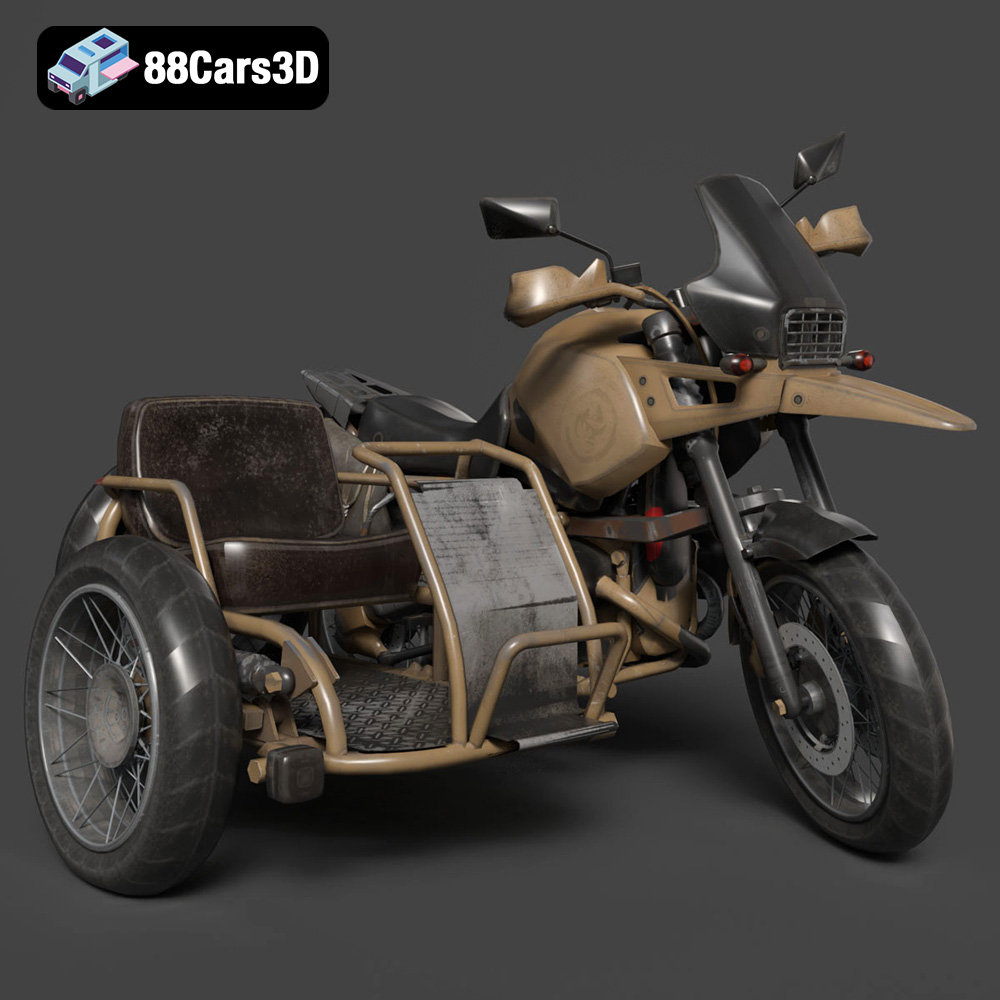
The BMW R1150GS Adventure, renowned for its legendary boxer-twin engine and shaft drive, is a machine built for the toughest journeys. Its digital counterpart captures this essence flawlessly, integrating a heavy-duty sidecar to create the ultimate all-terrain expedition vehicle in virtual form. Boasting aggressive knobby tires, robust crash bars, and the distinctive asymmetric headlights, this model is a testament to meticulous detailing and optimization. Whether you’re a game developer crafting a post-apocalyptic saga, an architect visualizing an adventurous lifestyle, or an AR/VR designer building an immersive experience, this premium asset offers unparalleled fidelity and performance.
The versatility of a 3D car model often hinges on its availability in various file formats, each serving distinct purposes across different software and platforms. The Custom Off-Road BMW R1150GS Adventure Sidecar 3D Model stands out by offering a comprehensive suite of formats, ensuring seamless integration into virtually any professional workflow. Understanding these formats is crucial for optimizing your projects, from initial modeling to final rendering and deployment.
The `.blend` file format is native to Blender, the powerful open-source 3D creation suite. When you download the BMW R1150GS Adventure Sidecar model in `.blend` format, you’re getting a fully editable Blender scene. This includes not just the mesh data, but also the scene’s lighting, cameras, materials (often set up with advanced node-based PBR shaders), animations (if any), modifiers, and even custom scripts. For artists deeply integrated into the Blender ecosystem, this format offers the most flexibility for making extensive modifications, re-texturing, or integrating the model into complex Blender-based scenes. It’s perfect for detailed automotive rendering setups within Blender, allowing for complete artistic control over every aspect of the model’s appearance and behavior.
Autodesk’s `.fbx` (Filmbox) format is arguably the most widely adopted interchange format in the 3D industry, especially crucial for real-time pipelines. The BMW R1150GS Adventure Sidecar model provided as `.fbx` is ideal for importing into game engines like Unreal Engine and Unity, as well as other 3D applications such as 3ds Max, Maya, and Cinema 4D. `.fbx` supports not only mesh geometry but also materials, textures, animations, rigging, and even light and camera data. Its strength lies in its ability to consolidate complex scene information into a single, relatively portable file, making it the go-to choice for transferring game assets efficiently while preserving key setup information like proper pivot points for animation (steering, wheel rotation, suspension travel).
The `.obj` (Wavefront Object) format is a classic, universal standard primarily for representing 3D geometry. It’s highly compatible across almost all 3D software packages, making it an excellent fallback or starting point for cross-software compatibility. An `.obj` file stores vertex positions, normals, texture coordinates (UVs), and faces, often accompanied by a separate `.mtl` (Material Template Library) file that defines basic material properties and links to texture maps. While `.obj` doesn’t typically carry complex animations or advanced material nodes, its simplicity and widespread support ensure that the Custom Off-Road BMW R1150GS Adventure Sidecar model can be opened and worked with in virtually any 3D environment, offering a robust foundation for re-texturing or custom material setups.
The `.glb` (GL Transmission Format Binary) is an increasingly important format, especially for AR, VR, and browser-based 3D applications. It’s a binary version of `.gltf` and packages all necessary data—geometry, textures, materials, and animations—into a single file. This self-contained nature makes `.glb` highly efficient for streaming and display on the web, mobile devices, and AR/VR headsets, minimizing load times and simplifying asset management. For the BMW R1150GS Adventure Sidecar, the `.glb` format ensures that this detailed model can be seamlessly integrated into interactive web experiences, virtual showrooms, or augmented reality applications, offering a lightweight yet visually rich representation.
`.stl` (STereoLithography) is the de facto standard file format for 3D printing. It represents a 3D model as a series of connected triangles (a triangulated surface). Unlike other formats, `.stl` contains no color, texture, or material information, focusing solely on the geometric shell of the object. Providing the BMW R1150GS Adventure Sidecar as an `.stl` allows hobbyists and professionals alike to physically bring the model to life. The product description highlights practical 3D print settings, from recommended scale (1:12 / 1:18 / 1:24) to crucial considerations like layer height, wall thickness, infill, and the necessity of supports for intricate parts, ensuring a successful physical output of this remarkable off-road vehicle.
The `.ply` (Polygon File Format) is another popular format for storing 3D data, particularly useful for scanned data, CAD, and scientific applications where precision and a variety of data types are important. `.ply` can store not only XYZ coordinates but also color, normals, transparency, and even properties like confidence values for each vertex. While less common for general 3D assets compared to `.fbx` or `.obj`, its inclusion for the BMW R1150GS Adventure Sidecar model caters to highly specialized workflows that might require more granular mesh data for analysis, reverse engineering, or integration with specific engineering software.
The `.unreal` format, often referring to a pre-packaged asset optimized specifically for Unreal Engine, represents a significant advantage for game developers. This typically means the model has been imported, materials have been set up using Unreal’s PBR pipeline, collisions generated, LODs (Levels of Detail) configured, and any skeletal meshes or animations pre-integrated. For the BMW R1150GS Adventure Sidecar, an `.unreal` asset would significantly accelerate deployment in an Unreal project, minimizing the setup time and ensuring the model is battle-ready for real-time environments, maintaining optimal performance with its approximate 180,000 triangles.
Finally, the `.max` file is the native project format for Autodesk 3ds Max, a leading software for 3D modeling, animation, and rendering. Similar to `.blend`, a `.max` file for the BMW R1150GS Adventure Sidecar would contain the complete scene, including geometry, complex material networks (e.g., V-Ray, Corona, Arnold shaders), lighting, cameras, and any animation keyframes. For professionals working within a 3ds Max pipeline, this offers maximum flexibility for editing, setting up advanced render passes, creating high-fidelity animations, or integrating the model into existing studio scenes. It provides full control over every aspect of the model, from its topology to its final rendered output.
The availability of the Custom Off-Road BMW R1150GS Adventure Sidecar 3D Model in these diverse formats underscores its professional-grade quality and adaptability, making it an invaluable addition to any digital artist’s toolkit.
Creating a 3D car model that is both visually stunning and performant for real-time applications is a delicate balance. The Custom Off-Road BMW R1150GS Adventure Sidecar demonstrates this equilibrium perfectly. Its “game-ready & optimized” designation means it adheres to strict technical standards that ensure smooth operation without sacrificing visual appeal.
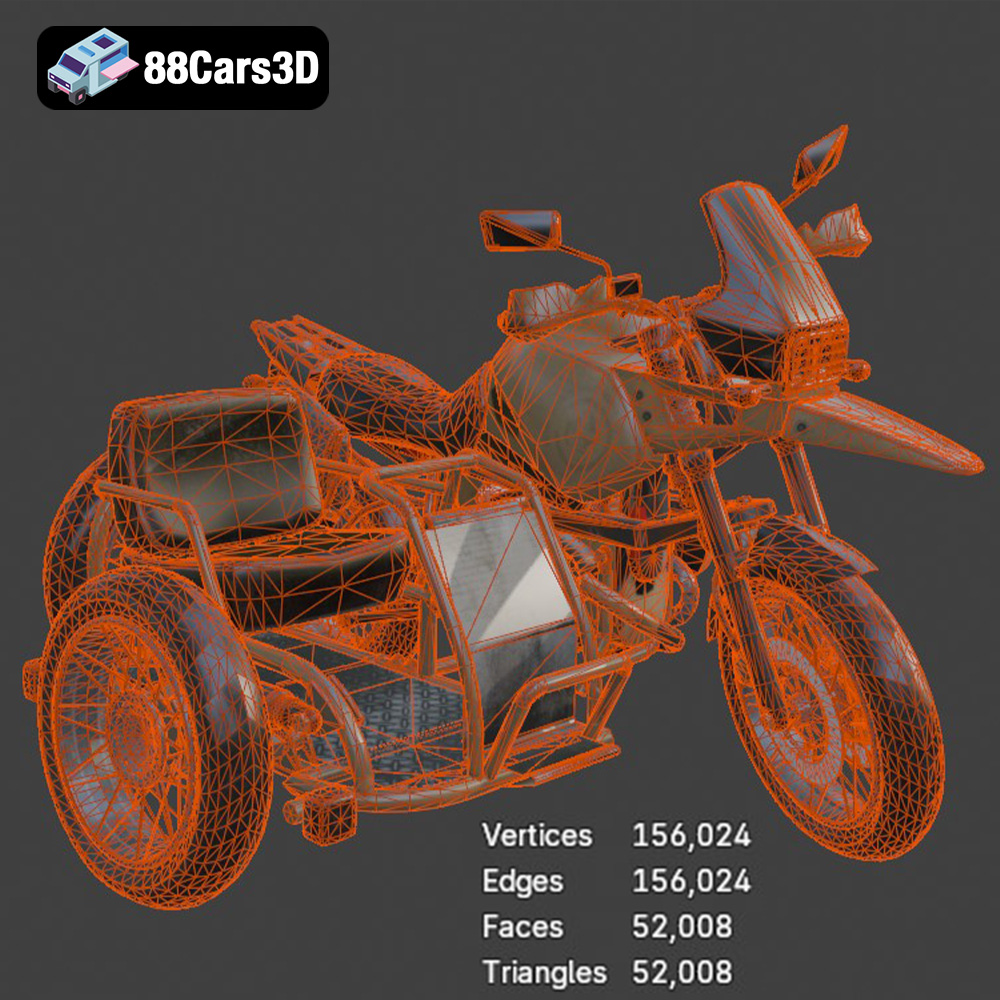
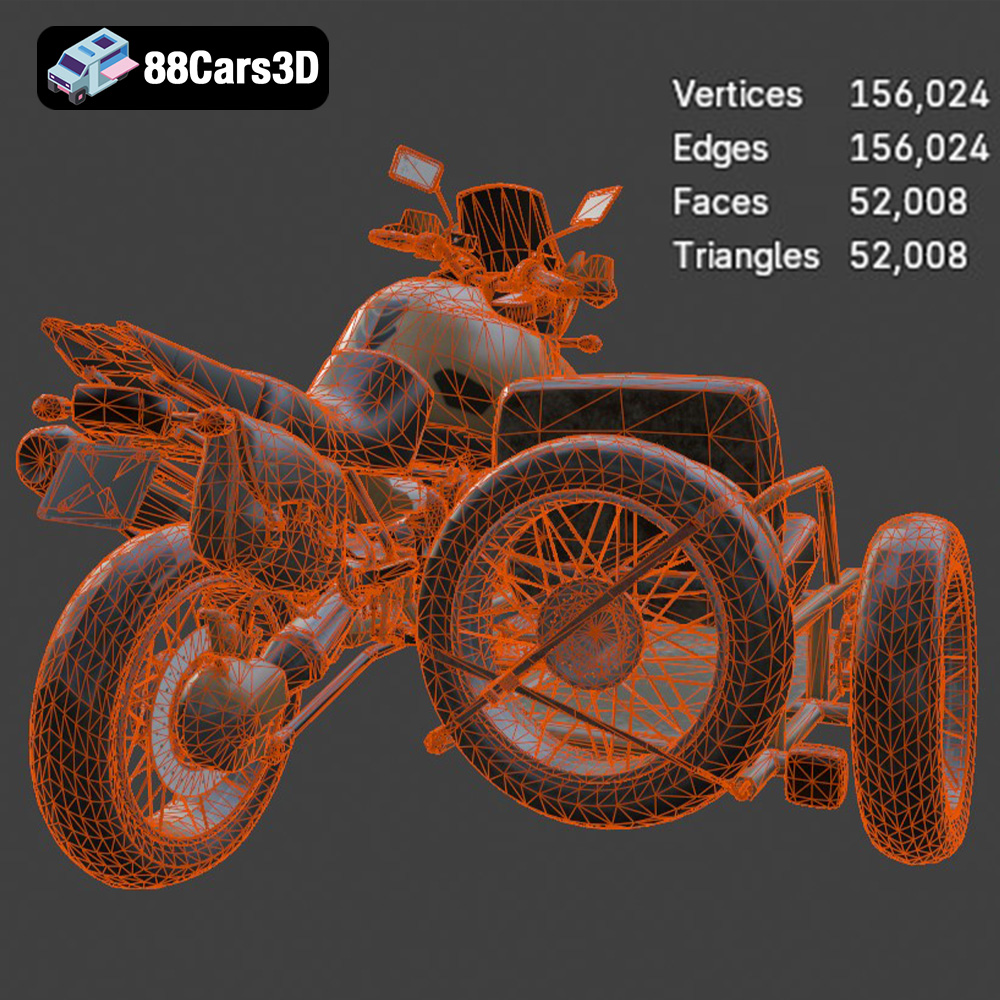
At approximately 180,000 triangles, the BMW R1150GS Adventure Sidecar strikes an ideal balance. This polycount is sufficiently detailed to capture the intricacies of the boxer engine, the sidecar frame, and the knobby tires, yet optimized enough to avoid bogging down real-time engines like Unreal or Unity. For context, high-end production models can easily exceed millions of polygons, while mobile game assets might be limited to tens of thousands. The choice of 180k triangles allows for close-up shots and immersive first-person views without introducing performance bottlenecks. This careful optimization extends to the model’s topology, ensuring clean, efficient mesh flow that facilitates deformation for animation and generates crisp normal maps for added surface detail.
A high-quality model is nothing without exceptional materials. The BMW R1150GS Adventure Sidecar features carefully mapped textures and realistic material finishes. This implies a robust Physically Based Rendering (PBR) workflow, where materials respond accurately to light, mimicking real-world properties. The textures, including diffuse/albedo, roughness, metallic, normal, and ambient occlusion maps, are precisely unwrapped across the model’s UV space. Proper UV mapping is paramount, as it dictates how textures are projected onto the 3D surface, preventing stretching or distortion. This attention to detail ensures that the motorcycle’s rugged paint, rubber tires, and metallic components appear authentic under various lighting conditions, crucial for both automotive rendering and dynamic game environments.
For game developers, finding a pre-optimized, high-fidelity game asset can be a significant time-saver. The Custom Off-Road BMW R1150GS Adventure Sidecar 3D Model is tailor-made for roles in open-world adventures, racing titles, and simulation games.
Integrating this model into Unreal Engine typically begins with importing the `.fbx` or `.unreal` file. Once imported, the raw mesh and textures appear in the content browser. The next steps involve:
The result is a visually stunning and performance-efficient vehicle ready for player interaction and environmental dynamics.
Imagine a hypothetical open-world survival game, “Outback Odyssey,” set in a desolate, post-apocalyptic Australian landscape. The development team at ‘Wasteland Studios’ needed a primary player vehicle that conveyed resilience, adaptability, and the spirit of adventure. They found the Custom Off-Road BMW R1150GS Adventure Sidecar 3D Model on 88cars3d.com. Its rugged design perfectly fit the game’s aesthetic, and its game-ready optimization meant minimal rework. Leveraging the `.fbx` format, the team quickly integrated it into their Unity engine environment. They utilized the model’s separate components (wheels, suspension, steering) to implement realistic physics and dynamic wear-and-tear effects, allowing players to customize and repair their trusty sidecar, making it a central narrative and gameplay element. The model’s inherent detail even supported the creation of intricate UI elements for vehicle statistics and upgrades.
Beyond interactive experiences, the Custom Off-Road BMW R1150GS Adventure Sidecar excels in static automotive rendering and visualization. This application demands the highest levels of visual fidelity, where every reflection, every material texture, and every shadow contributes to a convincing illusion of reality.
For high-end visualization using the `.max` file, a typical workflow in 3ds Max with renderers like V-Ray or Corona would involve:
This meticulous approach transforms the digital model into a photorealistic artwork, ideal for marketing campaigns or brand showcases.
The rise of AR/VR technology presents new frontiers for showcasing 3D car models. The Custom Off-Road BMW R1150GS Adventure Sidecar, with its optimized geometry and `.glb` format, is a perfect fit. Imagine a virtual showroom where potential customers can walk around the motorcycle, inspect its features in 360 degrees, or even “sit” in the sidecar. For AR applications, the model can be projected into a real-world environment via a smartphone or tablet, allowing users to see the bike in their driveway or office. The efficient `.glb` format ensures smooth performance on mobile devices, providing an immersive and interactive experience that transcends traditional static images or videos.
The digital realm often extends into the physical, and the Custom Off-Road BMW R1150GS Adventure Sidecar 3D Model is no exception. Its inclusion of the `.stl` format makes it perfectly suitable for 3D printing, allowing enthusiasts to hold a tangible replica of this iconic machine.
Converting a detailed visual model into a print-ready file requires consideration. The product description provides excellent guidance:
This bridge between digital asset and physical object offers a unique avenue for collectors, hobbyists, and model makers to engage with the product.
The Custom Off-Road BMW R1150GS Adventure Sidecar 3D Model is more than just a collection of polygons and textures; it’s a meticulously crafted digital asset that opens doors to countless creative possibilities. Its detailed design, optimized performance, and wide array of supported file formats (.blend, .fbx, .obj, .glb, .stl, .ply, .unreal, .max) make it an indispensable tool for professionals across various industries.
Whether you are developing a cutting-edge game, creating breathtaking automotive rendering visualizations, designing an immersive AR/VR experience, or even planning to 3D print a physical replica, this model provides the quality and flexibility required. Its careful balance of visual fidelity and technical optimization ensures it will seamlessly integrate into demanding workflows, saving valuable development time and enhancing the final output.
For studios and individual artists seeking premium 3D car models and robust game assets that truly stand out, offerings like the Custom Off-Road BMW R1150GS Adventure Sidecar are invaluable. Discover this exceptional model and more high-quality assets at 88cars3d.com, where your next digital adventure begins.
The Custom Off-Road BMW R1150GS Adventure Sidecar represents the pinnacle of overland exploration and rugged dual-sport capability. Renowned for its iconic boxer twin engine and indestructible shaft drive, this customized adventure rig integrates a heavy-duty passenger sidecar, transforming it into an ultimate all-terrain expedition vehicle. Key visual elements include the massive dual-sport fuel tank, aggressive knobby tires, robust crash bars, and the distinctive asymmetric headlights that define the GS lineage.
$39.99
.adventure
.blend
.bmw
.custom
.fbx
.glb
.max
.obj
.ply
.rendering
.sidecar
.stl
.unreal
game asset
game-ready
low-poly
motorcycle-3d-model
off-road
optimized
r1150gs
VR/AR