Get 20% OFF All Premium 3D & STL Models!

In the expansive and ever-evolving world of digital visualization, the demand for exceptionally detailed and versatile 3D models continues to surge. From blockbuster cinematic productions to immersive game environments and precise engineering simulations, the quality of a 3D asset dictates the fidelity and impact of the final output. Among the most challenging yet rewarding subjects to capture in three dimensions are vehicles, especially high-performance machines like superbikes. These objects embody complex curves, intricate mechanical components, and a dynamic presence that demands meticulous attention to detail from a 3D artist.
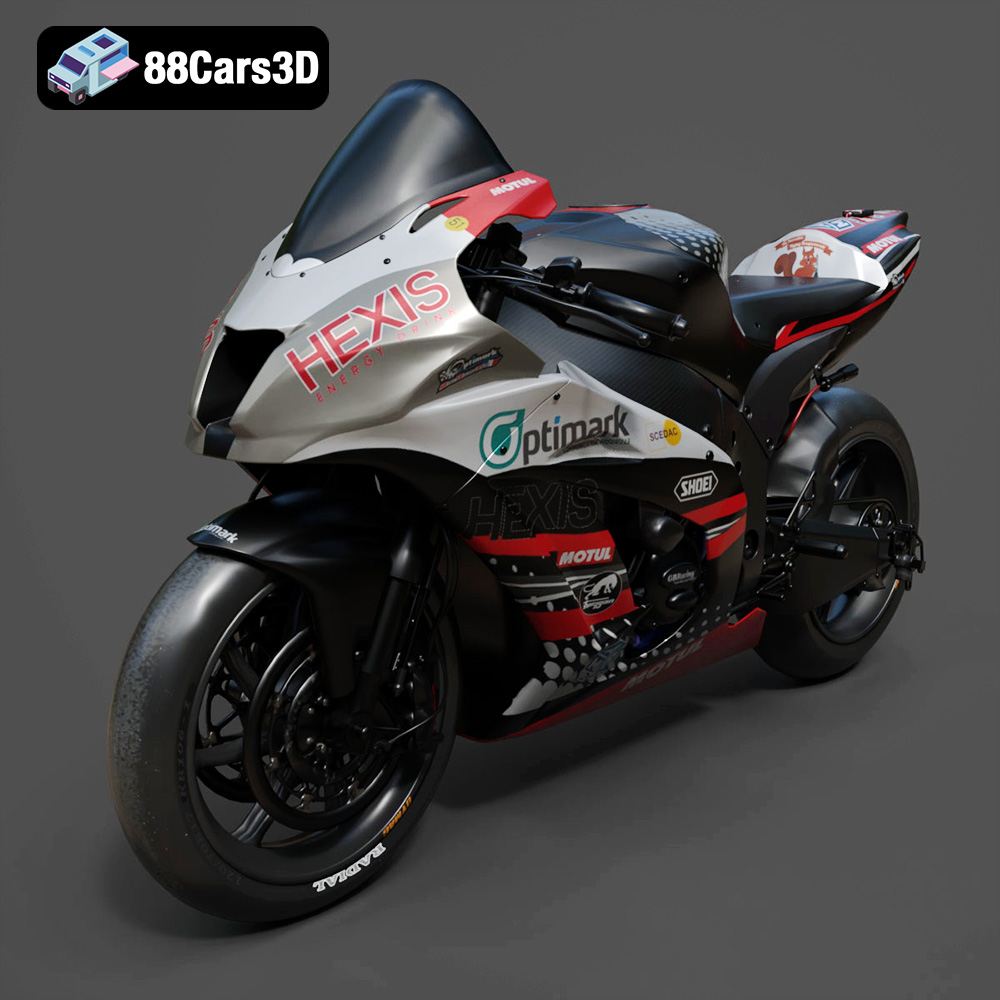
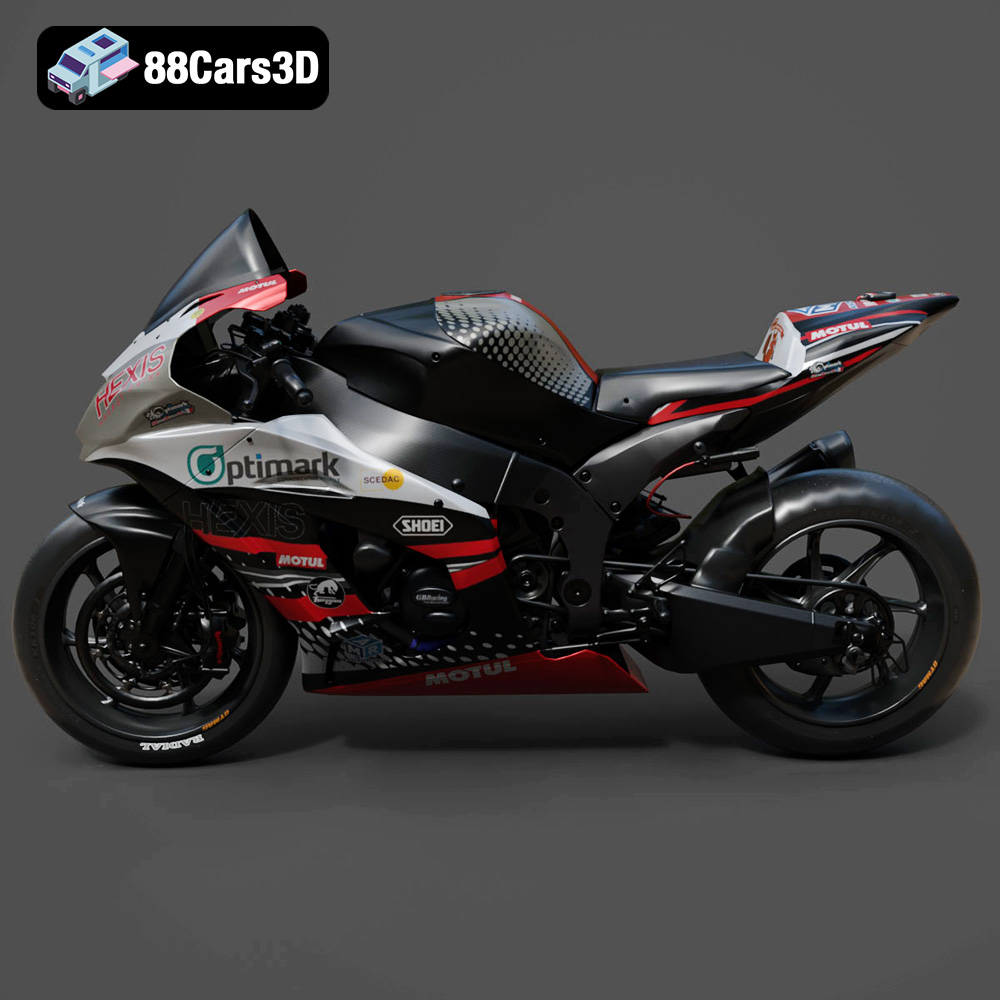
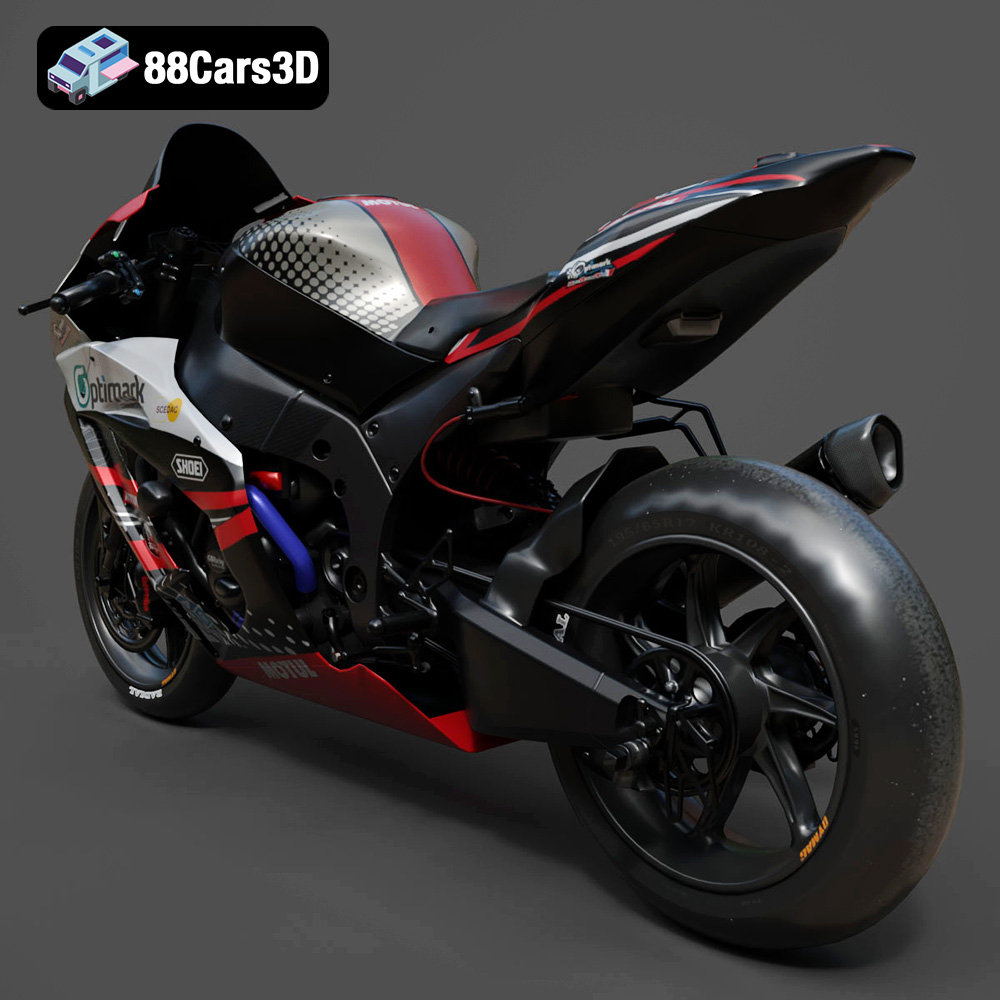
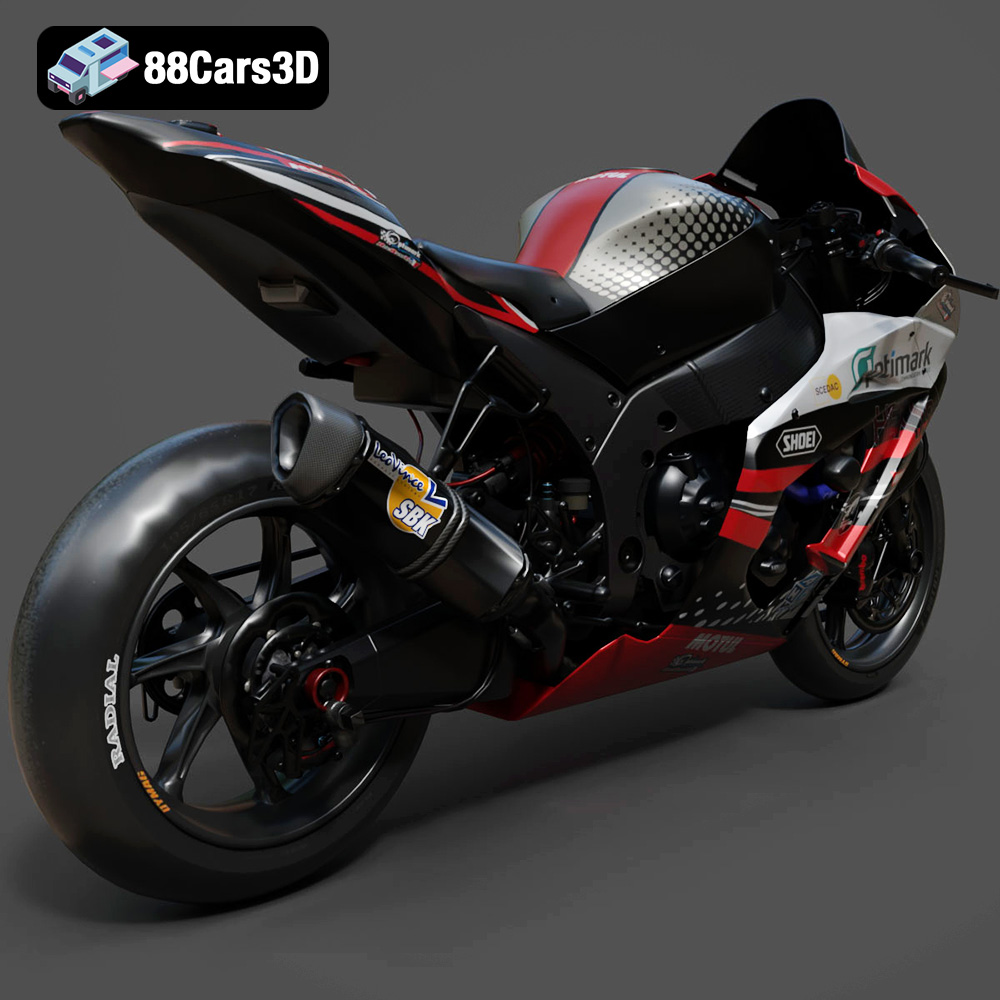
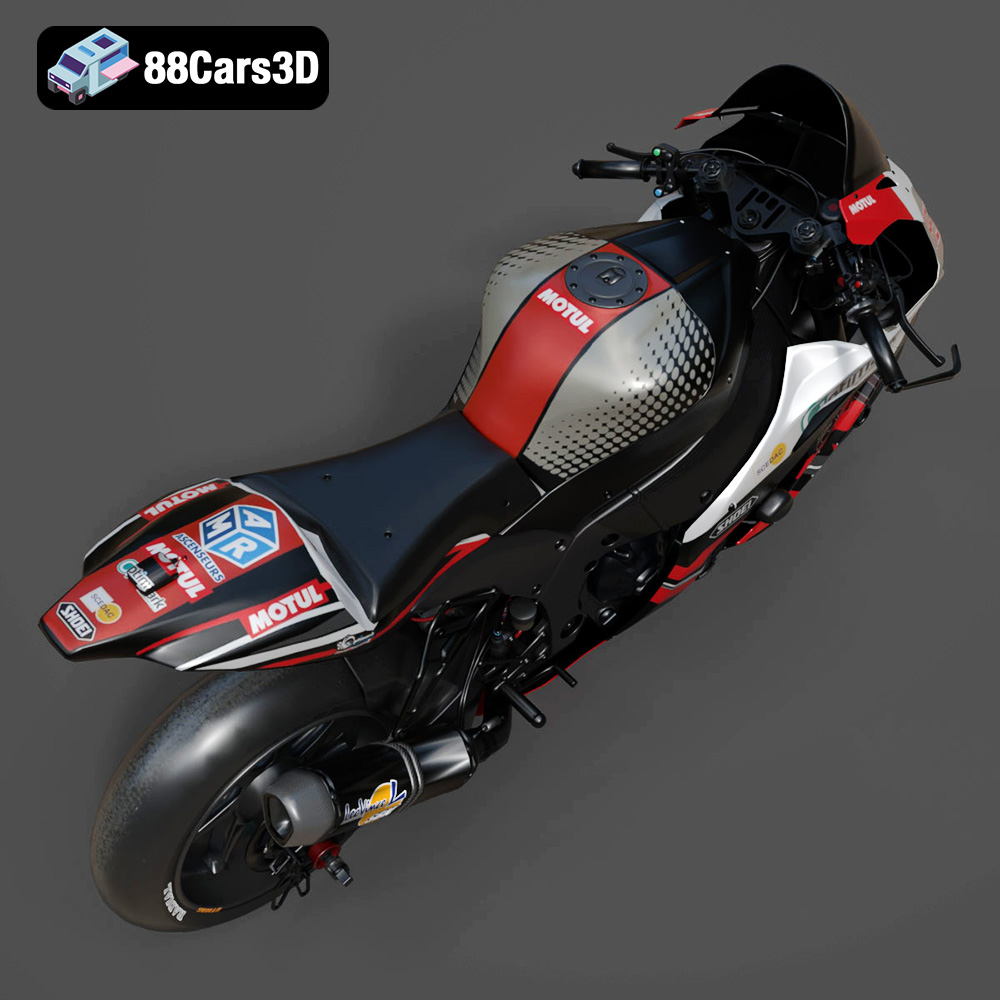
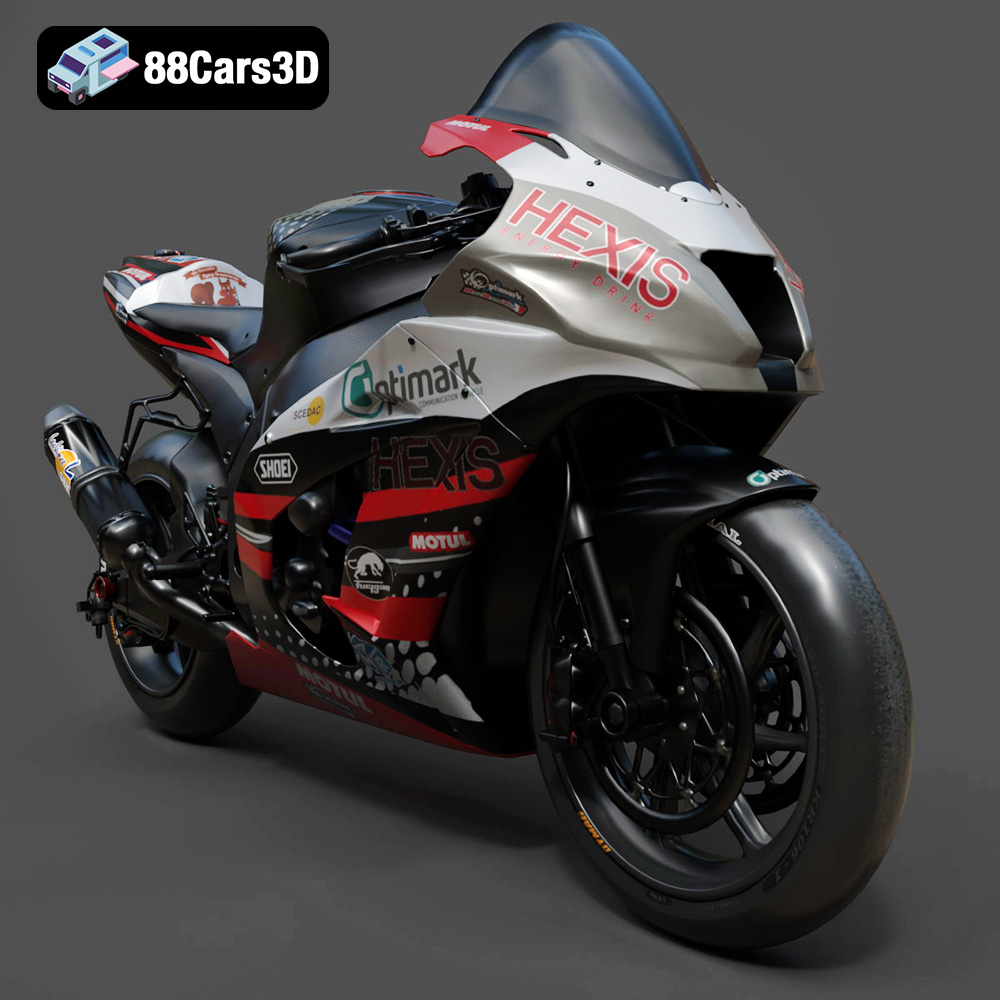
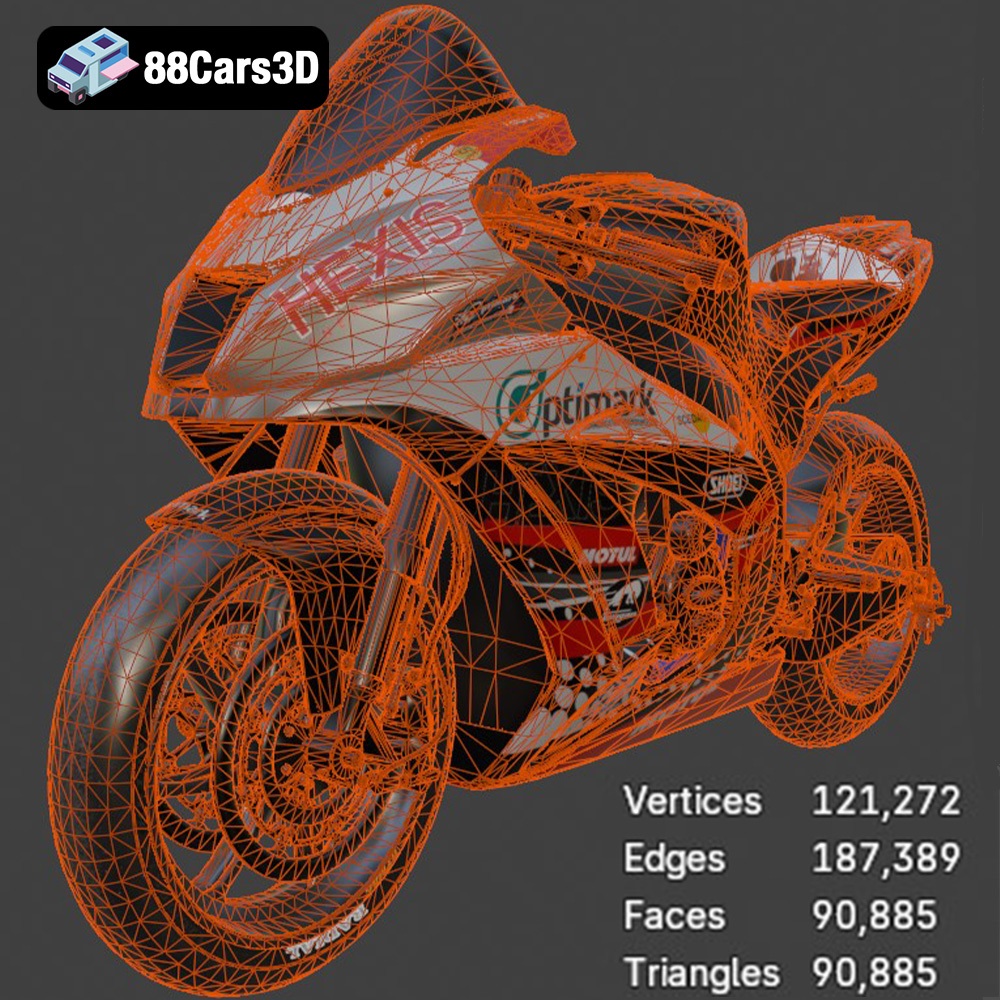
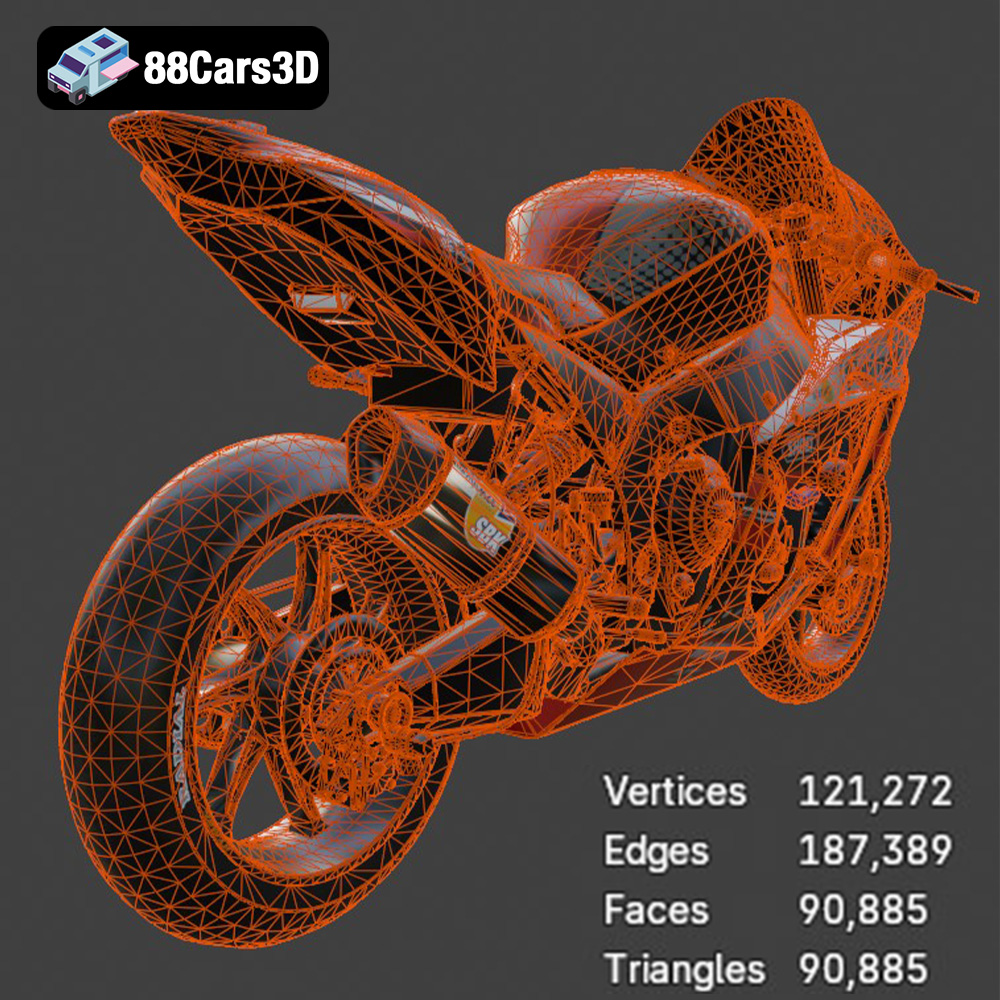
Enter the Kawasaki ZX-10R 3D Model, an asset designed to elevate any digital project that requires the pinnacle of superbike realism. This isn’t just a generic motorcycle model; it’s a meticulously crafted digital twin of a legendary machine, capturing its aggressive styling, aerodynamic profile, and every intricate mechanical component. Whether you’re an automotive visualization specialist, a game developer, an AR/VR content creator, or an enthusiast seeking the perfect digital centerpiece, this model offers a robust foundation for your creative endeavors. Its professional-grade construction, featuring clean geometry, an optimized polygon count, and realistic materials, ensures it integrates seamlessly and performs flawlessly across a spectrum of applications.
In this comprehensive guide, we’ll delve into the technical facets of high-quality 3D models, explore the diverse applications for an asset like the Kawasaki ZX-10R, and demonstrate how professional artists and developers leverage such resources to achieve stunning results. We’ll discuss critical file formats, advanced rendering techniques, game development workflows, and the expanding possibilities in AR/VR and 3D printing, all while keeping the exceptional standards of models available on 88cars3d.com at the forefront.
The success of any 3D project hinges not only on the quality of the model itself but also on its compatibility and optimization for the intended platform and software. A truly versatile 3D asset, such as the Kawasaki ZX-10R 3D Model, provides a range of industry-standard file formats, each serving specific purposes and workflows. Understanding these formats is crucial for professional artists and developers to ensure seamless integration and maximum efficiency.
The .blend format is Blender’s native file type, offering a comprehensive and fully editable scene with all its components. When you acquire a .blend file, you’re getting more than just a mesh; you’re receiving the entire project structure, including materials, textures, lighting setups, cameras, animations (if present), and any modifiers or rigging applied to the model. This makes it an invaluable resource for artists who primarily work within Blender, allowing for deep customization, tweaking materials, adjusting lighting, or even dissecting the modeling process itself. For the Kawasaki ZX-10R 3D Model, the .blend file provides a ready-to-render scene, making it incredibly convenient for quick visualization or as a starting point for further artistic exploration.
Autodesk’s .fbx (Filmbox) format has become an industry-standard for transferring 3D data between various applications, especially within game development pipelines. It supports not only geometry and UV mapping but also materials, textures, animation, skeletal rigging, and even camera and light data. Its robust support for animation makes it the go-to format for importing animated characters, vehicles, or environmental elements into game engines like Unreal Engine and Unity. When using the .fbx version of the Kawasaki ZX-10R 3D Model, developers can expect a well-structured asset that can be easily imported, have its materials re-linked or updated, and be prepared for real-time interaction.
The .obj (Wavefront OBJ) format is one of the oldest and most widely supported 3D file formats. It’s a universal standard, prized for its simplicity and cross-software compatibility. An .obj file primarily stores geometric data – vertices, faces, normals, and UV coordinates – and can reference external material (.mtl) files for basic color and texture mapping. While it doesn’t support animation or advanced scene features, its widespread adoption ensures that virtually any 3D software can open and work with an .obj mesh. For the Kawasaki ZX-10R 3D Model, the .obj version is perfect for users who need a clean, fundamental mesh to import into less common software or for simple model viewing and analysis.
.glb (GL Transmission Format Binary) is a modern, open-standard format specifically designed for efficient transmission and loading of 3D scenes and models into web applications, augmented reality (AR), and virtual reality (VR) experiences. It’s a self-contained binary file that embeds all necessary data – geometry, materials, textures, and animation – into a single file, making it highly optimized for performance and ease of use in browser-based or mobile environments. For interactive showcases of the Kawasaki ZX-10R 3D Model in AR apps or on a website, the .glb format provides an unparalleled user experience with quick loading and consistent rendering.
The .stl (Stereolithography) format is the de facto standard for 3D printing and rapid prototyping. It represents 3D surfaces as a series of connected triangles, essentially creating a mesh of the object’s exterior. Crucially, .stl files do not contain color, texture, or material information, focusing solely on the geometric data required for fabrication. While printing a full-scale superbike isn’t feasible, using the .stl version of the Kawasaki ZX-10R 3D Model allows designers to create scale models, miniature collectibles, or even custom parts for their physical projects, bringing the digital design into the tangible world with precision.
The .ply (Polygon File Format) is another widely used format for storing 3D data, particularly popular in academic and research settings, as well as for storing data from 3D scanners. It’s known for its ability to store various properties for each vertex and face, such as color, transparency, surface normals, and confidence values. This makes it a robust format for applications requiring precise mesh data, like CAD software, scientific visualization, or detailed analysis of scanned objects. For highly accurate visualizations or reverse engineering projects involving the Kawasaki ZX-10R, the .ply format offers a detailed polygon mesh that supports rigorous inspection.
While not a traditional standalone file format in the same vein as .fbx or .obj, the inclusion of an .unreal file (or more accurately, a project file/asset package pre-configured for Unreal Engine) signifies an asset specifically optimized for use within the Unreal Engine ecosystem. This typically means the model has been imported, materials have been set up with Unreal’s physically based rendering (PBR) pipeline, LODs (Levels of Detail) might be configured, and collision meshes could be applied. An Unreal-ready package for the Kawasaki ZX-10R 3D Model means significantly reduced setup time for game developers and real-time visualization artists, allowing for immediate integration into an Unreal project with minimal fuss and ensuring optimal performance and visual fidelity within the engine.
The .max format is the native file type for Autodesk 3ds Max, a powerful 3D modeling, animation, and rendering software. Similar to .blend files, .max files contain complete scene information, including geometry, materials, textures, lighting, cameras, animation, modifiers, and plugin-specific data. This format is ideal for users who perform extensive rendering and animation work within 3ds Max, providing full control over the asset’s attributes and scene setup. The .max version of the Kawasaki ZX-10R 3D Model would be invaluable for professional studios needing to integrate the superbike into complex architectural visualizations, product animations, or high-fidelity marketing renders, leveraging 3ds Max’s robust toolset.
Automotive rendering is a specialized field that demands an unparalleled level of realism. It’s about more than just accurate geometry; it involves capturing the subtle reflections on polished surfaces, the intricate interplay of light and shadow, and the tactile quality of materials. A premium 3D model like the Kawasaki ZX-10R provides the perfect canvas for such artistic and technical endeavors, allowing visualization specialists to produce marketing materials, design showcases, or stunning personal projects.
The core of photorealistic rendering lies in the materials and textures. For the Kawasaki ZX-10R 3D Model, this means meticulously crafted shaders that replicate the metallic flake of the paint, the gleam of chrome, the matte finish of carbon fiber components, and the texture of the seat. Professional workflows often involve physically based rendering (PBR) materials, which accurately simulate how light interacts with surfaces in the real world. This typically includes maps for albedo (base color), metallic, roughness, normal, and displacement. When provided with a model that already incorporates these high-quality maps and material setups, artists can achieve breathtaking results with rendering engines like V-Ray, Corona Renderer, or Cycles in Blender. The attention to detail in the model’s material separation ensures that each component—from the brake calipers to the exhaust system—can be individually textured and refined.
Beyond materials, the effectiveness of an automotive render heavily relies on lighting. Studio lighting setups, often employing high dynamic range images (HDRIs) or intricate arrays of virtual light sources, are crucial for highlighting the form and contours of the vehicle. For a superbike like the ZX-10R, dynamic lighting can emphasize its speed and aggression. Imagine a low-angle shot with strong rim lighting that accentuates its aerodynamic fairings, or a soft, diffused studio setup that brings out the subtle reflections on its glossy tank. Artists using the Kawasaki ZX-10R 3D Model can experiment with various lighting scenarios to evoke different moods and draw attention to specific design elements, transforming a static model into a captivating visual narrative. The optimized geometry of the model ensures that light interaction is precise and artifact-free.
The rendering process doesn’t stop when the image comes out of the render engine. Post-processing and compositing in software like Adobe Photoshop or Nuke are essential steps to add cinematic flair and final polish. This can involve color grading, adding lens flares, subtle depth of field, motion blur (for animated sequences), and atmospheric effects. Integrating the rendered Kawasaki ZX-10R into a photographic backplate or a fully CG environment requires careful matching of lighting, perspective, and color balance. A high-quality base model ensures that the rendered output is clean and provides ample data (like render passes) for compositors to work with, resulting in a truly professional, magazine-quality image or animation. Platforms like 88cars3d.com prioritize models that provide this level of fidelity, knowing it saves artists countless hours in post-production.
Game development demands a unique blend of visual fidelity and performance optimization. High-quality 3D car models are central to creating immersive racing simulations, open-world environments, or interactive experiences. The Kawasaki ZX-10R 3D Model, with its optimized geometry and game-engine-ready formats, is perfectly suited for these rigorous demands, offering developers a powerful tool to enhance their projects.
One of the primary challenges in game development is balancing visual detail with real-time performance. A truly professional 3D model, like the Kawasaki ZX-10R, addresses this by featuring optimized polygon counts and clean topology. While the model maintains a high level of detail for close-up shots and cinematics, it’s also structured in a way that allows for efficient Level of Detail (LOD) generation. LODs are simplified versions of the model that automatically switch in based on the camera’s distance, ensuring that distant objects don’t consume unnecessary rendering resources. Furthermore, proper UV mapping is critical for efficient texture atlasing, which groups multiple textures into a single file to reduce draw calls and improve performance within game engines such as Unreal Engine and Unity. The inclusion of .fbx and .unreal formats with the ZX-10R model indicates it’s already structured for this level of optimization.
For a vehicle model in a game, realism extends beyond visuals to how the object behaves physically within the game world. Integrating the Kawasaki ZX-10R 3D Model into a racing simulator, for instance, requires setting up complex physics constraints, wheel colliders, and suspension systems. The clean and well-defined geometry of the model provides a solid foundation for accurately calculating collision detection and physics interactions. Developers can leverage the model’s structure to define areas for damage modeling, tire deformation, and responsive handling. High-quality assets from 88cars3d.com often come with topology that makes these implementations smoother, reducing the iterative development time required to achieve believable in-game performance.
Modern game engines heavily rely on Physically Based Rendering (PBR) workflows to achieve a consistent and realistic look across various lighting conditions. The materials provided with the Kawasaki ZX-10R 3D Model are designed with PBR in mind, including albedo, metallic, roughness, and normal maps. When imported into Unreal Engine or Unity, these maps can be easily connected to the engine’s standard material shaders. This ensures that the superbike reacts realistically to real-time lighting changes, reflections from the environment, and dynamic weather effects. The result is a visually stunning and immersive experience for players, where the vehicle looks convincing whether it’s under direct sunlight, in a dimly lit garage, or racing through a rain-soaked track.
The utility of a high-quality 3D model extends far beyond traditional rendering and game development. With the rise of augmented reality (AR), virtual reality (VR), advanced simulations, and 3D printing, versatile assets like the Kawasaki ZX-10R 3D Model are finding new and innovative applications across various industries. This breadth of use cases underscores the importance of a multi-format package.
Augmented Reality (AR) and Virtual Reality (VR) are transforming how we interact with digital content, offering immersive experiences that blend the digital with the physical. A detailed 3D model like the Kawasaki ZX-10R is a prime candidate for AR/VR applications. Imagine placing a lifelike digital ZX-10R in your driveway via an AR app, allowing potential buyers to explore it from every angle, or experiencing a virtual test drive in a VR simulation. The .glb format, specifically optimized for web, AR, and VR, plays a crucial role here, enabling lightweight and high-fidelity display on mobile devices or VR headsets. For immersive training simulations or interactive product showcases, the visual accuracy and optimized geometry of the model ensure a compelling and convincing user experience. The quality offered by 88cars3d.com directly translates to a more believable and engaging AR/VR experience.
In fields like automotive engineering, marketing, and training, technical visualization and simulation are paramount. High-fidelity models serve as accurate representations for various analyses. For example, the Kawasaki ZX-10R 3D Model could be used in a wind tunnel simulation to analyze aerodynamic performance, in a crash simulation to study structural integrity, or in a detailed training module for mechanics to understand its intricate components. The .ply format, with its ability to store detailed polygon meshes and vertex data, can be particularly useful for engineering analysis where precision is key. These applications demand models with clean, topologically sound geometry and accurate dimensions, attributes inherent in professional assets.
While the digital realm offers endless possibilities, there’s still immense value in bringing 3D models into the physical world. 3D printing, or additive manufacturing, allows for the creation of tangible prototypes, scale models, or custom parts. The .stl format provided with the Kawasaki ZX-10R 3D Model is the industry standard for 3D printing, translating the digital mesh into a format suitable for fabrication. Designers can use this to print miniature versions of the superbike for collectible purposes, create physical mock-ups for design review, or even prototype specific components of the motorcycle. This capability bridges the gap between digital design and physical realization, demonstrating the truly versatile nature of a well-prepared 3D asset.
The mark of a truly professional 3D model extends beyond its initial visual appeal. It lies in its underlying structure, its flexibility, and its adherence to industry best practices. Models that are optimized for professional workflows not only look great but also save significant time and resources for artists and developers.
At the heart of any high-quality 3D model is its geometry. Clean geometry means that the mesh is free from artifacts like non-manifold edges, inverted normals, or overlapping faces, which can cause rendering errors and complicate future edits. Topological integrity refers to the logical flow of edges and faces, ideally following edge loops that allow for easy selection, deformation, and subdivision. For complex objects like the Kawasaki ZX-10R, ensuring clean quad-based topology (where faces are primarily made of four vertices) is crucial for smooth deformations, accurate sculpting, and efficient UV unwrapping. A model built with this level of precision ensures that it can be easily modified, animated, or integrated into advanced pipelines without encountering unforeseen technical hurdles.
UV mapping is the process of flattening a 3D model’s surface into 2D space, allowing textures to be applied accurately. Efficient UV mapping is critical for several reasons: it prevents texture distortion, optimizes texture memory usage, and allows for consistent scaling of texture details across different parts of the model. A professional model, such as the Kawasaki ZX-10R 3D Model, will feature well-organized UV layouts that minimize seams and maximize texture space utilization. Combined with appropriate texture resolutions (e.g., 4K or 8K maps for detailed surfaces), this ensures that the model looks sharp and realistic even in close-up shots, without requiring excessive rendering resources. Poor UVs can be a major headache, requiring artists to spend hours fixing them before texturing can even begin, highlighting the value of a pre-optimized asset.
A truly versatile 3D asset is scalable, meaning it can be adapted for various levels of detail and future technologies. This involves having a robust base mesh that can be subdivided for higher detail or easily retopologized for lower polygon counts (LODs) without losing its core shape. The ability to work across multiple software and formats, as demonstrated by the Kawasaki ZX-10R 3D Model’s extensive file compatibility, is a key aspect of scalability. This ensures that the asset remains relevant and usable as software evolves or project requirements change, providing long-term value to studios and individual artists alike. Investing in such flexible and high-quality 3D car models from a reputable source like 88cars3d.com is a strategic decision for any professional.
In the dynamic landscape of 3D visualization, the quality of your foundational assets can make or break a project. The quest for realism, performance, and versatility drives the demand for expertly crafted 3D models that meet the rigorous standards of professional production. The Kawasaki ZX-10R 3D Model stands as a prime example of such an asset, offering unparalleled detail, robust optimization, and a comprehensive suite of file formats to cater to virtually any workflow.
From producing stunning automotive renders with advanced PBR materials and intricate lighting, to seamlessly integrating into real-time game engines with optimized geometry and LODs, this model provides the essential tools for success. Its adaptability extends further into cutting-edge applications, enabling immersive AR/VR experiences, precise technical simulations, and even tangible 3D-printed prototypes. Whether you’re a seasoned professional in 3ds Max or Blender, a game developer utilizing Unreal Engine, or an innovator exploring new frontiers in AR/VR, this superbike model offers a professional-grade starting point that eliminates countless hours of modeling and texturing.
By understanding the nuances of various 3D file formats—from the editable depth of .blend and .max files to the real-time efficiency of .fbx and .unreal, the universal compatibility of .obj, the web-readiness of .glb, and the manufacturing precision of .stl and .ply—artists and developers can make informed decisions to optimize their pipelines. This Kawasaki ZX-10R 3D Model embodies the commitment to quality and versatility that discerning professionals seek. For more high-quality 3D car models and vehicle assets designed to elevate your projects, explore the extensive collection available at 88cars3d.com, where precision meets digital artistry.
Bring dynamic realism to your digital projects with the Kawasaki ZX-10R 3D Model. This exceptionally detailed replica captures the aggressive styling, aerodynamic profile, and intricate mechanical components of the legendary superbike, making it an essential asset for digital environments requiring absolute precision. Built with professional quality in mind, this model features clean geometry, an optimized polygon count, and realistic materials. Every curve, chassis component, and texture is expertly crafted to provide a photorealistic finish, ensuring seamless integration into any scene. This versatile 3D model is perfect for a wide range of applications, including advanced game development, stunning cinematic rendering, interactive AR/VR experiences, and technical visualization. Whether used for racing simulators or promotional media, it delivers exceptional performance and visual fidelity. The package includes multiple industry-standard file formats to ensure maximum compatibility: .blend – Editable Blender file with materials and lighting setup; .fbx – Game-engine ready format for Unreal Engine and Unity; .obj – Standard 3D model format compatible with all major software; .glb – Optimized for AR/VR and web-based visualization; .stl – Suitable for 3D printing and prototyping; .ply – Detailed polygon mesh for analysis and visualization; .unreal – Pre-configured for Unreal Engine use; .max – Editable 3ds Max file for rendering and animation.
$39.99
.arvr
.blend
.car3dmodel
.fbx
.gameasset
.glb
.kawasaki
.max
.motorcycle
.obj
.ply
.rendering
.simulation
.sportbike
.stl
.superbike
.unreal
zx10r