Get 20% OFF All Premium 3D & STL Models!

“`html
The world of 3D printing has opened incredible opportunities for automotive enthusiasts, model makers, and hobbyists. Being able to bring highly detailed vehicle models to life, right in your own home or workshop, is no longer a futuristic dream – it’s a tangible reality. But achieving exceptional results requires selecting the right 3D printer and mastering the essential techniques. This comprehensive guide will explore the best 3D printing technologies and specific printers that excel at producing intricate car models, delving into crucial printer settings, optimal materials, and essential post-processing methods. Whether you’re aiming to create a stunning scale replica of a classic car or a futuristic concept vehicle, this guide will equip you with the knowledge to unlock the full potential of 3D printing for automotive model creation. We will also cover crucial aspects of STL files, a core component for 3D printing models which are available on platforms like 88cars3d.com.
Before diving into printers, it’s crucial to understand the STL (Stereolithography) file format. This is the industry standard for 3D printing and represents a 3D model as a collection of triangles, forming a mesh. The quality of the STL file directly impacts the final print. A well-designed STL file has clean geometry, no gaps or overlaps, and sufficient resolution for the desired level of detail. When downloading models from marketplaces such as 88cars3d.com, you should expect high-quality STL files that are optimized for printing.
The two primary 3D printing technologies used for creating detailed vehicle models are Fused Deposition Modeling (FDM) and Stereolithography (SLA), often referred to as resin printing. Each has its strengths and weaknesses, making one more suitable than the other depending on the project’s requirements. FDM printers extrude heated plastic filament layer by layer, while resin printers use light to cure liquid resin, creating solid objects. Understanding the nuances of each technology is crucial for making an informed decision.
FDM printing is popular due to its affordability and ease of use. It’s ideal for larger models and prototypes, but struggles with intricate details compared to resin printing.
Resin printing excels at producing highly detailed models with smooth surfaces. It’s perfect for intricate car models where fine details are paramount.
While FDM may not be the first choice for extreme detail, certain FDM printers, when combined with optimized settings, can produce impressive car models. These printers often feature enhanced precision, stable construction, and advanced features that improve print quality. Investing in a quality FDM printer and mastering the art of fine-tuning the settings is key to achieving satisfactory results.
The Prusa i3 MK3S+ is renowned for its reliability and print quality. Its direct drive extruder and stable frame contribute to consistent results, even with challenging filaments.
The Ender 3 V3 SE is a great budget option, offering good print quality for its price point. Upgrades like a metal extruder and improved bed adhesion can further enhance its performance.
For unparalleled detail and smooth surfaces in car model printing, resin printers are the go-to choice. These printers use UV light to cure liquid resin layer by layer, achieving incredibly fine details that FDM printers simply cannot match. When selecting a resin printer, consider factors like resolution, build volume, and ease of use.
The Elegoo Saturn 3 Ultra offers a large build volume and high resolution, making it ideal for printing larger car models or multiple smaller parts simultaneously. Its powerful UV light source ensures fast and consistent curing.
The Anycubic Photon Mono X 6Ks is another excellent option, balancing resolution, build volume, and affordability. Its monochrome LCD screen allows for faster curing times.
The slicing software is the bridge between your 3D model (STL file) and the 3D printer. It converts the 3D model into a series of layers that the printer can understand and execute. Optimizing the slicing parameters is crucial for achieving the best possible print quality, especially when dealing with complex car models. Software like Cura, PrusaSlicer, and Chitubox offer a wide range of settings that can be fine-tuned to achieve specific results.
For FDM printing, the following settings are particularly important:
For resin printing, the following settings are crucial:
Support structures are temporary scaffolding that supports overhangs and bridges during the 3D printing process. They are essential for printing complex geometries, especially in car models with intricate details and overhanging features. Generating the right type of support and removing it cleanly without damaging the model requires careful planning and execution.
For FDM printing, common support types include linear supports, tree supports, and hybrid supports.
Resin printing relies heavily on support structures due to the nature of the printing process.
Post-processing is the final stage in the 3D printing workflow, where you refine and enhance the printed model. This typically involves removing support structures, sanding surfaces, filling gaps, painting, and assembling multiple parts. Mastering these techniques is crucial for achieving a professional-looking finish on your 3D printed car models.
Sanding removes layer lines and imperfections, creating a smooth surface for painting. Filling gaps with putty or filler enhances the overall appearance.
Painting brings your car model to life, adding color, detail, and realism.
Creating highly detailed 3D printed car models is an exciting and rewarding endeavor. By understanding the strengths and weaknesses of FDM and resin printing technologies, selecting the right printer for your needs, mastering slicing software and print settings, and perfecting post-processing techniques, you can bring your automotive visions to life with stunning accuracy and realism. Whether you’re a seasoned 3D printing enthusiast or just starting out, the possibilities are endless. Remember to explore online resources, experiment with different settings and materials, and share your creations with the community. With the right tools and knowledge, you can transform your passion for cars into tangible, impressive 3D printed masterpieces. Don’t hesitate to explore platforms like 88cars3d.com for a wide variety of STL files optimized for 3D printing car models, which can dramatically reduce your design and preparation time.
“`
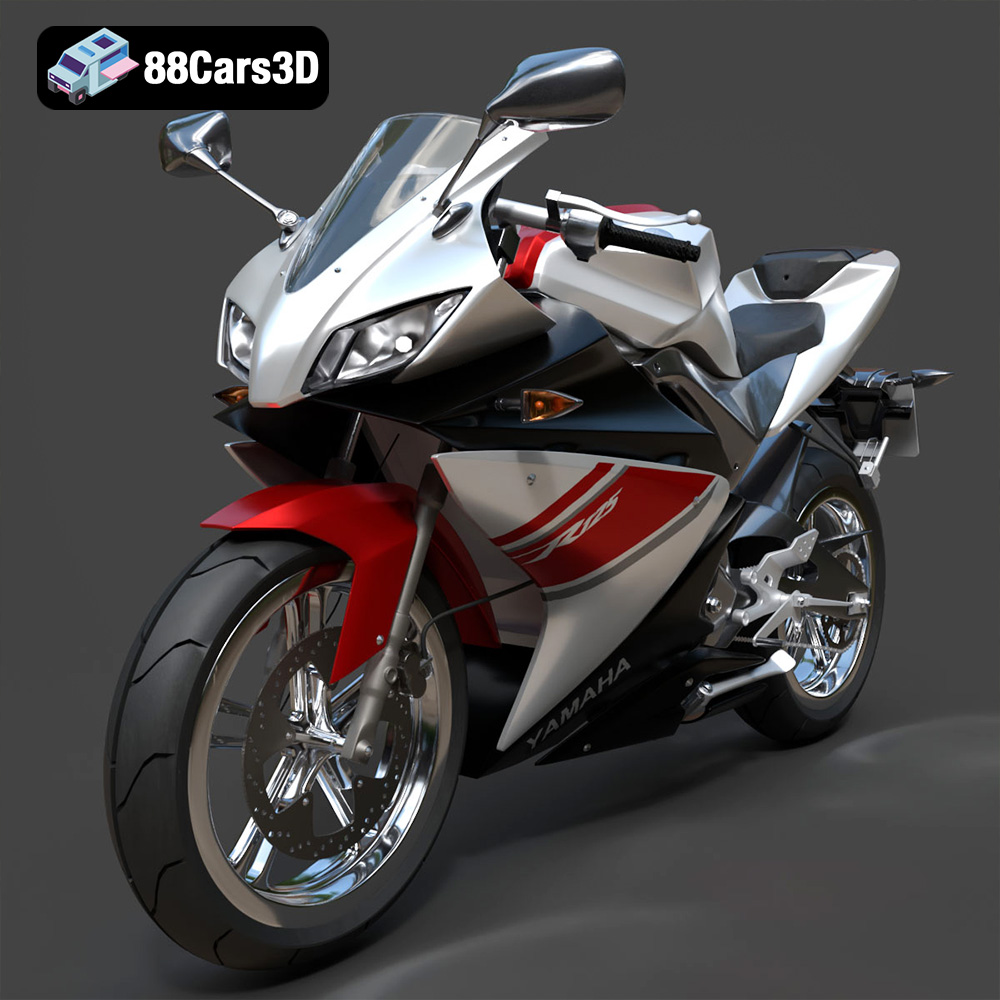
Texture: Yes | Material: Yes
Download the highly detailed, game-ready Yamaha YZF-R125 EU 3D Model. Features an aggressive aerodynamic fairing, twin LED headlights, and a detailed 125cc engine block. Includes .blend, .fbx, .obj, .glb, .stl, .ply, .unreal, and .max formats for game development, AR/VR, and rendering.
Price: $19.99
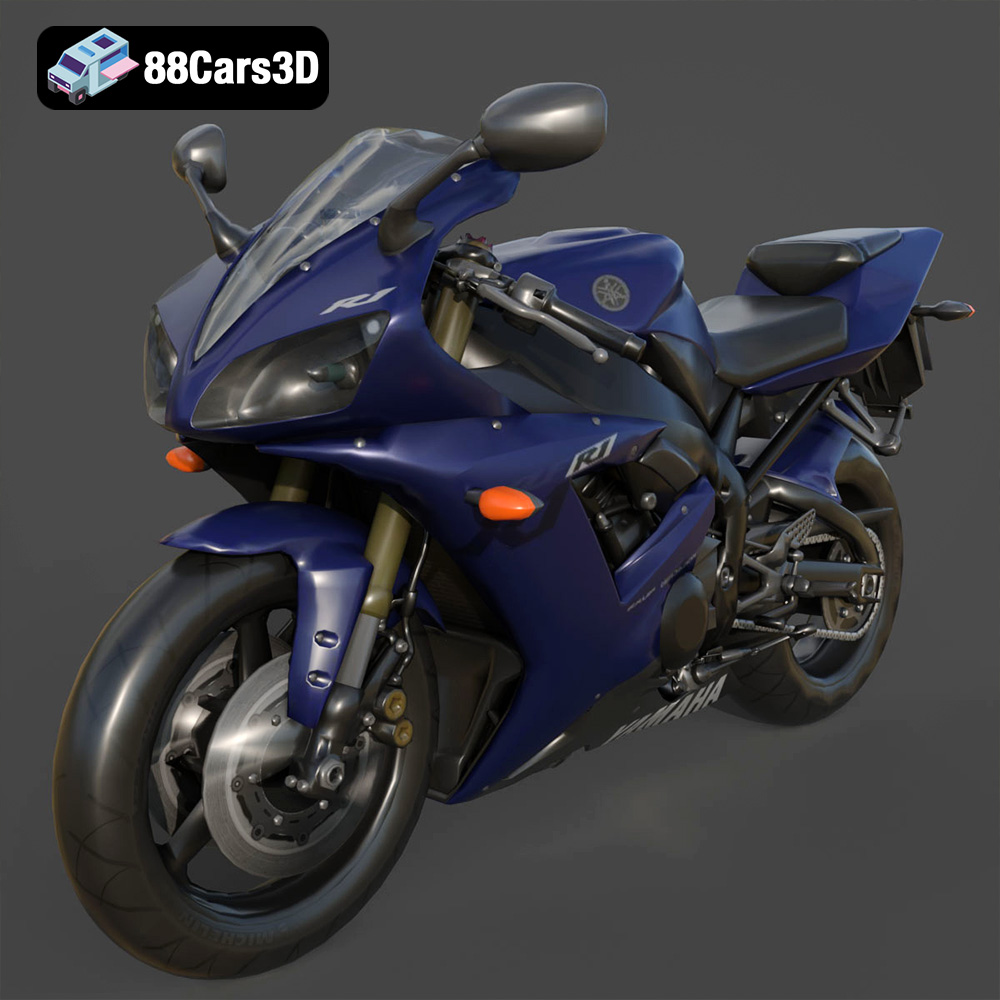
Texture: Yes | Material: Yes
Download the highly detailed, game-ready Yamaha R1 3D Model. Features aggressive aerodynamic fairings, a detailed crossplane inline-4 engine, and track-focused suspension geometry. Includes .blend, .fbx, .obj, .glb, .stl, .ply, .unreal, and .max formats for game development, AR/VR, and rendering.
Price: $19.99
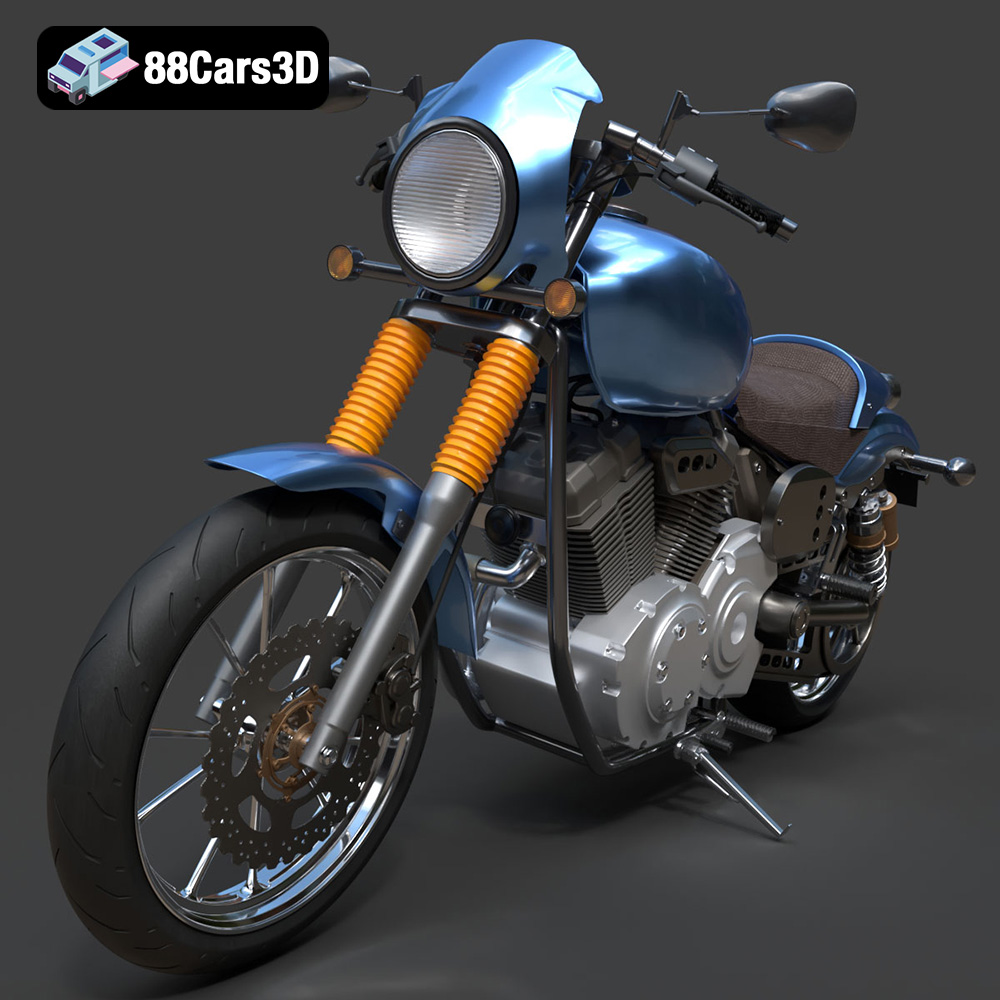
Texture: Yes | Material: Yes
Download the highly detailed, game-ready Yamaha XV950 Racer 3D Model. Features an aggressive cafe-racer front cowl, detailed air-cooled V-twin engine, and classic retro styling. Includes .blend, .fbx, .obj, .glb, .stl, .ply, .unreal, and .max formats for game development, AR/VR, and rendering.
Price: $19.99

Texture: Yes | Material: Yes
Download the highly detailed, game-ready Volvo VNL Tractor Truck 2002 3D Model. Features iconic aerodynamic styling, detailed fifth-wheel coupling, and heavy-duty chassis. Includes .blend, .fbx, .obj, .glb, .stl, .ply, .unreal, and .max formats for game development, AR/VR, and rendering.
Price: $39.99
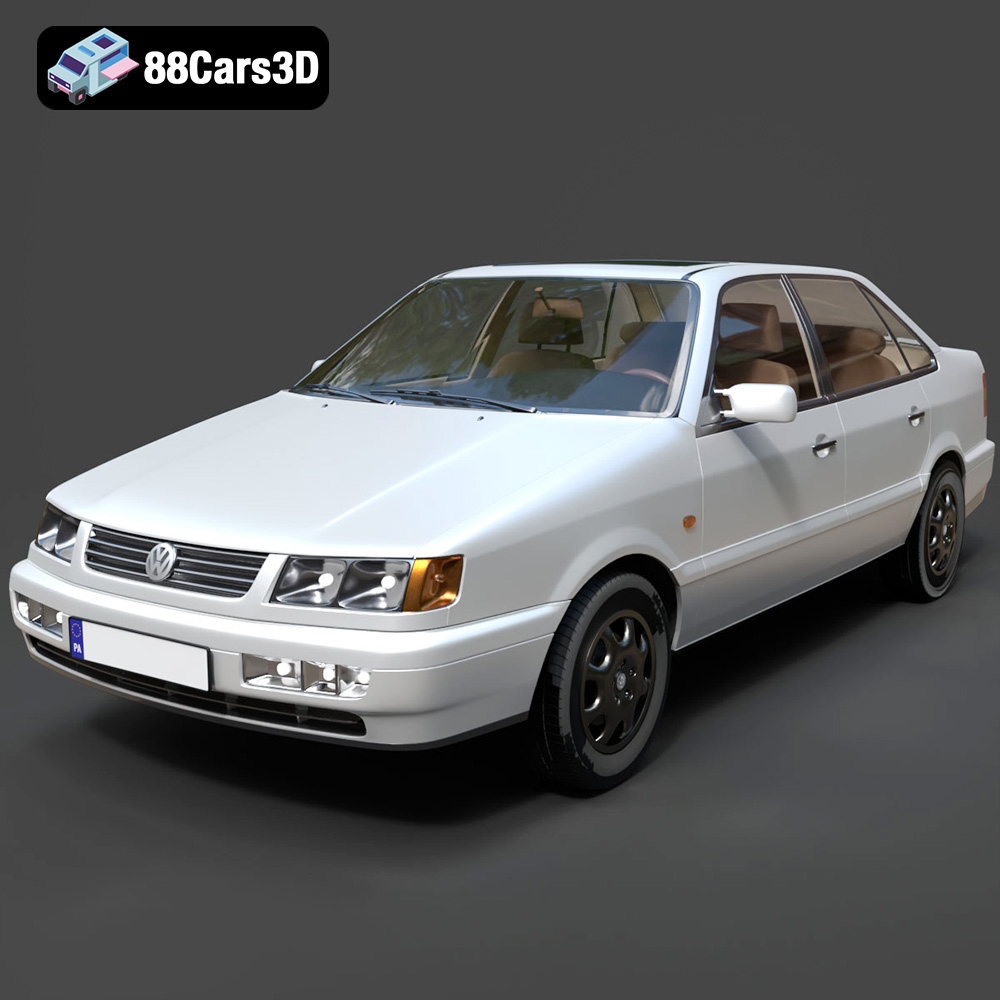
Texture: Yes | Material: Yes
Download the highly detailed, game-ready Volkswagen Passat Mk4 B4 Sedan 1993 3D Model. Features accurate 90s sedan styling, detailed front grille-less fascia, and a classic interior setup. Includes .blend, .fbx, .obj, .glb, .stl, .ply, .unreal, and .max formats for game development, AR/VR, and rendering.
Price: $39.99
Texture: Yes | Material: Yes
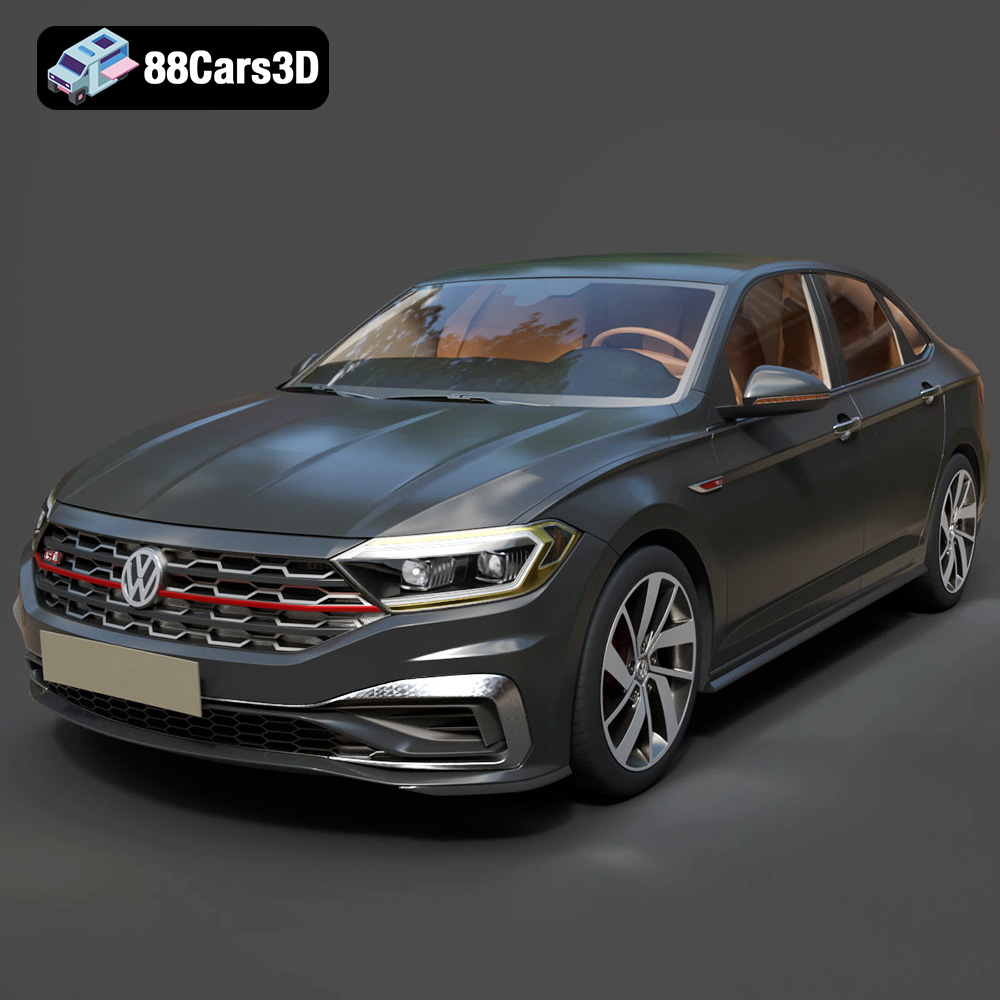
Download the highly detailed, game-ready Volkswagen Jetta GLI 2019 3D Model. Features an aggressive honeycomb grille with red accents, sleek aerodynamic profile, and exclusive GLI sport wheels. Includes .blend, .fbx, .obj, .glb, .stl, .ply, .unreal, and .max formats for game development, AR/VR, and rendering.
Price: $39.99
Texture: Yes | Material: Yes
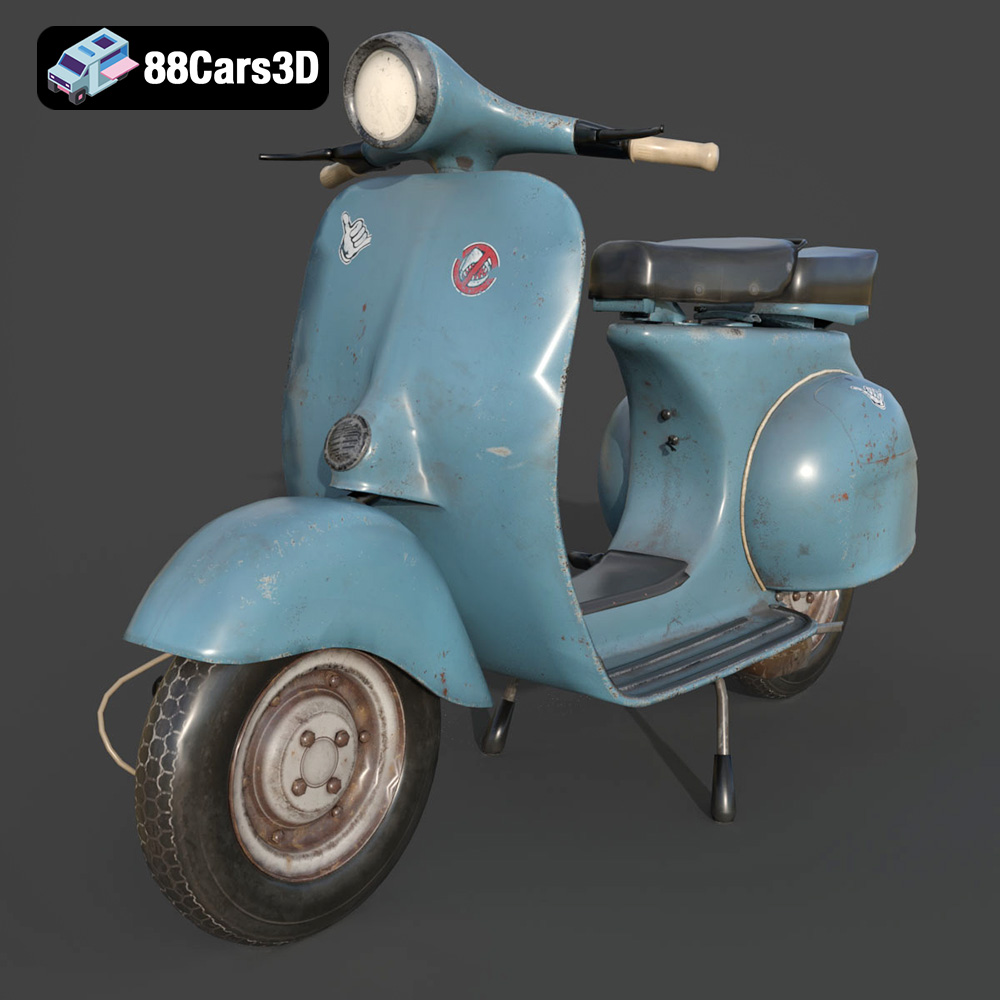
Download the highly detailed, game-ready Vintage Vespa 3D Model. Features iconic rounded monocoque styling, classic saddle, and chrome accents. Includes .blend, .fbx, .obj, .glb, .stl, .ply, .unreal, and .max formats for game development, AR/VR, and rendering.
Price: $39.99

Texture: Yes | Material: Yes
Download the highly detailed, game-ready Vespa GS 150 3D Model. Features elegant aerodynamic curves, classic leg shield, and detailed engine casing. Includes .blend, .fbx, .obj, .glb, .stl, .ply, .unreal, and .max formats for game development, AR/VR, and rendering.
Price: $39.99
Texture: Yes | Material: Yes
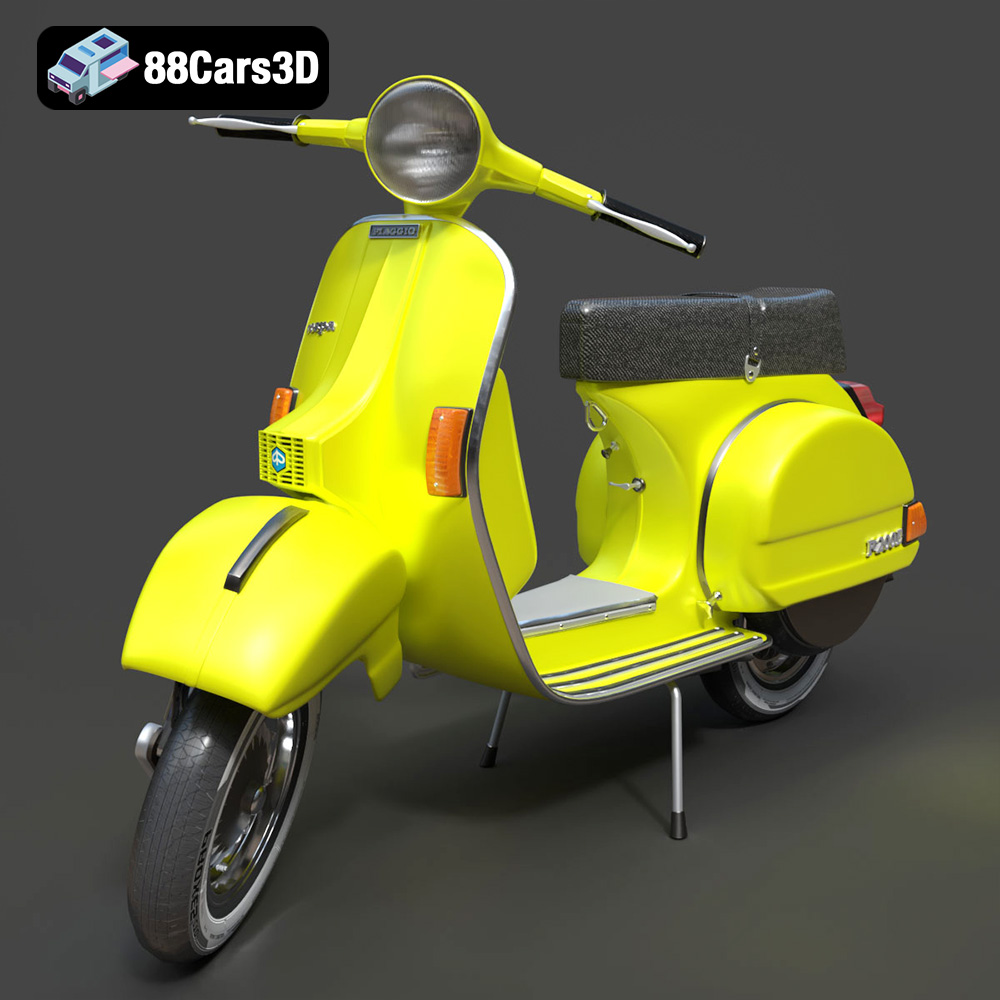
Download the highly detailed, game-ready Vespa P200E 3D Model. Features classic vintage styling, accurate step-through frame geometry, and authentic detailing. Includes .blend, .fbx, .obj, .glb, .stl, .ply, .unreal, and .max formats for game development, AR/VR, and rendering.
Price: $39.99
Texture: Yes | Material: Yes
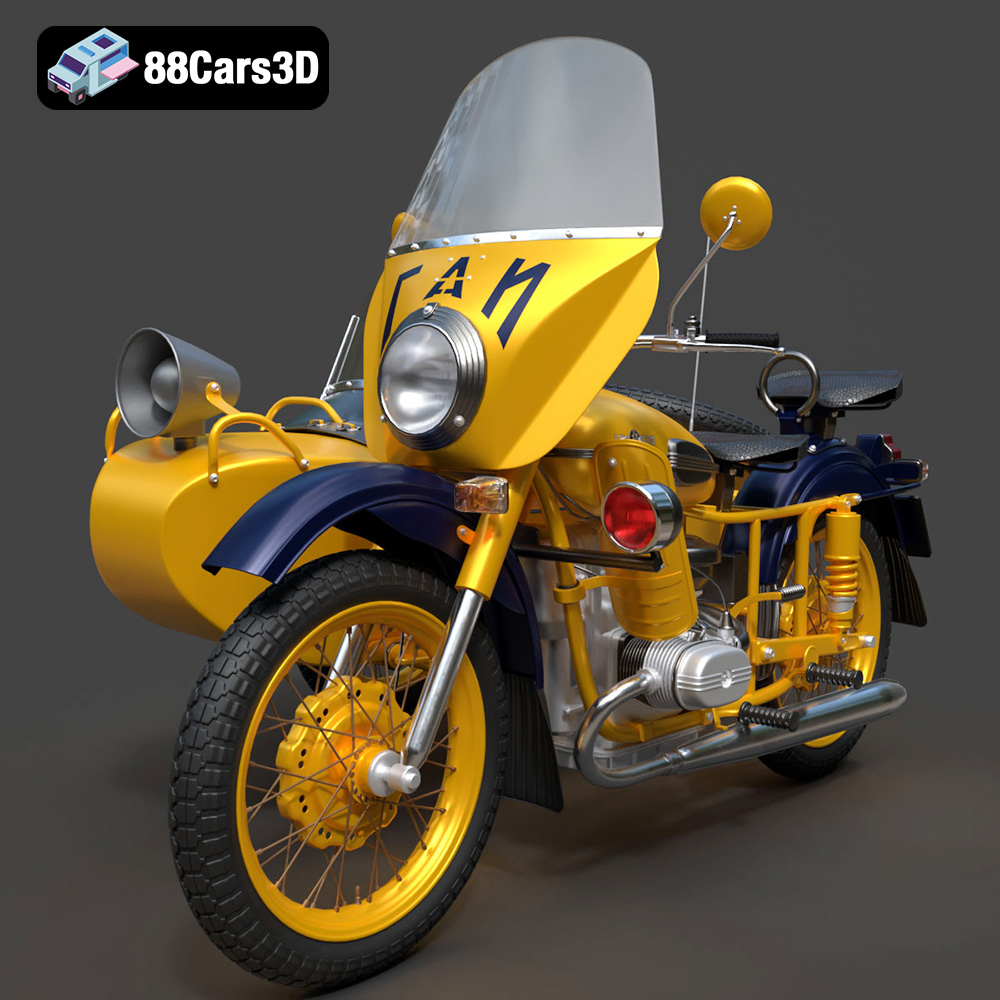
Download the highly detailed, game-ready Ural M67-36-P 1976 3D Model. Features the iconic air-cooled boxer engine, vintage utilitarian styling, and authentic spoked wheels. Includes .blend, .fbx, .obj, .glb, .stl, .ply, .unreal, and .max formats for game development, AR/VR, and rendering.
Price: $39.99

