Get 20% OFF All Premium 3D & STL Models!

“`html
3D printing has revolutionized the world of model making, especially for automotive enthusiasts. Platforms like 88cars3d.com offer a vast library of printable car models in STL format, but bringing these digital designs to life requires a solid understanding of wall thickness and support structures. These two factors are crucial for achieving strong, accurate, and aesthetically pleasing 3D prints. This comprehensive guide will delve into the technical details of optimizing wall thickness for different materials and print resolutions, as well as explore various support generation and removal techniques. Whether you’re a seasoned 3D printing veteran or just starting out, this article will equip you with the knowledge and skills to create stunning 3D printed vehicle models.
In this guide, you’ll learn:
Wall thickness refers to the width of the outer shell of your 3D printed model. It’s a critical parameter that directly impacts the model’s strength, weight, print time, and overall appearance. Too thin, and your model may be fragile and prone to breakage. Too thick, and you’ll waste material and increase printing time unnecessarily. The ideal wall thickness depends on several factors, including the material used, the size and complexity of the model, and the intended use of the finished product.
As a general rule of thumb, a minimum wall thickness of 0.8mm is recommended for FDM printing with a 0.4mm nozzle. This translates to at least two perimeter lines, ensuring sufficient bonding between layers. However, this is just a starting point. For larger models or those subjected to stress, increasing the wall thickness to 1.2mm or even 1.6mm may be necessary. For resin printing, due to the inherently stronger nature of the material, thinner walls are often possible, sometimes down to 0.4mm for smaller models.
The choice of material significantly influences the required wall thickness. PLA, being a relatively brittle material, generally benefits from thicker walls, especially for functional parts. ABS, known for its higher impact resistance, can sometimes handle slightly thinner walls. PETG offers a good balance between strength and flexibility, often allowing for a compromise in wall thickness. Resin, particularly engineering resins, can achieve impressive strength even with thin walls, but this comes with the trade-off of potentially higher material cost and more complex post-processing.
FDM (Fused Deposition Modeling) printing involves extruding molten plastic through a nozzle to build a model layer by layer. The nozzle size plays a critical role in determining the achievable wall thickness. A 0.4mm nozzle is standard, but larger nozzles (0.6mm, 0.8mm) can be used for faster printing and stronger parts, while smaller nozzles (0.25mm, 0.2mm) are ideal for intricate details and finer resolution. Optimizing wall thickness in FDM printing involves carefully balancing strength, print time, and material usage.
A good practice is to set the wall thickness as a multiple of the nozzle diameter. For example, with a 0.4mm nozzle, a wall thickness of 0.8mm (2 lines) or 1.2mm (3 lines) is a safe bet. Experiment with different settings to find the sweet spot for your specific printer and material. Most slicing software, such as Cura and PrusaSlicer, allow you to specify the number of perimeter lines directly, simplifying this process. For instance, in Cura, you can adjust the “Wall Line Count” setting under the “Shell” section. Increasing this value directly increases the wall thickness.
Wall thickness works in conjunction with infill density to provide the overall strength of the part. High infill density is not always necessary if the walls are sufficiently thick. For many vehicle models, a lower infill density (15-25%) combined with a wall thickness of 1.2mm can provide adequate strength without excessive material consumption. The infill pattern also matters. Gyroid infill offers excellent strength in all directions, while rectilinear infill is faster to print but may be weaker in certain orientations.
Support structures are temporary scaffolding that are built during the 3D printing process to support overhanging features and prevent them from collapsing. Vehicle models often feature complex geometries with significant overhangs, making support structures essential. Generating effective supports requires careful consideration of the model’s orientation, the type of support structure, and the ease of removal.
For FDM printing, common support types include linear supports, tree supports, and hybrid supports. Linear supports are simple and effective for supporting flat overhangs, but they can be difficult to remove and leave noticeable marks. Tree supports are more efficient in terms of material usage and often easier to remove, but they may not be suitable for all geometries. Hybrid supports combine the benefits of both linear and tree supports. For resin printing, support structures are typically thinner and more delicate due to the layer-by-layer curing process. They often consist of thin stalks with strategically placed contact points.
Slicing software provides a wide range of settings for customizing support structures. Key parameters include support density, overhang angle, support placement, and support interface layers. Increasing support density provides more robust support but also makes removal more challenging. Adjusting the overhang angle determines the angle at which supports are generated. Support placement controls where supports are placed on the model. Support interface layers are thin layers added between the support and the model to improve adhesion and ease of removal. Experimenting with these settings is crucial for achieving optimal support generation. In PrusaSlicer, the “Supports” section allows for granular control over these settings, including specifying different densities for different parts of the support structure.
Resin printing, particularly stereolithography (SLA) and digital light processing (DLP), offers the advantage of high resolution and smooth surface finish, making it ideal for intricate vehicle models. However, resin printing also presents unique challenges related to support structures and wall thickness. Due to the nature of the process, where layers are cured by light, support structures are crucial for even small overhangs, and the wall thickness needs to be sufficient to prevent warping and cracking during printing and post-processing.
When printing vehicle models with resin, it’s vital to strategically place supports to minimize their impact on the visible surfaces. Use a combination of light supports for minor overhangs and heavier supports for larger, more critical areas. Orient the model to minimize the number of supports needed on aesthetically important surfaces, such as the car’s body. Automatic support generation tools in software like Chitubox can be a good starting point, but manual adjustments are often necessary to optimize support placement and density. Remember to consider drain holes for hollowed models to prevent resin entrapment during printing.
While resin can achieve fine details with thinner walls compared to FDM, ensuring sufficient wall thickness is still crucial for structural integrity. A minimum wall thickness of 0.6-0.8mm is generally recommended for most resin models, but this can be reduced to 0.4mm for smaller, less stressed parts. Hollow out larger models to save resin and reduce printing time. When hollowing, ensure there are sufficient drain holes and consider adding internal support structures to prevent deformation. The type of resin used also impacts the required wall thickness; engineering resins generally offer higher strength and stiffness, allowing for thinner walls.
Post-processing is an essential step in the 3D printing workflow, particularly when support structures are involved. Proper support removal and surface finishing techniques can significantly enhance the appearance and functionality of your 3D printed vehicle models. The goal is to remove supports cleanly without damaging the model’s surface and then refine the surface to achieve a smooth and professional finish.
The best support removal technique depends on the type of support structure and the material used. For FDM prints, pliers, flush cutters, and hobby knives are commonly used. Carefully cut or break away the supports, working slowly and methodically to avoid damaging the model. For resin prints, the supports are typically more fragile and can be removed with a similar set of tools, but with even greater care. Soaking the model in warm water can sometimes soften the supports, making them easier to remove. Specialized support removal tools, such as ultrasonic cleaners, can also be used to remove supports more efficiently and safely.
After removing supports, the model’s surface may require additional finishing to remove any remaining support marks and achieve a smooth finish. Sanding is a common technique, starting with coarse grit sandpaper and gradually moving to finer grits. For resin prints, wet sanding is often preferred to minimize dust. Priming and painting can further enhance the model’s appearance and protect the surface. Techniques like airbrushing can achieve professional-looking results. Remember to always wear appropriate safety gear, such as a dust mask and gloves, when sanding and painting.
Even with careful planning and execution, 3D printing can sometimes present challenges. Warping, layer separation, and support failure are common issues that can affect the quality of your prints. Understanding the causes of these problems and implementing effective solutions is crucial for achieving successful results.
Warping occurs when the corners of the print lift off the build plate, often due to uneven cooling and thermal contraction. To prevent warping, ensure the build plate is properly leveled and heated. Applying an adhesive, such as glue stick or hairspray, can improve bed adhesion. Enclosing the printer can help maintain a consistent temperature and reduce warping, particularly for materials like ABS. Adjusting the first layer settings, such as increasing the layer height and flow rate, can also improve adhesion. When downloading models from marketplaces such as 88cars3d.com, check for recommendations on optimal bed adhesion strategies for that specific model.
Layer separation, or delamination, occurs when the layers of the print fail to bond properly. This can be caused by insufficient extrusion temperature, poor layer adhesion, or inadequate cooling. Increasing the printing temperature, reducing the printing speed, and ensuring proper cooling can help prevent layer separation. Support failure can occur due to insufficient support density, weak support structures, or poor adhesion between the supports and the model. Increasing support density, optimizing support placement, and adjusting the support interface layers can improve support stability. Furthermore, ensuring the STL file is properly oriented can reduce the stress on the support structures during printing.
Mastering wall thickness and support settings is paramount to achieving high-quality 3D printed vehicle models. By understanding the interplay between material properties, printer settings, and slicing parameters, you can optimize your prints for strength, accuracy, and aesthetics. Remember to experiment with different settings and techniques to find what works best for your specific printer and material. Platforms like 88cars3d.com offer a great starting point with high-quality STL files, but the final result depends on your expertise in optimizing these critical printing parameters.
Here’s a quick recap of key takeaways:
With practice and dedication, you can unlock the full potential of 3D printing and create stunning vehicle models that will impress even the most discerning automotive enthusiasts. So, download your favorite model from 88cars3d.com and start experimenting today!
“`
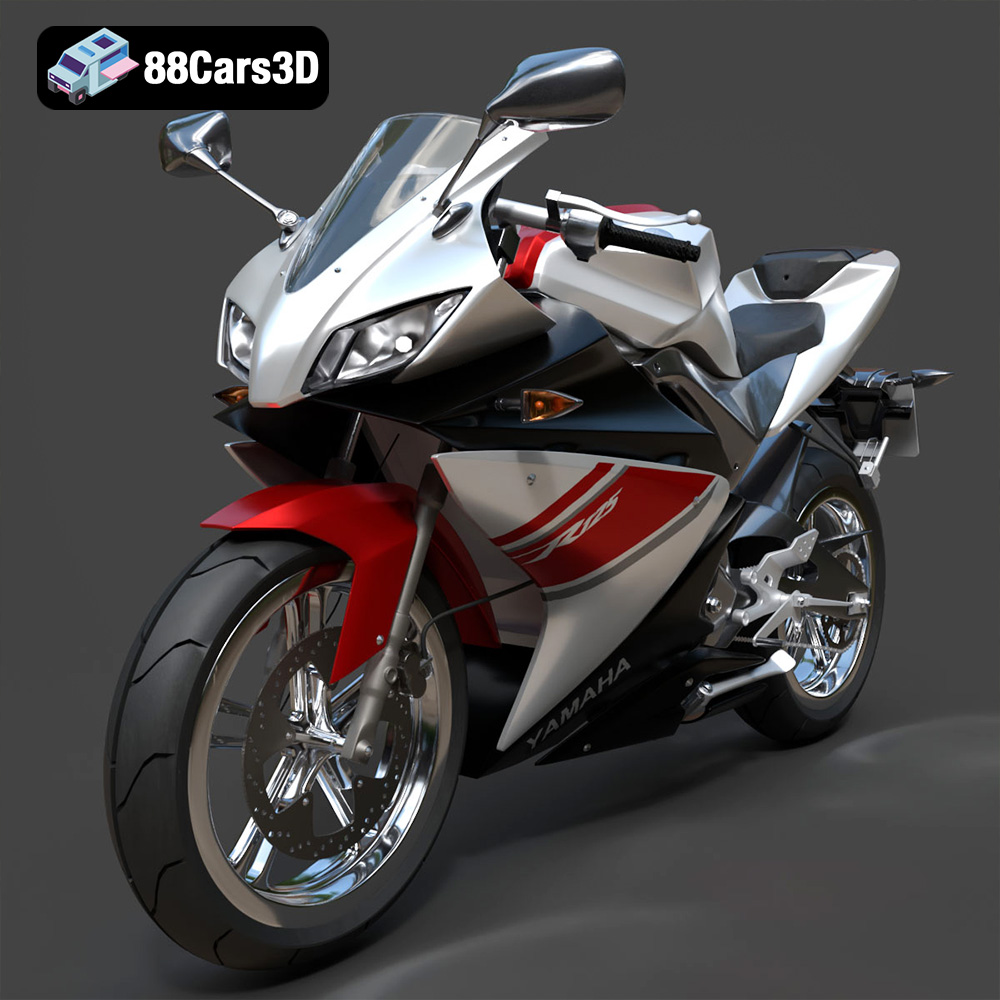
Texture: Yes | Material: Yes
Download the highly detailed, game-ready Yamaha YZF-R125 EU 3D Model. Features an aggressive aerodynamic fairing, twin LED headlights, and a detailed 125cc engine block. Includes .blend, .fbx, .obj, .glb, .stl, .ply, .unreal, and .max formats for game development, AR/VR, and rendering.
Price: $19.99
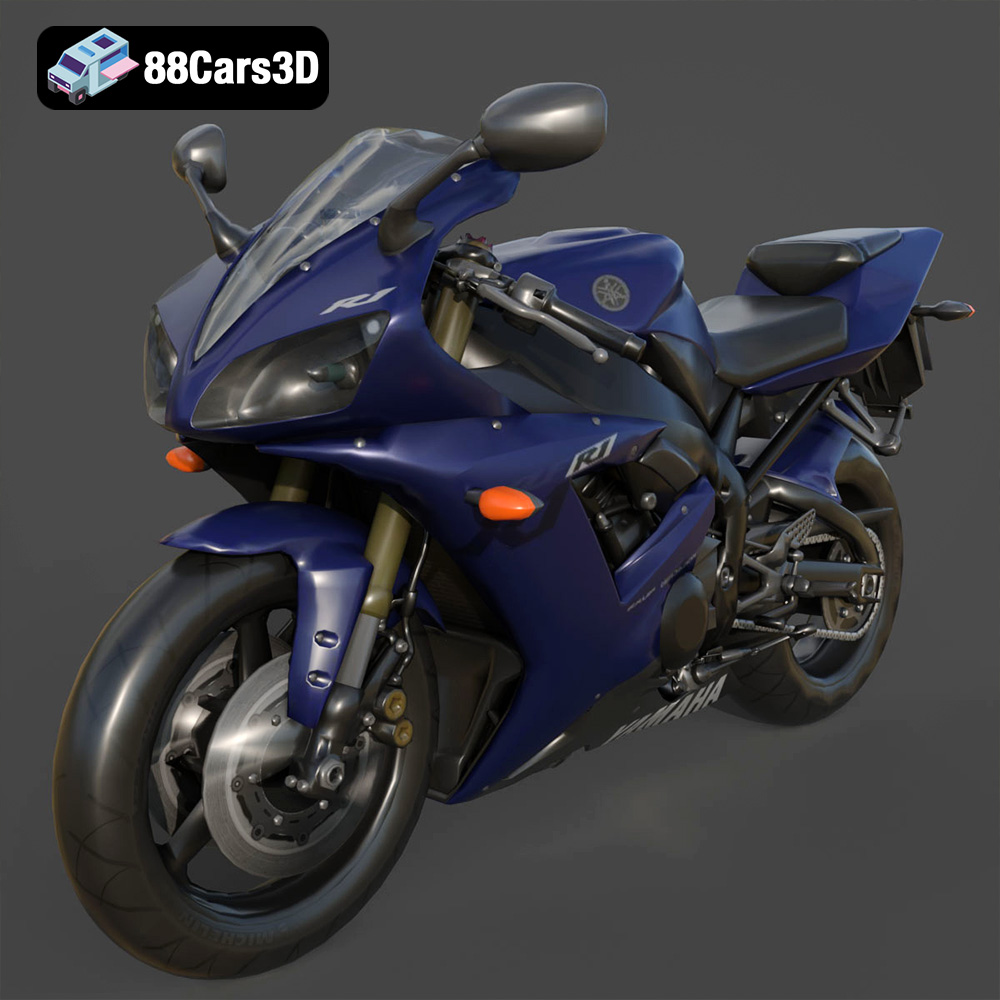
Texture: Yes | Material: Yes
Download the highly detailed, game-ready Yamaha R1 3D Model. Features aggressive aerodynamic fairings, a detailed crossplane inline-4 engine, and track-focused suspension geometry. Includes .blend, .fbx, .obj, .glb, .stl, .ply, .unreal, and .max formats for game development, AR/VR, and rendering.
Price: $19.99
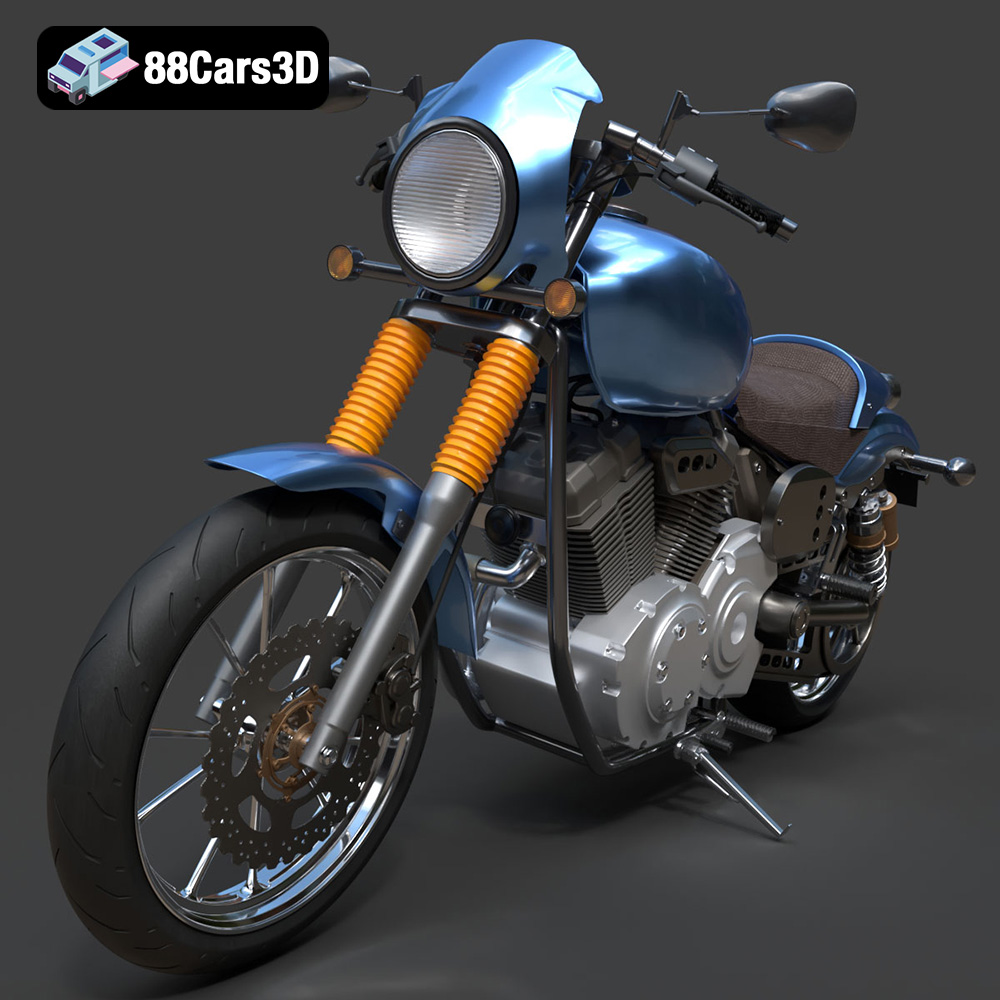
Texture: Yes | Material: Yes
Download the highly detailed, game-ready Yamaha XV950 Racer 3D Model. Features an aggressive cafe-racer front cowl, detailed air-cooled V-twin engine, and classic retro styling. Includes .blend, .fbx, .obj, .glb, .stl, .ply, .unreal, and .max formats for game development, AR/VR, and rendering.
Price: $19.99

Texture: Yes | Material: Yes
Download the highly detailed, game-ready Volvo VNL Tractor Truck 2002 3D Model. Features iconic aerodynamic styling, detailed fifth-wheel coupling, and heavy-duty chassis. Includes .blend, .fbx, .obj, .glb, .stl, .ply, .unreal, and .max formats for game development, AR/VR, and rendering.
Price: $39.99
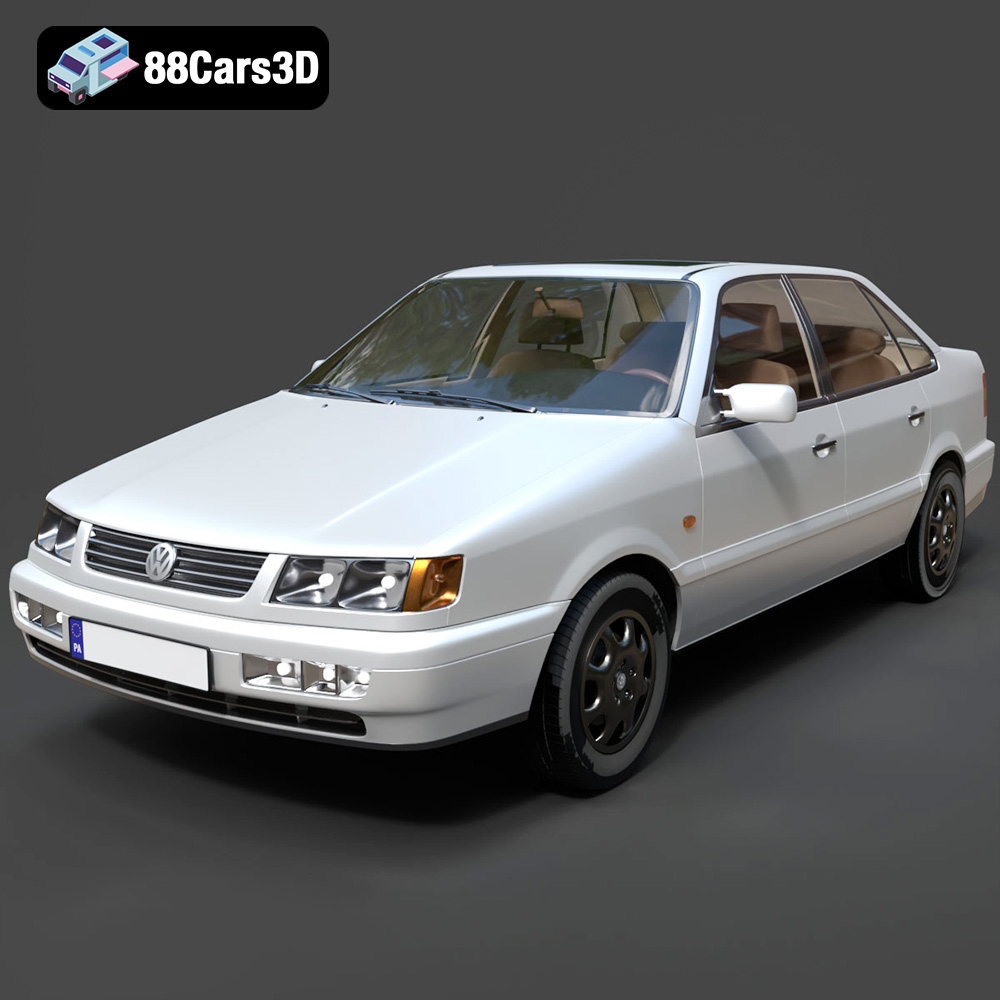
Texture: Yes | Material: Yes
Download the highly detailed, game-ready Volkswagen Passat Mk4 B4 Sedan 1993 3D Model. Features accurate 90s sedan styling, detailed front grille-less fascia, and a classic interior setup. Includes .blend, .fbx, .obj, .glb, .stl, .ply, .unreal, and .max formats for game development, AR/VR, and rendering.
Price: $39.99

Texture: Yes | Material: Yes
Download the highly detailed, game-ready Volkswagen Jetta GLI 2019 3D Model. Features an aggressive honeycomb grille with red accents, sleek aerodynamic profile, and exclusive GLI sport wheels. Includes .blend, .fbx, .obj, .glb, .stl, .ply, .unreal, and .max formats for game development, AR/VR, and rendering.
Price: $39.99
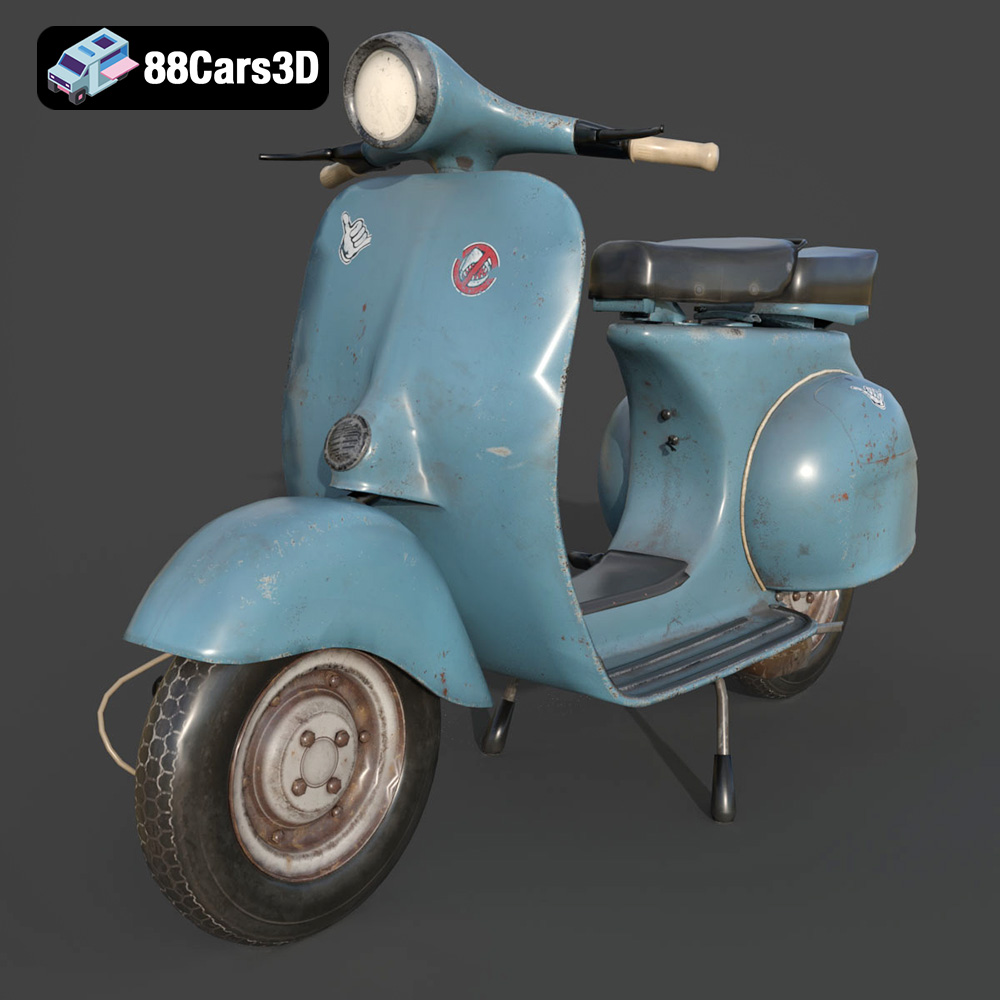
Texture: Yes | Material: Yes
Download the highly detailed, game-ready Vintage Vespa 3D Model. Features iconic rounded monocoque styling, classic saddle, and chrome accents. Includes .blend, .fbx, .obj, .glb, .stl, .ply, .unreal, and .max formats for game development, AR/VR, and rendering.
Price: $39.99

Texture: Yes | Material: Yes
Download the highly detailed, game-ready Vespa GS 150 3D Model. Features elegant aerodynamic curves, classic leg shield, and detailed engine casing. Includes .blend, .fbx, .obj, .glb, .stl, .ply, .unreal, and .max formats for game development, AR/VR, and rendering.
Price: $39.99
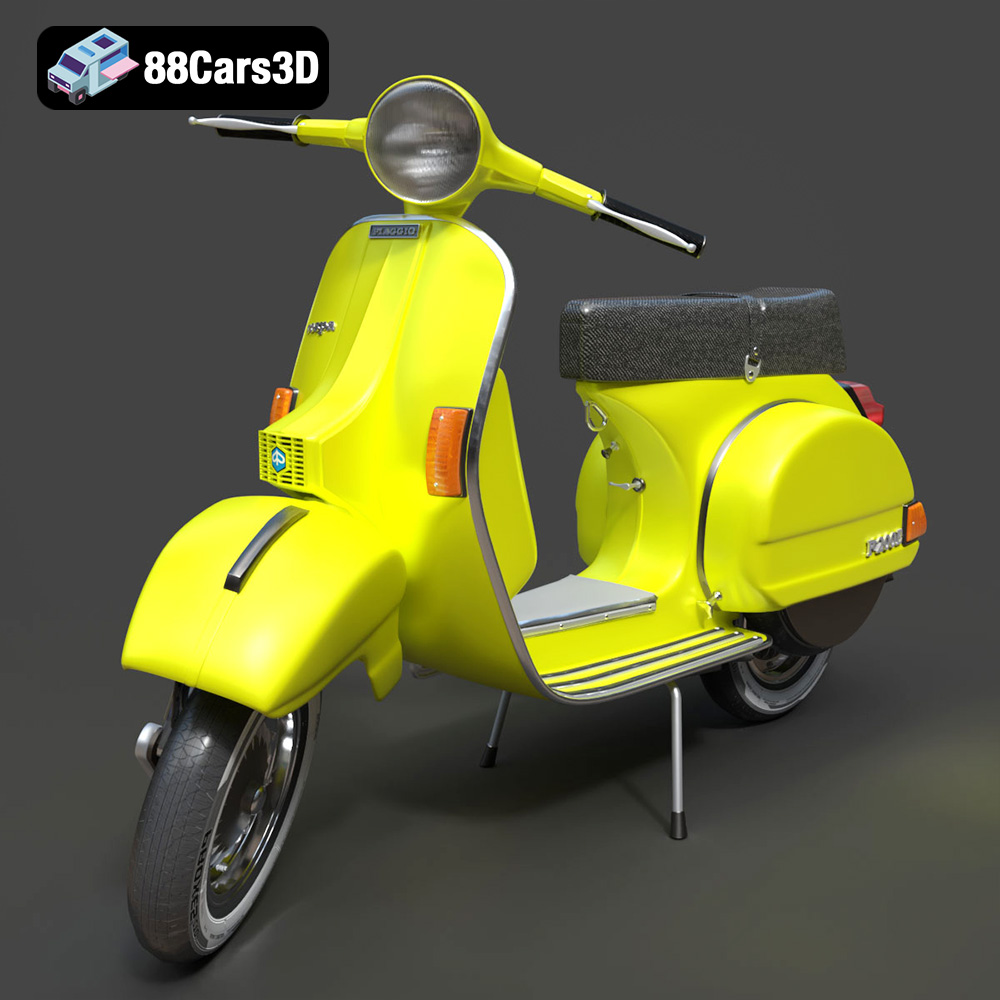
Texture: Yes | Material: Yes
Download the highly detailed, game-ready Vespa P200E 3D Model. Features classic vintage styling, accurate step-through frame geometry, and authentic detailing. Includes .blend, .fbx, .obj, .glb, .stl, .ply, .unreal, and .max formats for game development, AR/VR, and rendering.
Price: $39.99
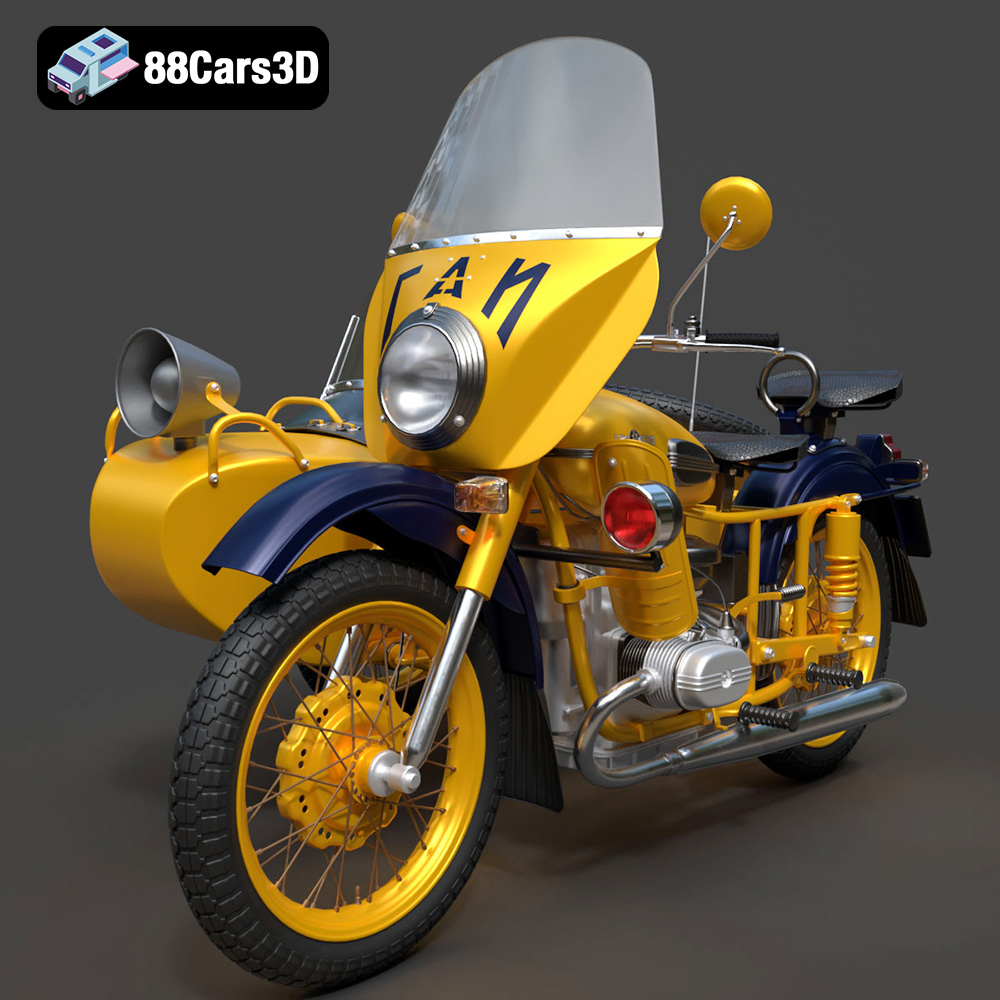
Texture: Yes | Material: Yes
Download the highly detailed, game-ready Ural M67-36-P 1976 3D Model. Features the iconic air-cooled boxer engine, vintage utilitarian styling, and authentic spoked wheels. Includes .blend, .fbx, .obj, .glb, .stl, .ply, .unreal, and .max formats for game development, AR/VR, and rendering.
Price: $39.99

