Get 20% OFF All Premium 3D & STL Models!

In the dynamic realm of digital design, the quest for realism and efficiency is ceaseless. Whether you’re crafting a cinematic masterpiece, developing the next-generation racing simulation, or visualizing an architectural marvel, the quality of your assets dictates the success of your project. Automotive design, in particular, demands an exceptional level of detail and accuracy. A perfectly rendered vehicle can elevate a scene from good to unforgettable, capturing the viewer’s imagination with its sleek lines, reflective surfaces, and powerful presence.
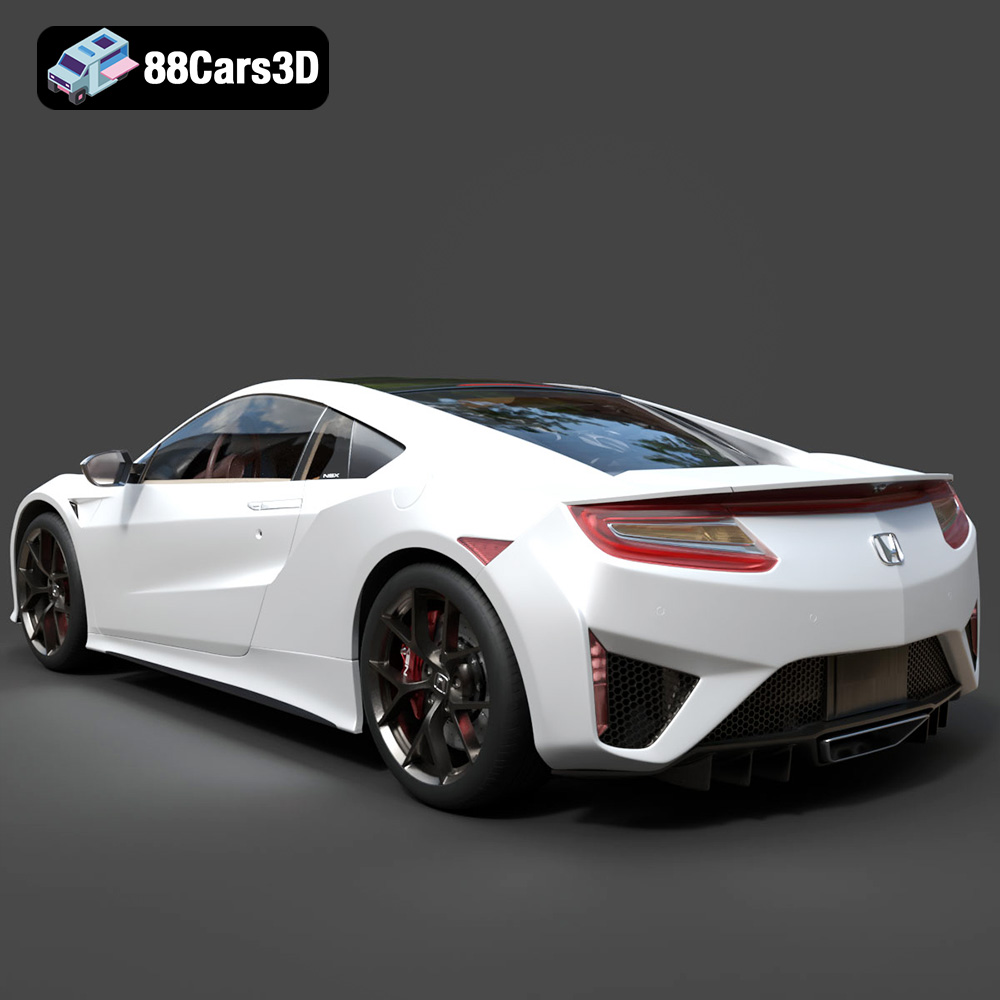
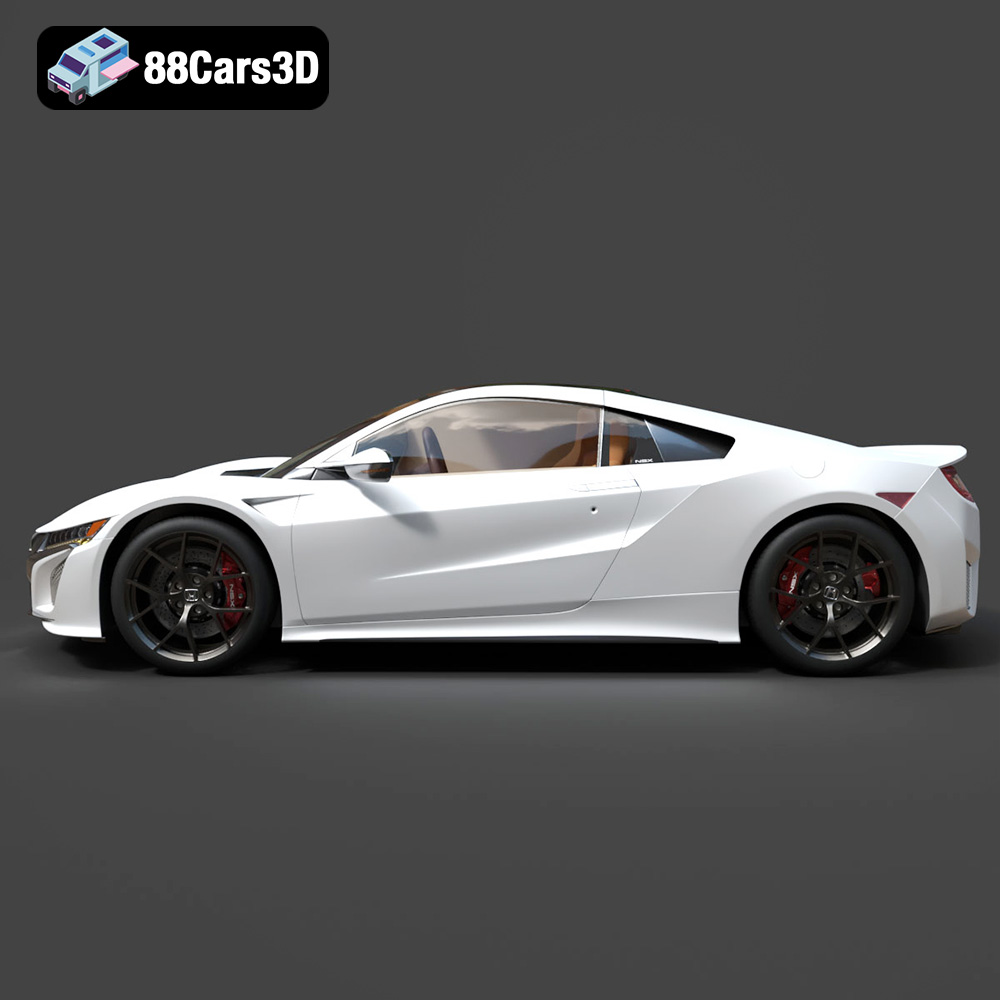
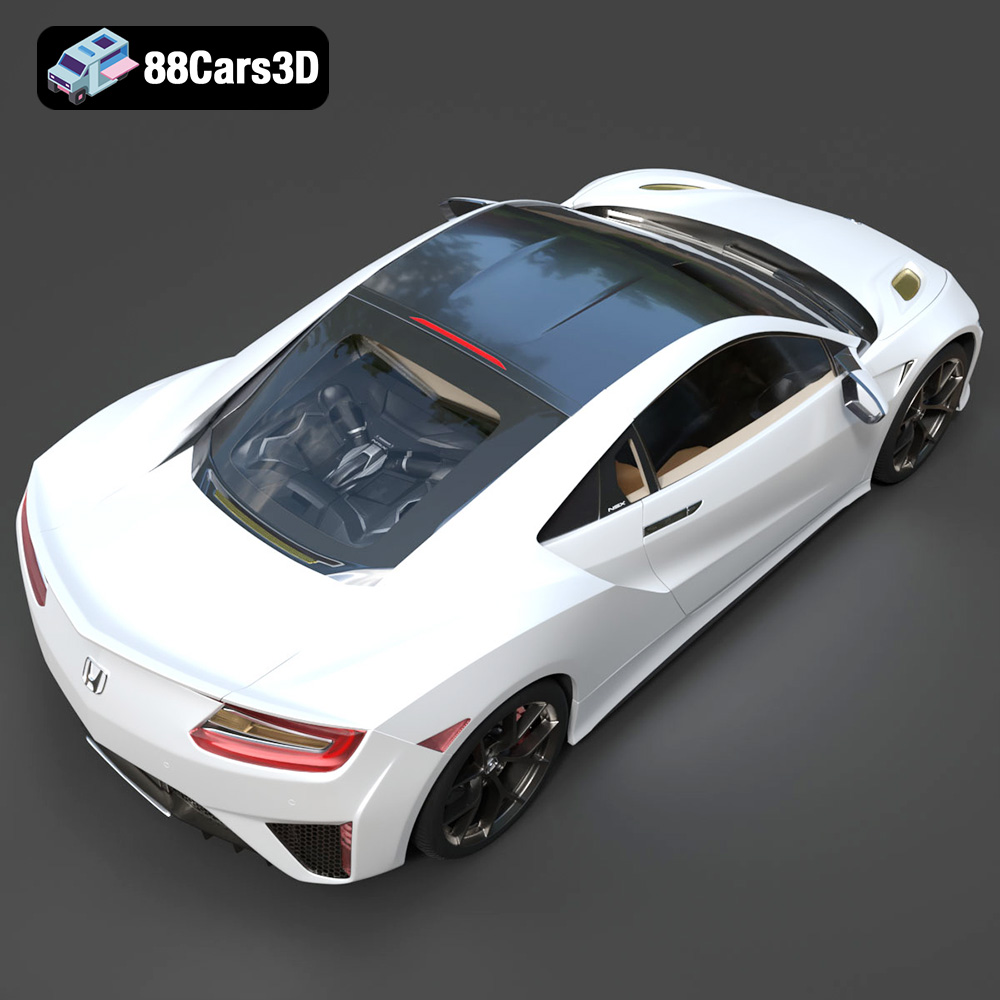
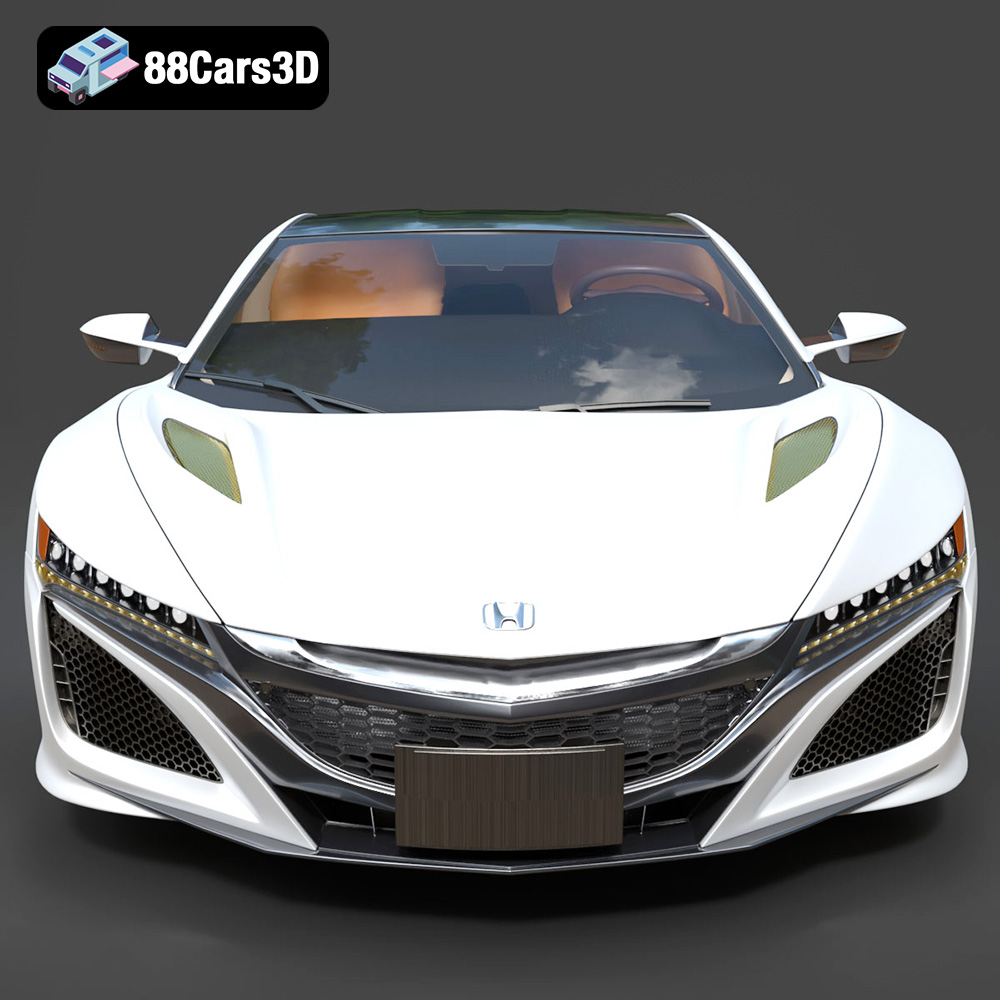
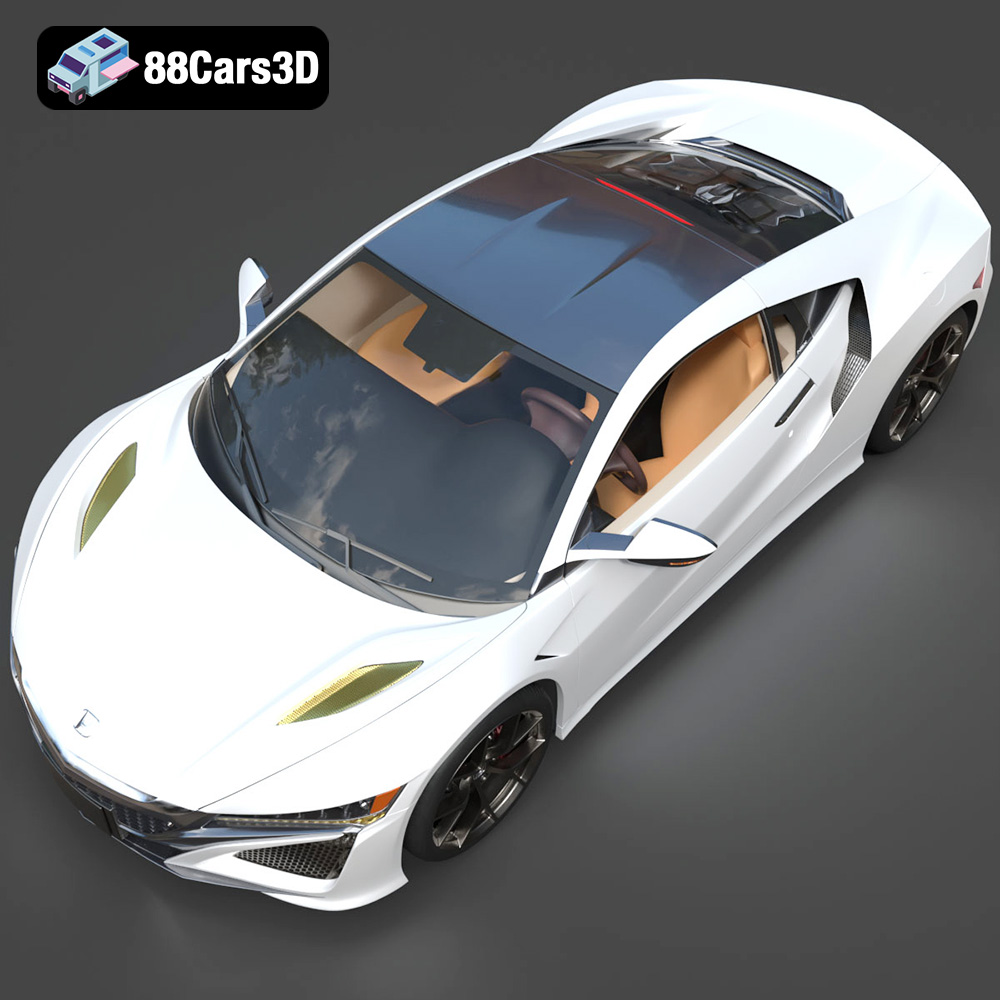
The core of achieving such visual fidelity lies in acquiring meticulously crafted 3D car models. These aren’t just simple polygonal representations; they are digital sculptures, engineered with precision to mirror their real-world counterparts. A prime example of such excellence is the Honda NSX 2017 3D Model, a testament to high-fidelity asset creation. This model embodies the perfect synergy of technical accuracy and aesthetic appeal, providing a robust foundation for a myriad of digital applications. From its aerodynamic chassis to its intricate interior, every element is designed to meet the rigorous demands of professional production pipelines, making it an invaluable asset for designers, developers, and visual artists alike.
The versatility of a 3D model is often defined by the range and quality of its available file formats. Each format serves specific purposes, optimized for different software, engines, or end-use scenarios. Understanding these distinctions is crucial for seamless integration into any project, preventing compatibility headaches and ensuring optimal performance. The Honda NSX 2017 3D Model, available on 88cars3d.com, exemplifies this versatility by offering a comprehensive suite of industry-standard formats, each tailored for distinct professional workflows.
The .blend format is native to Blender, a powerful open-source 3D creation suite. When a model is provided in .blend format, it offers complete editability. This means the original scene, including mesh data, materials, textures, lighting setups, and even animation rigs, is accessible. For artists who use Blender as their primary DCC (Digital Content Creation) tool, this format is invaluable. It allows for deep customization, modification of the mesh, tweaking of PBR (Physically Based Rendering) materials, and integration into existing Blender projects without any loss of data or fidelity during import/export processes. This level of control is essential for highly specialized or unique rendering scenarios.
.fbx (Filmbox) is one of the most widely used proprietary 3D file formats, developed by Autodesk. It’s an industry standard for interoperability between different 3D software applications and, critically, for game engines like Unreal Engine and Unity. The .fbx format can store not only mesh data but also animations, skinning, camera information, and material assignments. Its strength lies in its ability to encapsulate complex scenes in a relatively compact file, making it ideal for transferring animated assets or static models into real-time pipelines where performance and consistent data transfer are paramount. The Honda NSX 2017 3D Model’s .fbx version is optimized for this very purpose, ensuring smooth integration into game development environments.
The .obj (Wavefront Object) format is a universal standard, highly compatible with virtually all 3D software packages. It primarily stores geometric data (vertices, normals, texture coordinates) and references external .mtl (Material Template Library) files for basic material properties. While it doesn’t support animations or advanced material nodes like .fbx, its simplicity and widespread acceptance make it a reliable choice for cross-software compatibility. For static renders or when needing a clean mesh to start from in a new program, .obj is a dependable choice. Its ubiquity ensures that the Honda NSX 2017 3D Model can be opened and worked with in almost any 3D application imaginable.
.glb is the binary version of glTF (Graphics Language Transmission Format), an API-neutral runtime asset delivery format for 3D scenes and models. Designed to be compact and efficient for transmission and loading, .glb is increasingly becoming the “JPEG of 3D” for web, augmented reality (AR), and virtual reality (VR) applications. It embeds textures and other assets directly into a single file, making it incredibly easy to share and deploy. For interactive web experiences, product configurators, or AR applications where the Honda NSX 2017 3D Model might be viewed on a mobile device, the .glb format provides an optimized, lightweight solution.
.stl (STereoLithography) is the most common file format for 3D printing. It represents a 3D model as a collection of unconnected triangles, defining only the surface geometry without color, texture, or material information. While less versatile for rendering or animation, it’s the gold standard for rapid prototyping and manufacturing. For those looking to bring the sleek design of the Honda NSX 2017 into the physical world through 3D printing, the .stl format ensures a manifold, watertight mesh suitable for fabrication.
The .ply (Polygon File Format or Stanford Triangle Format) is a flexible format primarily used for storing 3D data from 3D scanners. It can store a variety of properties including color, transparency, surface normals, and range data, making it useful for scientific visualization, CAD, and precise geometric analysis. While not as common for general asset distribution as .fbx or .obj, its ability to represent complex mesh data with high precision makes it valuable in specific engineering or analytical workflows where the intricate details of the Honda NSX 2017’s chassis might need closer examination.
The .unreal format signifies an asset pre-configured and optimized specifically for Unreal Engine. This often means the model has been imported, materials set up using Unreal’s PBR shader system, LODs (Levels of Detail) generated, collision meshes created, and possibly even basic physics assets configured. For Unreal Engine developers, this format dramatically reduces setup time, allowing for immediate integration into projects. The Honda NSX 2017 3D Model provided in .unreal format means it’s battle-ready for virtual production, architectural walkthroughs, or high-fidelity game levels, leveraging Unreal’s advanced rendering capabilities out of the box.
Finally, the .max format is native to Autodesk 3ds Max, another industry-leading 3D modeling, animation, and rendering software. Similar to .blend, a .max file contains the complete scene data, offering full editability. This includes detailed geometry, complex material setups (V-Ray, Corona, Arnold), lighting rigs, camera perspectives, and animation data. For professionals using 3ds Max for high-end automotive rendering, architectural visualization, or cinematic sequences, the .max version of the Honda NSX 2017 3D Model provides the ultimate flexibility and control over every aspect of the asset, ensuring seamless integration into existing 3ds Max projects and leveraging its powerful rendering capabilities.
Creating a 3D car model that truly stands out requires more than just skilled modeling; it demands a deep understanding of automotive design principles, material science, and optimization techniques. High-fidelity models, like the Honda NSX 2017 3D Model available at 88cars3d.com, are the result of countless hours of meticulous work, ensuring they perform flawlessly across various platforms and applications.
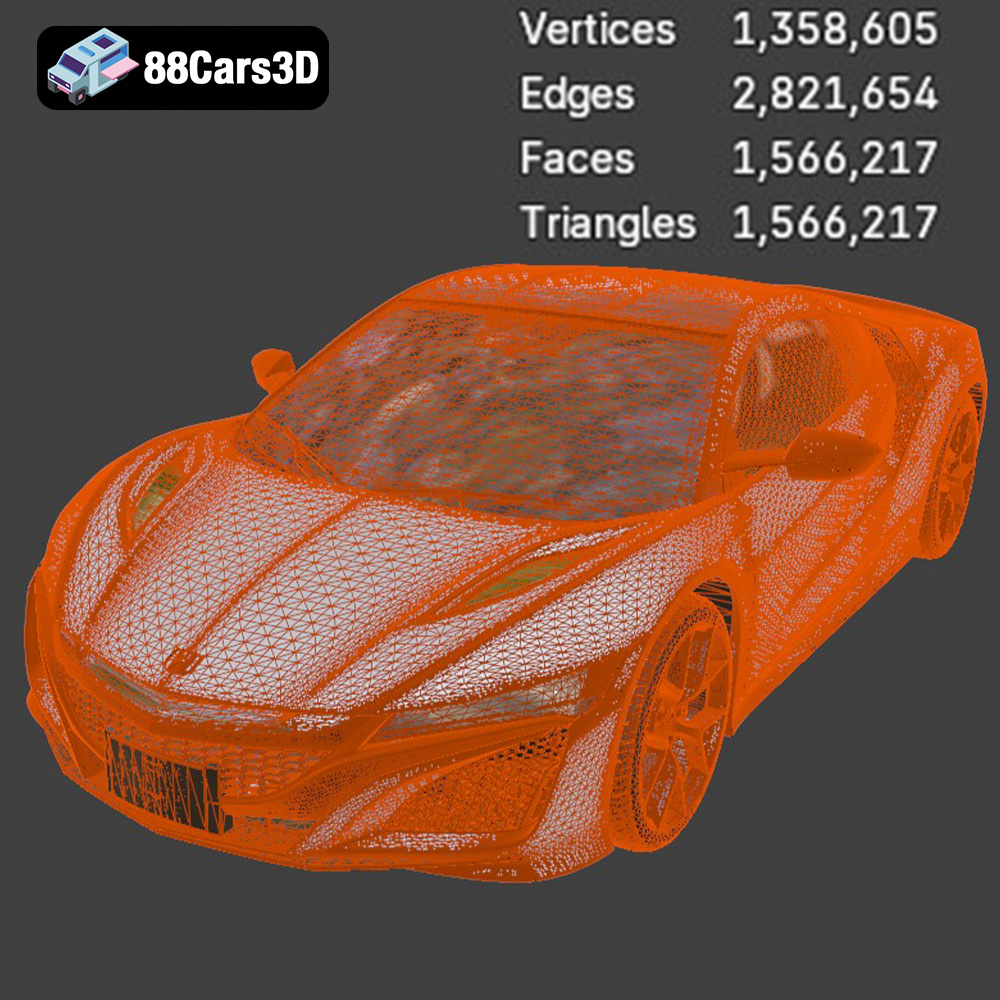
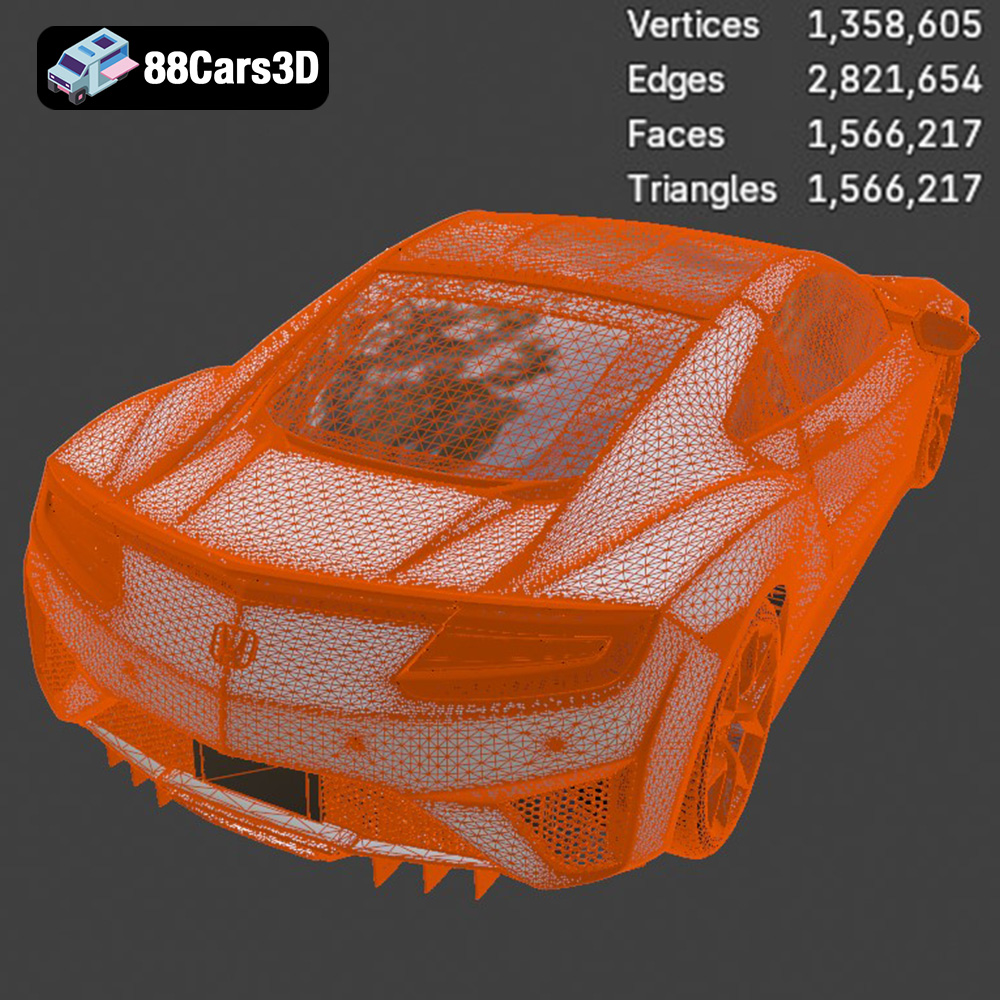
At the heart of any excellent 3D model is its mesh topology. Professional 3D car models typically feature clean, quad-based geometry, which is crucial for smooth subdivision, deformation, and consistent shading. Triangulated meshes, while sometimes unavoidable, are minimized in areas requiring curvature or animation. For rendering, a higher polygon count allows for smoother curves and more intricate details, capturing the precise contours of a vehicle like the NSX. However, for real-time applications such as games or AR/VR, optimization is key. This involves creating various Levels of Detail (LODs) – lower polygon versions of the model that are swapped in at greater distances from the camera – to maintain performance without sacrificing perceived quality. The Honda NSX 2017 3D Model is engineered with professional-grade polygon structures, balancing detail for high-end rendering with optimization for real-time engines.
Realistic materials and textures are what breathe life into a 3D model. Modern workflows heavily rely on Physically Based Rendering (PBR), where materials accurately simulate how light interacts with surfaces in the real world. This involves creating maps for albedo (base color), roughness, metallicness, normal (for surface detail), and ambient occlusion. High-resolution textures (e.g., 4K or 8K) are often used to capture subtle details like paint flakes, carbon fiber weave, or leather grain. Proper UV mapping – the process of flattening the 3D surface onto a 2D plane for texturing – is also critical. Clean UVs ensure textures are applied without stretching or distortion. The Honda NSX 2017 3D Model features realistic materials and professional UVs, guaranteeing true-to-life reflections and accurate surface qualities that respond dynamically to lighting.
Recreating an iconic vehicle like the Honda NSX 2017 requires an unwavering commitment to accuracy. This starts with extensive reference gathering, including blueprints, CAD data (if available), and high-resolution photographs from all angles. Every curve, panel gap, and interior element must align with the real car’s specifications. Maintaining accurate proportions is paramount, as even subtle deviations can make a model look “off.” Meticulous attention to detail ensures that the digital representation is indistinguishable from the physical vehicle, a characteristic that the Honda NSX 2017 3D Model proudly exhibits, making it suitable for even the most discerning automotive visualization projects.
High-quality 3D car models are not just static eye candy; they are versatile tools that power various professional workflows. Their meticulous construction and optimized formats allow them to be seamlessly integrated into diverse projects, offering significant benefits in terms of efficiency, realism, and creative freedom. The Honda NSX 2017 3D Model exemplifies how a well-prepared asset can serve multiple industry applications.
For automotive studios, marketing agencies, and architectural visualization firms, photorealistic rendering is paramount. 3D car models are used to create stunning promotional images, animations, and virtual showrooms long before a physical prototype exists. In this workflow, the model’s clean geometry, high-resolution textures, and accurate PBR materials are crucial. Artists utilize sophisticated rendering engines like V-Ray, Corona Renderer, Octane Render, or Blender’s Cycles to simulate complex lighting scenarios, environmental reflections, and advanced material properties. The Honda NSX 2017 3D Model, with its sleek lines and expertly crafted materials, is a perfect candidate for hero shots, allowing artists to showcase the vehicle’s design prowess in various digital environments, from a luxury garage to an open road.
In the world of game development, 3D car models are the heart of racing simulations, open-world adventures, and interactive experiences. Here, the emphasis shifts slightly from pure poly-count fidelity to a balance of visual quality and real-time performance. Game engines like Unreal Engine and Unity require optimized assets, often incorporating LODs, efficient collision meshes, and specific shader setups. The .fbx and .unreal formats of the Honda NSX 2017 3D Model are specifically designed for this purpose, offering game-engine-ready assets that minimize draw calls and maximize frame rates. Developers can quickly integrate the model, apply physics, and animate its components, ensuring a smooth and immersive user experience whether it’s part of a high-octane race or a subtle background detail.
Augmented Reality (AR) and Virtual Reality (VR) are transforming how we interact with digital content. 3D car models play a critical role in creating immersive AR applications for product showcases, virtual test drives, or interactive training simulations. For VR, these models form the core of virtual showrooms, design reviews, or even complex driving simulators. The optimization required for AR/VR is even more stringent than for traditional games, as latency and framerate drops can lead to motion sickness. The .glb format, offered with the Honda NSX 2017 3D Model, is particularly suited for these applications due to its lightweight and efficient nature, enabling smooth loading and rendering on a wide range of devices, from high-end VR headsets to mobile phones.
While often associated with digital display, the utility of high-quality 3D car models extends far beyond the confines of a screen. They serve as critical assets in the physical world, bridging the gap between digital design and tangible objects through processes like 3D printing and precision manufacturing.
The advent of accessible 3D printing technologies has revolutionized rapid prototyping and custom manufacturing. A meticulously detailed 3D car model, such as the Honda NSX 2017 3D Model, can be transformed into a physical miniature, a concept prototype, or even functional parts. The key to successful 3D printing lies in the model’s geometry. The .stl format, typically a triangulated mesh, is the industry standard for this purpose. It requires the model to be “manifold” or “watertight,” meaning it has no holes, non-manifold edges, or inverted normals that would confuse a 3D printer. The clean geometry of professional 3D models ensures they are readily convertible into printable .stl files, allowing designers to physically hold and evaluate their creations, assess ergonomics, or showcase design iterations in a tangible form. Imagine a desk-sized replica of the NSX, showcasing its iconic design.
Beyond simple prototyping, high-precision 3D models can be vital for engineering analysis and reverse engineering. Formats like .ply, which can store detailed polygon mesh data, are often used in CAD (Computer-Aided Design) software for simulations, stress analysis, or fitment checks. Engineers can use these models to study aerodynamic properties, analyze structural integrity, or plan modifications. For complex vehicles like the Honda NSX 2017, the ability to work with an accurate 3D representation in engineering software allows for critical evaluations that would be far more time-consuming and expensive with physical prototypes. This level of detail supports advanced manufacturing and design verification processes, ensuring that the digital model serves not just as a visual asset but also as a functional engineering tool.
To truly appreciate the value of a high-quality 3D car model, it’s essential to see it in action across various professional scenarios. The Honda NSX 2017 3D Model, with its exceptional detail and versatile file formats, offers a myriad of opportunities to enhance projects across different industries.
Consider an architectural firm tasked with visualizing a high-end luxury garage within a sprawling estate. Placing generic vehicles often detracts from the scene’s authenticity. By integrating the Honda NSX 2017 3D Model (perhaps using the .max or .blend format for maximum control), the visualization immediately gains an unparalleled level of realism and sophistication. The NSX’s iconic design and meticulous material representation would catch the eye, adding a focal point and a sense of aspirational lifestyle to the architectural render. The realistic reflections on its polished surface would accurately react to the virtual lighting of the garage, enhancing the overall believability and making the property truly shine. This elevates a standard architectural rendering into a compelling narrative.
For a game development studio working on a next-generation racing title, the choice of vehicle assets is paramount to gameplay immersion and visual appeal. Using the game-engine-ready .fbx or .unreal version of the Honda NSX 2017 3D Model significantly accelerates development. Developers can import the optimized mesh with pre-configured materials, set up collision detection, and quickly integrate it into their physics engine. The model’s clean topology and efficient UVs mean fewer technical hurdles, allowing artists to focus on environmental design and gameplay mechanics. Players would experience the thrill of driving the NSX with authentic visual fidelity, from its dashboard details in cockpit view to its sleek silhouette speeding past opponents, all thanks to a well-prepared game asset.
An automotive manufacturer aims to launch a new virtual showroom, allowing potential buyers to explore the Honda NSX 2017 from any angle, customize its paint color, and even “walk around” it in their own driveway via AR. The .glb format of the Honda NSX 2017 3D Model is tailor-made for this. Its optimized structure ensures quick loading times on web browsers and mobile devices, providing a smooth, interactive experience without requiring powerful hardware. Users could rotate the NSX with a swipe, tap to change exterior colors or interior trims, and even place a scaled-up version of the car in their real-world environment using their smartphone’s camera. This transforms a traditional sales pitch into an engaging, personalized digital experience, leveraging the accessibility of modern AR/VR technology.
The journey from a blank canvas to a fully realized digital masterpiece is paved with critical decisions, none more impactful than the quality of your core assets. High-fidelity 3D car models are not merely commodities; they are essential investments that underpin the success of ambitious projects across industries. From cinematic renders to immersive game worlds, and from architectural visualizations to tangible 3D prints, the demand for precision, versatility, and technical excellence in these assets continues to grow.
The Honda NSX 2017 3D Model stands as a prime example of this commitment to quality. Meticulously crafted with clean geometry, realistic materials, and robust polygon structures, it provides an unparalleled foundation for creative and technical endeavors. Its availability in a comprehensive suite of industry-standard file formats – from .blend and .max for full editability, to .fbx and .unreal for real-time applications, and .glb for web/AR/VR, even .stl for 3D printing – ensures seamless integration into any professional workflow. This model isn’t just a digital representation of a legendary supercar; it’s a meticulously engineered tool designed to empower artists, developers, and designers to achieve their highest creative visions.
For those seeking to elevate their projects with 3D car models that truly deliver on realism, performance, and adaptability, resources like 88cars3d.com offer a curated selection of premium assets. Investing in a model like the Honda NSX 2017 isn’t just acquiring a digital file; it’s unlocking a world of possibilities for stunning automotive rendering, dynamic game environments, and captivating interactive experiences.
Experience unparalleled realism with the Honda NSX 2017 3D Model. Meticulously crafted to capture the sleek, aerodynamic lines and iconic stance of this legendary hybrid sports car, this model delivers exceptional detail for all your digital projects. Key features include clean geometry, realistic materials, and professional-grade polygon structures. Every curve, panel, and interior element is designed to ensure seamless integration into any visual environment, providing true-to-life reflections and accurate proportions. Perfect for a wide range of applications, this model excels in game development, architectural visualization, cinematic rendering, and AR/VR experiences. Whether used as a hero asset in an animation or an interactive vehicle in a virtual environment, it offers the fidelity required for professional production. The model is delivered in multiple industry-standard file formats to ensure maximum compatibility: .blend – Editable Blender file with materials and lighting setup; .fbx – Game-engine ready format for Unreal Engine and Unity; .obj – Standard 3D model format compatible with all major software; .glb – Optimized for AR/VR and web-based visualization; .stl – Suitable for 3D printing and prototyping; .ply – Detailed polygon mesh for analysis and visualization; .unreal – Pre-configured for Unreal Engine use; .max – Editable 3ds Max file for rendering and animation.
$39.99
.arvr
.blend
.car3dmodel
.fbx
.gameasset
.glb
.honda
.max
.nsx
.obj
.ply
.rendering
.simulation
.sportsCar
.stl
.supercar
.unreal