Get 20% OFF All Premium 3D & STL Models!

In the fast-evolving landscape of digital content creation, the demand for hyper-realistic and functionally robust 3D assets is at an all-time high. From blockbuster game titles and immersive virtual reality experiences to high-stakes automotive marketing campaigns and detailed architectural visualizations, the quality of your 3D models can be the defining factor in a project’s success. Nowhere is this more evident than in the realm of automotive design and visualization, where precision, authenticity, and performance are paramount.
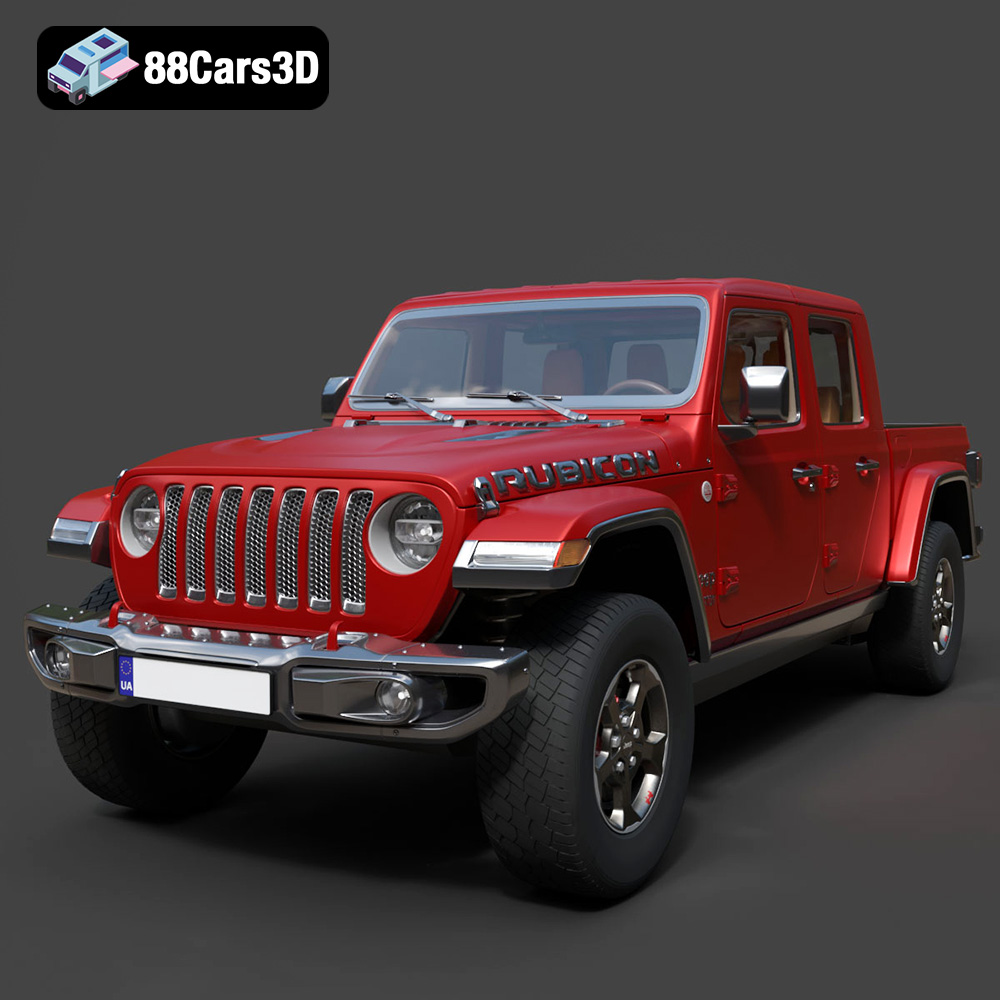
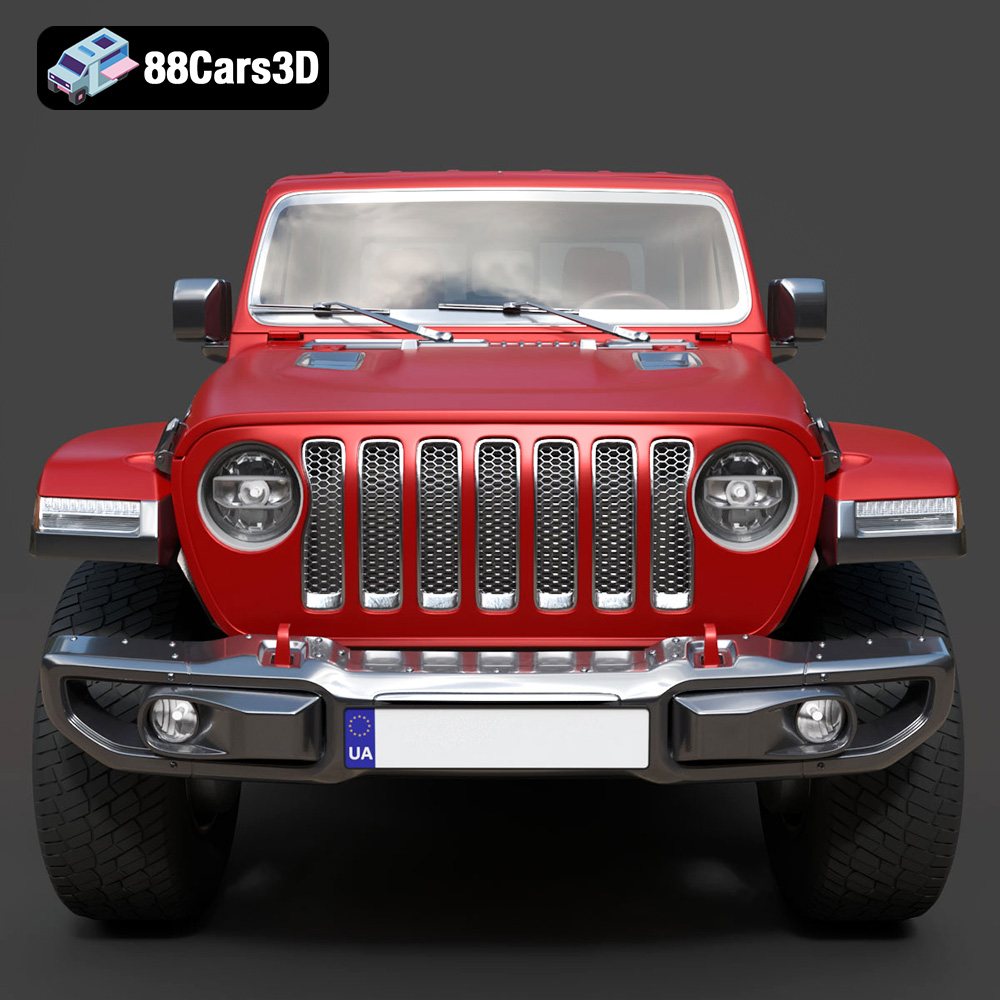
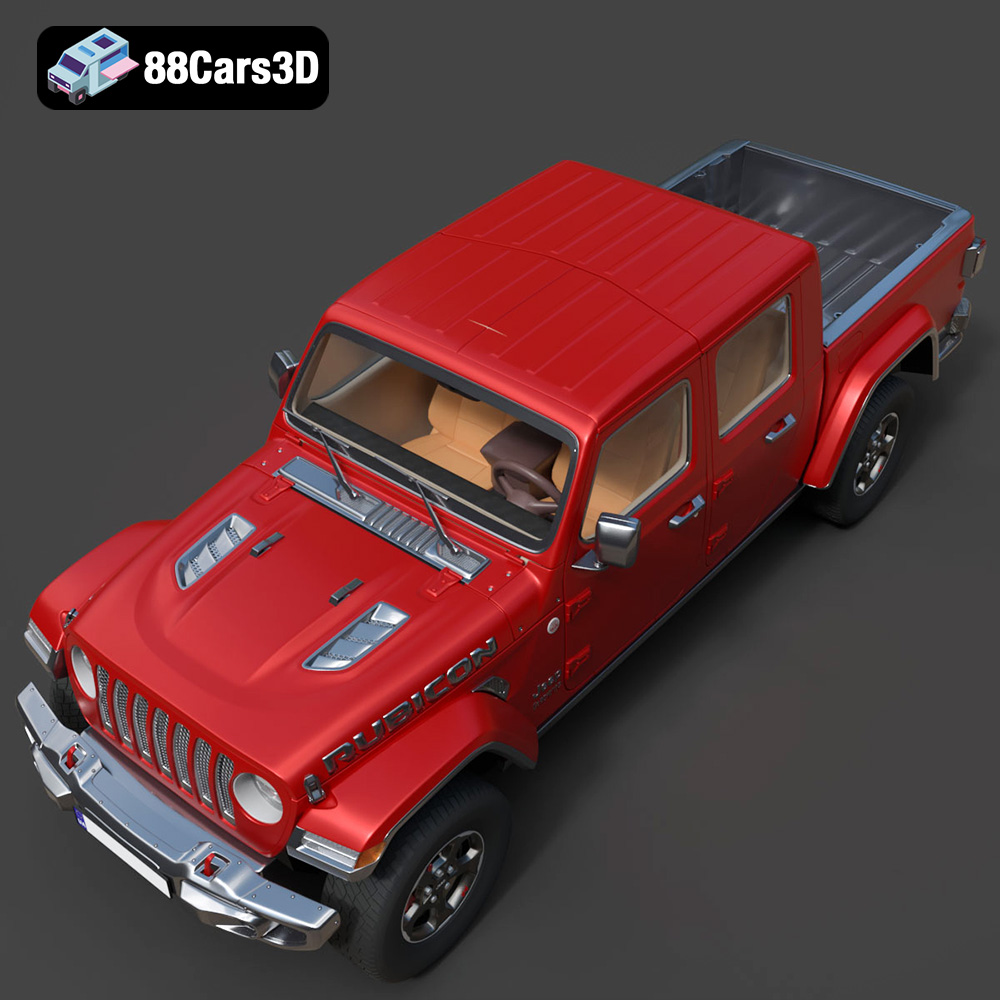
At the heart of this digital transformation lies the need for meticulously crafted 3D car models that don’t just look good, but are engineered for diverse professional applications. Consider a model like the Jeep Gladiator Rubicon 2020 3D Model – a perfect embodiment of rugged capability translated into a digital twin. This isn’t just a static image; it’s a versatile, high-fidelity asset designed to slot seamlessly into game engines, rendering pipelines, and interactive platforms, serving as a cornerstone for countless creative endeavors. Its detailed exterior styling and optimized geometry make it an ideal choice for anyone looking to elevate their digital projects, ensuring both visual accuracy and smooth performance across a spectrum of professional needs.
The versatility of a 3D model often hinges on the range and quality of its supported file formats. Each format serves a specific purpose, catering to different software ecosystems, project requirements, and optimization needs. Understanding these distinctions is crucial for anyone working with 3D car models, ensuring seamless integration and efficient workflows. The Jeep Gladiator Rubicon 2020 3D Model, available on 88cars3d.com, exemplifies a professional asset by offering a comprehensive suite of formats, each tailored for a particular use case.
The .blend format is the native file type for Blender, the powerful open-source 3D creation suite. When you receive a .blend file, you’re not just getting a model; you’re getting a fully editable scene. This includes all geometry, materials, textures, lighting setups, cameras, and even animation data. For the Jeep Gladiator, the .blend file would provide complete flexibility for artists to modify the model, adjust shaders, add specific lighting conditions, or even integrate it into a larger Blender project with ease. It’s the ideal format for artists who want full creative control and are deeply integrated into the Blender ecosystem for their automotive rendering and game asset creation.
Autodesk’s .fbx (Filmbox) format is arguably the most widely adopted interchange format in the 3D industry. It excels at transferring comprehensive scene data, including meshes, materials, textures, animations, and even skeletal deformation information, between different 3D software and game engines. For real-time pipelines like Unreal Engine and Unity, .fbx is often the go-to format due to its robust support for game asset requirements. The .fbx version of the Jeep Gladiator is “game-engine ready,” meaning it’s optimized for performance and structure to be imported directly into these environments, making it a critical asset for game developers.
The .obj (Wavefront Object) format is a universal standard, highly compatible with virtually all 3D software. It primarily stores geometric data (vertices, normals, UV coordinates) and references external material files (.mtl). While it doesn’t typically carry animation or rigging data, its simplicity makes it excellent for basic model exchange and for users who need a clean mesh without complex scene data. If you need to import the Jeep Gladiator into a less common 3D application, or simply want a robust, compatible mesh, the .obj file is your best bet.
.glb (GL Transmission Format Binary) is a relatively newer format gaining significant traction, especially in AR/VR and web-based applications. It’s a binary version of glTF, designed for efficient transmission and loading of 3D scenes and models. A single .glb file can encapsulate model data, textures, and animations, making it highly optimized for interactive, real-time experiences in browsers or mobile AR/VR viewers. The .glb version of the Jeep Gladiator Rubicon 2020 3D Model is perfect for showcasing the vehicle in a virtual showroom on a website or integrating it into an augmented reality app, offering a seamless and performant experience.
.stl (Stereolithography) is synonymous with 3D printing. This format represents the surface geometry of a 3D object using a collection of interconnected triangles. It does not contain color, texture, or material information, focusing solely on the object’s form. For prototyping physical models of the Jeep Gladiator or integrating it into a manufacturing workflow, the .stl file provides the necessary data for a 3D printer to accurately reproduce the vehicle’s form.
The .ply (Polygon File Format) is often used for storing 3D scan data. It can store not only geometry but also properties like color, transparency, normals, and texture coordinates for each vertex and face. This makes it a powerful format for scientific applications, reverse engineering, or when precision mesh data is required for analysis. For highly detailed visualization or CAD integration, the .ply format for the Jeep Gladiator can offer a robust and precise representation.
The .unreal designation refers to assets specifically configured and optimized for Unreal Engine. While .fbx is used for import, an .unreal asset often implies additional steps have been taken – such as material setup, collision geometry, and LODs (Levels of Detail) – within the engine itself, or that the file is part of an Unreal project package. This pre-configuration saves significant development time, allowing game developers and real-time visualization artists to drop the Jeep Gladiator directly into their Unreal projects with minimal fuss, making it an invaluable game asset.
Finally, the .max format is the native file for Autodesk 3ds Max, a long-standing industry standard for architectural visualization, animation, and high-end rendering. A .max file of the Jeep Gladiator would contain the complete 3ds Max scene, including modifiers, intricate material setups (e.g., V-Ray, Corona), lighting, and animation tracks. This format offers maximum editability and is ideal for users deeply embedded in the 3ds Max pipeline, requiring full control over every aspect for advanced automotive rendering and cinematic sequences.
The availability of these diverse formats for the Jeep Gladiator Rubicon 2020 3D Model underscores its professional-grade quality and adaptability, making it a truly versatile asset for any digital creator.
Creating a truly exceptional 3D car model, such as the Jeep Gladiator Rubicon 2020, is a painstaking process that merges artistic skill with meticulous technical precision. It’s about more than just replicating a vehicle’s shape; it’s about capturing its essence, every curve, seam, and texture, in a way that stands up to the closest scrutiny.
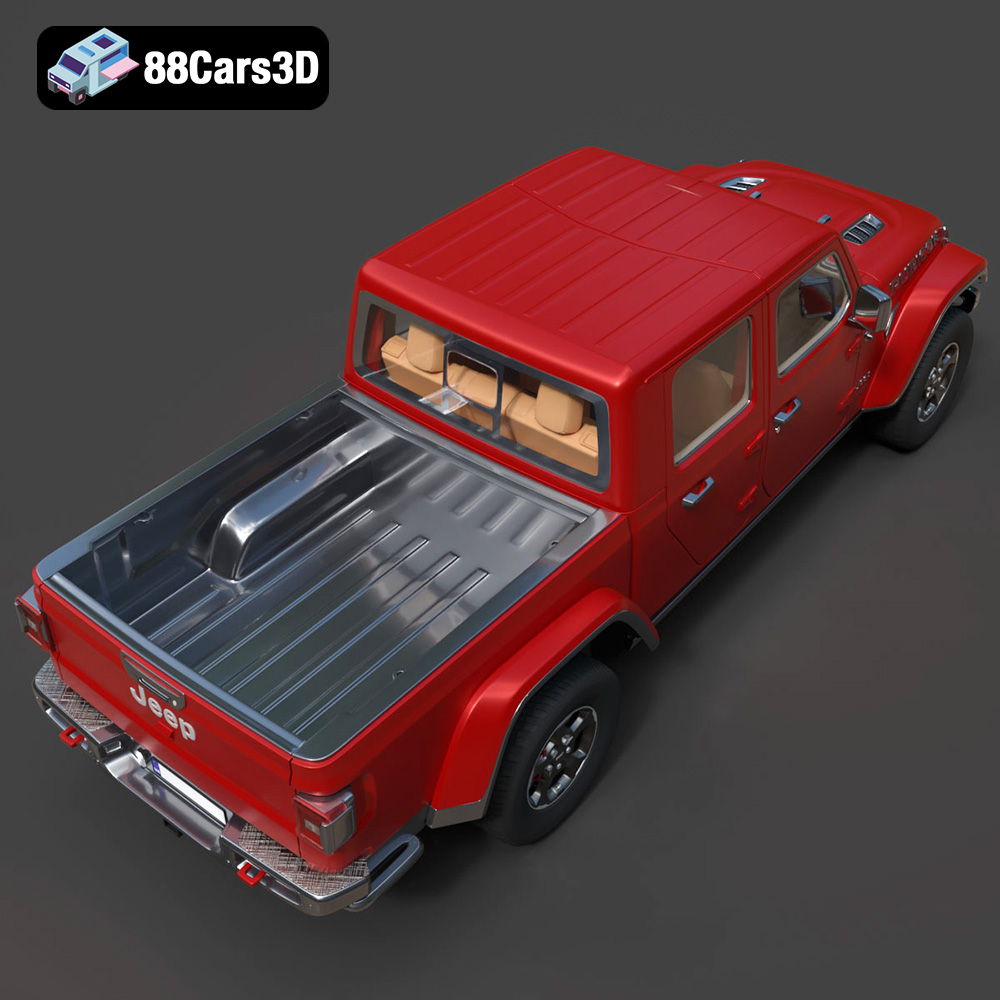
The journey begins with extensive research. Professional 3D artists gather a wealth of reference material: blueprints, technical drawings, high-resolution photographs from every angle, and even detailed measurements of the real vehicle. For a model like the Jeep Gladiator Rubicon, this involves studying everything from the iconic seven-slot grille to the robust fender flares and the textured bed liner. Accuracy is paramount; even subtle deviations from the real-world dimensions can break the illusion of realism, especially in automotive rendering where details are king.
Once references are established, the actual modeling commences. Hard surface modeling techniques are employed to build the vehicle’s chassis, body panels, and intricate mechanical components. Artists often utilize subdivision surface modeling, starting with low-polygon base meshes and then smoothing them out while maintaining clean, quad-based topology. This ensures that the model can be subdivided for high-resolution renders without introducing artifacts, while also providing a lightweight base for real-time applications. The “clean geometry and optimized polygon count” mentioned for the Jeep Gladiator model are direct results of this careful process, ensuring excellent performance without sacrificing visual detail.
After the geometry is finalized, the model undergoes UV mapping – the process of flattening the 3D surface into 2D coordinates so that textures can be applied. This requires careful unwrapping to minimize seams and distortion, ensuring that the final textures appear seamless and natural. Texturing itself is an art form, especially with Physically Based Rendering (PBR) workflows. Materials like painted metal, rubber, glass, and plastic are created using Albedo (base color), Normal (surface detail), Roughness (specularity), and Metalness maps. These maps precisely simulate how light interacts with different surfaces, bringing the 3D car model to life with convincing reflections, highlights, and tactile details.
A high-quality 3D car model like the Jeep Gladiator Rubicon 2020 is a powerful tool across multiple industries. Its adaptability, enabled by the diverse file formats and meticulous construction, allows it to be a cornerstone in various professional pipelines.
For automotive brands and advertising agencies, premium 3D models are indispensable for creating stunning marketing materials long before a physical prototype exists. The Jeep Gladiator model can be used to generate photorealistic stills and animated sequences for commercials, brochures, and online configurators. Using renderers like V-Ray, Corona, or Blender’s Cycles, artists can place the Gladiator in any conceivable environment – from a rugged off-road trail to a sleek urban setting – and capture it with perfect lighting and camera angles, showcasing every design detail and feature. This saves immense costs and time compared to traditional photography and video shoots, while offering unparalleled creative control.
The gaming industry relies heavily on optimized 3D car models to populate virtual worlds. The Jeep Gladiator, as a “game-engine ready format” (fbx and unreal), is perfectly suited for integration into popular engines like Unreal Engine and Unity. Game developers can use it as a drivable vehicle, an environmental prop, or even as part of cinematic cutscenes. The optimized polygon count and realistic materials ensure that the model runs efficiently within a game’s performance budget, maintaining high frame rates while still delivering stunning visuals. This attention to detail transforms a simple asset into an immersive element of gameplay.
Augmented Reality (AR) and Virtual Reality (VR) are revolutionizing how we interact with digital content. The .glb format of the Jeep Gladiator Rubicon 2020 3D Model makes it ideal for these cutting-edge applications. Imagine a customer using an AR app on their phone to place a life-sized virtual Gladiator in their driveway, exploring its features from every angle. Or a VR training simulation for mechanics, allowing them to practice maintenance procedures on a digital twin. These immersive experiences offer a new dimension of engagement and education, leveraging the realism and efficiency of high-quality 3D assets.
Beyond aesthetic appeal, the true measure of a professional 3D car model lies in its technical robustness and optimization. For assets like the Jeep Gladiator Rubicon 2020 3D Model, these factors dictate usability and performance across demanding applications.
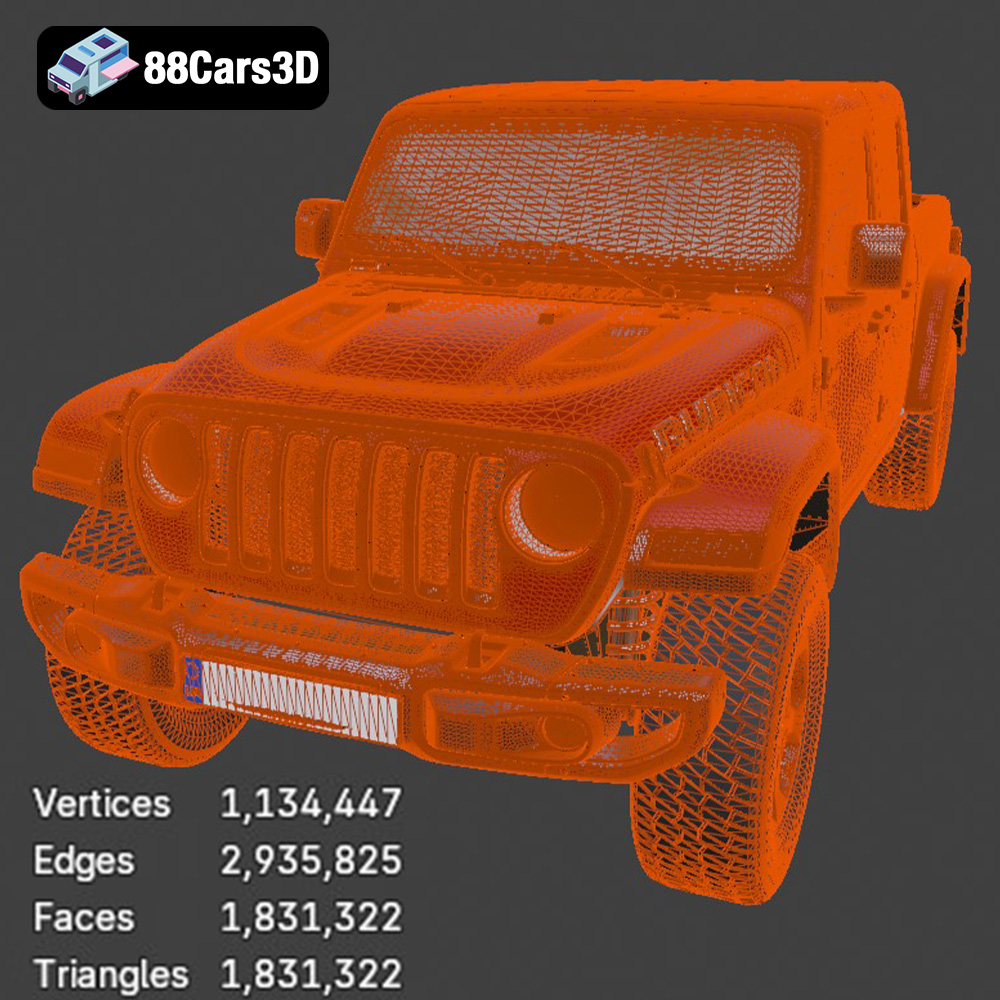
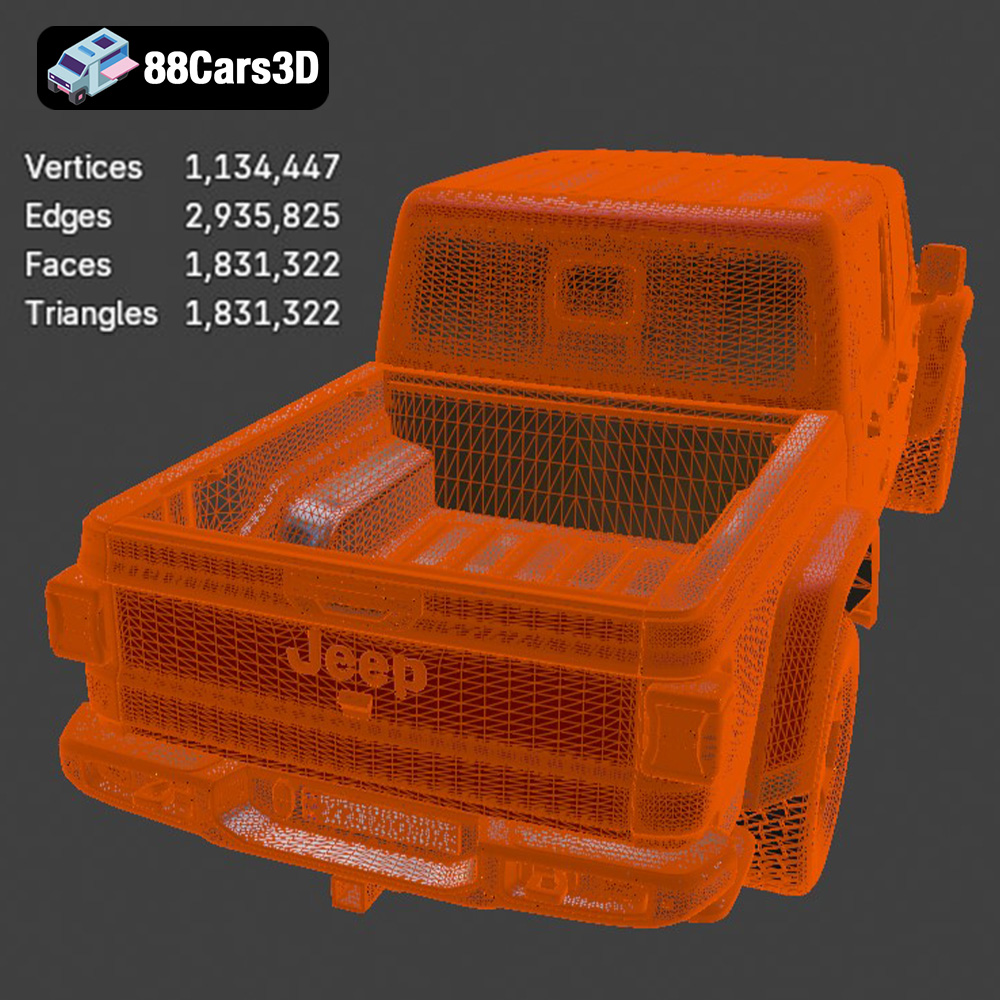
An “optimized polygon count” is a critical feature, especially for game assets and real-time rendering. While high-resolution models might boast millions of polygons for cinematic quality, these are impractical for interactive experiences. Professional models strike a balance, providing enough detail for close-up shots while remaining performant. For real-time applications, this often involves creating multiple Levels of Detail (LODs) – progressively lower polygon versions of the same model. As the camera moves further away, the engine swaps to a lower LOD, drastically reducing the computational load without a noticeable drop in visual quality. This is crucial for maintaining smooth frame rates in complex scenes involving multiple vehicles or environments.
Physically Based Rendering (PBR) has become the gold standard for achieving photorealistic materials. PBR materials use a set of textures (Albedo, Normal, Roughness, Metalness, Ambient Occlusion) that accurately simulate how light interacts with surfaces based on real-world physics. The “realistic materials” of the Jeep Gladiator Rubicon 2020 3D Model imply a well-implemented PBR workflow. However, the complexity of these shaders can impact performance, particularly in real-time engines. Expertly crafted models ensure that materials are efficient, using a minimal number of texture lookups and calculations while still delivering stunning visual fidelity.
While the product description highlights exterior and structural details, many professional 3D car models are also designed with animation in mind. This involves rigging the vehicle with a skeletal system that allows for realistic movement of components like wheels, suspension, doors, and steering. A well-rigged model can be easily animated for dynamic sequences, car configurators, or even driving simulations. Even if not fully rigged out-of-the-box, the “clean geometry” of a model like the Jeep Gladiator ensures it is ready for an artist to add a custom rig quickly and efficiently, expanding its utility for cinematic or interactive projects.
The impact of high-quality 3D car models on various industries is profound, enabling innovation and pushing creative boundaries. Let’s look at a few scenarios where assets like the Jeep Gladiator Rubicon 2020 3D Model shine.
Imagine a car manufacturer launching a new advertising campaign for a rugged pickup truck. Instead of expensive physical shoots in remote locations, they leverage 3D car models. Artists use the highly detailed Jeep Gladiator model, placing it in a dynamic, photorealistic mountain environment created entirely in 3D. They can control every aspect: time of day, weather conditions, camera angles, and even simulate the vehicle driving through challenging terrain. The result is a visually stunning commercial that is more cost-effective, flexible, and environmentally friendly than traditional methods, all thanks to the power of professional automotive rendering.
Car dealerships and manufacturers are increasingly adopting interactive configurators to enhance the customer experience. A potential buyer can sit at home, open a web application, and customize their desired Jeep Gladiator in real-time. They can change paint colors, wheel options, interior trims, and even view accessories like roof racks or winches. The underlying asset, often a highly optimized .glb or .fbx version of the 3D car model, updates instantly, providing a seamless and engaging preview of their personalized vehicle. This level of interaction is crucial for modern sales and marketing, driven by efficient and accurate 3D assets found on platforms like 88cars3d.com.
Beyond entertainment and marketing, 3D car models play a vital role in practical applications like simulations. For instance, a military or emergency services training program might utilize a highly accurate 3D model of the Jeep Gladiator in a virtual driving simulator. This allows trainees to practice off-road driving, recovery operations, or convoy maneuvers in a safe, controlled environment. The realism provided by the model’s authentic details and optimized performance contributes significantly to the effectiveness of the training, preparing personnel for real-world challenges.
In the digital age, the currency of creation is often the quality and versatility of its assets. The demand for meticulously crafted 3D car models continues to grow, serving as the foundational elements for everything from captivating games and immersive AR/VR experiences to impactful automotive rendering and sophisticated visualizations. A model like the Jeep Gladiator Rubicon 2020 3D Model stands as a testament to the blend of artistic skill and technical excellence required to meet these diverse professional needs.
Its clean geometry, optimized polygon count, and realistic materials, coupled with a comprehensive array of file formats including .blend, .fbx, .obj, .glb, .stl, .ply, .unreal, and .max, ensure maximum flexibility for any digital artist or developer. Whether you’re a game developer seeking robust game assets, a visualization artist aiming for photorealistic automotive rendering, or an innovator exploring new AR/VR frontiers, this model provides a reliable, high-performance solution.
Investing in such high-quality 3D assets from reputable sources like 88cars3d.com not only streamlines your workflow but also elevates the overall fidelity and impact of your projects. The Jeep Gladiator Rubicon 2020 3D Model is more than just a digital representation; it’s an indispensable tool designed to empower your creativity and help you conquer the digital road ahead.
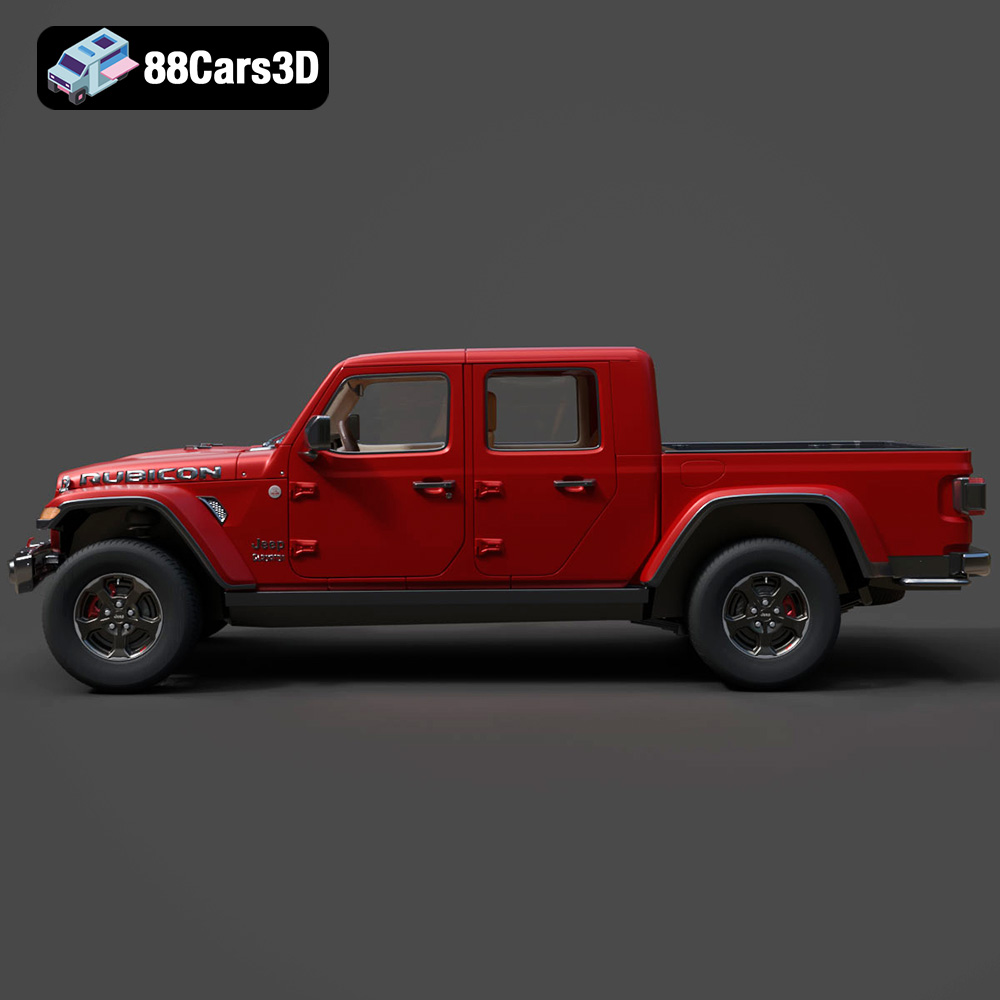
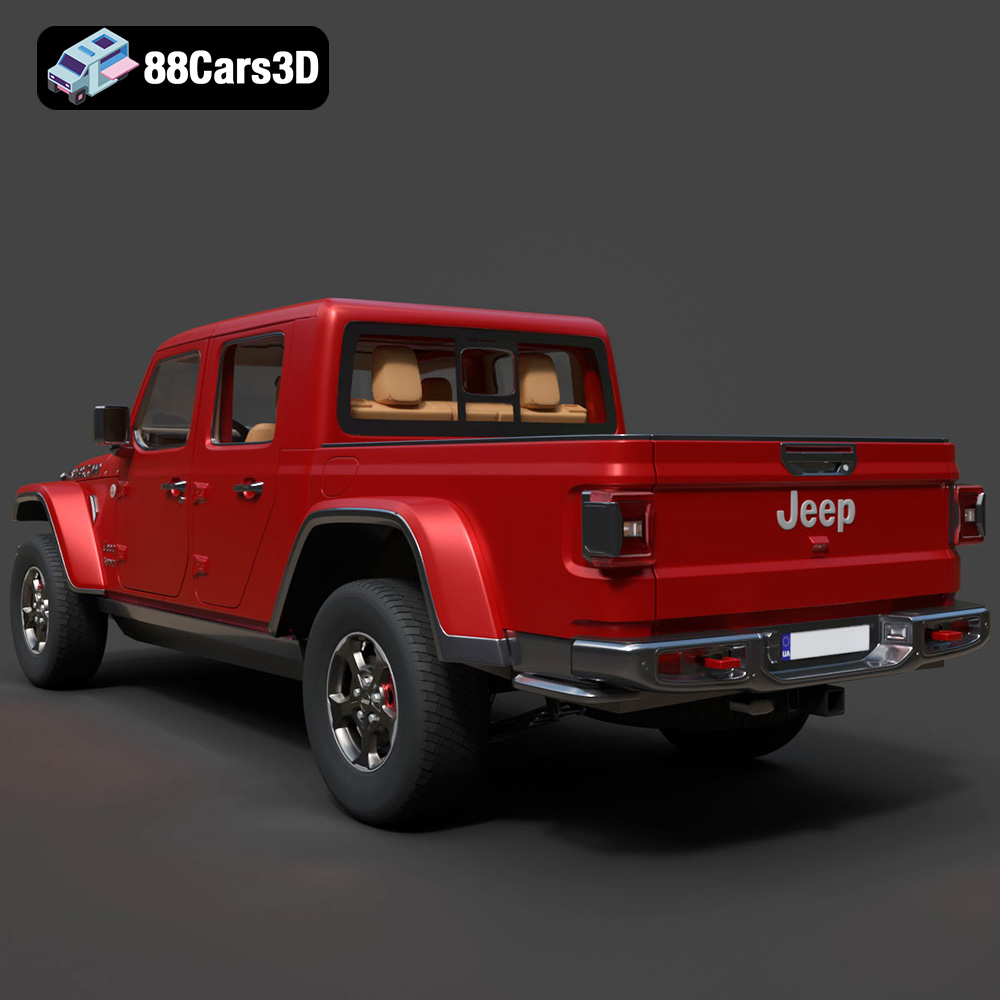
Discover the realistic digital representation of the Jeep Gladiator Rubicon 2020 3D Model, meticulously crafted to deliver an authentic digital twin of this rugged off-road vehicle. This model captures the iconic exterior styling and intricate structural details, making it an ideal asset for professional digital projects. Built with precision, the model features clean geometry, an optimized polygon count, and realistic materials. Every element has been designed to meet professional standards, ensuring seamless integration into your scenes while maintaining excellent performance. Perfect for a wide range of applications, this versatile 3D model excels in game development, architectural rendering, automotive visualization, AR/VR experiences, and animations. Included File Formats: .blend, .fbx, .obj, .glb, .stl, .ply, .unreal, .max
$39.99
.4×4
.arvr
.blend
.car3dmodel
.fbx
.gameasset
.gladiator
.glb
.jeep
.jt
.max
.obj
.offroad
.pickup
.ply
.rendering
.rubicon
.simulation
.stl
.truck
.unreal