Get 20% OFF All Premium 3D & STL Models!

The world of automotive design has always been a blend of art and engineering, a pursuit of aesthetic perfection married with cutting-edge functionality. In today’s digital age, this pursuit extends far beyond the physical realm, permeating virtual landscapes in unprecedented ways. From blockbuster video games to cinematic architectural visualizations, and from immersive augmented reality experiences to precision 3D printing, the demand for exceptionally detailed and optimized 3D car models has never been higher. These digital assets are the foundational building blocks that bring visions to life, serving as crucial elements for artists, developers, and engineers alike.
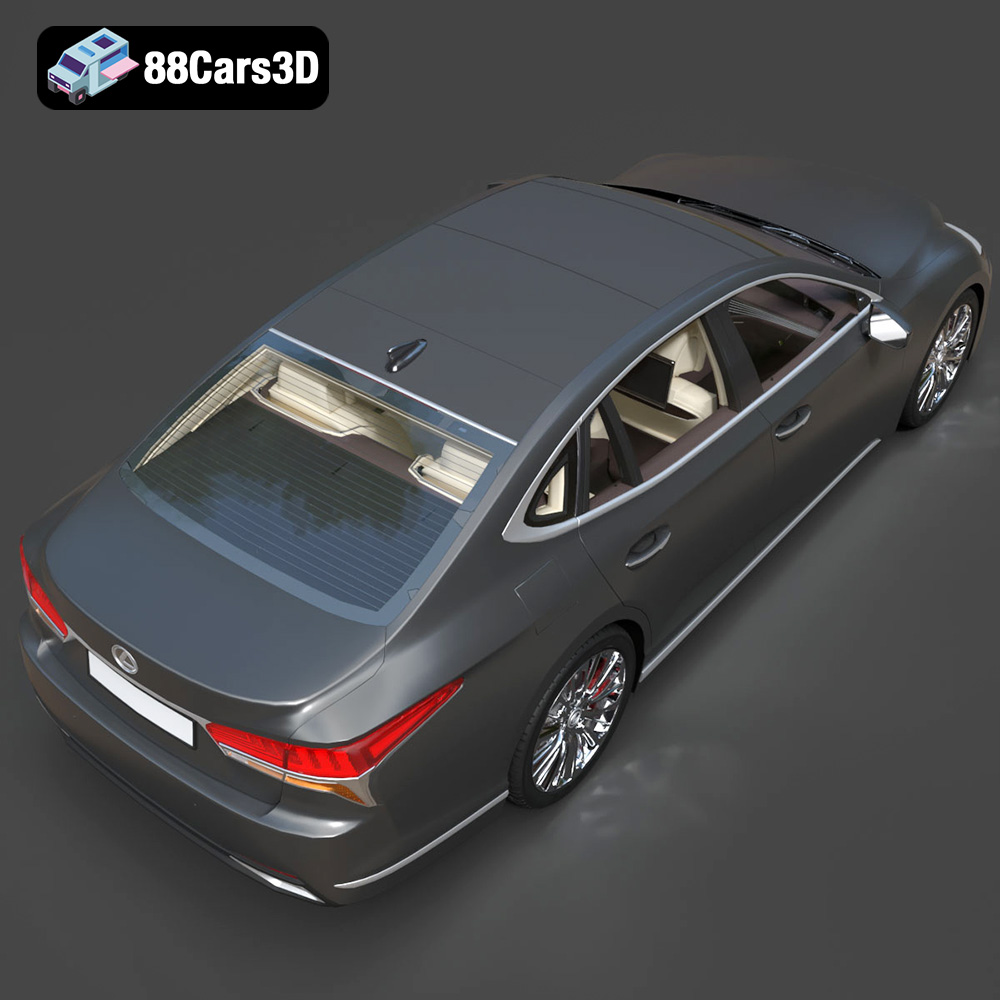
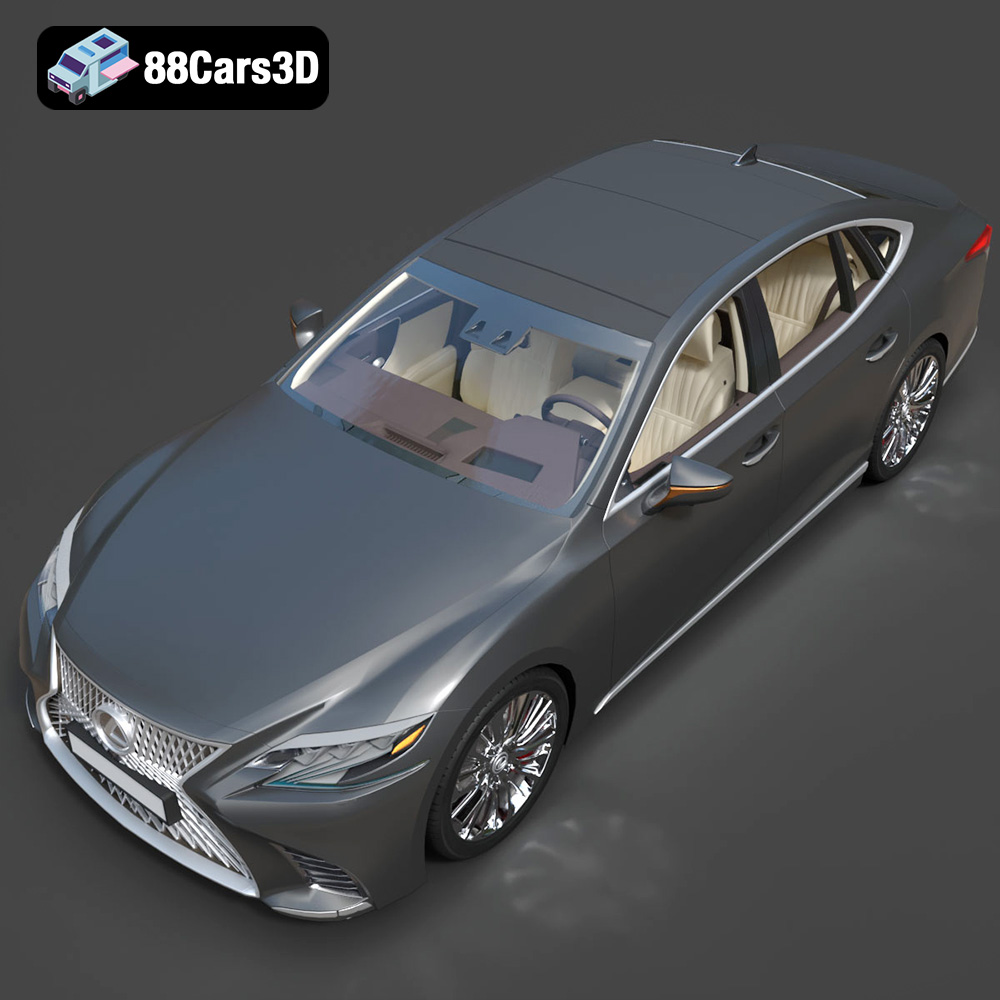
Crafting a digital vehicle that truly captures the essence of its real-world counterpart is a meticulous endeavor, requiring an acute understanding of both design principles and technical optimization. It’s about more than just polygons; it’s about conveying character, respecting intricate details, and ensuring seamless integration into diverse production pipelines. One outstanding example of such digital craftsmanship is the Lexus LS 500 2018 3D Model, a pristine asset available on 88cars3d.com. This model epitomizes the blend of luxury, performance, and technical precision, making it an invaluable tool for anyone looking to elevate their automotive rendering, game development, or visualization projects.
The versatility and utility of a 3D model often hinge on the file formats it supports. Each format is designed with specific use cases in mind, offering unique advantages regarding data preservation, software compatibility, and workflow efficiency. Choosing the correct format is paramount for seamless integration into a project pipeline, whether for real-time applications, high-fidelity rendering, or additive manufacturing. Let’s delve into the specifics of the common formats often provided with high-quality 3D car models, such as the Lexus LS 500 2018 3D Model.
The `.blend` format is native to Blender, the powerful open-source 3D creation suite. When you receive a model in `.blend` format, you’re getting a fully editable Blender scene. This includes not just the mesh geometry, but also materials, textures, lighting setups, cameras, animations, and even modifiers. It offers the highest degree of fidelity and flexibility within Blender, allowing artists to dive deep into the model’s construction, tweak every parameter, and leverage Blender’s extensive toolset for rendering, animation, or further optimization. It’s ideal for those who primarily work within the Blender environment and require complete creative control.
The `.fbx` (Filmbox) format is a proprietary file format developed by Autodesk, widely recognized as the industry standard for 3D data exchange between various software applications and game engines. Its strength lies in its ability to store not only model geometry (vertices, faces, normals, UVs) but also a wide array of scene data, including animations, skeletons, skinning, lights, cameras, and material properties (though material fidelity can vary between software). For pipelines involving Unreal Engine, Unity, 3ds Max, Maya, or Cinema 4D, `.fbx` is often the preferred choice due to its robust support for complex scene hierarchies and animation data, making it ideal for real-time applications and game assets.
The `.obj` (Wavefront OBJ) format is one of the oldest and most universally supported 3D file formats. It’s a simple, text-based format primarily used for exchanging pure geometric data: vertices, UV coordinates, vertex normals, and polygonal faces. While it doesn’t typically store advanced features like animation or complex material definitions (it references external `.mtl` files for basic material properties), its widespread compatibility makes it an excellent choice for cross-software transfers where only the mesh data is required. It’s a reliable workhorse for ensuring that a model’s fundamental shape and texture mapping translate across almost any 3D application.
The `.glb` (GL Transmission Format Binary) format is a binary version of GLTF, specifically designed for efficient transmission and loading of 3D scenes and models in web and real-time applications. It packages all assets—geometry, materials, textures, animations—into a single, self-contained file. This optimization makes `.glb` perfect for augmented reality (AR), virtual reality (VR), and browser-based 3D viewers where fast loading times and minimal data requests are critical. For interactive configurators or mobile AR experiences using the Lexus LS 500, `.glb` provides an excellent balance of visual quality and performance.
The `.stl` (Stereolithography) format is the de facto standard for 3D printing and computer-aided manufacturing. It represents 3D surfaces as a series of connected triangles (a triangulated mesh). It contains no color, texture, or material information, focusing solely on the geometric data necessary for a 3D printer to interpret the object’s form. While it can result in large file sizes for complex objects, its simplicity and ubiquitous support across slicing software make it indispensable for transforming digital models into physical prototypes or display pieces, like a scale model of the Lexus LS 500.
The `.ply` (Polygon File Format, or Stanford Triangle Format) is another format that describes 3D objects, specifically useful for storing data from 3D scanners. It can store a wider range of properties than `.stl`, including color, transparency, and even specific types of data like point cloud information. While less common for general 3D model exchange, `.ply` is particularly valuable in scientific, CAD, and engineering contexts where precision mesh data and additional attribute storage are critical for analysis or specific manufacturing processes.
The `.unreal` format, or more accurately, assets packaged for Unreal Engine, typically refers to a collection of `.uasset` files within an Unreal project structure. These are not a single file format but rather an optimized, proprietary structure for assets directly imported and managed by Unreal Engine. This means the model is already processed, has appropriate collision meshes, LODs (Levels of Detail), materials, and potentially Blueprints or other engine-specific data configured for immediate use within an Unreal project. Models delivered in this “engine-ready” state, like the Lexus LS 500 from 88cars3d.com, significantly accelerate development for games and real-time architectural visualization.
The `.max` format is the native file format for Autodesk 3ds Max, one of the leading software packages for 3D modeling, animation, and rendering in professional visualization and game development. Similar to `.blend` for Blender, a `.max` file contains the entire scene: geometry, lights, cameras, materials, modifiers, animation, and rendering settings specific to 3ds Max. It offers the highest level of control and detail for users working within the 3ds Max environment, allowing for complex rigging, advanced rendering setups, and seamless integration with other Autodesk products.
Creating a convincing 3D car model is a sophisticated blend of artistic interpretation and technical accuracy. It demands a keen eye for proportion, an understanding of surface dynamics, and the ability to translate intricate physical details into a digital form. The goal is not merely to replicate, but to evoke the same presence and allure as the real vehicle.
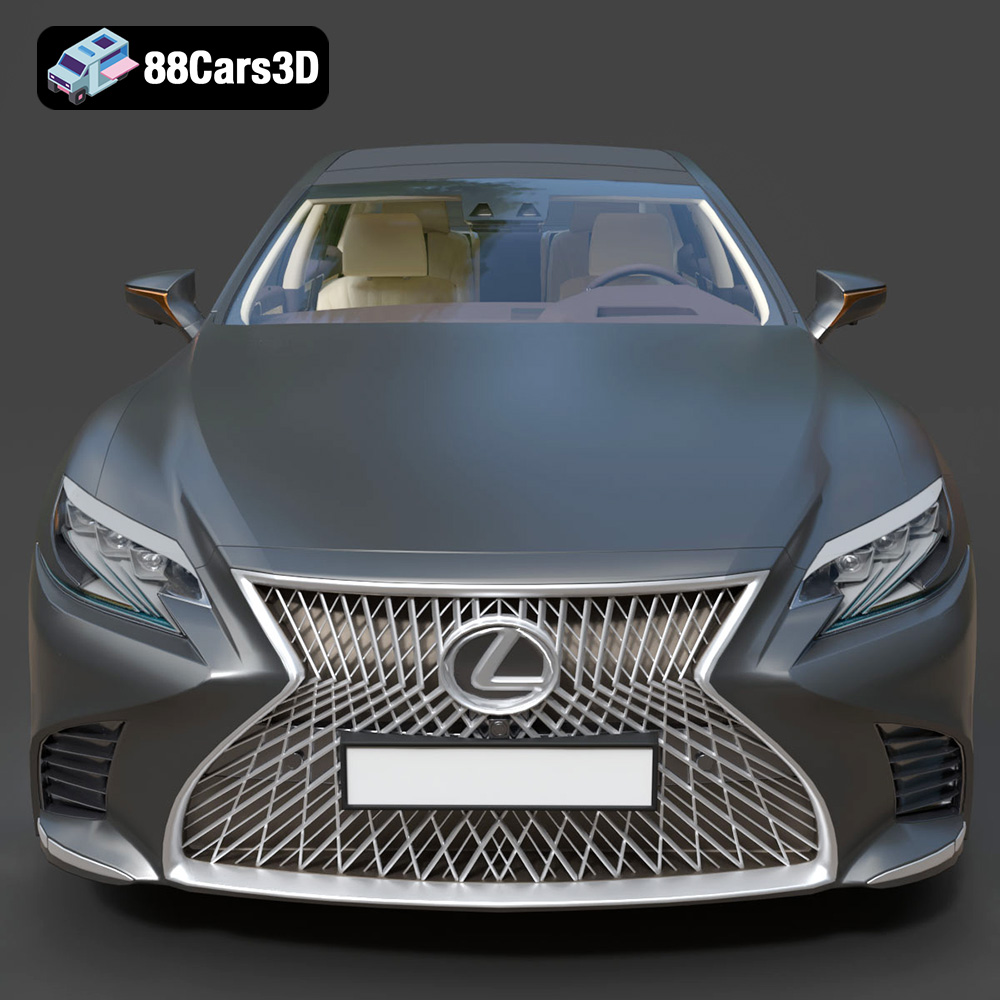
The journey of a 3D car model begins with extensive research, involving blueprints, reference photography, and often, direct observation of the vehicle itself. Artists then meticulously block out the primary forms, establishing the vehicle’s silhouette and key proportions. This initial phase is crucial, as any inaccuracies here will propagate through the entire model. The Lexus LS 500 2018, with its distinctive spindle grille and elegant coupe-like sedan proportions, requires exceptional precision to capture its unique design language. Each curve and panel must flow naturally, reflecting the deliberate choices made by the original automotive designers.
High-fidelity models differentiate themselves through their attention to detail. For a luxury vehicle like the Lexus LS 500, this means meticulously modeling features such as the complex mesh geometry of the signature spindle grille, the intricate internal projector detailing of the Z-shaped LED headlights, and the subtle contours of its body panels. The Lexus LS 500 2018 3D Model delivers on this front, showcasing accurate representations of the 19-inch/20-inch alloy wheels, detailed brake calipers, and even the multi-link suspension components. This level of granular detail is vital for achieving photorealistic renders and immersing users in virtual environments. Furthermore, separate components for wheels, doors, suspension, and steering ensure the model is animation-ready, crucial for dynamic showcases or interactive simulations.
In the fast-paced world of game development and real-time visualization, raw detail must be balanced with performance efficiency. A model can be stunning, but if it bogs down an engine, its utility is severely limited. This is where optimization becomes an art form in itself, transforming complex geometry into efficient game assets.
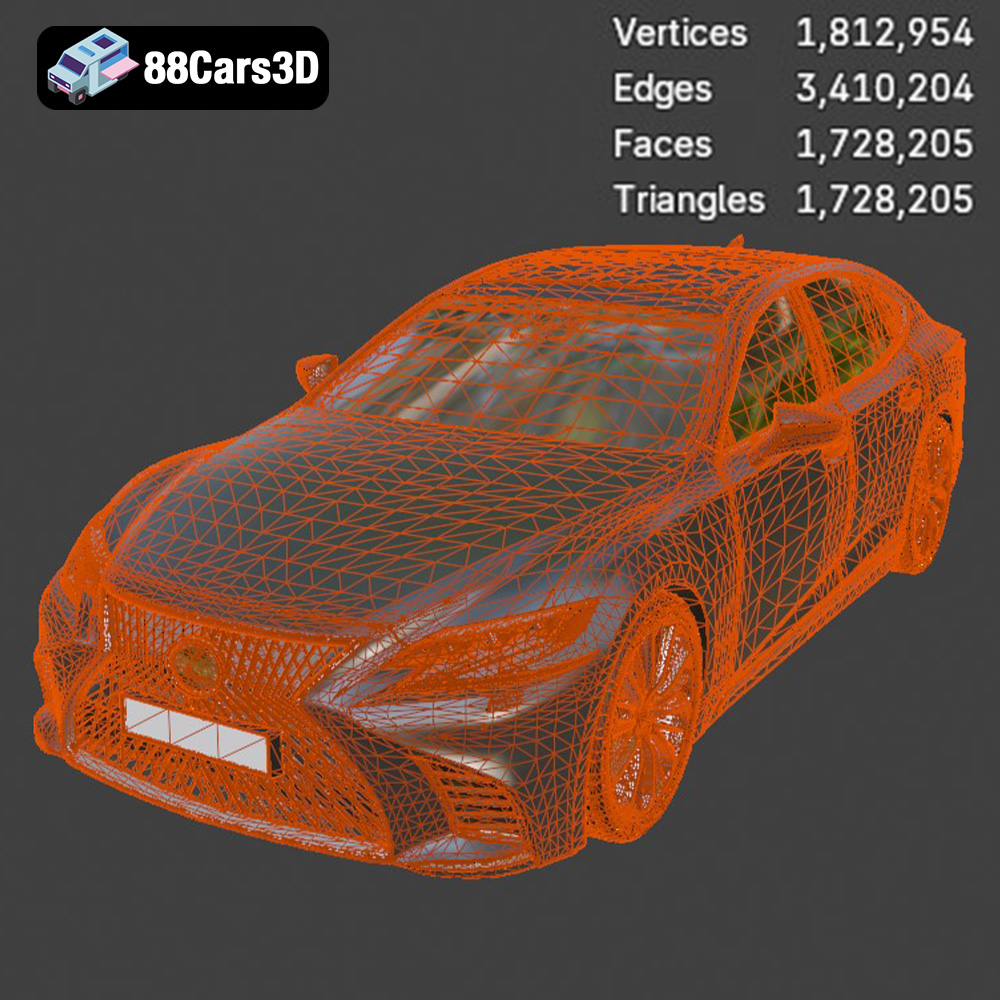
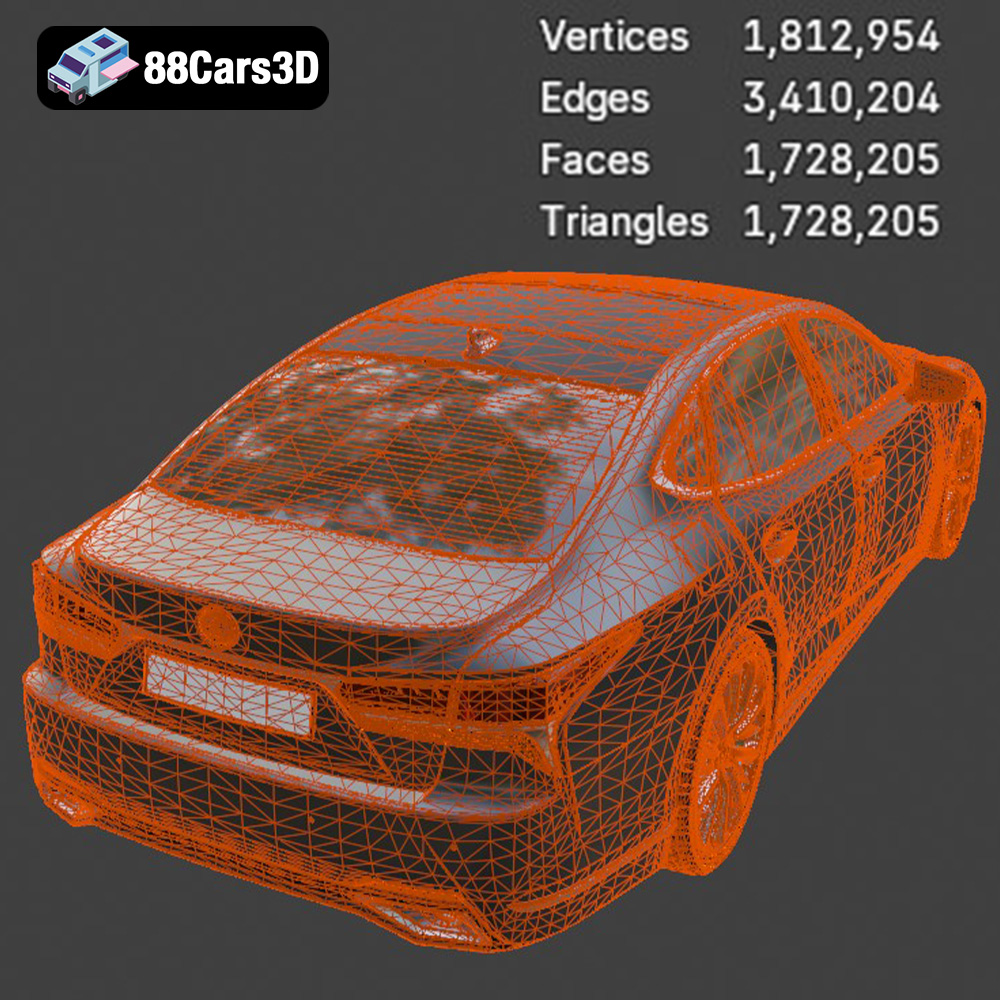
For real-time applications, a common challenge is achieving high visual fidelity without exceeding polygon budgets. The Lexus LS 500 2018 3D Model is optimized with approximately 200,000 triangles, which strikes an excellent balance. This poly count is sufficient to retain the intricate details of the LS 500’s exterior and interior—including luxurious leather-trimmed seating with quilting and stitching, detailed steering wheel, and high-resolution digital displays—while remaining efficient enough for smooth performance in game engines. This careful optimization means developers don’t have to spend valuable time reducing poly counts or recreating geometry, making it a true game-ready asset.
Integrating a 3D car model into real-time engines like Unreal Engine or Unity involves more than just importing the file. It requires proper UV mapping for texture application, creating collision meshes, setting up LODs (Levels of Detail) for performance scaling, and defining materials for physically based rendering (PBR). The Lexus LS 500 2018 3D Model, with its “game-ready” label and `.fbx` and `.unreal` formats, simplifies this process significantly. The model is built with clean geometry and likely optimized UVs, ensuring textures render correctly. For Unreal Engine users, the `.unreal` format can mean an almost plug-and-play experience, with assets already configured and potentially having appropriate pivot setups for steering, wheel rotation, and suspension travel, drastically reducing setup time and accelerating development cycles. This makes it an ideal choice for open-world games, racing titles, or even interactive automotive configurators built in these engines.
While game development is a significant application for high-quality 3D car models, their utility extends broadly into various visualization and immersive experience domains. These applications demand photorealism and accurate representation, making models like the Lexus LS 500 2018 indispensable.
For advertising, product showcases, or cinematic sequences, photorealistic rendering is paramount. Software like 3ds Max and Blender, often used with advanced renderers such as V-Ray, Corona, or Cycles, can leverage the detailed geometry and high-resolution textures of the Lexus LS 500 3D Model to produce stunning visuals. Artists can manipulate lighting, environments, and camera angles to present the vehicle in its most appealing light. The `.max` and `.blend` formats ensure full compatibility and maximum flexibility within these professional rendering environments. From studio lighting setups highlighting the car’s sleek lines to integrating it into architectural scenes, the model’s detailed exterior and interior features allow for compelling storytelling and brand promotion.
Augmented Reality (AR) and Virtual Reality (VR) are transforming how consumers interact with products. For the automotive industry, AR/VR experiences allow potential buyers to explore a vehicle virtually, customize it, and even “place” it in their driveway before it’s built. The Lexus LS 500 2018 3D Model, with its optimized geometry and `.glb` format, is perfectly suited for such applications. Imagine a VR showroom where users can walk around the LS 500, open its doors, and inspect the luxurious interior, complete with intricate quilting and digital displays. Or an AR app that lets users project the car onto their real-world environment. These immersive experiences require models that are both visually rich and performant, characteristics inherent in this high-quality 3D asset from 88cars3d.com.
The digital world often converges with the physical through 3D printing. High-quality 3D models can be transformed into tangible objects, serving as prototypes, display models, or collectible items. This process requires careful consideration of geometry and printing parameters.
Converting a 3D model for additive manufacturing, particularly for intricate objects like a car, requires specific preparation. The `.stl` format is the industry standard for this purpose. While the Lexus LS 500 2018 3D Model is optimized for real-time rendering, its clean geometry can be readily converted to `.stl`. Key considerations include ensuring manifold geometry (no holes or non-watertight surfaces), appropriate wall thickness, and resolving any intersecting or overly thin areas that might cause issues during slicing. The model’s accurate real-world scale makes it suitable for scaling down to common hobbyist sizes like 1:12, 1:18, or 1:24.
For a luxury sedan like the LS 500, preserving fine details during 3D printing is crucial. Resin printing (SLA/DLP) is often recommended over FDM for models requiring high precision, such as the intricate spindle grille or the detailed wheel spokes. This allows for layer heights as low as 0.04–0.12 mm, capturing subtle curves and sharp edges. Post-processing, including sanding, priming, and painting with authentic factory colors and metallic finishes, transforms the raw print into a convincing miniature. The Lexus LS 500 2018 3D Model’s robust design, featuring separate parts for easy printing and assembly, further streamlines this workflow, allowing enthusiasts to bring a piece of digital luxury into the physical world.
A truly valuable 3D asset provides flexibility and room for customization, allowing artists and developers to adapt it to their specific project needs without compromising quality. The Lexus LS 500 2018 3D Model is designed with this versatility in mind.
The ability to easily change body colors, adjust material finishes (from matte to gloss, metallic, or pearl), and modify tire textures is fundamental for automotive visualization. Professional 3D car models come with well-structured materials that enable quick iteration and customization. This allows users to showcase the Lexus LS 500 in various factory colors or apply bespoke metallic or pearl finishes for unique brand campaigns. Furthermore, adapting lighting for different environments—be it a sunny street, a moody night drive, or a pristine studio—can dramatically alter the perception of the vehicle, emphasizing its design elements and luxurious appeal.
Beyond static renders, the Lexus LS 500 2018 3D Model is engineered for dynamic scenarios. Its separate wheels, doors, suspension, and steering components are not just detailed but also properly pivoted, making it animation-ready. This is critical for creating realistic driving simulations, vehicle configurators where doors open to reveal the interior, or cinematic sequences demonstrating the car’s dynamic capabilities. For gaming and VR simulations, the optimized geometry for first-person POV in the cockpit enhances immersion, allowing users to experience the luxurious interior from a driver’s perspective, complete with a detailed steering wheel and infotainment display. This inherent flexibility makes it a powerful asset across a multitude of professional applications.
The digital realm continues to expand the horizons of creativity and technical innovation, and high-quality 3D car models stand at the forefront of this evolution. They are the essential conduits through which automotive elegance, engineering precision, and interactive experiences are realized. From the intricate detailing required for photorealistic automotive rendering to the meticulous optimization demanded by game engines and AR/VR platforms, these assets bridge the gap between imagination and tangible digital reality.
The Lexus LS 500 2018 3D Model exemplifies the pinnacle of such digital craftsmanship. Its striking design, technical accuracy, and versatile file format support—ranging from `.blend` and `.max` for studio work to `.fbx` and `.unreal` for real-time applications, and even `.stl` for 3D printing—make it an indispensable tool. Whether you are a game developer crafting an immersive open world, an architect visualizing a luxury lifestyle scene, or a product designer creating an interactive configurator, this model provides the foundation for exceptional results. Investing in a high-fidelity asset like the Lexus LS 500 2018 3D Model from 88cars3d.com ensures that your projects not only look stunning but also perform flawlessly across diverse digital platforms.
The 2018 Lexus LS 500 is the pinnacle of Japanese luxury, featuring a striking spindle grille, elegant coupe-like silhouette, and a powerful twin-turbo V6 engine. Known for its meticulous Takumi craftsmanship, whisper-quiet ride, and aggressive yet refined styling, the LS 500 represents the intersection of executive comfort and cutting-edge automotive design. From its complex front fascia to the dual exhaust outlets, every curve is captured to convey its dynamic road presence.
This highly detailed, game-ready 3D model boasts optimized topology (approximately 200,000 triangles), ensuring top-tier visual fidelity without sacrificing real-time performance. Designed with clean geometry and high-resolution textures, it delivers photorealistic results ideal for modern game development, immersive AR/VR experiences, high-end animation, and architectural visualization.
Perfect for luxury car configurators, urban open-world games, cinematic architectural renderings, and high-end brand showcases.
.blend, .fbx, .obj, .glb, .stl, .ply, .unreal, .max
Tags:
lexus, ls-500, 2018, luxury-sedan, executive-car, game-ready, low-poly, optimized, car-3d-model, game-asset, rendering, vr-ar, blend, fbx, obj, glb, stl, ply, unreal, maxBMW 328 Mille Miglia Touring Coupe 3D Model 3D Printable STL
$39.99
.2018
.blend
.fbx
.glb
.lexus
.max
.obj
.ply
.rendering
.stl
.unreal
car-3d-model
executive-car
game asset
game-ready
low-poly
ls-500
luxury-sedan
optimized
VR/AR