Get 20% OFF All Premium 3D & STL Models!

In the dynamic realms of automotive design, visualization, game development, and cinematic production, the quest for realism and efficiency is ceaseless. Professionals constantly seek digital assets that not only capture the essence of a vehicle but also integrate flawlessly into complex pipelines. A truly exceptional 3D car model goes beyond mere aesthetics; it embodies precision engineering, clean topology, and versatile format support. These attributes are not just desirable; they are critical for maintaining project integrity, saving valuable development time, and achieving breathtaking results that resonate with audiences.
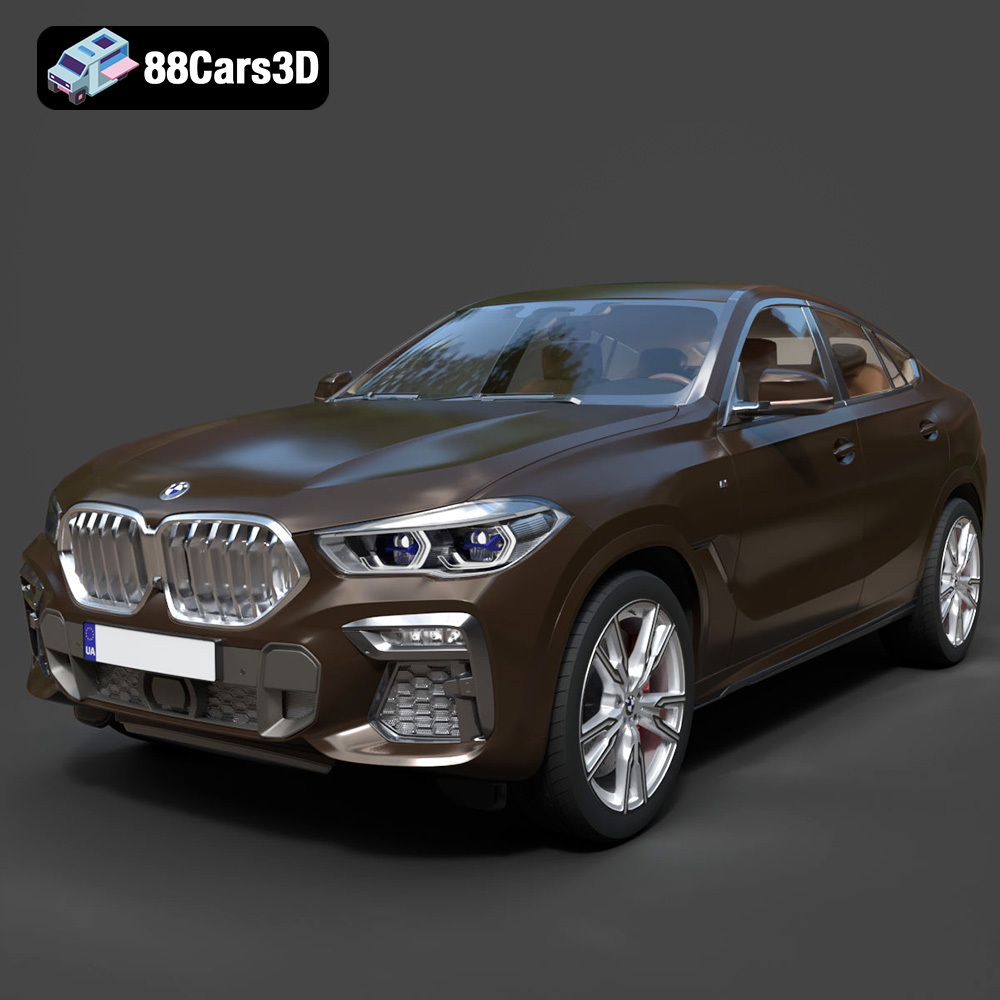
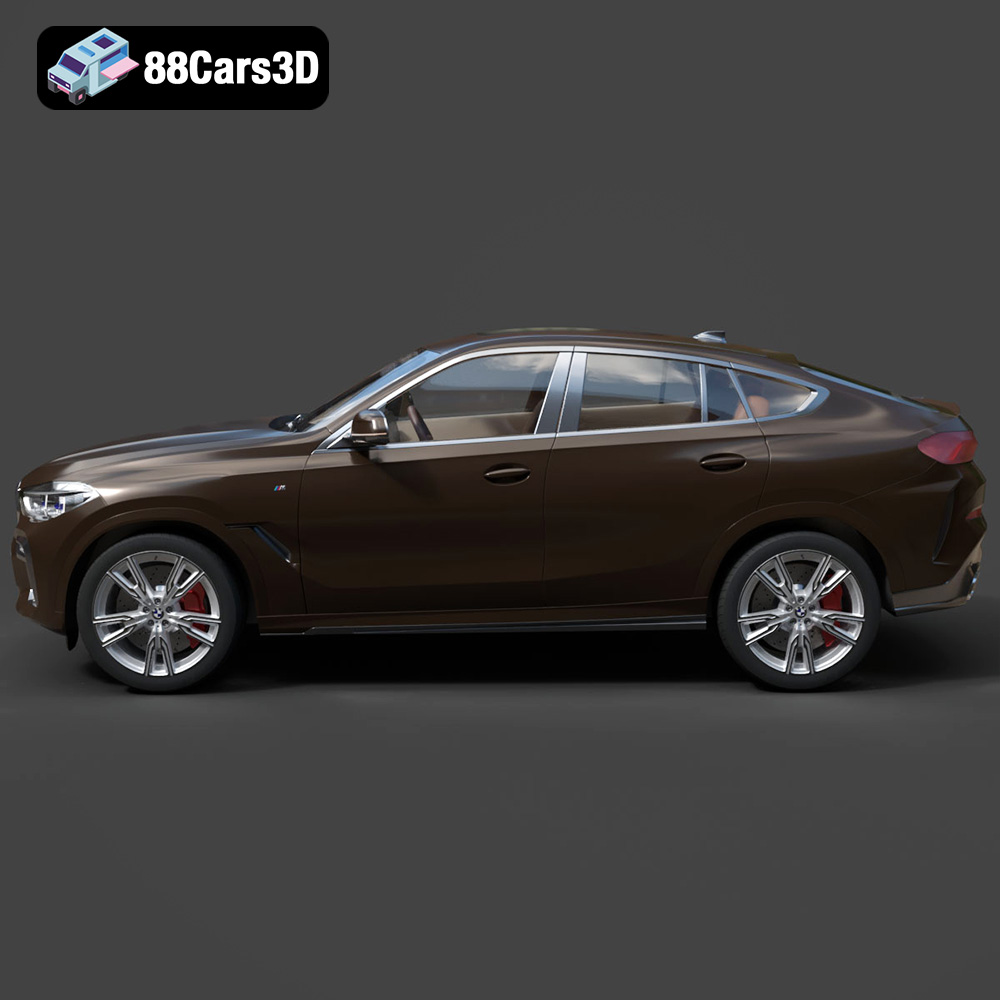
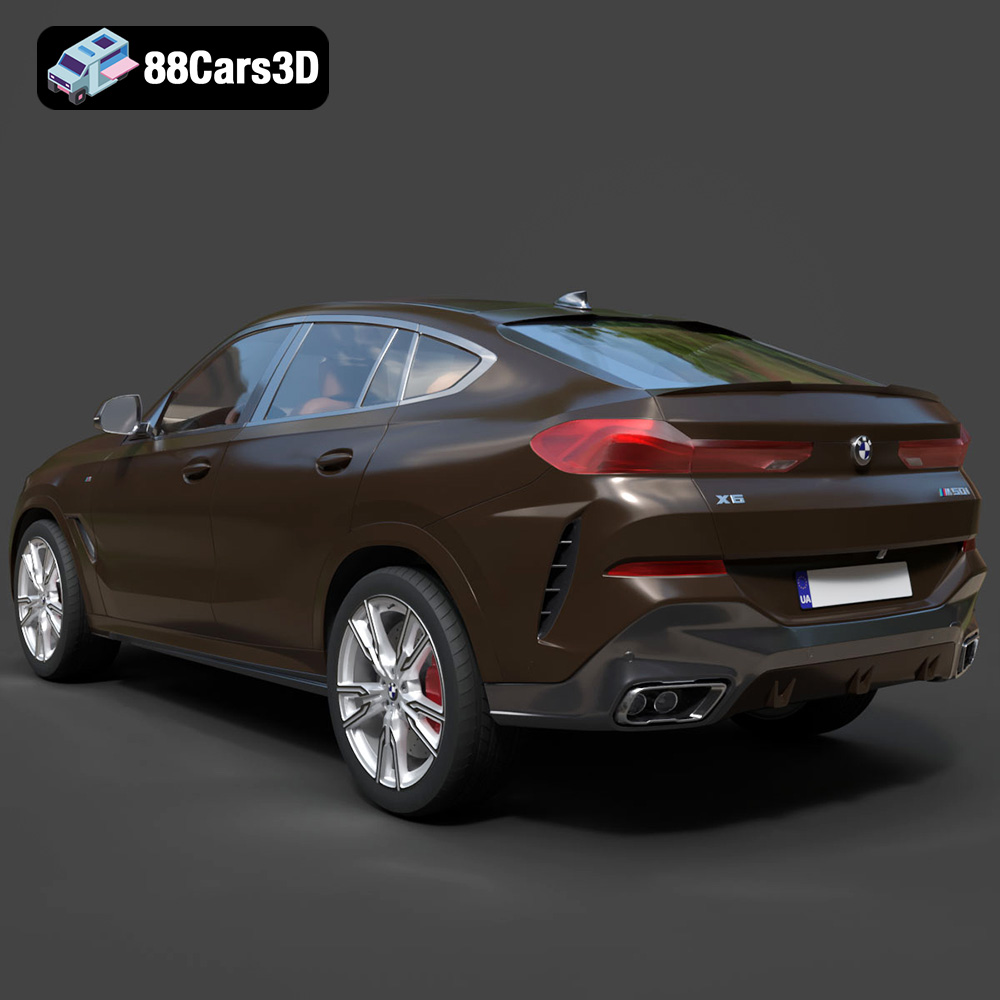
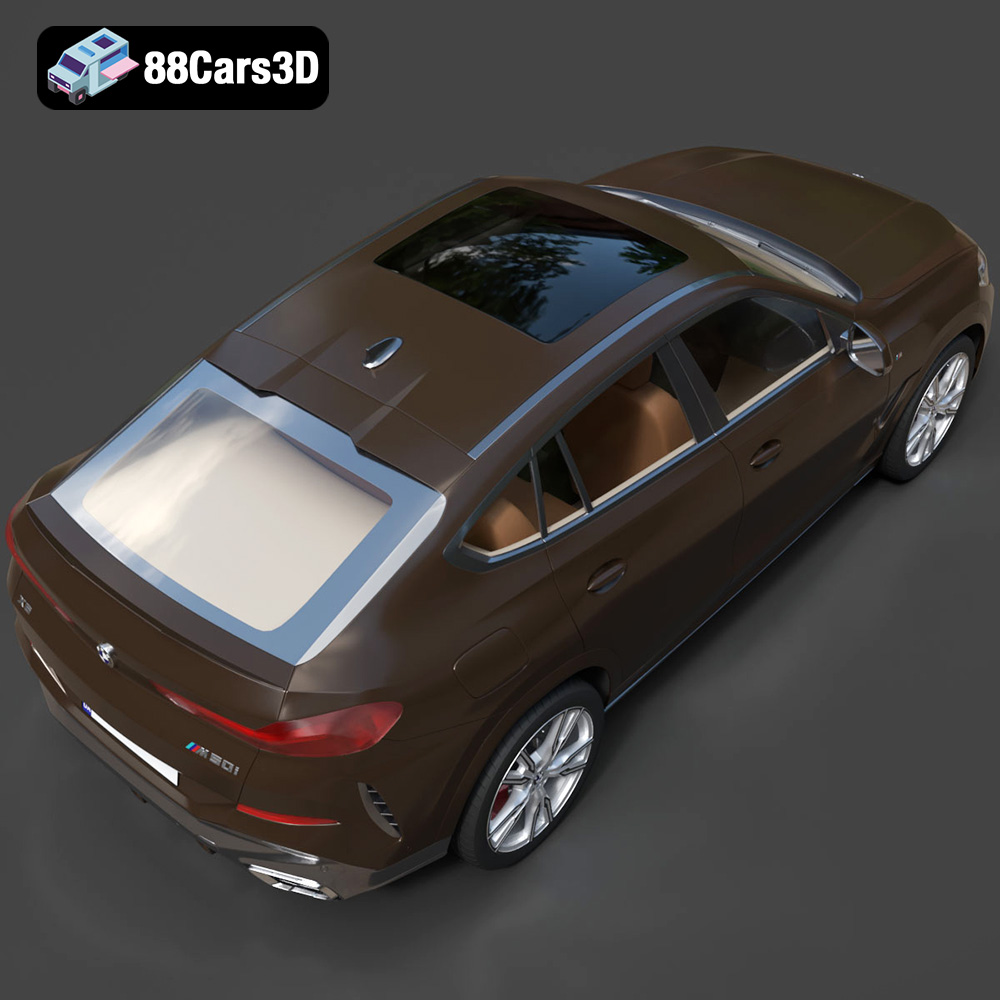
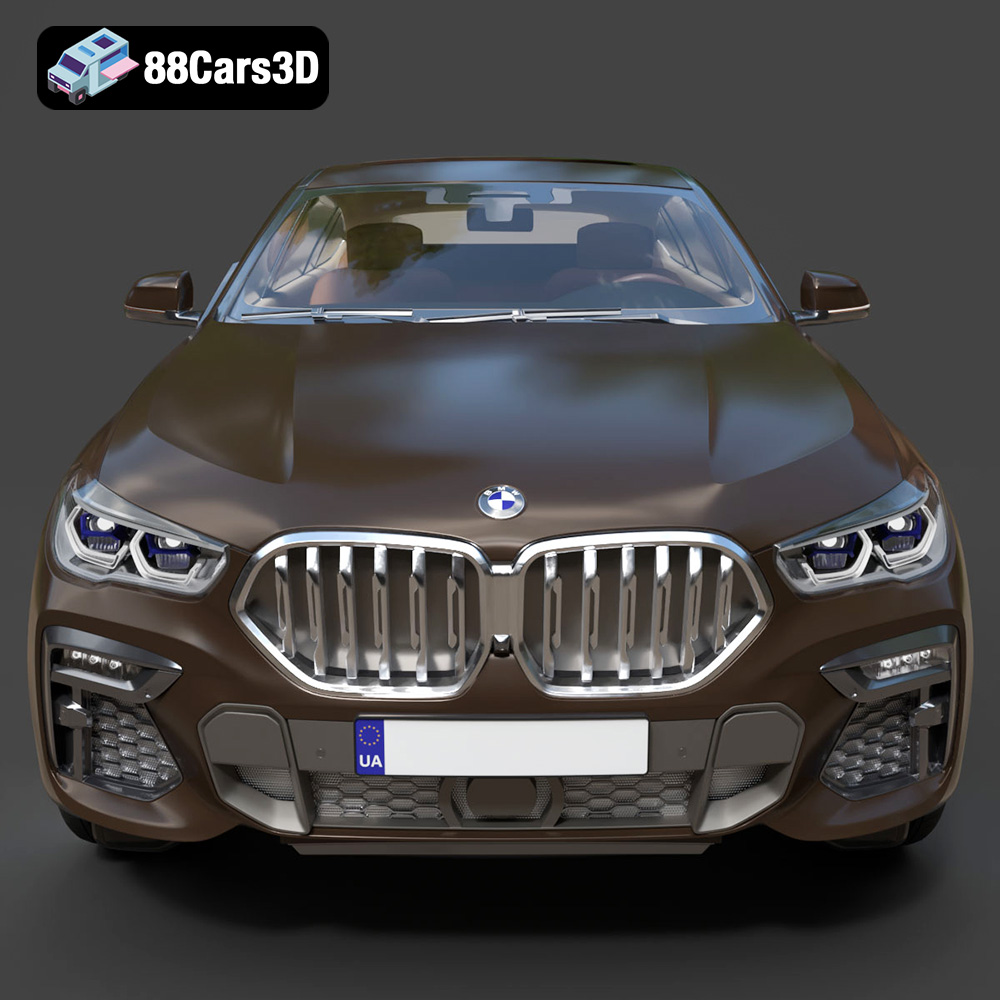
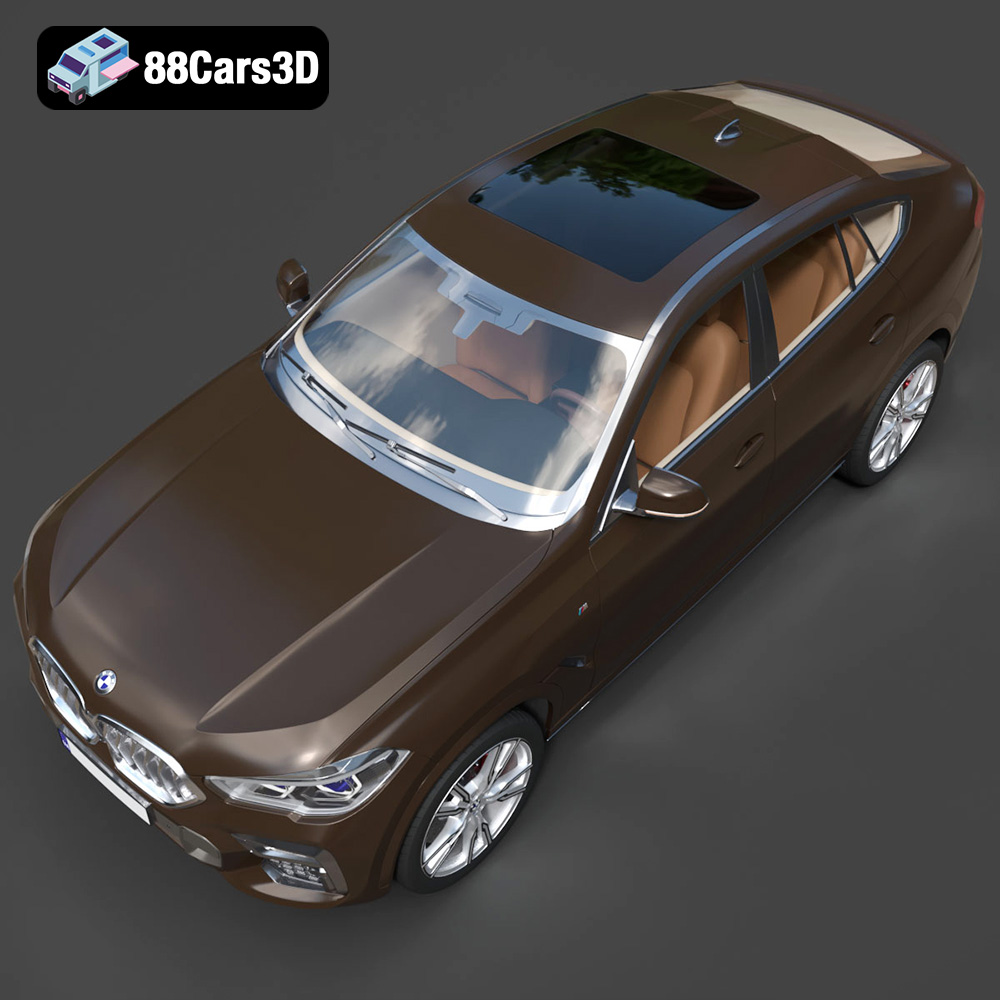
Among the myriad of vehicles that captivate the imagination, the BMW X6 stands out with its distinctive Sports Activity Coupe silhouette, blending aggressive styling with luxurious details. For creators aiming to integrate such an iconic vehicle into their projects, the quality of the 3D asset is paramount. This is where models like the BMW X6 (Mk3) (G06) M Sport 2020 3D Model from 88cars3d.com shine. It’s a meticulously crafted digital twin, designed to meet the rigorous demands of professional workflows, offering unparalleled realism and technical robustness right out of the box.
At the heart of any successful visualization or interactive experience lies the quality of its core assets. For automotive projects, this means 3D car models that are not just visually appealing but also structurally sound and technically optimized. The difference between a mediocre model and a professional-grade asset can be the difference between a project’s success and its struggle.
Automotive designers and enthusiasts possess a keen eye for detail. Any deviation from the real-world proportions, curves, or distinctive features of a vehicle can immediately compromise realism. High-quality 3D models are built using precise blueprints and reference data, ensuring every line, panel gap, and component reflects the real car accurately. For instance, the BMW X6 (Mk3) (G06) M Sport 2020 3D Model is engineered to accurately replicate the distinct proportions, aggressive styling, and luxurious detailing of the renowned sports activity coupe. This includes the signature kidney grille, the dynamic roofline, and the intricate M Sport body kit elements – details that define the vehicle’s character and are faithfully translated into its digital counterpart. Such precision is indispensable for achieving photorealistic renders and believable simulations.
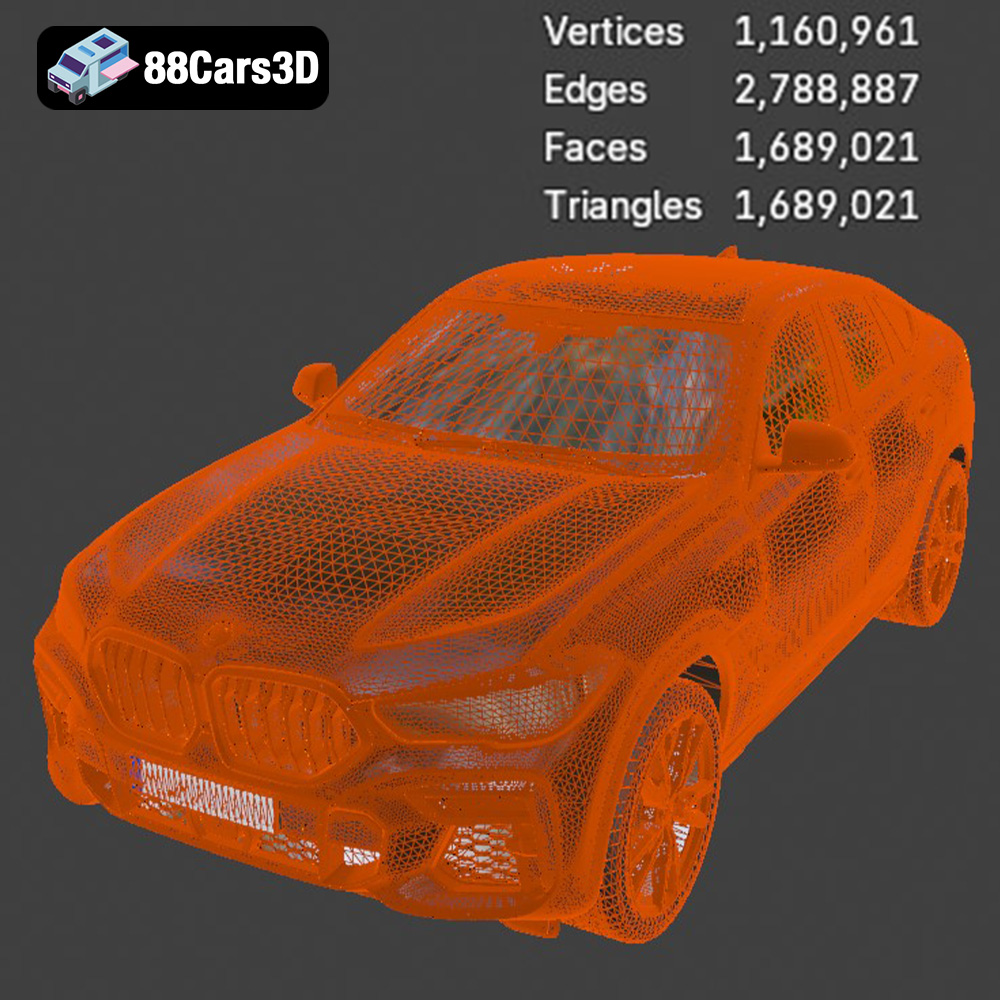
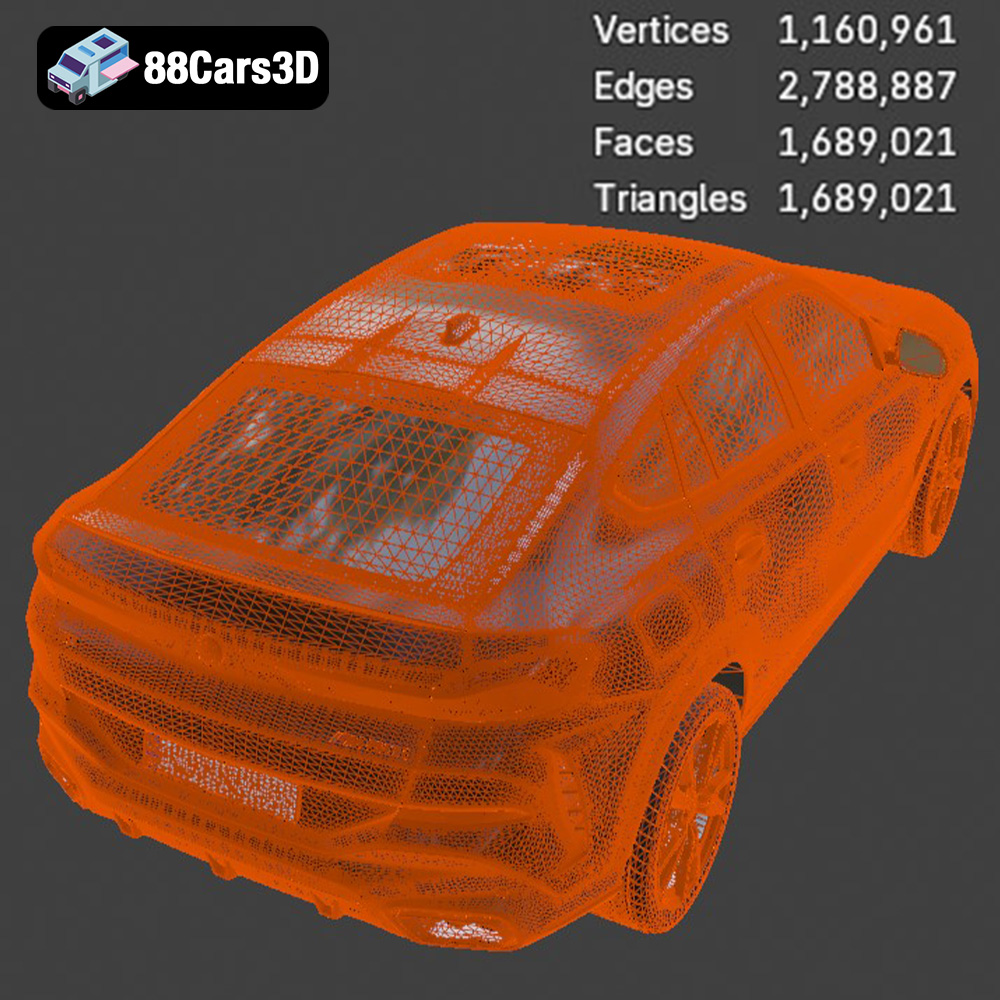
Beyond visual accuracy, the underlying mesh topology is crucial. Clean geometry refers to a mesh that is well-structured, typically composed primarily of quadrilaterals, which behave predictably during deformation, subdivision, and lighting. Good edge flow ensures that the polygons follow the natural contours of the surface, facilitating smooth shading and preventing undesirable artifacts, especially in close-up renders. The featured BMW X6 model boasts exceptionally clean geometry and precise edge flow. This technical diligence translates into several benefits: smoother reflections and highlights, easier UV unwrapping, and greater flexibility for artists who might need to modify the model for specific project requirements. Without clean topology, even the most advanced rendering engines can struggle to produce a convincing result, leading to faceted surfaces, stretching textures, and an overall artificial appearance.
The versatility of a 3D model is often defined by the range and quality of its supported file formats. Each format serves a specific purpose, catering to different software ecosystems, project requirements, and target platforms. Understanding these formats is crucial for selecting the right asset for your workflow and ensuring seamless integration. The BMW X6 (Mk3) (G06) M Sport 2020 3D Model package includes a comprehensive selection of industry-standard file formats, reflecting its professional-grade nature.
.fbx (Filmbox): Developed by Autodesk, FBX has become the de facto standard for exchanging 3D data between various applications, particularly for game development and animation pipelines. It’s renowned for its ability to store not only geometry (meshes, polygons, vertices) but also materials, textures, animations, skinning, and camera data. This makes it ideal for transferring complex scenes between software like 3ds Max, Maya, Blender, and directly into game engines like Unreal Engine and Unity. When you see an .fbx file described as “game-engine ready,” it signifies that the model is likely optimized with appropriate polygon counts, UV maps, and possibly even LODs (Levels of Detail) for real-time performance.
.obj (Wavefront Object): One of the oldest and most widely supported 3D file formats, OBJ is known for its simplicity and universality. It primarily stores geometric data, including vertex positions, UV coordinates, normals, and polygon faces. While it can reference external material files (.mtl), it doesn’t embed advanced features like animation or rigging. Its strength lies in its widespread compatibility; almost every 3D software can import and export OBJ files, making it an excellent choice for cross-software collaboration or when you only need the core mesh data. It’s a reliable “lowest common denominator” for model exchange.
.max (3ds Max Project File): This proprietary format is native to Autodesk 3ds Max, a powerhouse in architectural visualization, automotive rendering, and animation. A .max file contains the complete scene data, including all geometry, materials, lighting setups, cameras, animations, and plug-in specific information. This format is essential for users who want to leverage the full functionality of 3ds Max, allowing for deep editing, re-texturing, advanced rigging, and complex animation sequences within a familiar environment. An “editable 3ds Max file” provides the most control and flexibility for artists deeply embedded in the 3ds Max ecosystem.
.blend (Blender Project File): Blender’s native file format encapsulates all project data within the popular open-source 3D creation suite. A .blend file typically includes geometry, materials, textures, lighting setups, animation data, and even custom scripts. For Blender users, this is the most powerful format, offering complete editability and the ability to dissect and understand the model’s construction in detail. The “editable Blender file with materials and lighting setup” ensures that artists can immediately open the model in Blender and begin rendering or modifying it without extensive setup.
.glb (GL Transmission Format Binary): GLB is the binary version of glTF, a royalty-free specification for the efficient transmission and loading of 3D scenes and models by engines and applications. It bundles all assets (geometry, textures, animations) into a single file, making it incredibly efficient for web-based 3D, augmented reality (AR), and virtual reality (VR) applications. Its optimized nature ensures fast loading times and broad compatibility across different platforms and browsers, making it a critical format for interactive online experiences and mobile AR/VR viewers.
.unreal (Unreal Engine Asset): While not a single file format in the traditional sense like .fbx or .obj, “unreal” typically refers to assets specifically prepared for, or directly exported into, the Unreal Engine ecosystem. This might involve an .fbx file that has been imported and configured within Unreal, or a complete Unreal Engine project package containing the pre-configured static meshes, materials, textures, and possibly blueprints. This format ensures minimal setup time and maximum compatibility within Unreal Engine, allowing developers to drop the asset directly into their real-time environments and begin development immediately.
.stl (Stereolithography): STL is the most common file format for 3D printing. It represents a 3D model as a series of connected triangles, describing only the surface geometry of an object without color, texture, or other CAD attributes. Its simplicity makes it universally compatible with 3D printers and slicing software. For prototyping or creating physical models of the BMW X6, the .stl format is indispensable, ensuring the digital model is ready for manufacturing processes.
.ply (Polygon File Format): Also known as the Stanford Triangle Format, PLY is designed to store 3D data from 3D scanners, scientific visualization, and CAD applications. It can store various properties beyond just geometry, such as color, transparency, surface normals, and range data, per vertex or per face. While less common for general 3D model exchange compared to OBJ or FBX, PLY is a precise mesh format valuable for detailed analysis, scientific simulation, or highly accurate data visualization where geometric integrity and additional data attributes are paramount.
The versatility of a well-executed 3D car model like the BMW X6 (Mk3) (G06) M Sport 2020 extends across a multitude of industries, becoming a pivotal asset in shaping the future of digital content and interactive experiences.
For advertising agencies, architectural visualization studios, and film production houses, photorealism is not an option but a requirement. High-fidelity 3D car models are the backbone of stunning automotive commercials, product configurators, and immersive architectural renders where vehicles provide context and scale. Renderers like V-Ray, Corona Renderer, and Redshift thrive on clean, detailed geometry and accurately calibrated materials. The “realistic materials that seamlessly interact with diverse lighting scenarios” of the BMW X6 model are crucial here, enabling artists to achieve studio-quality reflections, refractions, and global illumination effects that are indistinguishable from reality. From detailed close-ups to dynamic motion blur sequences, a premium 3D car model ensures every pixel contributes to the overall visual impact.
The gaming industry demands assets that strike a delicate balance between visual fidelity and performance. Modern game engines like Unreal Engine and Unity push the boundaries of real-time rendering, but they rely on optimized 3D car models to maintain high frame rates. Game developers utilize such models for vehicle simulations, open-world environments, and racing titles. The “optimized for seamless integration into various pipelines” aspect of the BMW X6 model is key here. This implies thoughtful polygon optimization, efficient UV layouts for texture atlases, and potentially pre-built LODs (Levels of Detail) to manage rendering complexity based on distance from the camera. Furthermore, detailed interiors are vital for first-person views or in-game cutscenes, where players expect a complete and immersive experience.
AR/VR and web-based applications represent a frontier for automotive visualization, allowing users to interact with vehicles in new and exciting ways. From virtual showrooms to AR apps that let you “place” a car in your driveway, these experiences demand highly optimized, yet visually rich, 3D car models. The .glb format, specifically optimized for AR/VR and web-based display, is instrumental here. It allows for quick loading and smooth interaction on various devices, including mobile. High-quality 3D car models ensure that even on less powerful hardware, the experience remains engaging and visually appealing, driving customer engagement and showcasing products in innovative formats.
A high-quality 3D asset is only truly valuable when it can be effectively integrated into an existing professional workflow. The included file formats of the BMW X6 (Mk3) (G06) M Sport 2020 3D Model specifically cater to industry-standard software and engines, ensuring artists and developers can hit the ground running.
For artists working within 3ds Max, the included .max file provides native access to the model. This means full control over materials, lighting, and animation directly within the software’s ecosystem. Artists can easily adjust shader parameters, swap textures, animate doors or wheels, or integrate the BMW X6 into complex architectural scenes with other 3D elements. Similarly, the .blend file offers Blender users a complete scene with materials and lighting already set up, allowing for immediate rendering with Cycles or Eevee. This direct access to the source files in these powerful packages empowers artists to customize the model to fit unique brand guidelines or creative visions, whether for photorealistic still images or dynamic automotive animations.
Game developers and real-time visualization specialists often rely on Unreal Engine for its unparalleled rendering capabilities and robust toolset. The BMW X6 model, with its .fbx and .unreal file options, is ideally suited for this environment. Importing the .fbx file into Unreal Engine allows developers to take advantage of the engine’s advanced material editor to create physically based shaders that react realistically to Unreal’s sophisticated lighting system. The “pre-configured for Unreal Engine use” implies that basic material setup might already be in place, streamlining the import process. Developers can then integrate the vehicle into game levels, set up collision meshes, animate components using Matinee or Sequencer, and even create interactive blueprints for custom functionalities. This direct engine compatibility saves crucial development time, allowing teams to focus on gameplay mechanics or scene building rather than asset preparation.
While visual appeal is often the first thing noticed in a 3D model, the technical underpinnings are what truly determine its quality and usability. Professional assets provide a strong technical foundation that ensures longevity and flexibility in various project contexts.
UV mapping is the process of flattening a 3D model’s surface into a 2D space, allowing textures to be applied accurately. High-quality UVs are crucial for seamless texture application, preventing stretching or distortion, and enabling efficient use of texture space. The “realistic materials” mentioned in the BMW X6 model’s description imply that the UVs are clean and well-organized, allowing for the intricate details of paint, chrome, glass, and interior fabrics to be represented with photographic accuracy. Properly laid out UVs also facilitate texture baking, where complex lighting or ambient occlusion can be pre-calculated and stored as textures, enhancing performance in real-time applications.
Poly count refers to the number of polygons (usually triangles or quads) that make up a 3D model. While higher poly counts generally mean more detail, they also demand greater processing power. Professional 3D car models often provide a balance, offering sufficient detail for close-up renders while remaining optimized for various applications. For game assets, this might involve multiple Levels of Detail (LODs) – lower poly versions of the model that are swapped in at greater distances to improve performance without a noticeable drop in visual quality. The BMW X6 model’s claim of being “optimized for seamless integration” suggests that these considerations have been taken into account, providing a versatile asset that performs well across demanding rendering and real-time scenarios.
In the competitive world of digital content creation, time is money, and quality is reputation. Relying on sub-par 3D models can lead to endless revisions, technical glitches, and ultimately, a compromised final product. This is why investing in professionally crafted assets from reputable sources is a strategic decision for any serious creator.
Modeling a highly detailed, accurate automotive asset from scratch is an incredibly time-consuming and specialized task. It requires expert knowledge of vehicle design, topology, texturing, and optimization. By purchasing a ready-made, high-quality 3D car model like the BMW X6 (Mk3) (G06) M Sport 2020, professionals can bypass hundreds of hours of modeling and focus their expertise on creative direction, lighting, animation, or scene composition. The cost of a premium asset is often a fraction of the labor cost involved in creating one internally, offering significant ROI and accelerating project timelines. Furthermore, the inclusion of multiple file formats reduces conversion headaches and ensures compatibility across diverse software environments.
88cars3d.com prides itself on providing 3D car models that set a professional standard. Each model is crafted with meticulous attention to detail, ensuring clean geometry, precise edge flow, and realistic materials that stand up to the closest scrutiny. The comprehensive package of file formats, as seen with the BMW X6 (Mk3) (G06) M Sport 2020 3D Model, signifies a commitment to versatility and ease of use. Whether your project demands cinematic photorealism, game-engine efficiency, or AR/VR interactivity, these assets are built to perform reliably. Choosing assets from 88cars3d.com means choosing quality, efficiency, and the peace of mind that comes with using expertly engineered digital resources.
The pursuit of realism and efficiency in 3D content creation hinges on the quality of foundational assets. High-fidelity 3D car models are more than just pretty pictures; they are complex technical achievements that serve as indispensable tools across diverse industries. From the precision of their geometry and the realism of their materials to their seamless integration into various software pipelines, every aspect contributes to the success of a project.
The BMW X6 (Mk3) (G06) M Sport 2020 3D Model exemplifies this commitment to excellence. Its meticulously crafted details, robust technical specifications, and comprehensive file format support (including .blend, .fbx, .obj, .glb, .stl, .ply, .unreal, and .max) position it as an exceptional resource for anyone seeking top-tier 3D car models for automotive rendering, game assets, AR/VR, or advanced visualization. By investing in such professional-grade assets from 88cars3d.com, creators empower themselves to elevate their projects, save valuable time, and consistently achieve breathtaking results that capture the imagination.
Experience unparalleled realism with the BMW X6 (Mk3) (G06) M Sport 2020 3D Model. This meticulously crafted digital asset accurately replicates the distinct proportions, aggressive styling, and luxurious detailing of the renowned sports activity coupe. Engineered with precision, this model provides an exceptional level of accuracy, making it an indispensable resource for creators seeking top-tier automotive models.Key features include exceptionally clean geometry, precise edge flow, and realistic materials that seamlessly interact with diverse lighting scenarios. The accurately modeled exterior and fully detailed interior components guarantee outstanding results, even in close-up renders. Optimized for seamless integration into various pipelines, this model sets a professional standard for 3D vehicle assets.This versatile 3D model is ideal for a broad spectrum of applications, including advanced visualization, game development, realistic rendering, and simulation projects. Whether deployed in augmented and virtual reality (AR/VR) environments or used for cinematic productions and architectural visualizations, it delivers consistent, professional-grade performance.The package includes a comprehensive selection of industry-standard file formats to accommodate any workflow:
$39.99
.arvr
.blend
.bmw
.car3dmodel
.fbx
.g06
.gameasset
.glb
.luxurycar
.max
.mk3
.msport
.obj
.ply
.rendering
.simulation
.sportSUV
.stl
.unreal
.x6
SUV