Get 20% OFF All Premium 3D & STL Models!

“`html
The world of 3D printing has revolutionized model making, offering enthusiasts the power to create incredibly detailed replicas of their favorite vehicles. Whether you’re a hobbyist, a collector, or an automotive designer, the key to achieving stunning results lies in selecting the right 3D printer. This guide will delve into the intricacies of choosing the best 3D printer for printing detailed vehicle models, covering everything from FDM to resin technologies, essential printer settings, and crucial post-processing techniques. We’ll explore how to optimize your workflow to bring your dream car models to life with exceptional accuracy and finish. Specifically, we’ll consider what makes a printer well-suited to the complex geometries and fine details of automotive designs. By the end of this article, you’ll have a clear understanding of the factors influencing print quality and be equipped to make an informed decision based on your specific needs and budget. So, buckle up and prepare for a deep dive into the world of 3D printing detailed vehicle models!
Two primary 3D printing technologies dominate the market: Fused Deposition Modeling (FDM) and Stereolithography (SLA) Resin printing. Each offers distinct advantages and disadvantages when it comes to printing detailed vehicle models. FDM printers are generally more affordable and user-friendly, while resin printers excel at capturing intricate details and producing smoother surfaces. Understanding these differences is crucial for selecting the appropriate printer for your project.
FDM printers work by extruding melted plastic filament layer by layer to build a 3D object. Common materials include PLA, ABS, and PETG. While FDM printers are known for their versatility and affordability, achieving high levels of detail can be challenging. Layer lines are typically more visible, and fine features may be lost in the process. However, advancements in FDM technology, such as smaller nozzle sizes (0.25mm or 0.4mm) and optimized print settings, can significantly improve the quality of FDM-printed vehicle models. For example, decreasing layer height to 0.1mm or even 0.05mm can reduce the visibility of layer lines and enhance the overall surface finish. When sourcing STL files, platforms like 88cars3d.com offer models specifically designed for FDM printing, often including pre-supported structures for easier printing.
Resin printers utilize liquid resin that is cured by a light source (UV light or laser) layer by layer. This process allows for significantly higher resolution and finer detail compared to FDM printing. Resin printers are ideal for creating intricate vehicle models with smooth surfaces and sharp edges. There are two main types of resin printing: SLA and MSLA (also known as LCD). SLA printers use a laser to cure the resin, while MSLA printers use an LCD screen to project an image of each layer, curing the entire layer simultaneously. MSLA printers are generally faster and more affordable than SLA printers, making them a popular choice for hobbyists and model makers. A key consideration with resin printing is the post-processing required, including washing the model in isopropyl alcohol (IPA) and curing it under UV light to fully harden the resin. For example, you might use a wash and cure station to streamline this process.
Regardless of whether you choose an FDM or resin printer, optimizing your printer settings is crucial for achieving the best possible results when printing detailed vehicle models. Key settings include layer height, print speed, temperature, and support structures. Experimenting with these parameters and carefully calibrating your printer can dramatically improve the quality and accuracy of your prints.
Layer height is a critical setting that directly impacts the resolution and print time of your model. Lower layer heights result in finer details and smoother surfaces but also increase print time. For FDM printing, a layer height of 0.1mm to 0.2mm is generally recommended for detailed vehicle models. For resin printing, layer heights can be significantly lower, often ranging from 0.025mm to 0.05mm. Finding the right balance between detail and print time is essential. For example, printing a complex car model at 0.02mm layer height in resin might take 24 hours, while printing at 0.05mm might take only 12 hours with a minor reduction in detail. Remember to adjust the exposure time for each layer in resin printing, as thinner layers require less exposure.
Support structures are necessary to support overhanging features and prevent warping or collapse during printing. The type and placement of support structures are crucial for achieving successful prints, especially with complex vehicle models. In FDM printing, consider using tree supports, which minimize material usage and are easier to remove than traditional linear supports. In resin printing, light supports are often preferred to minimize damage to the model’s surface during removal. Software like Cura and PrusaSlicer offer advanced support generation options, allowing you to customize the support density, angle, and placement. When downloading models from marketplaces such as 88cars3d.com, check if the models include pre-supported versions, which can save you time and effort.
The choice of material plays a significant role in the final appearance and durability of your 3D-printed vehicle model. Different materials offer varying levels of strength, flexibility, and surface finish. Understanding the properties of each material and selecting the appropriate one for your specific needs is essential. Furthermore, the color and finish options available can greatly affect the final look of your model.
PLA (Polylactic Acid) is a biodegradable thermoplastic polymer derived from renewable resources. It’s a popular choice for beginners due to its ease of use and low printing temperature. PLA is ideal for printing models that don’t require high heat resistance or impact strength. ABS (Acrylonitrile Butadiene Styrene) is a stronger and more durable material than PLA, with higher heat resistance. However, ABS requires a heated bed and enclosure to prevent warping. PETG (Polyethylene Terephthalate Glycol) combines the best of both worlds, offering good strength, flexibility, and heat resistance, with easier printing than ABS. PETG is a good all-around choice for vehicle models that require some degree of durability.
Resin comes in various formulations, each with specific properties. Standard resin is the most common and affordable type, ideal for general-purpose printing and creating detailed models. Tough resin is designed to be more durable and impact-resistant, making it suitable for functional parts or models that will be handled frequently. Flexible resin offers some degree of flexibility and can be used for parts that need to bend or deform without breaking. When selecting resin, consider the specific requirements of your vehicle model and choose a resin that offers the appropriate balance of detail, strength, and flexibility. Always refer to the manufacturer’s specifications for recommended printing settings and post-processing procedures. Some resins are specifically formulated to be easier to sand and paint, which can be beneficial for finishing your models.
Slicing is the process of converting a 3D model into a series of layers that the 3D printer can understand. Slicing software allows you to control various parameters that affect the print quality, such as layer height, infill density, print speed, and support structures. Mastering slicing techniques is essential for achieving optimal results when printing detailed vehicle models. Popular slicing software options include Cura, PrusaSlicer, and Simplify3D.
Infill density refers to the amount of material used inside the model. Higher infill densities result in stronger and more durable models but also increase print time and material consumption. For vehicle models, an infill density of 15% to 25% is generally sufficient for structural integrity. The infill pattern also affects the strength and weight of the model. Common infill patterns include grid, honeycomb, and gyroid. Gyroid infill offers a good balance of strength and weight and is particularly suitable for complex geometries. Consider using adaptive infill, which increases the infill density in areas that require more support, such as the roof or base of the vehicle model.
Print speed and temperature are crucial settings that affect the adhesion and surface finish of the printed model. Printing too fast can lead to poor adhesion, warping, and a rough surface finish. Printing too slow can result in stringing and excessive heat buildup. For FDM printing, a print speed of 40mm/s to 60mm/s is generally recommended for detailed vehicle models. The optimal temperature depends on the filament type. PLA typically prints at 200°C to 220°C, while ABS requires a higher temperature of 230°C to 250°C. Precise temperature control is essential to prevent warping and ensure good layer adhesion. For resin printing, exposure time is the equivalent of print speed, and it should be carefully calibrated based on the resin type and layer height.
Post-processing is the series of steps taken after printing to refine the appearance and functionality of the model. For detailed vehicle models, post-processing is often necessary to remove support structures, smooth surfaces, and add paint or other finishes. Common post-processing techniques include sanding, filling, priming, and painting.
Removing support structures carefully is essential to avoid damaging the model. For FDM prints, use a sharp knife or pliers to gently remove the supports. For resin prints, soak the model in warm water to soften the supports before removing them. After removing the supports, sanding is often necessary to smooth the surface and remove any remaining blemishes. Start with coarse-grit sandpaper (e.g., 220 grit) and gradually move to finer grits (e.g., 400 grit, 600 grit) for a smooth finish. For larger imperfections, consider using a filler primer or putty to fill the gaps before sanding. Platforms like 88cars3d.com offer print-ready STL files that are often optimized for easy support removal, minimizing the risk of damage to delicate features.
Painting is a crucial step in creating realistic vehicle models. Start by applying a primer to provide a uniform surface for the paint to adhere to. Choose paints that are specifically designed for plastic models, such as acrylic or enamel paints. Apply thin, even coats of paint, allowing each coat to dry completely before applying the next. Use masking tape to create sharp lines and details. For intricate details, consider using fine-tipped brushes or an airbrush. After painting, apply a clear coat to protect the paint and add a glossy or matte finish. Consider using weathering techniques to add realism to your model, such as applying washes or dry brushing.
Even with the best equipment and settings, 3D printing can sometimes present challenges. Common issues include warping, layer adhesion problems, stringing, and elephant’s foot. Understanding the causes of these problems and knowing how to troubleshoot them is essential for achieving consistent and high-quality prints.
Warping occurs when the corners of the print lift off the build plate during printing. This is often caused by uneven cooling or poor bed adhesion. To prevent warping, ensure that the build plate is clean and level. Use a bed adhesive, such as glue stick or hairspray, to improve adhesion. For ABS printing, use a heated bed and enclosure to maintain a consistent temperature. Adjusting the first layer settings, such as increasing the initial layer height or flow rate, can also improve bed adhesion. If warping persists, try using a brim or raft to provide a larger surface area for adhesion.
Layer adhesion problems occur when the layers of the print do not properly bond together, resulting in weak or delaminated prints. This can be caused by insufficient temperature, incorrect print speed, or poor filament quality. Ensure that the printing temperature is within the recommended range for the filament type. Increase the print temperature slightly to improve layer adhesion. Adjust the print speed to allow the layers to properly bond. Stringing occurs when the printer extrudes filament while moving between different parts of the print, leaving thin strands of plastic. This can be caused by excessive printing temperature, slow retraction speed, or incorrect travel settings. Reduce the printing temperature slightly and increase the retraction speed. Adjust the travel settings to minimize unnecessary movements.
Choosing the best 3D printer for printing detailed vehicle models involves careful consideration of factors such as printing technology (FDM vs. resin), printer settings, material selection, and post-processing techniques. FDM printers offer affordability and versatility, while resin printers excel at capturing intricate details. Optimizing printer settings such as layer height, print speed, and support structures is crucial for achieving optimal print quality. Selecting the right material, such as PLA, ABS, PETG, or various types of resin, depends on the specific requirements of your project. Mastering slicing techniques and post-processing methods, such as sanding and painting, is essential for creating realistic and visually appealing vehicle models. By understanding these concepts and troubleshooting common printing issues, you can unlock the full potential of 3D printing and bring your dream car models to life with stunning detail and accuracy. Remember to continuously experiment and refine your workflow to achieve the best possible results. Good luck, and happy printing!
“`
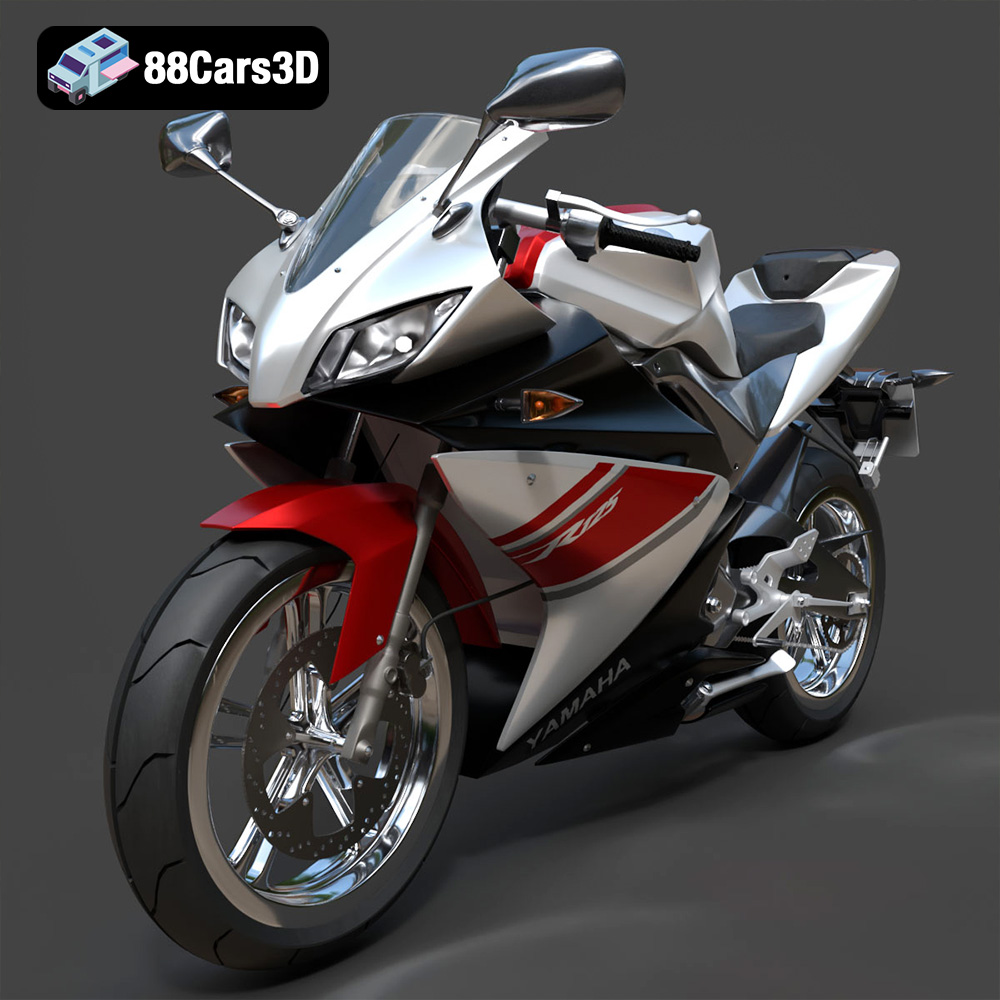
Texture: Yes | Material: Yes
Download the highly detailed, game-ready Yamaha YZF-R125 EU 3D Model. Features an aggressive aerodynamic fairing, twin LED headlights, and a detailed 125cc engine block. Includes .blend, .fbx, .obj, .glb, .stl, .ply, .unreal, and .max formats for game development, AR/VR, and rendering.
Price: $19.99
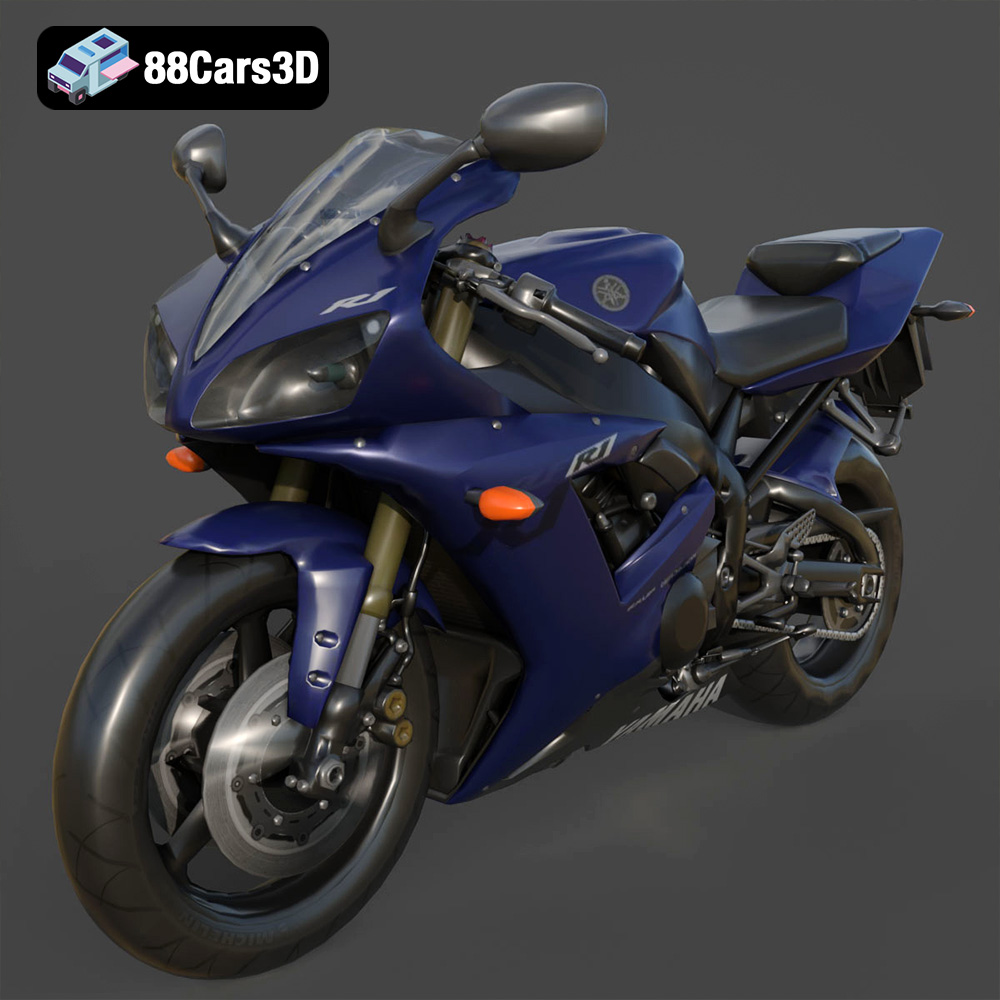
Texture: Yes | Material: Yes
Download the highly detailed, game-ready Yamaha R1 3D Model. Features aggressive aerodynamic fairings, a detailed crossplane inline-4 engine, and track-focused suspension geometry. Includes .blend, .fbx, .obj, .glb, .stl, .ply, .unreal, and .max formats for game development, AR/VR, and rendering.
Price: $19.99
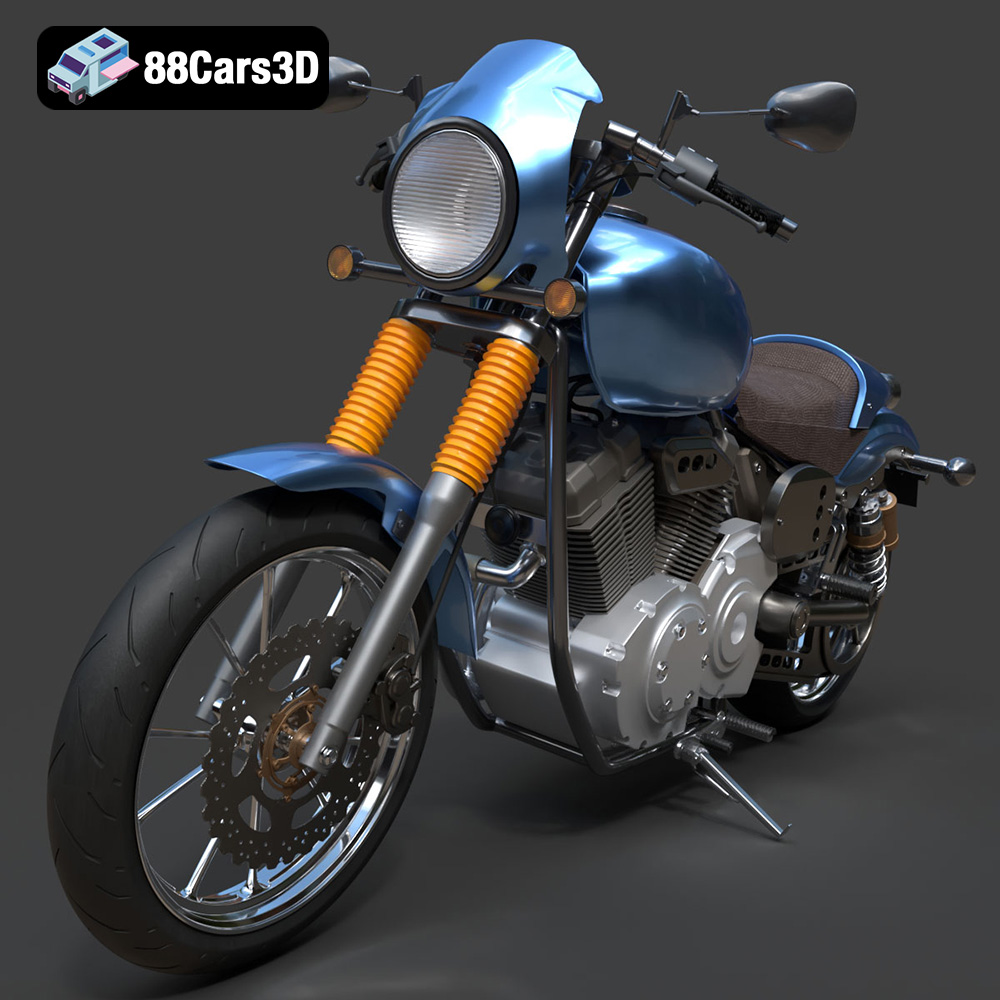
Texture: Yes | Material: Yes
Download the highly detailed, game-ready Yamaha XV950 Racer 3D Model. Features an aggressive cafe-racer front cowl, detailed air-cooled V-twin engine, and classic retro styling. Includes .blend, .fbx, .obj, .glb, .stl, .ply, .unreal, and .max formats for game development, AR/VR, and rendering.
Price: $19.99

Texture: Yes | Material: Yes
Download the highly detailed, game-ready Volvo VNL Tractor Truck 2002 3D Model. Features iconic aerodynamic styling, detailed fifth-wheel coupling, and heavy-duty chassis. Includes .blend, .fbx, .obj, .glb, .stl, .ply, .unreal, and .max formats for game development, AR/VR, and rendering.
Price: $39.99
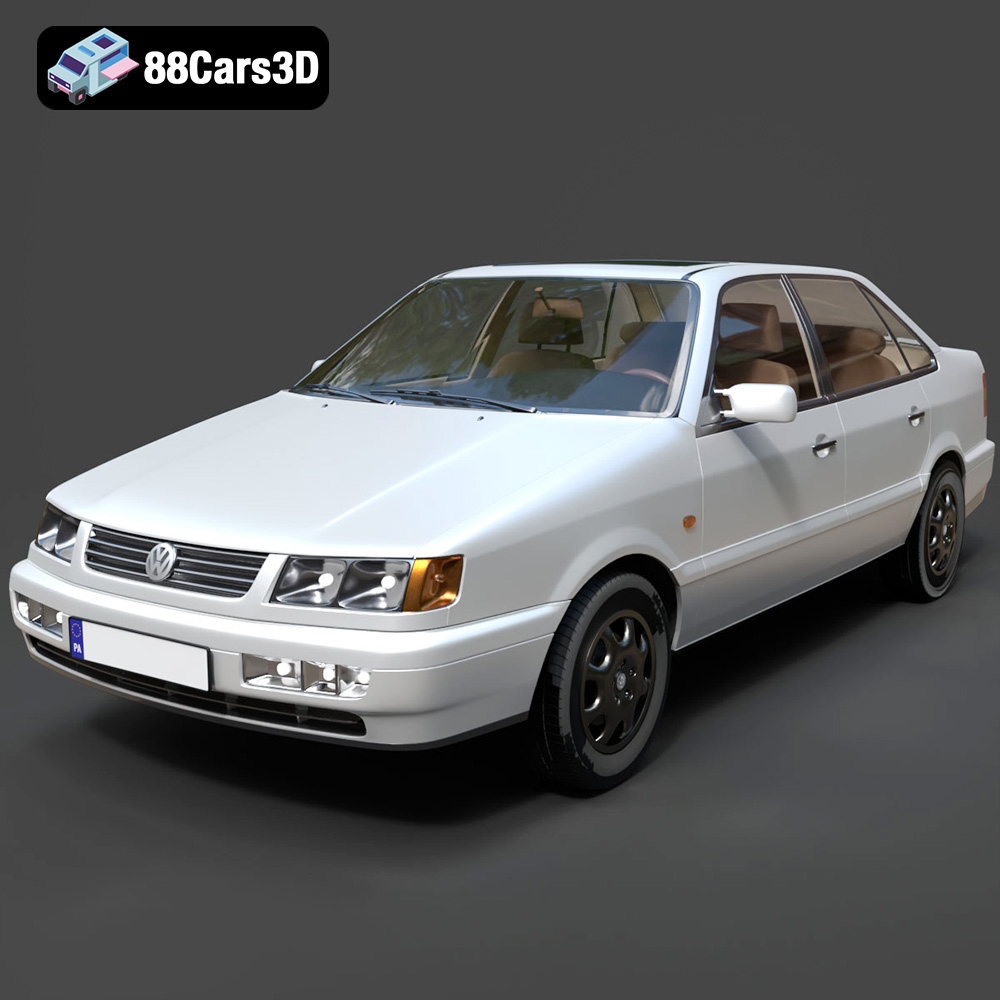
Texture: Yes | Material: Yes
Download the highly detailed, game-ready Volkswagen Passat Mk4 B4 Sedan 1993 3D Model. Features accurate 90s sedan styling, detailed front grille-less fascia, and a classic interior setup. Includes .blend, .fbx, .obj, .glb, .stl, .ply, .unreal, and .max formats for game development, AR/VR, and rendering.
Price: $39.99
Texture: Yes | Material: Yes
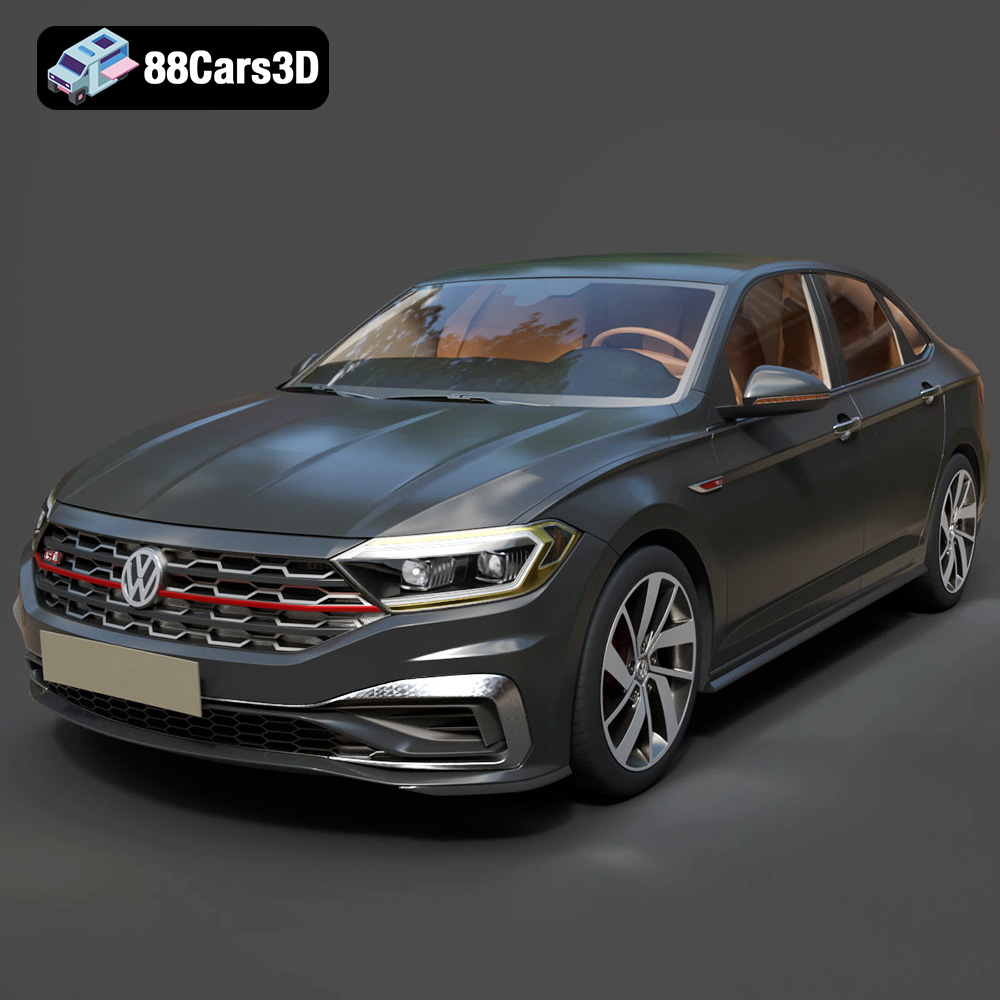
Download the highly detailed, game-ready Volkswagen Jetta GLI 2019 3D Model. Features an aggressive honeycomb grille with red accents, sleek aerodynamic profile, and exclusive GLI sport wheels. Includes .blend, .fbx, .obj, .glb, .stl, .ply, .unreal, and .max formats for game development, AR/VR, and rendering.
Price: $39.99
Texture: Yes | Material: Yes
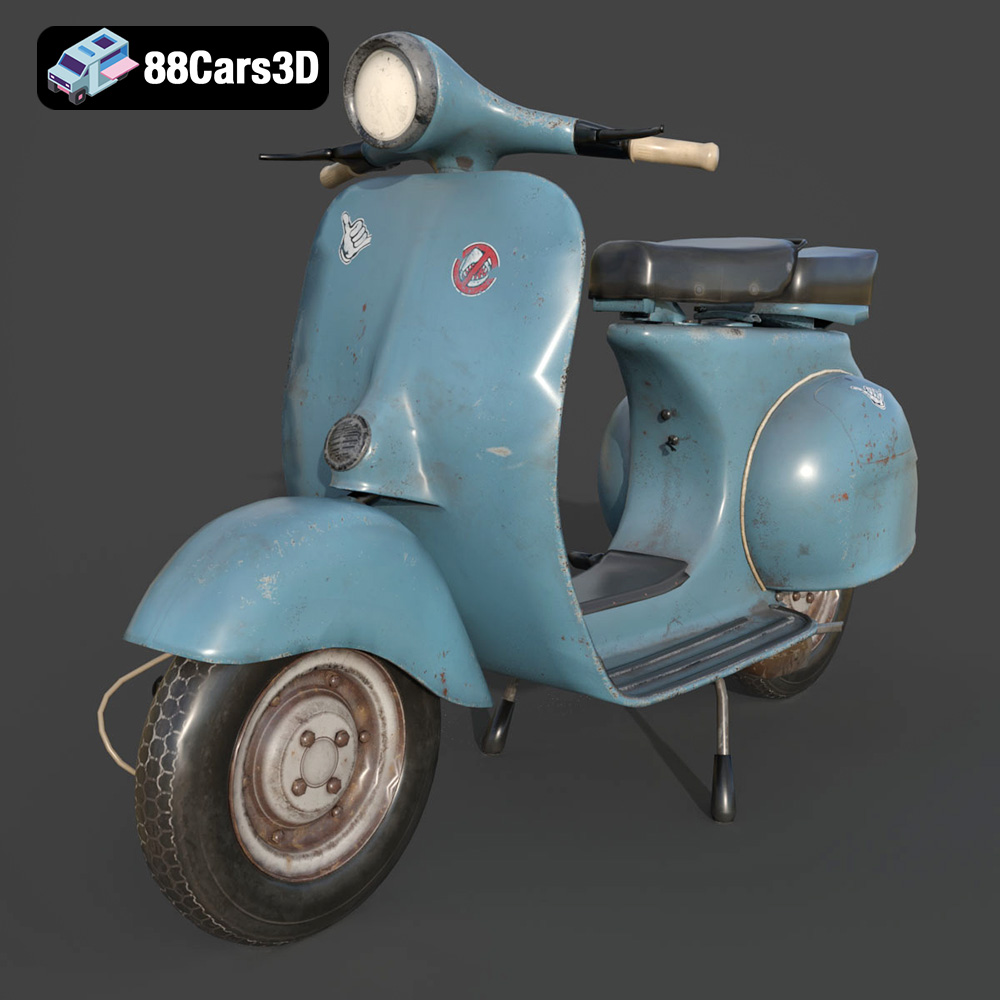
Download the highly detailed, game-ready Vintage Vespa 3D Model. Features iconic rounded monocoque styling, classic saddle, and chrome accents. Includes .blend, .fbx, .obj, .glb, .stl, .ply, .unreal, and .max formats for game development, AR/VR, and rendering.
Price: $39.99

Texture: Yes | Material: Yes
Download the highly detailed, game-ready Vespa GS 150 3D Model. Features elegant aerodynamic curves, classic leg shield, and detailed engine casing. Includes .blend, .fbx, .obj, .glb, .stl, .ply, .unreal, and .max formats for game development, AR/VR, and rendering.
Price: $39.99
Texture: Yes | Material: Yes
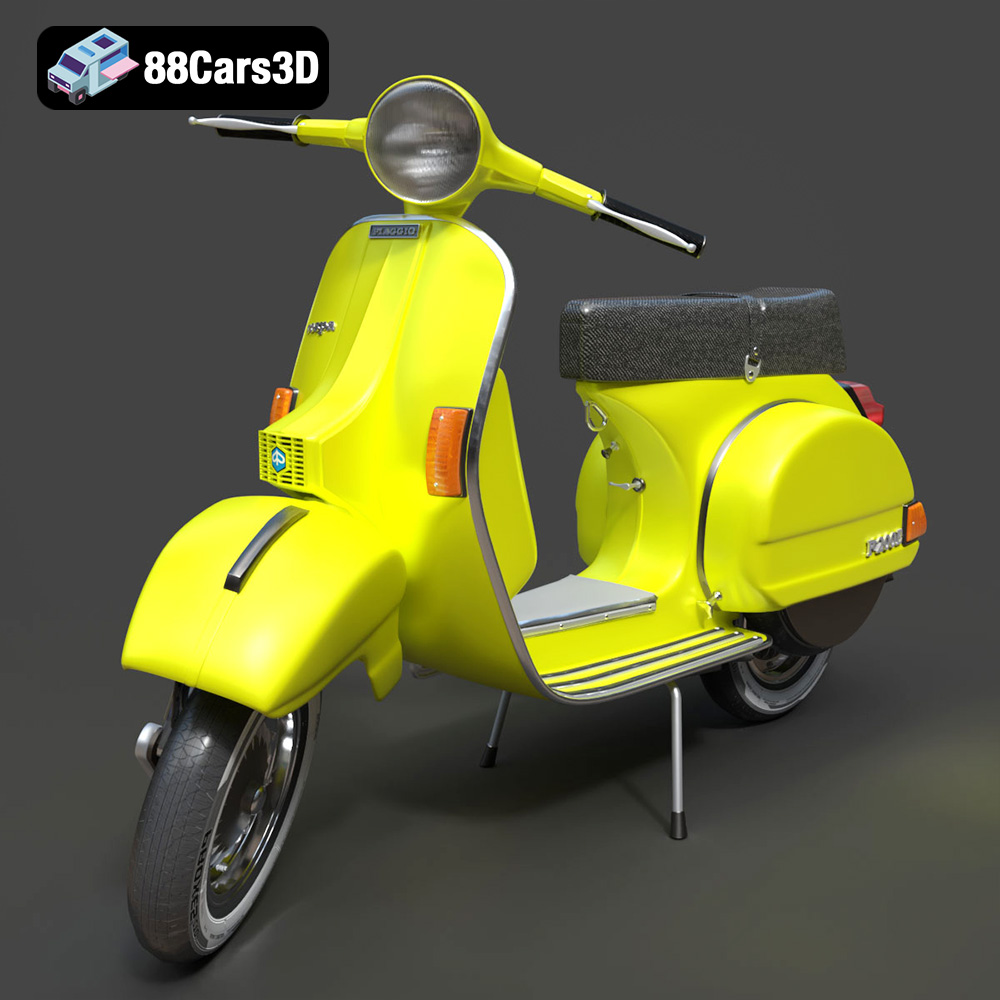
Download the highly detailed, game-ready Vespa P200E 3D Model. Features classic vintage styling, accurate step-through frame geometry, and authentic detailing. Includes .blend, .fbx, .obj, .glb, .stl, .ply, .unreal, and .max formats for game development, AR/VR, and rendering.
Price: $39.99
Texture: Yes | Material: Yes
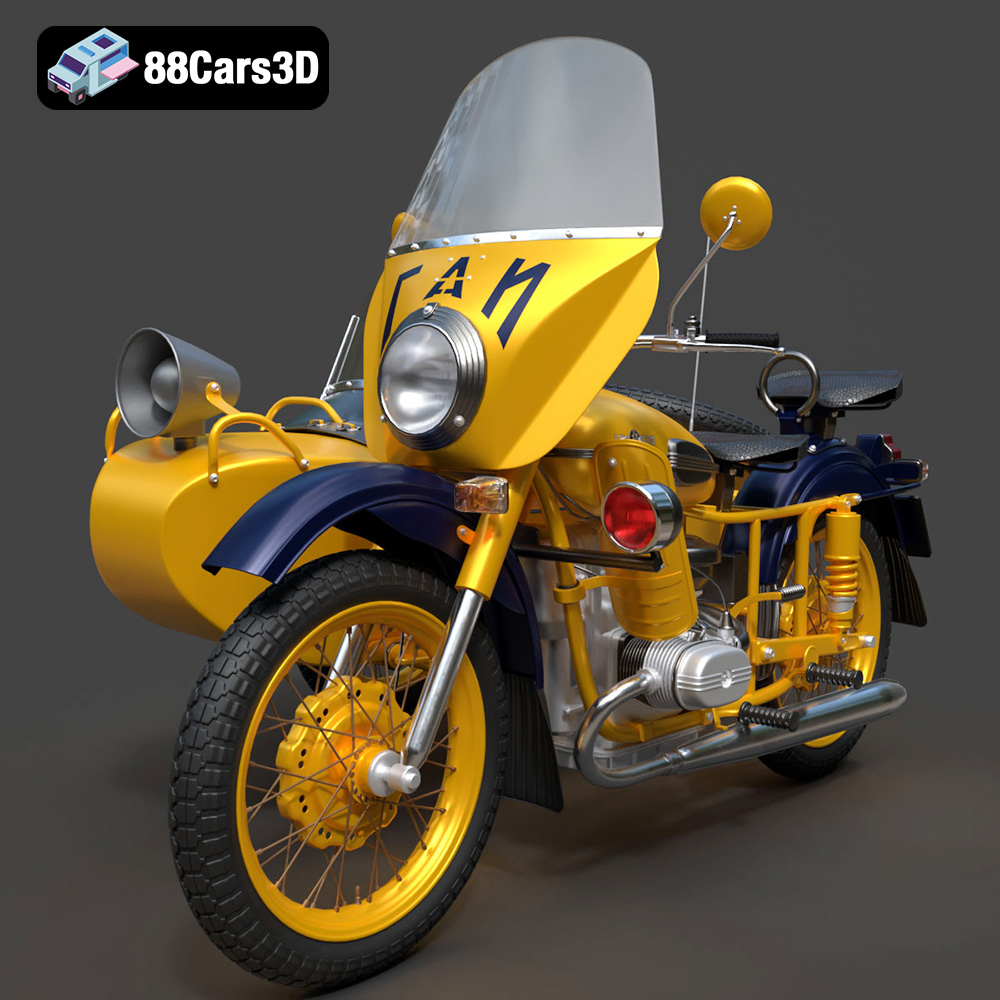
Download the highly detailed, game-ready Ural M67-36-P 1976 3D Model. Features the iconic air-cooled boxer engine, vintage utilitarian styling, and authentic spoked wheels. Includes .blend, .fbx, .obj, .glb, .stl, .ply, .unreal, and .max formats for game development, AR/VR, and rendering.
Price: $39.99

