Get 20% OFF All Premium 3D & STL Models!

In the dynamic realms of automotive design, game development, cinematic rendering, and immersive AR/VR experiences, the quality of your 3D assets can make or break a project. The difference between a passable visual and a truly captivating one often hinges on the meticulous detail, optimized geometry, and realistic materials of the 3D models you employ. Professionals understand that investing in premium assets is not just about aesthetics; it’s about efficiency, performance, and ultimately, delivering unparalleled visual fidelity.
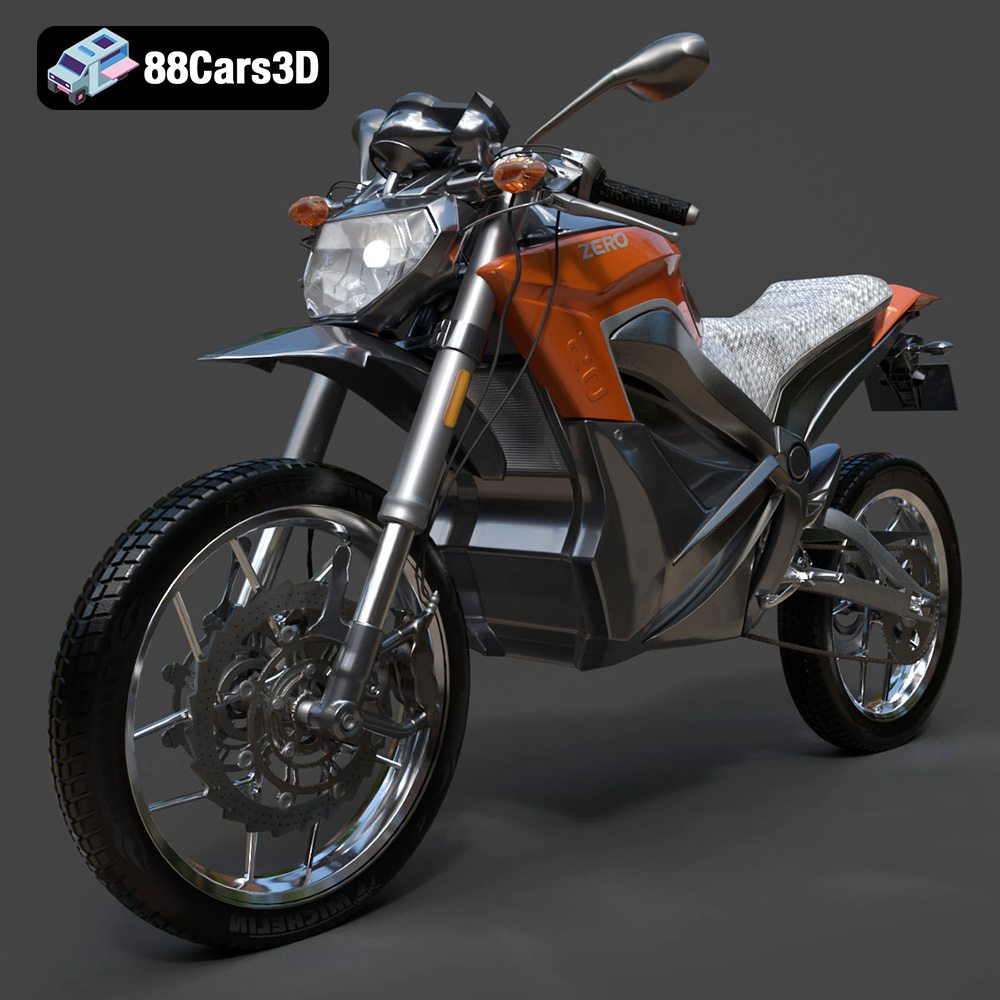
Today, we delve into the intricate world of high-fidelity 3D car models and vehicle assets, exploring the technical nuances that elevate a simple mesh into a powerful creative tool. We’ll examine workflows, discuss crucial file formats, and showcase how a meticulously crafted asset like the Zero Motorcycles S ZF8.5 3D Model from 88cars3d.com can become the cornerstone of your next groundbreaking project. This isn’t just about rendering; it’s about bringing a vision to life with precision and impact.
The pursuit of realism in digital environments demands more than just powerful hardware; it requires intelligently constructed 3D models that can seamlessly integrate into various software pipelines and perform optimally under different constraints. For automotive rendering and game assets, this means a delicate balance of detail, optimization, and versatility.
Authenticity in automotive rendering isn’t merely about matching the real-world appearance; it’s about conveying the feel, the material properties, and the precise mechanical engineering of a vehicle. A high-quality 3D model, such as the Zero Motorcycles S ZF8.5, provides this foundation. It allows render artists to focus on lighting, camera angles, and storytelling, rather than spending countless hours correcting geometry or rebuilding materials. Realistic materials, proper UV mapping, and clean topology ensure that reflections behave correctly, shadows fall naturally, and every curve catches the light just as it would on a physical vehicle. This level of detail is crucial for marketing, product visualization, and cinematic presentations.
While cinematic renders prioritize raw visual fidelity, real-time applications like game development and AR/VR demand stringent optimization. A good 3D model strikes a balance, offering sufficient detail without excessive polygon counts that can cripple frame rates. This involves intelligent mesh reduction, efficient UV layouts to minimize texture draw calls, and PBR (Physically Based Rendering) material setups that perform well across various real-time engines. The Zero Motorcycles S ZF8.5 3D Model exemplifies this balance, providing rich detail while maintaining an optimized polygon structure, making it ideal for interactive environments where performance is paramount.
For any professional studio, time is a valuable commodity. Starting with a pre-built, high-quality 3D model significantly accelerates production cycles. Instead of modeling from scratch, artists can immediately dive into texturing, rigging, animation, or scene composition. This not only saves hundreds of hours but also ensures consistency in quality across projects. A well-prepared model reduces troubleshooting and allows teams to innovate rather than reiterate basic construction, ultimately leading to higher-quality outputs and more efficient use of resources.
Navigating the diverse landscape of 3D software and applications requires a deep understanding of file formats. Each format serves specific purposes, excelling in certain environments while potentially posing challenges in others. The Zero Motorcycles S ZF8.5 3D Model from 88cars3d.com is provided in a comprehensive suite of these formats, ensuring maximum compatibility and utility for any professional pipeline.
The .blend file is Blender’s native format, preserving an entire Blender scene with all its components: meshes, materials, textures, lighting setups, cameras, animations, modifiers, and even custom scripts. When to use it? If Blender is your primary DCC (Digital Content Creation) tool, or if you need to deeply edit the model’s structure, materials, or animation curves. It offers full editability, making it perfect for custom modifications, rendering within Blender’s Eevee or Cycles engines, or leveraging Blender’s vast array of tools. Technical detail: It’s a self-contained archive, often compressed, providing a complete project snapshot.
Autodesk’s .fbx (Filmbox) format is arguably the most widely adopted interchange format in the 3D industry. It supports geometry, materials, textures, animations, skinning, and camera data, making it ideal for transferring assets between different 3D software packages (like 3ds Max, Maya, Cinema 4D, Blender) and especially for game engines like Unreal Engine and Unity. When to use it? For robust asset transfer in real-time pipelines, cinematic sequences, or when collaborating across various software. It’s known for its reliability and support for complex data structures. Technical detail: FBX can embed textures or reference them externally. It’s a binary format, often optimized for performance.
The .obj (Wavefront OBJ) format is a universal, open-standard format that has been around for decades. It primarily stores geometry (vertices, normals, UVs, faces) and can reference external .mtl (material) files for basic material properties and texture paths. When to use it? For maximum compatibility across virtually all 3D software. It’s excellent for simple geometry transfer when advanced features like animation or complex material graphs aren’t needed. It’s often a fallback when other formats fail. Technical detail: OBJ is a text-based format, which makes it human-readable and robust, but can result in larger file sizes compared to binary formats for complex meshes.
.glb (GL Transmission Format Binary) is the binary version of glTF, an open standard developed by the Khronos Group. It’s explicitly designed for the efficient transmission and loading of 3D scenes and models by applications. When to use it? It’s optimized for AR, VR, and web-based applications, as it’s compact and contains all necessary data (geometry, materials, textures, animations) in a single file, making it incredibly easy to deploy on platforms like web viewers, social media, and mobile AR apps. Technical detail: GLB bundles textures and other assets directly into the binary, reducing HTTP requests and improving loading times for web-based experiences.
The .stl (STereoLithography) format is the de facto standard for 3D printing. It describes only the surface geometry of a 3D object using a collection of triangular facets. It doesn’t store color, texture, or material information. When to use it? Exclusively for 3D printing or rapid prototyping. The Zero Motorcycles S ZF8.5 3D Model in STL format could be used to print a physical scale model. Technical detail: STL files can be ASCII or binary; binary is more compact. They are unitless, requiring interpretation by the 3D printing software.
The .ply (Polygon File Format or Stanford Triangle Format) is a versatile format for storing 3D data, particularly from 3D scanners. It supports vertices, faces, normals, color, and other attributes. When to use it? For detailed polygon meshes often used in CAD, reverse engineering, scientific visualization, or scenarios where precise scanned data needs to be preserved. Technical detail: PLY files can store additional attributes per vertex or face, offering more flexibility than STL for certain analytical tasks.
The .unreal file (often a .uasset internally) represents an asset specifically packaged and configured for Unreal Engine. This means materials are set up using Unreal’s PBR shader system, textures are correctly imported, and the model is ready for immediate placement and interaction within an Unreal project. When to use it? For seamless integration directly into Unreal Engine, saving significant setup time for game developers and real-time visualization specialists. The Zero Motorcycles S ZF8.5 3D Model provided in this format offers a “plug-and-play” experience.
The .max file is the native file format for Autodesk 3ds Max, a powerhouse for 3D modeling, animation, and rendering in architectural visualization, product design, and cinematic production. When to use it? If 3ds Max is your primary software for detailed editing, complex rigging, animation, or high-end rendering with V-Ray, Corona, or Arnold. It retains all scene data, including modifiers, lighting, and camera setups, offering full creative control over the Zero Motorcycles S ZF8.5 3D Model.
The Zero Motorcycles S ZF8.5 3D Model available on 88cars3d.com stands as a testament to the meticulous craftsmanship required for professional-grade 3D assets. It’s more than just a digital representation; it’s a meticulously engineered asset designed to meet the rigorous demands of various industries.
At the heart of any high-quality 3D model is its geometry. The Zero Motorcycles S ZF8.5 model boasts clean geometry and accurate proportions, crucial for both realistic rendering and efficient performance. “Clean geometry” refers to a mesh without unnecessary vertices, overlapping faces, or N-gons (polygons with more than four sides), predominantly relying on quads (four-sided polygons). This ensures predictable subdivision, smooth deformations during animation, and robust UV mapping. “Accurate proportions” mean the digital model precisely matches the real-world dimensions and visual characteristics of the Zero Motorcycles S ZF8.5, an essential aspect for product visualization, engineering analysis, and true-to-life simulations.
The impact of a 3D model extends beyond its shape to its surface properties. The Zero Motorcycles S ZF8.5 3D Model comes equipped with realistic materials tailored for advanced digital projects. This typically involves Physically Based Rendering (PBR) workflows, where textures such as Albedo/Base Color, Metallic, Roughness, Normal, and Ambient Occlusion maps accurately simulate how light interacts with different surfaces. From the subtle sheen of the paint to the texture of the tires and the metallic gleam of the chassis components, these materials are designed to react convincingly to various lighting conditions, bringing an unparalleled level of visual authenticity to any scene.
A truly professional 3D asset is not a one-trick pony. The Zero Motorcycles S ZF8.5 3D Model is optimized for versatility. Its optimized polygon structure means it can deliver exceptional visual fidelity without bogging down real-time engines, making it a stellar game asset. Concurrently, its intricate components and detailed exterior make it perfect for high-resolution renders in advertising and architectural visualization. This adaptability, paired with its availability in multiple industry-standard formats like .blend, .fbx, .obj, .glb, .stl, .ply, .unreal, and .max, positions it as a highly valuable asset for a wide spectrum of creative and technical endeavors, from immersive AR/VR experiences to precise 3D printing and design review.
The true value of a premium 3D model lies in its seamless integration into established professional pipelines. The Zero Motorcycles S ZF8.5 3D Model is engineered precisely for this, allowing artists and developers to maximize efficiency and creative output.
For high-end automotive rendering, software like Autodesk 3ds Max and Blender are industry staples. With the Zero Motorcycles S ZF8.5 3D Model, designers can leverage the comprehensive toolsets of these applications. In 3ds Max, importing the .max or .fbx file allows immediate access to the model, where artists can further refine materials using advanced renderers like V-Ray or Corona. They can set up complex studio lighting, animate camera fly-throughs, and composite the motorcycle into realistic environments for breathtaking promotional visuals. Similarly, Blender users can import the native .blend file, which often includes pre-configured materials and lighting, enabling quick iterations and stunning renders with Cycles or Eevee, perfect for architectural visualizations that need a dynamic vehicle presence or detailed product showcases.
The demand for realistic game assets is higher than ever, and the Zero Motorcycles S ZF8.5 3D Model answers this call. Its .fbx and .unreal formats are specifically designed for game engines like Unreal Engine. When imported into Unreal, the model’s optimized geometry and PBR materials translate directly, requiring minimal setup. Developers can then easily integrate it into a racing game, an open-world environment, or a simulation project. Its clean topology ensures smooth performance during real-time physics simulations and character interactions, while its detailed exterior provides the visual fidelity expected in modern AAA titles. The “engine-ready” nature significantly cuts down on asset preparation time, allowing developers to focus on gameplay mechanics and world-building.
Augmented Reality (AR) and Virtual Reality (VR) are transforming how we interact with digital content. The Zero Motorcycles S ZF8.5 3D Model, particularly in its .glb format, is perfectly suited for these cutting-edge applications. The .glb format’s efficiency and single-file structure make it ideal for deploying interactive 3D models on web platforms or mobile AR/VR apps. Imagine presenting a new vehicle concept in a virtual showroom, allowing potential buyers to walk around, change colors, or even “sit” on the electric motorcycle in a fully immersive VR experience. For AR, the model can be accurately placed in a real-world environment via a smartphone, offering compelling product demonstrations or interactive guides. This model provides the high-quality base necessary for creating truly engaging and impactful AR/VR visualizations.
To truly grasp the impact of a high-quality asset like the Zero Motorcycles S ZF8.5 3D Model, let’s consider a few hypothetical, yet highly realistic, professional scenarios.
Consider a game development studio creating a cutting-edge electric vehicle racing simulation. Sourcing a generic motorcycle model might save a few dollars initially, but the artistic and technical debt quickly accumulates. Instead, by integrating the Zero Motorcycles S ZF8.5 3D Model from 88cars3d.com, the studio immediately benefits from accurate proportions, realistic materials, and optimized geometry. The .fbx or .unreal version allows for swift import into their engine. They can focus on developing advanced physics, intricate track designs, and competitive AI, knowing the core vehicle asset is visually stunning and technically sound. This reduces iteration time, ensures consistent visual quality across the game, and elevates the overall immersive experience for players who expect pixel-perfect realism.
An architectural firm is developing a high-profile visualization for a modern, sustainable urban apartment complex. While their focus is the building, they understand that a dynamic scene with contextual elements greatly enhances the presentation. Incorporating a realistic vehicle helps convey scale, lifestyle, and movement. Instead of a static, low-detail prop, adding the Zero Motorcycles S ZF8.5 3D Model (perhaps imported as .max or .blend into their rendering software) brings life to the scene. Its sleek design and electric nature align with the sustainable theme of the architecture. The rich materials catch the light beautifully in a V-Ray or Corona render, giving the scene a premium, lived-in feel, impressing clients with attention to detail beyond just the building itself.
A vehicle accessory manufacturer needs to design a custom fairing for the Zero Motorcycles S ZF8.5. Instead of physically acquiring the motorcycle or relying on potentially inaccurate CAD drawings, they can utilize the high-precision .ply or .stl version of the 3D model. This allows their engineers to import the model into CAD software, design the fairing digitally with perfect fitment, and even 3D print prototypes of the accessory itself using the .stl file. This accelerates the design-to-manufacturing cycle, minimizes errors, and allows for rapid iteration and virtual design reviews, significantly reducing costs and time associated with physical prototyping.
Leveraging professional 3D car models effectively involves more than just importing a file. It requires strategic planning and an understanding of best practices to maximize the asset’s potential and streamline your workflow.
Before acquiring any 3D car model, it’s crucial to perform due diligence. Review the product description carefully for details on file formats, polygon count (often listed as ‘poly count’), material setup (PBR ready?), and texture resolutions. For instance, the Zero Motorcycles S ZF8.5 3D Model explicitly states “clean geometry, accurate proportions, and realistic materials tailored for advanced digital projects” and lists all compatible formats, which is a strong indicator of quality. Consider your primary software and target platform (rendering, game engine, AR/VR) and ensure the provided formats align with your needs. Reputable marketplaces like 88cars3d.com provide comprehensive information to help you make informed decisions, preventing compatibility headaches down the line.
Once you’ve acquired a 3D model like the Zero Motorcycles S ZF8.5, the workflow begins.
Adhering to these steps ensures a smooth transition from asset acquisition to final output.
The digital landscape is constantly evolving, and staying competitive means having access to the latest and highest-quality assets. Marketplaces like 88cars3d.com specialize in providing professional-grade 3D car models and vehicle assets, ensuring artists and developers have reliable resources at their fingertips. Regularly exploring their catalog, which includes assets like the Zero Motorcycles S ZF8.5 3D Model, can inspire new projects, provide solutions for tight deadlines, and ultimately elevate the overall quality and realism of your digital creations. Investing in such resources is investing in the future-proofing of your creative endeavors.
The journey from concept to digital reality is paved with countless decisions, but few are as impactful as the choice of your 3D assets. High-quality 3D models are not merely objects; they are meticulously crafted tools that empower artists and developers to achieve unparalleled realism, optimize performance, and accelerate complex workflows. The Zero Motorcycles S ZF8.5 3D Model stands as a prime example of such an asset, offering precision, versatility, and professional-grade fidelity across a multitude of file formats and applications.
Whether you are rendering striking automotive visuals, developing immersive game environments, or pioneering the next generation of AR/VR experiences, the foundation of your success lies in the quality of your digital components. By understanding the technical intricacies of 3D models and leveraging expert-curated resources like those found on 88cars3d.com, you ensure your projects not only meet, but exceed, the highest industry standards. Embrace the power of premium assets and elevate your creative potential.
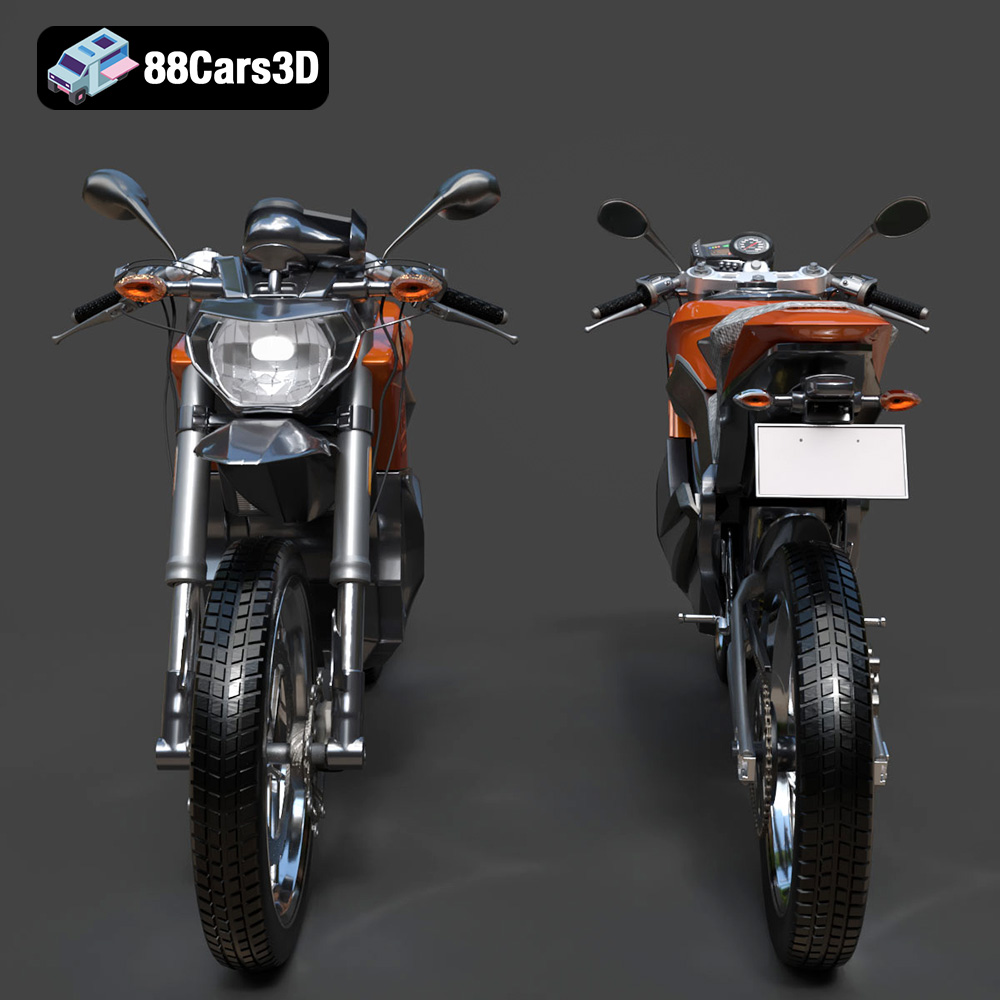
Experience unparalleled realism with the Zero Motorcycles S ZF8.5 3D Model. Crafted for professionals, this digital asset brings realistic detailing to life, offering an authentic representation of the innovative electric motorcycle. Designed with precision, the model features clean geometry, accurate proportions, and realistic materials tailored for advanced digital projects. Built to meet strict professional standards, this 3D model ensures seamless integration into various pipelines. Its optimized polygon structure maintains exceptional visual fidelity while keeping performance steady. Whether you are rendering striking cinematic visuals or building interactive environments, the detailed exterior and intricate components guarantee an impressive output. This versatile 3D model is perfect for a wide range of applications. It excels in game development, offering realistic assets for immersive simulations and environments. It is equally suited for architectural visualizations, vehicle design showcases, and cutting-edge AR/VR experiences. From complex simulation software to promotional rendering, this digital asset adapts effortlessly to your creative needs. The Zero Motorcycles S ZF8.5 3D Model is provided in multiple industry-standard file formats to ensure maximum compatibility: .blend – Editable Blender file with materials and lighting setup; .fbx – Game-engine ready format for Unreal Engine and Unity; .obj – Standard 3D model format compatible with all major software; .glb – Optimized for AR/VR and web-based visualization; .stl – Suitable for 3D printing and prototyping; .ply – Detailed polygon mesh for analysis and visualization; .unreal – Pre-configured for Unreal Engine use; .max – Editable 3ds Max file for rendering and animation.
$39.99
.arvr
.blend
.car3dmodel
.electricmotorcycle
.fbx
.gameasset
.glb
.max
.motorcycle
.obj
.ply
.rendering
.simulation
.stl
.szf85
.unreal
.zeromotorcycles