Get 20% OFF All Premium 3D & STL Models!

“`html
The world of 3D printing has revolutionized model making, prototyping, and even education. For automotive enthusiasts, the ability to 3D print detailed car models is particularly exciting. This guide will walk you through the process of converting vehicle models into print-ready STL files, the standard format for 3D printing. We’ll cover everything from sourcing your 3D models to optimizing them for your specific 3D printer, whether you’re using FDM or resin technology. We’ll also explore key considerations for achieving high-quality prints, ensuring your miniature vehicles capture every curve and detail of the real thing. Whether you’re a seasoned 3D printing professional or just starting your journey, this comprehensive guide will equip you with the knowledge and skills necessary to bring your favorite car models to life. Platforms like 88cars3d.com offer print-ready STL files, but understanding the conversion process provides greater control and allows for customization.
The STL (stereolithography) file format is the cornerstone of 3D printing. It represents the surface geometry of a 3D object as a collection of triangles. Think of it as a digital mosaic – the more triangles, the smoother and more detailed the surface. However, a higher triangle count also means a larger file size and potentially longer processing times during slicing and printing. Therefore, finding the right balance between detail and file size is crucial.
The triangle count directly impacts the resolution of your printed model. A low triangle count will result in a faceted, blocky appearance, particularly noticeable on curved surfaces. Conversely, an excessively high triangle count can strain your 3D printer’s processing capabilities and lead to longer print times without a significant improvement in visual quality. Aim for a triangle count that accurately represents the vehicle’s form without being unnecessarily dense. For a car model intended for display, a triangle count in the hundreds of thousands is often sufficient. For smaller scale models or those with less intricate details, a lower count may suffice.
For a 3D model to be printable, it must be “manifold,” meaning it’s a closed, watertight surface. Any gaps, holes, or self-intersections in the mesh will cause problems during slicing and printing, potentially leading to print failures. Software like Meshmixer, Netfabb, and even some slicers like PrusaSlicer, offer tools to automatically detect and repair these mesh errors. Common repair operations include filling holes, stitching edges, and removing duplicate or degenerate triangles. Before exporting your model as an STL file, always perform a thorough mesh check and repair to ensure a successful print. This is especially important when converting models from different CAD formats, as translation errors can often introduce non-manifold geometry.
Finding the right 3D model is the first step. You can create your own using CAD software like Blender, Fusion 360, or SolidWorks, or download pre-made models from online repositories. If you choose to download, be mindful of the model’s quality and suitability for 3D printing. Models designed for rendering or animation often have complex geometries and internal details that are unnecessary and even detrimental to 3D printing. Once you have your model, preparation is key.
When downloading 3D models, pay close attention to the licensing terms. Some models are free for personal use but require a commercial license for selling printed copies. Ensure you comply with the terms to avoid copyright infringement. Reputable online repositories often clearly state the license associated with each model. Also, check the model’s source and reviews. Models from verified creators or those with positive feedback are more likely to be of high quality and print reliably. When downloading models from marketplaces such as 88cars3d.com, you can often be assured of print-ready files.
Scaling your model to the desired size is a crucial step. Consider the dimensions of your 3D printer’s build volume and the level of detail you want to capture. Scaling down a model too much can make fine details unprintable, while scaling it up beyond the build volume is obviously impossible. Once scaled, carefully consider the model’s orientation on the print bed. The orientation can significantly impact print time, support structure requirements, and the overall surface finish. Generally, orienting the model to minimize overhangs and the need for supports is preferred. Experiment with different orientations in your slicing software to find the optimal configuration.
Slicing software is what converts your STL file into instructions that your 3D printer can understand. Programs like Cura, PrusaSlicer, Simplify3D, and others allow you to adjust numerous settings that affect the final print quality. Understanding these parameters is essential for achieving the desired results.
Layer height is one of the most significant factors affecting print quality and print time. A smaller layer height results in smoother surfaces and finer details but increases print time proportionally. A larger layer height prints faster but sacrifices surface quality. A common layer height for FDM printing is 0.1mm to 0.2mm. For resin printing, layer heights can be even smaller, often in the range of 0.025mm to 0.05mm. Print speed also plays a crucial role. Printing too fast can lead to poor layer adhesion, warping, and other defects. Conversely, printing too slowly can unnecessarily prolong the print time. Experiment with different speeds to find the sweet spot for your printer and material.
Infill refers to the internal structure of your 3D printed model. Infill density determines how solid the model is. A higher infill density increases the model’s strength but also increases print time and material usage. A lower infill density prints faster and uses less material but may compromise structural integrity. Common infill densities range from 15% to 25% for decorative models. For functional parts that need to withstand stress, a higher infill density may be necessary. The infill pattern also affects the model’s strength and print time. Common infill patterns include grid, honeycomb, and gyroid. Gyroid infill is known for its excellent strength-to-weight ratio.
Overhanging features require support structures to prevent them from collapsing during printing. Slicing software automatically generates these supports, but you often have control over their density, placement, and attachment to the model. Proper support generation and removal are crucial for a clean and successful print.
Careful consideration of support placement is essential. Ideally, supports should be placed in areas that are easily accessible for removal and that won’t leave visible marks on the model’s surface. You can manually adjust support placement in most slicing software. The support density determines how much material is used to create the supports. A higher support density provides more stability but can be more difficult to remove. A lower support density is easier to remove but may not be strong enough to support large overhangs. Experiment with different support densities to find the optimal balance. Support structures can be generated automatically by the slicer software, but manual placement may be needed for complex geometries or to avoid delicate areas.
Support removal can be a delicate process. The goal is to remove the supports without damaging the model’s surface. For FDM prints, pliers, cutters, and knives are commonly used. For resin prints, soaking the model in warm water can soften the supports, making them easier to remove. Support removal should be done slowly and carefully to avoid breaking off pieces of the model. Some materials, such as soluble support filaments, can be dissolved in water, making support removal effortless. After removing the supports, you may need to sand or file down any remaining stubs to achieve a smooth surface.
The choice of material and proper printer calibration are essential for achieving high-quality 3D prints. Different materials have different properties, such as strength, flexibility, and heat resistance. Printer calibration ensures that your printer is printing accurately and consistently.
FDM (Fused Deposition Modeling) printing typically uses thermoplastics like PLA, PETG, and ABS. PLA is a biodegradable material that is easy to print and suitable for decorative models. PETG is stronger and more heat-resistant than PLA. ABS is a durable material that is often used for functional parts but requires a heated bed and enclosure to prevent warping. Resin printing, on the other hand, uses liquid resins that are cured by UV light. Resin prints offer higher resolution and finer details than FDM prints but are generally more brittle and require more post-processing. Choose the material based on the specific requirements of your project.
Proper printer calibration is crucial for accurate and consistent prints. This includes leveling the print bed, adjusting the Z-offset, and calibrating the extruder. Bed adhesion is also critical. If the first layer doesn’t adhere properly to the print bed, the print is likely to fail. Common bed adhesion methods include using a heated bed, applying adhesive solutions like glue stick or hairspray, and using specialized build plates like PEI or glass. Regularly check and adjust your printer’s calibration to ensure optimal performance. Poor bed adhesion is a common cause of print failures, particularly with larger models or materials prone to warping.
Post-processing is often necessary to achieve a professional finish on your 3D printed car models. This includes sanding, painting, and assembling multiple parts. These techniques can significantly enhance the aesthetic appeal and realism of your printed vehicles.
Sanding is used to remove layer lines and other imperfections from the surface of your 3D printed model. Start with a coarse grit sandpaper (e.g., 220 grit) and gradually move to finer grits (e.g., 400, 600, 800 grit) to achieve a smooth surface. Wet sanding can help to reduce dust and improve the sanding process. For resin prints, sanding can be done with wet sandpaper or polishing compounds. Be careful not to sand too aggressively, as this can remove too much material and distort the model’s shape.
Painting is used to add color and detail to your 3D printed car models. Use spray paint or acrylic paints designed for plastic models. Apply multiple thin coats of paint rather than one thick coat to avoid drips and runs. Primer can help the paint adhere better to the model’s surface. After painting, you can apply a clear coat to protect the paint and add a glossy or matte finish. Consider using stencils or masking tape to create intricate details and patterns. For a professional look, consider using an airbrush to apply the paint.
Even with careful preparation, 3D printing can sometimes present challenges. Understanding common printing problems and how to troubleshoot them is essential for a smooth and successful printing experience.
Warping occurs when the corners of the print lift off the print bed. This is often caused by uneven cooling or poor bed adhesion. To prevent warping, ensure that your print bed is properly leveled and heated. Use adhesive solutions like glue stick or hairspray to improve bed adhesion. Enclosing the printer can also help to maintain a consistent temperature and prevent warping. Layer delamination occurs when the layers of the print separate from each other. This can be caused by insufficient layer adhesion, low printing temperature, or excessive print speed. Increasing the printing temperature, decreasing the print speed, or increasing the layer height can improve layer adhesion.
Stringing occurs when the printer extrudes small strands of filament while moving between different parts of the print. This can be caused by excessive retraction distance or temperature. Increasing the retraction distance or decreasing the printing temperature can reduce stringing. Blobs are small globs of filament that appear on the surface of the print. This can be caused by inconsistent extrusion or excessive printing temperature. Calibrating the extruder and adjusting the printing temperature can reduce blobs.
Converting vehicle models into printable STL files is a rewarding process that allows you to bring your favorite cars to life in miniature form. By understanding the STL file format, mastering slicing parameters, and practicing proper post-processing techniques, you can achieve stunning results with your 3D printer. Remember to pay attention to material selection, printer calibration, and support generation to avoid common printing problems. With patience and practice, you’ll be able to create detailed and realistic 3D printed car models that you can proudly display or use for various projects. Don’t hesitate to experiment with different settings and techniques to find what works best for your printer and materials. Consider leveraging resources like 88cars3d.com for high-quality, print-ready car models to kickstart your 3D printing journey. Take the knowledge gained here and start your automotive 3D printing adventure today!
“`
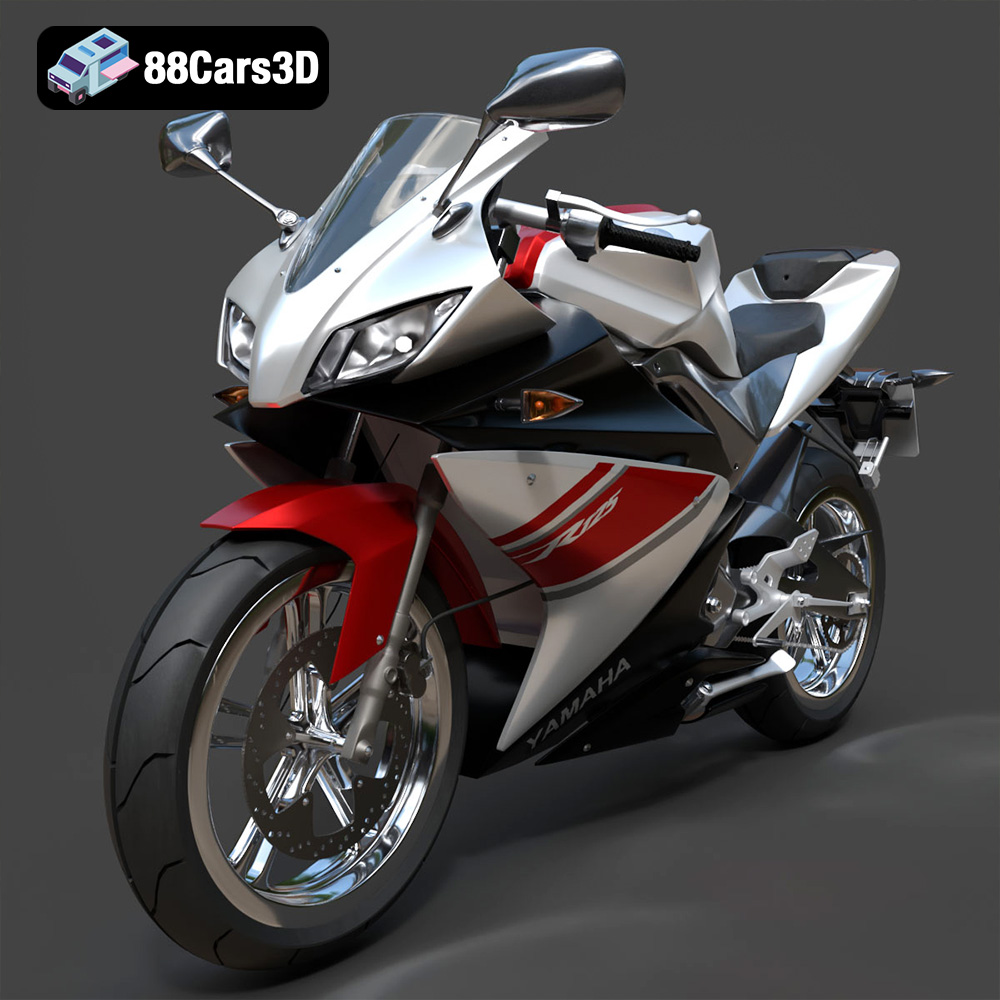
Texture: Yes | Material: Yes
Download the highly detailed, game-ready Yamaha YZF-R125 EU 3D Model. Features an aggressive aerodynamic fairing, twin LED headlights, and a detailed 125cc engine block. Includes .blend, .fbx, .obj, .glb, .stl, .ply, .unreal, and .max formats for game development, AR/VR, and rendering.
Price: $19.99
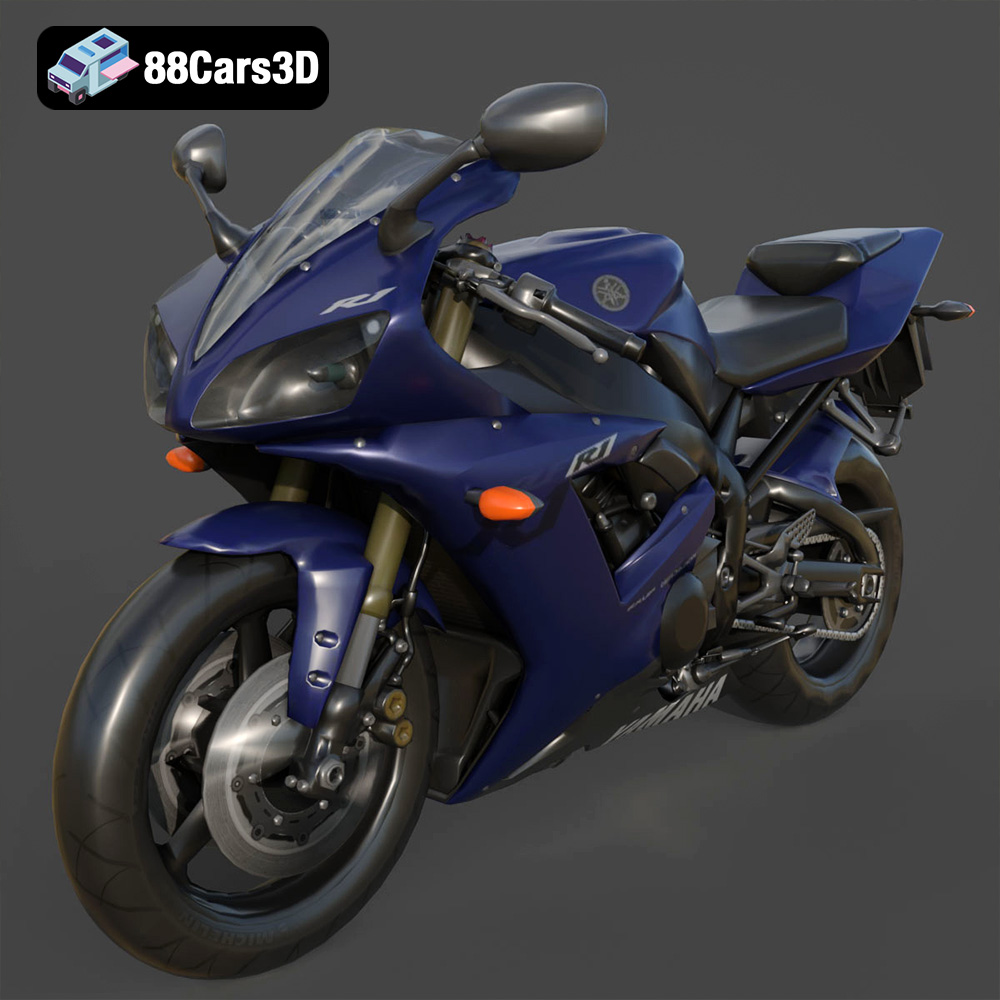
Texture: Yes | Material: Yes
Download the highly detailed, game-ready Yamaha R1 3D Model. Features aggressive aerodynamic fairings, a detailed crossplane inline-4 engine, and track-focused suspension geometry. Includes .blend, .fbx, .obj, .glb, .stl, .ply, .unreal, and .max formats for game development, AR/VR, and rendering.
Price: $19.99
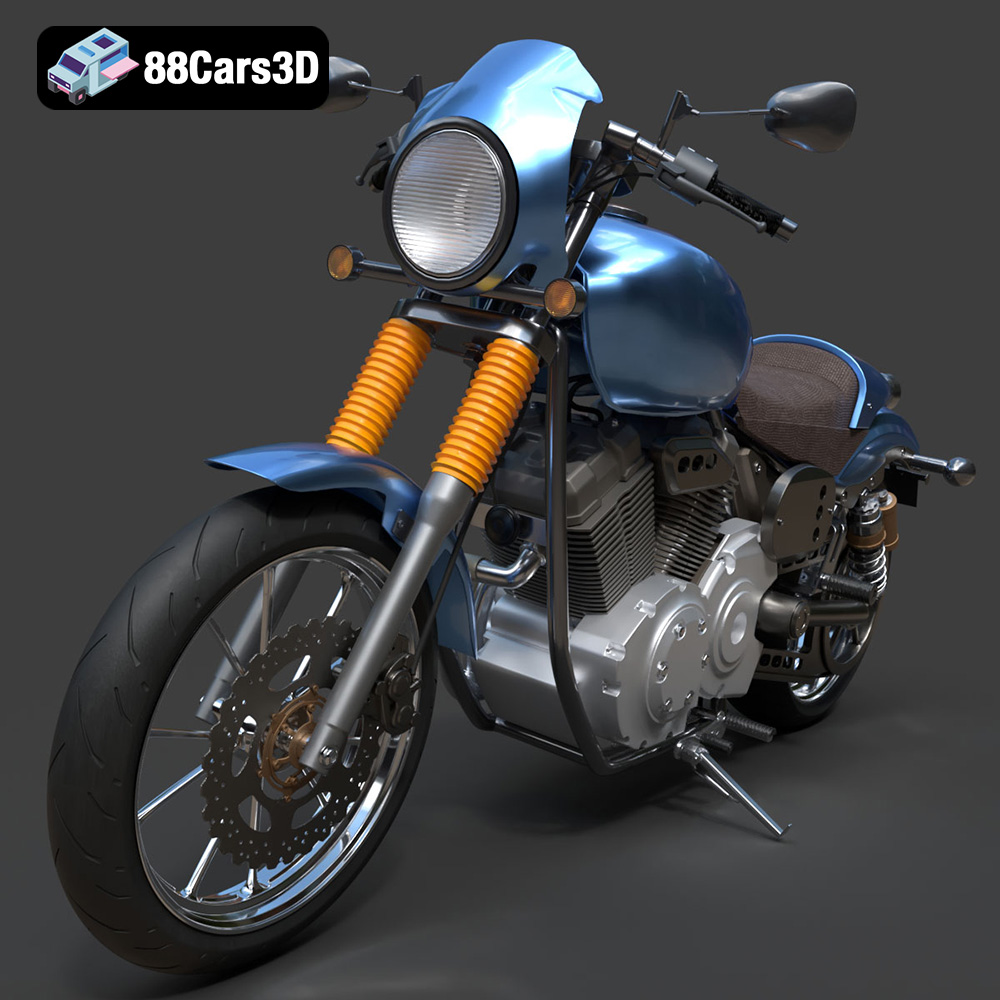
Texture: Yes | Material: Yes
Download the highly detailed, game-ready Yamaha XV950 Racer 3D Model. Features an aggressive cafe-racer front cowl, detailed air-cooled V-twin engine, and classic retro styling. Includes .blend, .fbx, .obj, .glb, .stl, .ply, .unreal, and .max formats for game development, AR/VR, and rendering.
Price: $19.99

Texture: Yes | Material: Yes
Download the highly detailed, game-ready Volvo VNL Tractor Truck 2002 3D Model. Features iconic aerodynamic styling, detailed fifth-wheel coupling, and heavy-duty chassis. Includes .blend, .fbx, .obj, .glb, .stl, .ply, .unreal, and .max formats for game development, AR/VR, and rendering.
Price: $39.99
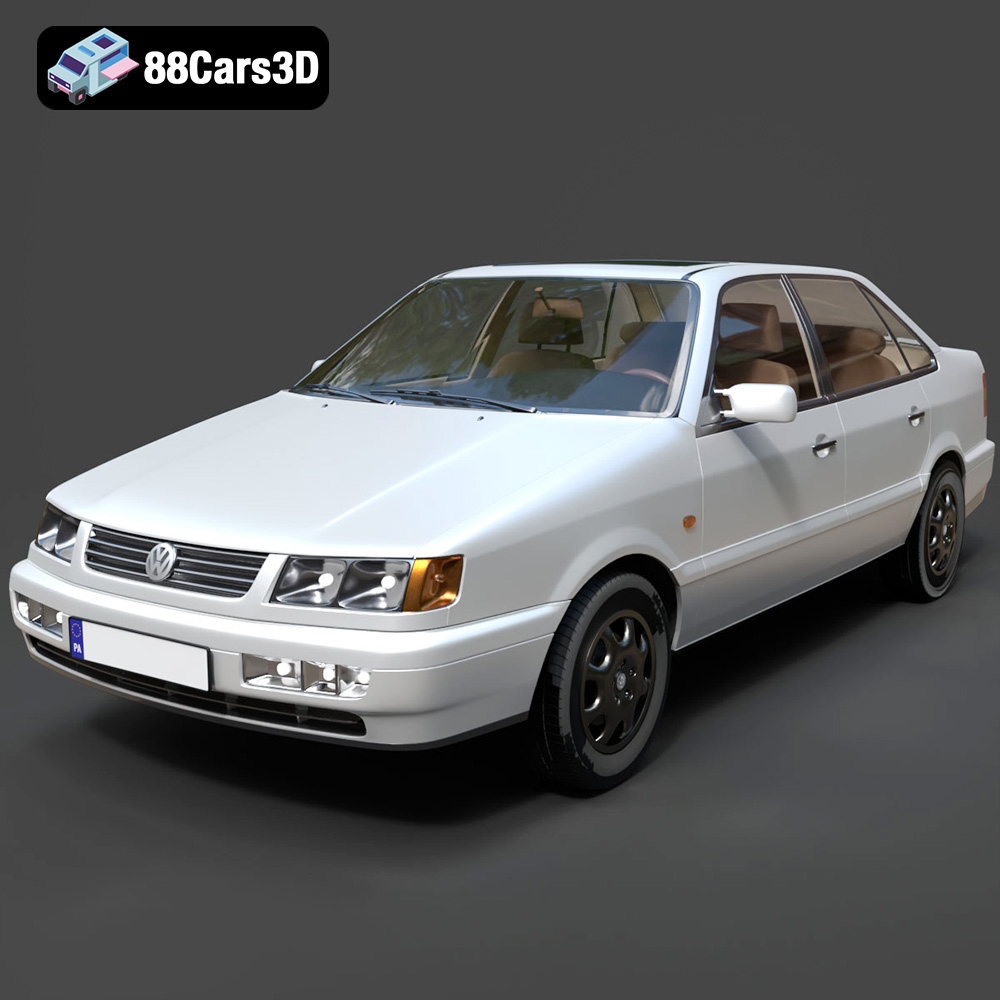
Texture: Yes | Material: Yes
Download the highly detailed, game-ready Volkswagen Passat Mk4 B4 Sedan 1993 3D Model. Features accurate 90s sedan styling, detailed front grille-less fascia, and a classic interior setup. Includes .blend, .fbx, .obj, .glb, .stl, .ply, .unreal, and .max formats for game development, AR/VR, and rendering.
Price: $39.99
Texture: Yes | Material: Yes
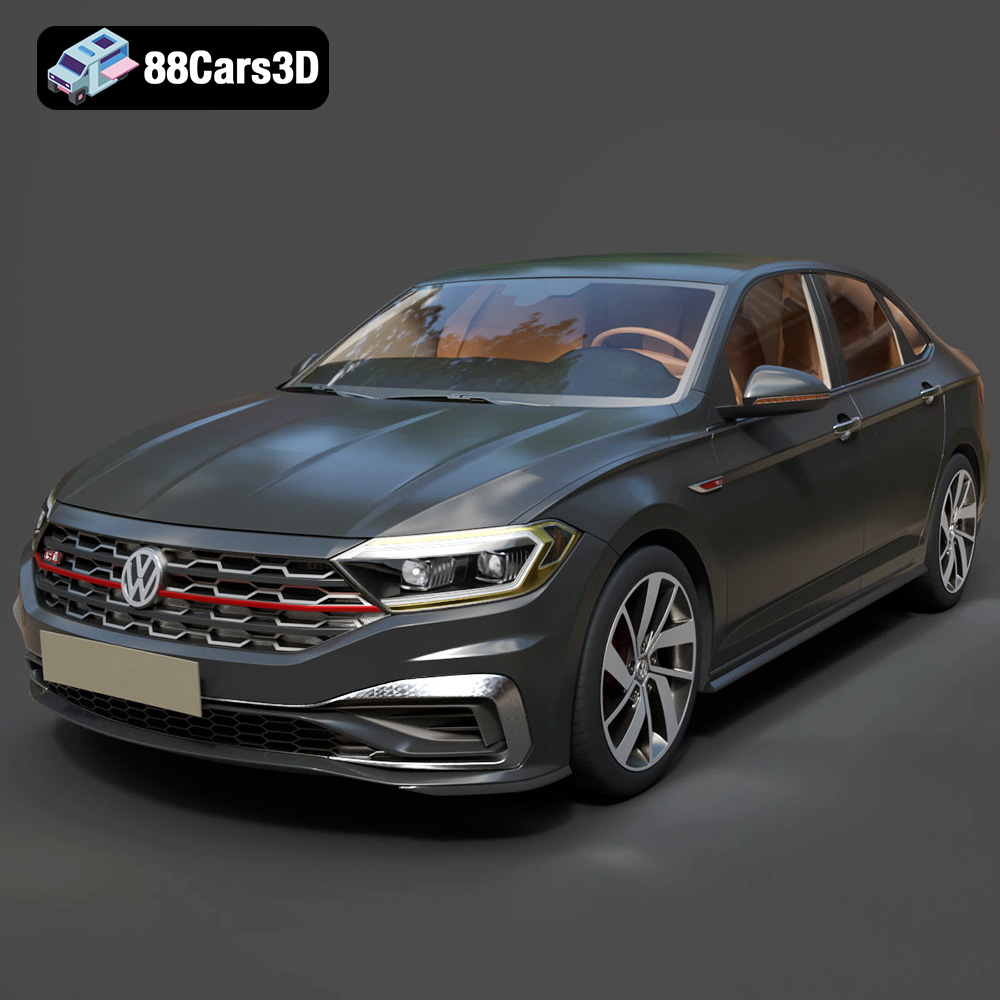
Download the highly detailed, game-ready Volkswagen Jetta GLI 2019 3D Model. Features an aggressive honeycomb grille with red accents, sleek aerodynamic profile, and exclusive GLI sport wheels. Includes .blend, .fbx, .obj, .glb, .stl, .ply, .unreal, and .max formats for game development, AR/VR, and rendering.
Price: $39.99
Texture: Yes | Material: Yes
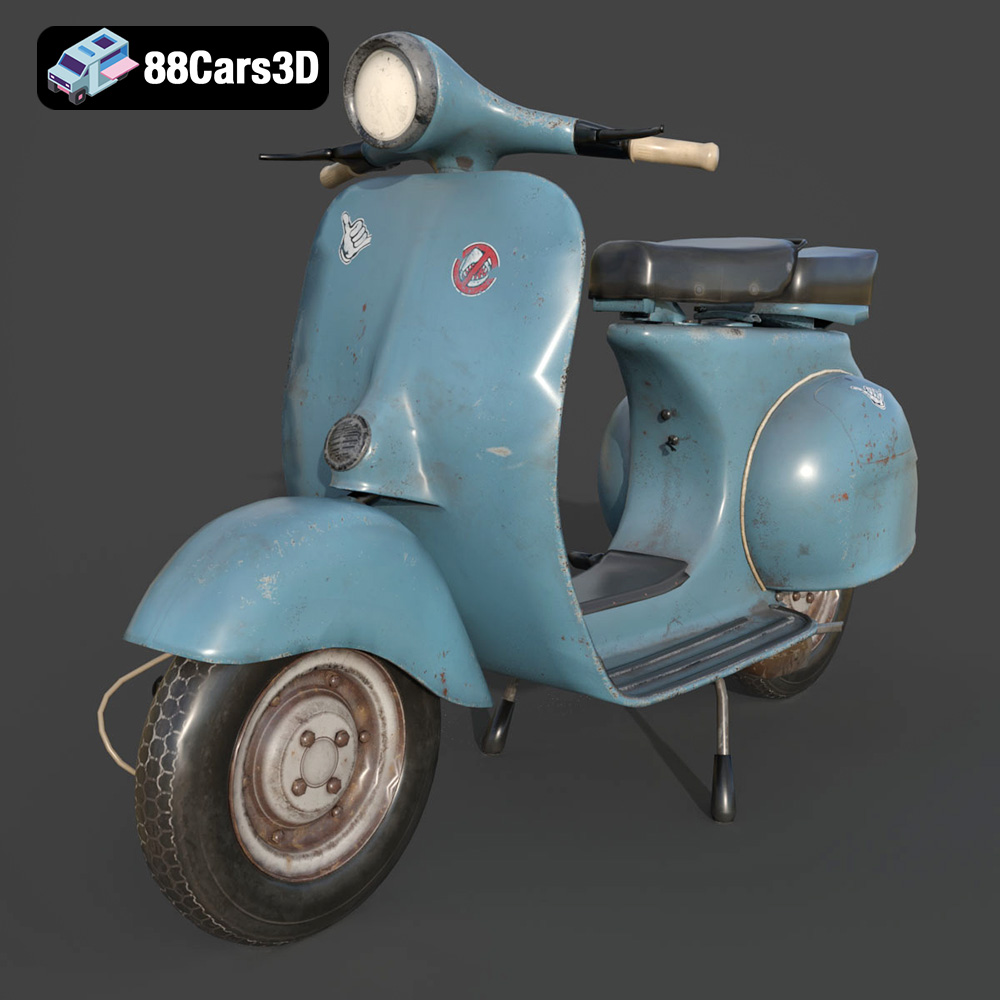
Download the highly detailed, game-ready Vintage Vespa 3D Model. Features iconic rounded monocoque styling, classic saddle, and chrome accents. Includes .blend, .fbx, .obj, .glb, .stl, .ply, .unreal, and .max formats for game development, AR/VR, and rendering.
Price: $39.99

Texture: Yes | Material: Yes
Download the highly detailed, game-ready Vespa GS 150 3D Model. Features elegant aerodynamic curves, classic leg shield, and detailed engine casing. Includes .blend, .fbx, .obj, .glb, .stl, .ply, .unreal, and .max formats for game development, AR/VR, and rendering.
Price: $39.99
Texture: Yes | Material: Yes
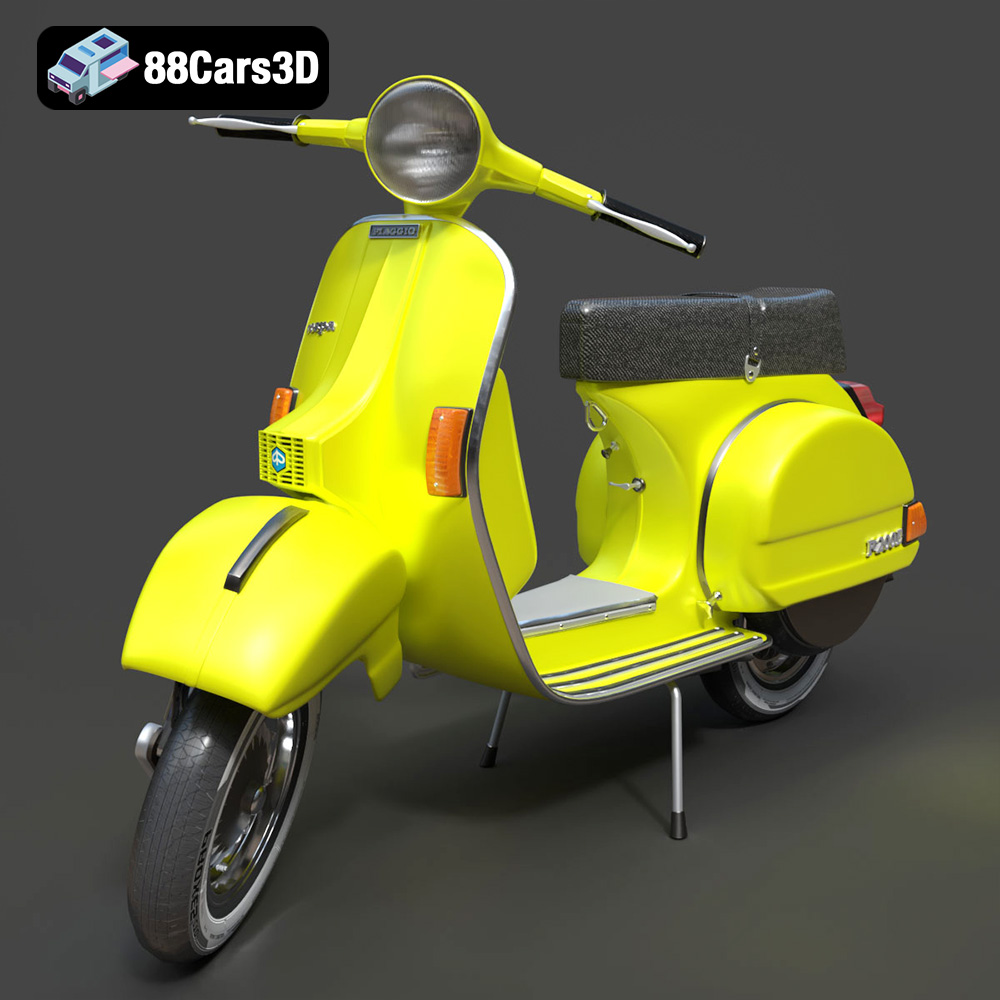
Download the highly detailed, game-ready Vespa P200E 3D Model. Features classic vintage styling, accurate step-through frame geometry, and authentic detailing. Includes .blend, .fbx, .obj, .glb, .stl, .ply, .unreal, and .max formats for game development, AR/VR, and rendering.
Price: $39.99
Texture: Yes | Material: Yes
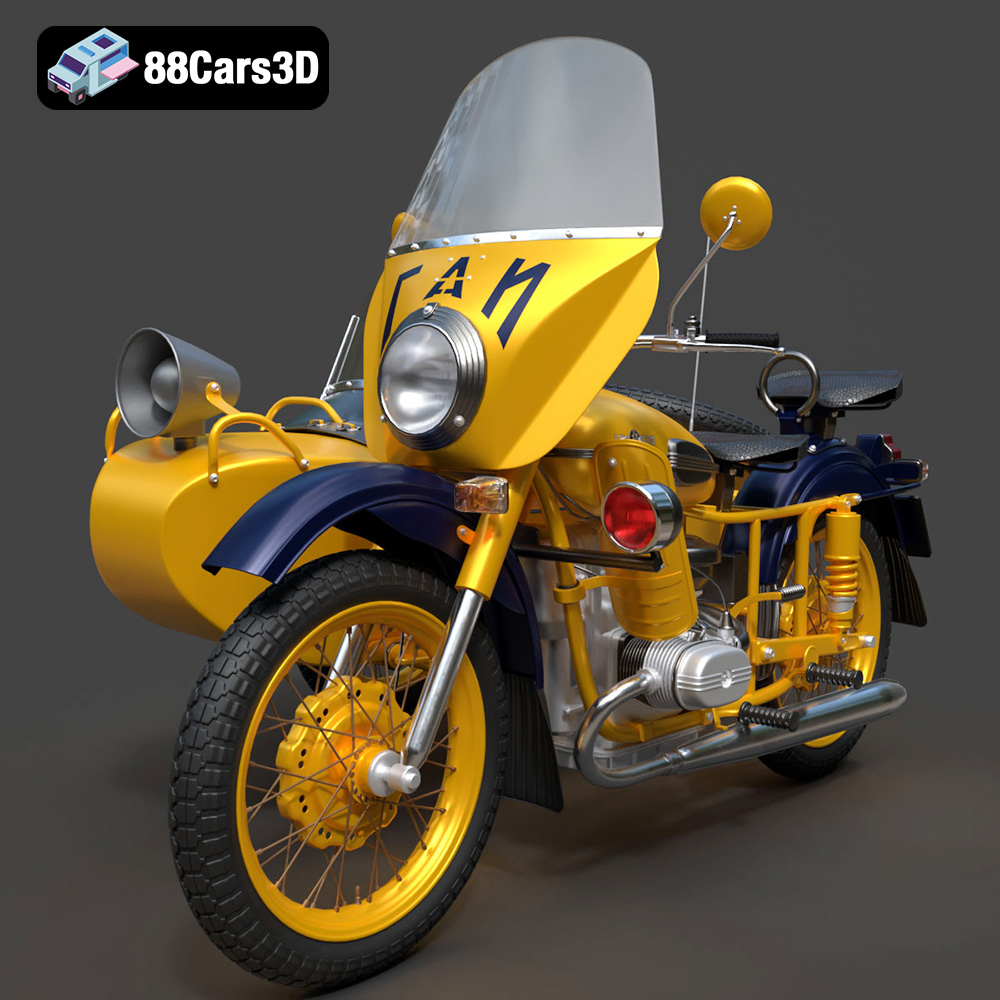
Download the highly detailed, game-ready Ural M67-36-P 1976 3D Model. Features the iconic air-cooled boxer engine, vintage utilitarian styling, and authentic spoked wheels. Includes .blend, .fbx, .obj, .glb, .stl, .ply, .unreal, and .max formats for game development, AR/VR, and rendering.
Price: $39.99

