Get 20% OFF All Premium 3D & STL Models!

“`html
3D printing, especially when creating intricate models like the printable car models available on platforms like 88cars3d.com, often requires support structures to ensure successful prints. While automatic support generation in slicing software has improved significantly, manual support placement offers a level of control that can dramatically improve print quality, reduce material waste, and minimize post-processing effort. This guide delves into the nuances of manual support creation, covering everything from identifying areas needing support to the best techniques for placing and optimizing these crucial structures. We’ll explore the advantages of manual supports, the tools you’ll need, and best practices for both FDM and resin printing. By the end of this article, you’ll be equipped with the knowledge and skills to confidently add manual supports, leading to stronger, cleaner, and more accurate 3D prints.
Automatic support generation is a powerful feature, but it often falls short when dealing with complex geometries or specific printing requirements. Understanding the limitations of automatic supports is the first step towards appreciating the value of manual intervention. Manual supports give you the freedom to customize support placement for optimal results, leading to less material usage and cleaner finishes.
Automatic supports often over-support, placing structures where they are not strictly necessary, leading to increased material consumption and more extensive post-processing. Conversely, they can sometimes under-support, failing to adequately brace critical overhangs or delicate features. Manual supports are especially beneficial when printing models with intricate details, sharp overhangs, or internal cavities. Consider manual supports when you need to minimize support contact points, reduce scarring on visible surfaces, or ensure support in areas that automatic algorithms struggle with, such as thin, unsupported walls or delicate features on car models from 88cars3d.com.
The primary advantage of manual support placement is the precise control you gain over the support structure. You can strategically position supports to maximize stability while minimizing their impact on the final print. This leads to several benefits, including: Reduced material waste: By placing supports only where needed, you use less filament or resin. Improved surface finish: Strategically placed supports minimize scarring on visible surfaces. Easier removal: Manual supports can be designed for easy breakaway, simplifying post-processing. Enhanced print success rate: Targeted support ensures critical features are properly supported, reducing the risk of print failures.
Creating manual supports requires specialized tools and software. While some slicers offer basic manual support editing, dedicated 3D modeling software provides more advanced capabilities for designing and integrating support structures. Choosing the right tool depends on your needs and skill level.
Many popular slicing programs, such as Cura and PrusaSlicer, offer built-in tools for adding and editing supports manually. These tools allow you to place support points, customize support density, and adjust support angles directly within the slicing environment. Cura’s “Custom Support” plugin is particularly useful, allowing you to create complex support structures with ease. PrusaSlicer offers similar functionality, with options to paint on support areas and customize support settings for different regions of the model. The advantage of using slicing software is that the supports are automatically integrated into the slicing process, ensuring seamless integration with the rest of the print.
For more complex support designs, dedicated 3D modeling software like Blender, Meshmixer, or Netfabb are invaluable. These programs allow you to create custom support structures with intricate geometries and precise placement. Blender offers powerful modeling tools for creating complex, branching supports that conform to the model’s shape. Meshmixer is particularly well-suited for generating tree-like supports that minimize material usage and contact points. Netfabb offers advanced features for analyzing model geometry and automatically generating optimized support structures, though its manual editing tools are also powerful. The workflow typically involves importing the STL file, creating the supports, and then exporting the combined model with the supports as a single STL file for slicing. Before importing your models from marketplaces such as 88cars3d.com, consider the complexity and desired level of control to decide if a slicer or 3D modeling software is more appropriate.
FDM (Fused Deposition Modeling) printing presents unique challenges when it comes to support structures. Factors like layer adhesion, nozzle size, and material properties influence the effectiveness and ease of removal of supports. Optimizing support settings and placement is crucial for achieving high-quality FDM prints.
Several key settings influence the performance of supports in FDM printing. Support Density: Higher density provides greater stability but increases material usage and removal difficulty. Experiment with densities between 10% and 30% depending on the complexity of the overhang. Support Overhang Angle: This setting determines the minimum angle at which supports are generated. Start with a value of 45 degrees and adjust based on the specific model. Support Pattern: Grid, lines, and triangles are common support patterns. Grid patterns offer good strength but can be difficult to remove. Lines are easier to remove but may be less stable. Support Interface: Adding an interface layer between the support and the model improves surface finish but can make removal more challenging. Consider using a soluble support material for complex geometries or fine details when printing models from 88cars3d.com.
Strategic placement of supports can significantly improve print quality and reduce post-processing effort. Minimize Contact Area: Reduce the contact area between the support and the model to minimize scarring. Use thin support pillars and strategically placed support points. Consider Part Orientation: Orient the part to minimize the need for supports. Rotate the model to reduce overhangs and self-support features where possible. Use Support Blocking: Block supports from generating in areas where they are not needed, such as internal cavities or flat surfaces. Implement Breakaway Supports: Design supports with weak points or perforations to facilitate easy removal. These weak points can be created by reducing the cross-sectional area of the support in specific locations.
Resin printing, also known as SLA or DLP printing, offers greater precision and detail compared to FDM, but it also requires careful attention to support structures. Resin supports need to be strong enough to withstand the pulling forces during printing but also easy to remove without damaging the delicate resin parts.
Designing effective resin supports involves considering factors such as resin type, layer height, and printer settings. Support Tip Size: Smaller tip sizes result in cleaner removal but may be more prone to failure. Experiment with tip sizes between 0.3mm and 0.5mm. Support Density: Higher density is needed for heavier parts or large overhangs. Adjust density based on the model’s weight and complexity. Support Angle: The angle of the supports affects their strength and the amount of contact with the model. Use steeper angles for better support but be mindful of potential scarring. Raft and Base: A solid raft and base provide a stable foundation for the supports and prevent warping or detachment from the build plate.
Proper support placement is crucial for successful resin printing. Strategic Island Support: Identify “islands” – areas of the model that are not connected to previous layers – and provide adequate support to prevent them from detaching. Angled Support Placement: Angle supports to distribute the pulling forces and prevent layer shifting. Hollowing and Drainage: Hollow out large models to reduce resin consumption and weight. Add drainage holes to prevent resin from being trapped inside the model. Use of Light Supports: Utilize light supports for less critical areas, reducing resin consumption and simplifying post-processing. Careful support design will pay dividends when printing intricate car models from STL files.
Even with careful planning, support-related issues can arise during 3D printing. Recognizing common problems and knowing how to address them is essential for achieving successful prints. The most common issues are support failure, difficult support removal, and surface damage.
Support failure can occur due to insufficient support density, weak support connections, or excessive pulling forces. Increase Support Density: Add more supports or increase the density of existing supports. Strengthen Support Connections: Increase the contact area between the supports and the model. Reduce Print Speed: Slowing down the print speed can reduce the pulling forces on the supports. Check for Airflow Disturbances: Ensure there are no drafts or sudden temperature changes that could affect the stability of the supports. Material Compatibility: Ensure your support material is compatible with your main printing material. Using incompatible materials can lead to weak adhesion and support failure.
Removing supports can sometimes leave behind unsightly marks or damage the surface of the print. Use Sharp Tools: Use sharp knives, scrapers, or pliers to carefully remove the supports. Soften Supports with Heat: Gently heating the supports with a heat gun or hairdryer can soften them and make them easier to remove. Dissolvable Support Material: When possible, use dissolvable support materials that can be easily removed by soaking the print in water or a chemical solution. Careful Cutting Technique: Make small, precise cuts to avoid tearing or gouging the surface of the model. Platforms like 88cars3d.com sometimes recommend optimal support settings for their printable car models to minimize surface damage.
Achieving consistent success with manual support creation requires a combination of technical knowledge, practical experience, and a commitment to continuous improvement. Consistent printer calibration and maintenance are essential for good results. Experimenting with support settings is crucial for finding what works best for your specific printer and materials.
Maintaining a well-calibrated 3D printer is crucial for successful support printing. Level the Build Plate: Ensure the build plate is properly leveled to promote good adhesion. Calibrate Extrusion: Calibrate the extrusion settings to ensure the correct amount of material is being extruded. Clean the Nozzle: Regularly clean the nozzle to prevent clogs and ensure smooth material flow. Inspect and Replace Parts: Regularly inspect and replace worn parts, such as nozzles, belts, and bearings. Remember that a poorly calibrated printer is going to amplify any support-related issues.
The best way to master manual support creation is through experimentation and refinement. Test Different Support Settings: Experiment with different support densities, patterns, and angles to find the optimal settings for your specific printer and materials. Document Your Results: Keep a log of your experiments and document the results to track your progress and identify patterns. Learn from Your Mistakes: Analyze failed prints to identify the causes of the failures and learn from your mistakes. Share Your Knowledge: Share your knowledge and experiences with other 3D printing enthusiasts to help them improve their skills. Seek out online communities and forums where you can exchange tips and ask questions. Remember, even experienced users continue to refine their skills and learn new techniques.
Mastering manual support creation is a vital skill for any serious 3D printing enthusiast. By understanding the principles of support design, utilizing the right tools and software, and employing effective placement strategies, you can significantly improve the quality, stability, and overall success rate of your 3D prints. Whether you’re printing intricate car models from 88cars3d.com or creating complex prototypes, manual supports empower you to achieve exceptional results. Remember to experiment with different settings, document your findings, and continuously refine your techniques to unlock the full potential of your 3D printer. Start today by analyzing a recent print with problematic supports, identifying areas for improvement, and implementing the techniques discussed in this guide. With practice and patience, you’ll become a master of manual support creation, transforming your 3D printing projects from good to exceptional.
“`

Texture: Yes | Material: Yes
Download the highly detailed, game-ready Ford GT 2005 3D Model. Features signature aerodynamic bodylines, mid-mounted supercharged V8 detailing, and iconic racing stripes. Includes .blend, .fbx, .obj, .glb, .stl, .ply, .unreal, and .max formats for game development, AR/VR, and rendering.
Price: $19.99
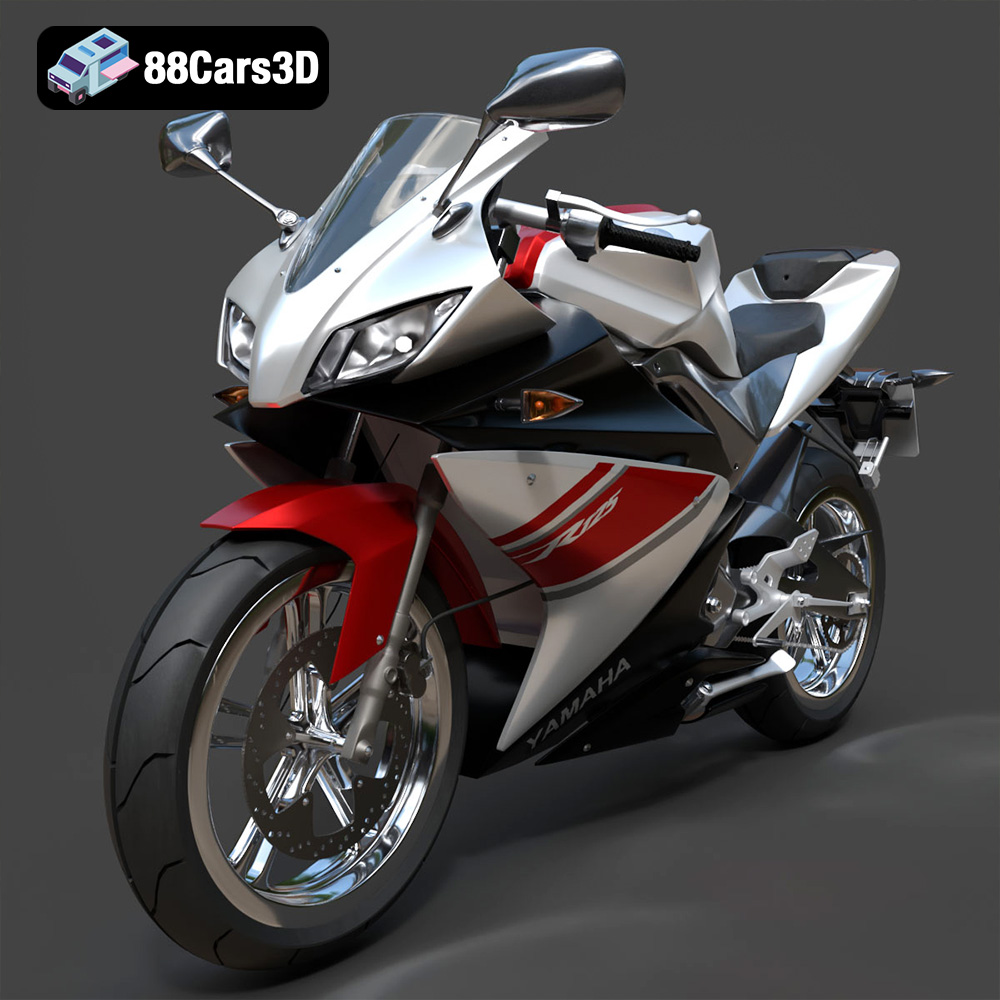
Texture: Yes | Material: Yes
Download the highly detailed, game-ready Yamaha YZF-R125 EU 3D Model. Features an aggressive aerodynamic fairing, twin LED headlights, and a detailed 125cc engine block. Includes .blend, .fbx, .obj, .glb, .stl, .ply, .unreal, and .max formats for game development, AR/VR, and rendering.
Price: $19.99
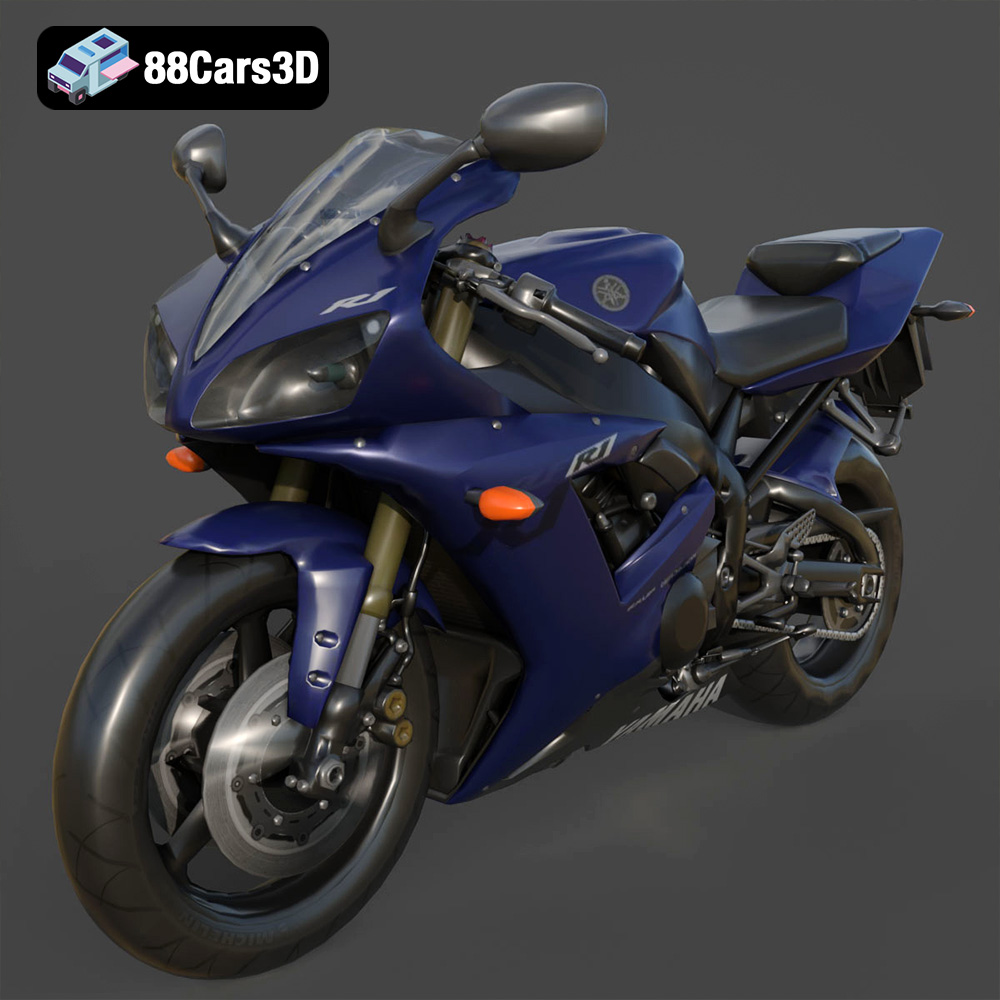
Texture: Yes | Material: Yes
Download the highly detailed, game-ready Yamaha R1 3D Model. Features aggressive aerodynamic fairings, a detailed crossplane inline-4 engine, and track-focused suspension geometry. Includes .blend, .fbx, .obj, .glb, .stl, .ply, .unreal, and .max formats for game development, AR/VR, and rendering.
Price: $19.99
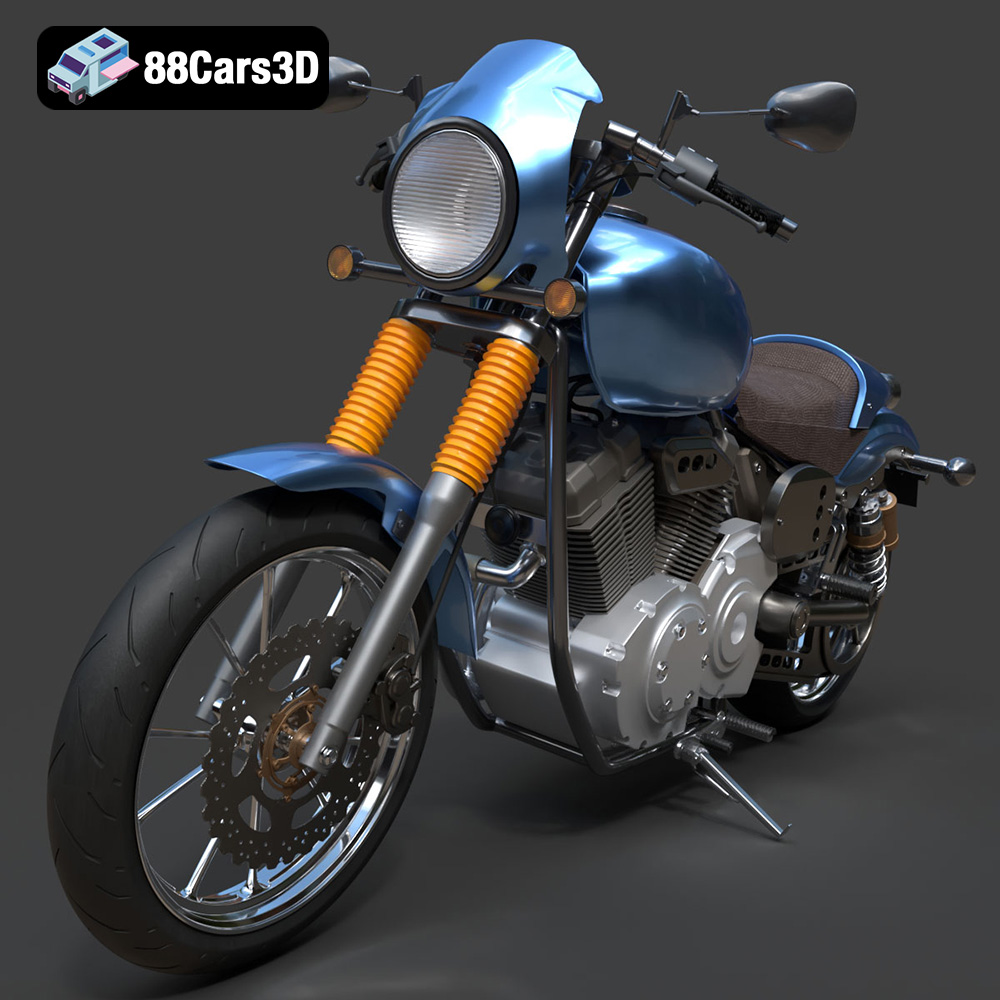
Texture: Yes | Material: Yes
Download the highly detailed, game-ready Yamaha XV950 Racer 3D Model. Features an aggressive cafe-racer front cowl, detailed air-cooled V-twin engine, and classic retro styling. Includes .blend, .fbx, .obj, .glb, .stl, .ply, .unreal, and .max formats for game development, AR/VR, and rendering.
Price: $19.99

Texture: Yes | Material: Yes
Download the highly detailed, game-ready Volvo VNL Tractor Truck 2002 3D Model. Features iconic aerodynamic styling, detailed fifth-wheel coupling, and heavy-duty chassis. Includes .blend, .fbx, .obj, .glb, .stl, .ply, .unreal, and .max formats for game development, AR/VR, and rendering.
Price: $39.99
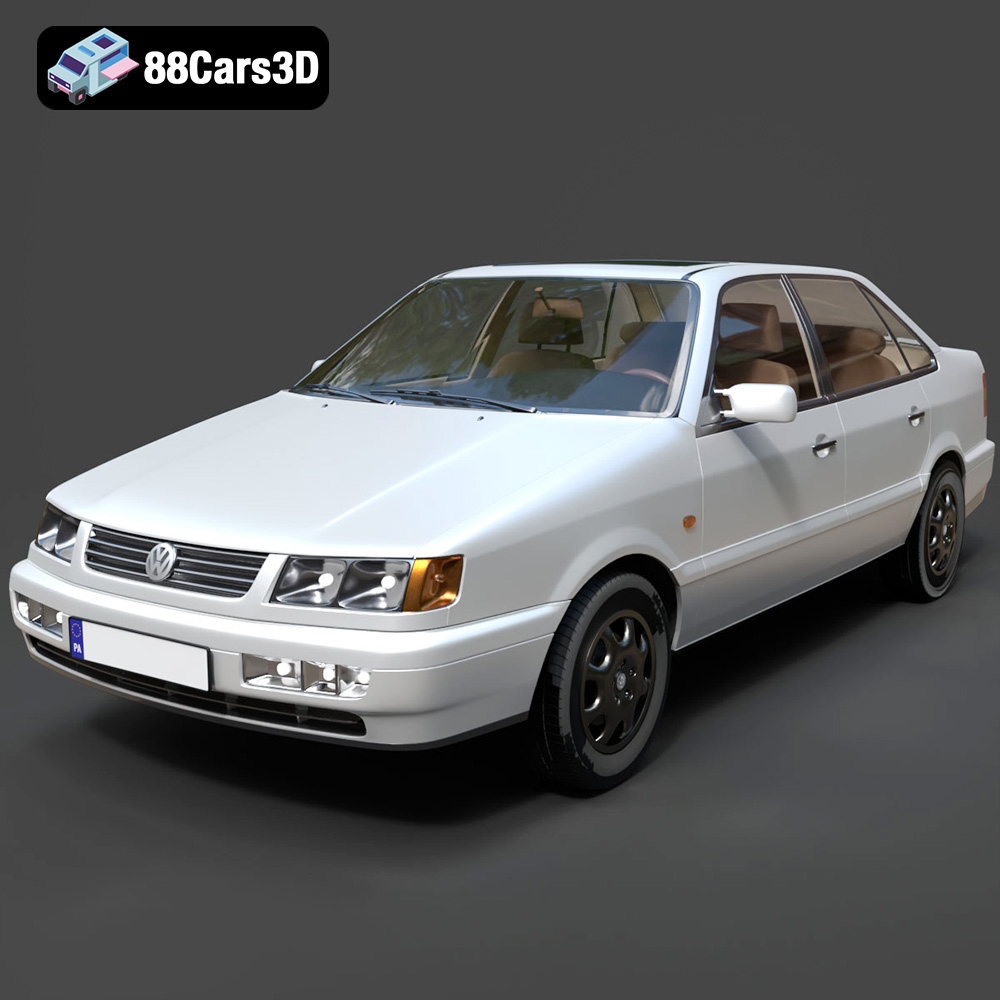
Texture: Yes | Material: Yes
Download the highly detailed, game-ready Volkswagen Passat Mk4 B4 Sedan 1993 3D Model. Features accurate 90s sedan styling, detailed front grille-less fascia, and a classic interior setup. Includes .blend, .fbx, .obj, .glb, .stl, .ply, .unreal, and .max formats for game development, AR/VR, and rendering.
Price: $39.99

Texture: Yes | Material: Yes
Download the highly detailed, game-ready Volkswagen Jetta GLI 2019 3D Model. Features an aggressive honeycomb grille with red accents, sleek aerodynamic profile, and exclusive GLI sport wheels. Includes .blend, .fbx, .obj, .glb, .stl, .ply, .unreal, and .max formats for game development, AR/VR, and rendering.
Price: $39.99
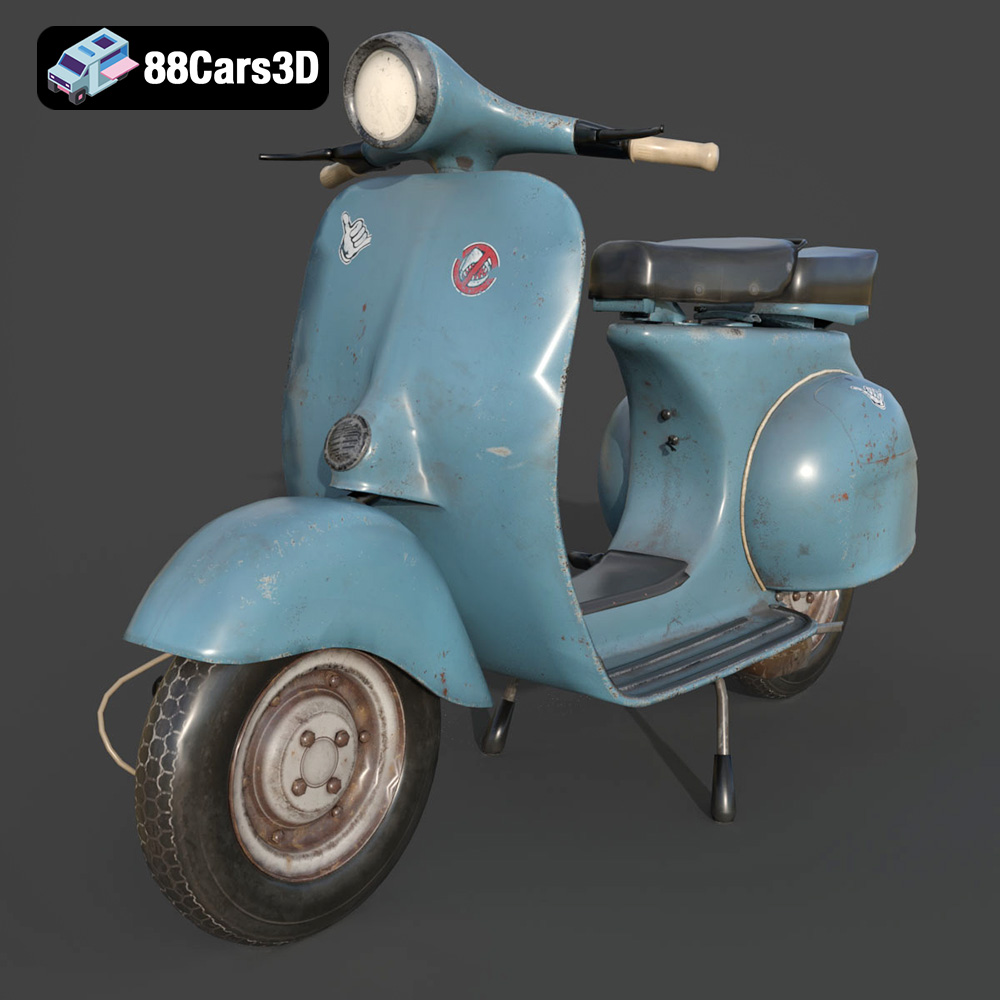
Texture: Yes | Material: Yes
Download the highly detailed, game-ready Vintage Vespa 3D Model. Features iconic rounded monocoque styling, classic saddle, and chrome accents. Includes .blend, .fbx, .obj, .glb, .stl, .ply, .unreal, and .max formats for game development, AR/VR, and rendering.
Price: $39.99

Texture: Yes | Material: Yes
Download the highly detailed, game-ready Vespa GS 150 3D Model. Features elegant aerodynamic curves, classic leg shield, and detailed engine casing. Includes .blend, .fbx, .obj, .glb, .stl, .ply, .unreal, and .max formats for game development, AR/VR, and rendering.
Price: $39.99
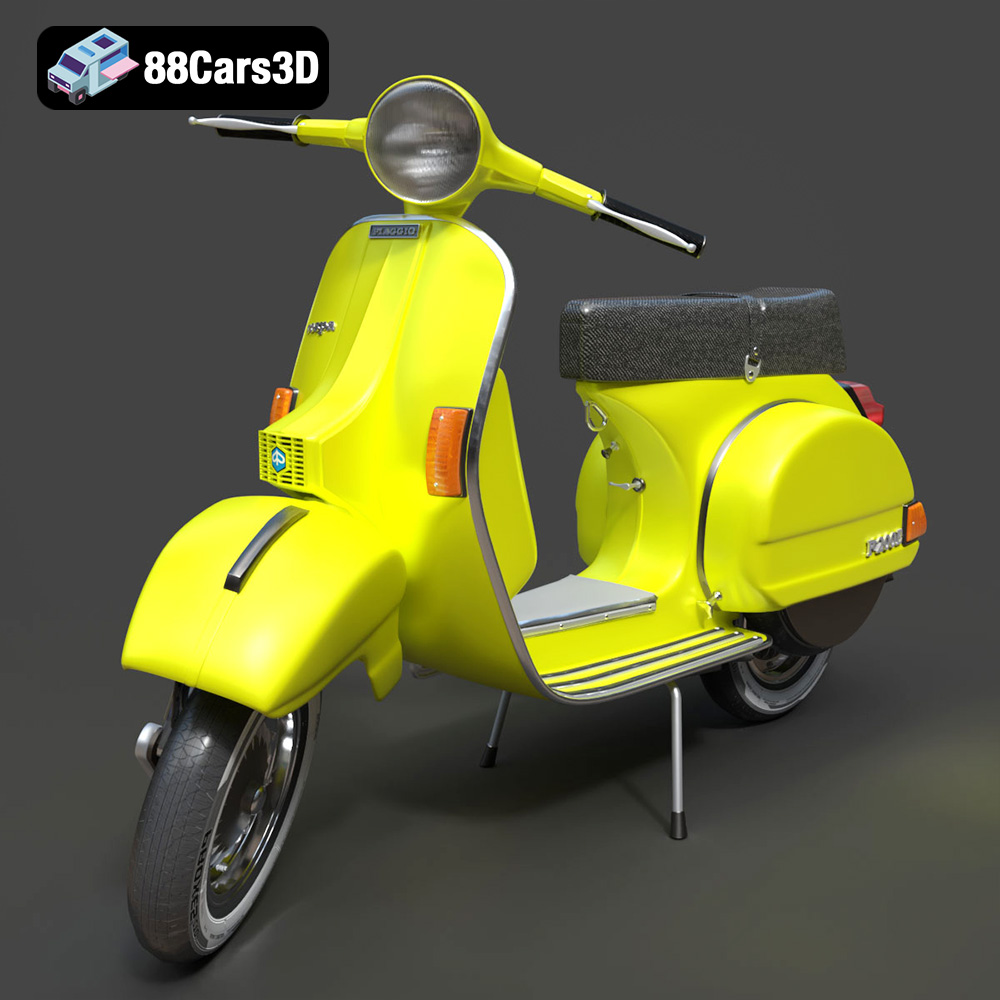
Texture: Yes | Material: Yes
Download the highly detailed, game-ready Vespa P200E 3D Model. Features classic vintage styling, accurate step-through frame geometry, and authentic detailing. Includes .blend, .fbx, .obj, .glb, .stl, .ply, .unreal, and .max formats for game development, AR/VR, and rendering.
Price: $39.99

