Get 20% OFF All Premium 3D & STL Models!

In the dynamic worlds of automotive design, game development, and cinematic rendering, the demand for hyper-realistic and technically robust 3D car models has never been higher. Visual fidelity is no longer a luxury; it’s a fundamental requirement that drives engagement, immersion, and ultimately, success. From showcasing futuristic concepts in virtual reality to populating sprawling open-world games, the underlying quality of a vehicle asset dictates the authenticity of the entire experience.
Professionals in these fields understand that a truly exceptional 3D model goes beyond mere aesthetics. It encompasses meticulously optimized topology, accurate real-world scaling, properly configured pivots for animation, and versatile material setups. These technical underpinnings allow for seamless integration into diverse software environments and real-time engines, empowering artists and developers to push creative boundaries without being constrained by performance bottlenecks.
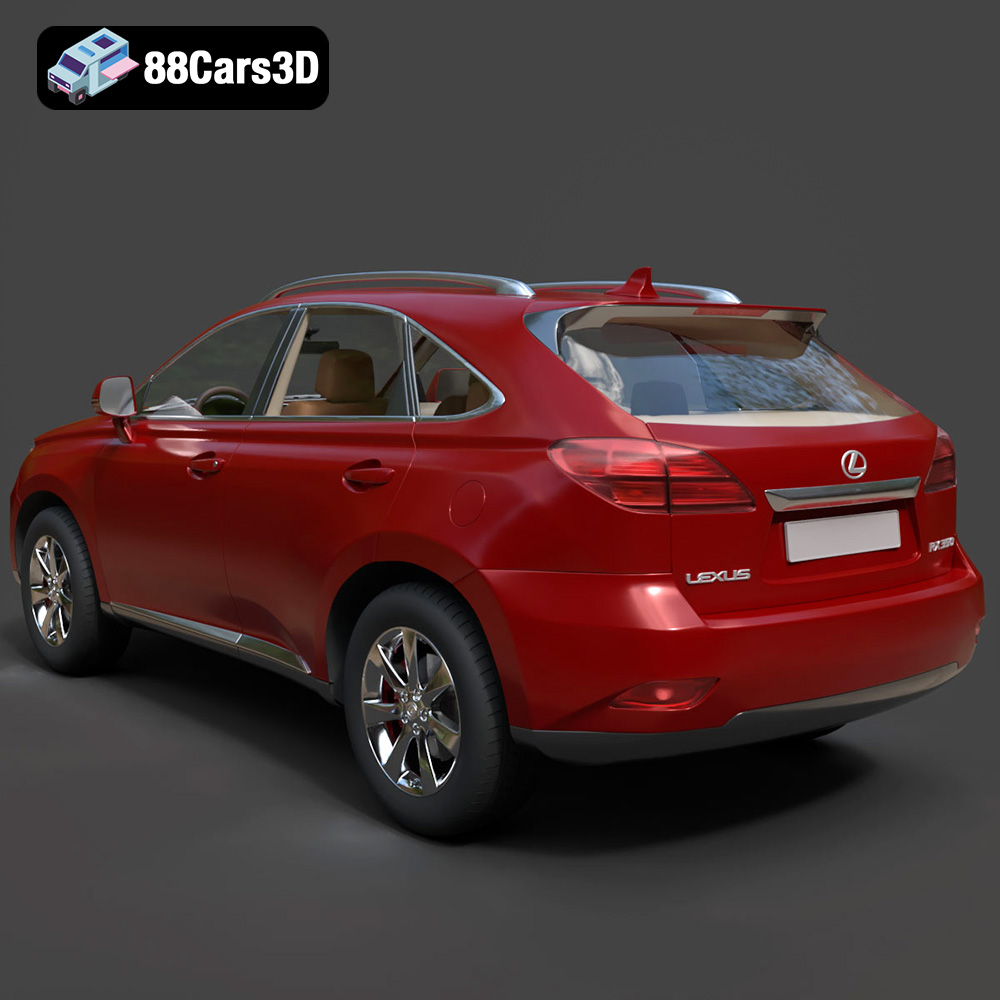
Today, we’ll explore the intricate journey of a premium 3D vehicle asset, exemplified by the Lexus RX350 2010 3D Model. This model serves as an excellent case study for understanding the balance between high visual fidelity and game-ready optimization, making it suitable for a wide array of professional applications, from detailed automotive rendering to immersive game assets. We’ll delve into the technical specifications, workflow considerations, and the expansive creative potential unlocked by such a high-caliber asset.
The digital age has transformed how we perceive and interact with automobiles long before they ever hit the showroom floor. High-quality 3D car models are the bedrock of this transformation, enabling everything from early design conceptualization to marketing campaigns and interactive user experiences. Their significance spans multiple industries, each with unique demands and technical requirements.
For automotive designers and marketers, rendering is about more than just showcasing a vehicle; it’s about telling a story, evoking emotion, and conveying the essence of a brand. This requires 3D car models that can hold up under intense scrutiny, featuring accurate reflections, precise material definitions, and flawless geometry. Details like the intricate stitching on leather seats, the subtle metallic flake in paint, or the refractive qualities of headlamp glass can make or break a render’s believability. A high-fidelity model, such as the Lexus RX350 2010, provides the robust foundation needed to achieve photorealistic results, allowing artists to focus on lighting and composition rather than wrestling with mesh imperfections.
In game development and real-time applications like AR/VR, 3D car models function as game assets that must perform flawlessly within strict computational budgets. This necessitates a delicate balance between visual quality and performance optimization. A game-ready model must have an efficient polycount, properly baked textures (if applicable), and logically grouped components for animation. The goal is to deliver immersive visual experiences without sacrificing frame rates. The Lexus RX350 2010 3D model, with its optimized ~200k triangles, exemplifies this balance, offering impressive detail while ensuring smooth performance in demanding real-time environments.
Navigating the landscape of 3D modeling often means understanding a plethora of file formats, each with its strengths, weaknesses, and ideal use cases. Choosing the right format is critical for ensuring compatibility, preserving data integrity, and optimizing workflows across different software and platforms. The Lexus RX350 2010 3D Model, available on 88cars3d.com, offers a comprehensive suite of formats, ensuring maximum flexibility for any project.
The .blend format is the native file type for Blender, an increasingly popular open-source 3D creation suite. When you receive a .blend file, you’re getting the complete scene data, including all meshes, materials, textures, lighting setups, cameras, and even animation data. This format is ideal for users who primarily work in Blender and require full editability. It allows for deep customization, tweaking of shaders, re-rigging, or modifying the mesh topology. For a model like the Lexus RX350 2010, the .blend file would provide the foundational setup for any advanced work within Blender, ensuring that all aspects of the model are accessible and modifiable for detailed automotive rendering or game asset preparation.
.fbx (Filmbox) is an industry-standard proprietary file format developed by Autodesk, known for its excellent support for inter-application data exchange. It’s particularly favored in game development for engines like Unreal Engine and Unity due to its robust support for meshes, materials (often as basic assignments, with complex shaders needing recreation), animations, bones, and even cameras and lights. When importing an .fbx, developers typically receive a clean, ready-to-use asset that transfers well across different 3D software packages. For the Lexus RX350 2010, the .fbx version would be the go-to for direct import into game engines, preserving the model’s geometry and basic material assignments, ready for engine-specific shader creation and collision setup.
The .obj (Wavefront OBJ) format is one of the most widely supported and universal 3D file formats. It’s known for its simplicity, storing only geometry data (vertices, normals, UVs) and material definitions (via an accompanying .mtl file). While it doesn’t support animation or rigging, its widespread compatibility makes it a safe choice for transferring static models between virtually any 3D software. If you’re working in a less common application or need a basic mesh for re-topology or sculpting, the .obj version of the Lexus RX350 2010 would provide a clean, robust starting point without extraneous data, perfect for foundational mesh work or archival purposes.
.glb (GL Transmission Format Binary) is an increasingly important format for modern web-based and real-time applications. It’s the binary version of glTF, designed to be a compact, efficient, “runtime-neutral” format that delivers 3D models and scenes with materials, textures, and animation. Its single-file nature (embedding textures and other data) makes it incredibly convenient for AR/VR experiences, online 3D viewers, and mobile applications where file size and loading speed are critical. The .glb version of the Lexus RX350 2010 would be perfect for virtual showrooms on websites, augmented reality car configurators, or social media filters, providing a lightweight yet visually appealing representation.
.stl (Stereolithography) is the de-facto standard for 3D printing. It represents a 3D model as a collection of unconnected triangles, defining only the surface geometry without color, texture, or material information. While simplistic, its universal acceptance by 3D printers and slicing software makes it indispensable for physical prototyping or creating scale models. The Lexus RX350 2010’s .stl output is crucial for hobbyists or professionals looking to produce physical replicas, adhering to specified print settings for optimal results. This format translates the digital model into a tangible object, a testament to the model’s geometric accuracy.
The .ply (Polygon File Format) is another common format for storing 3D data, particularly popular in academic and research contexts for storing 3D scanner data, point clouds, and polygon meshes. It supports properties like color, transparency, and normal vectors for vertices and faces. While less prevalent in general 3D art workflows than .fbx or .obj, it offers a robust solution for transferring precise geometric data, often used in CAD applications, scientific visualization, or specific rendering pipelines that demand detailed mesh information for analysis or simulation. For highly specialized technical applications of the Lexus RX350 2010, the .ply format ensures geometric integrity.
While not a universal file extension in the same vein as .fbx or .obj, an “.unreal” file often refers to an asset specifically packaged or optimized for direct import into Unreal Engine projects, sometimes implying an existing UAsset or a specific structure that streamlines integration. This typically means the model has already been processed for optimal performance within the engine, potentially with collision meshes, LODs (Levels of Detail), and basic material setups pre-configured. The Lexus RX350 2010, being a game-ready asset, having an .unreal variant indicates that it’s prepped to hit the ground running within an Unreal project, minimizing setup time for developers and artists.
The .max format is the native file type for Autodesk 3ds Max, a powerful 3D modeling, animation, and rendering software widely used in architectural visualization, game development, and film. A .max file contains the complete scene, including geometry, modifiers, materials, textures, lights, cameras, and animation data. It offers full editability within 3ds Max, allowing users to leverage the software’s extensive toolset for advanced rendering setups, complex animations, or integrating the vehicle into architectural scenes. The .max file for the Lexus RX350 2010 would provide a perfect foundation for high-end rendering projects, allowing artists to utilize V-Ray, Corona, or Arnold renderers with intricate material and lighting adjustments.
The Lexus RX350 2010 stands as a benchmark for luxury crossover SUVs, and its 3D model from 88cars3d.com meticulously captures this essence. This model is not merely a visual representation; it’s a technically sound asset engineered for a broad spectrum of professional applications, prioritizing both aesthetic detail and computational efficiency.
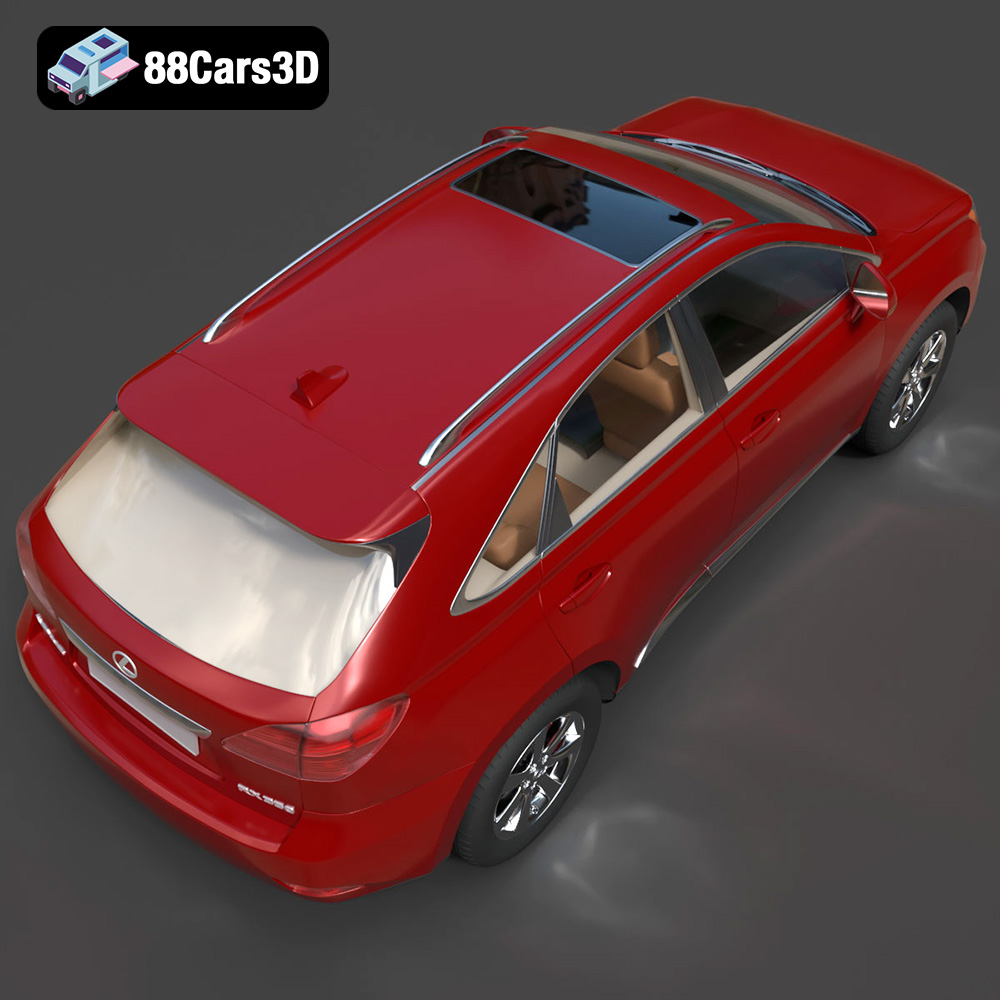
The exterior of the Lexus RX350 2010 3D model showcases an accurate representation of the vehicle’s frame geometry and elegant crossover proportions. Every sweeping line and distinctive feature, from the front grille to the aerodynamic profile, is faithfully recreated. Beyond static beauty, the model is built for dynamic realism. It includes a detailed V6 engine bay, integrated dual exhaust outlets with realistic chrome finishing, and accurately modeled projector-beam headlamps and clear-lens LED taillights. A critical technical advantage is the inclusion of separate wheels, independent suspension layout, and steering components, all with proper pivot setups. This thoughtful segmentation is paramount for animators who need to simulate realistic steering, wheel rotation, and suspension travel, essential for believable automotive rendering and game mechanics.
Stepping inside the virtual Lexus RX350 2010, the attention to detail continues. The cockpit features plush leather-appointed seating and luxury upholstery, a multifunction steering wheel, and a precise steering column setup. The driver instrument cluster is meticulously detailed with realistic gauge placement, complementing an accurate center console with an infotainment screen, shifter, and control knobs. This level of interior fidelity is crucial for first-person POV experiences in gaming and virtual reality, where immersion is key. Importantly, the interior geometry is optimized, ensuring that while highly detailed, it remains efficient for real-time rendering, avoiding unnecessary polygon expenditure that could hinder performance.
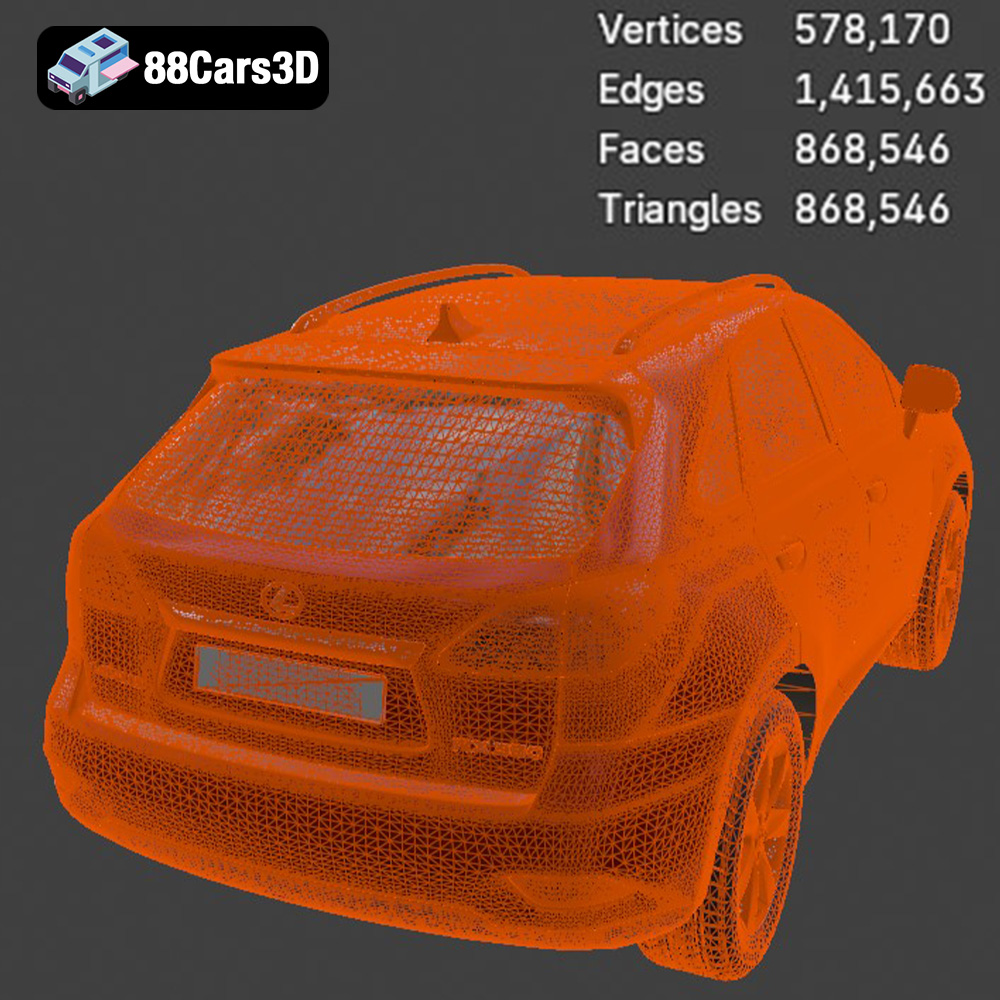
The Lexus RX350 2010 3D model strikes an excellent balance between visual realism and performance. With approximately 200k triangles, it is designated as “game-ready” and optimized for real-time engines like Unreal and Unity. This polycount ensures that the model maintains high-end visual fidelity without compromising frame rates, a critical factor for interactive applications. Furthermore, the model boasts real-world scale accuracy, based on actual vehicle chassis dimensions. This precision is vital for architectural visualizations, virtual dealership showrooms, or any scenario where the vehicle needs to integrate seamlessly into an existing environment. The proper pivot setup for steering, wheel rotation, and suspension travel reiterates its readiness for complex animation and simulation tasks, solidifying its place as a versatile and robust 3D car model.
The versatility of the Lexus RX350 2010 3D Model lies in its robust design and comprehensive file format support, allowing it to seamlessly integrate into various professional workflows. Whether you’re a 3D generalist, a game developer, or an architectural visualizer, this model provides a solid foundation.
For artists working with industry-standard software, the included .blend and .max files are invaluable. In Blender, users gain full control over every aspect of the Lexus RX350 model. They can dive into the shader editor to refine the materials, adjust the intricate metallic flakes in the paint, or create custom wear and tear effects. Blender’s robust rendering engines like Cycles and Eevee can produce stunning photorealistic or stylized renders, ideal for marketing visuals or cinematic shorts. Similarly, 3ds Max users can leverage the .max file to integrate the vehicle into complex scenes, perhaps an urban architectural visualization or a studio light setup. With renderers like V-Ray or Corona, artists can achieve unparalleled realism, customizing reflections, refractions, and global illumination to make the car truly pop. The segmented components (wheels, suspension, steering) facilitate advanced rigging for realistic vehicle dynamics or complex animation sequences within these powerful software suites.
Game developers and AR/VR creators will find the .fbx and .unreal (or highly optimized .fbx with Unreal-ready structure) formats particularly useful. Importing the Lexus RX350 2010 into Unreal Engine or Unity is a straightforward process. The optimized ~200k triangle polycount ensures that the model runs efficiently in real-time environments, maintaining high frame rates crucial for immersive experiences. Developers can quickly set up advanced materials using the engines’ node-based shader systems, recreating the car’s luxurious finishes. Physics assets can be generated for realistic vehicle handling, and the separate, pivot-ready components make it simple to implement drivable mechanics, full steering, and suspension simulations. This model is a prime example of a “game asset” that drastically reduces development time for realistic automotive integration.
Beyond digital rendering and real-time interaction, the Lexus RX350 2010 3D Model offers utility for tangible outputs. The inclusion of the .stl format opens up possibilities for 3D printing. Hobbyists and professionals alike can produce physical scale models, perhaps for display or as part of a physical design review process. The detailed print settings provided (recommended scale, layer height, supports, post-processing) guide users through creating high-quality physical replicas. Whether it’s for a luxury lifestyle architectural visualization, a virtual dealership showroom, or a display-scale model, this 3D car model proves its versatility across a spectrum of creative and technical demands.
The practical applications of a meticulously crafted 3D car model like the Lexus RX350 2010 are extensive, spanning numerous creative industries. Its technical precision and aesthetic fidelity unlock a wealth of opportunities for professional projects.
In the evolving landscape of automotive sales and marketing, virtual showrooms and interactive configurators are becoming indispensable. Imagine a potential buyer exploring the Lexus RX350 2010 in a photorealistic 3D environment, able to rotate the vehicle, open doors, inspect the detailed interior, and even change exterior colors and wheel options in real-time. The optimized geometry and clean topology of this 3D model make it perfect for such interactive experiences, often powered by Unreal Engine or Unity, and deployed via web browsers (using .glb) or dedicated AR/VR applications. This creates an immersive pre-purchase experience, enhancing customer engagement and reducing the need for physical inventory on display.
For advertising agencies and film production houses, high-quality 3D car models are crucial for creating stunning visual effects and captivating narratives. The Lexus RX350 2010 3D model can be placed into various digital environments, from bustling cityscapes to serene landscapes, without the logistical challenges and costs associated with real-world car shoots. Directors can create impossible camera angles, simulate dynamic driving sequences, or craft visually striking beauty shots for commercials. The model’s detailed engine bay and refined exterior surfaces allow for close-up renders that rival live-action footage, making it an invaluable asset for impactful automotive rendering campaigns and cinematic storytelling.
The game-ready nature of the Lexus RX350 2010 3D model is its strongest suit for game developers. In racing titles, open-world adventures, or urban driving simulators, this vehicle can serve as a highly realistic drivable asset or a background prop that enhances environmental believability. Its optimized polycount ensures smooth performance, while the separate, animatable components (wheels, suspension, steering) provide the foundation for advanced physics and control systems. Developers can quickly integrate it into their game worlds, populating virtual cities with authentic traffic or allowing players to experience the luxury of driving a classic Lexus, elevating the overall immersion and gameplay experience.
A truly professional 3D car model isn’t just about static perfection; it’s about the flexibility it offers for customization and artistic expression. The Lexus RX350 2010 3D model is designed with this in mind, providing artists and developers with the tools to tailor it to their specific project needs.
The ability to customize materials is paramount for achieving diverse visual styles. With the Lexus RX350 2010 model, artists can effortlessly change body colors, from classic Starfire Pearl or Obsidian to custom wraps that reflect unique brand identities or artistic visions. Modifying tire textures—switching between all-season and winter variants—adds another layer of realism depending on the simulated environment. Furthermore, adjusting material finishes (matte, gloss, metallic) allows for fine-tuning the vehicle’s appearance under various lighting conditions. This flexibility ensures that the car looks its best, whether it’s bathed in the warm glow of a sunset, under the harsh light of a studio render, or integrated into a dark, atmospheric game level. This granular control over materials is essential for high-end automotive rendering.
For those venturing into 3D printing, customization extends beyond digital realms. The provided guidelines for post-processing the physical Lexus RX350 2010 model are crucial. After printing, meticulous sanding prepares the surface for a primer coat, essential for achieving a smooth, professional finish. The recommendation for authentic factory colors with metallic finishes allows for a faithful reproduction of the vehicle’s original luxury appeal. This attention to detail in post-processing ensures that the physical 3D print mirrors the high quality of its digital counterpart, offering a tangible representation of a truly premium 3D car model.
The journey through the world of high-quality 3D car models reveals a fascinating intersection of technical precision and artistic potential. From the exacting demands of automotive rendering to the performance-critical requirements of game assets, a well-crafted 3D vehicle is an indispensable tool in today’s digital landscape. The comprehensive file format support, optimized geometry, and meticulous detailing of the Lexus RX350 2010 3D Model exemplify the pinnacle of what professionals expect from a premium asset.
Whether you are a seasoned 3D artist seeking a photorealistic vehicle for a cinematic render, a game developer in need of a performant and visually rich car for an open-world title, or an architect integrating a luxury SUV into a visualization, this model provides the robust foundation you need. Its versatility across platforms and applications, coupled with its game-ready optimization and animation potential, makes it an intelligent investment for any project. Explore this exceptional 3D car model and more premium vehicle assets at 88cars3d.com, where quality and technical excellence drive creative innovation.
The Lexus RX350 2010 is a definitive representation of the luxury crossover SUV segment, bringing together refined elegance, advanced comfort, and robust versatility. Showcasing Lexus’s signature L-finesse design philosophy, this model features sweeping lines, a distinctive front grille, and an aerodynamic profile that masterfully blends the ruggedness of an SUV with the smooth styling of a premium sedan.
This 3D model is meticulously crafted to deliver exceptional visual fidelity while maintaining an optimized topology of approximately 200k triangles. Engineered for game-ready performance, it is perfectly suited for real-time applications such as game development, AR/VR experiences, and high-end automotive visualization without compromising on frame rates or rendering speeds.
Perfect for urban driving simulations, luxury lifestyle architectural visualizations, virtual dealership showrooms, and cinematic renders.
.blend, .fbx, .obj, .glb, .stl, .ply, .unreal, .max
Tags:
lexus, rx350, 2010, luxury-suv, crossover, suv, game-ready, low-poly, optimized, car-3d-model, vehicle-3d-model, game-asset, rendering, vr-ar, blend, fbx, obj, glb, stl, ply, unreal, maxBMW 328 Mille Miglia Touring Coupe 3D Model 3D Printable STL
$39.99
.2010
.blend
.crossover
.fbx
.glb
.lexus
.luxury suv
.max
.obj
.ply
.rendering
.stl
.unreal
car-3d-model
game asset
game-ready
low-poly
optimized
rx350
SUV
vehicle-3d-model
VR/AR