Get 20% OFF All Premium 3D & STL Models!

“`html
For automotive enthusiasts, model makers, and 3D printing hobbyists, the ability to create stunningly detailed vehicle models is a dream come true. With the rise of affordable and capable 3D printers, that dream is now a reality. However, achieving truly exceptional results requires careful consideration of the printer technology, its specifications, and its suitability for printing complex geometries. This comprehensive guide will explore the best 3D printers for detailed vehicle models, covering both FDM (Fused Deposition Modeling) and resin-based technologies, essential printer settings, and techniques for optimizing your prints. Whether you’re a seasoned pro or just starting out, this guide will equip you with the knowledge to create breathtaking 3D printed car models.
We’ll delve into the nuances of STL file preparation, slicing parameters, support structure generation, and post-processing techniques. We’ll also examine common printing failures and how to troubleshoot them, ensuring that your projects are successful from start to finish. Finally, we’ll discuss material selection and printer maintenance, helping you choose the right materials for your project and keep your printer running smoothly.
FDM printers are the most common type of 3D printer, known for their versatility and affordability. While they might not achieve the same level of fine detail as resin printers out-of-the-box, with careful calibration and optimized settings, they can produce impressive results, especially for larger vehicle models. FDM printers work by melting and extruding thermoplastic filaments layer by layer, building up the object from the bottom up.
The nozzle size is a critical factor in determining the level of detail an FDM printer can achieve. A smaller nozzle allows for finer details to be printed. While a 0.4mm nozzle is standard, consider using a 0.25mm or even a 0.2mm nozzle for highly detailed car models. Similarly, layer height directly affects print resolution. Lower layer heights (e.g., 0.08mm to 0.12mm) produce smoother surfaces and capture finer details compared to higher layer heights (e.g., 0.2mm or 0.3mm). However, lower layer heights significantly increase print time. Finding the right balance between detail and print time is crucial. For example, printing a classic car model with a 0.2mm nozzle and 0.1mm layer height can take 20-30 hours, but the resulting detail will be far superior to a print with a 0.4mm nozzle and 0.2mm layer height.
The choice of filament material also plays a significant role. PLA (Polylactic Acid) is a popular choice for its ease of printing and biodegradability. It’s ideal for aesthetic models and prototypes. PETG (Polyethylene Terephthalate Glycol) offers improved strength and temperature resistance compared to PLA, making it suitable for functional parts and models that might be exposed to higher temperatures. ABS (Acrylonitrile Butadiene Styrene) is known for its durability and impact resistance, but it requires higher printing temperatures and is prone to warping. When printing car models, consider using PETG for components that require strength and PLA for purely cosmetic parts. For ABS, an enclosed printer is almost a necessity to control temperature and prevent warping.
Resin printers, specifically SLA (Stereolithography), DLP (Digital Light Processing), and MSLA (Masked Stereolithography), are renowned for their ability to produce incredibly detailed prints. They use liquid resin that is cured by UV light, layer by layer. Resin printers excel at capturing intricate details and smooth surfaces, making them ideal for smaller, highly detailed vehicle models. Platforms like 88cars3d.com often see their detailed models printed with resin for this very reason.
Resin printers are characterized by their XY resolution and layer height. XY resolution refers to the smallest feature size that can be accurately reproduced in the X and Y axes, while layer height determines the resolution in the Z axis. Higher XY resolution and lower layer heights result in finer details. MSLA printers, with their masked LCD screens, offer excellent resolution at a more affordable price point compared to SLA and DLP printers. Aim for a printer with an XY resolution of 50 microns or less and a layer height of 0.025mm to 0.05mm for exceptional detail. For example, a resin printer with a 35-micron XY resolution can accurately reproduce minute details like panel lines and door handles on a 1:24 scale car model.
The type of resin used also impacts the final result. Standard resins are suitable for general-purpose printing, offering good detail and surface finish. Tough resins provide increased strength and impact resistance, making them ideal for parts that need to withstand stress. Flexible resins allow for printing parts with some degree of flexibility. For car models, consider using a tough resin for the chassis and suspension components and a standard resin for the body panels and interior details. When using different resin types, ensure they are compatible with your printer and that you adjust the exposure settings accordingly. For example, tough resins typically require longer exposure times than standard resins.
Slicing software is used to convert 3D models into a series of instructions that the 3D printer can understand. Proper slicing parameters are crucial for achieving optimal print quality. Whether you are using Cura, PrusaSlicer, or Chitubox, understanding these settings can drastically improve your results.
Support structures are necessary to support overhangs and bridges during the printing process. However, they can also leave marks on the printed surface. The goal is to generate supports that are strong enough to provide adequate support but also easy to remove without damaging the model. In FDM printing, consider using tree supports, which are more efficient and leave fewer marks compared to linear supports. In resin printing, experiment with different support densities and tip sizes to find the optimal balance. For instance, a 0.5mm tip size and 50% density might be suitable for supporting the roof of a car model. When generating supports, pay close attention to areas with fine details, such as the grille or the side mirrors, and try to minimize the number of supports in these areas. You can also manually edit the support structures to fine-tune their placement and density.
Infill density determines the amount of material used inside the model. Higher infill densities result in stronger but heavier and more time-consuming prints. For car models, an infill density of 15-25% is usually sufficient for most parts. Experiment with different infill patterns, such as gyroid, honeycomb, or rectilinear, to find the best balance between strength and weight. For parts that require high strength, such as the chassis or suspension components, consider using a higher infill density (e.g., 50%) and a more robust infill pattern, such as gyroid. For purely cosmetic parts, a lower infill density (e.g., 10%) and a simpler infill pattern, such as rectilinear, may suffice. Also, for FDM printing, ensure that the top layers are sufficient to completely cover the infill for a smooth surface. This might require increasing the top layer thickness to 4-6 layers.
Post-processing is the process of cleaning, refining, and finishing the 3D printed model after it has been printed. This step is essential for achieving a professional and polished look.
Careful support removal is crucial to avoid damaging the model. Use specialized tools, such as flush cutters or hobby knives, to carefully remove the supports. For FDM prints, use a heat gun to soften the supports before removing them. For resin prints, soak the model in warm water to soften the supports. After removing the supports, sand the model to smooth out any imperfections or support marks. Start with a coarse grit sandpaper (e.g., 220 grit) and gradually move to finer grits (e.g., 400 grit, 600 grit, 800 grit) for a smooth finish. Wet sanding can also help to achieve a smoother surface. When sanding, be careful not to remove too much material, especially in areas with fine details. Platforms such as 88cars3d.com often design their models with support removal in mind, but careful execution is still key.
Priming is essential for creating a smooth and uniform surface for painting. Apply a thin coat of primer and let it dry completely before sanding it lightly with fine-grit sandpaper. Painting allows you to add color and realism to the model. Use acrylic paints or enamel paints, and apply multiple thin coats for the best results. After painting, apply a clear coat to protect the paint and add a glossy or matte finish. You can use spray paint or an airbrush for painting and clear coating. An airbrush provides more control and allows for finer details, but it requires more skill and equipment. For car models, consider using automotive paints for a durable and realistic finish. These paints are designed to withstand the elements and provide a high-quality appearance. Also, masking is crucial for multi-color paint jobs. Use high-quality masking tape to protect areas that you don’t want to paint.
Even with careful planning and execution, printing failures can occur. Understanding the common causes of these failures and how to troubleshoot them is essential for successful 3D printing.
Warping occurs when the printed part detaches from the build plate during printing. This is a common problem with FDM printers, especially when printing with ABS. To prevent warping, ensure that the build plate is clean and level. Use a bed adhesion aid, such as glue stick, hairspray, or blue painter’s tape. Increase the bed temperature and use a brim or raft to increase the contact area between the part and the build plate. Also, ensure that the printer is in a draft-free environment. For resin printers, bed adhesion issues are less common, but they can still occur. Ensure that the build plate is clean and properly calibrated. You can also try scuffing the build plate with sandpaper to increase adhesion. If warping continues to be a problem, try printing a test model to diagnose the issue and adjust the settings accordingly.
Layer shifting occurs when the printed layers are misaligned. This can be caused by loose belts, stepper motor issues, or vibrations. Check the tension of the belts and tighten them if necessary. Ensure that the stepper motors are properly functioning and that there are no obstructions in their movement. Reduce the printing speed and ensure that the printer is placed on a stable surface. Under-extrusion occurs when the printer is not extruding enough material. This can be caused by a clogged nozzle, a low nozzle temperature, or a filament feeding problem. Clean the nozzle and increase the nozzle temperature. Check the filament spool and ensure that it is feeding smoothly. You can also try increasing the extrusion multiplier in the slicing software.
3D printing detailed vehicle models is a rewarding but challenging endeavor. By carefully selecting the right printer, optimizing the slicing parameters, mastering post-processing techniques, and troubleshooting common printing failures, you can create stunningly realistic and detailed models. Whether you choose an FDM printer for its versatility or a resin printer for its unmatched detail, the key is to experiment, learn from your mistakes, and continuously refine your techniques. Remember to start with simpler models and gradually move to more complex ones as you gain experience. When downloading models from marketplaces such as 88cars3d.com, pay attention to the recommended printer type and settings.
The world of 3D printing is constantly evolving, with new printers, materials, and techniques being developed all the time. Stay informed about the latest advancements and don’t be afraid to try new things. With dedication and perseverance, you can master the art of 3D printing vehicle models and create breathtaking works of art. So, fire up your printer, load your favorite filament or resin, and start bringing your dream cars to life!
“`
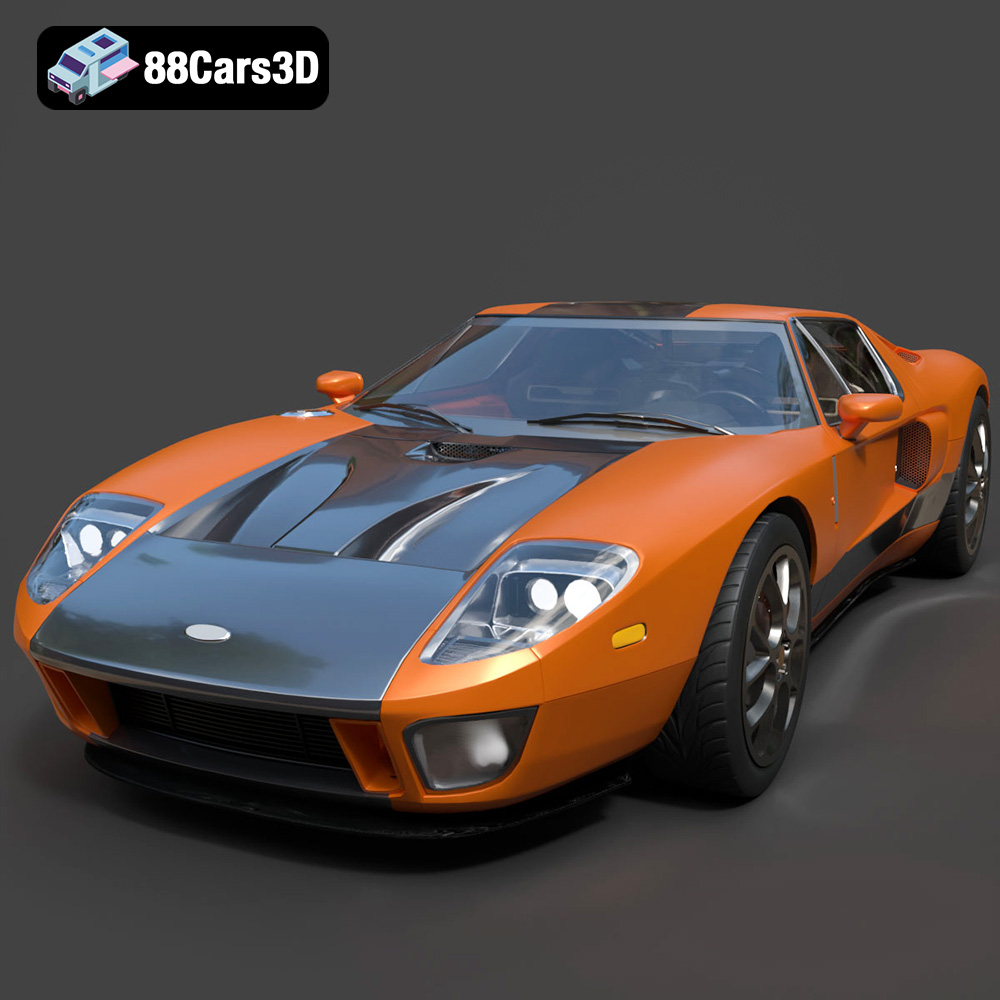
Texture: Yes | Material: Yes
Download the highly detailed, game-ready Ford GT 2005 3D Model. Features signature aerodynamic bodylines, mid-mounted supercharged V8 detailing, and iconic racing stripes. Includes .blend, .fbx, .obj, .glb, .stl, .ply, .unreal, and .max formats for game development, AR/VR, and rendering.
Price: $19.99
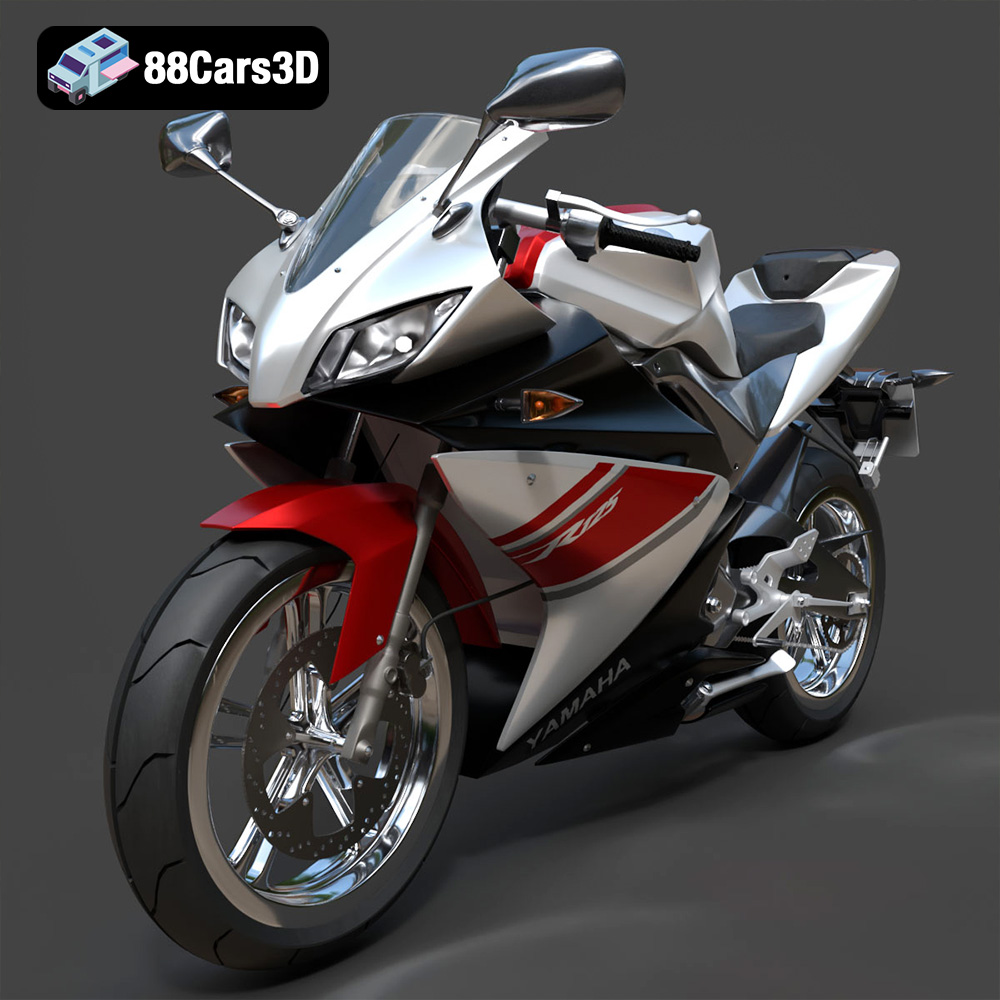
Texture: Yes | Material: Yes
Download the highly detailed, game-ready Yamaha YZF-R125 EU 3D Model. Features an aggressive aerodynamic fairing, twin LED headlights, and a detailed 125cc engine block. Includes .blend, .fbx, .obj, .glb, .stl, .ply, .unreal, and .max formats for game development, AR/VR, and rendering.
Price: $19.99
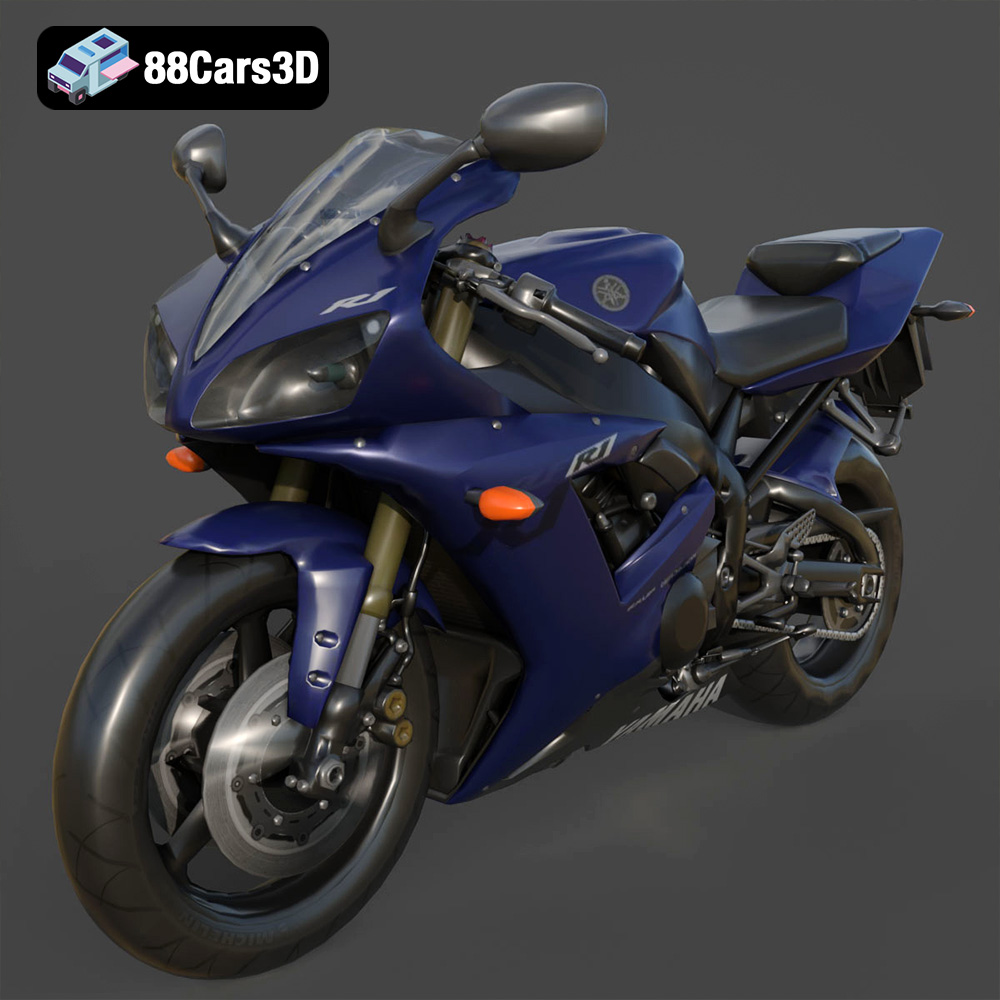
Texture: Yes | Material: Yes
Download the highly detailed, game-ready Yamaha R1 3D Model. Features aggressive aerodynamic fairings, a detailed crossplane inline-4 engine, and track-focused suspension geometry. Includes .blend, .fbx, .obj, .glb, .stl, .ply, .unreal, and .max formats for game development, AR/VR, and rendering.
Price: $19.99
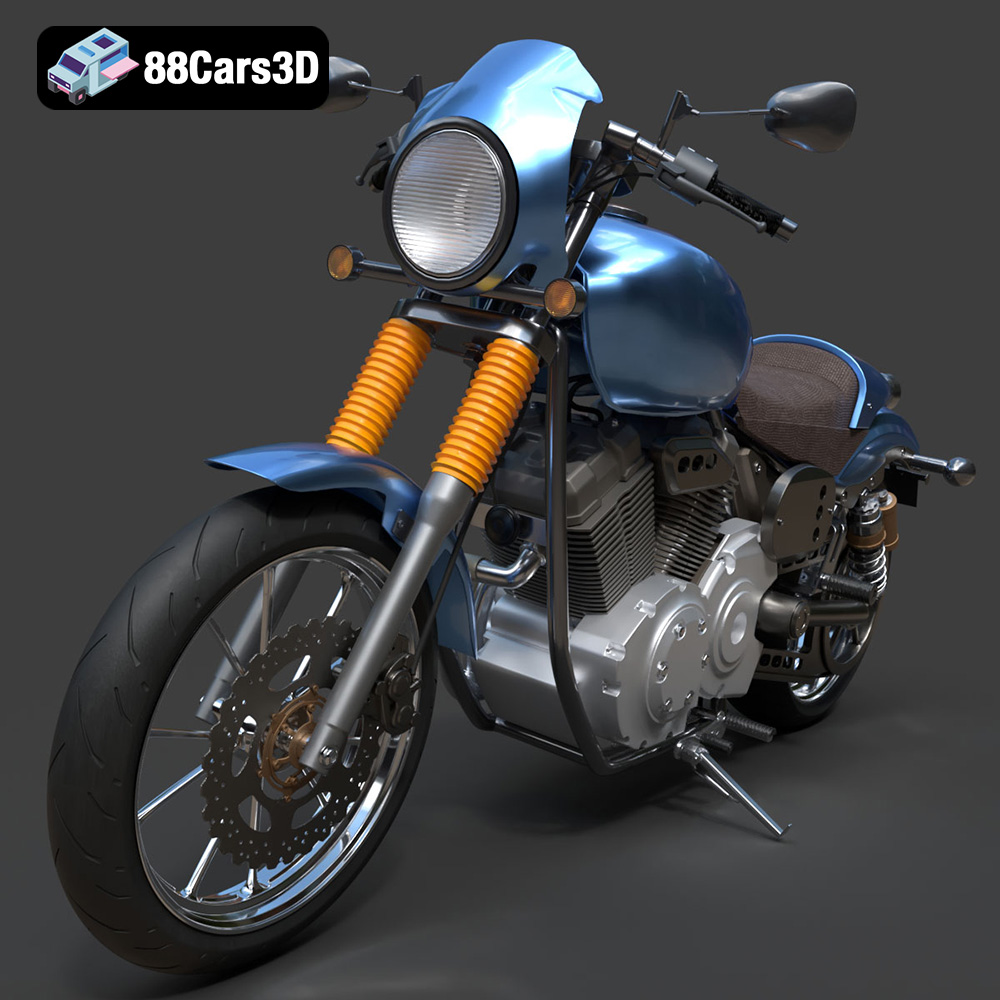
Texture: Yes | Material: Yes
Download the highly detailed, game-ready Yamaha XV950 Racer 3D Model. Features an aggressive cafe-racer front cowl, detailed air-cooled V-twin engine, and classic retro styling. Includes .blend, .fbx, .obj, .glb, .stl, .ply, .unreal, and .max formats for game development, AR/VR, and rendering.
Price: $19.99

Texture: Yes | Material: Yes
Download the highly detailed, game-ready Volvo VNL Tractor Truck 2002 3D Model. Features iconic aerodynamic styling, detailed fifth-wheel coupling, and heavy-duty chassis. Includes .blend, .fbx, .obj, .glb, .stl, .ply, .unreal, and .max formats for game development, AR/VR, and rendering.
Price: $39.99
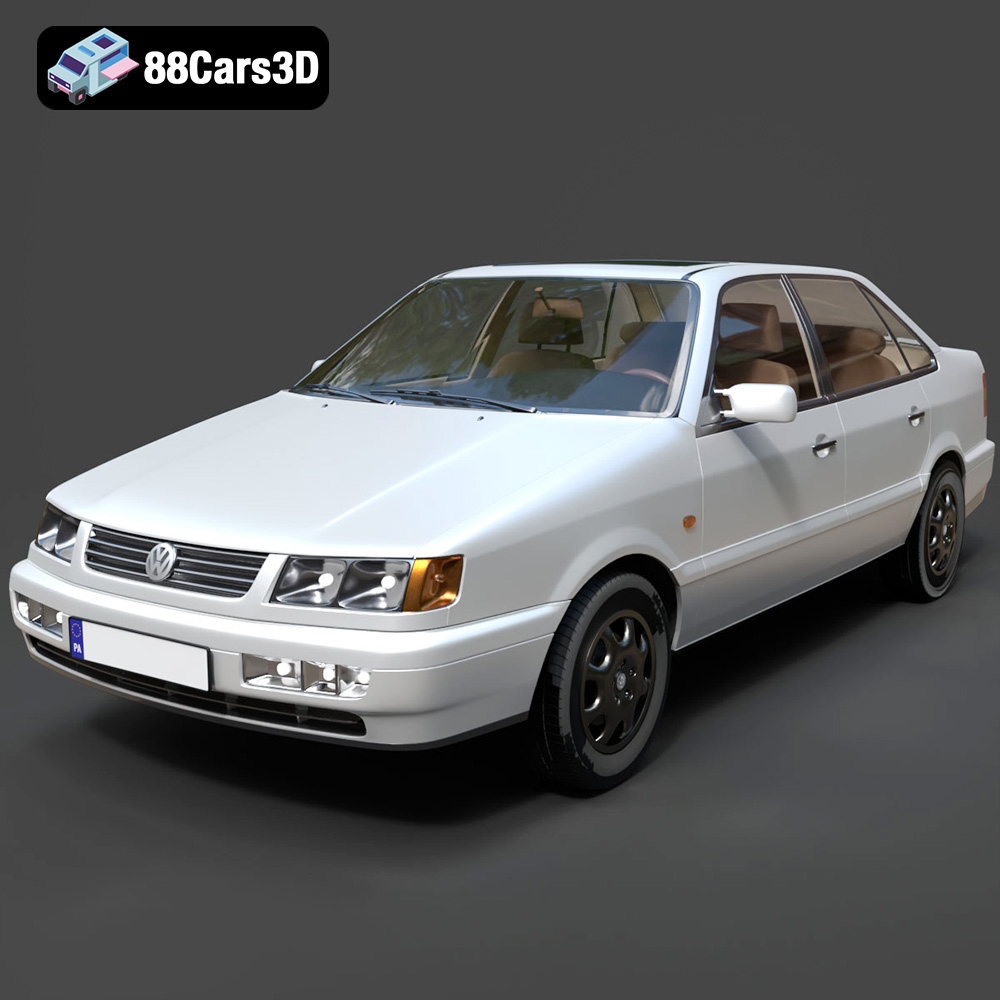
Texture: Yes | Material: Yes
Download the highly detailed, game-ready Volkswagen Passat Mk4 B4 Sedan 1993 3D Model. Features accurate 90s sedan styling, detailed front grille-less fascia, and a classic interior setup. Includes .blend, .fbx, .obj, .glb, .stl, .ply, .unreal, and .max formats for game development, AR/VR, and rendering.
Price: $39.99
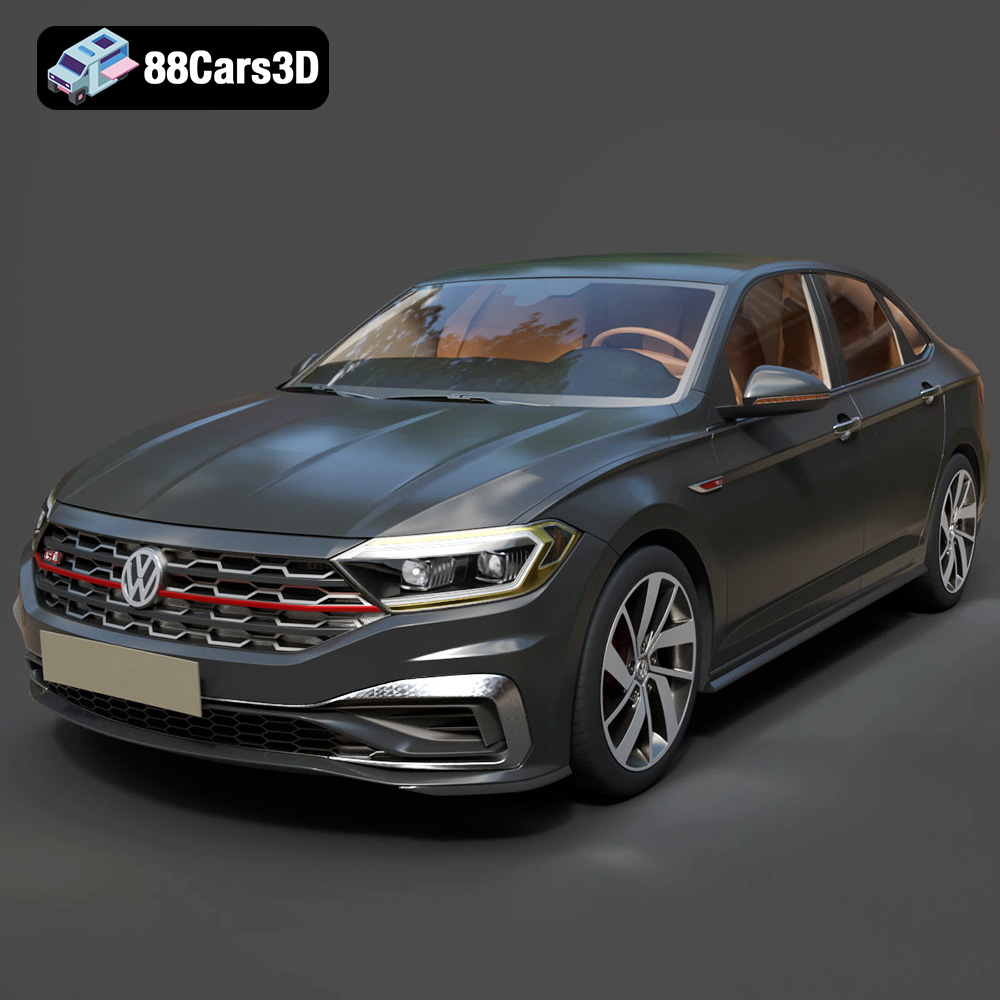
Texture: Yes | Material: Yes
Download the highly detailed, game-ready Volkswagen Jetta GLI 2019 3D Model. Features an aggressive honeycomb grille with red accents, sleek aerodynamic profile, and exclusive GLI sport wheels. Includes .blend, .fbx, .obj, .glb, .stl, .ply, .unreal, and .max formats for game development, AR/VR, and rendering.
Price: $39.99
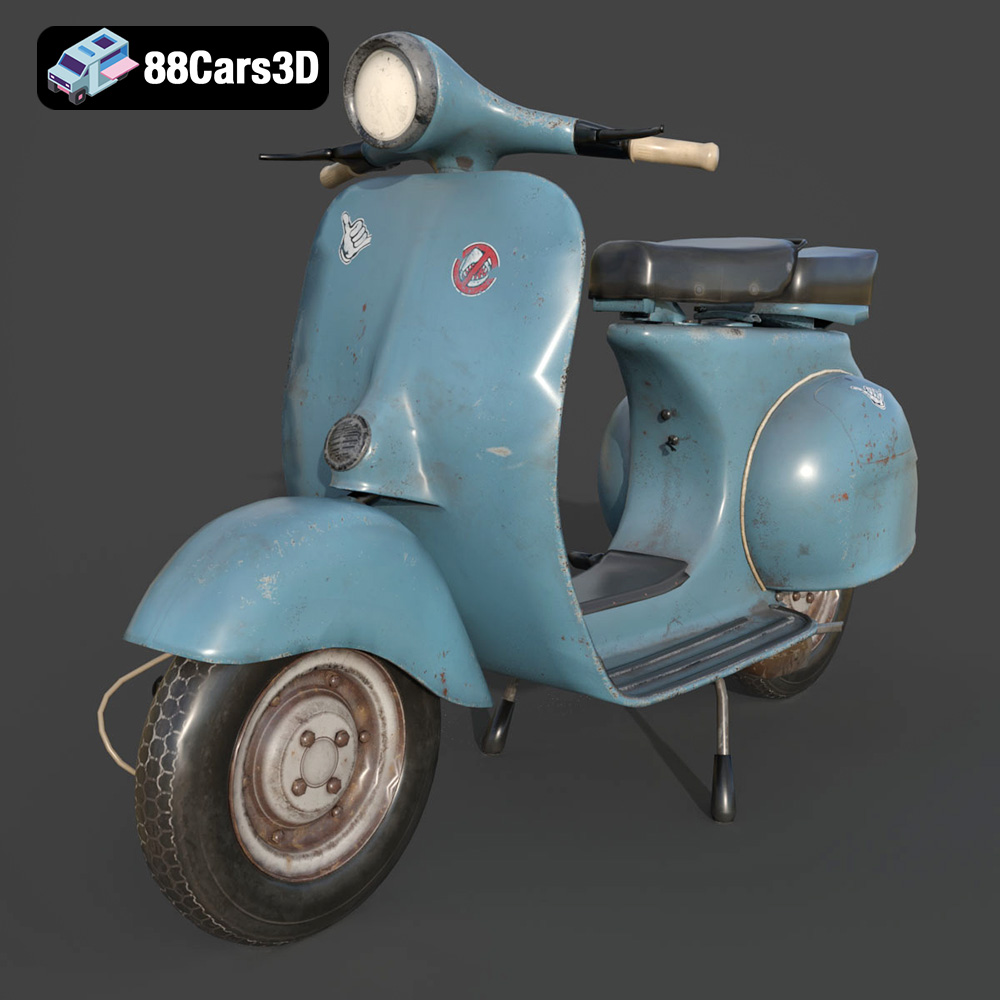
Texture: Yes | Material: Yes
Download the highly detailed, game-ready Vintage Vespa 3D Model. Features iconic rounded monocoque styling, classic saddle, and chrome accents. Includes .blend, .fbx, .obj, .glb, .stl, .ply, .unreal, and .max formats for game development, AR/VR, and rendering.
Price: $39.99

Texture: Yes | Material: Yes
Download the highly detailed, game-ready Vespa GS 150 3D Model. Features elegant aerodynamic curves, classic leg shield, and detailed engine casing. Includes .blend, .fbx, .obj, .glb, .stl, .ply, .unreal, and .max formats for game development, AR/VR, and rendering.
Price: $39.99
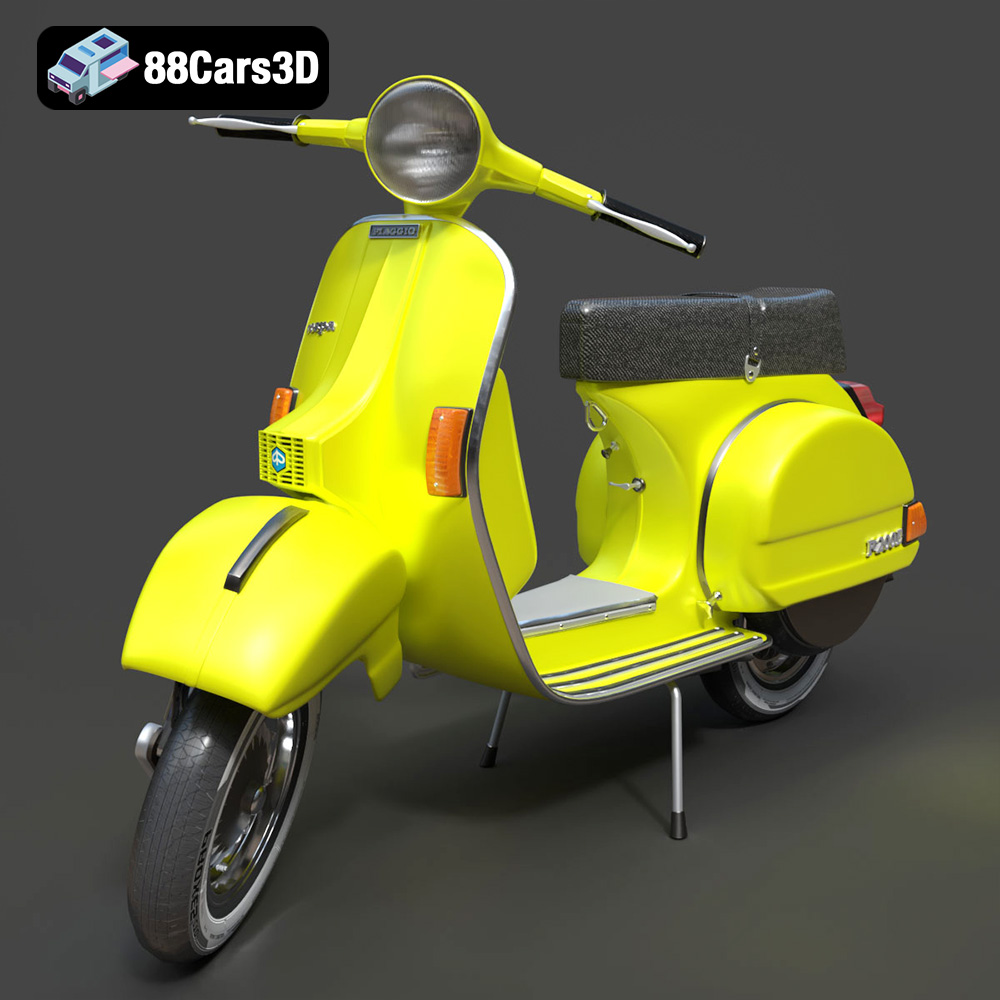
Texture: Yes | Material: Yes
Download the highly detailed, game-ready Vespa P200E 3D Model. Features classic vintage styling, accurate step-through frame geometry, and authentic detailing. Includes .blend, .fbx, .obj, .glb, .stl, .ply, .unreal, and .max formats for game development, AR/VR, and rendering.
Price: $39.99

