Get 20% OFF All Premium 3D & STL Models!

The digital realm has revolutionized how we design, visualize, and interact with vehicles. From blockbuster films and cutting-edge video games to advanced architectural visualizations and interactive AR/VR experiences, high-quality 3D car models are the fundamental building blocks that bring automotive dreams to life. These digital assets are far more than just pretty pictures; they are complex constructs of geometry, textures, and data, meticulously crafted to serve a multitude of professional applications.
For designers, engineers, artists, and developers, the demand for authentic and versatile 3D models continues to grow. A truly exceptional model can drastically cut down production time, elevate visual fidelity, and ensure project success. It’s about more than just aesthetics; it’s about technical precision, optimized performance, and seamless integration into diverse pipelines.
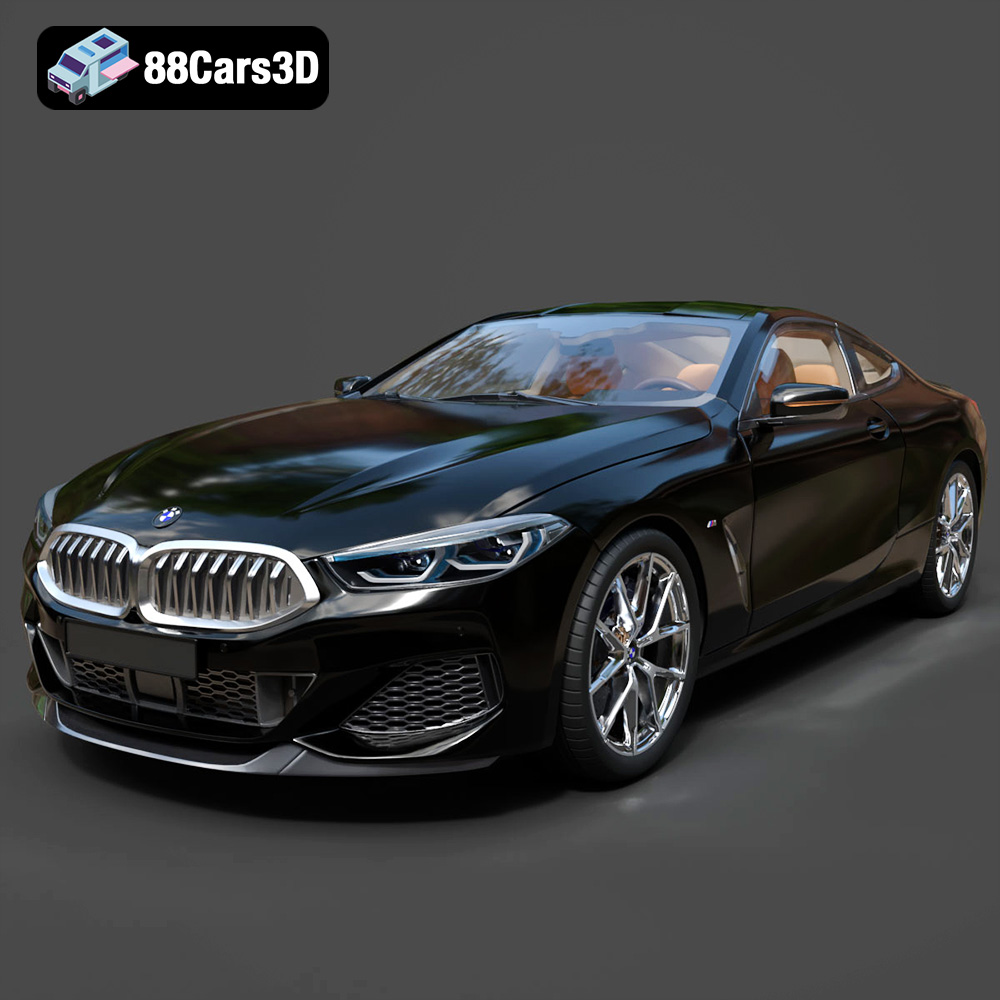
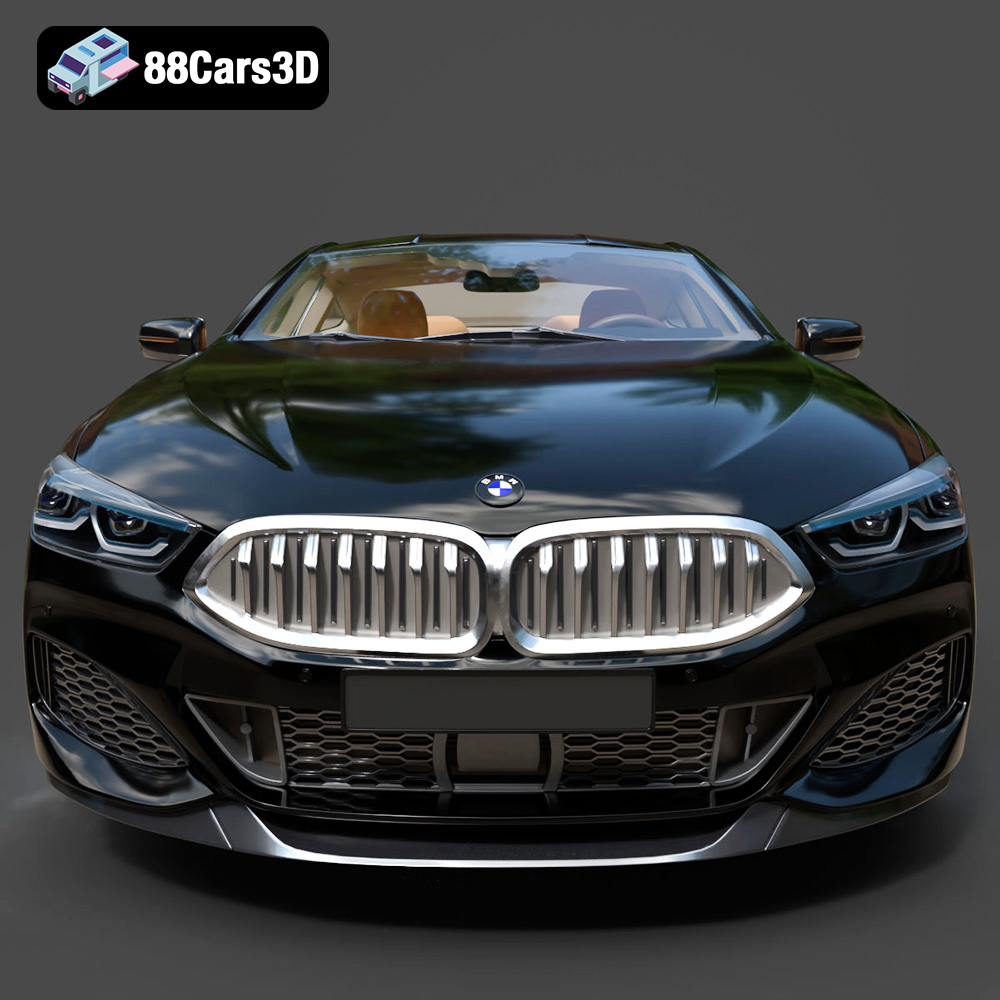
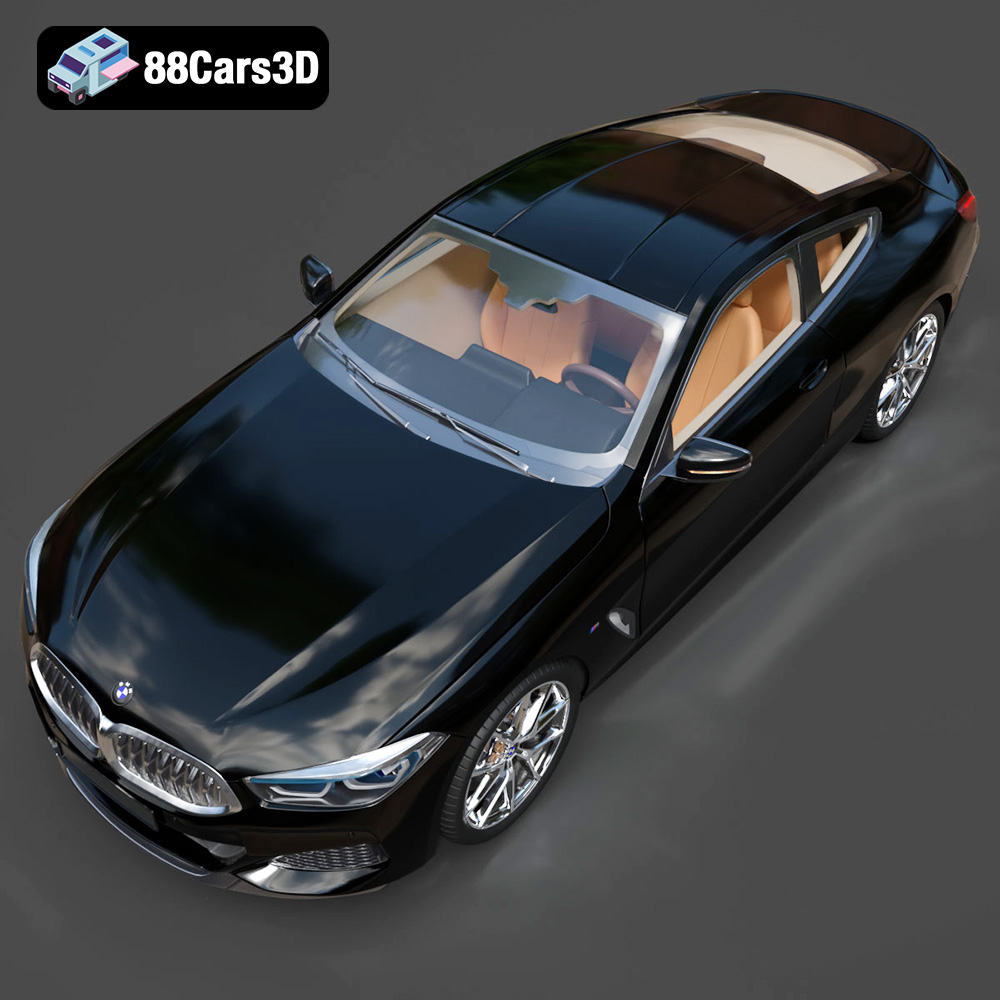
In this comprehensive guide, we’ll delve deep into the world of professional 3D car models, exploring their technical intricacies, popular workflows, and vast applications. We’ll examine what makes a model truly professional-grade and how assets like the BMW 8 Series M850i Coupe 2019 3D Model from 88cars3d.com exemplify the benchmark for quality and versatility in the industry. Whether you’re aiming for a photorealistic automotive rendering or optimizing for real-time game assets, understanding the underlying technology is paramount.
The versatility of a 3D model often hinges on the range and quality of its supported file formats. Each format has its strengths, weaknesses, and preferred use cases, making it crucial for professionals to choose the right one for their specific pipeline. A premium 3D car model, such as the BMW 8 Series M850i Coupe 2019 available on 88cars3d.com, typically offers a comprehensive suite of formats to ensure maximum compatibility and utility across various software and platforms. Let’s explore some of the most common and important formats:
The .blend format is Blender’s native file type, offering a complete snapshot of a Blender project. This includes not just the mesh data, but also materials, textures, lighting setups, cameras, animations, physics simulations, and any modifiers applied to the objects. For artists deeply integrated into the Blender ecosystem, a .blend file is invaluable. It provides maximum editability, allowing for direct manipulation of the model, scene re-lighting, material adjustments, or even animation extensions without losing any project data. This format is perfect for those who want to leverage Blender’s powerful rendering engines like Cycles or Eevee, or modify the 3D car models extensively to fit unique scene requirements.
Autodesk’s .fbx (Filmbox) format is arguably the most widely adopted interchange format in the 3D industry. Its strength lies in its ability to store not only geometric data (meshes, vertices, normals, UVs) but also a wide range of additional information, including skeletal animations, blend shapes, lights, cameras, and basic material properties. This makes it ideal for transferring assets between different 3D software packages (like 3ds Max, Maya, Blender) and, critically, for importing into game engines such as Unreal Engine and Unity. For creating game assets, .fbx is often the go-to format due to its robust support for animation and scene hierarchy, making it indispensable for interactive applications.
The .obj (Wavefront OBJ) format is a universal standard for storing 3D geometry. It’s a relatively simple text-based format that primarily defines the vertices, faces, normals, and UV coordinates of a model. While it can reference external material files (.mtl) for basic color and texture information, it doesn’t natively support advanced materials, rigging, or animations. Despite its simplicity, .obj is incredibly versatile and compatible with virtually every 3D software application. It’s an excellent choice when you need a clean, static mesh for cross-software compatibility, perhaps for initial sculpting, modeling, or simply as a fallback option when more complex formats encounter issues.
.glb (GL Transmission Format Binary) is the binary version of glTF, a royalty-free specification for the efficient transmission and loading of 3D scenes and models by applications. It packages everything into a single file – geometry, materials, textures, animations, and scene hierarchy. Its compact size and optimized structure make it perfect for web-based 3D viewers, augmented reality (AR), virtual reality (VR) experiences, and other real-time browser-based applications where performance and rapid loading are critical. As AR/VR continues to expand, .glb is becoming an increasingly important format for displaying interactive 3D car models.
The .stl (Standard Tessellation Language or Stereolithography) format is the de facto standard for 3D printing. It represents a 3D model as a collection of unconnected triangular facets, without any color, texture, or material information. This simplicity makes it highly effective for defining the surface geometry for additive manufacturing. When preparing a 3D car model for physical output, converting it to .stl is typically the first step. It’s essential that the model’s geometry is “manifold” (watertight) for successful printing, a characteristic often found in high-quality assets.
The .ply (Polygon File Format) is another popular format, especially in scientific computing, 3D scanning, and CAD applications. It can store a wider range of properties than .obj, including color per vertex, surface normals, transparency, and even specific data for individual faces. This makes .ply particularly useful for representing complex scanned data or for applications requiring precise mesh analysis and visualization beyond basic geometry. For specialized visualization or data analysis of a car’s structure, .ply offers a robust solution.
While not a standalone raw file format in the same way as .fbx or .obj, “.unreal” typically refers to assets that have been specifically pre-configured, optimized, and packaged for direct use within Unreal Engine. This usually means the model has been imported as an FBX, had its materials set up with Unreal’s PBR (Physically Based Rendering) system, optimized for collision, LODs (Levels of Detail), and potentially even includes pre-built blueprints or sequences. An .unreal package implies an asset that is ready to be dropped into a scene with minimal setup, making it invaluable for game developers and real-time visualization artists looking to save significant development time. The BMW M850i Coupe 2019 3D Model includes this, signifying its immediate utility for Unreal projects.
Finally, the .max format is the native file type for Autodesk 3ds Max. Like .blend, it contains all the scene data, including geometry, materials (with support for advanced rendering engines like V-Ray or Corona), lighting, cameras, animation, modifiers, and plugin-specific data. For professionals working in architectural visualization, high-end rendering, or automotive design within 3ds Max, a .max file offers complete editability and access to all the original scene components. This allows for deep customization, re-lighting, or integration into complex animation sequences, ensuring maximum flexibility for detailed projects.
The inclusion of such a comprehensive array of formats in the BMW 8 Series M850i Coupe 2019 3D Model highlights its professional-grade quality and commitment to supporting diverse creative pipelines, from high-fidelity automotive rendering to performance-critical game assets.
Photorealistic automotive rendering is an art form that blends technical mastery with an eye for detail. The goal is to create images that are indistinguishable from real-life photographs, capturing every curve, reflection, and material property with stunning accuracy. This process is crucial for advertising, product visualization, and design reviews long before a physical prototype exists.
Modern rendering relies heavily on PBR workflows. This approach simulates how light interacts with surfaces in the real world, leading to more consistent and believable results across different lighting conditions. Key PBR textures include Albedo (base color), Roughness (micro-surface detail), Metallic (how reflective and conductive a surface is), Normal maps (fine surface detail), and Ambient Occlusion (contact shadows). A high-quality 3D car model, like the BMW 8 Series M850i Coupe 2019 from 88cars3d.com, comes equipped with expertly crafted PBR materials, ensuring it looks phenomenal straight out of the box in engines like V-Ray, Corona, or Blender Cycles.
Beyond the model itself, the environment and lighting are paramount to achieving photorealism. Artists carefully craft virtual studios or outdoor scenes, utilizing advanced lighting techniques to highlight the vehicle’s form. This often involves:
With an exceptional base like the BMW M850i Coupe 2019 3D Model, artists can focus more on creative composition and less on correcting flawed geometry or re-texturing, significantly streamlining the rendering process.
The gaming industry and real-time visualization fields demand a unique set of qualities from 3D car models: visual fidelity balanced with strict performance optimization. Game assets need to look great while running smoothly at high frame rates, a challenge that requires thoughtful modeling and texturing practices.
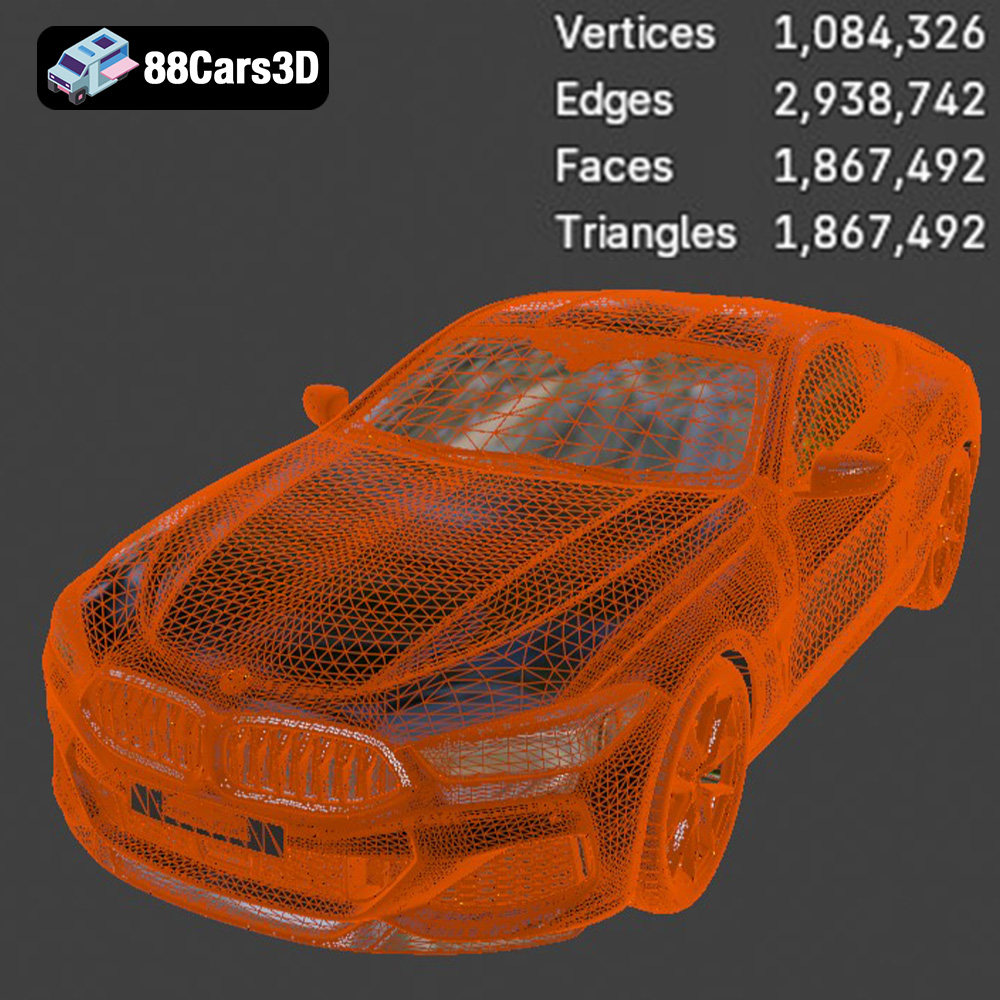
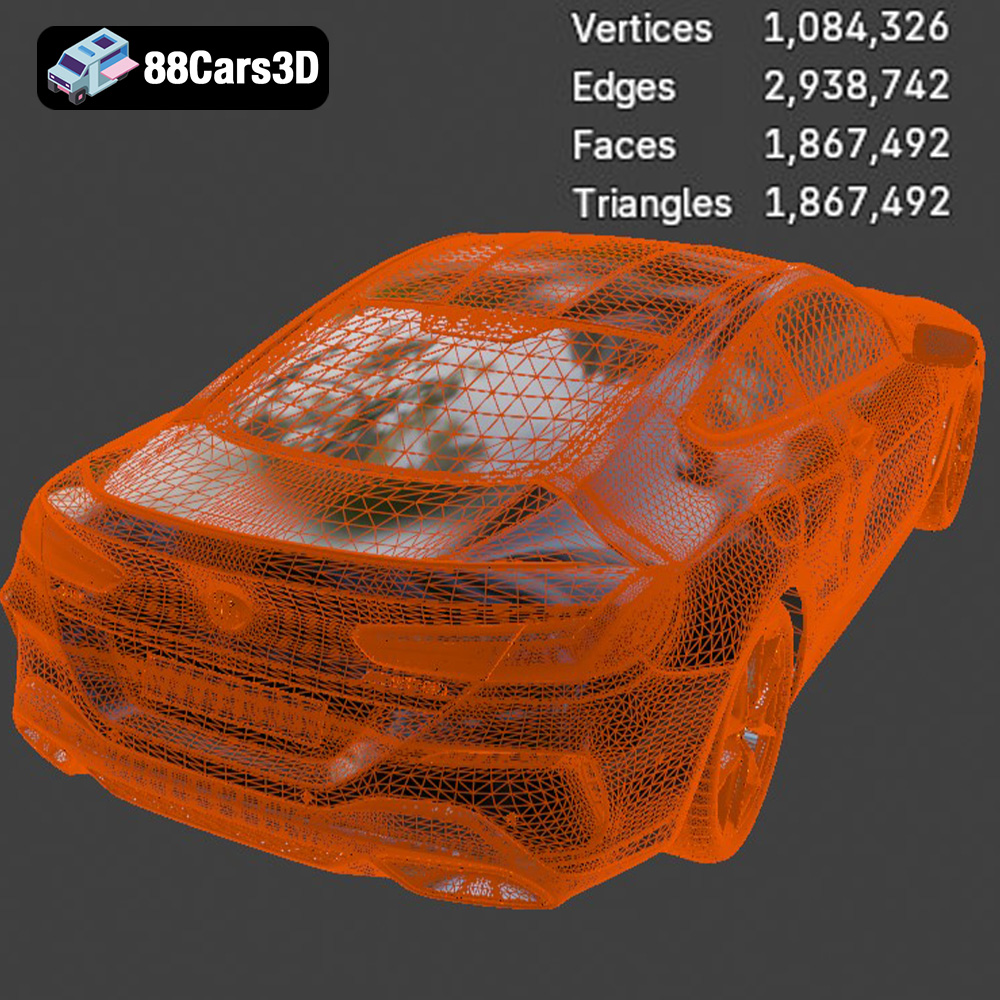
For game development, “clean geometry and optimized topology” are not just buzzwords; they are critical technical requirements. This means having a balanced polygon count that captures detail without bogging down the game engine, and edge flow that supports deformation if the car is to be damaged. The BMW 8 Series M850i Coupe 2019 3D Model is described as having optimized topology, making it an excellent candidate for game assets.
The `.fbx` and `.unreal` formats included with the BMW M850i Coupe 2019 are specifically tailored for seamless integration into the industry’s leading game engines.
Utilizing high-quality, pre-optimized assets like those from 88cars3d.com can save hundreds of hours of painstaking optimization work, allowing teams to focus on gameplay and interactive experiences.
The utility of professional 3D car models extends far beyond traditional rendering and game development, venturing into groundbreaking fields like augmented reality, virtual reality, additive manufacturing, and complex simulations.
AR (Augmented Reality) and VR (Virtual Reality) offer unparalleled immersive experiences, allowing users to interact with 3D models in new and exciting ways. Whether it’s showcasing a new car model in a virtual showroom or placing a virtual vehicle in a real-world environment via a smartphone, the quality of the 3D asset is paramount.
For industrial design, engineering, and hobbyists, 3D printing offers a tangible way to bring digital models into the physical world. While a full-scale car print is often impractical, scaled-down models are invaluable for prototyping, design review, or creating collector’s items.
From driving simulators for training new drivers to complex engineering simulations for aerodynamic analysis, 3D car models are essential. These applications demand extreme accuracy in both geometry and physical properties.
In a crowded marketplace, the discerning professional seeks not just any 3D model, but assets that exemplify excellence in every facet. This is where platforms like 88cars3d.com distinguish themselves, offering a curated selection of high-quality 3D car models designed to meet rigorous industry standards.
The hallmark of a premium 3D asset is its attention to detail and technical execution. The BMW 8 Series M850i Coupe 2019 3D Model is a prime example of this commitment to quality. Its description highlights:
Such meticulous craftsmanship means less rework for the end-user, allowing artists and developers to integrate the model directly into their projects with confidence.
The true value of a professional 3D model lies in its adaptability. A single asset should be able to serve multiple purposes without significant modifications. The BMW M850i Coupe 2019 from 88cars3d.com excels in this regard, explicitly stating its suitability for:
This comprehensive support for diverse applications makes an investment in a model from 88cars3d.com a strategic choice for any studio or individual seeking to streamline their workflow and achieve outstanding results across various media.
The BMW 8 Series M850i Coupe 2019 3D Model represents a benchmark in digital automotive assets, offering a compelling blend of aesthetic fidelity and technical robustness. Its thoughtful design and comprehensive format support make it an indispensable tool for a broad spectrum of creative professionals.
If your goal is to produce breathtaking, photorealistic imagery for marketing or design reviews, the provided .max and .blend files are your foundation. Load the model into 3ds Max or Blender, set up your studio lighting or HDRI environment, and utilize the pre-configured PBR materials. The meticulous exterior and interior detailing will shine through, delivering a stunning visual centerpiece. Experiment with different camera angles, depths of field, and post-processing effects to bring out the luxurious essence of the M850i.
Leverage the optimized .fbx or the direct .unreal asset for game development. The clean geometry and optimized topology ensure that this high-fidelity vehicle can be integrated into your game world without compromising performance. For Unreal Engine users, the .unreal file will minimize setup time, allowing you to quickly drop the car into your levels, set up physics, and even implement damage systems. Unity developers will find the .fbx equally robust for similar integrations, from racing simulations to open-world environments where dynamic automotive assets are crucial.
The .glb format is your go-to for interactive web, AR, and VR experiences. Its compact, self-contained nature ensures fast loading and smooth interactivity, whether you’re building a virtual showroom, enabling a “view in your driveway” AR feature for a client, or creating an immersive VR exploration of the car’s interior. The balance of detail and optimization in the BMW M850i Coupe 2019 makes it perfectly suited for these performance-critical, real-time applications.
Should your project require a physical representation, the .stl file is ready for your 3D printer. For detailed analysis or comparison with physical scans, the .ply file offers additional data points. The accurate geometry of the digital model ensures that any physical prototype or scaled model will faithfully represent the iconic design of the BMW M850i Coupe.
In every scenario, the professionalism and quality embedded in this 3D model minimize technical hurdles, allowing you to focus on the creative aspects of your project. It’s a testament to how high-quality 3D car models can accelerate workflows and elevate outcomes.
As the digital landscape continues to evolve, the demand for sophisticated, technically sound 3D assets will only intensify. Whether for high-end automotive rendering, dynamic game assets, immersive AR/VR experiences, or precision 3D printing, the foundational quality of the 3D model dictates the success of the entire project. Understanding the intricacies of file formats, optimization techniques, and integration workflows is no longer optional; it is essential for any professional working in these fields.
The BMW 8 Series M850i Coupe 2019 3D Model stands as a prime example of what a professional-grade asset should offer. With its exceptional realism, optimized topology, comprehensive format support (.blend, .fbx, .obj, .glb, .stl, .ply, .unreal, .max), and suitability for diverse pipelines, it empowers artists and developers to achieve stunning results efficiently. Investing in such meticulously crafted 3D car models from trusted sources like 88cars3d.com not only saves invaluable time but also ensures that your projects maintain the highest standards of visual fidelity and technical performance. Embrace the power of quality digital assets and drive your creative visions forward.
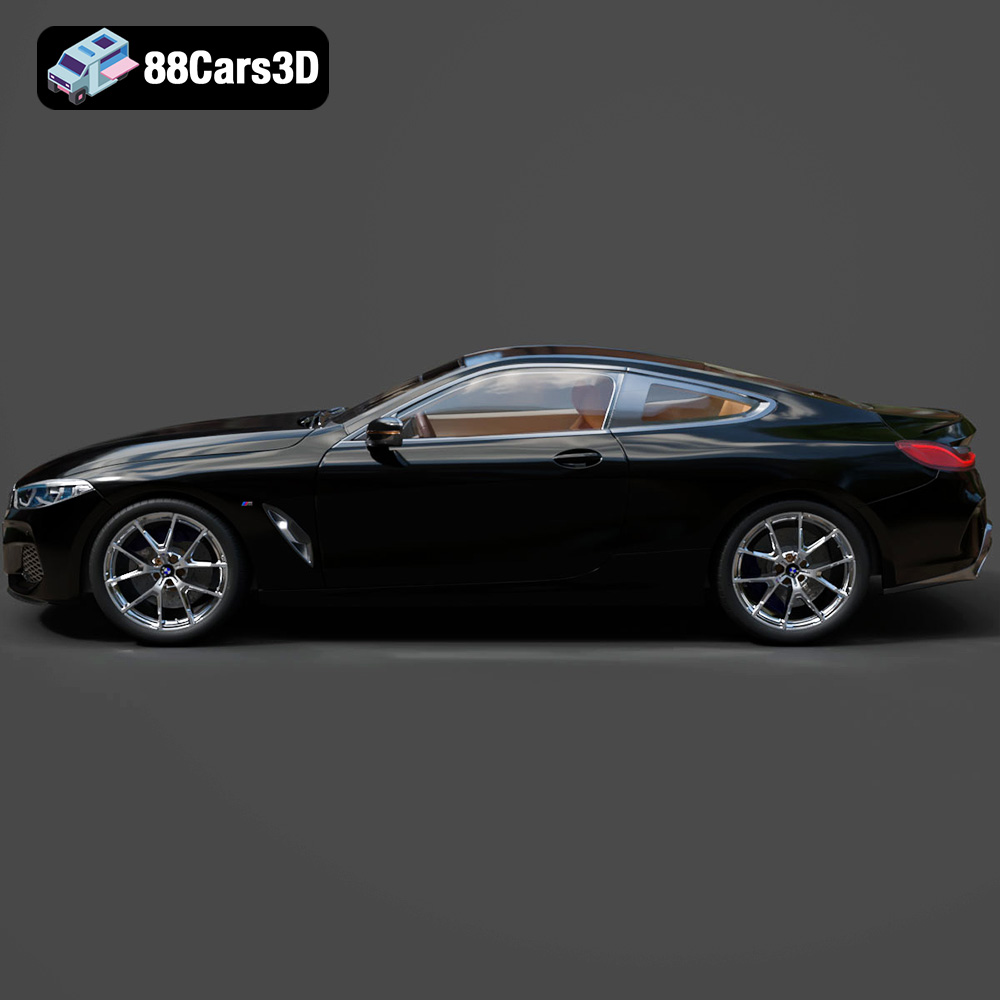
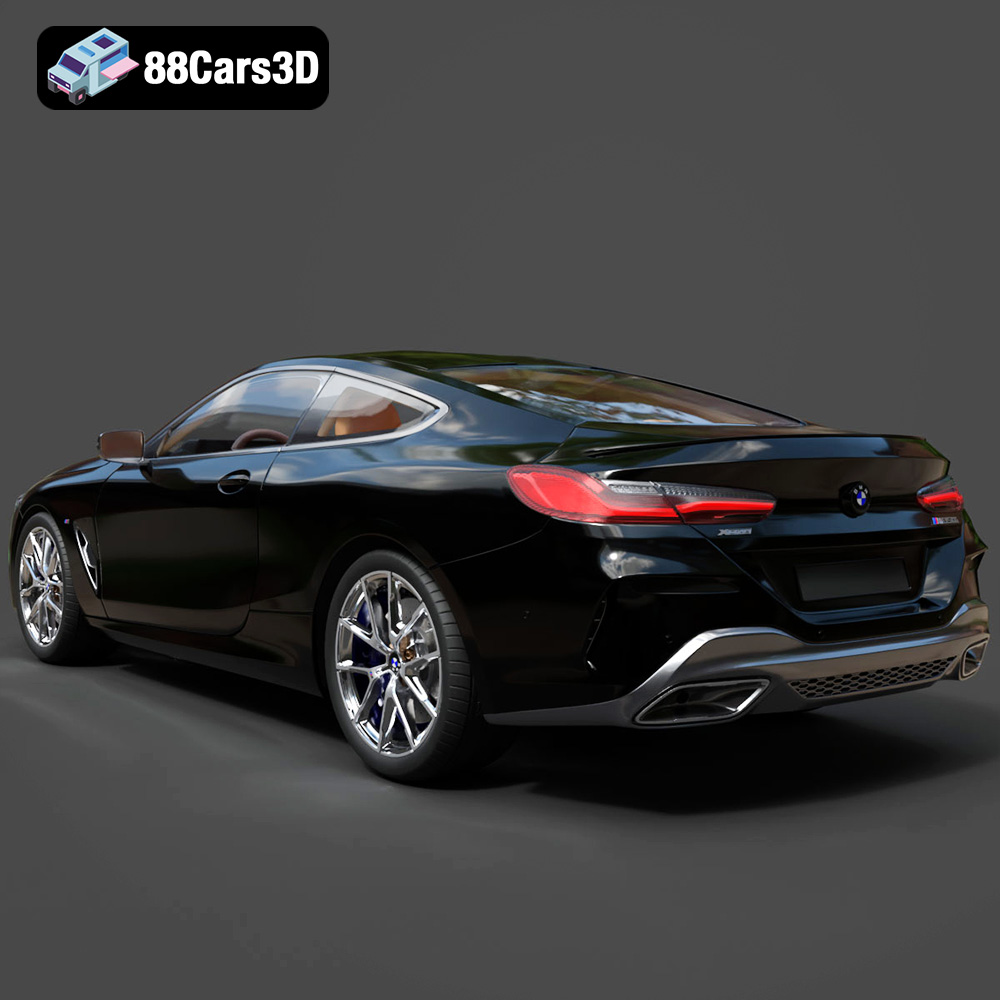
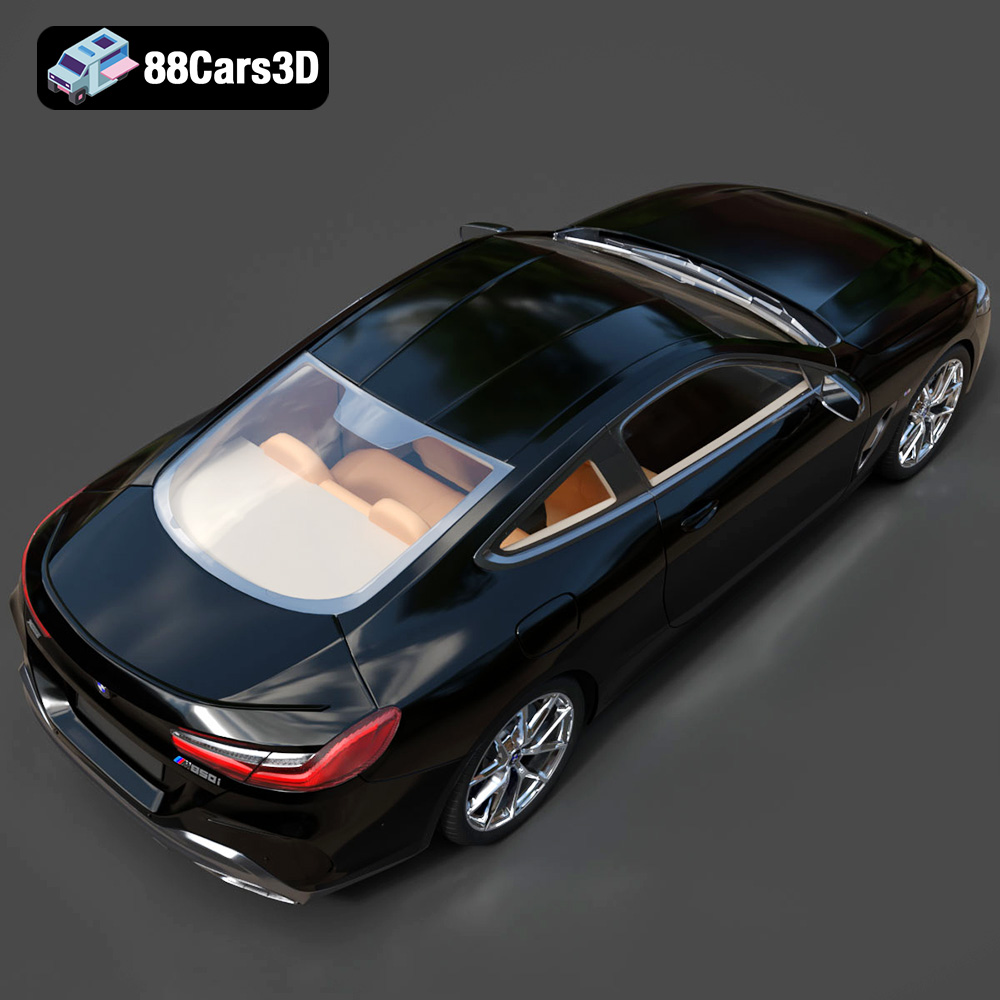
Experience the exceptional realism of the BMW 8 Series M850i Coupe 2019 3D Model, expertly crafted to bring authentic automotive design to your digital projects. This meticulously built digital asset captures the sophisticated, sporty silhouette and luxurious details of the renowned coupe, providing a stunning visual centerpiece for any scene. Featuring clean geometry and optimized topology, this model is equipped with realistic materials, delivering professional standards without compromising performance. The carefully modeled exterior and accurate interior detailing ensure seamless integration and smooth rendering across various creative pipelines. Perfectly suited for demanding workflows, this versatile 3D model excels in game development, architectural visualization, photorealistic rendering, cutting-edge AR/VR experiences, and interactive simulation.
$39.99
.8series
.arvr
.blend
.bmw
.car3dmodel
.coupe
.fbx
.gameasset
.glb
.luxurycar
.m850i
.max
.obj
.ply
.rendering
.simulation
.sportsCar
.stl
.unreal