Get 20% OFF All Premium 3D & STL Models!

“`html
3D printing has revolutionized model making, prototyping, and even education. The ability to bring digital designs to life is incredibly powerful, especially when it comes to intricate automotive models. However, the journey from digital design to a perfect physical print requires careful preparation. This comprehensive guide will walk you through the essential steps of preparing 3D models for printing, focusing on best practices for achieving high-quality results, particularly relevant when working with detailed STL files like those found on 88cars3d.com. We’ll cover everything from understanding STL file structure to optimizing printer settings and post-processing techniques. Whether you’re a seasoned 3D printing enthusiast or just starting out, this guide will equip you with the knowledge and skills to confidently tackle any 3D printing project.
In this guide, you will learn about:
The STL (Stereolithography) file format is the industry standard for 3D printing. It represents the surface geometry of a 3D object using a collection of triangles. A crucial aspect of preparing models for printing is understanding how STL files are structured and recognizing potential problems within the mesh. A poorly constructed STL file can lead to print failures, dimensional inaccuracies, and surface imperfections. Before you even load your 3D model into a slicer, it’s vital to perform a preliminary inspection to ensure its integrity.
Mesh topology refers to the way the triangles are connected to form the overall shape. Ideally, your mesh should be “manifold,” meaning it’s a closed, watertight surface with no holes, overlapping faces, or self-intersections. Non-manifold geometry is a common cause of printing errors. Software like Meshmixer, Netfabb, or even Blender (with appropriate plugins) can be used to identify and repair these issues. These tools can automatically detect and fix problems like:
It’s crucial to use these tools to ensure that your STL file is watertight, meaning it defines a single, closed volume.
The resolution of an STL file determines the number of triangles used to represent the model. A higher resolution STL file contains more triangles, resulting in a smoother, more detailed print. However, it also increases file size and processing time. Finding the right balance between detail and file size is essential. Generally, for models from sources like 88cars3d.com, a medium to high resolution is recommended to capture the intricate details of the car models. Models intended for large-scale printing can sometimes tolerate lower resolutions to reduce file sizes. Slicing software often provides settings to adjust the mesh resolution during import, allowing you to optimize the file for your specific printer and printing needs. A good rule of thumb is to aim for a resolution where the individual triangles are barely visible when zoomed in on the model in your slicer software.
Slicing software acts as the bridge between your 3D model and your 3D printer. It takes the STL file and converts it into a series of instructions (G-code) that the printer can understand. G-code dictates the precise movements of the printer’s nozzle or laser, layer by layer, to build the physical object. Understanding the various parameters within your chosen slicing software is paramount to achieving optimal print quality, especially when dealing with detailed models.
Several key parameters within slicing software significantly impact the final print quality:
Different slicing software offers unique features and functionalities. Cura, for example, is known for its ease of use and extensive plugin library. PrusaSlicer, on the other hand, is highly regarded for its advanced features and precise control over print parameters. Both are excellent choices for preparing models for printing. Here are a couple of software-specific techniques:
Experimenting with these settings and understanding their impact is crucial for achieving the desired results.
Support structures are temporary structures that are printed alongside the model to support overhanging features and prevent them from collapsing during printing. They are essential for printing complex geometries, especially those with steep overhangs or intricate details. Properly generating and removing support structures is a crucial aspect of preparing models for printing. Poorly placed or insufficient support can lead to print failures or damage to the model’s surface. When dealing with detailed printable car models, supports are frequently needed under spoilers, mirrors, and other extended parts.
There are several types of support structures, each with its own advantages and disadvantages:
Most slicing software offers automatic support generation features. However, it’s often necessary to manually adjust the support settings to optimize the support structures for your specific model. Considerations for optimized support generation are:
When removing support structures, use appropriate tools such as pliers, cutters, or a sharp knife. Be careful not to damage the model’s surface during removal. For soluble support materials, such as PVA, simply dissolve the supports in water.
The choice of material and printer settings significantly impacts the final quality, durability, and aesthetic appeal of your 3D printed car model. Different materials offer varying levels of strength, flexibility, and heat resistance. Selecting the right material and adjusting the printer settings accordingly are crucial for achieving the desired results. Let’s explore some common materials and their optimal settings for printing car models, especially considering the intricate details often found in models from sources like 88cars3d.com.
Two primary 3D printing technologies dominate the market: Fused Deposition Modeling (FDM) and Resin printing (Stereolithography, SLA, or Digital Light Processing, DLP). FDM printing uses thermoplastic filaments, such as PLA, ABS, and PETG, while resin printing uses liquid resins that are cured by UV light. Here’s a comparison for car models:
Each material has its own set of properties and requires specific printer settings:
Print orientation and bed adhesion are critical factors influencing the success of your 3D prints. The orientation in which you place your model on the print bed can significantly affect print time, support structure requirements, and surface finish. Similarly, ensuring proper bed adhesion prevents warping and detachment during printing, leading to print failures. This is especially crucial when printing detailed car models, where intricate features require strong support and stability.
The optimal print orientation depends on the model’s geometry and the desired outcome. Consider the following factors when choosing a print orientation:
Poor bed adhesion is a common cause of print failures. Here are some techniques to improve bed adhesion:
Post-processing is the final stage in the 3D printing process, where you refine and enhance the printed object to achieve the desired aesthetic and functional qualities. This involves a range of techniques, from removing support structures and smoothing surfaces to painting and assembling multiple parts. Effective post-processing can transform a raw print into a polished, professional-looking product, especially important when creating high-quality car models downloaded from platforms like 88cars3d.com.
The first step in post-processing is typically removing any support structures. Carefully detach the supports using pliers, cutters, or a sharp knife. Be cautious not to damage the model’s surface during removal. After removing the supports, you may need to smooth the surface to remove any blemishes or imperfections left by the supports.
Several techniques can be used to smooth the surface:
Once the surface is smooth, you can paint the model to add color and detail. Apply a primer to the surface to improve paint adhesion. Then, apply several thin coats of paint, allowing each coat to dry completely before applying the next. Use masking tape to create clean lines and prevent paint from bleeding into unwanted areas. Consider using an airbrush for a more even and professional finish. Car models often involve multiple parts that need to be assembled. Use glue or other adhesives to join the parts together. Ensure that the parts are properly aligned before applying the adhesive.
Even with careful preparation, 3D printing is not without its challenges. Common issues can arise during the printing process, leading to print failures. Understanding these issues and knowing how to troubleshoot them is essential for a smooth and successful 3D printing experience. Here are some common problems encountered when 3D printing, particularly in the context of detailed car models and complex STL files.
Warping occurs when the corners of the print lift off the print bed during printing. This is often caused by uneven cooling or poor bed adhesion. To prevent warping:
Stringing occurs when small strands of filament are left behind as the print head moves between different parts of the model. Blobs are small clumps of filament that accumulate on the surface of the print. To prevent stringing and blobs:
Layer shifting occurs when the print head suddenly shifts position during printing, resulting in misaligned layers. To prevent layer shifting:
By understanding these common issues and their solutions, you can troubleshoot problems and improve the success rate of your 3D prints. Remember to consult online resources and forums for additional guidance and support.
Preparing 3D models for printing is a multifaceted process that demands careful attention to detail. From understanding the intricacies of STL files and mastering slicing software to selecting appropriate materials and implementing effective post-processing techniques, each step plays a crucial role in achieving high-quality results. Whether you are printing intricate car models from platforms like 88cars3d.com or designing your own creations, the knowledge and techniques outlined in this guide will empower you to confidently tackle any 3D printing project.
Key takeaways from this guide include:
Take the time to experiment with different settings and techniques to discover what works best for your specific printer, materials, and models. With practice and patience, you can unlock the full potential of 3D printing and bring your digital designs to life with stunning accuracy and detail. Don’t be afraid to explore online resources, communities, and forums to further expand your knowledge and learn from the experiences of other 3D printing enthusiasts. Happy printing!
“`

Texture: Yes | Material: Yes
Download the highly detailed, game-ready Ford GT 2005 3D Model. Features signature aerodynamic bodylines, mid-mounted supercharged V8 detailing, and iconic racing stripes. Includes .blend, .fbx, .obj, .glb, .stl, .ply, .unreal, and .max formats for game development, AR/VR, and rendering.
Price: $19.99
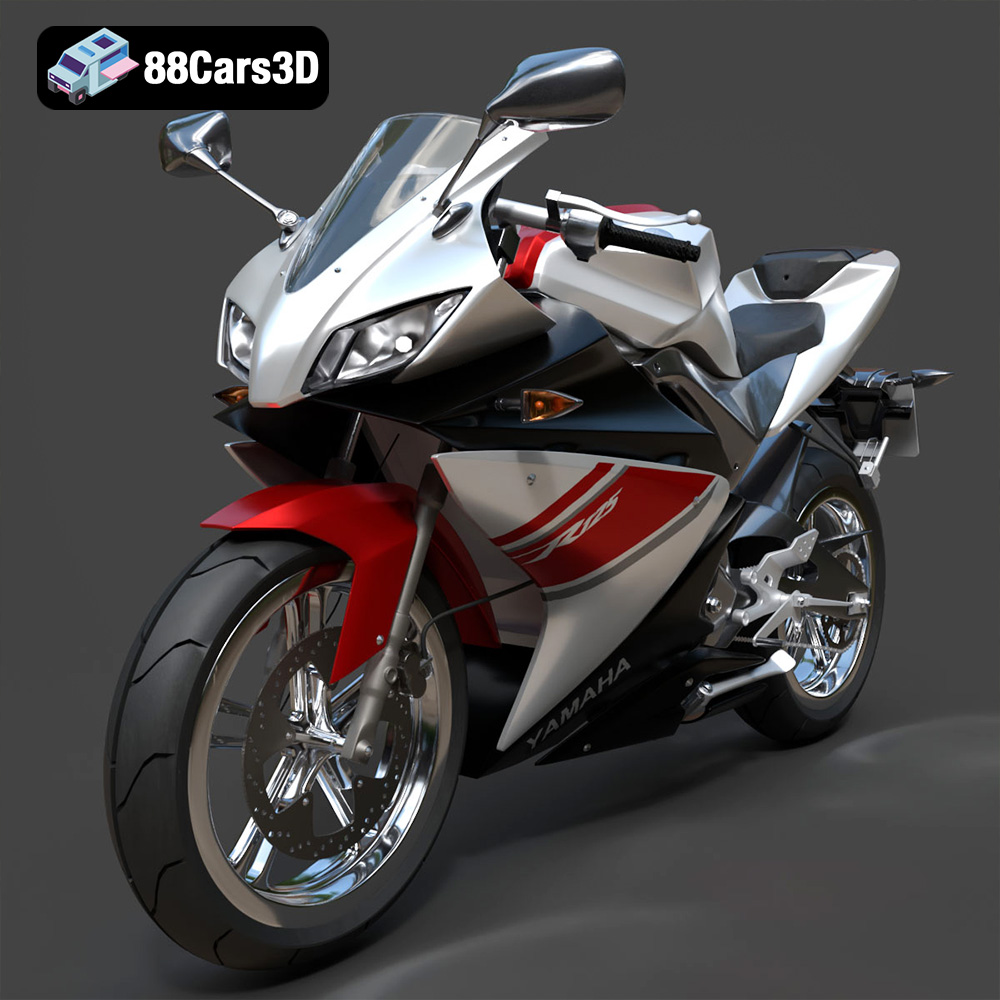
Texture: Yes | Material: Yes
Download the highly detailed, game-ready Yamaha YZF-R125 EU 3D Model. Features an aggressive aerodynamic fairing, twin LED headlights, and a detailed 125cc engine block. Includes .blend, .fbx, .obj, .glb, .stl, .ply, .unreal, and .max formats for game development, AR/VR, and rendering.
Price: $19.99
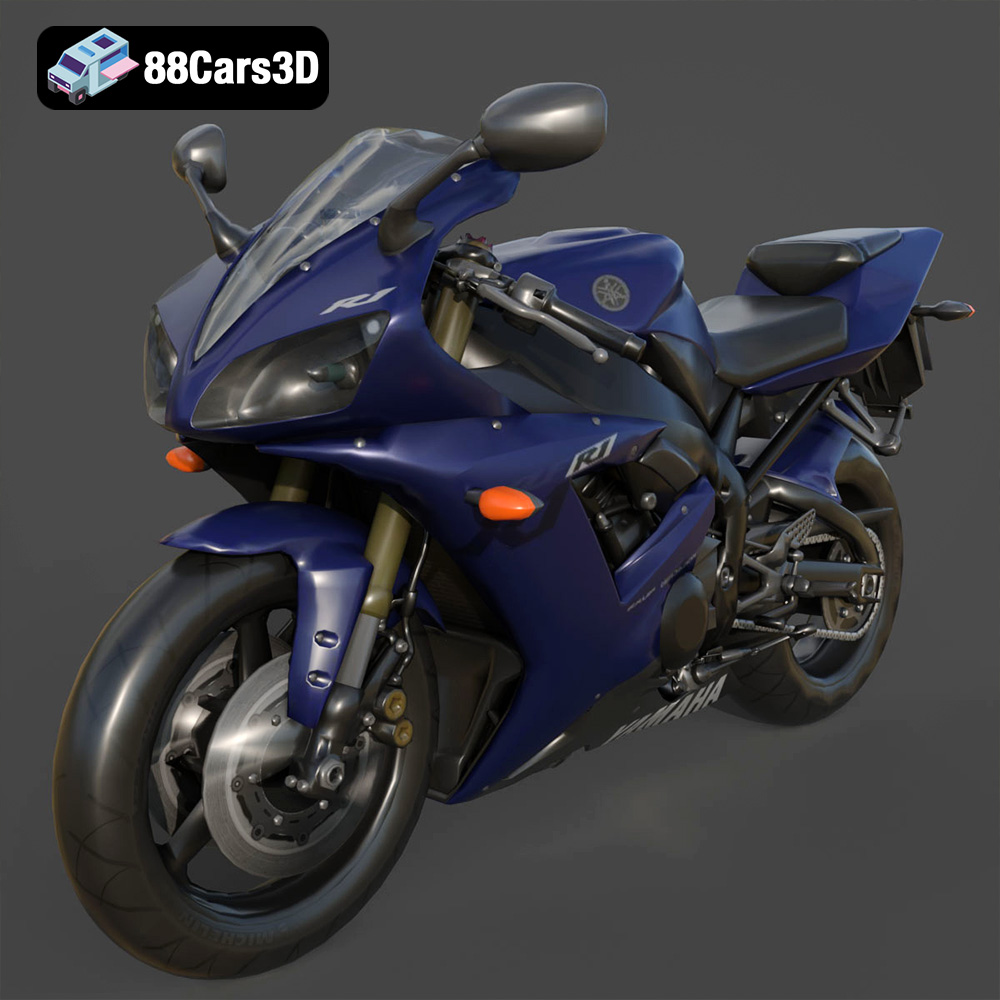
Texture: Yes | Material: Yes
Download the highly detailed, game-ready Yamaha R1 3D Model. Features aggressive aerodynamic fairings, a detailed crossplane inline-4 engine, and track-focused suspension geometry. Includes .blend, .fbx, .obj, .glb, .stl, .ply, .unreal, and .max formats for game development, AR/VR, and rendering.
Price: $19.99
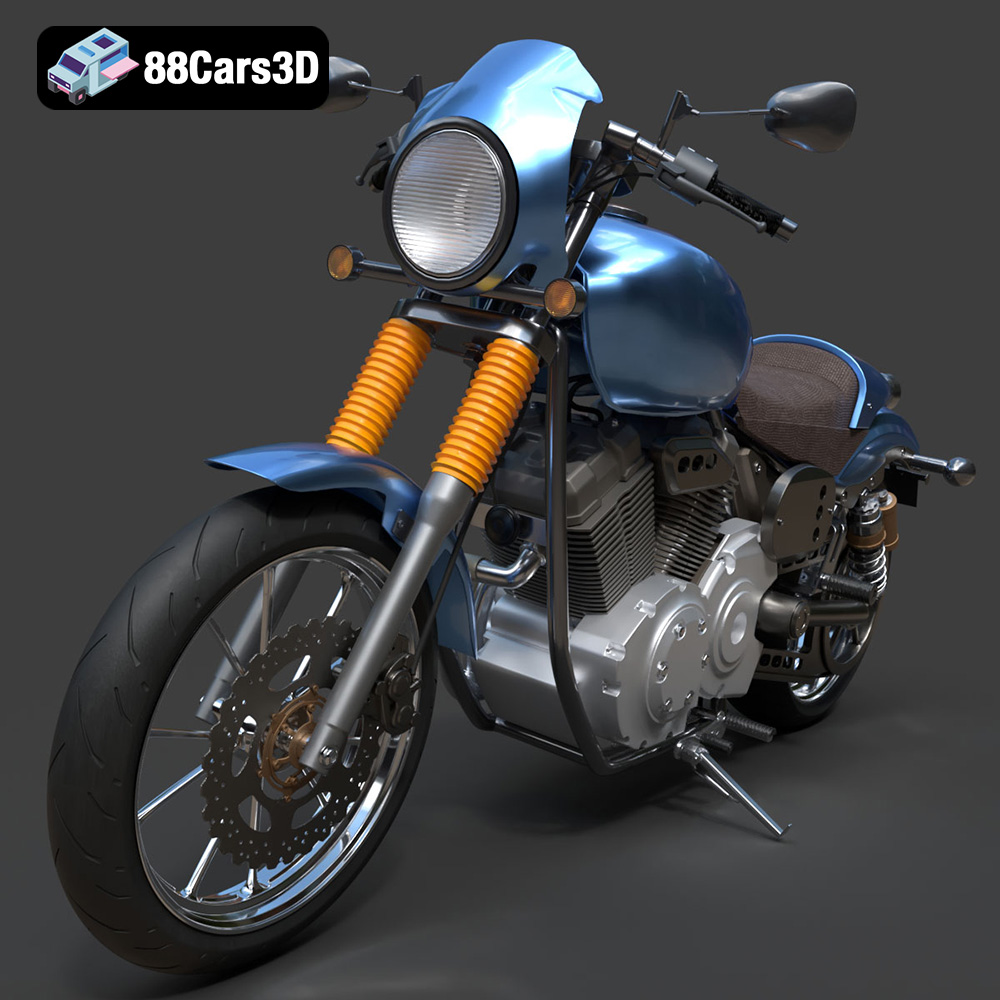
Texture: Yes | Material: Yes
Download the highly detailed, game-ready Yamaha XV950 Racer 3D Model. Features an aggressive cafe-racer front cowl, detailed air-cooled V-twin engine, and classic retro styling. Includes .blend, .fbx, .obj, .glb, .stl, .ply, .unreal, and .max formats for game development, AR/VR, and rendering.
Price: $19.99

Texture: Yes | Material: Yes
Download the highly detailed, game-ready Volvo VNL Tractor Truck 2002 3D Model. Features iconic aerodynamic styling, detailed fifth-wheel coupling, and heavy-duty chassis. Includes .blend, .fbx, .obj, .glb, .stl, .ply, .unreal, and .max formats for game development, AR/VR, and rendering.
Price: $39.99
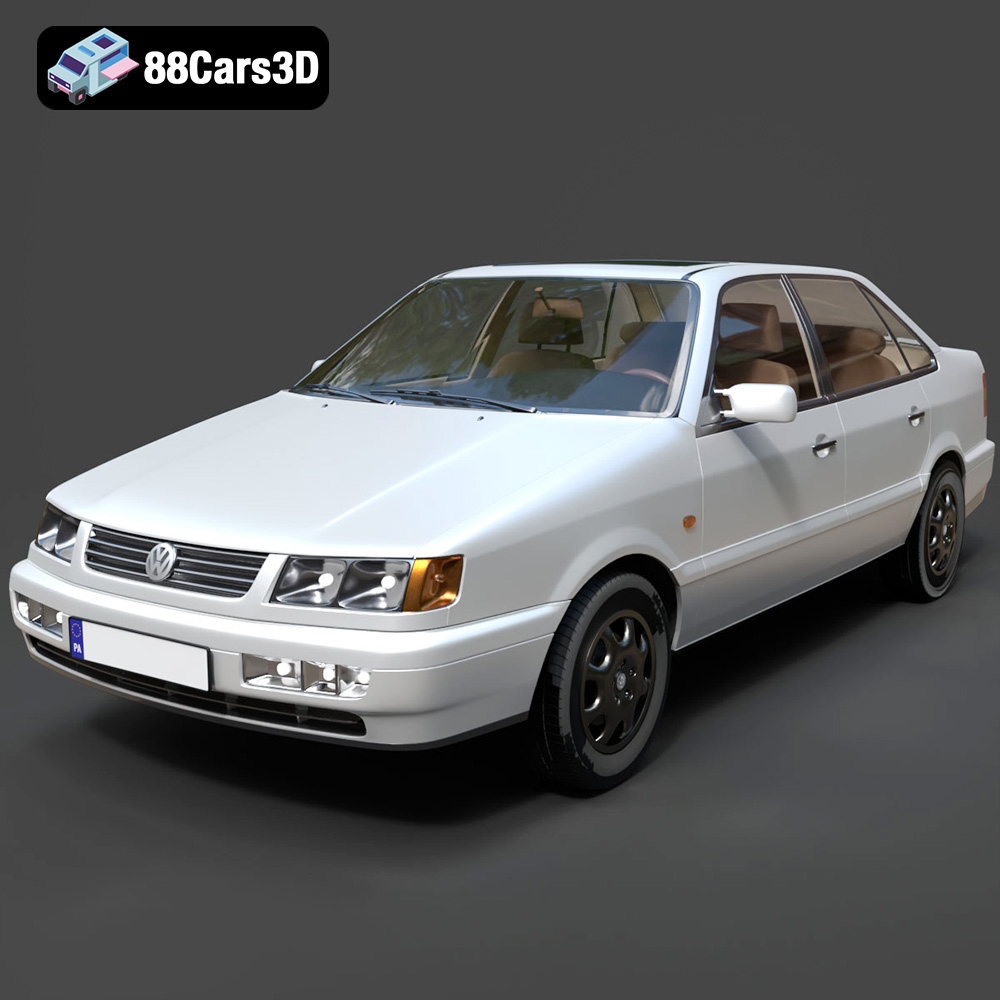
Texture: Yes | Material: Yes
Download the highly detailed, game-ready Volkswagen Passat Mk4 B4 Sedan 1993 3D Model. Features accurate 90s sedan styling, detailed front grille-less fascia, and a classic interior setup. Includes .blend, .fbx, .obj, .glb, .stl, .ply, .unreal, and .max formats for game development, AR/VR, and rendering.
Price: $39.99

Texture: Yes | Material: Yes
Download the highly detailed, game-ready Volkswagen Jetta GLI 2019 3D Model. Features an aggressive honeycomb grille with red accents, sleek aerodynamic profile, and exclusive GLI sport wheels. Includes .blend, .fbx, .obj, .glb, .stl, .ply, .unreal, and .max formats for game development, AR/VR, and rendering.
Price: $39.99
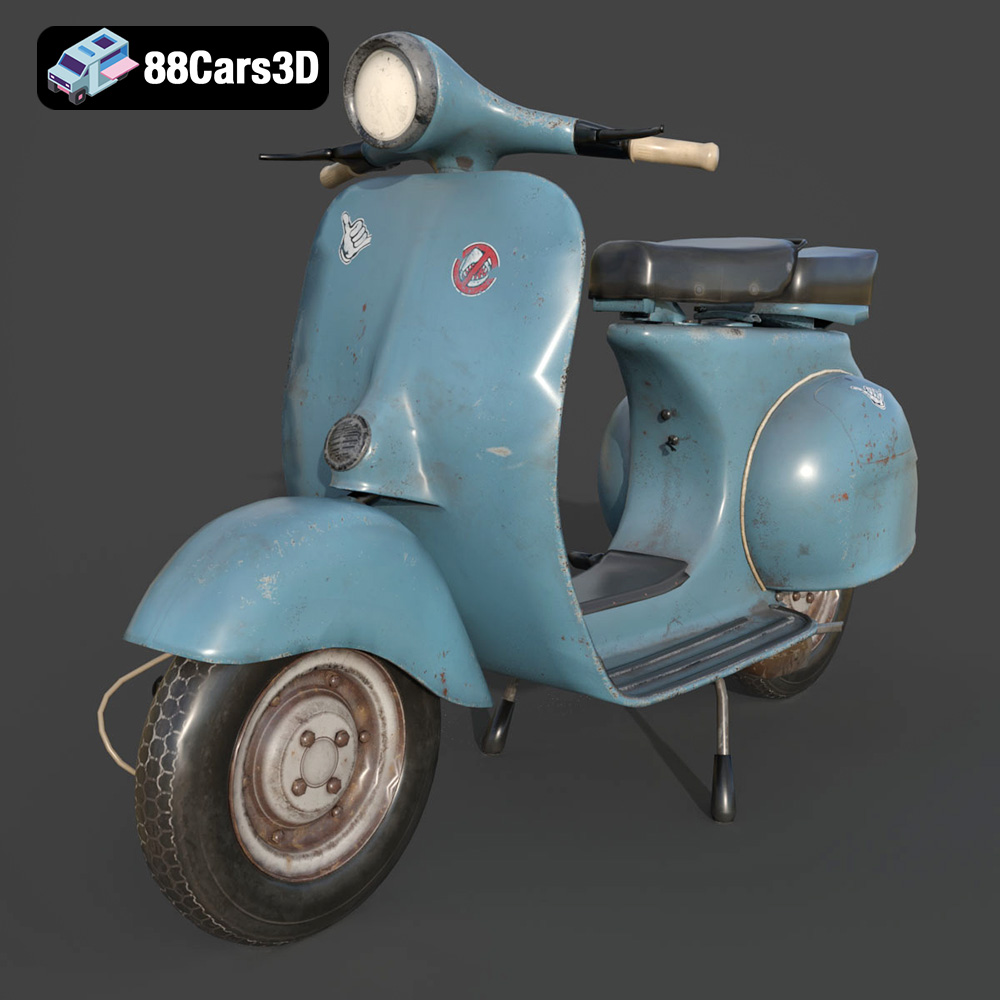
Texture: Yes | Material: Yes
Download the highly detailed, game-ready Vintage Vespa 3D Model. Features iconic rounded monocoque styling, classic saddle, and chrome accents. Includes .blend, .fbx, .obj, .glb, .stl, .ply, .unreal, and .max formats for game development, AR/VR, and rendering.
Price: $39.99

Texture: Yes | Material: Yes
Download the highly detailed, game-ready Vespa GS 150 3D Model. Features elegant aerodynamic curves, classic leg shield, and detailed engine casing. Includes .blend, .fbx, .obj, .glb, .stl, .ply, .unreal, and .max formats for game development, AR/VR, and rendering.
Price: $39.99
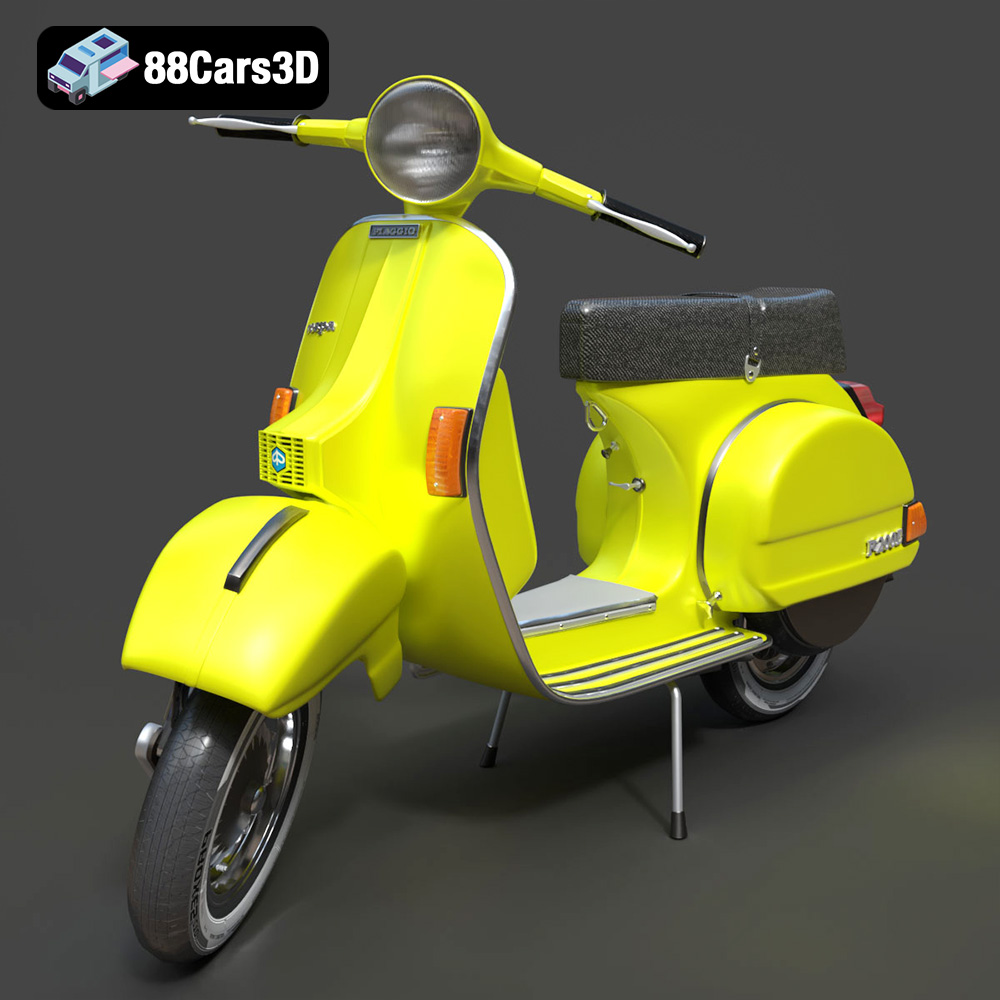
Texture: Yes | Material: Yes
Download the highly detailed, game-ready Vespa P200E 3D Model. Features classic vintage styling, accurate step-through frame geometry, and authentic detailing. Includes .blend, .fbx, .obj, .glb, .stl, .ply, .unreal, and .max formats for game development, AR/VR, and rendering.
Price: $39.99

