Get 20% OFF All Premium 3D & STL Models!

In the rapidly evolving landscape of digital visualization, the demand for exceptionally detailed and accurate 3D assets has never been higher. From blockbuster cinematic sequences and cutting-edge game development to immersive AR/VR experiences and precise automotive design reviews, high-quality 3D car models form the bedrock of compelling visual content. These assets are not merely decorative elements; they are complex engineering feats in their own right, requiring meticulous attention to detail, optimized geometry, and versatile file format compatibility.
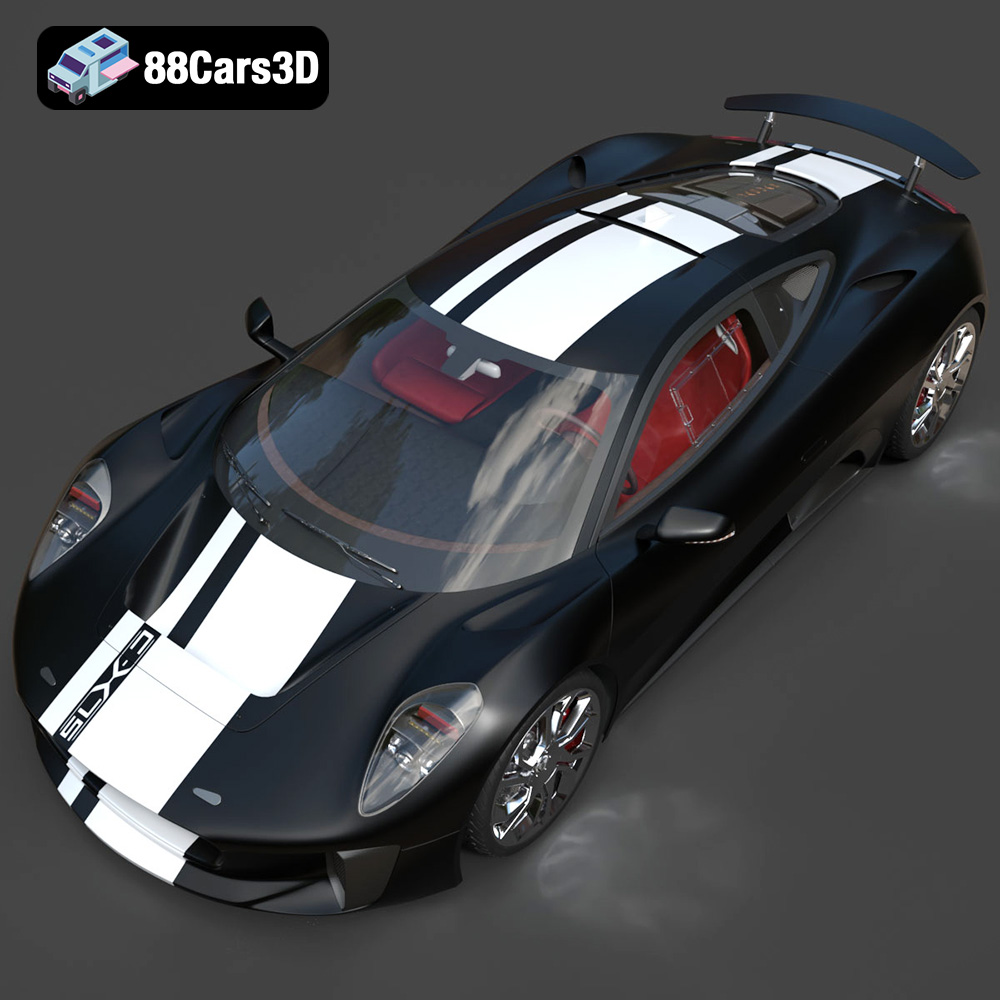
At the forefront of this digital revolution are platforms like 88cars3d.com, which specialize in providing professional-grade 3D models designed to meet the rigorous demands of various industries. Today, we’re diving deep into the technical prowess and artistic fidelity of a standout example: the Jaguar C-X75 2014 3D Model. This exceptionally detailed digital replica captures the essence of the renowned hybrid-electric concept car, offering automotive enthusiasts and professionals an immaculate asset for their digital projects. Its clean geometry, realistic materials, and fully modeled interior make it a prime example of what a premium 3D car model should be, ready to integrate seamlessly into diverse production pipelines.
The selection and understanding of 3D model file formats are paramount to a smooth and efficient workflow in any digital production. Each format serves a specific purpose, catering to different software ecosystems, project requirements, and desired outcomes. The Jaguar C-X75 2014 3D Model, recognizing the diverse needs of professionals, is supplied in an extensive array of industry-standard formats, ensuring maximum flexibility and compatibility. Grasping the nuances of each is critical for optimizing your projects, from initial modeling to final deployment.
When it comes to native scene files, .blend and .max stand out for their comprehensive capabilities. The .blend format provides a fully editable Blender scene, complete with materials, textures, lighting setups, and even animations. This is invaluable for artists who prefer Blender’s robust modeling and rendering tools, offering them a ready-to-tweak environment. They can dissect the model’s construction, understand its material assignments, and easily integrate it into their existing Blender projects without losing any data fidelity. Similarly, the .max format delivers an editable 3ds Max project. For professionals heavily invested in the Autodesk ecosystem, this means full access to all aspects of the model within 3ds Max, making it ideal for high-end rendering with V-Ray or Corona, complex animation sequences, or further refinement using 3ds Max’s extensive toolset. These native formats allow for unparalleled control and modification, crucial for bespoke project requirements.
For game development and other real-time applications, efficiency and optimization are key. The .fbx (Filmbox) format is an industry workhorse, widely considered the ideal choice for transferring 3D data between different software applications, especially for game engines like Unreal Engine and Unity. It efficiently encapsulates geometry, materials, textures, rigging, and animation data in a single file, making it game-engine ready. The Jaguar C-X75 model in .fbx ensures that all its detailed elements are preserved while being optimized for real-time performance, allowing for quick imports and minimal setup within your game projects. Complementing this, the .unreal format signifies an engine-ready asset specifically pre-configured for real-time environments within Unreal Engine. This often means optimized material setups, LODs (Levels of Detail), and collision meshes are already in place, significantly reducing the setup time for developers and accelerating the integration process of such a high-fidelity 3D car model directly into an interactive experience.
Beyond native and real-time specific formats, cross-software compatibility and specialized applications demand other solutions. The .obj (Wavefront OBJ) format is a truly universal standard, offering excellent cross-software compatibility. It’s a simple, text-based format that primarily describes 3D geometry (vertices, normals, texture coordinates, and faces) and links to external material files (.mtl), making it a reliable choice for importing into virtually any 3D software for general use. For emerging technologies, the .glb (GL Transmission Format Binary) is optimized for AR, VR, and browser-based display. It’s a self-contained binary file that includes models, textures, and animations, providing an efficient, web-friendly solution for showcasing the Jaguar C-X75 in interactive online configurators or augmented reality apps. For physical prototyping, the .stl (Stereolithography) format is the go-to for 3D printing output. It represents a 3D model as a series of connected triangles, making it suitable for manufacturing processes. Finally, the .ply (Polygon File Format) offers a precision mesh format often used in CAD or analysis applications. It can store a wider range of properties, including color, transparency, and range data, making it useful for detailed inspection or scientific visualization.
The true value of a premium 3D car model, such as the Jaguar C-X75 2014, lies not just in its aesthetic appeal but in its underlying technical craftsmanship. Every curve, every surface, and every material choice contributes to an immersive and convincing digital experience. This model exemplifies the standards expected by professionals, built with an eye for both artistic fidelity and technical efficiency.
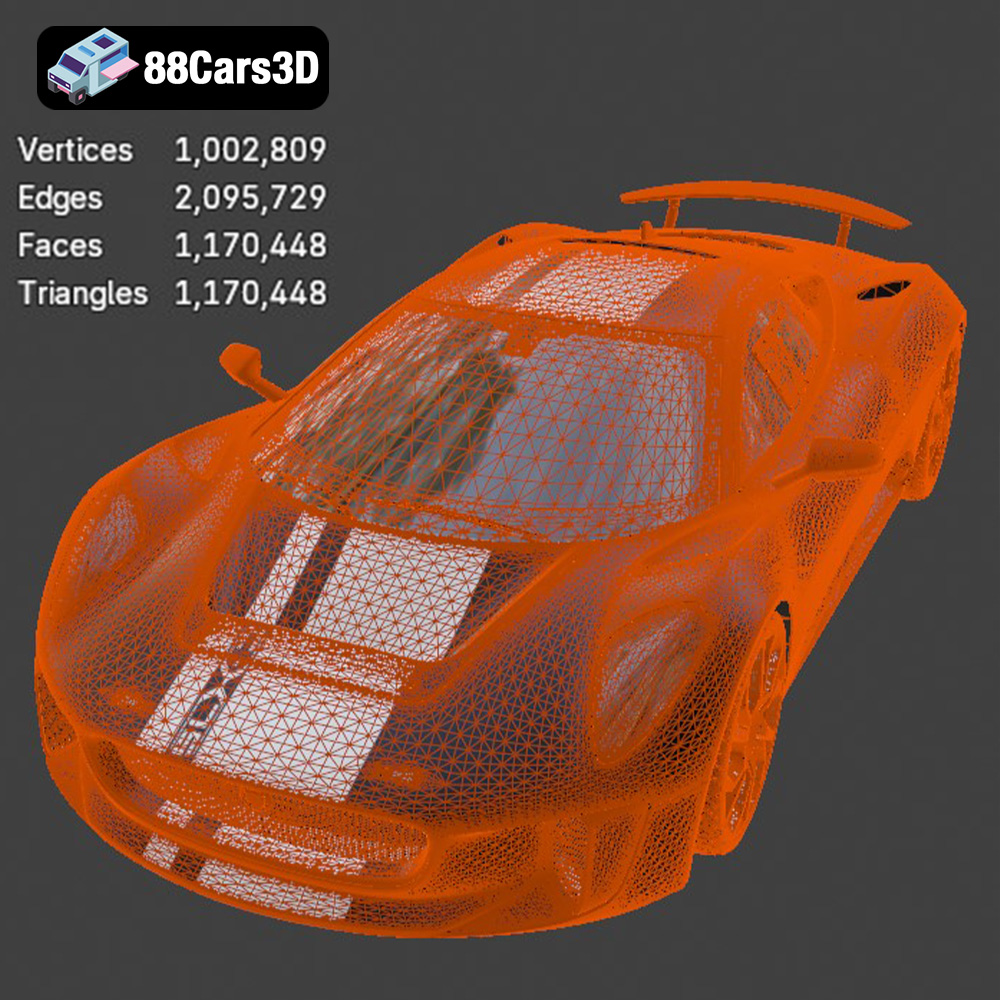
At the core of any high-quality 3D car model is its geometry. The Jaguar C-X75 model boasts exceptionally clean geometry, meaning polygons are optimized, and mesh errors are minimized. This level of precision is crucial for smooth subdivisions, distortion-free deformation during animation, and accurate reflections in renderings. The concept of “pristine edge flow” refers to how the edges of the polygons follow the natural contours and creases of the vehicle. This is not just an aesthetic choice; it’s fundamental for ensuring that when the model is smoothed or subdivided (e.g., using a Subdivision Surface modifier in Blender or Turbosmooth in 3ds Max), the curves remain fluid and accurate, without unsightly pinching or artifacts. This attention to detail ensures that the model maintains its stunning aerodynamics and aggressive styling, even under close scrutiny.
Beyond the mesh, the materials and textures are what breathe life into a 3D car model. The Jaguar C-X75 3D Model features realistic materials meticulously crafted to simulate various surfaces found on the actual vehicle – from the metallic flake in the paint to the subtle reflections of glass, the texture of tires, and the intricate details of carbon fiber. This typically involves using Physically Based Rendering (PBR) workflows, where material properties like albedo (base color), roughness, metallicness, normal maps, and ambient occlusion are accurately defined. These PBR textures ensure that the model reacts realistically to any lighting environment, whether it’s a studio setup in Blender or a dynamic outdoor scene in Unreal Engine. The result is a visual fidelity that approaches photorealism, making it suitable for the most demanding automotive rendering projects.
While many 3D car models focus primarily on the exterior, the Jaguar C-X75 2014 3D Model distinguishes itself by offering a fully modeled interior. This dedication to accuracy is vital for projects that require close-up shots, interior animations, or interactive AR/VR experiences where users can virtually sit inside the car. Every dial, dashboard component, seat detail, and steering wheel texture has been meticulously crafted to reflect the authentic vehicle. This level of detail extends the model’s utility significantly, making it invaluable for virtual showrooms, driving simulations, and even forensic architectural visualizations where contextual realism is paramount. The optimal polygon count ensures that even with a detailed interior, the model remains a reliable asset for intense production pipelines without excessively bogging down performance.
The versatility of a well-crafted 3D car model like the Jaguar C-X75 from 88cars3d.com lies in its adaptability across various professional workflows. Its robust build and multi-format availability ensure seamless integration into industry-standard software and real-time engines, empowering creators across different domains.
For high-end marketing, advertising, and design validation, automotive rendering is king. In 3ds Max, artists leverage powerful renderers like V-Ray or Corona to produce photorealistic images and animations. The .max file for the Jaguar C-X75 provides a perfect starting point, with optimized geometry and materials that integrate seamlessly. Artists can set up complex lighting scenarios, environmental backplates, and camera animations to showcase the car’s design from every angle. Similarly, Blender users can take advantage of the .blend file to utilize Cycles or Eevee for stunning renders. The clean mesh and PBR materials simplify the texturing process, allowing artists to focus on artistic direction rather than technical cleanup. These workflows are essential for creating captivating visuals that highlight design features, promote new vehicles, or even simulate manufacturing processes.
The game industry thrives on immersive, high-fidelity assets that perform optimally in real-time. The Jaguar C-X75’s game-engine-ready .fbx and pre-configured .unreal formats are invaluable here. Game developers can import the model directly into Unreal Engine (or Unity), knowing that the geometry is optimized, UVs are clean for texturing, and materials are set up for real-time rendering. This significantly reduces the time spent on asset preparation, allowing teams to focus on gameplay, level design, and performance optimization. High-quality 3D car models are critical for racing games, open-world simulations, and interactive experiences, where players expect realistic vehicles that react dynamically within the virtual world. The pristine edge flow mentioned earlier is also vital for robust collision detection and physics simulations within these engines.
Beyond traditional rendering and gaming, 3D car models are pivotal for emerging technologies. For Augmented Reality (AR) and Virtual Reality (VR) applications, the .glb format is particularly useful. Its optimized nature ensures that the Jaguar C-X75 model can be displayed smoothly in interactive AR apps on mobile devices or in fully immersive VR environments. This allows for virtual showrooms, interactive product configurators, or even training simulations where users can explore the car in a dynamic 3D space. Furthermore, the .stl format facilitates 3D printing and rapid prototyping. While the full detail of a high-poly model might require decimation for 3D printing, having a clean, manifold mesh from the start simplifies the process of preparing the model for physical fabrication. This is crucial for designers who need to quickly create physical iterations or scale models for presentations.
Let’s consider how a premium 3D car model, specifically the Jaguar C-X75 from 88cars3d.com, becomes an indispensable tool in real-world production scenarios. The investment in a meticulously crafted asset translates directly into efficiency, quality, and versatility for various projects.
Imagine an automotive marketing agency tasked with creating a compelling launch campaign for a new luxury hybrid. Instead of relying solely on expensive and logistically challenging physical photoshoots, they can leverage the Jaguar C-X75 3D Model. Using 3ds Max, artists can render the car in diverse virtual environments – from sleek urban landscapes to futuristic concept showrooms – all without moving a physical vehicle. They can create dynamic animations showcasing its hybrid powertrain, aerodynamic features, and luxurious interior, switching paint colors and material finishes on the fly for A/B testing or regional variations. This workflow significantly reduces production time and costs while offering unparalleled creative control. The ability to generate unlimited angles, lighting setups, and scenarios ensures a consistent brand message and a visually stunning campaign across all digital platforms.
For a racing game studio developing a title focused on high-performance concept cars, acquiring a high-fidelity asset like the Jaguar C-X75 2014 3D Model is a game-changer. Starting with the .unreal or .fbx format, their artists can immediately integrate the car into the game engine. The pre-optimized geometry and materials mean less time on tedious retopology or texture baking. The clean UVs ensure that custom decals or liveries can be applied seamlessly. Programmers can hook up the car to the game’s physics engine with confidence, knowing the mesh is robust for accurate collision detection. Designers can create intricate damage models based on the clean base mesh. This translates to faster development cycles, superior visual quality in-game, and ultimately, a more immersive experience for players who appreciate authentic automotive design in their virtual races.
In a marketplace flooded with varying qualities of digital assets, making an informed choice is critical. Opting for premium 3D car models, especially from reputable sources like 88cars3d.com, offers distinct advantages that pay dividends in professional projects.
A primary benefit of purchasing high-quality models like the Jaguar C-X75 2014 3D Model is their “production-ready” status. This means the models have undergone rigorous quality checks: clean topology, accurate scale, properly unwrapped UVs, and optimized materials. This eliminates the need for extensive post-purchase cleanup, saving countless hours of an artist’s time – time that can be better spent on creative iterations rather than fixing technical issues. For studios and freelancers working under tight deadlines, this immediate usability is invaluable, ensuring that the asset performs as expected in any demanding workflow.
The provision of multiple file formats for the Jaguar C-X75 3D Model is a testament to catering to diverse project needs. Whether your pipeline is centered around Blender for architectural visualization, 3ds Max for cinematic rendering, Unreal Engine for next-gen games, or even if you need an .stl for 3D printing a prototype, this model offers the right format. This flexibility means that irrespective of your specific software suite or the final output medium, the same high-quality asset can be consistently utilized, ensuring a cohesive and efficient production environment. 88cars3d.com understands that professionals operate within varied ecosystems and strives to provide assets that bridge these gaps effortlessly.
The journey from concept car to photorealistic digital asset is a testament to the intricate blend of art and engineering in the 3D world. High-fidelity 3D car models are not just digital representations; they are fundamental tools that empower artists, designers, and developers to push the boundaries of visual storytelling, immersive experiences, and real-time simulations.
The Jaguar C-X75 2014 3D Model stands as a shining example of this dedication to excellence. Its meticulous craftsmanship, from precision geometry and pristine edge flow to fully modeled interiors and realistic materials, ensures it is a reliable and versatile asset for any professional pipeline. The extensive range of included file formats – from .blend and .max for native editing to .fbx and .unreal for game development, and specialized formats like .glb and .stl – further underscores its adaptability for rendering, game development, AR/VR, and even 3D printing.
In a world where visual quality directly correlates with engagement and professionalism, investing in premium 3D car models from trusted sources like 88cars3d.com is a strategic decision. It’s about more than just buying a model; it’s about acquiring a production-ready solution that streamlines workflows, enhances creative output, and ultimately drives innovation in your digital projects. Elevate your next creation with the unparalleled realism and technical precision of the Jaguar C-X75 2014 3D Model.
Experience unparalleled realism with the Jaguar C-X75 2014 3D Model. This exceptionally detailed digital replica captures the essence of the renowned hybrid-electric concept car, offering automotive enthusiasts and professionals an immaculate asset for their digital projects. Engineered with precision, this model brings the stunning aerodynamics and aggressive styling of the C-X75 to your virtual environments.
Designed with professional standards in mind, the model features exceptionally clean geometry and realistic materials. Every exterior curve and aerodynamic element has been meticulously crafted to reflect the authentic vehicle, complemented by a fully modeled interior. This dedication to accuracy ensures pristine edge flow and optimal polygon count, making it a reliable asset for intense production pipelines.
Whether you are developing next-generation racing games, producing photorealistic cinematic renderings, creating interactive AR/VR experiences, or generating architectural visualizations, this Jaguar C-X75 model delivers outstanding performance. Its versatile build ensures seamless integration into major production software and real-time engines.
To provide maximum flexibility, the model is supplied in multiple industry-standard formats:
Tags: .jaguar, .c-x75, .cx75, .conceptcar, .hypercar, .sportscar, .hybrid, .car3dmodel, .rendering, .simulation, .gameasset, .arvr, .blend, .fbx, .obj, .glb, .stl, .ply, .unreal, .max
Tags:
.jaguar, .c-x75, .cx75, .conceptcar, .hypercar, .sportscar, .hybrid, .car3dmodel, .rendering, .simulation, .gameasset, .arvr, .blend, .fbx, .obj, .glb, .stl, .ply, .unreal, .maxVespa VNB 125-B 3D Model 3D Printable STL
$39.99
.arvr
.blend
.c-x75
.car3dmodel
.conceptcar
.cx75
.fbx
.gameasset
.glb
.hybrid
.hypercar
.jaguar
.max
.obj
.ply
.rendering
.simulation
.sportsCar
.stl
.unreal