Get 20% OFF All Premium 3D & STL Models!

“`html
The allure of 3D printing lies in its ability to transform digital designs into tangible objects, and this is especially true when recreating intricate details like those found in car interiors. Whether you’re a hobbyist building a miniature replica, an engineer prototyping a new design, or an automotive enthusiast looking to personalize your collection, 3D printing offers unparalleled possibilities. This guide delves into the technical nuances of 3D printing detailed car interiors using STL files, covering everything from file preparation to post-processing. We’ll explore optimal printer settings, slicing strategies, material choices, and troubleshooting techniques to help you achieve professional-quality results. By the end of this article, you’ll be equipped with the knowledge and skills to confidently bring your automotive visions to life, transforming digital STL files into stunningly realistic interior components.
The STL (Stereolithography) file format is the standard for 3D printing, representing a 3D object’s surface geometry as a collection of triangles. For car interiors, which often feature complex curves, intricate textures, and fine details, the quality of the STL file is paramount. A high-resolution STL file contains a larger number of smaller triangles, allowing for smoother surfaces and more accurate reproduction of complex shapes. However, a very high-resolution file can also be computationally expensive to process and may lead to longer print times. The ideal resolution is a balance between detail and practicality. When downloading models from marketplaces such as 88cars3d.com, be sure to check the file resolution and ensure it’s appropriate for your desired level of detail and printer capabilities.
Mesh density directly impacts the smoothness of curved surfaces. A lower density STL will exhibit noticeable facets, while a higher density STL will appear smoother. However, excessively high densities can create incredibly large file sizes that can bog down your slicing software and even cause issues with your 3D printer’s firmware. Before importing an STL into your slicer, consider using mesh editing software like MeshMixer or Blender to optimize the mesh density. A good starting point is to aim for a triangle size that is roughly equivalent to your desired layer height. For example, if you plan to print at a layer height of 0.1mm, try to ensure that the average triangle edge length in your STL file is also around 0.1mm. This provides a good balance between detail and file size.
A “manifold” mesh is a topologically sound mesh that can exist in the real world. Non-manifold geometry includes issues like holes, self-intersections, and reversed normals. These errors are detrimental to 3D printing and must be corrected before slicing. Most slicing software packages include basic repair tools, but dedicated mesh repair software like Netfabb offers more advanced capabilities. Netfabb can automatically identify and repair a wide range of mesh errors, ensuring that your STL file is watertight and printable. Before committing to a print, always run your STL file through a mesh repair tool to prevent unexpected printing failures.
The success of 3D printing detailed car interiors hinges on selecting the correct printer settings. The optimal settings will vary based on the type of 3D printer you are using (FDM or resin), the material you choose, and the level of detail you require. Understanding the interplay between these parameters is crucial for achieving high-quality results. For intricate interior parts, consider using a smaller nozzle size (for FDM) or a lower layer height (for both FDM and resin) to capture finer details. Slowing down the print speed can also significantly improve surface finish and accuracy.
Layer height is the thickness of each individual layer of plastic that is deposited during the 3D printing process. A lower layer height results in a smoother surface finish and finer detail, but it also increases print time. For FDM printing of car interiors, a layer height between 0.05mm and 0.15mm is generally recommended for detailed parts. For resin printing, layer heights can be even lower, often ranging from 0.025mm to 0.05mm. Experiment with different layer heights to find the optimal balance between detail and print time for your specific project. Remember to adjust other settings, such as print speed and temperature, accordingly.
Print speed directly impacts the quality and structural integrity of your print. Higher speeds can lead to inaccuracies, warping, and poor layer adhesion, especially when printing intricate details. Lowering the print speed allows the printer to more accurately deposit material, resulting in sharper details and smoother surfaces. A good starting point for detailed car interiors is a print speed of 30-40 mm/s for FDM and a slower lift speed for resin printers (around 60-80 mm/min). Acceleration and jerk settings also play a role; lower values can reduce vibrations and improve print quality. Experiment with these settings to find the optimal balance for your printer and material.
Slicing is the process of converting a 3D model into a series of layers that the 3D printer can understand and build. The slicing software generates the toolpaths that the printer will follow to deposit material layer by layer. The choice of slicing software and the parameters you set within it can significantly impact the final print quality. Popular slicing software packages include Cura, PrusaSlicer, and Simplify3D. Platforms like 88cars3d.com often provide recommendations for slicer settings tailored to their printable car models, which can serve as a great starting point.
Support structures are temporary structures that are printed to support overhanging features and prevent them from collapsing during the printing process. They are essential for printing complex geometries like those found in car interiors, but they can also leave behind blemishes on the finished print. Careful placement and optimization of support structures are crucial. Consider using “tree supports” which are more efficient and easier to remove than traditional linear supports. Adjust the support density and overhang angle to minimize material usage and improve print quality. Experiment with different support settings to find the optimal balance between support strength and ease of removal.
Infill is the internal structure of a 3D printed object. It provides strength and rigidity while also conserving material. For car interior parts that require structural integrity, a higher infill density is recommended. Common infill patterns include rectilinear, grid, and gyroid. The gyroid pattern offers excellent strength-to-weight ratio and is particularly well-suited for parts that will be subjected to stress. For purely aesthetic parts, a lower infill density (10-15%) may be sufficient. Experiment with different infill patterns and densities to find the optimal balance between strength, weight, and print time.
The choice of material plays a critical role in achieving the desired look and feel for your 3D printed car interior. Different materials offer varying levels of detail, strength, flexibility, and resistance to temperature and UV exposure. Common materials for 3D printing car interiors include PLA, PETG, ABS, and various types of resin. Each material has its own advantages and disadvantages, and the best choice will depend on the specific application and desired aesthetic.
PLA (Polylactic Acid) is a biodegradable thermoplastic that is easy to print and widely available. It is a good choice for beginners and for parts that do not need to withstand high temperatures. PLA offers good detail resolution and is available in a wide range of colors. However, PLA is relatively brittle and has a low glass transition temperature, meaning it can soften and deform in hot environments. Therefore, PLA is not recommended for parts that will be exposed to direct sunlight or high temperatures inside a car.
ABS (Acrylonitrile Butadiene Styrene) and PETG (Polyethylene Terephthalate Glycol) are more durable and heat-resistant alternatives to PLA. ABS is known for its high strength and impact resistance, making it a good choice for functional parts. However, ABS can be more challenging to print than PLA, as it requires a heated bed and a well-ventilated enclosure to prevent warping and fumes. PETG offers a good balance of strength, flexibility, and ease of printing. It is also more resistant to chemicals and UV exposure than PLA. PETG is a good all-around choice for car interior parts that need to withstand moderate temperatures and stress.
Post-processing is the set of techniques used to refine and improve the appearance and functionality of a 3D printed part after it has been removed from the printer. This can include removing support structures, sanding, filling, painting, and assembling multiple parts. Proper post-processing can transform a raw 3D printed part into a professionally finished product. For car interiors, which often require a high level of realism and detail, post-processing is essential. If you want to integrate lighting, consider hollowing out parts and adding LEDs with carefully routed wiring.
Removing support structures cleanly is the first step in post-processing. Use sharp tools like hobby knives or pliers to carefully detach the supports from the part. Take care not to damage the surface of the part. After removing the supports, sand the surface to remove any remaining blemishes or imperfections. Start with a coarse grit sandpaper (e.g., 220 grit) and gradually move to finer grits (e.g., 400, 600, 800) to achieve a smooth finish. For hard-to-reach areas, consider using small files or rotary tools. Wet sanding can also help to reduce dust and improve the surface finish.
Painting can significantly enhance the appearance of 3D printed car interiors, adding realism and detail. Start by applying a primer to the part to create a smooth and uniform surface for the paint to adhere to. Use automotive-grade paints and clear coats for a durable and professional finish. Consider using airbrushing techniques to apply fine details and gradients. After painting, apply a clear coat to protect the paint and add a glossy or matte finish. Polishing the clear coat can further enhance the shine and smoothness of the surface. For added realism, consider using weathering techniques to simulate wear and tear.
Even with the best printer settings and materials, 3D printing can sometimes present challenges. Common issues include warping, layer adhesion problems, stringing, and elephant’s foot. Understanding the causes of these issues and how to troubleshoot them is essential for achieving successful prints. When printing detailed car interiors, it’s important to address these problems promptly to avoid wasting time and material.
Warping occurs when the corners of a 3D printed part lift off the build plate during printing. This is often caused by uneven cooling, which creates stress in the part. To prevent warping, ensure that your build plate is properly leveled and that the bed temperature is set correctly for the material you are using. Applying a bed adhesion agent, such as glue stick or hairspray, can also help. For ABS, consider using a heated enclosure to maintain a consistent temperature throughout the print. A brim or raft can also provide a larger surface area for adhesion and prevent warping.
Poor layer adhesion occurs when the layers of a 3D printed part do not bond properly together. This can result in weak or delaminated parts. To improve layer adhesion, increase the print temperature slightly and ensure that the nozzle is properly calibrated. Stringing occurs when small strands of plastic are left behind as the nozzle moves between different parts of the print. This is often caused by excessive retraction or high print temperatures. To reduce stringing, decrease the print temperature and increase the retraction distance and speed.
By mastering these techniques and understanding the intricacies of STL files, 3D printer settings, slicing strategies, material selection, post-processing, and troubleshooting, you can unlock the full potential of 3D printing and create stunningly detailed car interiors. Remember to experiment with different settings and techniques to find what works best for your printer and your specific project. And don’t forget to explore the vast library of high-quality STL files available on platforms like 88cars3d.com to fuel your creativity and bring your automotive visions to life.
“`

Texture: Yes | Material: Yes
Download the highly detailed, game-ready Ford GT 2005 3D Model. Features signature aerodynamic bodylines, mid-mounted supercharged V8 detailing, and iconic racing stripes. Includes .blend, .fbx, .obj, .glb, .stl, .ply, .unreal, and .max formats for game development, AR/VR, and rendering.
Price: $19.99
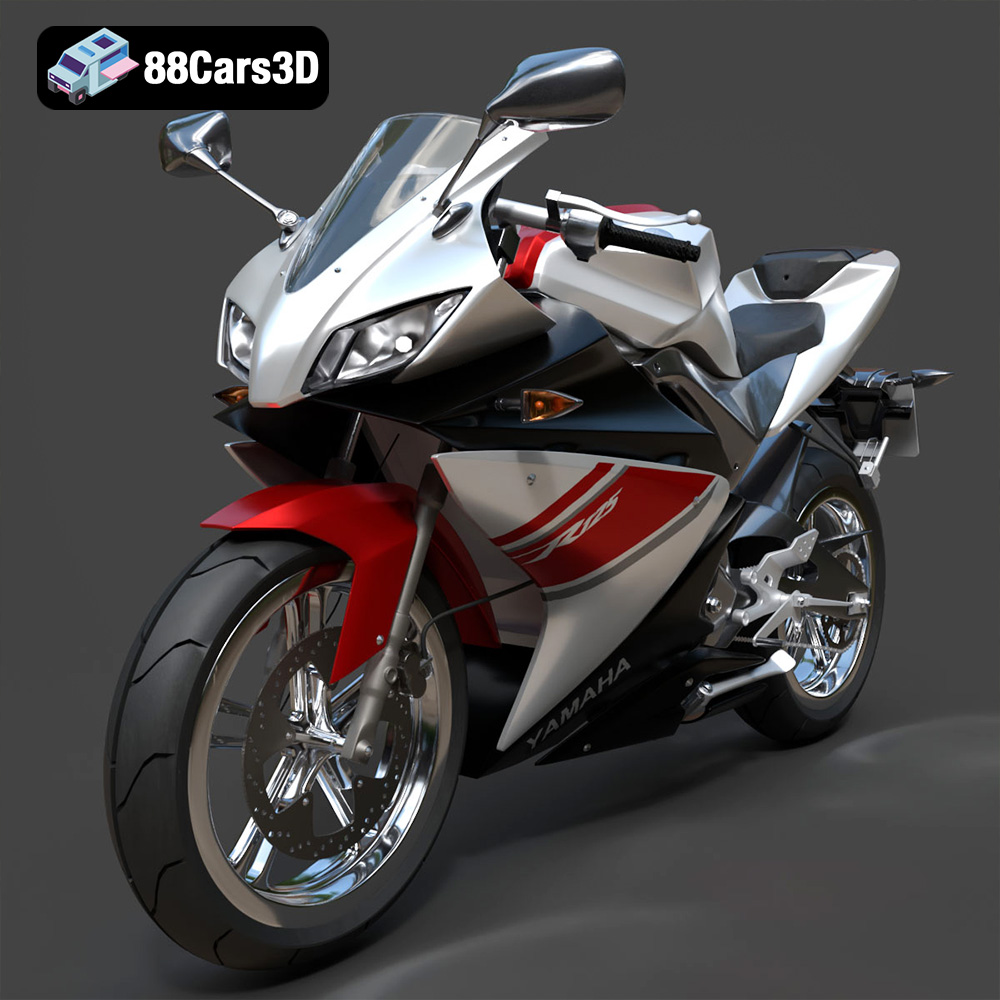
Texture: Yes | Material: Yes
Download the highly detailed, game-ready Yamaha YZF-R125 EU 3D Model. Features an aggressive aerodynamic fairing, twin LED headlights, and a detailed 125cc engine block. Includes .blend, .fbx, .obj, .glb, .stl, .ply, .unreal, and .max formats for game development, AR/VR, and rendering.
Price: $19.99
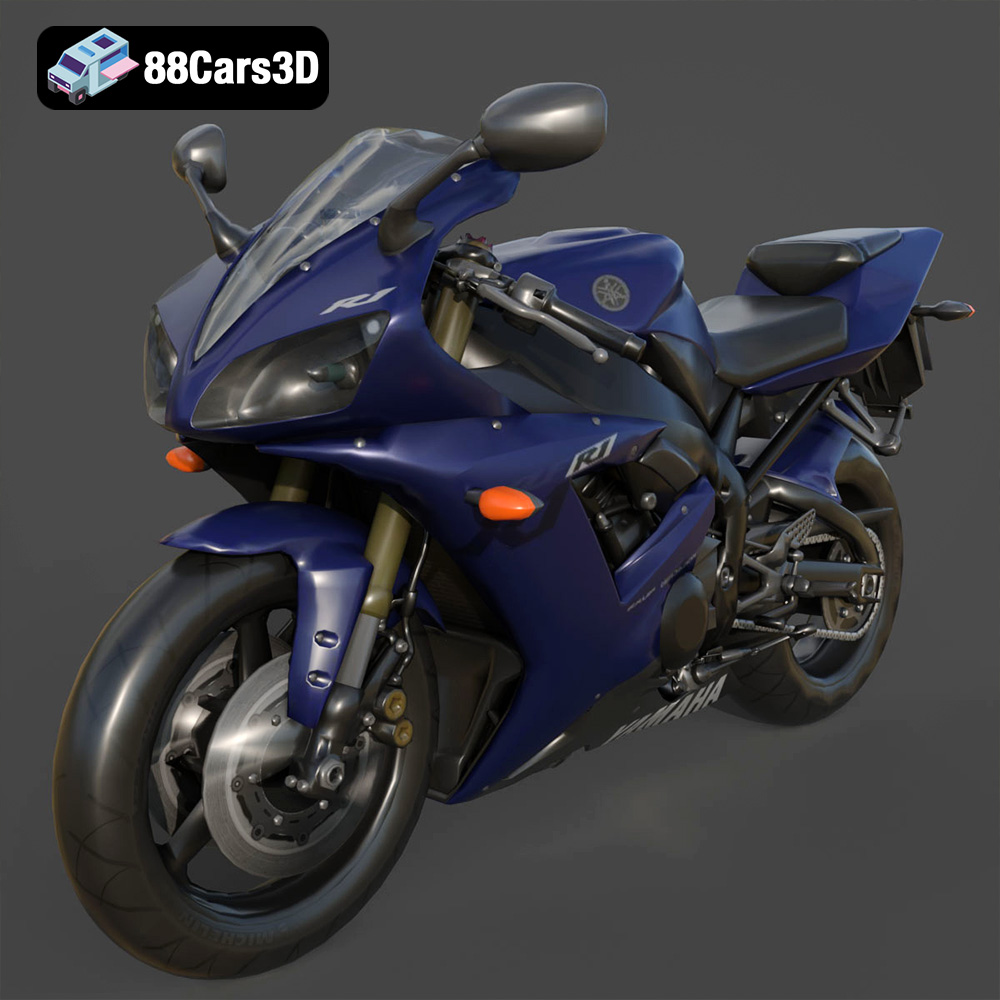
Texture: Yes | Material: Yes
Download the highly detailed, game-ready Yamaha R1 3D Model. Features aggressive aerodynamic fairings, a detailed crossplane inline-4 engine, and track-focused suspension geometry. Includes .blend, .fbx, .obj, .glb, .stl, .ply, .unreal, and .max formats for game development, AR/VR, and rendering.
Price: $19.99
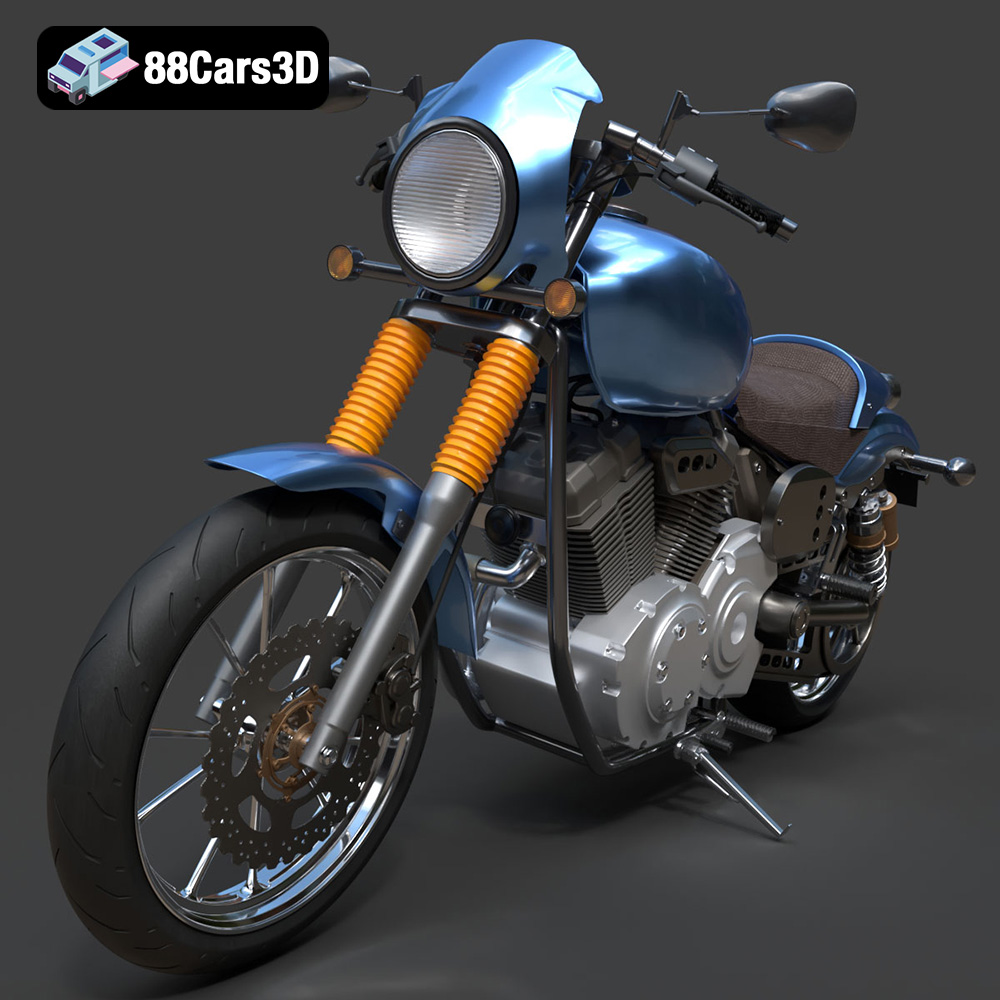
Texture: Yes | Material: Yes
Download the highly detailed, game-ready Yamaha XV950 Racer 3D Model. Features an aggressive cafe-racer front cowl, detailed air-cooled V-twin engine, and classic retro styling. Includes .blend, .fbx, .obj, .glb, .stl, .ply, .unreal, and .max formats for game development, AR/VR, and rendering.
Price: $19.99

Texture: Yes | Material: Yes
Download the highly detailed, game-ready Volvo VNL Tractor Truck 2002 3D Model. Features iconic aerodynamic styling, detailed fifth-wheel coupling, and heavy-duty chassis. Includes .blend, .fbx, .obj, .glb, .stl, .ply, .unreal, and .max formats for game development, AR/VR, and rendering.
Price: $39.99
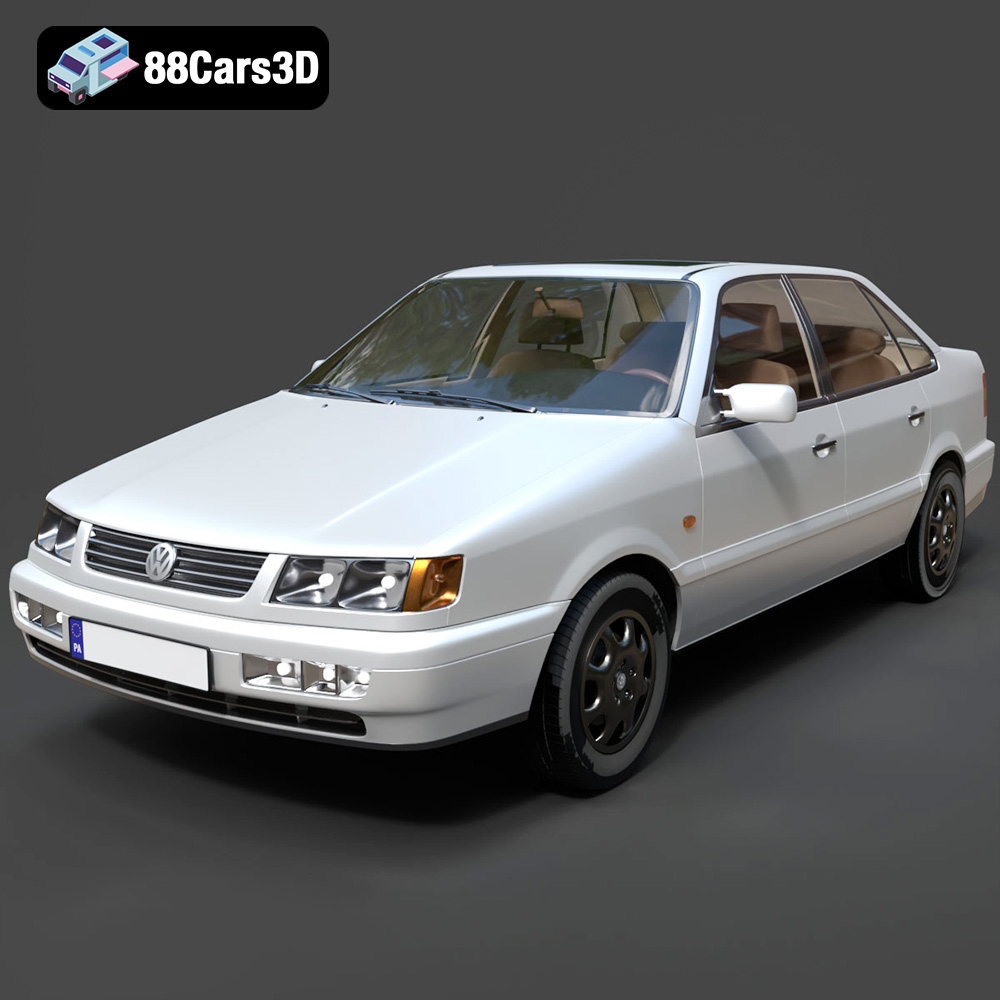
Texture: Yes | Material: Yes
Download the highly detailed, game-ready Volkswagen Passat Mk4 B4 Sedan 1993 3D Model. Features accurate 90s sedan styling, detailed front grille-less fascia, and a classic interior setup. Includes .blend, .fbx, .obj, .glb, .stl, .ply, .unreal, and .max formats for game development, AR/VR, and rendering.
Price: $39.99
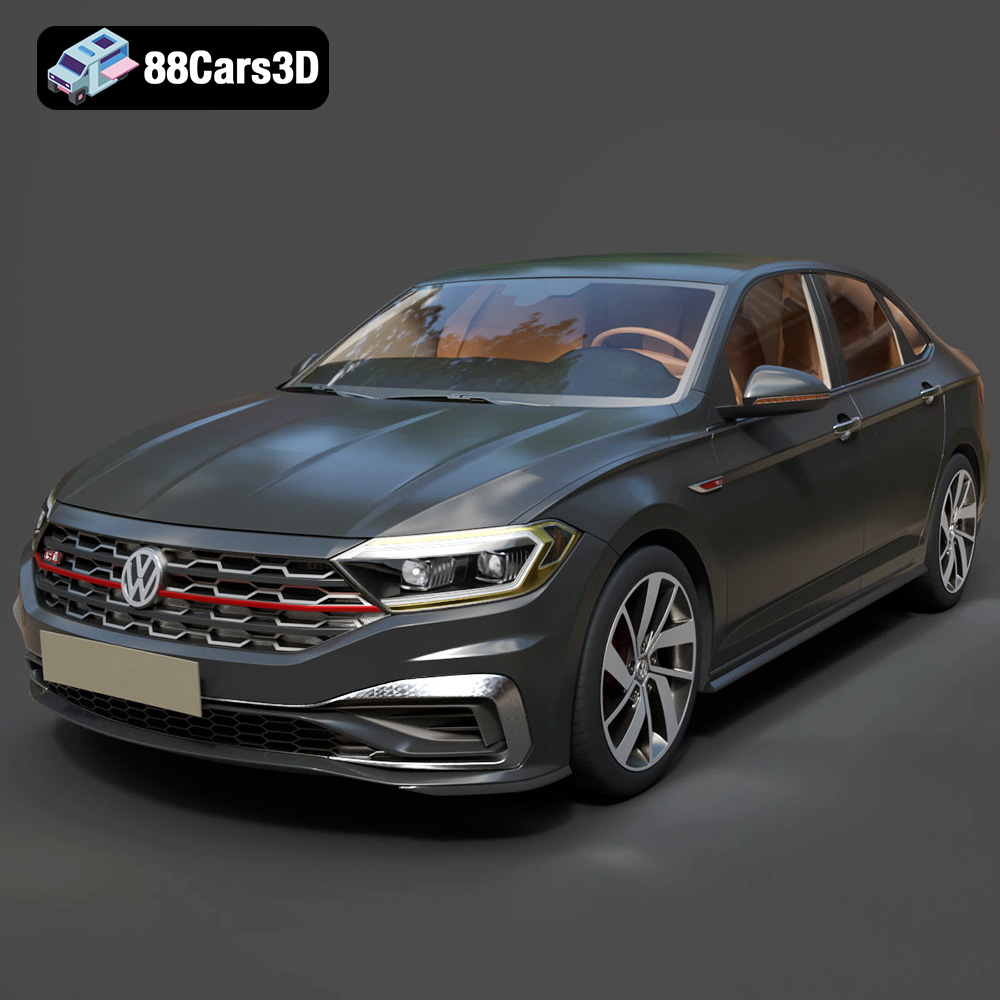
Texture: Yes | Material: Yes
Download the highly detailed, game-ready Volkswagen Jetta GLI 2019 3D Model. Features an aggressive honeycomb grille with red accents, sleek aerodynamic profile, and exclusive GLI sport wheels. Includes .blend, .fbx, .obj, .glb, .stl, .ply, .unreal, and .max formats for game development, AR/VR, and rendering.
Price: $39.99
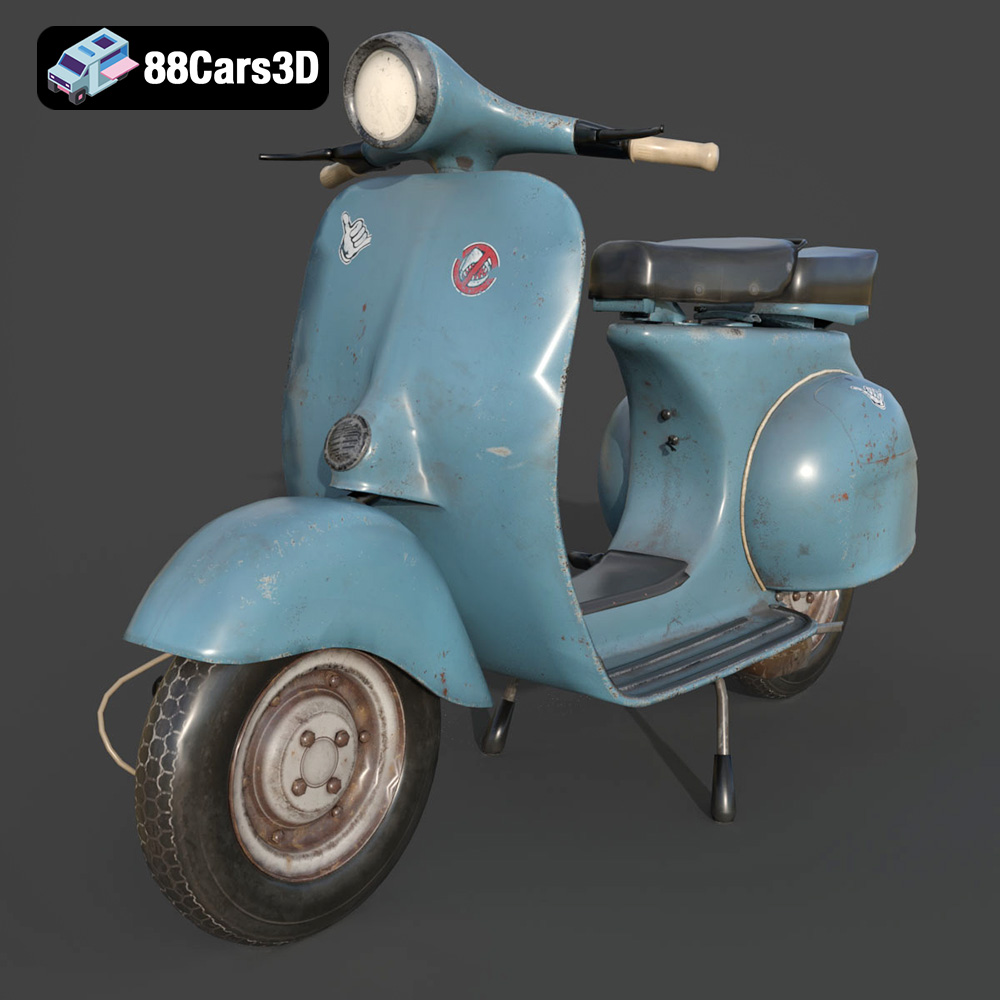
Texture: Yes | Material: Yes
Download the highly detailed, game-ready Vintage Vespa 3D Model. Features iconic rounded monocoque styling, classic saddle, and chrome accents. Includes .blend, .fbx, .obj, .glb, .stl, .ply, .unreal, and .max formats for game development, AR/VR, and rendering.
Price: $39.99

Texture: Yes | Material: Yes
Download the highly detailed, game-ready Vespa GS 150 3D Model. Features elegant aerodynamic curves, classic leg shield, and detailed engine casing. Includes .blend, .fbx, .obj, .glb, .stl, .ply, .unreal, and .max formats for game development, AR/VR, and rendering.
Price: $39.99
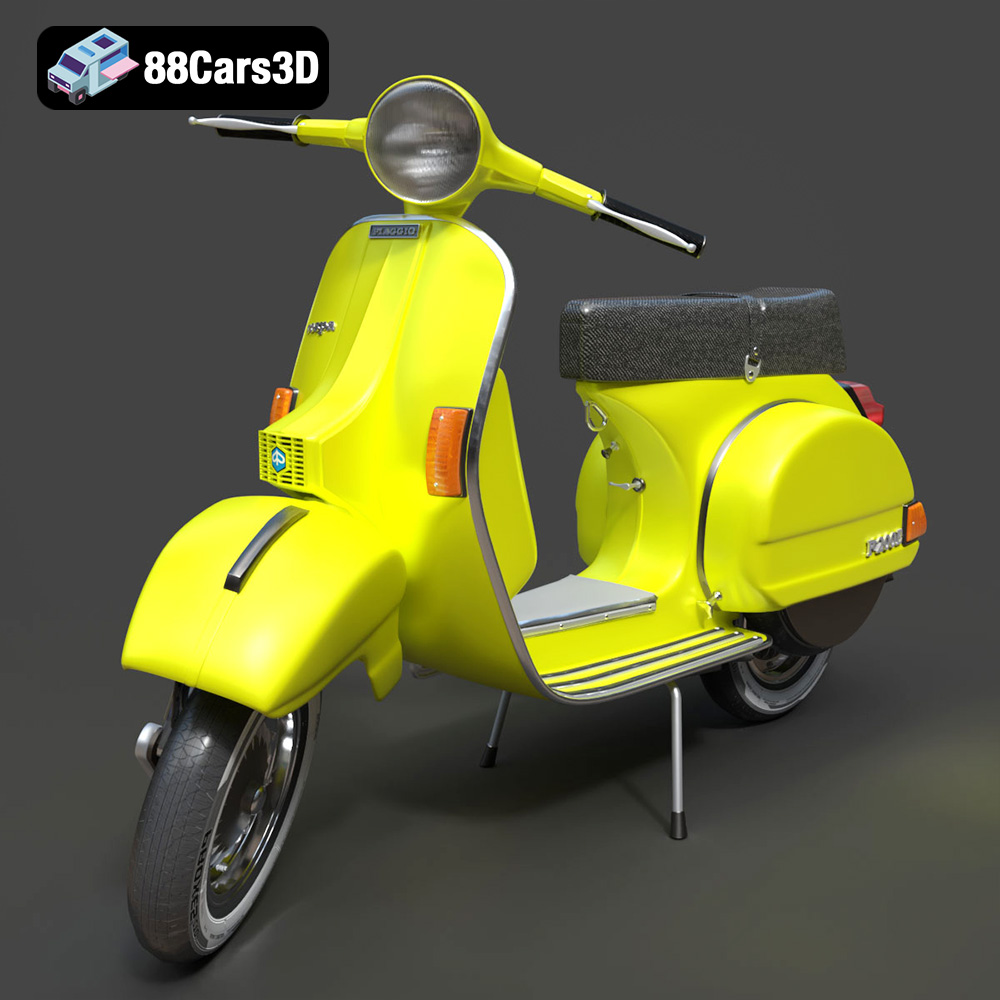
Texture: Yes | Material: Yes
Download the highly detailed, game-ready Vespa P200E 3D Model. Features classic vintage styling, accurate step-through frame geometry, and authentic detailing. Includes .blend, .fbx, .obj, .glb, .stl, .ply, .unreal, and .max formats for game development, AR/VR, and rendering.
Price: $39.99

